Garden Blog - Top Tropicals

Date: 2 Jun 2026

The Holy Grail of Medinillas: Why Collectors are Chasing the Philippine Pink
Medinilla apoensis - Philippine Pink

Medinilla apoensis - Philippine Pink

Medinilla apoensis - Philippine Pink

🎀 The Holy Grail of Medinillas: Why Collectors are Chasing the Philippine Pink


Some tropical plants are impressive because of their massive size, others capture attention with the delicate beauty of their flowers; Medinilla apoensis - popularly known as the "Philippine Pink" - stands out because it somehow does both at the same time.

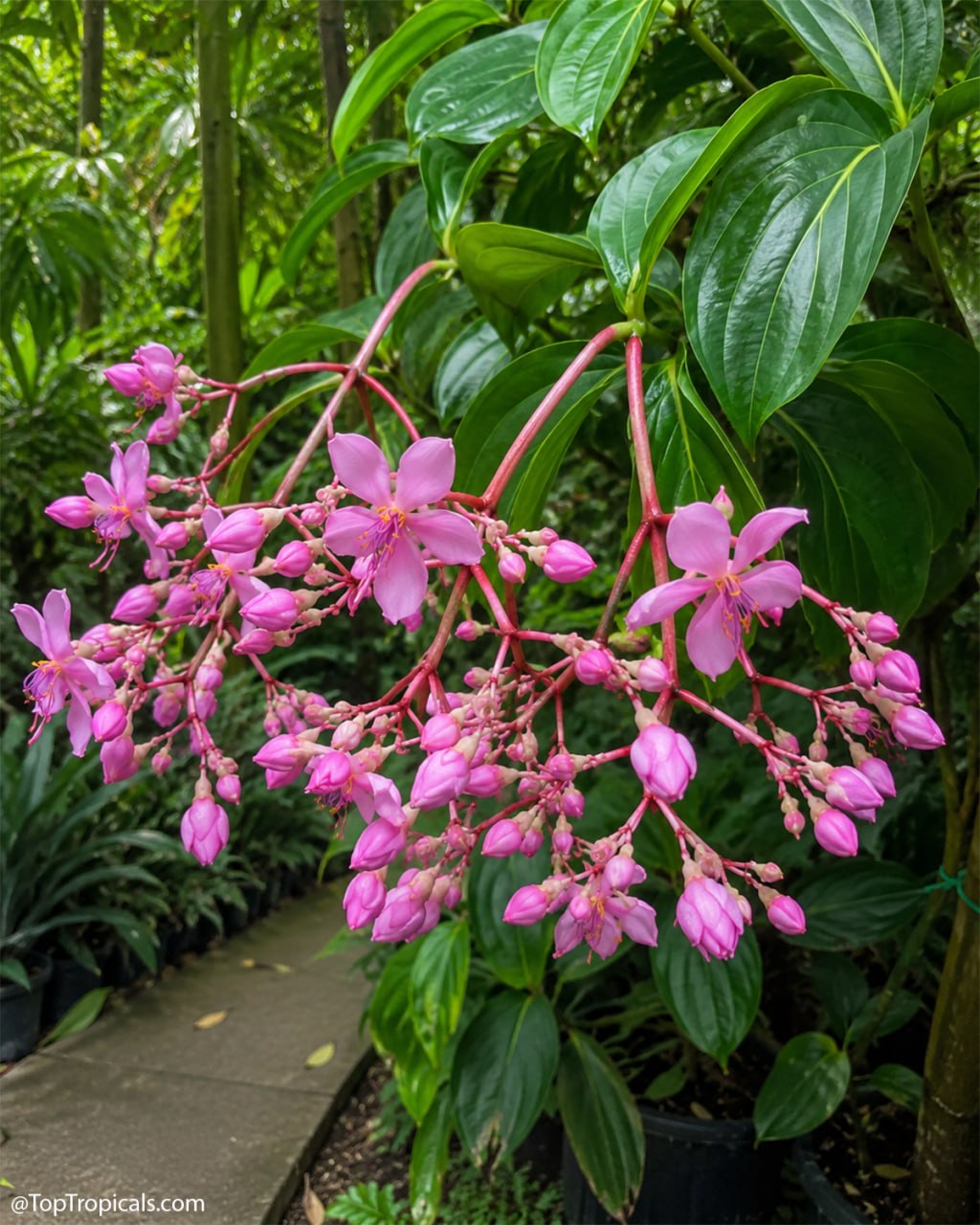
🎀This rare Philippine species produces vivid, bright pink flower clusters that rise and cascade above the foliage like glowing tropical chandeliers. Unlike many Medinillas that rely mostly on oversized pink bracts for their visual show, this species gets its dramatic appearance from the flowers themselves - large, intensely colored blooms arranged in elegant, pendant clusters.
The effect is so striking that many people assume the plant is artificial the first time they see it.

🎀 A Different Kind of Medinilla


Most indoor gardeners are familiar with the famous Medinilla magnifica, often called the "Rose Grape" plant. However, Medinilla apoensis has a completely different personality.

· Architectural Foliage: The leaves are heavily veined, lush, and deeply textured, giving the plant a rich rainforest appearance even when it isn't flowering.
· Floating Blooms: When it's time to bloom, the bright pink flowers emerge on branched, hanging stems, floating above and around the leaves instead of hiding beneath them.
· Oversized Flowers: The individual flowers can reach nearly 2 inches across—unusually large for the genus—creating a fuller and far more dramatic display than its relatives.

Its graceful, cascading growth habit only adds to the effect, making mature plants look almost sculptural.

🎀 A Rare Collectors Treasure from the Cloud Forests

As the name suggests, Medinilla apoensis originates from the Philippines, a tropical region famous for its extraordinary epiphytic plants and rich rainforest biodiversity. In the wild, these plants naturally grow perched on tree branches in humid mountain forests, where constant airflow, filtered light, and mist create the ideal microclimate.

Because it remains relatively uncommon in commercial cultivation, the "Philippine Pink" has that exact combination that plant enthusiasts love: it is rare, exotic-looking, and elegantly dramatic.

🏆 The Best Part? It is surprisingly manageable to grow indoors if you can mimic its native cloud-forest habitat.

🎀 How to Help It Thrive

Despite its finicky, ultra-tropical appearance, Medinilla apoensis isn't impossible to keep happy. Like many epiphytes, its success comes down to a few key elements:

· Light: Bright, filtered or dappled sunlight (avoid direct, scorching afternoon sun).
· Climate: Warm temperatures and consistently high humidity.
· Watering: Regular moisture, but never allow the roots to sit in stagnant water.
· The Golden Rule: Avoid dense, heavy soil. In nature, their roots are exposed to constant airflow. To prevent root rot, use a chunky, fast-draining tropical mix containing orchid bark, coco coir, and perlite.

🎀 The Ultimate Showstopper

Some plants blend seamlessly into the background of a collection. Medinilla apoensis is not one of them.

Between the heavily textured foliage, the sculptural cascading habit, and those glowing pink flowers suspended like fine jewelry, this is the kind of plant that instantly becomes the center of attention in a greenhouse, patio, or bright living room.

For the dedicated plant collector, finding one of these rare treasures in full bloom feels less like routine gardening and a lot more like discovering hidden tropical treasure.

🛒 Shop Medinilla plants

📚 Learn more:

Philippine Pink Medinilla Plant Facts

Botanical name: Medinilla apoensis
Also known as: Philippine Pink Medinilla
USDA Zone: 10
Highligths Small plant 2-5 ftSemi-shadeWatering: Moderate. Water when top soil feels dryWatering: Regular. Let topsoil dry slightlyPink flowers
Get personalized tips for your region

· Medinilla apoensis in Plant Encyclopedia
· What pot is good for Medinilla?
· Is this a Plant or a Coral?
· How to add a splash of tropical flair to your plant collection
· The Drama you want in your garden: dazzling Medinilla!
· Medinilla Gregori Hambali - an Exquisite Natural Wonder
· The Rolls Royce of House Plants: Medinilla

#Shade_Garden #Container_Garden #Discover

🟢 Join 👉 TopTropicals

Date: 30 May 2026

The Fake Bamboo That Blooms Like a Rare Orchid Year-Round

Arundina graminifolia, Bamboo orchid

The "Fake" Bamboo That Blooms Like a Rare Orchid Year-Round


Bamboo Orchid (Arundina graminifolia): Ever seen a bamboo plant sprout stunning, pinkish-purple orchid flowers? It looks like a trick of nature, but it’s actually the Bird Ground Orchid! This exotic showstopper features tall, cane-like stems and long, alternating leaves that mimic real bamboo perfectly. But instead of just growing green, these towering plants - which easily reach hip height or taller - produce delicate, 3-inch blooms that look exactly like high-maintenance Cattleya orchids.

🌸 Why it’s perfect for your yard:


Continuous blooms: The flowers open one at a time at the top of the canes, keeping the colorful show going for weeks on end.
Year-round color: While they peak in the summer, these tropical beauties can bloom almost all year long.
Low maintenance: Unlike notoriously finicky orchids, the Bamboo Orchid is a hardy, easy-to-care-for addition that thrives beautifully in shade gardens.

If you want a unique, sky-reaching plant that brings instant tropical vibes to your landscape without the hassle, this is the one to plant. 👉 More...

📚 Learn more:

Bamboo Orchid Plant Facts

Botanical name: Arundina graminifolia, Arundina affinis, Bletia graminifolia
Also known as: Bamboo Orchid, Bird Orchid
USDA Zone: 9 - 10
Highligths Small plant 2-5 ftSemi-shadeShadeFull sunWatering: Regular. Let topsoil dry slightlyEpiphyte plantWhite, off-white flowersPink flowers
Get personalized tips for your region

· Arundina graminifolia in Plant Encyclopedia
· When Bamboo blooms with orchid flowers
· The prettiest flower for shade
· Ground orchids: all-summer colors
· Why do we love Ground Orchids
· Epidendrum radicans - Orange Reed Ground Orchid, Sunrise
· Terrestrial orchids
· What orchids can be grown in the ground
🎥 Ground orchids: all-summer colors for shady gardens

🛒 Shop Ground Orchids

#Container_Garden #Shade_Garden #Discover

🟢 Join 👉 TopTropicals

Date: 27 May 2026

How to Root Plumeria Cuttings: The Dry Method for Success

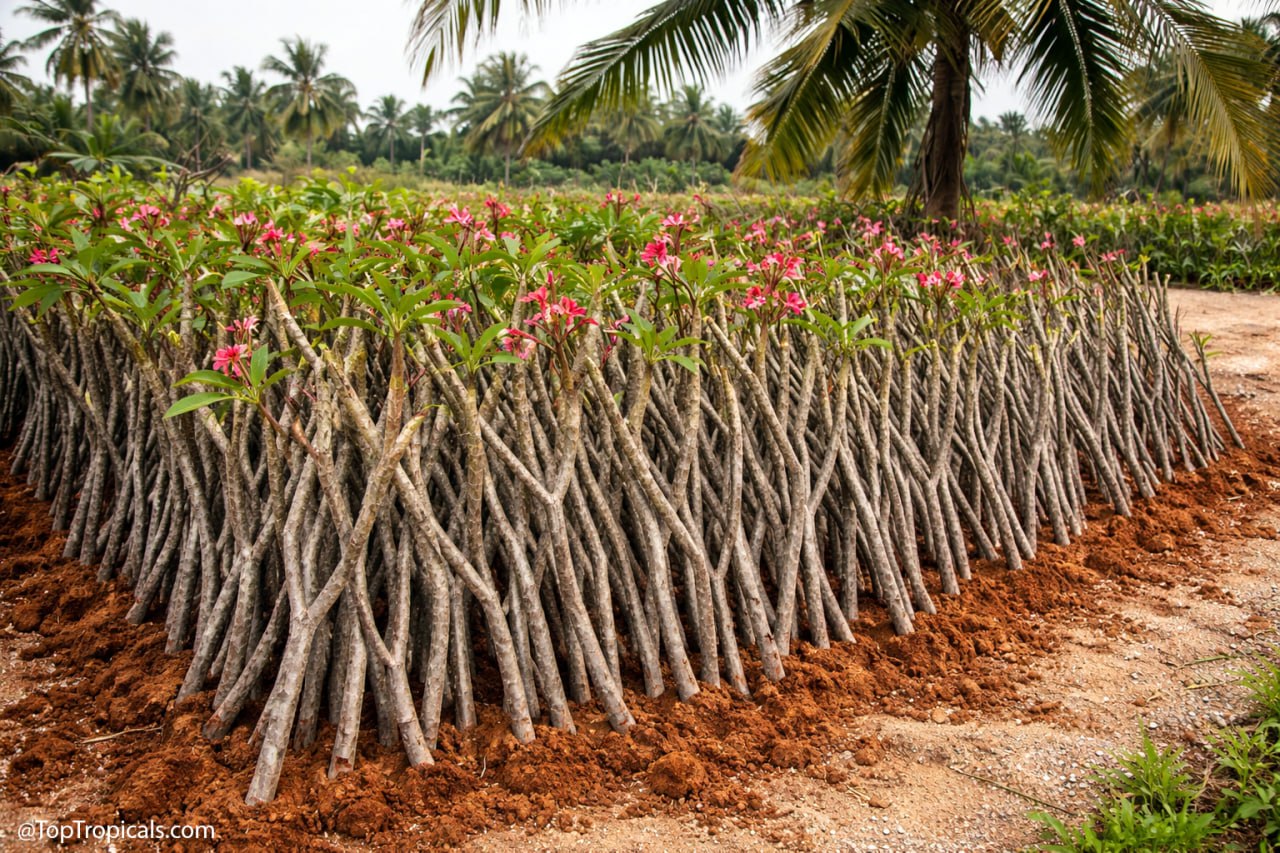
Rooting Plumeria Cuttings

Rooting Plumeria Cuttings

How to Root Plumeria Cuttings: The "Dry" Method for Success ✔️

Plumeria cuttings root with incredible ease if you respect their succulent nature. Most failures come from two mistakes: planting too early and watering too much. Whether you use the traditional potting method or the professional Thailand "Surface" Method, the secret is: Keep it dry until it grows

✍️ Stability Note: Cuttings vs. Grafted Trees


While cuttings are easy, they develop shallow, horizontal root systems.
Best for: Pots and sheltered garden spots.
For windy or hurricane-prone areas: Consider Grafted Plumeria. Grafted trees use a seedling rootstock with a strong taproot, providing much better anchoring and long-term stability.

🌸 5 steps how to root plumeria cuttings - simple method that works


🌸 Step 1: Prepare and Cure (The 5-Day Rule)


Before a cutting ever touches soil, it must heal.
Cut: Take healthy branches 6-12 inches long and remove all leaves.
Cure: Place the cuttings in bright shade with plenty of airflow.
The Goal: Wait 3-5 days until the cut end is bone-dry, firm, and callused.
Pro Tip: Planting a "wet" cutting is the #1 cause of stem rot. If it isn't callused, do not plant it.

🌸 Step 2: Use Fast-Draining Soil


Plumerias hate "wet feet." You need a medium that drains instantly.
The Recipe: 50% professional potting mix (like Top Tropicals Abundancу mix) and 50% coarse sand.
Why it works: The bark provides structure, while the sand ensures water runs straight through, leaving no stagnant moisture.

🌸 Step 3: Planting & The "Thailand Method"


You have two proven ways to set your cuttings:

Method A: The Traditional Pot
1. Hormone (Optional): Dip the dry end in rooting hormone and tap off the excess.
2. Depth: Insert only 2–3 inches deep. Roots emerge from the base, not the stem.
3. Secure: Firm the soil so the cutting doesn't wobble.

Method B: The Thailand Style (Surface Rooting)
As seen in the image, large-scale growers often don't bury cuttings at all.
1. The Bed: Prepare a bed of well-draining soil.
2. The Placement: Stand the cuttings on top of the soil, leaning them against each other or a support.
3. The Benefit: This provides maximum airflow to the base and zero risk of rot. Roots will naturally dive into the soil as they emerge.

🌸 Step 4: Critical Watering Rules


This is where most gardeners fail.
Initial Watering: After planting, moisten the soil slightly—just once.
The Wait: Do not water again for 5–7 days. The Logic: No roots = No water intake. If the soil stays wet without roots to drink it, the cutting will rot.

🌸 Step 5: Heat, Light, and Air


Sun: Start in bright shade for a few days, then move to full sun. Heat is the catalyst for root growth.
Ground Heat: Placing pots on a warm surface (like a concrete patio or black ground cover) can accelerate rooting.
Airflow: Never root plumeria in a humid greenhouse or enclosed space. They need "open air" to thrive.

🌸 What to Expect


2-4 Weeks: Callusing ends and initial roots form.
4-8 Weeks: New leaf "claws" appear at the tip.
Success: Once you see full leaves, you can begin a regular watering and fertilization schedule.

✅ Quick Success Checklist


Dry the cutting for 3–5 days.
Use 50% sand for instant drainage.
Plant shallow (or use the Thailand surface method).
Wait a week before watering again.
Provide maximum sun and airflow.

❌ What NOT to do:


Avoid frequent watering. If you think it’s time to water, wait one more day.
Plumeria cuttings have no roots to drink with yet.
If the soil looks dry and you feel the urge to water, wait 24 hours. When in doubt, keep it dry.
Remember: You can save a dry cutting, but you can't save a rotten one.

🛒 Shop Grafted Plumeria Collection

📚 Learn more:
· Plumeria varieties in Plant Encyclopedia
· #PlumeriaRainbow

#Perfume_Plants #Container_Garden #How_to #Discover

Dwarf Plumeria Plant Facts

Botanical name: Plumeria alba
Also known as: Dwarf Plumeria
USDA Zone: 9 - 11
Highligths Large shrub 5-10 ft tallSmall tree 10-20 ftFull sunWatering: Moderate. Water when top soil feels dryWhite, off-white flowersFragrant plant
Get personalized tips for your region
🟢 Join 👉 TopTropicals

Date: 21 Jun 2026

🍓The Strawberry Moon Rises: A Gardener's Excuse to Go Outside

Sunshine,  an  orange  tabby  cat,  compares  a  strawberry-glazed  donut  to 
 the  Strawberry  Moon  while  Smokey,  a  tuxedo  cat  wearing  glasses,  inspects 
 Strawberry  Tree  and  Strawberry  Guava  plants  at  Top 
 Tropicals.
Sunshine: Look at my strawberry-glazed donut. Same as the Strawberry Moon. I have been waiting for this all month. They say moon gardening is useful. Let's go planting!
Smokey: Science hasn't found much evidence for it.
Sunshine: Then what's the point?
Smokey: If the moon gets people into the garden, that's good enough for me.

On the evening of Monday, June 29, 2026, the full Strawberry Moon will rise low in the southeastern sky. Whether you follow a lunar calendar or not, it's a good excuse to spend a little time outside on a summer evening.

🌛 What Is the Strawberry Moon, Exactly?

Many of the familiar full moon names come from Native American traditions and reflect seasonal events in nature. June's full moon was named for the season when wild strawberries ripen across much of North America, not for any color in the sky. Despite the name, the moon won't glow pink or red. If it looks warm or golden, that's simply because any full moon takes on an amber tint when it hangs low near the horizon, the same atmospheric effect that paints sunsets orange. The "strawberry" is about the harvest, not the hue.

This year, the Strawberry Moon rises on the evening of June 29 and will appear low in the southeastern sky, making it a particularly beautiful moon to watch as dusk settles in.

🌓 Moon Gardening, an Old and Honest Tradition

For generations, gardeners across Europe and beyond timed their planting, pruning, and harvesting to the phases of the moon. Plant root crops during a waning moon, some traditions say, and leafy crops during a waxing one. Prune during certain phases to slow regrowth, harvest herbs at others for better potency. These calendars were passed down through generations of careful observers who paid close attention to their land and their results, and many still follow them today.

Modern science has found little evidence that lunar gravity or moonlight significantly affects plant growth. Yet the tradition persists, and plenty of growers still find real value in the rhythm it brings to the gardening year.

💡What We Know For Sure

Here's the practical truth, and it's the same one Smokey arrived at after thinking it over. Whether or not the moon influences your plants, the act of walking through your garden definitely does. A moon-phase calendar that gets you outside to check on your plants, pull a few weeds, prune back something leggy, top off the mulch, or water a thirsty pot is helping your garden, regardless of what's happening overhead.

The benefit isn't necessarily lunar. It's attention.

A garden rarely thrives because of a single grand effort. It thrives because of dozens of small ones: a little pruning, a little watering, a few weeds pulled before they become many.

Gardens reward the gardeners who show up, and if a full moon is your reminder to show up, that's a perfectly good reason to keep watching the sky.

📅 Beyond the Harvest

Not everything in a garden needs to produce a yield to be worthwhile. Marking the seasons the way our ancestors did, a strawberry moon in June, a harvest moon in fall, a snow moon in February, gives us small, recurring reasons to notice what's changing around us. It's a rhythm, not a requirement.

Think of the Strawberry Moon as a good excuse to take a walk through the garden.

The Strawberry Moon doesn't have to improve anything to be worth celebrating. It only needs to get you outside on a warm June evening, which, honestly, isn't a high bar to clear.

A Strawberry Moon Collection, Just for Fun

Sunshine immediately concluded that any moon named after strawberries deserved a few strawberry-themed plants. We couldn't argue with that logic, so we pulled together a few Top Tropicals favorites that fit the theme.

🍓 Strawberry Tree

Close-up  of  ripe  red  Strawberry  Tree  fruit  (Muntingia  calabura) 
 arranged  on  fresh  green  leaves  with  several  white  five-petaled  flowers  and 
 flower  buds,  displayed  on  a  rustic  wooden 
 surface.

The Strawberry Tree (Muntingia calabura) often carries flowers and fruit at the same time. Sweet red berries, delicate white blossoms, and lush foliage make this fast-growing tropical tree both ornamental and productive throughout much of the year.

Close-up  of  the  rare  yellow-fruited  Strawberry  Tree  (Muntingia 
 calabura)  showing  ripe  golden-yellow  berries  alongside  white  five-petaled 
 flowers  and  green  developing  fruit  among  textured  green 
 leaves.

A rare yellow-fruited form of Muntingia calabura (Strawberry Tree), displaying sweet golden berries, delicate white flowers, and immature green fruit all at the same time. This unusual selection offers the same fast growth and continuous fruiting as the red type, but with attractive yellow fruit that is seldom seen in cultivation.

Strawberry Tree (Muntingia calabura), also known as Jamaican Cherry, grows quickly and produces dainty white flowers resembling strawberry flowers, followed by an abundance of small cotton-candy-sweet berries that birds, wildlife, gardeners and their kids all appreciate.

📚 Learn more from Top Tropicals Garden Blog

🍓 Strawberry Guava

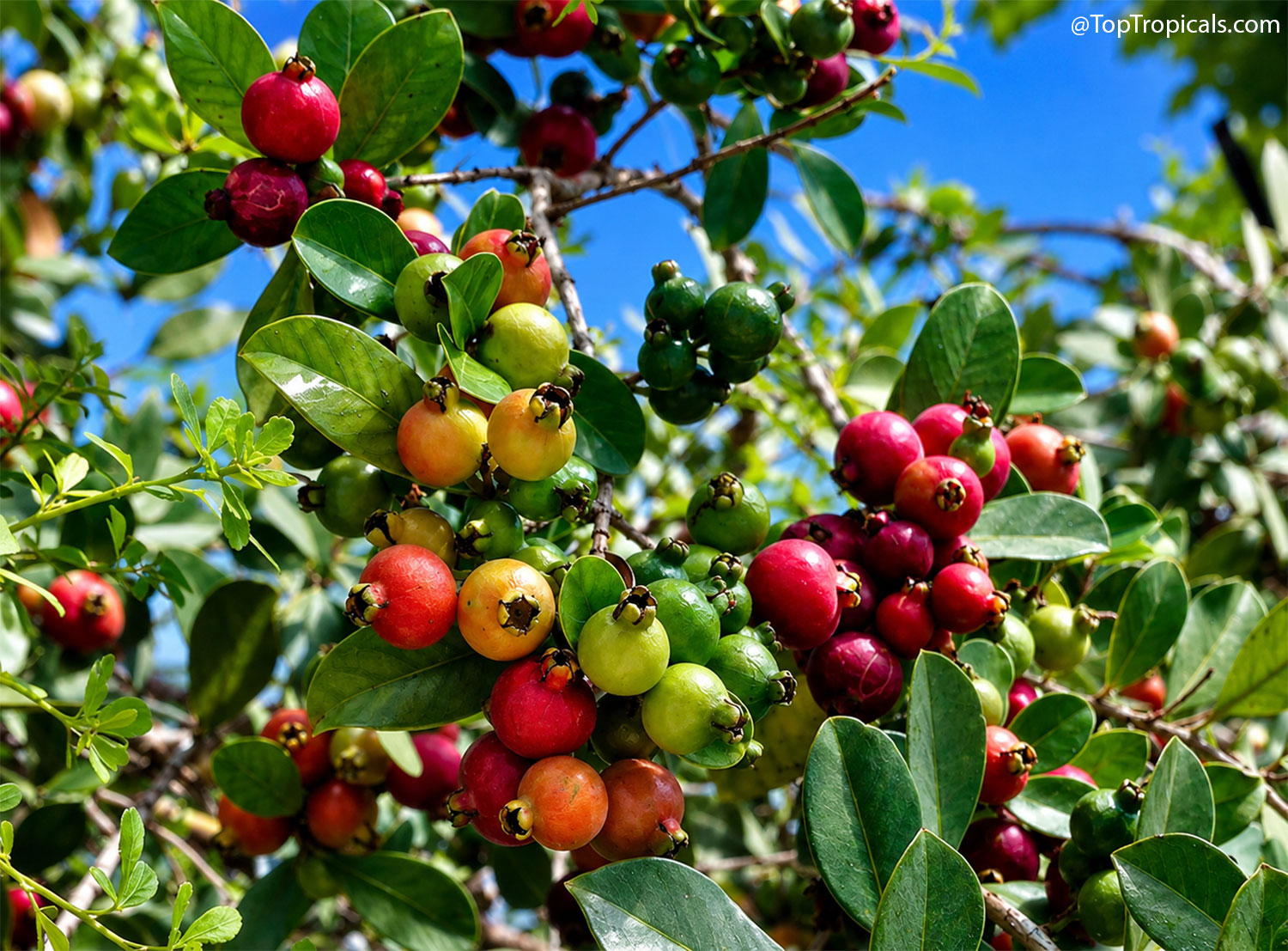
Strawberry Guava (Psidium littorale) brings glossy foliage and sweet, perfumed fruit that tastes something like its namesake crossed with a guava.

Close-up  of  a  strawberry  guava  branch  loaded  with  fruit  in  different 
 stages  of  ripening,  from  green  and  yellow  to  bright  pink-red.  Glossy 
 evergreen  leaves  surround  the  colorful  clusters  against  a  clear  blue 
 sky.

Strawberry Guava (Psidium littorale, or cattleianum) often carries fruit in multiple stages of ripening at once, creating a colorful display of green, golden, and ruby-red berries. The sweet, aromatic fruit is prized for fresh eating and attracts birds and wildlife to the garden.

🍓 Strawberry Dragon Fruit

Dragon Fruit Vietnamese Jaina Strawberry White (Hylocereus undatus ) produces bright pink fruit with refreshing white flesh and a flavor often described as a blend of strawberry, melon, and kiwi. Its enormous night-blooming flowers are every bit as impressive as the fruit, turning this vigorous climbing cactus into a spectacular summer showpiece.

Plate  of  Vietnamese  Jaina  Strawberry  White  dragon  fruit  showing  several
    whole  pink-skinned  fruits  alongside  sliced  fruit  revealing  bright  white 
 flesh  speckled  with  tiny  black 
 seeds.

Vietnamese Jaina Strawberry White Dragon Fruit is prized for its refreshing white flesh and mild sweet flavor with hints of strawberry, melon, and kiwi. The vivid pink skin and striking black-speckled interior make it as beautiful on the table as it is delicious to eat.

🍓 Strawberry Ginger

Coral Ginger Borneo Strawberry Pink (Riedelia coralina) is one of the rarest gingers in cultivation, producing unusual strawberry-pink flower spikes that seem almost too exotic to be real. The edible blooms have a pleasant spicy fragrance and flavor, making this New Guinea treasure as interesting to taste as it is to admire.

Whether you came for the moon or the plants, we hope you discovered something interesting. They just happen to share a name with the moon overhead this June, and that felt like reason enough to give them a little spotlight.

Close-up  of  Riedelia  coralina  (Coral  Ginger)  showing  an  unusual 
 strawberry-pink  flower  spike  emerging  among  large  glossy  tropical  leaves, 
 with  the  curved  tubular  flowers  standing  out  against  a  lush  green  jungle 
 background.

Riedelia coralina, known as Coral Ginger or Borneo Strawberry Pink, produces one of the most unusual flower displays in the ginger family. Its striking strawberry-pink blooms rise above lush foliage, creating a tropical focal point rarely seen outside specialized collections.

🍓🌱 How to Grow Them

If you live in a frost-free climate (USDA Zones 10+), simply plant these strawberry gems in the ground and enjoy. Strawberry Guava can tolerate occasional frosts down to about 28F once established.

Not so lucky? Many gardeners successfully grow Strawberry Guava, Strawberry Dragon Fruit, and Strawberry Tree in containers, moving them indoors or to a protected location during winter. You don't need a tropical climate to enjoy tropical fruit.

🏡 See You Outside

Whether you believe in moon gardening or not, June 29 is a good night to step outside, find an open view of the southeastern sky, and watch the Strawberry Moon rise. Bring a cup of tea, walk the garden beds while there's still light, pull a few weeds, and let the evening settle in around you.

And that may be the real lesson of the Strawberry Moon.

Sunshine: The Strawberry Moon is out. Time for gardening.
Smokey: What does the moon calendar recommend?
Sunshine: I have no idea. I left it on the kitchen table. Both hands are full.
Smokey: Of course they are. Coffee and donuts. Let's start with the weeds.

👉Start your Strawberry Moon Collection

Date: 26 Jun 2026

How to Grow Mahoe: The Fast-Growing Shade Tree That Changes Color - Tropical Chameleon

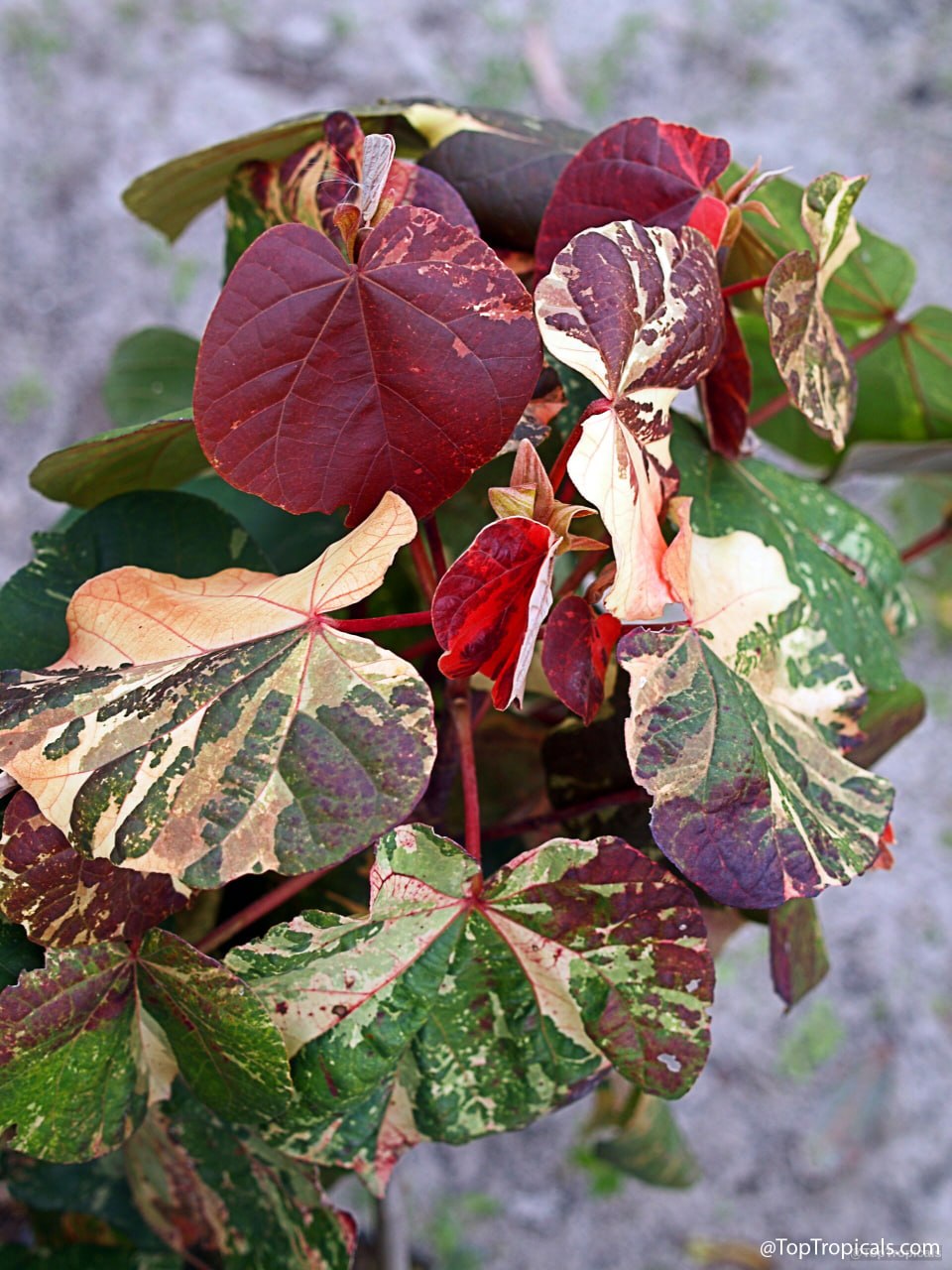
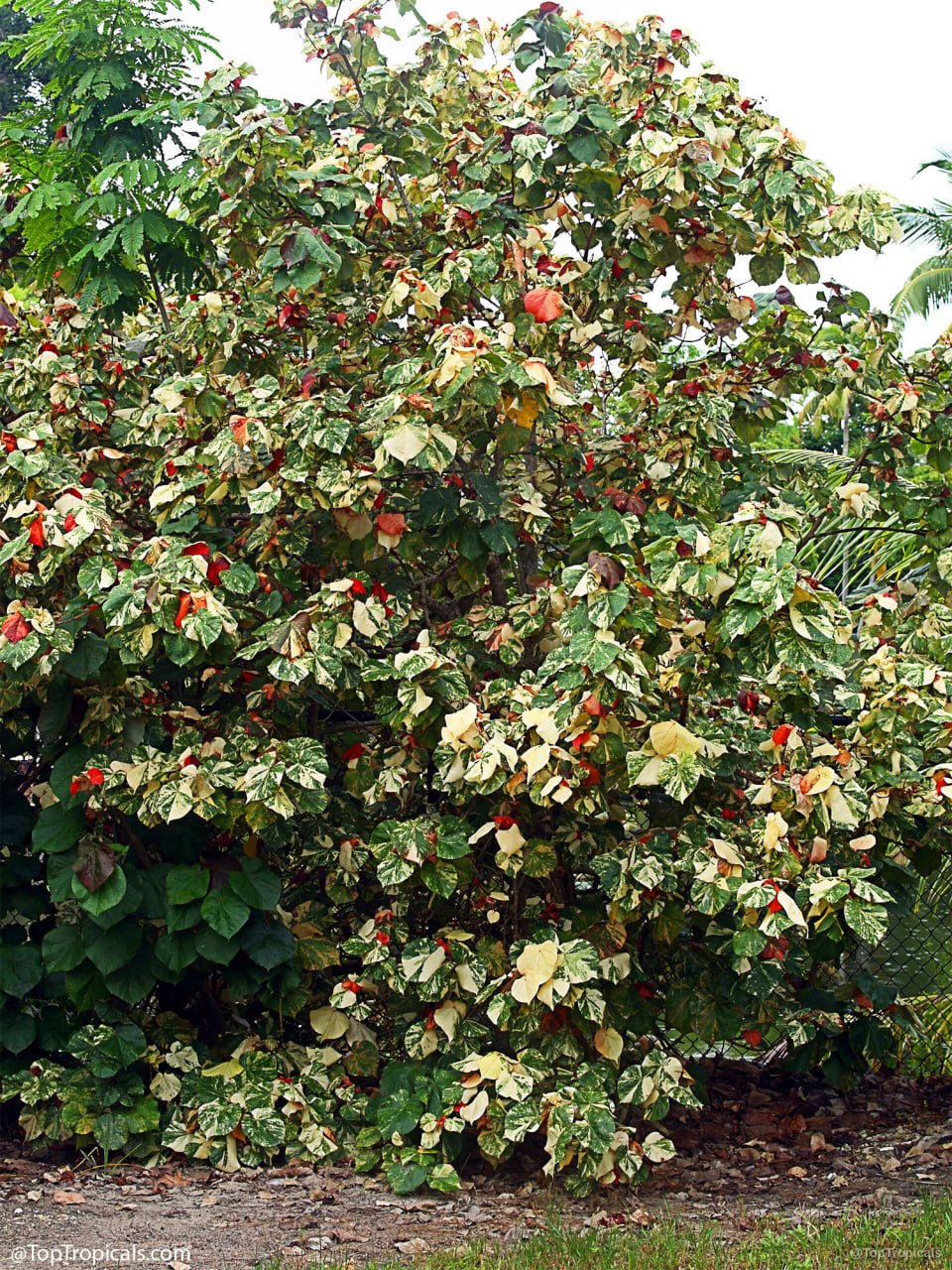
How to Grow Mahoe: The Fast-Growing Shade Tree That Changes Color - Tropical Chameleon How to Grow Mahoe: The Fast-Growing Shade Tree That Changes Color - Tropical Chameleon How to Grow Mahoe: The Fast-Growing Shade Tree That Changes Color - Tropical Chameleon
🌳 How to Grow Mahoe: The Fast-Growing Shade Tree That Changes Color - Tropical Chameleon

Looking for a fast-growing, low-maintenance tropical tree that brings effortless shade, constant color, and a parade of pollinators to your yard - Mahoe is the one! Talipariti tiliaceum, formerly Hibiscus tiliaceus - is native to coastal pantropical regions. This sturdy evergreen is a true garden workhorse. Whether grown as a dense, 5-to-10-foot privacy shrub or trained into a beautiful, umbrella-shaped small tree reaching up to 20 feet, Mahoe delivers that lush, instant-jungle vibe in just one season.

🌳 Nature's Color-Changing Magic


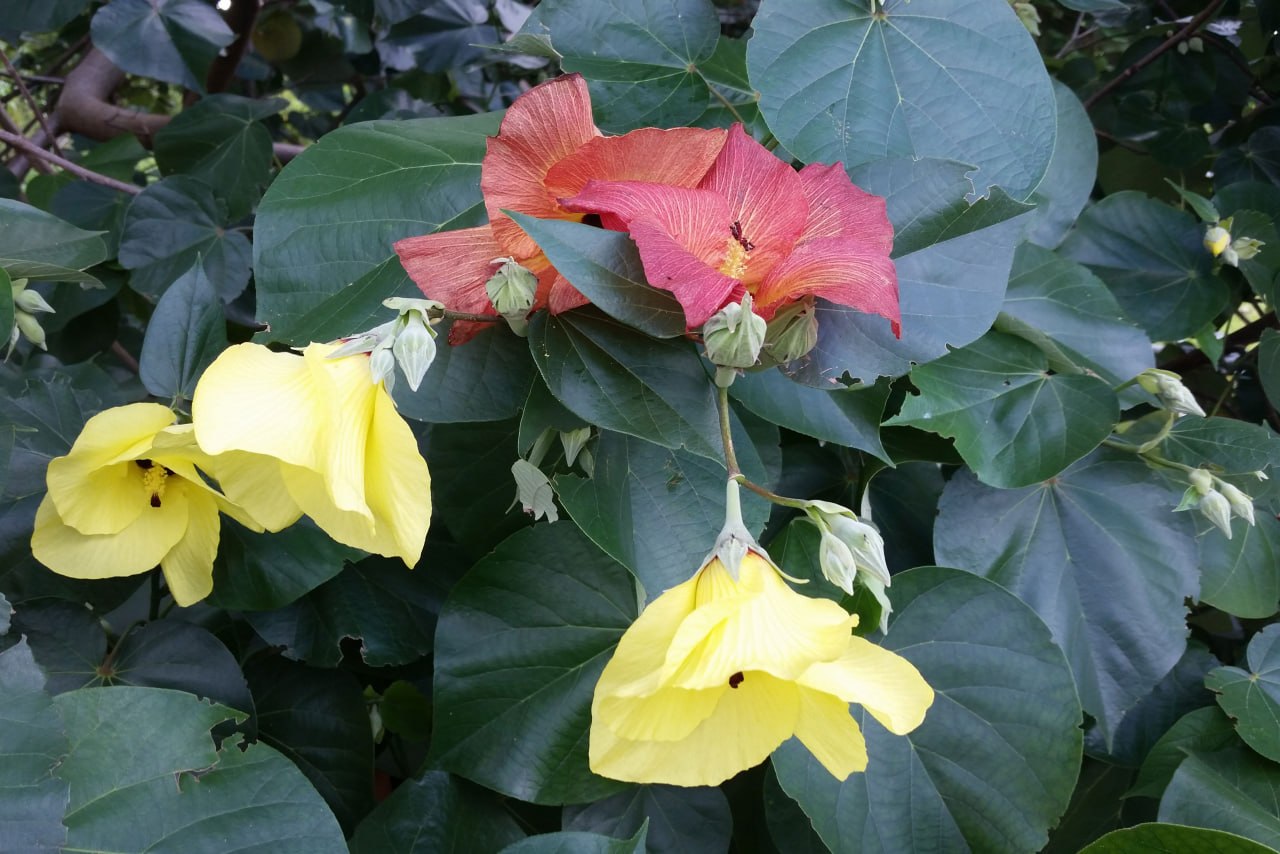
The real magic of the Mahoe lies in its blooms. Throughout the year, magnificent flowers open a bright, vibrant yellow in the morning. As the day goes on and the blooms age, they undergo a stunning transition - deepening to rich orange, crimson, and vinous red before they drop. This shifting color wheel creates a breathtaking, multi-colored display that acts as a magnet for hummingbirds and butterflies.

🌳 Landmark Shade for Warm Climate Landscapes


Mahoe thrives in full sun, loves regular water, and is exceptionally salt-tolerant, making it an absolute powerhouse for coastal and southern landscapes (USDA Zones 9b-11).

Instant Canopy: Because it grows with incredible vigor, it can transform a wide-open, sunny spot into a dense, shady retreat in just one or two seasons.

Growth Management: In the ground, it quickly matures into a substantial, wide-spreading tree. While its wild growth habit means regular, aggressive pruning is mandatory to keep it shaped and contained within typical garden bounds, it rewards that effort with unmatched privacy and a massive, tropical canopy.

🌳 The Designer Upgrade: Variegated Mahoe


If you want all the fast-growing stamina of the standard Mahoe but want to turn the visual drama up to ten, the Variegated Mahoe (Hibiscus tiliaceus Variegatum) is the absolute must-have tree of the year.

While its color-changing flowers are just as magical as the original, its foliage is a spectacular show all on its own. The large, heart-shaped leaves are a living kaleidoscope, splashed with dramatic patterns of white, cream, deep green, and even soft pink and red.

Even better for smaller yards! The variegated variety tends to naturally maintain a tighter, more compact, and symmetrical umbrella-like shape than its wild green cousin, giving you high-end landscape style with minimal effort.

Whether you choose the classic, pollinator-loving green or the eye-popping variegated cultivar, the Mahoe family is guaranteed to be the centerpiece of your garden.

🛒 Get Instant Tropical Shade - Mahoe

📚 Learn more:
· Talipariti tiliaceum (Hibiscus tiliaceus) in Plant Encyclopedia
· The Tree Everyone's Talking About: Variegated Mahoe

#Trees #Discover

Mahoe Plant Facts

Botanical name: Talipariti tiliaceum, Hibiscus tiliaceus
Also known as: Mahoe
USDA Zone: 9 - 11
Highligths Large shrub 5-10 ft tallSmall tree 10-20 ftFull sunWatering: Regular. Let topsoil dry slightlyYellow, orange flowersRed, crimson, vinous flowersPlant attracts butterflies, hummingbirds
Get personalized tips for your region
🟢 Join 👉 TopTropicals