Garden Blog - Top Tropicals

Date: 16 Jan 2026

What is blooming in January: Purple Orchid Tree

Purple Orchid tree - Bauhinia purpurea

Purple Orchid tree - Bauhinia purpurea

Date: 26 Jan 2026

Why Turmeric was named the 2026 Herb of the Year

Turmeric - Curcuma

Turmeric - Curcuma

🌷 Why Turmeric was named the 2026 Herb of the Year

  • 🌷 Turmeric was named the 2026 Herb of the Year by the International Herb Association, and it is easy to see why gardeners are paying attention. This tropical plant from the ginger family is best known for its bright orange underground rhizomes, used for centuries as a spice, natural dye, and traditional remedy.
  • 🌷Native to India, Turmeric (Curcuma longa) is closely related to Ginger and Cardamom. Its rhizomes are a staple in curry and widely used in Asian, African, and Caribbean cuisines. In recent years, turmeric has also gained attention for potential anti-inflammatory properties.
  • 🌷 Herb, spice or flower?


  • • Botanically, turmeric is a spice, since it comes from the plant’s rhizomes rather than its leaves. In the kitchen, however, it often functions like an herb. Fresh turmeric can replace powdered turmeric in most recipes and delivers brighter flavor and color.
  • • Beyond edible Turmeric, there are many Curcuma hybrids grown purely for ornament. These selections produce striking, long-lasting flower spikes in shades of pink, white, orange, red, and purple, rising above lush tropical foliage. Ornamental curcumas are popular as patio plants and indoor accents, adding dramatic color and texture even where they are grown strictly in containers.


🌷 Growing turmeric anywhere - even in cool climates


Although Turmeric is a tropical perennial, it grows very well in containers, making it suitable for gardeners everywhere. When grown in pots, turmeric is treated as a warm-season plant that can be moved indoors as temperatures cool.
  • 🌷 How to grow Turmeric


    Turmeric is a compact, but bold plant, reaching 3-4 feet tall and wide, so it needs a roomy container. It prefers:

  • • Rich, well-drained soil
  • • Slightly acidic conditions (around pH 6–6.5)
  • • Consistent moisture
  • • Warm temperatures and bright, indirect light

The plant produces flowers that do not set seed, so turmeric is grown entirely from rhizomes.

🌷 Harvesting and using Turmeric


As the season ends, turmeric naturally goes dormant and the leaves yellow and dry. This signals harvest time. Dig the rhizomes, clean them, and dry them in a cool, shaded place.

Rhizomes can be:
  • • Boiled, dried, and ground into powder
  • • Frozen whole and grated as needed
  • • Pickled for long-term storage

Some healthy rhizomes can also be saved and replanted the following season, making turmeric both productive and renewable.

Compact, bold, and useful, turmeric proves that tropical plants can thrive well beyond the tropics - especially when grown in pots.

🛒 Plant Curcuma for both flowers, spice and herb

📚 Learn more :


#Food_Forest #Container_Garden #Remedies #Discover

🟢 Join 👉 TopTropicals

Date: 1 Mar 2026

Skip the lemon - 5 better fruits for a cough

Best fruits for a cough

Best fruits for a cough

Skip the lemon - 5 better fruits for a cough 😰

5 fruits to eat when you have a cough or cold - backed by research

When you are fighting a cough or cold, your immune system works overtime. While no fruit can cure a viral infection, certain fruits contain nutrients and bioactive compounds that may help reduce inflammation, support immune defenses, and ease respiratory discomfort.
Here are five fruits supported by nutrition research that may help during cold season.

1. Pomegranate 🍅

Pomegranate is rich in polyphenols, especially punicalagin, known for antiviral activity.
According to a study published in PubMed, pomegranate polyphenol extract suppressed replication of influenza A virus in cultured cells and showed direct virucidal effects. Researchers identified punicalagin as a key compound involved in blocking viral RNA replication. These findings suggest pomegranate extracts may help reduce viral load during respiratory infections.

2. Kiwi

Kiwi is exceptionally high in vitamin C, a nutrient closely linked to immune function and respiratory health.
A study published in Antioxidants (MDPI) found that consuming two SunGold kiwifruit daily for six weeks restored adequate plasma vitamin C levels in adults with a history of severe respiratory infections. Researchers concluded that kiwi consumption can directly support antioxidant defenses during respiratory illness.

3. Tropical cherries 🍒

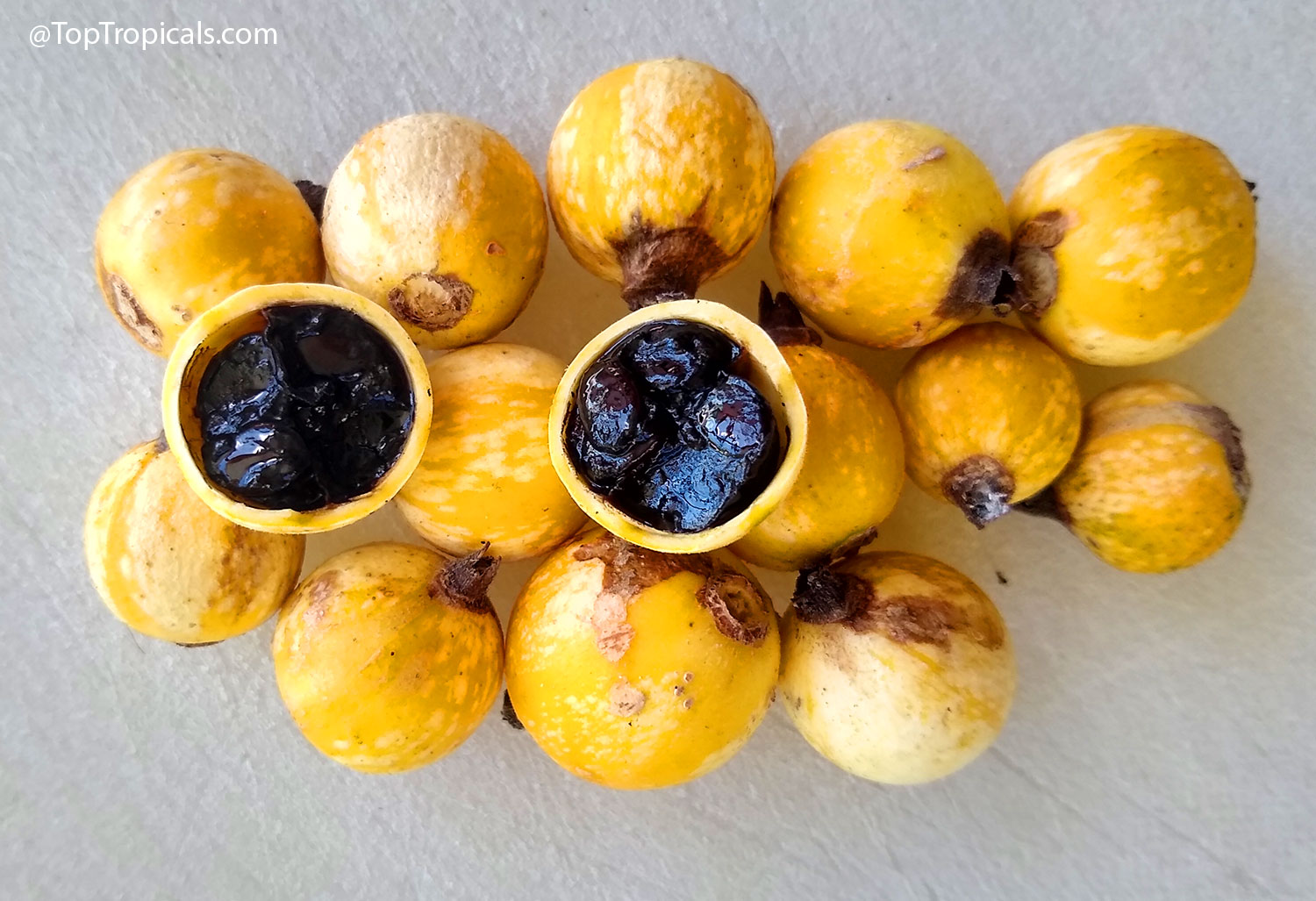
Instead of traditional lemon, consider tropical cherries such as Malpighia (acerola cherry) and Eugenia (Surinam cherry).
Acerola (Malpighia glabra - Barbados Cherry) is one of the richest natural sources of vitamin C. Clinical research shows that adequate vitamin C intake is associated with reduced duration and severity of common cold symptoms. Vitamin C supports immune cell function and helps maintain the respiratory tract's protective barrier.
Eugenia species (Tropical Cherries) contain anthocyanins and phenolic compounds with antioxidant and anti-inflammatory properties, which may help reduce oxidative stress during illness.

4. Pineapple🍍

Pineapple contains bromelain, a group of proteolytic enzymes known for anti-inflammatory effects.
According to a study published in PubMed, bromelain significantly reduced inflammatory cell infiltration in the lungs in a mouse model of airway inflammation. These findings suggest bromelain may help ease airway inflammation and congestion.

5. Berries and including mulberries

Strawberries, blueberries, raspberries, blackberries and mulberries are rich in flavonoids and vitamin C.
Although direct clinical trials on berries for colds are limited, nutrition reviews highlight their immunomodulatory potential. Flavonoids such as quercetin, anthocyanins, and catechins have demonstrated antioxidant effects and possible antiviral activity in laboratory studies.
Mulberries provide additional anthocyanins and resveratrol-like compounds, offering strong antioxidant support during illness.

Practical tips when you are unwell ❤️‍�
  • 🔻Choose room-temperature or lightly warmed fruit to avoid throat irritation.
  • 🔻Prefer whole fruit over juice to retain fiber and stabilize blood sugar.
  • 🔻Pair fruit with warm herbal tea or honey if appropriate.
  • 🔻Rotate fruits to benefit from diverse phytonutrients.
  • 🔻If symptoms persist, worsen, or include high fever or breathing difficulty, seek medical care.


🛒 Grow your own vitamin-rich fruit

📚 Learn more:


#Food_Forest #Remedies #Discover

🟢 Join 👉 TopTropicals

Date: 2 Jun 2022

Plant Horoscope - Gemini

What is your lucky Zodiac plant?

Plant  Horoscope  -  Gemini

By Alex Butova, the Witch of Herbs and Cats

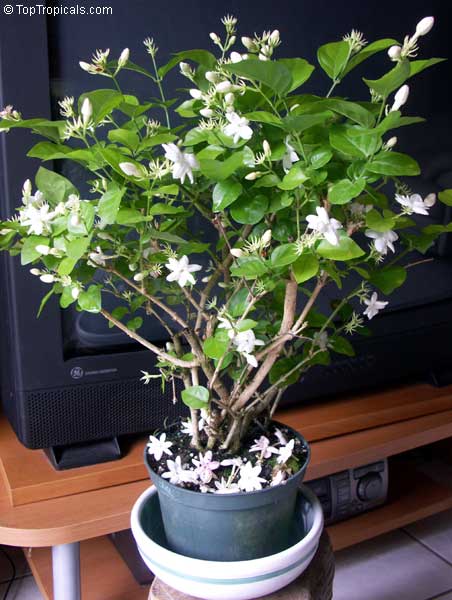
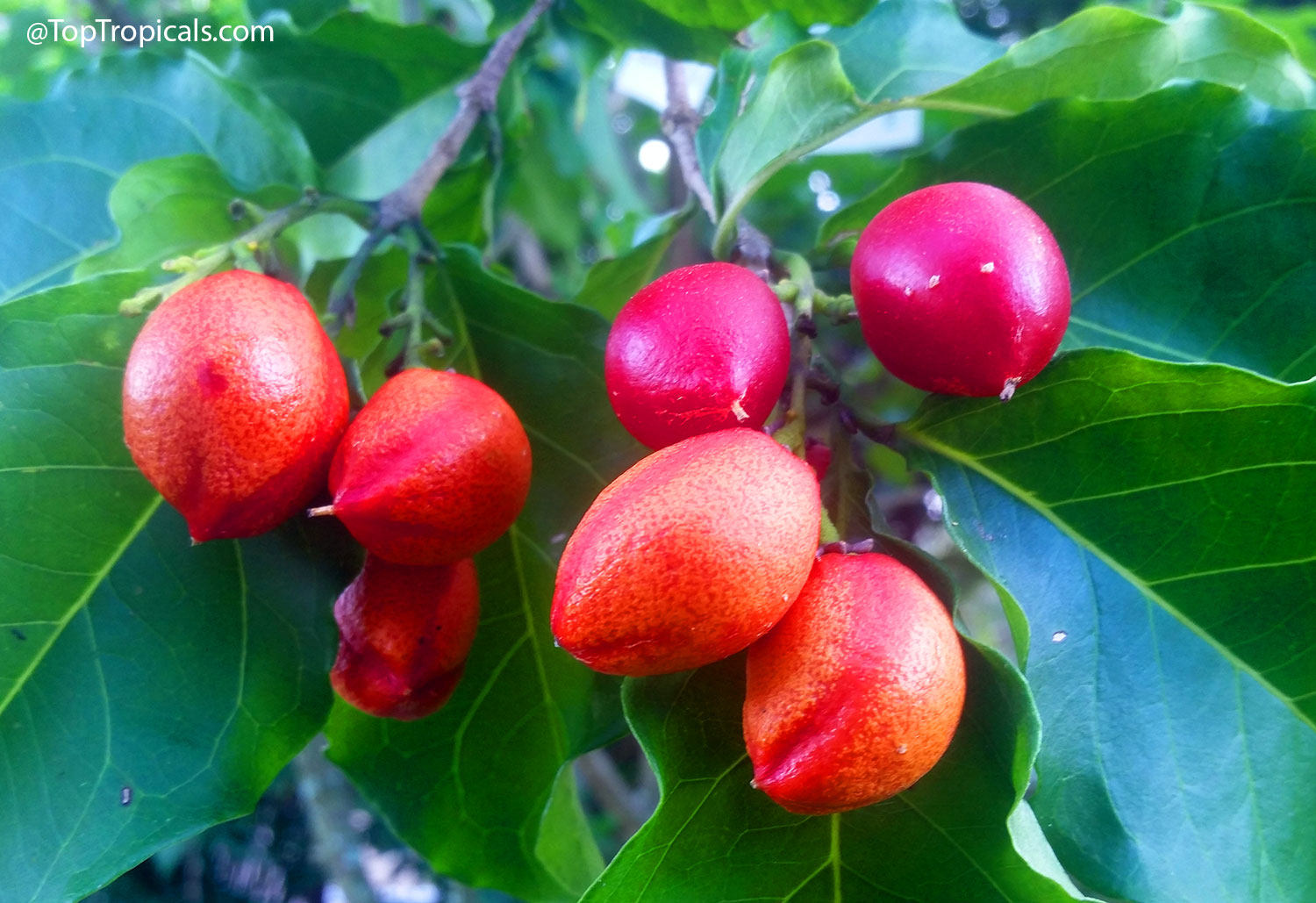
... Gemini are very fond of plants, especially flowers. They are able to devote their lives to favorite plants, selecting new varieties, planting gardens, parks and arboretums. In addition, the planet-ruler Mercury gives them with business ability - Gemini are excellent flower merchants of any level: from flower growers who sell their plants to everyone, to wholesalers who supply their delicate fragrant goods around the world. In their house, Gemini do not keep too many plants, they have enough of those that grow outside in their nursery and garden. However, among those who nevertheless became piece of the family (exactly this way Gemini perceive their house plants), preference is given to graceful forms, pubescent and curly, like Farfugium, Monstrous epyphyllum, often carved leaves (Monstera) and plants with aroma. All these properties not only improve the physical well-being of Gemini, but also helps save the spiritual and mental balance of their contradictory but all while tender and romantic nature. Gemini don't care about common spices, they love unusual plants and especially those with a sweet scent. Their favorite aroma is rose and similar, like fragrances of Clerodendrums, Jasmines, Gardenias, Plumeria, and Brunfelsia. At critical moments sweet scents awaken them into the life!..

Date: 5 Jan 2022

Wake up to the smell of Coffee...
New Video:
Grow your own Coffee plant - Free Coffee Everyday!

In this video we talk about growing Coffee easily in your own yard. Coffee is the best gift plant and perfect house plant or container fruit tree. The white, fragrant, star-shaped flowers are clustered and resemble gardenias to which they are related. The whole fruit is edible, it is a small fleshy berry changing in color from green to yellow to red. The seeds are the actual "coffee beans" as they called, they can easily be dried, roasted and ground at home. The most common coffee is Coffea arabica; other varieties include Coffea catura - Dwarf Coffee Nanico and Coffea Kona - Hawaiian Coffee Tree Mauna Loa.

WATCH NEW VIDEO >>

Stay updated with TopTropicals Videos by subscribing to our channel at YouTube.com/TopTropicals and get our latest video news of what is fruiting and blooming!