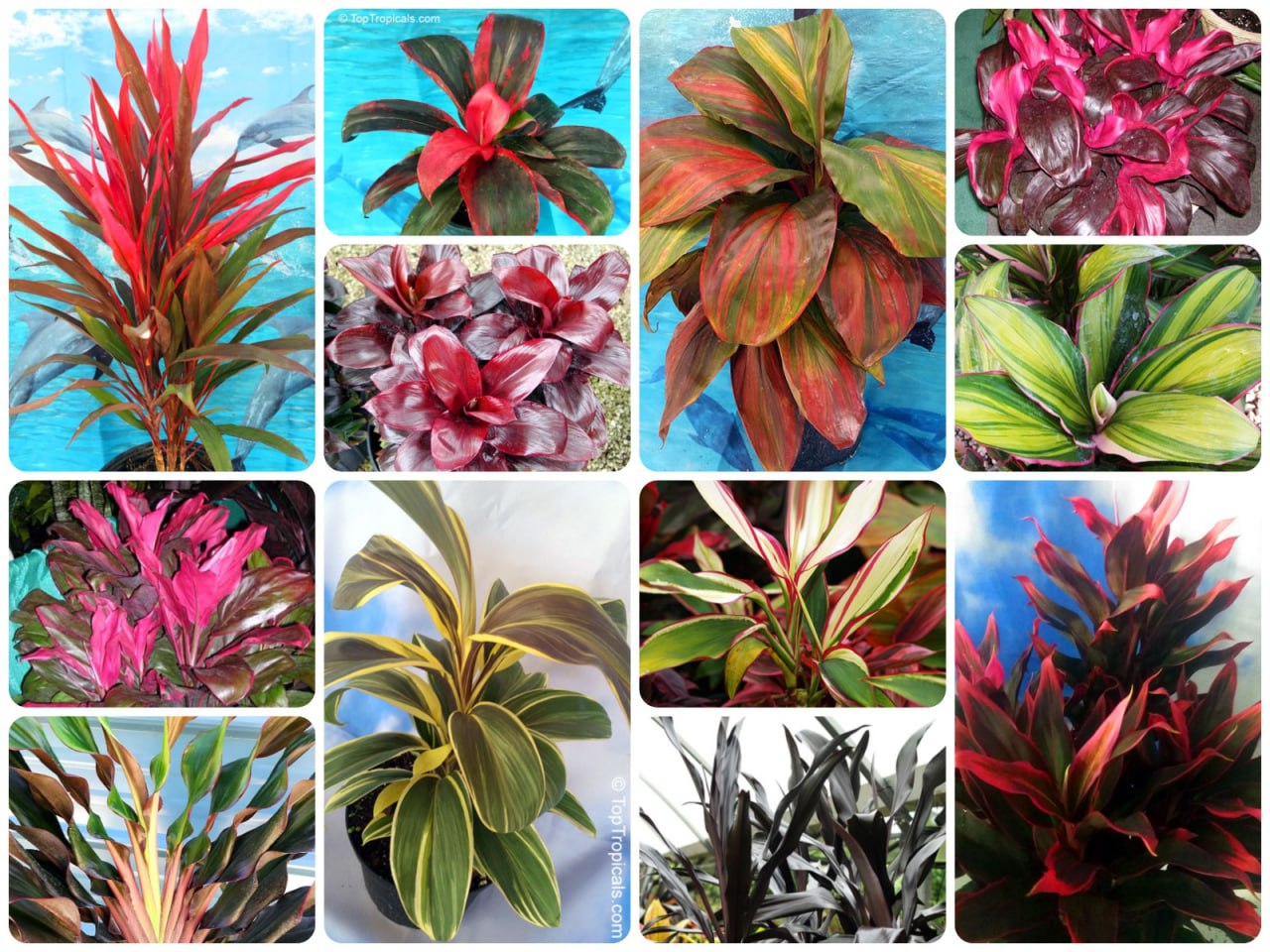
The Hawaiian Ti plant (Cordyline fruticosa) is more than just a colorful tropical accent. Across Polynesian, Hawaiian, and Southeast Asian cultures, the color of ti plant leaves has long been associated with different meanings, moods, and uses - both symbolic and practical.
🌈 Green leaves
Green ti plants are linked to peace, balance, and steady growth. Traditionally, they were planted around homes for protection and good fortune. In the garden, green varieties are usually the toughest and most shade-tolerant.
🌈 Red and deep burgundy leaves
Red ti plants are associated with strength, power, and protection. In Hawaiian tradition, red ti leaves were believed to ward off negative energy and were often used in ceremonies. Garden-wise, deeper reds usually mean more sun exposure and stronger pigmentation.
🌈 Pink, magenta, and multicolor leaves
These colorful ti plants symbolize joy, celebration, and creativity. They are often used as ornamental focal points and in festive plantings. Variegated and pink types tend to prefer brighter light to keep their colors sharp.
🌈 Purple and dark-toned leaves
Purple ti plants are linked to mystery, spirituality, and transformation. Their dramatic color comes from high anthocyanin levels and usually intensifies in bright light with good nutrition.
🌈 Yellow or light variegation
Yellow tones often represent optimism and new beginnings. Plants with lighter variegation may grow a bit slower and need protection from harsh sun, but they add a softer contrast in tropical landscapes.
🌈 One practical note
Leaf color is influenced not just by variety, but also by light, temperature, and nutrition. Fading color usually means too little light or depleted soil, while rich, bold tones signal a happy plant.
Ti plant colors tell a story - part cultural tradition, part plant health, and part personal style in your garden.
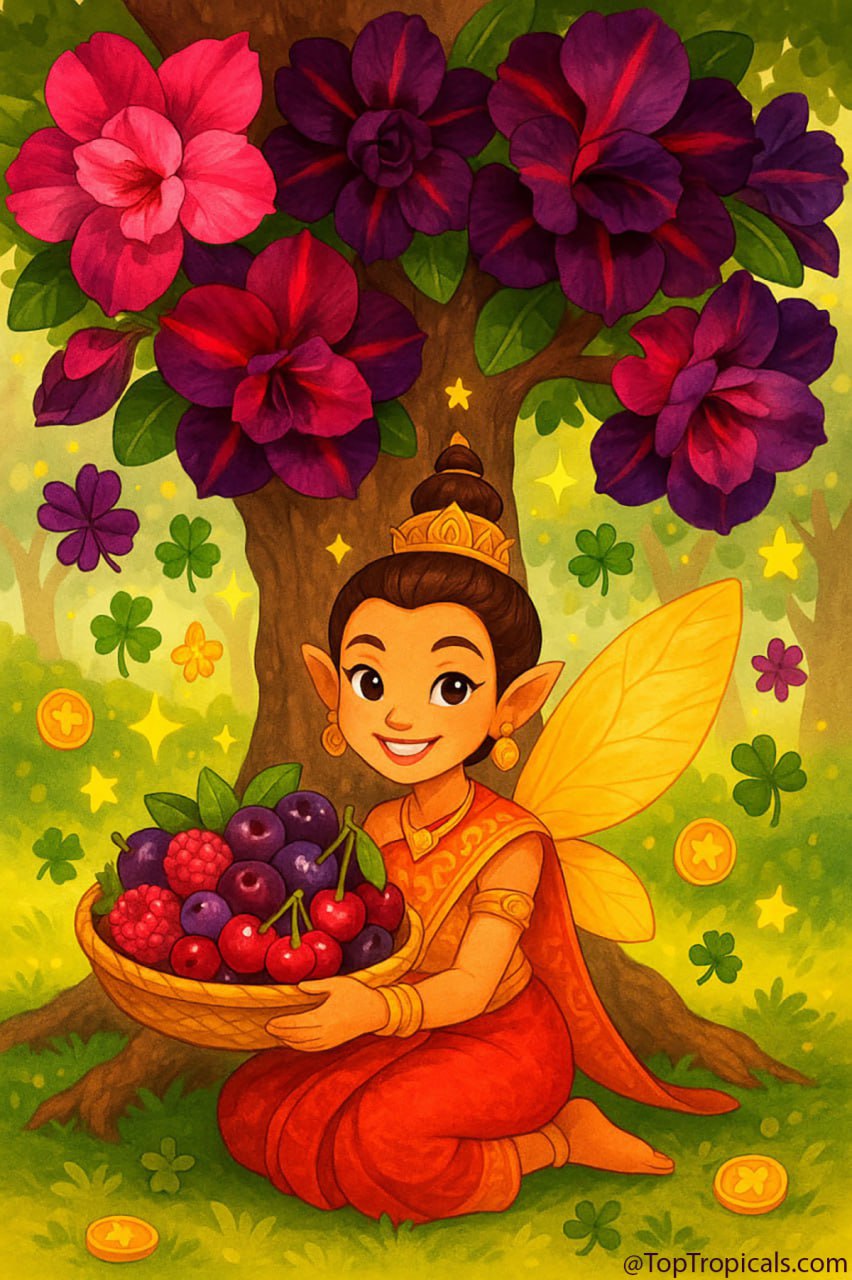
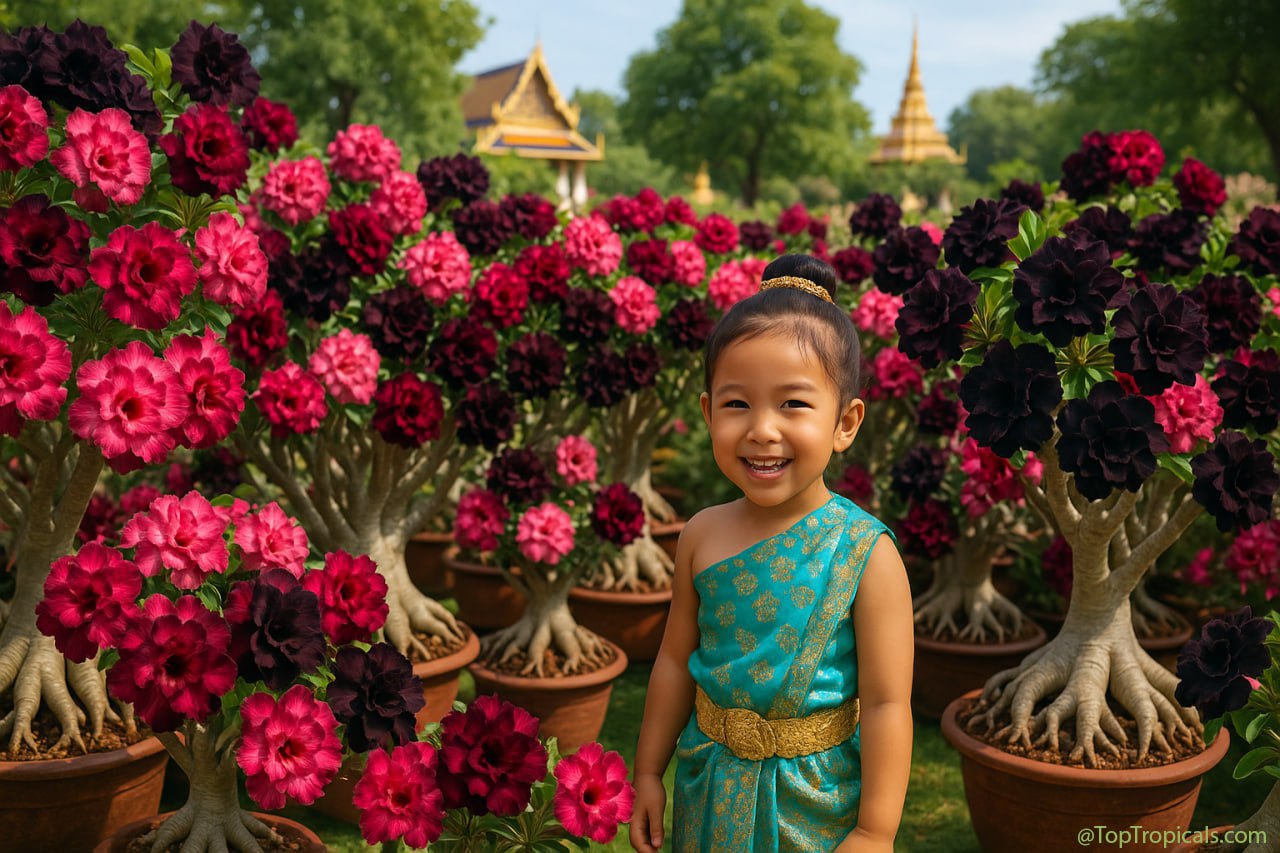
🌸 Thai flower names often sound like characters from a legend - golden spirits, celestial jewels, or lucky guardians of the garden. In Thailand, plants are not always named in a purely botanical way. Instead, breeders often choose names that carry meaning, symbolism, and a little imagination.
🌸 Looking at Adeniums through this lens feels almost magical. A flower can become a jewel, a lotus from heaven, or a golden treasure. The whimsical scenes below capture that spirit - a world where Adeniums bloom like treasures, garden fairies dance among flowers, and every name tells a story waiting to be discovered.
The year is almost over but the winter is not. This Christmas weekend at
our Sebring B-farm we had it down to 30F. As a tropical gardener, winter can
be challenging, especially if you grow plants outside of tropical zones.
To protect your garden from the cold, consider the following:
1. Monitor freeze watches and be prepared to take action if
necessary.
2. Create temporary structures like mini-greenhouses using PVC pipes,
carport frames, or bamboo sticks to support covers.
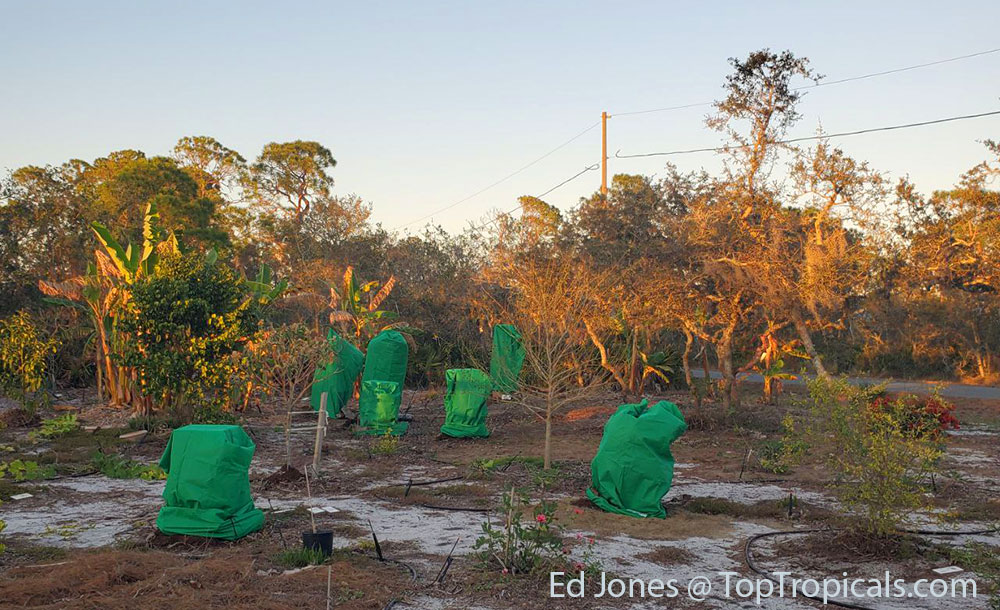
3. Use covers such as frost cloth, cardboard boxes, blankets, and bed
sheets.
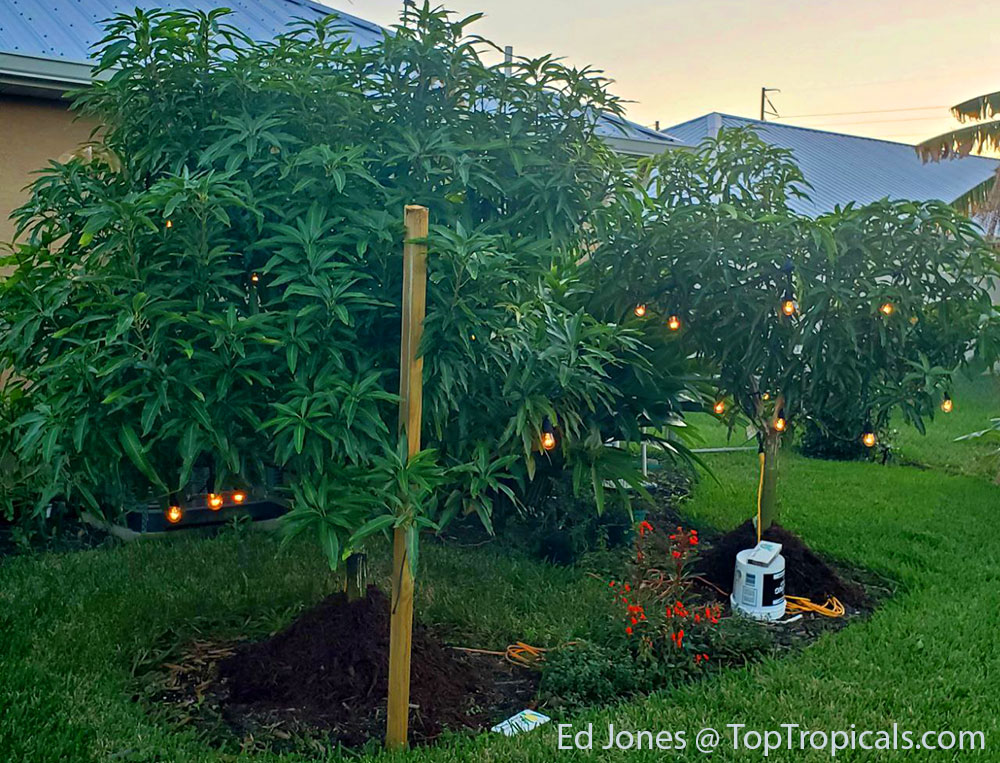
4. Use Christmas lights and other heating elements, including propane
heaters, to keep plants warm.
5. Add a layer of heavy mulch around plant trunks to protect them from the
cold.
6. Apply plant boosters that improve cold hardiness, such as Sunshine Epi,
Sunshine-Si, and Sunshine Superfood.
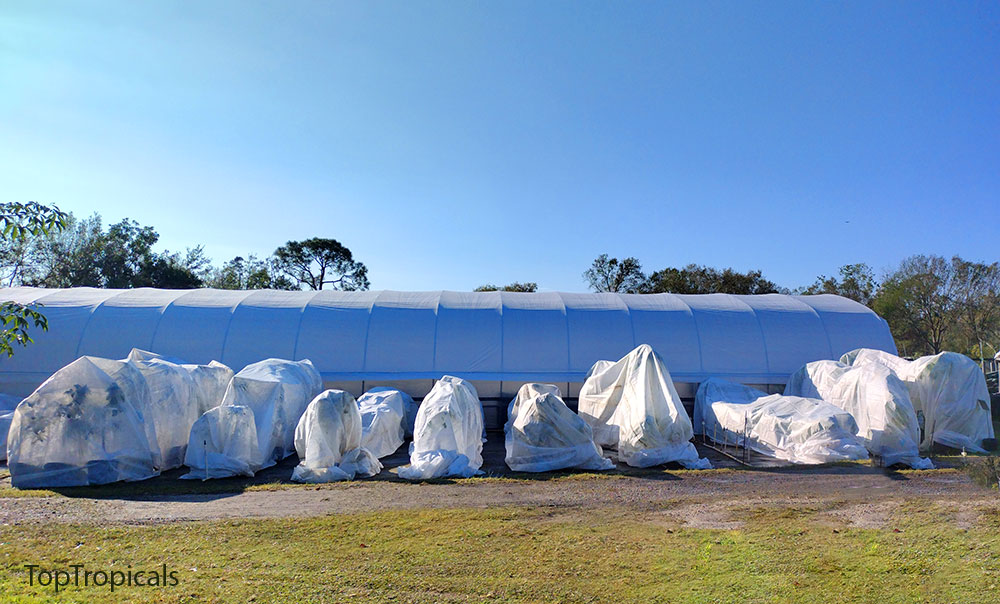
At TopTropicals B-Farm, we sprayed our plants with a special cold hardiness treatment Sunshine-Si and covered and wrapped
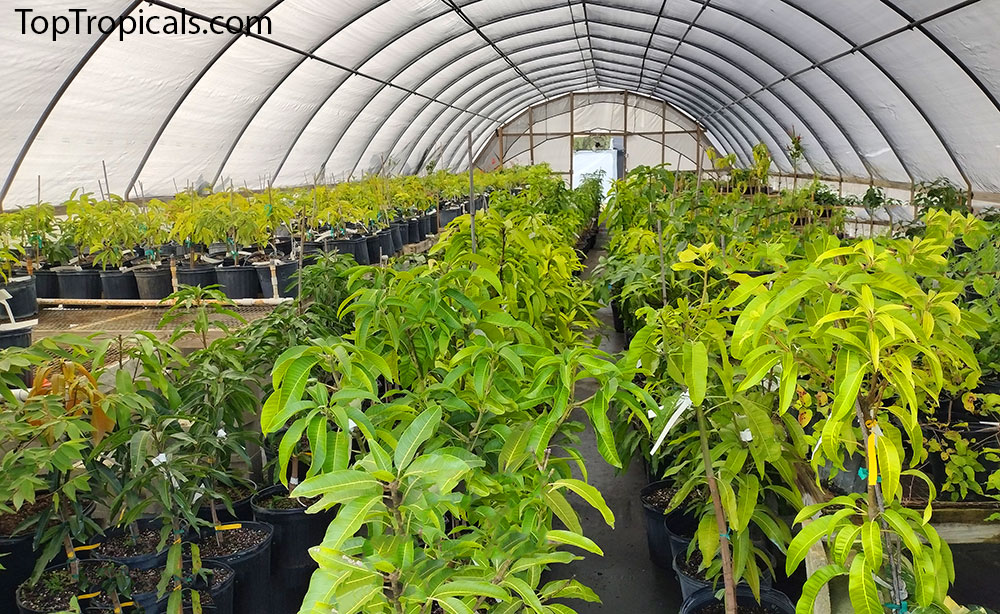
everything we could. We also moved cold sensitive species inside greenhouses.
All of our plants are looking great and happy!
Photo above: Mulching mango trunks and using Christmas lights for
cold protection
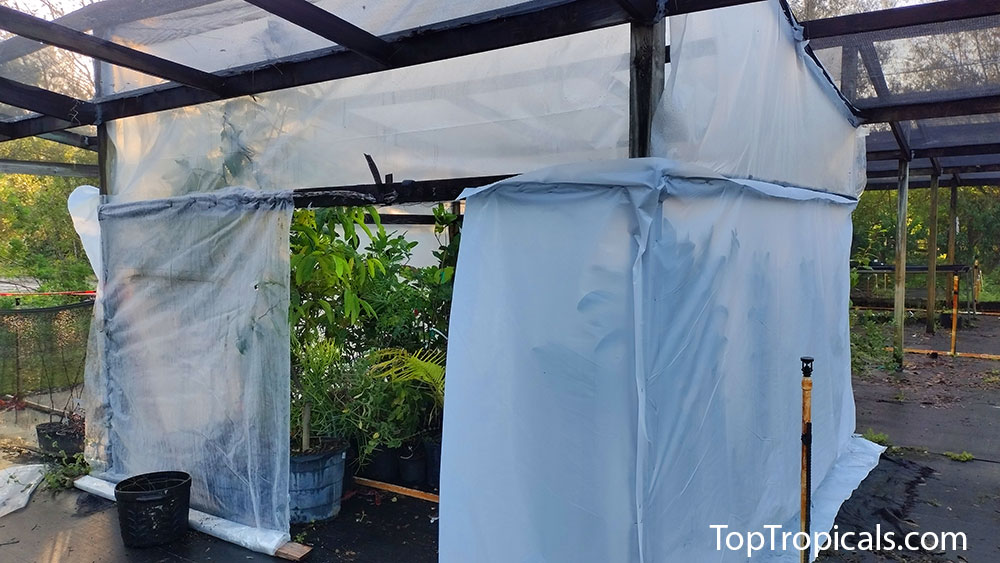
Photo above: Temporary wrapping of a section of a greenhouse with a
plastic or frost cloth protects from a windchill. It may also win you a few
degrees even without a heater. In this particular case, according to our temp
sensors, it was 30F outside, and 41F inside this "dome", no heaters used.
Sunshine Boosters:
Last chance to stock up at a lower price!
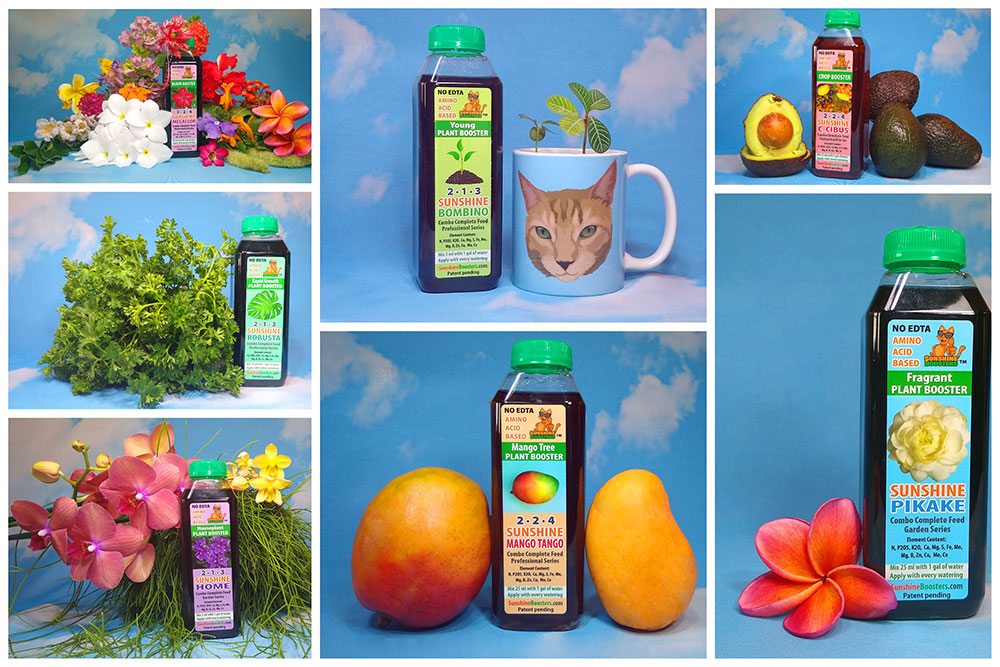
Sunshine
Boosters are natural, amino acid-based liquid fertilizers made with only
the highest quality ingredients. Starting in 2023, the pricing for Sunshine
Boosters will be adjusting to reflect the increasing cost of supplies. This is
your last chance to stock up on Sunshine Boosters before the end of the year!
Sunshine Boosters are safe to use year around, with every watering.
Don't miss out on this opportunity to get the best
value for your money!