Garden Blog - Top Tropicals

Date: 13 Sep 2025

Watch this before cooking with black pepper!

Black pepper (Piper nigrum)

🍃 Watch this before cooking with black pepper!


Black pepper
(Piper nigrum) is famous for its berries, but the leaves are edible too, and in some regions they’re used just like betel leaves or bay leaves. Here are a few ways you can use them:
  • Cooking wrap: Fresh leaves can be used to wrap fish, meat, or rice before steaming or grilling, similar to banana or betel leaves. They add a mild peppery aroma.
  • Flavoring curries and soups: Whole leaves can be simmered in curries, broths, or stews to infuse a gentle peppery note, then removed before serving (like bay leaves).
  • Herbal teas: Fresh or dried leaves can be steeped with ginger, turmeric, or lemongrass to make a warming tea traditionally used for digestion and colds.
  • Chutneys and pastes: In South India, young pepper leaves are ground with coconut, tamarind, and chilies to make a tangy chutney.
  • Medicinal uses: Folk remedies use the leaves for coughs, sore throats, and as a poultice for muscle aches.


🍛 Black pepper leaf chutney

  • ♨️Lightly saute 6-8 pepper leaves in a little oil.
  • ♨️Blend with 1/2 cup grated coconut, 2 green chilies, tamarind, salt, and cumin.
  • ♨️Optional: top with a quick tempering of mustard seeds and curry leaves.
  • ♨️Serve with rice or dosa.


☕️ Pepper leaf tea - when you feel under the weather

  • Boil 2-3 leaves with a cup of water.
  • Add a slice of ginger and a pinch of turmeric (optional).
  • Simmer 5 minutes, strain, and sweeten with honey.

Both recipes give a warm, peppery aroma without being too spicy. Pepper leaves are milder than the berries, so you’ll get aroma more than heat.

🛒 Grow your own Black Pepper plant - spice and vegetable!

📚 Learn more:


#Food_Forest #Recipes

🟢 Join 👉 TopTropicals

Date: 8 Sep 2025

Papaya mint salad: Quick-n-Fun exotic

Papaya mint salad: Quick-n-Fun exotic

🍴 Papaya mint salad: Quick-n-Fun exotic recipes


  • 🟢Cube ripe papaya into bite-sized pieces.
  • 🟢Toss gently with fresh mint leaves, a drizzle of lime juice, and a pinch of black pepper.
  • 🟢Chill before serving for a refreshing, lightly spiced tropical snack.

Papaya Mint Salad

Ingredients

  • 1 ripe papaya, peeled and cubed
  • Fresh mint leaves
  • 1 tsp lime juice
  • Pinch of black pepper

Instructions

  1. Cube ripe papaya into bite-sized pieces.
  2. Toss gently with fresh mint leaves, a drizzle of lime juice, and a pinch of black pepper.
  3. Chill before serving for a refreshing, lightly spiced tropical snack.

🛒 Add Papaya trees to your garden

#Food_Forest #Recipes #Papaya

🟢 Join 👉 TopTropicals

Date: 9 Aug 2021

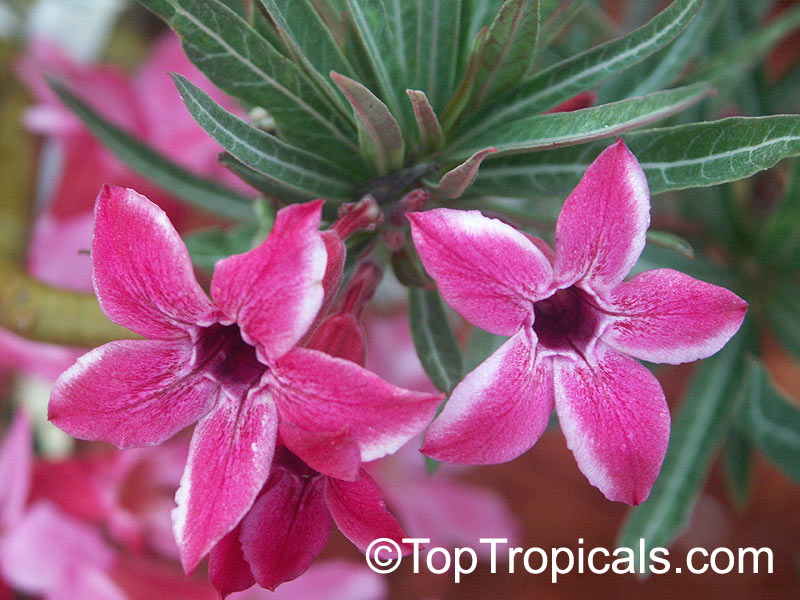
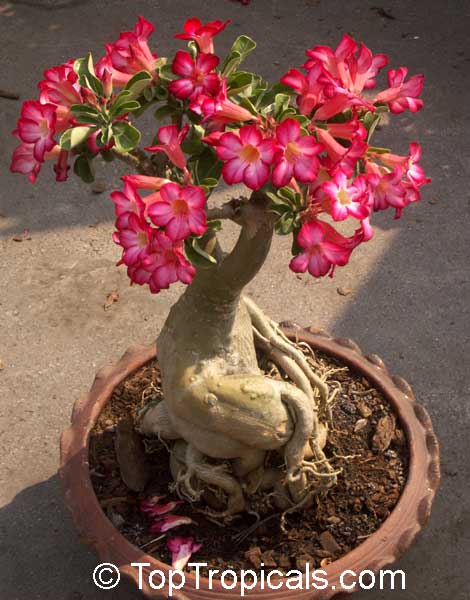
Care of Desert Roses

Q: I am looking forward to my three desert roses I just ordered from you and I am wondering how to take care of them, especially during winter time. Should I put the pots in full sun or shade? What kind of soil do they like? How often should I water them? When it gets cooler, should I bring them inside? We do have occasional frost here during winter.

A: Here are a few tips for your desert roses:

1. When received Adenium from mail-order, unpack carefully; branches are fragile. Plant in well-drained potting mix. Cactus mix will do, but we recommend special Adenium mix. If using regular acidic peat-based potting mix, you may add sea-shells on top of soil to neutralize acidity: adeniums prefer alkaline soils. Using clay pots is beneficial. Water once and do not water again until soil gets dry. Place in bright shade until new leaves sprout, then the plant can be moved to full sun.

2. Adenium is a succulent, but not a cactus. It needs watering, however let soil dry before waterings. Reduce watering during cool season and discontinue when plant gets dormant (drops all leaves in winter).

3. Bright light is the best for profuse flowering. However, adeniums look much healthier in slightly filtered light rather than in all-day full sun.

4. Fertilize and spray leaves with liquid fertilizer SUNSHINE Megaflor - Nutrition Bloom Booster. Phosphorous is responsible both for flowering and caudex development. Avoid caudex, spray over foliage only. Dry fertilizer can be used only during hot months.

5. Watch for spider mites during hot and dry season.

6. Give plants a break during winter dormant season. Keep in bright shade and reduce watering to 1-2 per month or stop watering if temperature is below 65F.

More info on growing Desert Roses:
What you need for successful growing Adeniums
Overwintering Adeniums outside of tropics
Growing Exotic Adeniums - Growing Exotic Adeniums

Date: 4 Jun 2021

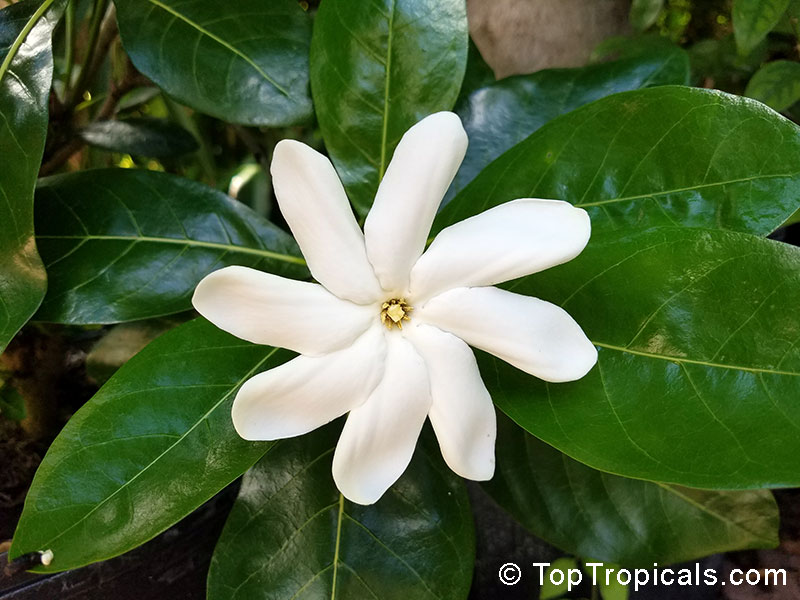
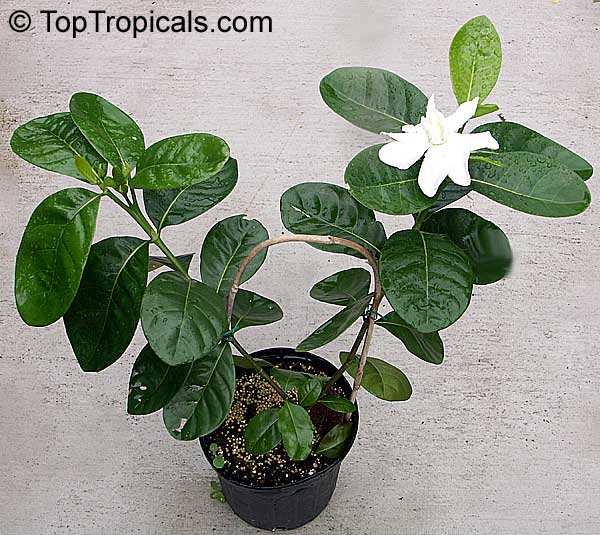
Tahitian Gardenia

Q: I am interested in your Tahitian Gardenia and I would love to try and grow this plant in a large container/fabric pot. The soil here where I live is terrible as it's hard rock, clay, and sand! So I'm not sure if amending the soil would help to plant in the ground? Can you tell me if this will do okay in a container or best in ground? I live here in Las Vegas, NV (zone 9a). Any information would be great to help me make a this decision, I love the selection of cool tropical plants you offer! Also my daughter does Tahitian/Polynesian dance and this would be a cool "topping on the cake" if she could have a live Tiare flower in her performances.

A: Tahitian Gardenia will be doing best if grown in container in your area. In its natural habitat, it grows full sun but also it enjoys mild weather conditions and high air humidity. All gardenias prefer acidic soils. In your area, if planted in the ground, it may be exposed to some harsh conditions: too high temperatures, too hot sun, dry air, and as you mentioned - heavy clay and sandy soil. You can enjoy this plant grown in container, which can be moved as needed away from too much sun during summer months. Use well-drained potting mix. Use plastic pot, do not use fabric or clay pots - soil will dry out too quickly.
Also remember to fertilize this plant on regular basis with a liquid fertilizer SUNSHINE Pikake - Fragrant Flower Booster.
Grow gardenia in full sun or semi-shade during the hottest months. You may spray it with pure water if the air too dry and hot. Enjoy your Tropical Beauty and good luck!

Date: 25 Jan 2021

Healthy Plants: Q&A from Mr Booster

How to get Canistel tree to produce
without dropping flowers and fruit

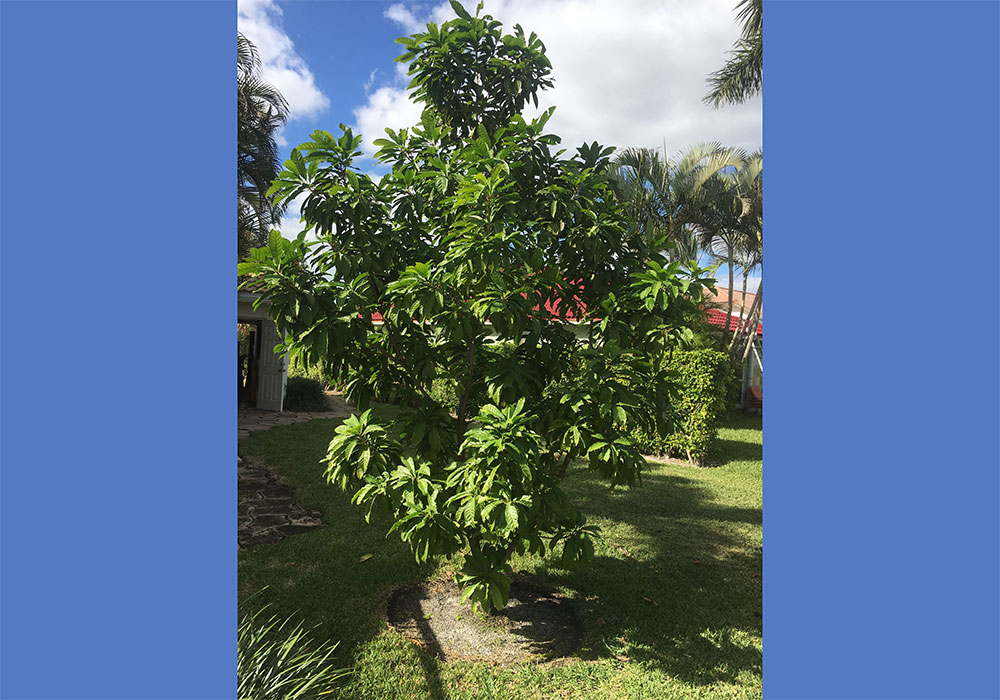
Q: My Canistel tree is 3 1/2 years old and is growing very well, see the picture below. It gets hundreds of pea sized "berries" but then they fall off. No canistel fruit. What's wrong?

A: You have such a nice looking tree, it is a shame you can't get any fruit to ripen.
In our experience, Pouteria trees dropping fruit prematurely is a very common problem. There may be one of the following reasons, or a combination of them:
- Cold winters may affect production, and while Canistel is generally pretty hardy tropical plant that can easily withstand short periods of chill, the fruit may never form properly if it had a cold winter.
- Lack of water. Canistel tree is pretty drought tolerant, but for the proper production cycle it needs regular irrigation. Especially during hot summer.
- The tree may be not strong enough; young trees drop fruit very often when they don't have enough "fruiting energy" built up in their system.
Your tree looks well established and vigorous, however, flower/fruit drop is often a sign of insufficient nutrients of particular kind, usually Boron (B) and/or Molybdenum (Mo): either when a tree is too young and not strong enough, or because of poor soils and lack of necessary elements.

Here is what can be done, considering you live in a warm, frost-free climate.

1. Provide regular fertilizing program. We recommend liquid fertilizers Sunshine Boosters that are safe to use with every watering and year around. It is beneficial to switch plants from traditional "slow-release" fertilizer to the liquid one because it makes a huge difference in plant growth and flower/fruit quality and quantity. See also:
- Why liquid fertilizers are better than dry
- Article about benefits of liquid fertilizers.

Use this plant food for your Canistel tree:
SUNSHINE C-Cibus - Crop Nutrition Booster

2. Apply micro-element remedies that are very effective for improving fruit production, especially when flower or fruit drop occurs:

SUNSHINE Honey - promotes more efficient blossoming and pollination, makes flowers bigger and reduces bud drop.
SUNSHINE SuperFood - improves plant vigor and quality and size of flowers These are all natural, eco-friendly supplements that work great for fruit trees and other edibles.