Date: 25 Dec 2021
Easy Sunday Morning Deals: Tropical Asparagus
Saving on your favorite plants is Easy.
Easy like Sunday Morning...
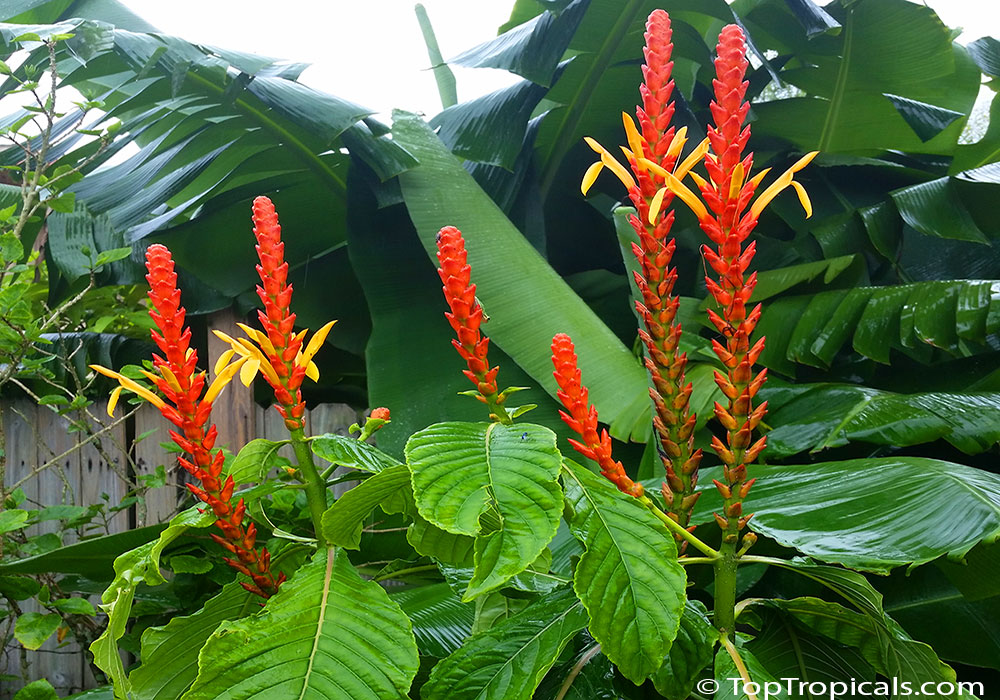
Photo above: Aphelandra hartwegiana - is at peak of its flowering season now. Spectacular flower for a shade garden.
It's time for our favorite day and another Easy stroll through Top Tropicals' Garden with savings of 50% and MORE! Christmas Day has come and gone, and now it's time to treat yourself with our Easy Sunday Deal!
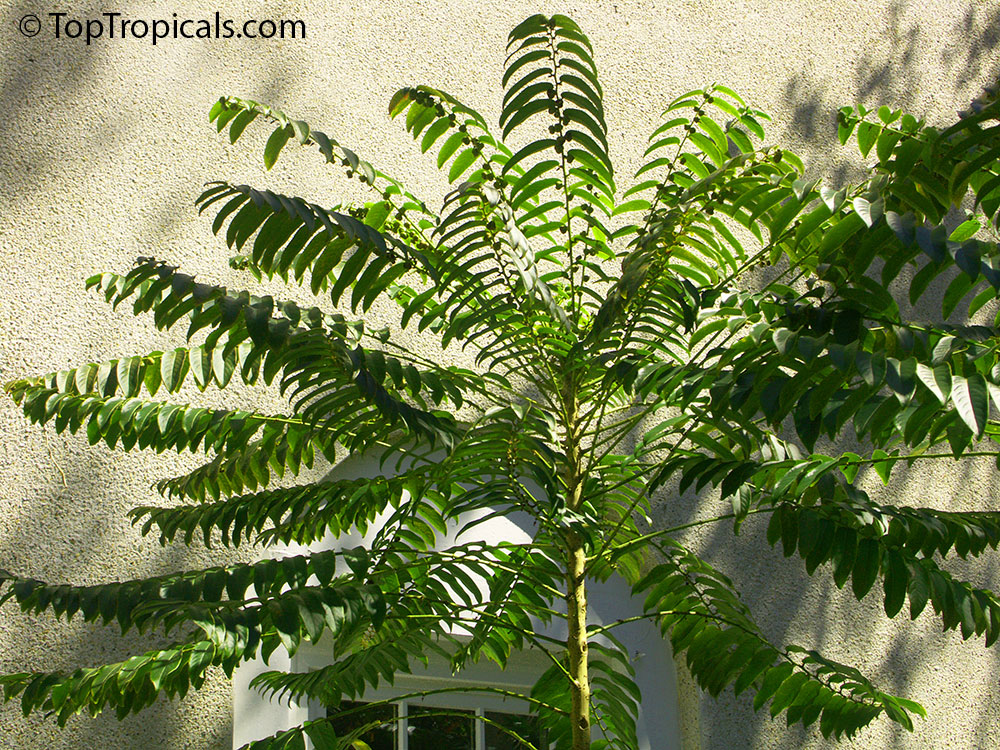
This week we bring you one of the most popular leaf vegetables in South Asia and Southeast Asia, the Tropical Asparagus - Sauropus androgynus. Notable for its high yields and palatability, Tropical Asparagus is a favorite with crab meat, minced pork, dried shrimp, or to make soup... and has delicious young shoots!
Tropical Asparagus
50% OFF and MORE!
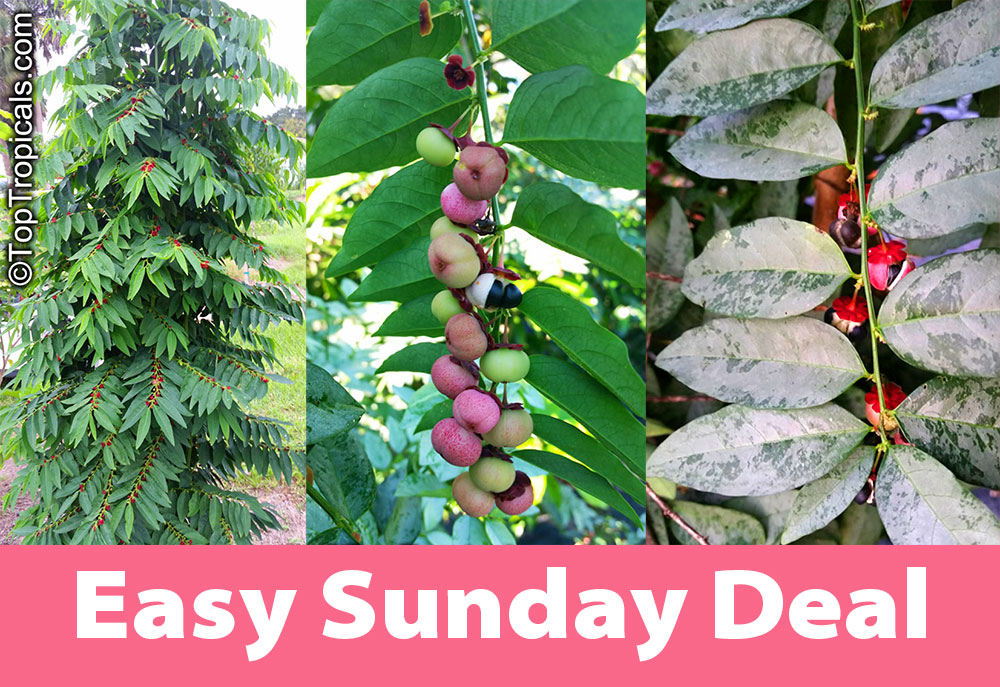
For this Easy Sunday we have priced these at incredible savings:
Sauropus androgynus, regularly $39, is on Easy Sunday sale for only
$19
Sauropus Variegata, regularly $39, is on Easy Sunday Sale for only
$19.
Combine the two for your own Tropical Asparagus Kit and save even more, only $29 for the kit!
While supply lasts.

About Sauropus androgynus - Katuk, Tropical Asparagus
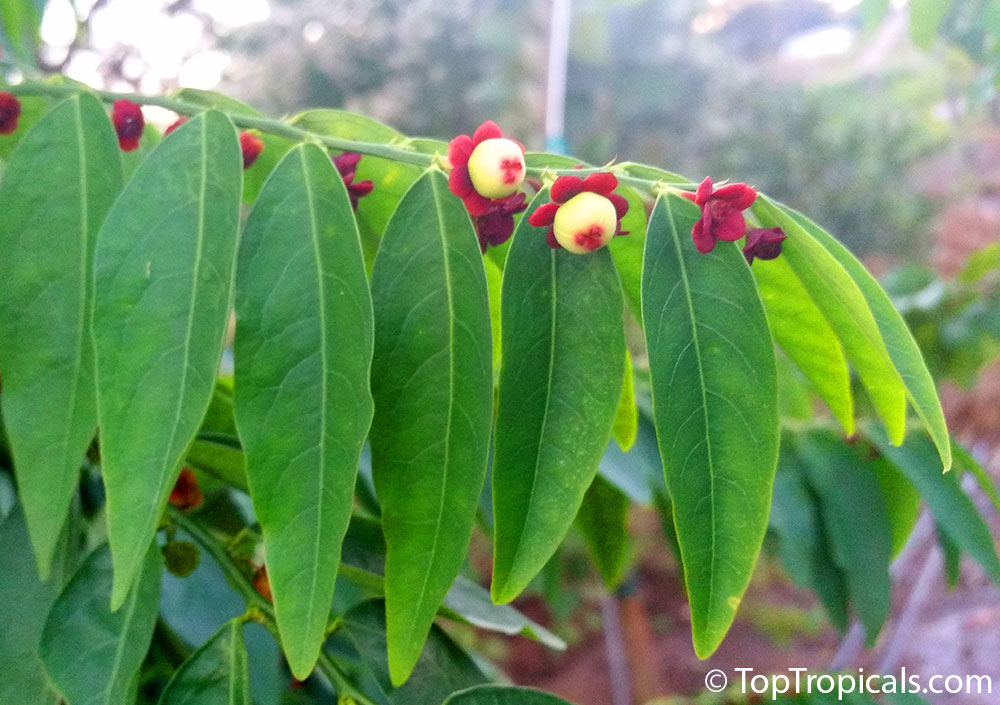
Sauropus, or Katuk, is a perennial shrub grown in some tropical regions as a leaf vegetable. It is one of the most popular leaf vegetables in Southeast Asia. It is among only a few flora containing vitamin K. Leaves and stemmed can be cooked as vegetable; young shoots are delicious eaten out of hand and taste just like sweet peas, they can be added to salads. The plant has many medicinal properties.
Katuk is fast growing and keeps growing as you trim it for your kitchen needs. Multiple upright stems can reach 6-7 ft high. It has great ornamental value, has pretty red flowers and ornamental fruit showing shiny black seeds when they crack open. Varieties with green leaves and variegated leaves have slightly different flavor but are equally good for your healthy, fiber-rich diet.
Remember, the Easy Sunday Deal expires on Wednesday December 29th.
Enjoy your Hot Deals!
December 26th - Boxing Day

Date: 10 Mar 2021

Healthy Plants: Q&A from Mr Booster
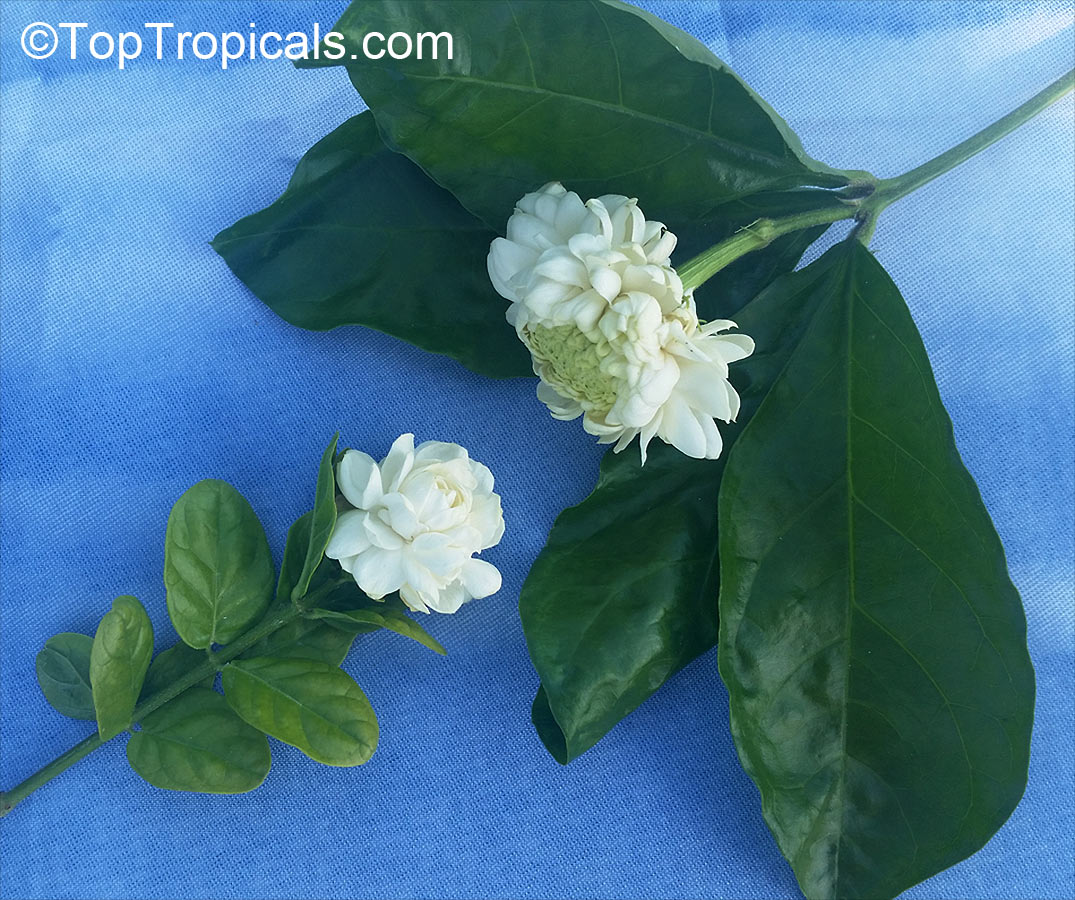
Jasmine Grand Duke flowering
Q: Hey can you help me figure out why my jasmine grand duke supreme is not flowering? Ive had it for almost a year (in NY) and only had 1 flower bloom and that immediately turned brown and died. Since then no flowers have come. The leaves are green and healthy and its growing like crazy but not flowers. Please help me figure this out.
A: For profuse flowering, Jasmine sambac needs 2 things: bright light and special plant food.
We have plenty of both here in Florida. If your grow this plant indoors in
colder climate, get it to flowering can be a bit tricky.
Your plant grows well overall with lots of vegetative growth, this is a
good sign, it means it's healthy, and not being overwatered which is one of the
most common problems with Sambacs. You're doing a great job! This jasmine
just needs more sun and fertilizer.
Make sure to keep it in the brightest spot of your home. The more hours of
light, the better. When night temperatures stay above 65F, it is beneficial
to bring the plant outside on a balcony, patio, or in a garden in full sun as
a potted specimen (move to bright light gradually).
You should give this Jasmine plenty of food with every watering. We
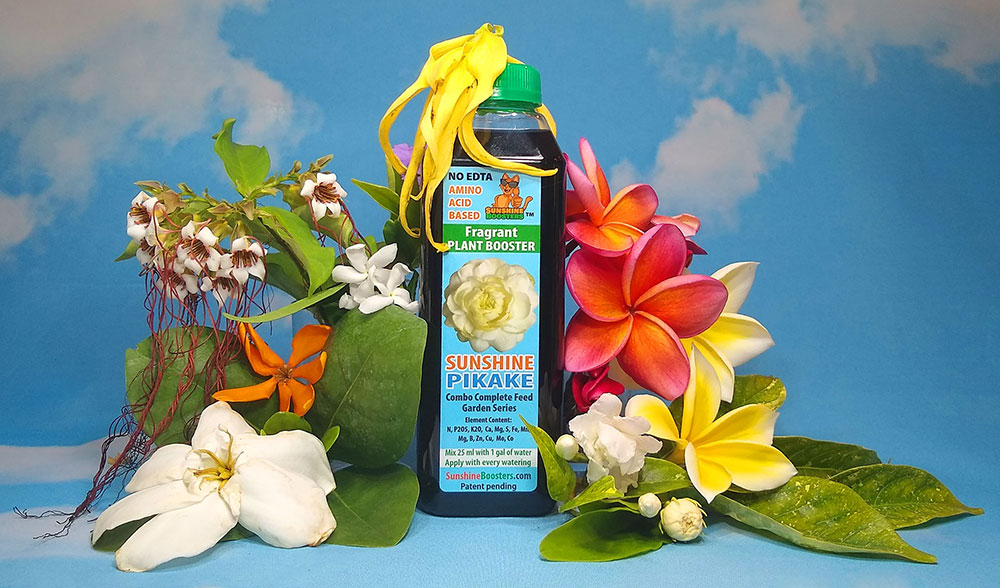
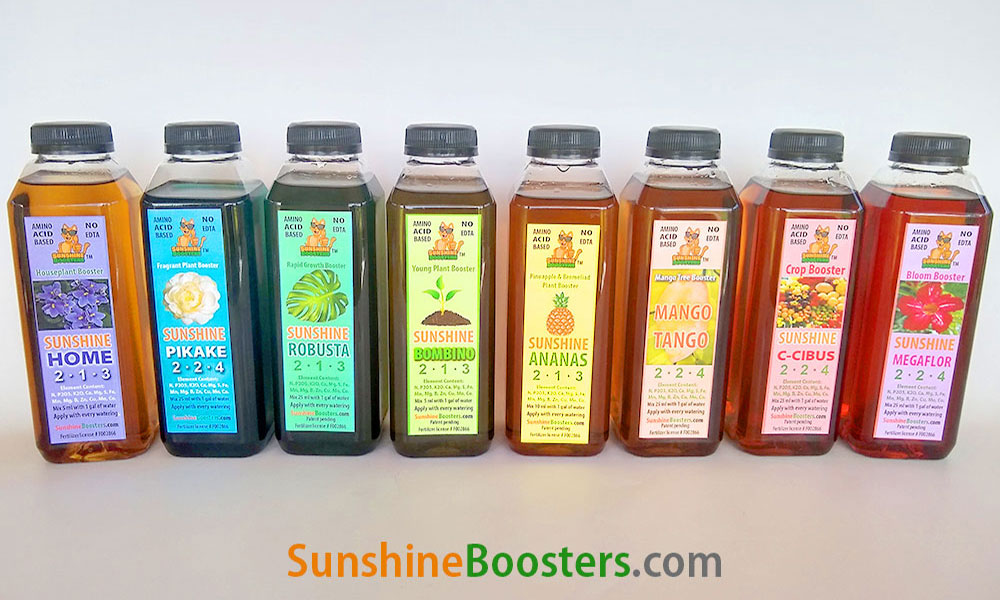
recommend SUNSHINE Pikake - Fragrant Flower Booster. This is a natural fertilizer
that can be applied to plants year round without risk of burning the roots
or nutrient lock up in the soil. It provides all necessary elements for the
flowering cycle - just add a bit into watering can, every time you water.
Date: 19 Jul 2020
Sugar grains on leaves?
by Mark Hooten, the Garden Doc
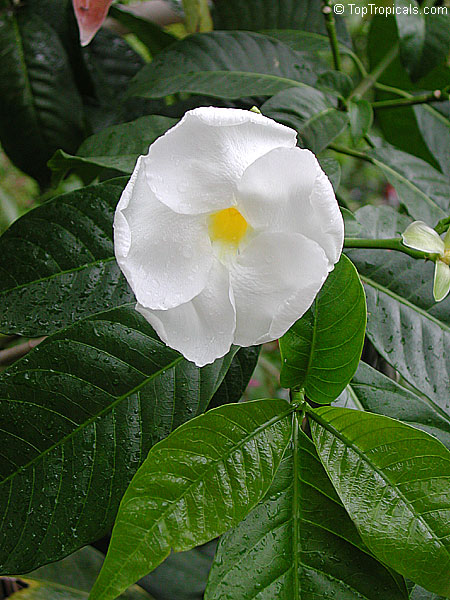
Q: On my Stemmadenia tree I noticed tiny drops (like white sand grain or sugar crystals) and wonder if this is a disease or some kind of insect and what can I do about it?
A: Sometimes certain vigorously growing (mostly tropical) plants
develop suspiciously-looking tiny "growths" mostly on the undersides of their
leaves. Without strong magnification, they can be easily mistaken for mealy
bugs, scale insects, or any number of parasitic disease vectors.
However, according to plant pathologists, these are actually harmless
excretions actually exuded by the plants themselves. A chemical analysis of these
tiny granules shows that they are nothing more than polysaccharides.
Polysaccharides are basically complex chains of sugar/glucose molecules which are
simply a production of all plants undergoing photosynthesis. Polysaccharides are
at the beginning of the entire food-chain. These odd tiny sugar-grained
nodules are actually only semi-crystalline complex sugars which certain plants
have over manufactured and have had no choice but to excrete through their
stomata (breathing pores).
I have personally observed Cecropia, Psychotria, Spondias (Hog Plum), and Guavas doing this... there are many others. Nothing to worry about,
they are harmless, but if they bother you - wash them off with a hose water.
Date: 2 May 2020
Which fertilizer is right?
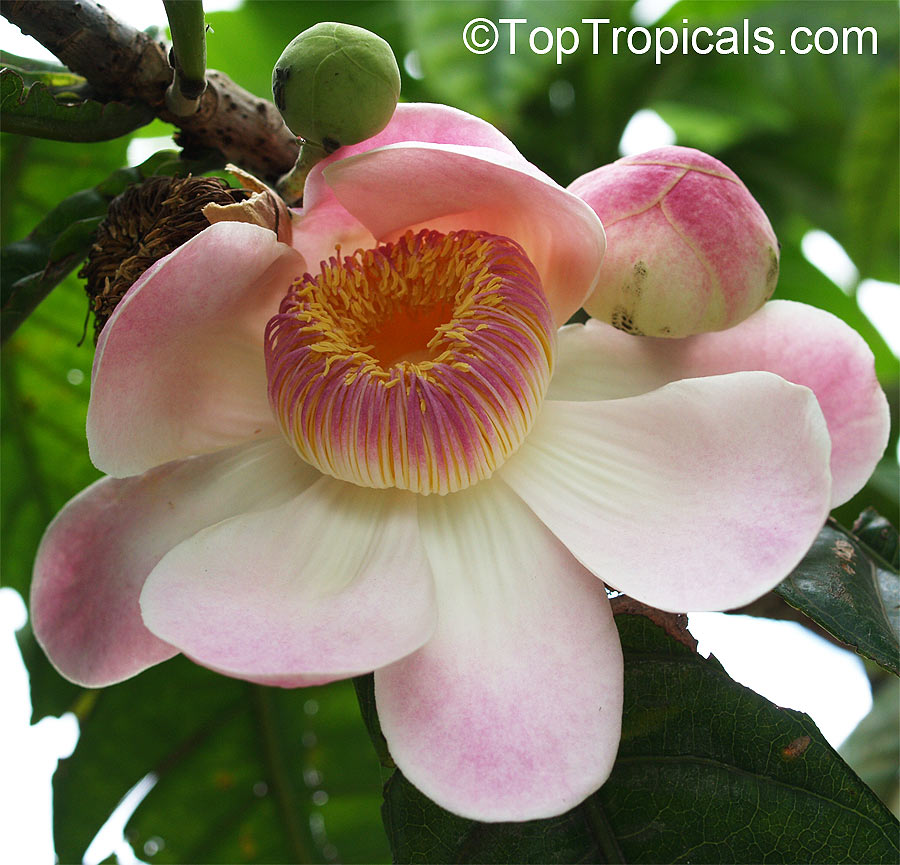
Q: I need some advice on which fertilizer(s) would be perfect for my C​annonball tree and its cousin Heaven's Lotus (Gustavia augusta). ​I also have fruit trees... soursops, mango, etc. and a collection of flowers including pua keni keni, plumeria, bougainvillea, etc. I am wondering if you can recommend a custom fertilizing regimen for my garden (especially the cannonball and the gustavia since they are young).
A: It is a perfect time now to fertilize your plants as they start active growth. We have suggestions on fertilizing programs for your trees. You will find here our recommendations for:
1. Young trees
2. Flowering trees
3. Fragrant plants
4. In-ground grown fruit trees... CONTINUE READING >>

Date: 2 Jan 2020
The most fragrant flowers
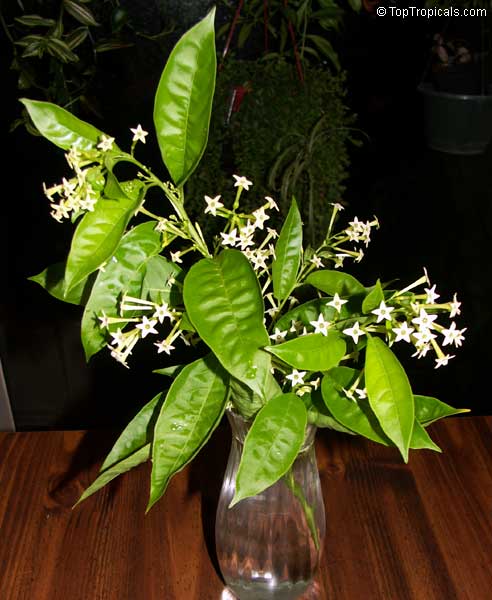
Q: Hope you can help me with the following question with an upcoming newsletter. Would you please let us know of the strongest (pleasant) fragrant plants you currently have in stock? Fragrance that fills the space.
A: The most fragrant flower that "fills the air around" in definitely Chanel #5 - Cananga odorata a.k.a. Ylang Ylang. Just one tree when in
bloom can fill the air with fine perfume for yards away.
Another strongly scented perfume tree is Joy Perfume - Magnolia champaca (both orange and white
flowers are sweetly fragrant).
If you are looking for a smaller size plant, then the most fragrant are -
- Jasmine sambac
- Night-fragrant white-flowered Brunfelsias - B.
americana, B. nitida, B. Gigantea, B. lactea and others.
- Night blooming Jasmine - Cestrum nocturnum is another favorite shrub with night-fragrant
flowers, the scent is super strong and super sweet.
-
Artabotrys hexapetalus - Ylang Ylang vine with wonderful lemony fragrance that fills the air.
See Full list of fragrant plants.