What is the best Valentines Day gift that actually lasts?
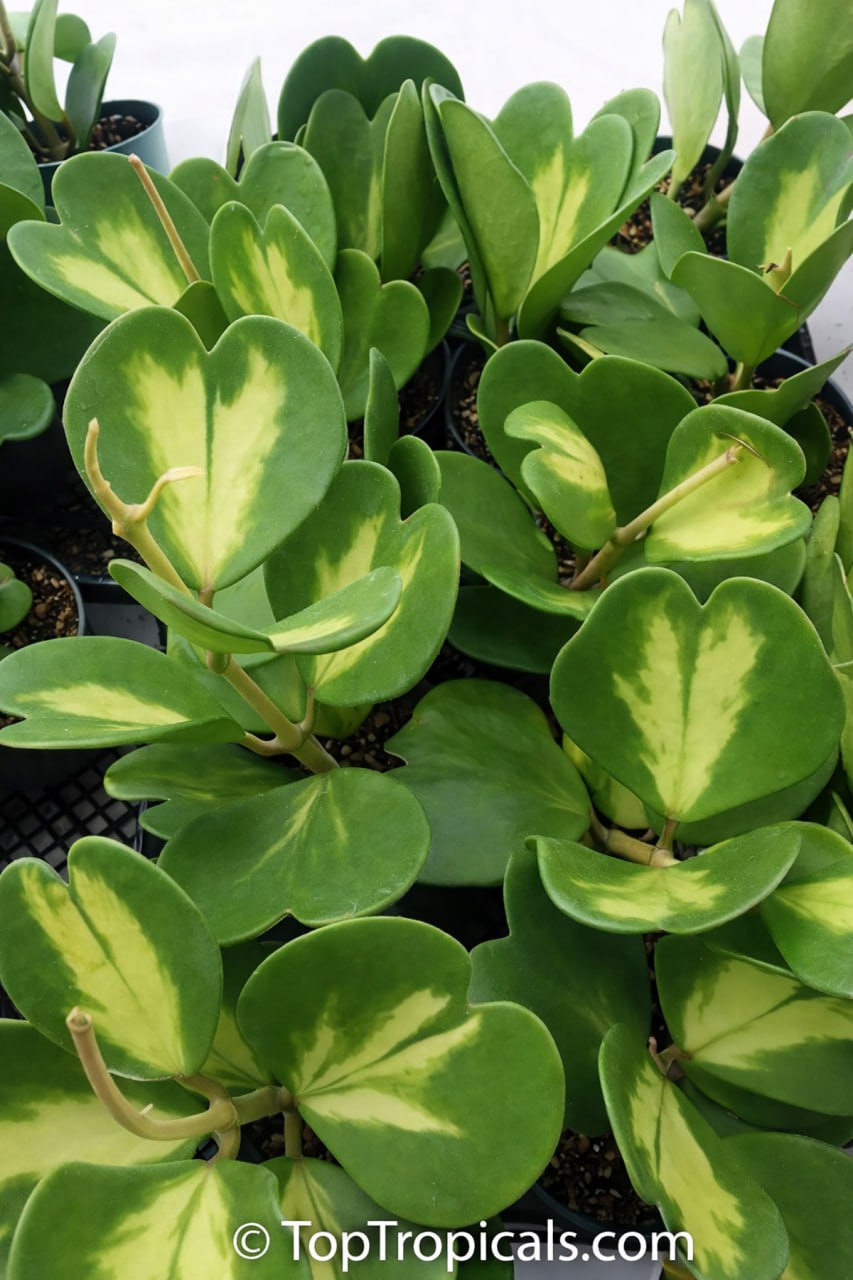
Hoya kerrii, Sweetheart Valentine Hoya
🎁 What is the best Valentine’s Day gift that actually lasts?
💕 Sweetheart Hoya is a living heart, with perfectly heart-shaped leaves that feel like they were made for love.
💕 It comes in several beautiful forms - soft variegated Moonlight, bright variegated Sunshine, and classic Jade Green. Each one is special on its own, but together they feel like a little love story you can grow.
💕 A live plant gift does not fade or disappear. It stays, it grows, and it quietly reminds someone every day that they are loved.
💕 Sweetheart Hoya is also very easy to care for - low light, low water, happy at home or at the office. A sweet, lasting reminder of love.
Eight favorite plants of romance, affection, and emotional connection
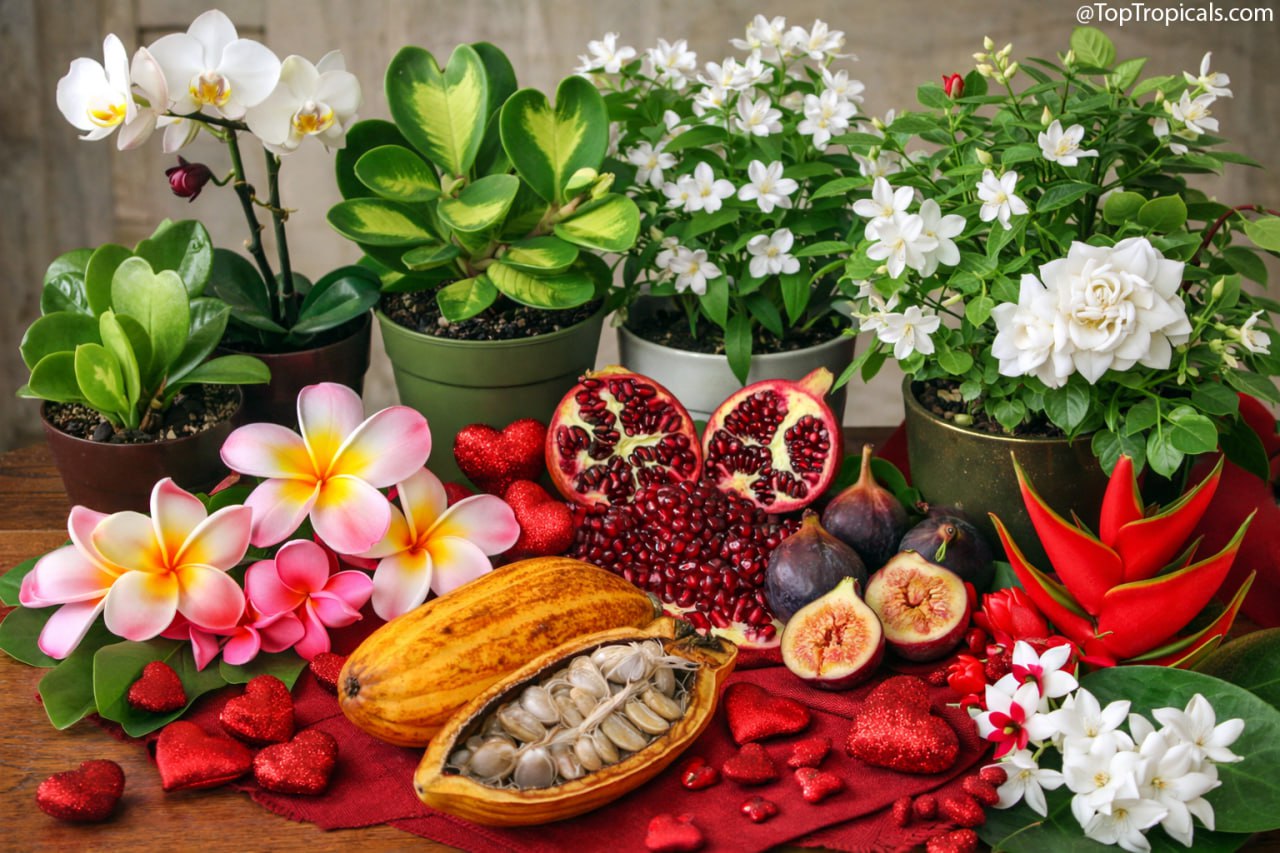
Sweetheart Hoya (Hoya kerrii)
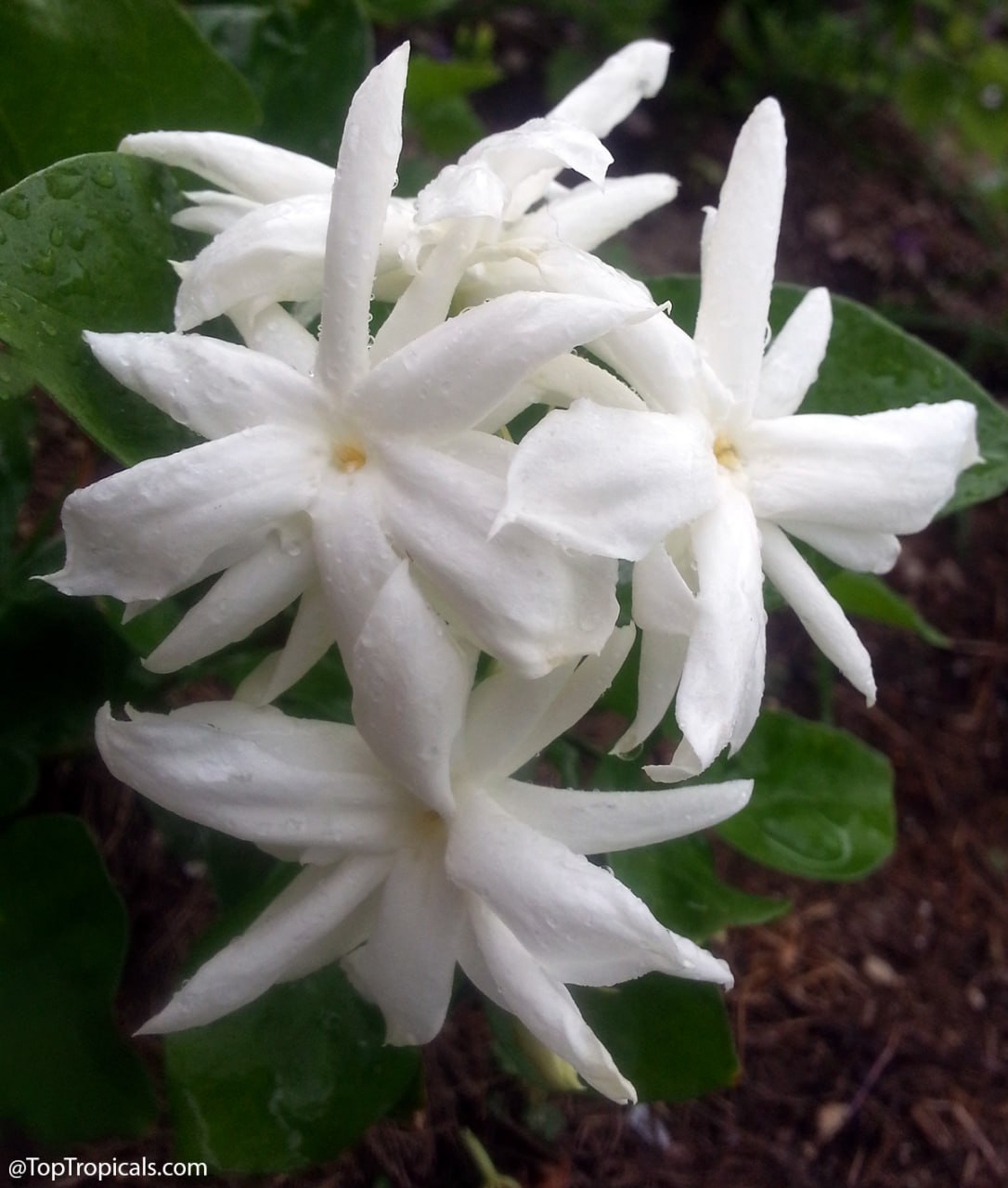
Jasminum sambac
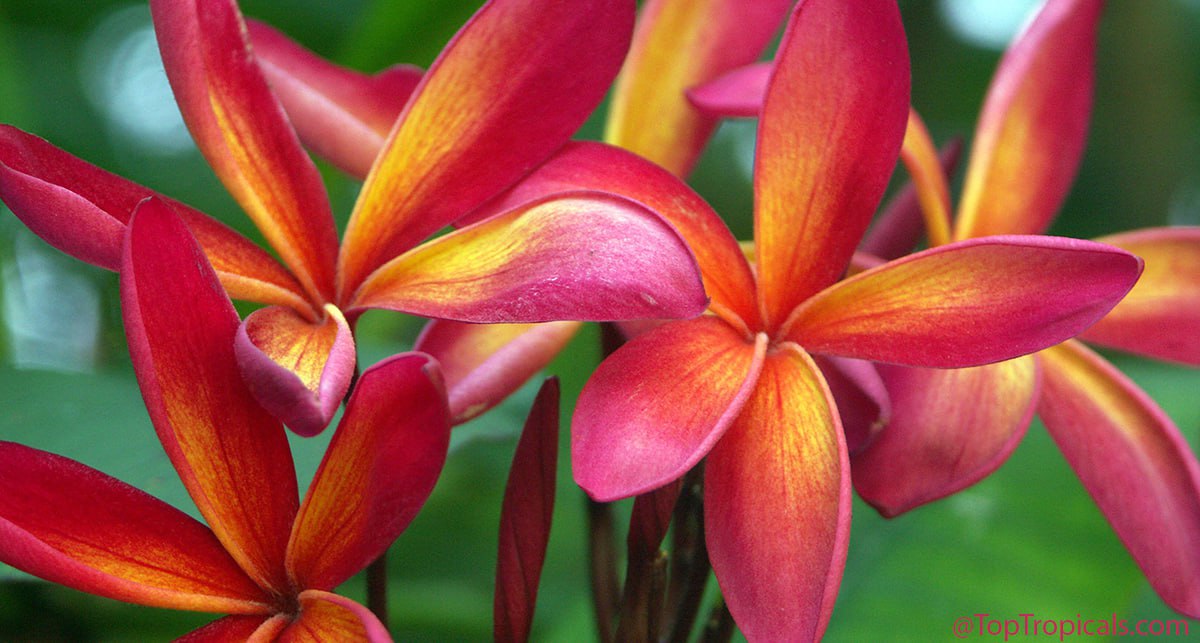
Plumeria (Frangipani)
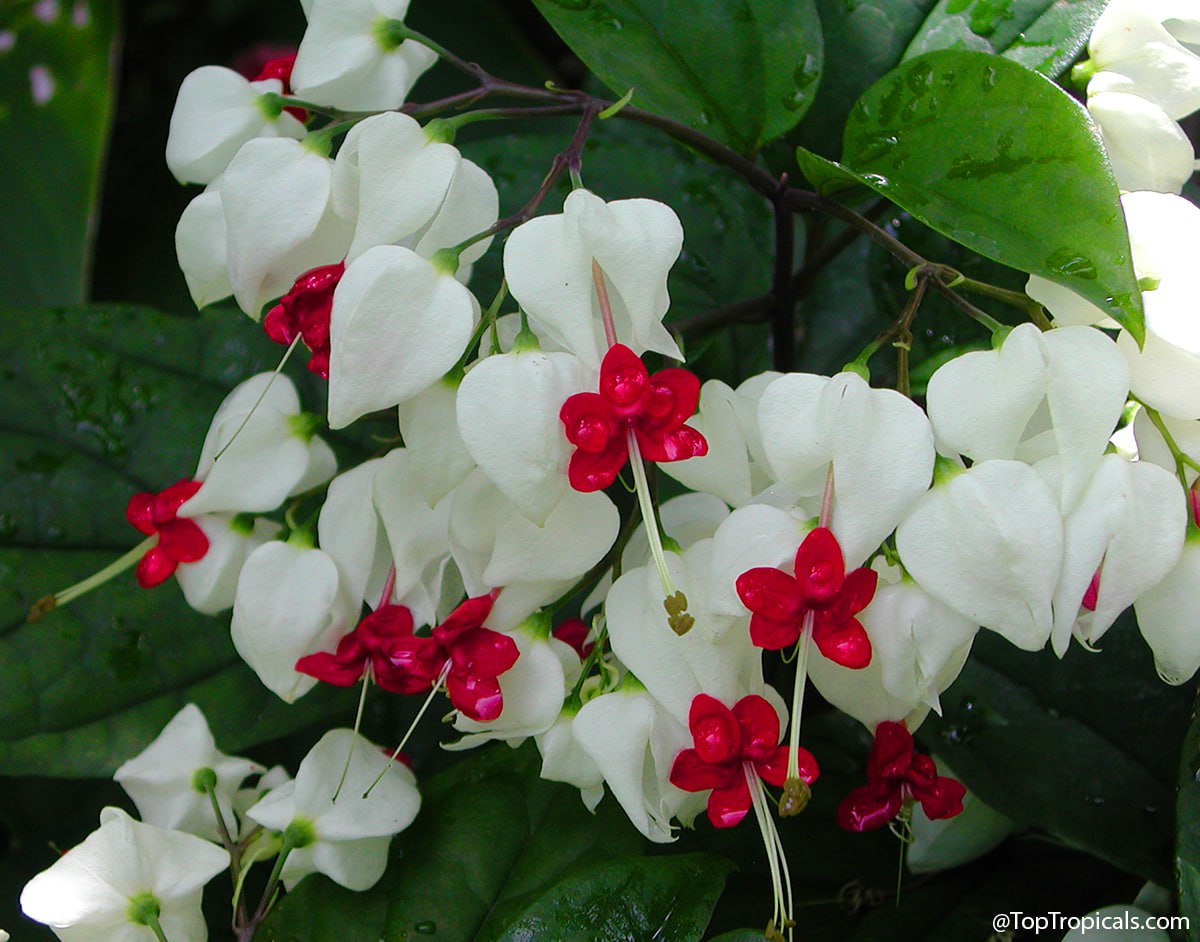
Clerodendrum thomsoniae, Bleeding Heart Vine
💕 Eight favorite plants of romance, affection, and emotional connection
These plants communicate love visually and emotionally. They are associated with beauty, admiration, devotion, and long-lasting relationships.
💖 1. Anthurium
With its unmistakable heart-shaped spathes, anthurium is one of the strongest visual symbols of love. In Latin America, it represents hospitality, passion, and enduring affection, making it a natural Valentine plant. 👉 Anthurium gift
💖 2. Orchids
In many Asian cultures, orchids symbolize refined love, fertility, and deep emotional connection. They are associated with elegance, respect, and long-term devotion rather than fleeting romance or infatuation. 👉 Orchid gift
💖 3. Valentine’s Sweetheart Hoya (Hoya kerrii)
Hoya kerrii is known for its thick, heart-shaped leaves, making it one of the clearest visual symbols of love. This long-lived vine represents loyalty and lasting commitment, and is found in several varieties with different leaf variegation patterns: regular green leaf, variegated Moonlight (gold on green) and Sunshine (white-and green).
Wax Hearts Plant Facts
Botanical name: Hoya kerrii Also known as: Wax Hearts, Sweetheart Hoya, Valentine Hoya, Heart leaf
In Polynesia and Southeast Asia, plumeria represents love, beauty, and new beginnings. In Hawaii, its flowers are a classic part of leis and have become an enduring symbol of romance, affection, and island love.
Plumeria Plant Facts
Botanical name: Plumeria sp. Also known as: Plumeria, Frangipani
Jasmine Sambac is strongly associated with romance, devotion, and spiritual love. In Hawaii it is used in leis, while in the Philippines, this so-called Sampaguita jasmine symbolizes purity, fidelity, and deep affection and is woven into garlands for lovers, weddings, and sacred ceremonies.
Sambac Plant Facts
Botanical name: Jasminum sambac Also known as: Sambac
Hibiscus symbolizes delicate beauty, attraction, and the fleeting intensity of passion. In many tropical cultures, it is associated with feminine energy and romantic expression. 👉 Hibiscus gift
💖 7. Clerodendrum Bleeding Heart
Clerodendrum thomsoniae, called the Bleeding Heart Vine, is known for its red, heart-like flowers held inside white lantern-shaped bracts. It has long been associated with love, emotional vulnerability, and deep personal bonds, making it a natural fit for Valentine symbolism.
Bleeding heart Plant Facts
Botanical name: Clerodendrum thomsoniae Also known as: Bleeding heart, Glory bower, Clerodendron
Traditionally associated with marital happiness and fidelity, Stephanotis has long been used in wedding garlands and bouquets in tropical regions. 👉 Stephanotis gift 🛒Explore gift plants 🎁 Get a Gift Card
💕 Valentine’s plants from around the world that symbolize love, connection, and appreciation
💘 When we think of Valentine’s plants, roses usually steal the spotlight. But in many parts of the world, love has long been expressed through tropical plants - not only through flowers, but also through scent, ritual, shared food, and sensory experience.
💘 Across cultures, tropical plants have symbolized romance, friendship, devotion, fertility, desire, and emotional connection. Some speak through heart-shaped leaves and fragrant blooms. Others through taste, warmth, and the way they bring people together.
💘 Love beyond flowers? Together, these tropical plants show that love is expressed in many ways - through beauty, scent, taste, ritual, warmth, and shared moments. Valentine’s traditions around the world remind us that love is not only something we see, but something we experience with all our senses.
💘 In our upcoming collection we will explore Valentine’s plants from the tropics, grouped by how they express love:
Moonlight Cactus, the Night Blooming Wonder with a mystical twist: Epiphyllum oxypetalum FAQ
Epiphyllum oxypetalum, Queen of the Night
Epiphyllum oxypetalum, Queen of the Night, Night-Blooming Cereus, flower close up
Epiphyllum oxypetalum, Queen of the Night, Night-Blooming Cereus, flower
Epiphyllum oxypetalum, Queen of the Night flower center
Epiphyllum oxypetalum, Queen of the Night flower with highlight
Epiphyllum oxypetalum, Queen of the Night flower with highlight
🔮 Moonlight Cactus, the Night Blooming Wonder with a mystical twist: Epiphyllum oxypetalum FAQ
🌙 Epiphyllum oxypetalum, also known as Queen of the Night or Night-Blooming Cereus, is a tropical epiphytic cactus famous for its huge, fragrant white flowers that open only at night. The blooms usually last just one night, often opening after sunset and closing by morning, which is why it has such a mystical reputation. The plant itself has long, flat, leaf-like stems and is often grown in hanging baskets or trained to climb. It is easy to grow, prefers bright filtered light, and rewards patience with one of the most dramatic blooms in the plant world.
Belle de Nuit Plant Facts
Botanical name: Epiphyllum oxypetalum Also known as: Belle de Nuit, Lady of the Night, Queen of the Night, Night blooming Cereus, Dutchman's Pipe
USDA Zone: 9 - 11
Highligths
🎆 Why is it called Queen of the Night?
Because it produces large, fragrant white flowers that open only at night. The blooms usually open after sunset and close by morning.
🎆 How often does it bloom?
Usually once or a few times a year, often in late spring or summer. Blooms are short-lived but unforgettable.
🎆 Is it really a cactus?
Yes, but it is a tropical epiphytic cactus. It grows more like an orchid or jungle plant than a desert cactus.
🎆 Does it need full sun?
No. It prefers bright, filtered light or partial shade. Direct hot sun can scorch the stems.
🎆 Can it be grown indoors?
Yes. It does very well indoors near a bright window or outdoors in warm, shaded areas.
🎆 Does it need a lot of water?
More than desert cacti, but not soggy soil. Water when the top layer of soil dries out.
🎆 Can it grow in a pot or hanging basket?
Yes. It is commonly grown in containers, hanging baskets, or trained to climb on a support.
🎆 Is it rare?
Mature blooming plants are highly valued because flowering takes patience and good care.
How to grow Winter blooms without sun, indoors or out
Clerodendrum wallichiii - Bridal Veil
✨ How to grow Winter blooms without sun, indoors or out
⭐️ Clerodendrum wallichii - Bridal Veil, is one of those plants that quietly steals the show. It is a graceful shrub that drapes itself in long, hanging sprays of white, lightly fragrant flowers just when many gardens are slowing down. Around fall and into winter, it suddenly comes alive with cascading blooms that really do look like a veil.
Bridal veil Plant Facts
Botanical name: Clerodendrum laevifolium, Clerodendrum wallichii, Clerodendrum nutans Also known as: Bridal veil, Nodding Clerodendron
USDA Zone: 9 - 11
Highligths
⭐️ One of the things that makes Bridal Veil really special is that it blooms beautifully in bright shade, which is rare - not many flowering shrubs are happy without direct sun. Because it tolerates lower light so well and stays elegant in a container, it also makes a surprisingly great indoor plant in a bright room or sunroom.
⭐️ What you will love most is how elegant but easygoing it is. The plant grows upright with soft, arching branches, usually topping out around 6–7 feet, with narrow, pointed leaves that stay neat and refined. The green stems set it apart from some other clerodendrums, giving it a lighter, airier look even when it’s not in flower.
⭐️ Bridal Veil does best when you treat it gently. It likes bright light but not harsh afternoon sun, and it really appreciates protection from wind. Give it a spot with morning sun or bright shade, keep the soil evenly moist but well drained, and it rewards you without much fuss. It’s a great choice for containers, patios, or sheltered garden beds where you can enjoy the flowers up close.
⭐️ Another bonus - it blooms when you want it most. While many plants rest, Bridal Veil puts on its show from fall through spring, making it a favorite for winter-interest gardens in warm climates. Pollinators notice it too, especially when little else is blooming.
⭐️ If you like plants that feel a bit romantic, bloom off-season, and don’t need constant attention, this one earns its place fast. Bridal Veil is quiet, graceful, and unforgettable once you’ve grown it.