Garden Blog - Top Tropicals

Date: 25 Nov 2019

Flavor of Feijoa Superfood
by Onika Amell, tropical plant specialist

Q: What exactly is Feijoa - Pineapple Guava? Does the fruit really taste like pineapple? I am curious to know if it is easy to grow.

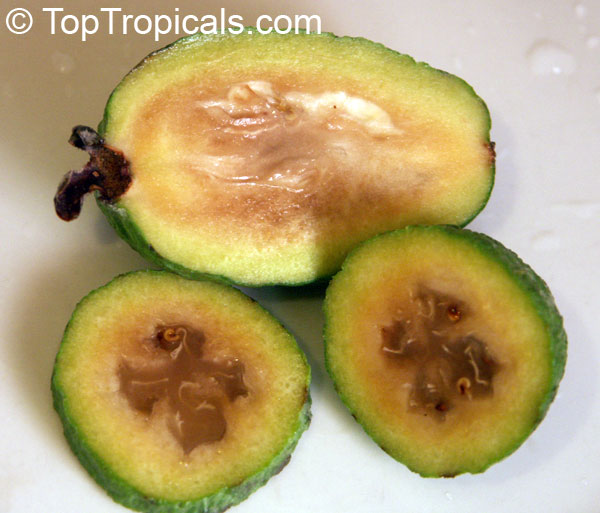
A: Feijoa is certainly one of the easiest fruit trees to grow as it does not require much care. It is an attractive, evergreen tree or large shrub with dark green, oval, leathery leaves. It has an abundance of uses in the garden and produces lovely edible flowers and fruit! The fruit is eaten fresh, added to smoothies or fruit salad and is also commonly used to make delicious jams and wicked chutneys. Feijoa fruit go a long way in flavor.
This plant is drought tolerant and will grow in almost any soil type. It loves full sun or partial shade and is wind resistant. A lot of gardeners like to grow it as a wind barrier for this reason. It can easily be shaped into a dense, informal hedge or screen that needs very little pruning. Because of this density, it provides excellent shelter for all kinds of wildlife. Butterflies, birds, and butterflies will all love you for growing Feijoa!
Space the plant five feet apart to create a wind barrier hedge. Heat does no not bother it at all and it will also withstand temperatures to 10 degrees F.
The plant gets its names from the delicious perfume it emits. Some folks seem the fruit taste like pineapple, with a slight minty undertone. Others feel the flavor reminds them of juicy fruit gum! The texture is described as smooth and slightly gritty - almost like a pear, but firmer.
If you prefer to grow this plant as a tree rather than a large shrub, simply remove the lower branches up to one-third of the tree's height over a period of time. The Pineapple Guava can grow up to 15 feet wide and tall. They also do really well as a container plant on patios where you can truly enjoy the lovely fragrance of the fruit. It prefers rich, organic, well-drained soil and will need light fertilization every other month in most soils.

We recommend:

Fruit Festival Plant Food - Super Crop Booster
Mango-Food - Smart Release Fruit Tree Booster
SUNSHINE-Honey - Sugar booster
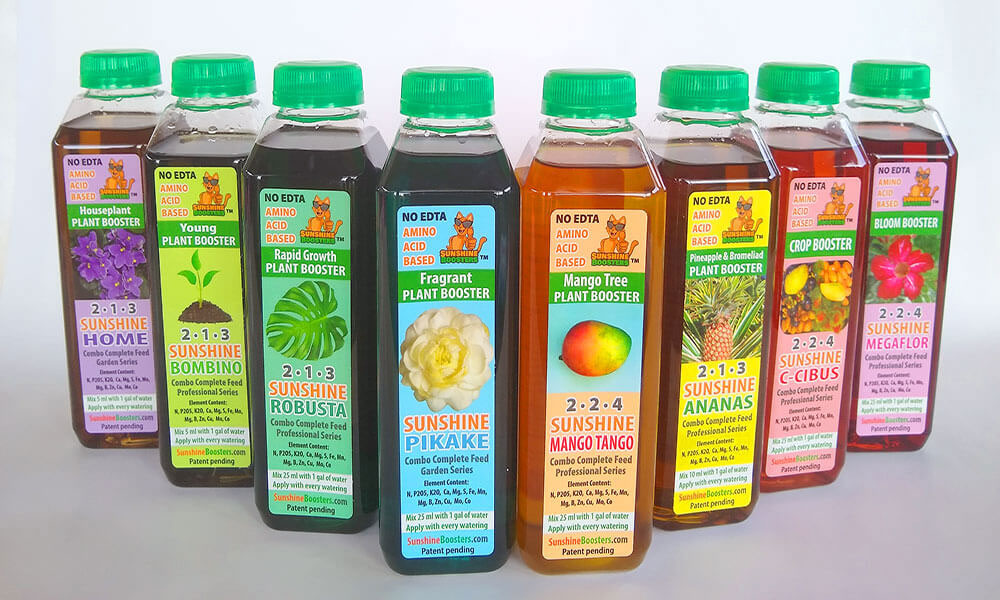
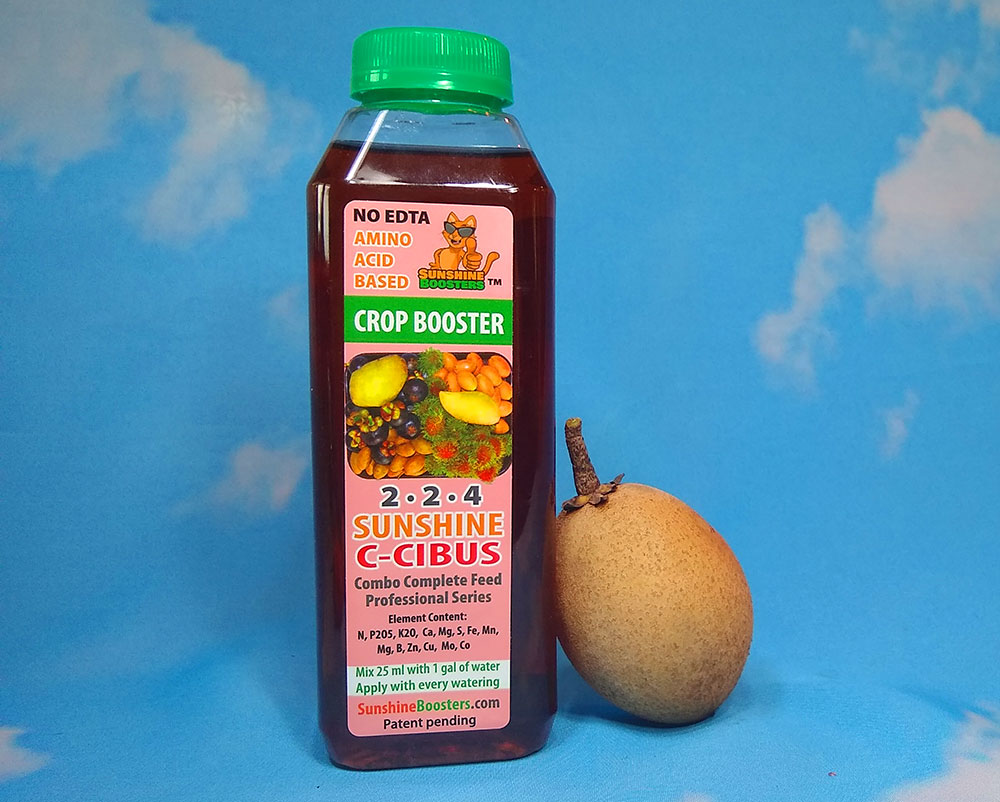
SUNSHINE C-Cibus - Crop Nutrition Booster

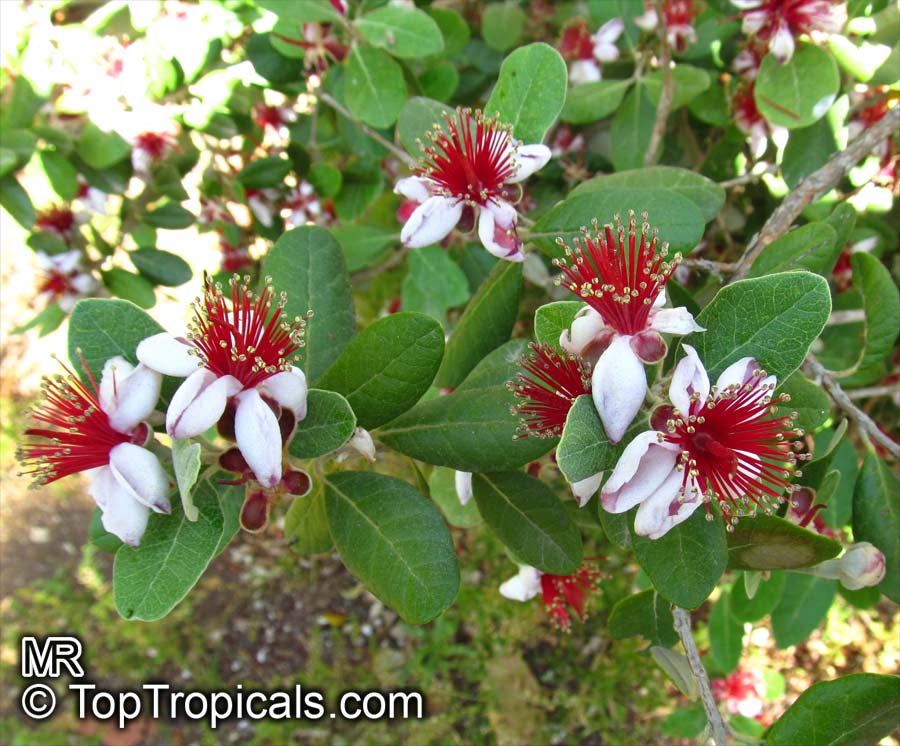
Pretty, pink, edible flowers will wow you from May to June, followed in late summer or fall by the delicious and fragrant fruit. An interesting thing about this fruit is that you don't pick it. It falls to the ground when it is ripe. Or simply place something under your tree, like a tarp, and shake the tree. The ripe fruit will fall off. You can store the fruit in your refrigerator for up to a week. And remember! The fruit of the Feijoa is not only a very rich source of soluble dietary fiber, but also an excellent source of Vitamin C, and very rich in antioxidants. They are also low in calories. Each fruit only holds 55 calories.

Date: 30 Aug 2020

Healthy Plant Food

Q&A from Mr Booster

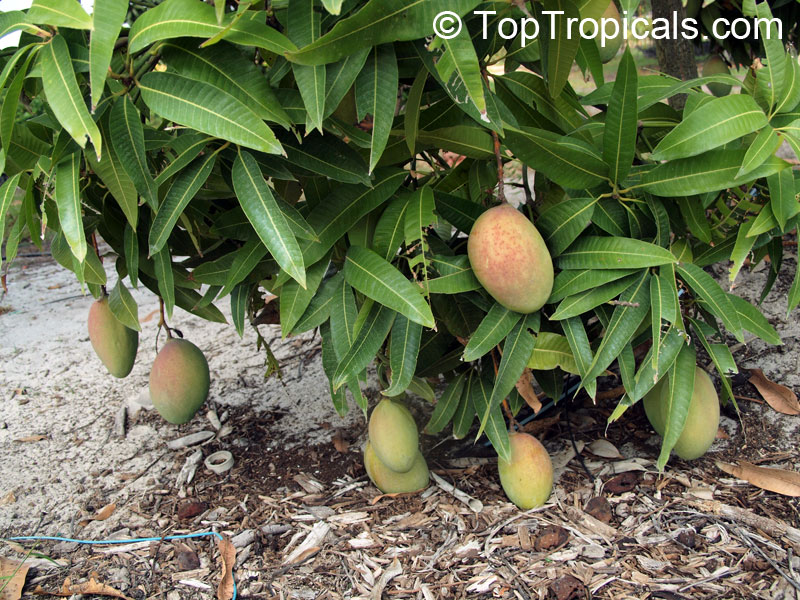
How to make Mango tree fruit

Q: Hello, I have a five-year-old Lemon Meringue tree that has only given me fruit one year. It put out about 50 mangoes and has done nothing for the past three years. Do you recommend any vitamins or any of the nutrients that you guys sell to help with this for next season?

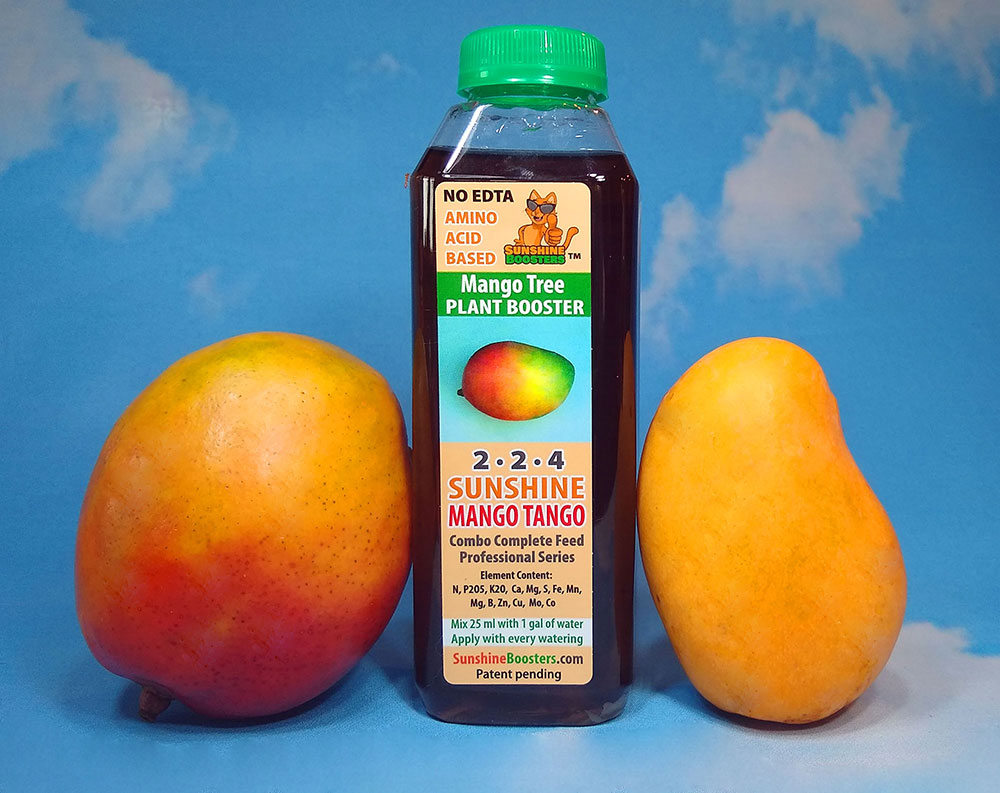
A: We've had very similar problem with our Nam Doc Mai Mango tree, fruited once and no more next year. Usually the reason is nutrients deficiency, here in Florida we have poor soils. We applied Mango-Tango tree booster and it started flowering within a couple of weeks.
Generally, Mango flowering season is over by now, however, we recommend to feed the tree starting now, during active growth season. This way it will get better established before winter and also will store away all elements necessary for triggering flowering and fruiting. So by late Fall through Winter it will be ready to flower.
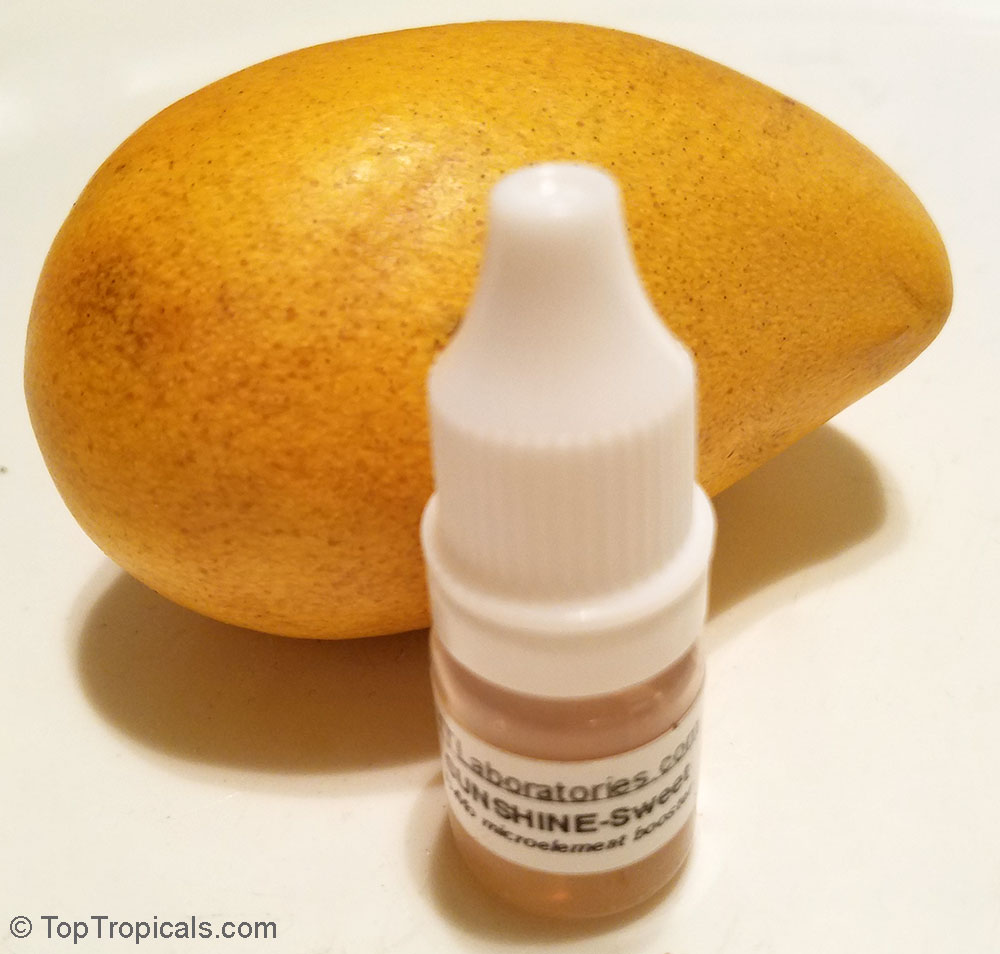
Along with the fertilizer, additional micro-element supplements will be beneficial. For improving fruit quality and increasing number of flowers, we also recommend to use SUNSHINE-Honey - sugar booster

SUNSHINE Mango Tango - Mango Tree Booster, for healthy mango trees and profuse fruit production.

SUNSHINE Honey - a natural supplements that makes fruit sweeter, and increases fruit quantity and quality.

Date: 20 Oct 2023

Prepare your plants for Winter with Sunshine Boosters

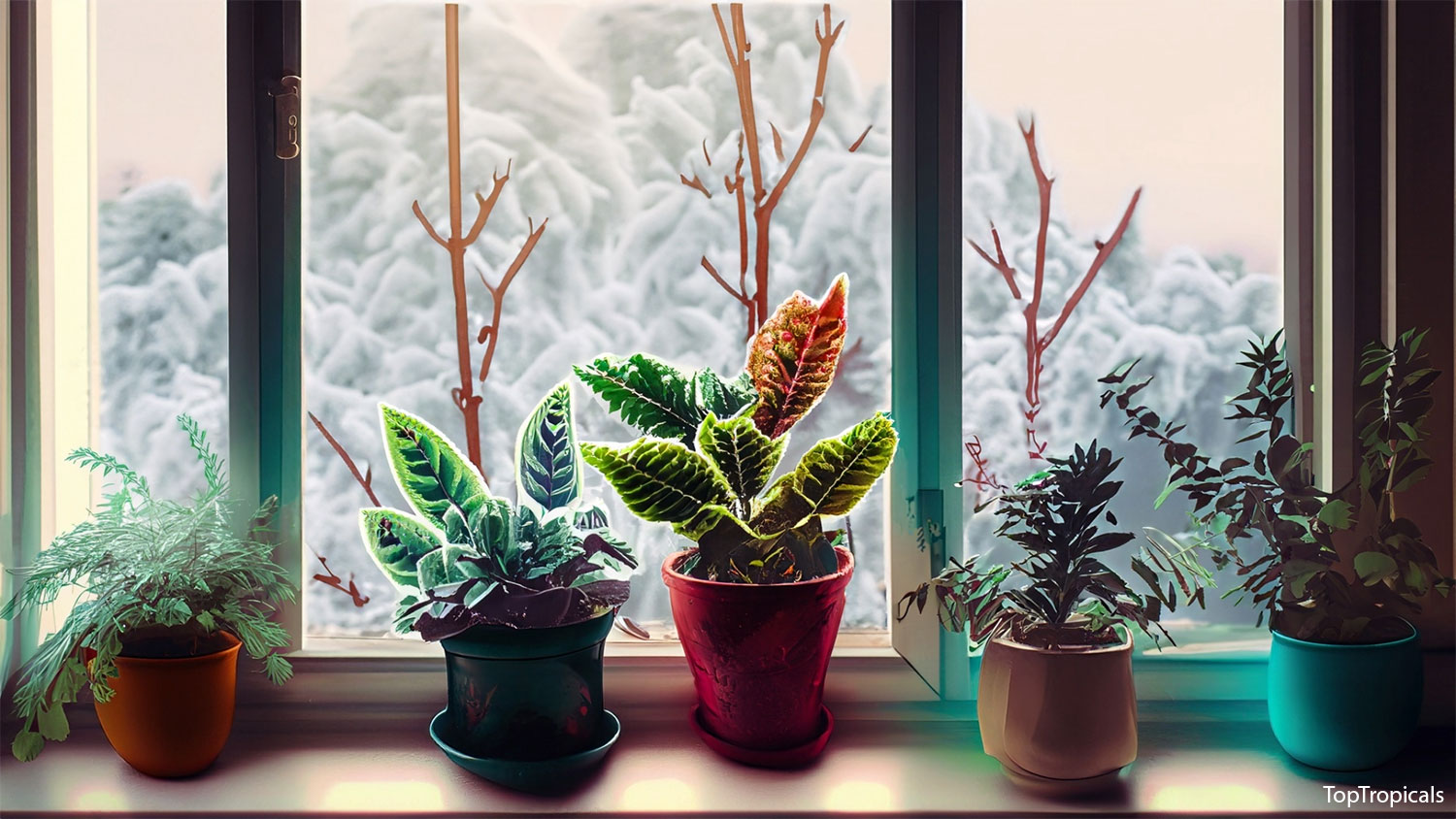
Tropical  Plants  on  Winter  Windowsill

We usually stop using dry slow-release fertilizers from November to March. However, liquid Sunshine Boosters, which are natural plant food, can be used all year. They help your plants survive winter. When it gets colder, we water less, so the fertilizer decreases too. The plants only use what they need. To learn more about how Sunshine Boosters work and why they're safe and helpful, check out this blog: Using Sunshine Booster during Winter.

Sunshine  boosters  formulas

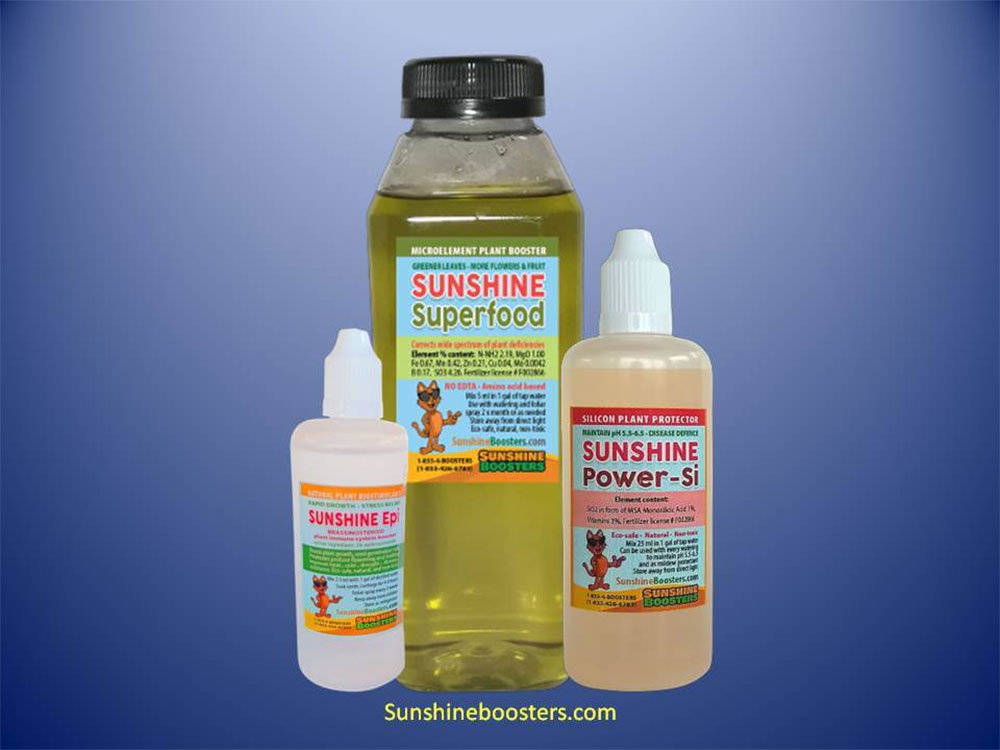
Apart from giving your plants nutrients during winter, you also can improve their ability to handle the cold. Try the Sunshine Boosters supplement kit for tropical plants. Follow the schedule and use three different supplements: SUNSHINE Superfood, SUNSHINE Epi, and SUNSHINE-Power-Si. Read more about treatment with Sunshine boosters supplement kit.

Sunshine  boosters  supplement  kit

Sunshine  boosters  supplement  kit

Date: 2 May 2026

What makes Sunshine Boosters different

What makes Sunshine Boosters different

What makes Sunshine Boosters different

What makes Sunshine Boosters different

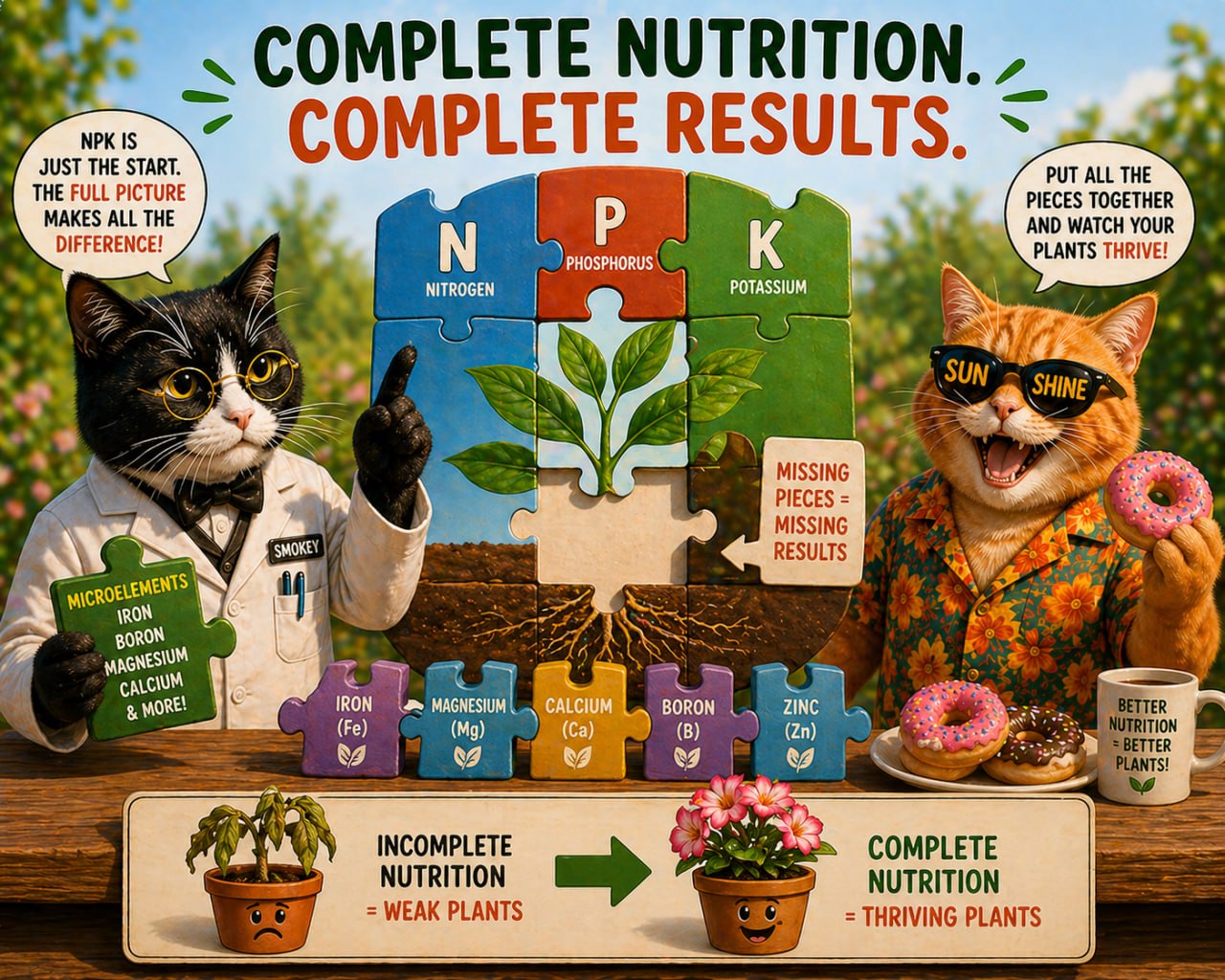
If your plants look stressed, slow, or inconsistent, the issue might not be your care - it might be how you're feeding them. Most fertilizers are harder to use than they should be. Once you understand why, everything starts to make sense.

Why fertilizers are so confusing?

If you've ever stood in front of a shelf full of fertilizers thinking "what do I even pick?" - you're not alone.
Most feeding programs are a mess. Different brands, different formulas, different schedules. One for growth, one for bloom, one for micros, one more "just in case".
And somehow it still feels like guesswork.
Easy to overfeed. Easy to underfeed. Easy to waste money.
That's exactly the problem Sunshine Boosters were built to solve.
The formulas are balanced and mild, so you can use them regularly without stressing about mistakes.
Now here's where it gets interesting.

The problem with traditional fertilizers

Most traditional fertilizers weren't made for how we actually grow plants today. Dry fertilizers are built for large field use. They often carry excess salts and don't work well in containers or soilless mixes. Many don't even include enough trace elements.
And over time, they can build up in the soil.
Sunshine Boosters works differently.

Why liquid feeding wins

First - it's liquid.
Plants don't eat nutrients, they drink them. Liquid feeding means nutrients are available right away. Every watering becomes feeding. No waiting, no uneven supply.

Amino-acid chelation - the real difference

Second - the way nutrients are delivered is completely different.
Most fertilizers use synthetic chelators like EDTA. They keep nutrients stable, but plants have to spend energy to use them.
Sunshine Boosters use amino-acid chelation instead.
That means nutrients come in a form plants already recognize and use naturally. Less effort for the plant, more energy for growth, flowers, and fruit.
And there's no salt buildup over time.

Low salt index - better water uptake

Speaking of salts - this is a big one.
High salt levels in fertilizers actually make it harder for plants to absorb water. That's why plants can look stressed even when the soil is wet.
Sunshine Boosters has a low salt index.
Less resistance, better water flow into the roots, better hydration, stronger plants.

Faster growth without the risk

Put it all together and you get faster growth, stronger structure, more flowers and fruit - without the usual risk of burning or overdoing it.
Because the nutrient levels are balanced and not overly concentrated, they do not affect the natural taste of fruits and edibles.
The products are also safe for regular use and friendly to pollinating insects, which is important for fruit production.

Feeding made simple

And the best part?
It's simple.
Mix Sunshine Boosters with water. Use it when you water. That's it.

Stay with us - next we'll break down how different formulas match different plant needs, so you can get even better results. More...

Get your plants real food

"
Learn more:
This changes how you feed your plants
Sunshine Boosters: Complete Plant Nutrition System
Frequently Asked Questions: Plant Nutrition & Fertilizer
Green Magic + SUNSHINE Boosters: A Complete System for Strong Plant Growth
Spring Nutrition Strategy: Is Your Garden Starving?
How to keep your house plants beautiful all year by feeding them right
Why do you need Sunshine Boosters?
Which dry fertilizer to use - slow release or controlled release?
Green Magic effect: before and after
The SECRET growers never tell you: simple trick how to bring plants back to life and keep green
" What are Sunshine Boosters

#Discover #Fertilizers #How_to

Join TopTropicals

Date: 29 Sep 2020

Healthy Plant Food: Q&A from Mr Booster

Why my Sapodilla is not fruiting?

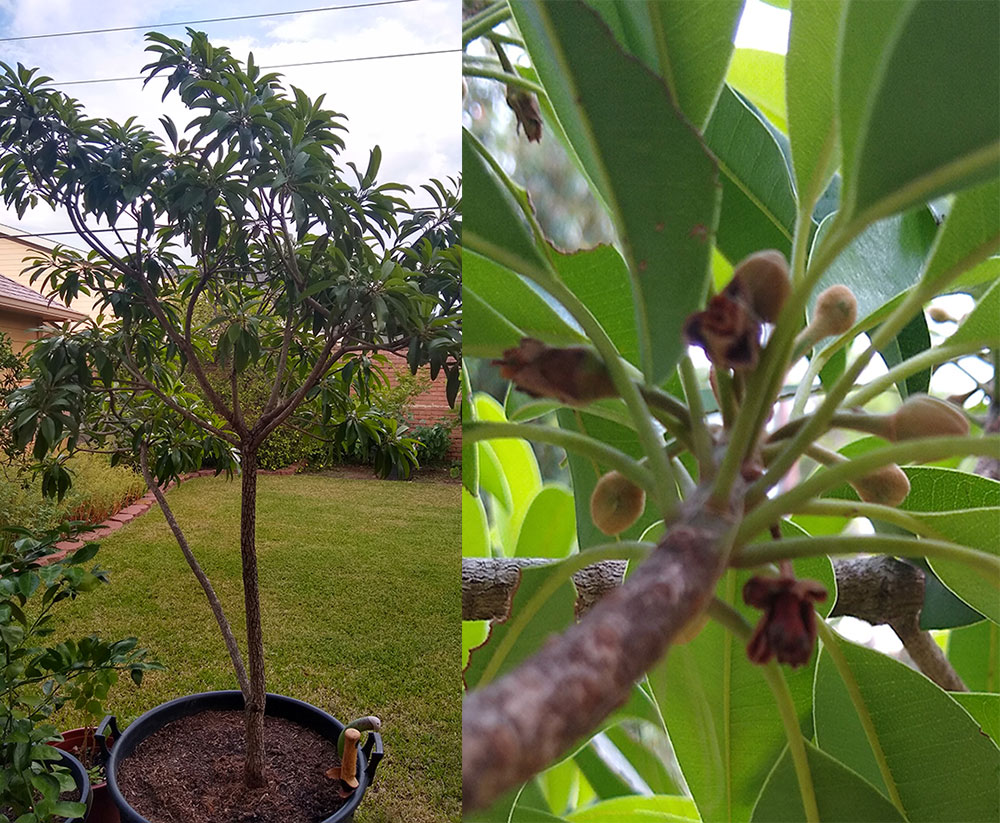
Q: I bought a Sapodilla tree from you several years ago, Silas Woods. I live in Houston area. The tree grows and produces blossoms for fruits, but then they just dry up and fall off. To-date, I have not gotten any fruits off the tree. Is there a reason for this? I really want a fruiting tree because Sapodilla is one of my favorite fruits. I have attached pictures of the tree. Please help.

A: Silas Woods is a free-flowering variety and in favorable conditions it should produce fruit almost year round, considering warm temperatures. The fact that the tree is producing flowers indicates that it is strong, overall healthy and ready for production, but for some reason these flowers don't set fruit. There may be several reasons for such behavior.

1) Too high temperature and too low humidity
In Houston area, humidity should be good in summer. However, if temperatures stay above 90F for a long time, this may cause flower dry-n-drop.
Solution: try to move the potted tree into filtered light, or in a spot where it does not get direct burning sun during the hottest hours of the day (morning sun is the best)

2) Root bound.
Solution: check if the tree needs stepping up into a larger container.

3) Lack of certain nutrients that are responsible for proper fruit formation.
In particular, elements B (Boron), Mo (Molybdenum), and a few other micro-elements (Fe - iron, Cu - Copper, etc.). This is most likely the cause of a flower drop. This is very common reason for undeveloped fruit or lack of fruit in container-grown fruit trees. When grown in the ground, plants can reach out to all necessary elements in surrounding soil (considering soils are not too poor on necessary elements). In a pot, a supply of nutrients can be exhausted very quickly, so a quality fertilizer program is very important. Fertilizer must include all necessary nutrients in easy accessible form, and a plant must have their constant supply for proper development.
Solution: prescribe to your Sapodilla tree the following combination of plant food:
- SUNSHINE C-Cibus - Crop Nutrition Booster. It will provide well-balanced amounts of high absorption Nitrogen, as well as other macro-elements - to provide enough energy to the tree, plus a combination of all necessary micro-elements. It is safe to apply this fertilizer as frequent as with every watering, including winter time.
- SUNSHINE-Honey - sugar booster. This supplement has a high content of elements Mo and B - once the tree starts getting them on regular basis (a few times a year, according to the label), it will change its habit dropping flowers and/or premature fruit drop. As extra bonus, Sunshine Honey makes fruit sweeter by bringing sugars from all over the plant and concentrating them into fruit.

4) Lack of pollinating insects.
Solution: For most effective pollination, we always recommend to put some pieces of fruit under the tree, apple peels, or even banana peel. Those attract tiny beetles that are responsible for small flower pollination.

With winter time approaching, fruiting season is about to end, however, do not get discouraged and start the fertilizing program right away: this will bring up the plant into a healthy stage within a few months, and by next season it should be covered with fruit you like so much! Remember, Sunshine liquid fertilizers can be used year round, including winter, without a risk to burn roots or overdose, as long as you follow label instructions.

SUNSHINE C-Cibus - Crop Nutrition Booster from Garden Series, or Combo Total Feed Collection - all nutrients in just one bottle, for fruit trees and edibles.