Healthy Plants. Q&A from Mr Booster: How to get Ylang Ylang to flowering
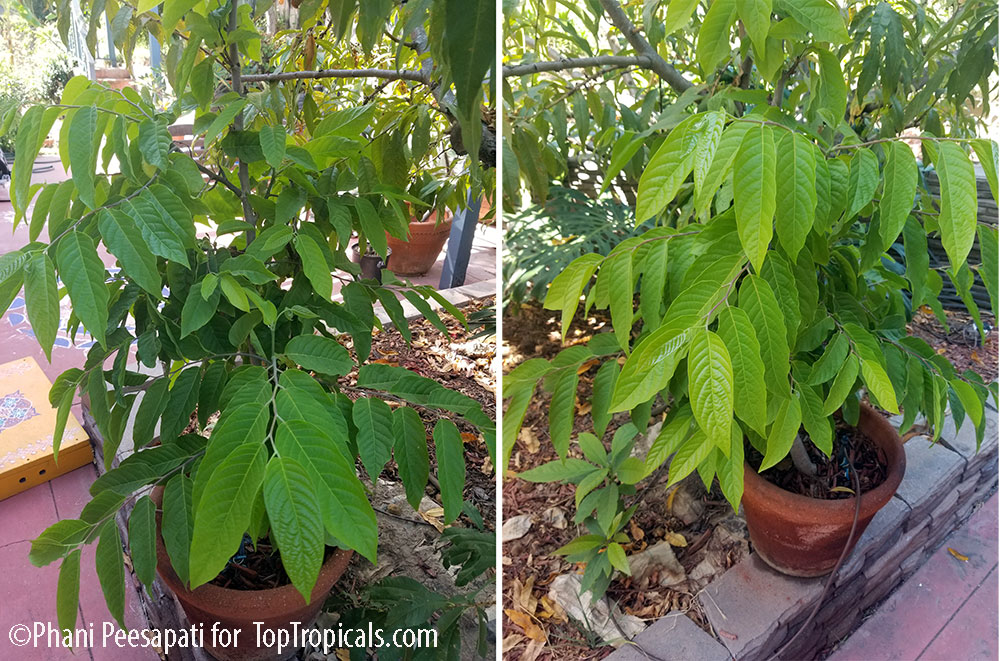
Q: I am writing in reference to my Ylang ylang tree. I purchased
this from top tropicals a few years ago and although the plant is doing well,
I don't see any flowers yet. Can you tell me when it will flower? Do I need
to do something special for it to flower?
A: Cananga odorata, Ylany Ylang tree, takes a few years until it
starts flowering, hopefully it will bloom for you any time soon.
However, keep in mind that it may be a bit challenging for a potted plant.
In natural conditions, this is a large tree that requires lots of room not
only for the tree itself, but also for the root system. It is still possible to
get Cananga odorata to bloom in container, considering the plant has all
necessary nutrients for flowering. Here is the trick.
When grown in the ground, root system can reach out to all necessary
elements in surrounding soil (considering soils are not too poor on necessary
elements). In a pot, a supply of nutrients can be exhausted very quickly, so a
quality fertilizer program is very important. Fertilizer must include all
necessary nutrients in easy accessible (soluble) form, and a plant must have
their constant supply for proper development.
SOLUTION:
prescribe Ylang Ylang tree the following combination of plant food:
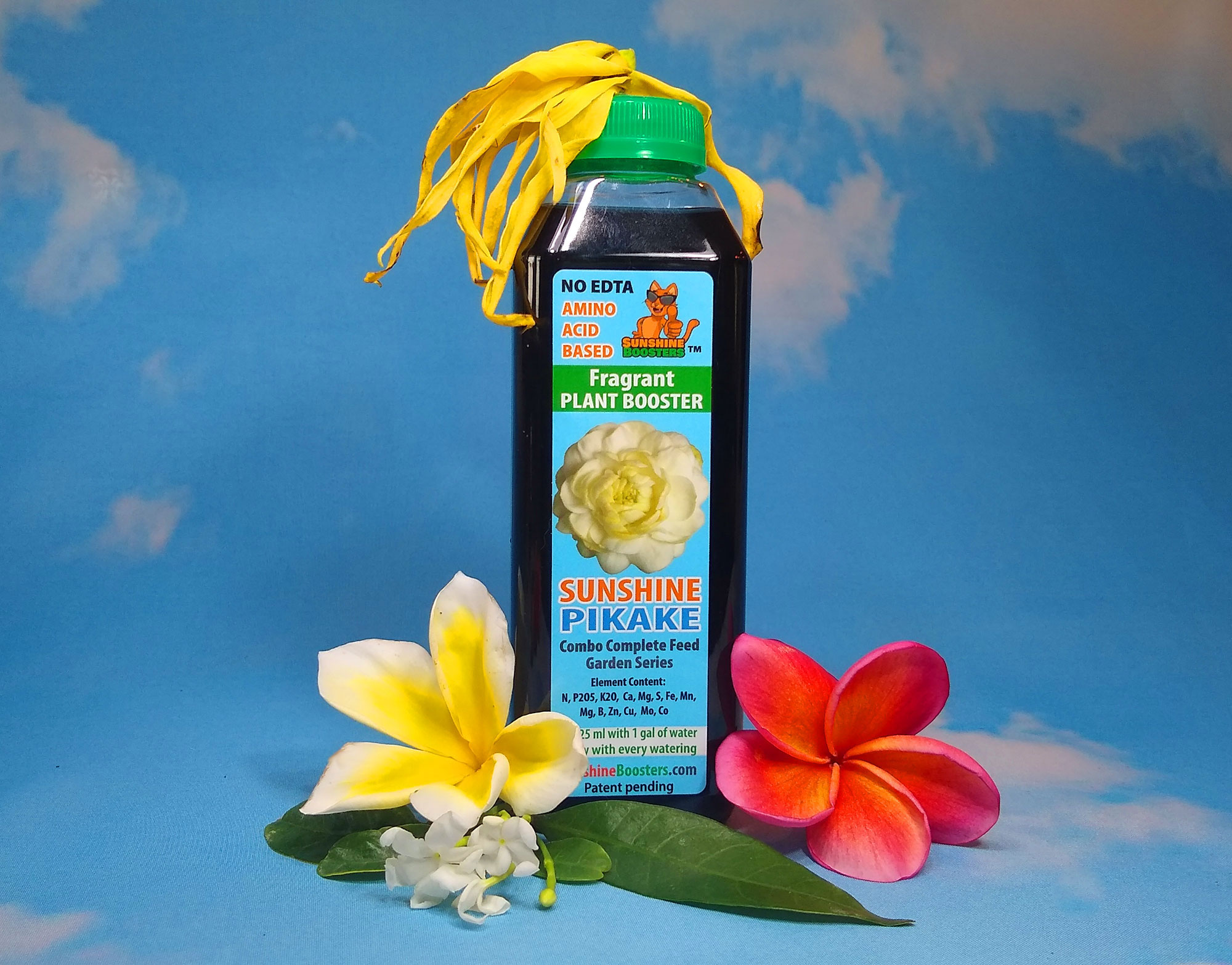
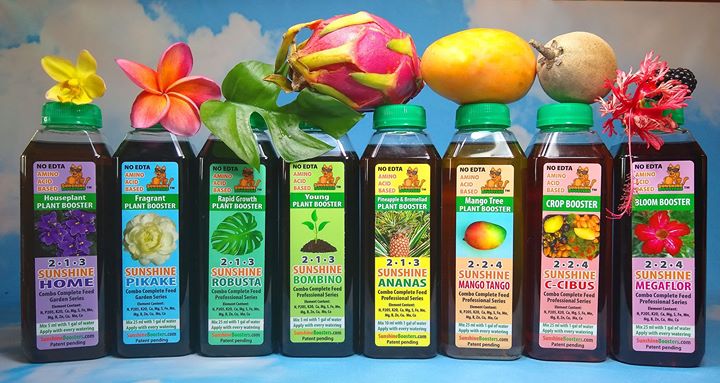
- SUNSHINE Pikake - Fragrant Flower Booster
It will provide well-balanced amounts of high absorption Phosphorus (P) and
Nitrogen (N), as well as Potassium (K) - to provide enough flowering energy
to the tree, plus a combination of all necessary micro-elements. It is safe
to apply this fertilizer as frequent as with every watering, including winter
time.
- SUNSHINE-Honey - sugar booster
This supplement has a high content of elements Mo and B - once the tree
starts getting them on regular basis (a few times a year, according to the
label), it will trigger flower production.
You may also consider getting dwarf varieties of Ylang Ylang that starts
flowering in container right away:
Cananga fruticosa - Dwarf Ylang-Ylang
Currently these high demand plants are sold out, but new plants are
establishing and will be ready for sale within couple months. You may add your email
to wishlist ("Notify me when available") to get notification as soon as we
have it back in stock. Ylang Ylang vines also start flowering within a year.
This year we introduced many new items to Sunshine Boosters selection - for all your plant needs in the garden.
We receive lots of feedback and questions, so it is time now to share this
information with all our customers and open this new section in our Newsletter
-
From Mr Booster: Q&A
We promise that we will keep up with your favorite Cat of The
Month blog as well!
Dry, liquid, or both?
Q: I have bought different plant boosters, and I am so exited to
use them on my plants! I understand that Sunshine Boosters are better than
traditional fertilizers, should I give up dry fertilizers all together, or can
I continue using them? They are so easy, don't require any mixing...
A: We are all busy and it seems at first like a little bit of
work with all the mixing, but it saves your time in a long run! And money
too.
When we used dry fertilizers, every now and then a plant got killed, some
looked undernourished (or over-fertilized) and unhappy. It was always a
challenge to figure out which plant needs more and which needs less, and how often.
It made us use more and more chemicals trying to adjust the feeding balance,
and we had to worry about why a plant doesn't look happy. Sometimes we lost rare, valuable, collectible plants since we couldn't find a cure for their illnesses.
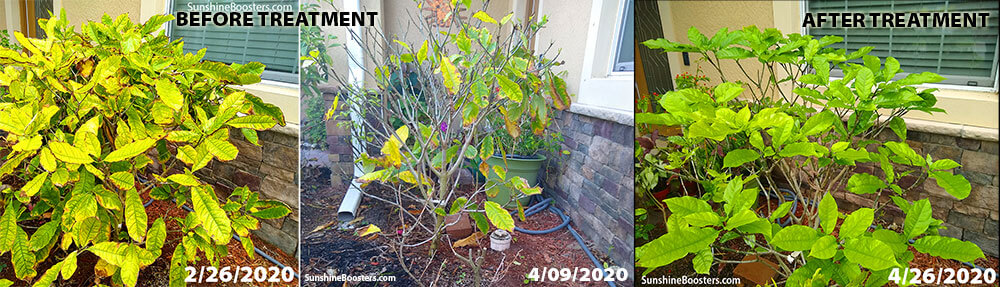
With Sunshine Boosters, those problems are gone now! See examples.
Compare using Sunshine Boosters with eating healthy, well-balanced food.
You can still survive on junk food and won't die from starvation, but eventually eating junk food will take its toll and create health problems. So you will end up trying to fix them with more and more medicine... which in turn will create more side effects.
By using Sunshine Boosters, you provide all necessary elements and vitamins
to plants without a risk of side effects or building up unnecessary
junk/toxins in their system. No more leftovers!
According to tests, Sunshine Boosters are used up completely through
plant metabolism, making them healthy, strong, and disease resistant. Sunshine
Boosters are based on organic amino-acids which is the foundation of life on
Earth. This helps to eliminate nutrients lock up in soil. See why Sunshine liquid fertilizers are better than dry fertilizers.
To answer your question, we recommend to switch to liquid Sunshine
Boosters. It is possible to additionally use dry granulated "smart-release" fertilizers for in-ground plants, no more than once a month and only during hot season (Sunshine Boosters can be used year-round). However, some customers ran independent tests and admit that using Sunshine Boosters alone is more effective than in combination with dry fertilizers. See
review from Karma Nursery.
Garden Series, or Combo Total Feed Collection - all nutrients in just
one bottle, for different plant types. See booster in this collection, for different types of pants.
Date: 24 Jun 2018
SUNSHINEboosters for recovering
plants after shipping
Q:
I live in Garden City, NJ and have a sun room with a
tropical plant collection that I keep at about 40-45
degrees in winter. I used Sunshine booster during winter
for my plant collection and results were amazing! I
haven't lost a single plant. Now I see you have more
products and I am planning to purchase more plants, how
should I use Sunshine boosters to help plants recover
after shipping?
A:
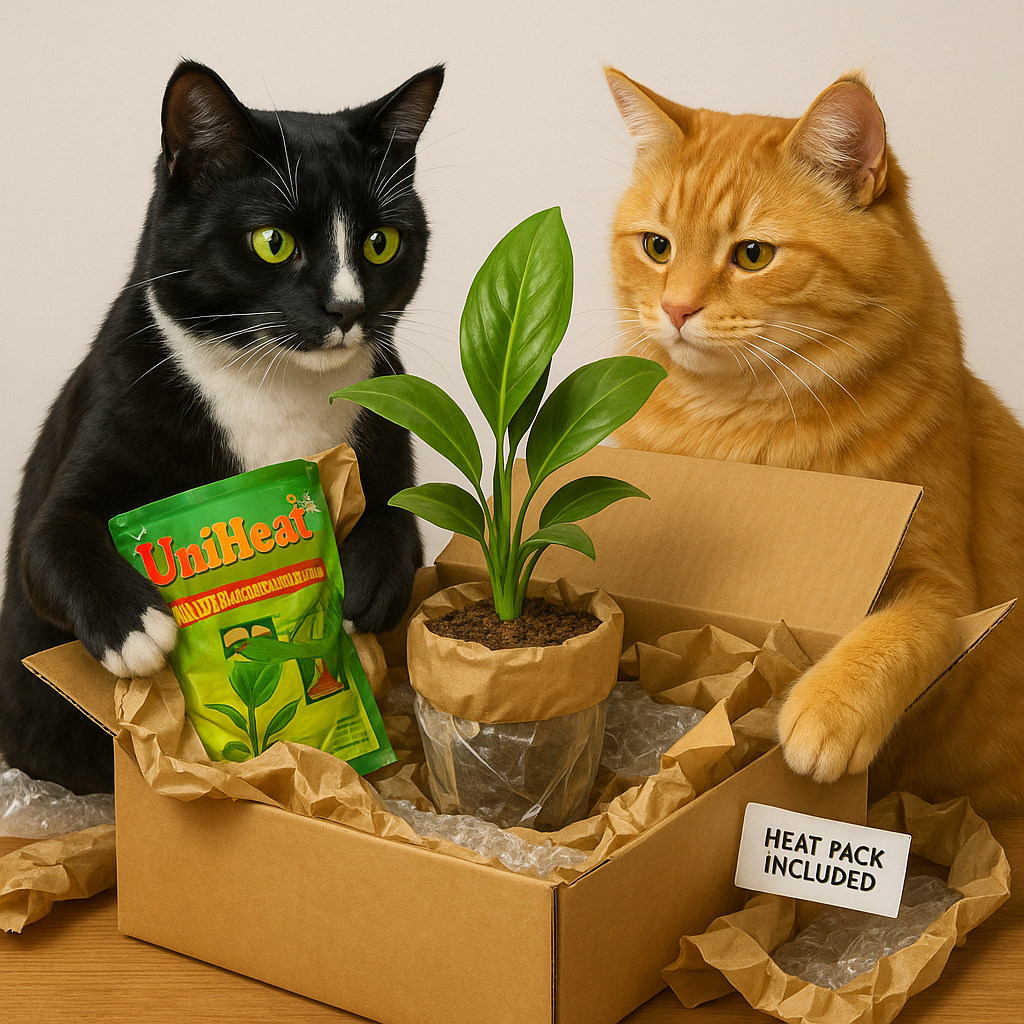
Spray SUNSHINE-E solution right after receiving a plant
from shipping. It will boost up the plant and make it
50-60% stronger and easier to recover after shipping
stress. After that, apply SUNSHINE-SuperFood
microelement booster to provide everything necessary for
the plant to grow vigorously and happily. SUNSHINE-E is
indeed a wonderful plant stimulant and stress reliever,
although it is not a "magic-cure-all" medicine where one
can't find its active ingredient. The hormone
(epibrassinolide) is well-known and used in different
countries along with other hormones for promote growth,
fruiting, blooming, rooting, etc. One of the most amazing
properties of SUNSHINE is that it works in extremely low
dozes. Only a few drops will be enough to make a solution
in distilled water, to treat a large size plant. If you
want to try it out, one 5 ml bottle will last for several
applications. Large bottles of SUNSHINE 50 ml and 100 ml -
great for small and big gardens. It is a good idea to
start bi-weekly applications to improve your plants
tolerance to Summer heat, drought and improve disease
resistance. The formula works through plant metabolism
within 2-4 days, repeat application not sooner than in one
week. After application of SUNSHINE-E, don't forget to
boost your plants with SUNSHINE-SuperFood .
Helping plants to survive winter:
SUNSHINEBOOSTERS - FROM SUNSHINE STATE
A magic plant hormone so wanted by gardeners, is finally here! When people purchase plants and trees either on-line, or from their local nursery, expectation and anticipation for their new find is high. Many times, however, disappointment is encountered due to a variety of reasons. These reasons include changes in light, temperature, water, soil conditions and transportation; just to name a few. So how can the stress on newly transported and transplanted plants be mitigated? Easy! There are plant stimulators able to reduce the shock encountered.
One such plant stimulator, produced at TT Laboratories is SUNSHINE, a revolutionary, broad spectrum, plant stress reliever. Extracted initially from plant pollen, SUNSHINE can bring back and keep the vigor to stressed plants in both the home and garden. Sunshine is indeed a plant stimulator on the cutting edge of plant care technology. Reasonably priced, and easy to use, SUNSHINE will be your plants' best friend, next to yourself, of course.
SUNSHINE will help your plants:
- recover from stress
- dramatically increase growth rate
- get profuse flowering and fruiting
- improve disease resistance, cold hardiness, and heat resistance
- promote seed germination and root cuttings easily
Great for indoor plants and improving cold tolerance!
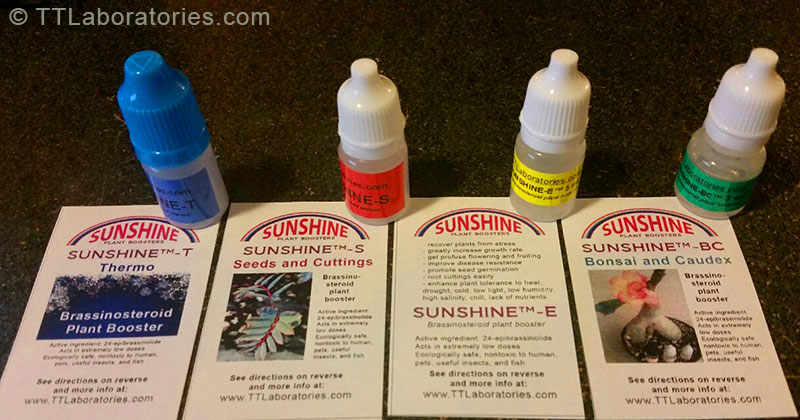
Line of products: SUNSHINE-E - general plant booster, growth stimulator and immune booster
SUNSHINE-BC - Bonsai and Caudex developer
SUNSHINE-S - seeds and cuttings pre-treatment
SUNSHINE-T - Thermo-protection for overwintering tropical plants
SUNSHINE-Micro - ultimate micro-element mix from TT Laboratories
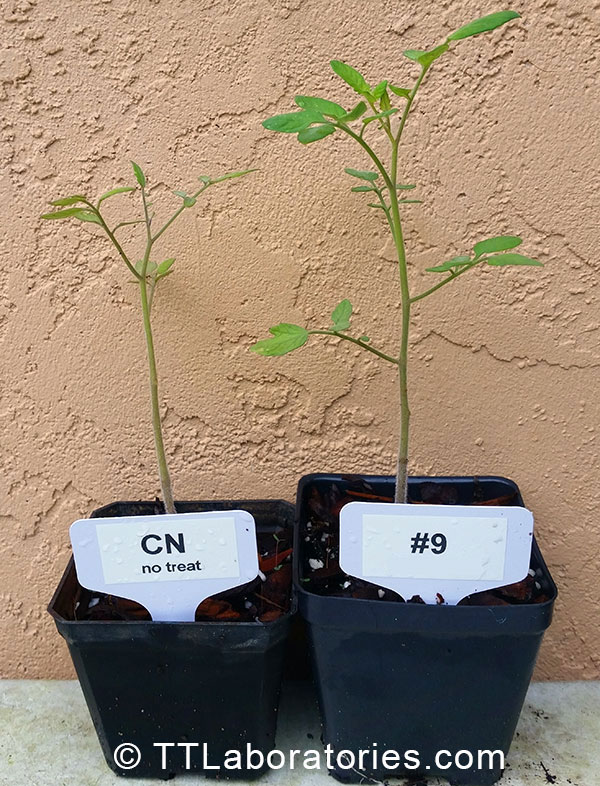
On the photo: Tomato seedlings, with and without Sunshine-E treatment; 1 week after treatment, 09-01-2016. Continue reading...
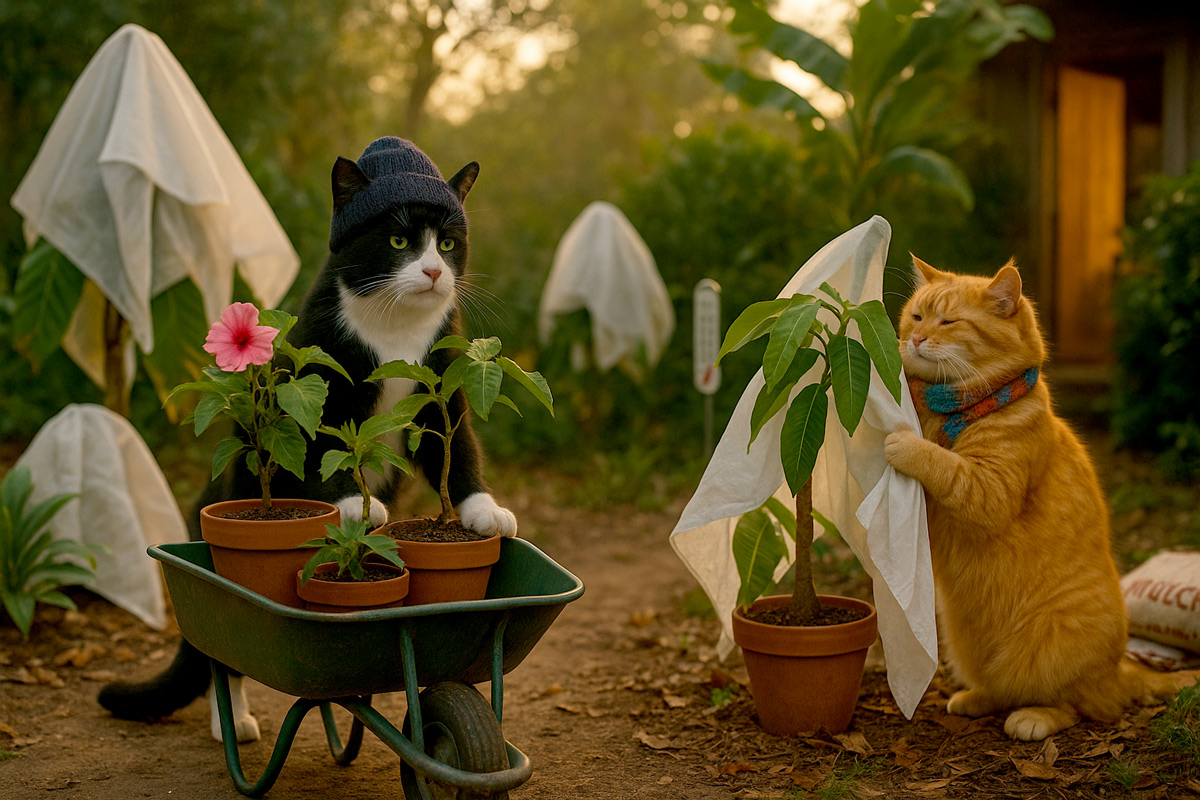
Smokey and Sunshine Prepare Plants for the Cold Night.
Smokey: Come on, Sunshine, help me move these plants inside before it gets
dark!
Sunshine: I am helping... see? I’m supervising the mango
tree.
Smokey: You call that supervising? The frost cloth’s upside down!
When the forecast drops into the 30s, panic is not a plan. This is your
simple, clear checklist to protect every tropical in your garden. Think of
it as the quick emergency manual that goes hand in hand with the previous
cold-weather newsletter.
"We
all love our tropical flowers, mangoes, bananas, and rare fruit trees. A
single cold night does
not have to be a disaster. The key is knowing what to do, when to do it, and
what mistakes to avoid." - Tatiana Anderson, Top Tropicals Plant
Expert
🌡️ FROST AND FREEZE
A frost and a freeze are not the same. A frost is when you see ice crystals
on leaves or grass, while a freeze is when the air temperature drops below
32 F. The tricky part is that you can get
frost even when the air is above freezing, and you can have a freeze with no
frost at all. It all depends on humidity and the dew point. If the dew
point
is below freezing, the ground can cool faster than the air, letting frost
form even when your thermometer reads 35 or 36 F. And once the air itself
drops below 32 F, even for an hour, tender tropicals can be damaged. For
plants, a freeze is far more dangerous, because freezing air pulls heat out
of stems, branches, and roots. Frost usually burns leaves, but a true freeze
can injure wood, kill buds, and damage the entire plant.
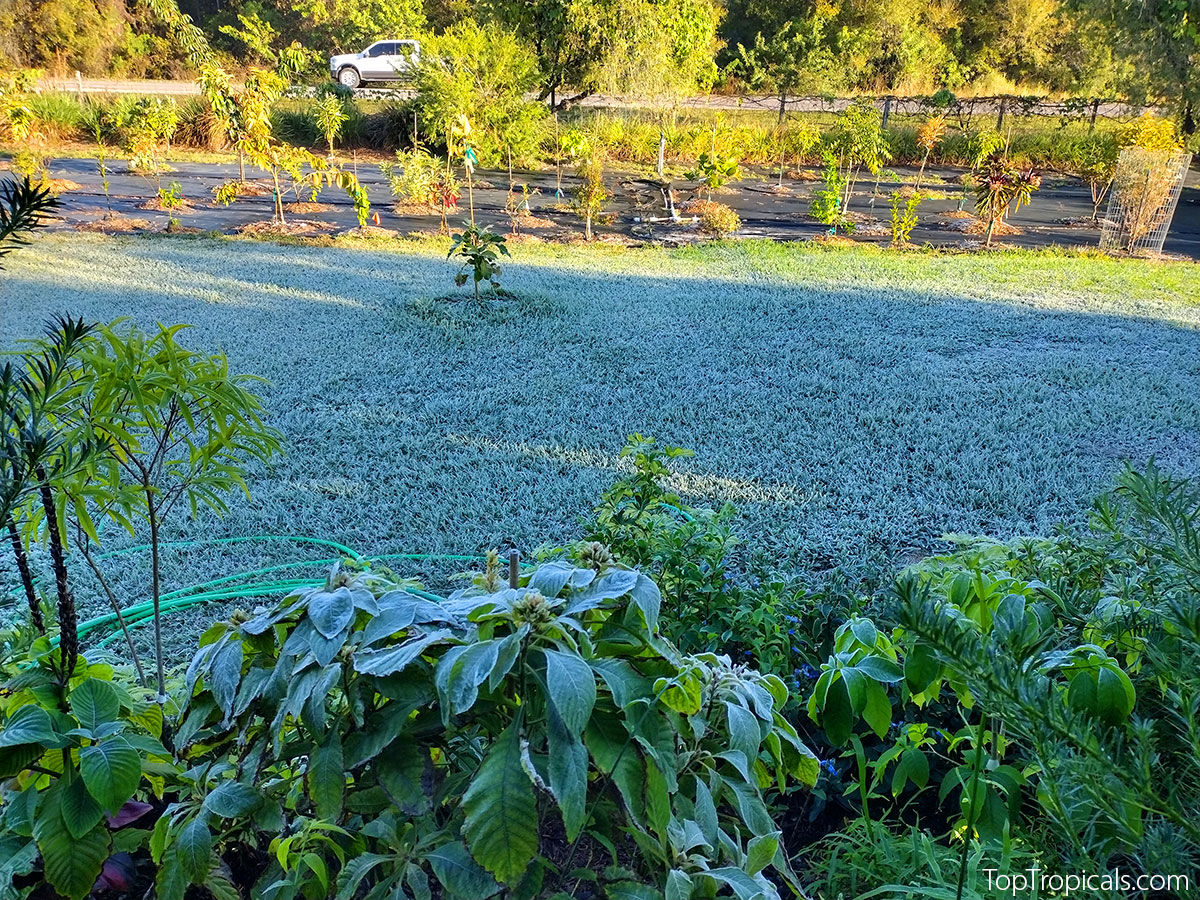
Frost on the grass and leaves on Winter morning in Central
Florida
WHAT TO DO
AND NOT TO DO BEFORE A COLD SNAP
✔️ 5 THINGS TO DO:
Water well. Hydrated plants tolerate cold better than dry, stressed
ones.
Add mulch. A thick layer around the base keeps roots warm.
Block the wind. Move pots to a sheltered corner or patio.
Cover at night, uncover in the morning. Let plants breathe and get
light.
Add gentle heat if needed. Non-LED Christmas lights or a small old style
15-20W light can raise temps a few degrees.
❌ 5 THINGS NOT TO DO:
Do not prune or trim. Fresh cuts freeze first.
Do not overwater. Wet, cold soil invites root rot.
Do not let plants dry out either. Wilted plants freeze more easily.
Do not use dry fertilizer. Gentle liquid feeds like Sunshine
Boosters are safe to use with every watering: its intake naturally slows
down as watering decreases.
Do not look only at the thermometer. A long, windy night can be worse
than a short freeze.
TEMPERATURE
ACTION GUIDE (40 to 25 F)
40 to 38 F: Move potted plants to shelter, water soil, and cover
tender tropicals.
37 to 33 F: Use frost cloth and anchor it down so the wind does
not lift it.
32 to 30 F: Add a heat source like non-LED lights.
29 to 25 F: Double-cover sensitive plants, wrap trunks, and
protect roots heavily.
COLD
TOLERANCE BY PLANT TYPE
Before a cold night, it really helps to know your plant’s exact
cold limits. Every species is different, and young plants are always more
sensitive than mature ones. Take a few minutes to look up your varieties in
our Tropical
Plants Encyclopedia
— it will tell you the safe temperature range, how much protection
each plant needs, and which ones must be covered or moved before the next
cold snap hits.
Bananas: leaf burn below 37 F
Mango, Annona: hurt around 32 F
Cold hardy avocados: Mature tree can take about 25 F. Young trees must
be protected
Olives, Citrus, Guava, Jaboticaba: usually OK outside with mulch
QUICK-ACTION
TABLE
Before the cold arrives, make yourself a quick list of every plant and
what action each one needs. It saves time when temperatures start dropping
and keeps you from scrambling in the dark. Check that you have enough frost
cloth, blankets, and supplies on hand so you can cover everything without
rushing. Planning ahead makes cold nights much less stressful.
Bring Indoors: Cacao, Bilimbi, Coffee. They need warm, bright
light.
Cover Outdoors: Mango, Jackfruit, Banana, Annona. Use frost cloth, not
plastic on leaves.
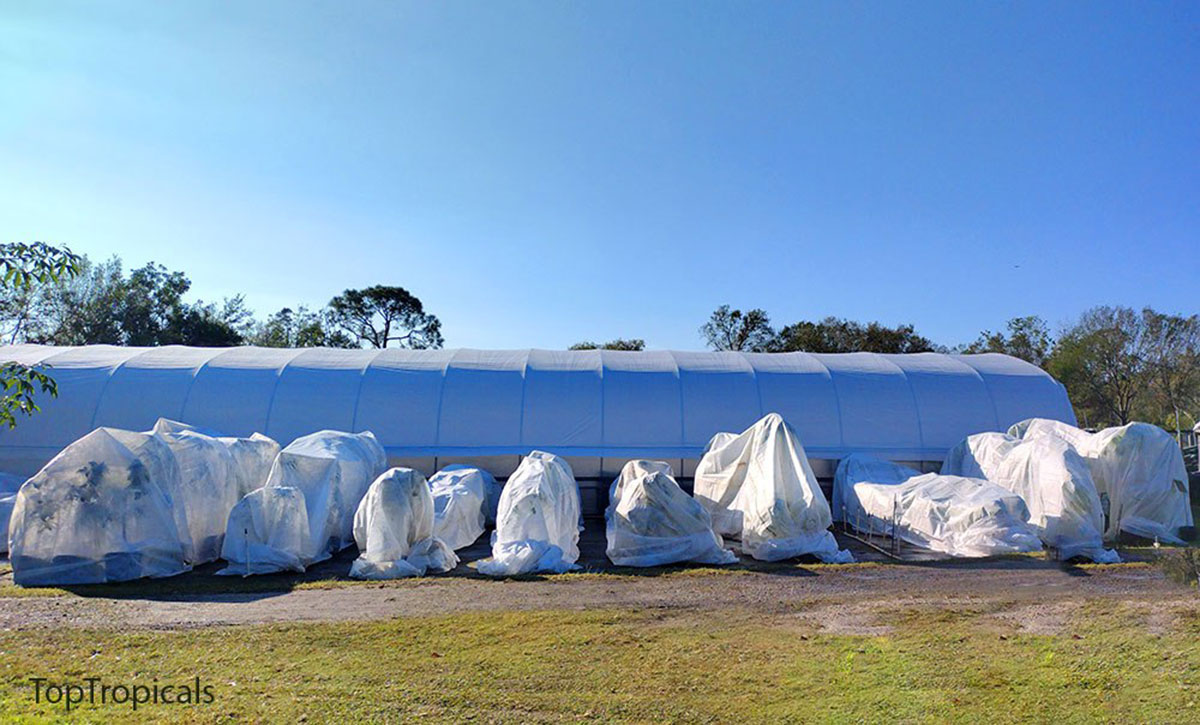
Covering large mango and avocado trees in pots at TopTropicals during
cold nights
GADGETS AND
TOOLS THAT HELP
Indoor helpers: LED lights, small heaters, bottom-heat mats,
timers.
Outdoor helpers: frost cloth rolls, mini greenhouses, non-LED Christmas
lights or small incandescent lights, smart thermometers.
Always keep electrical safety in mind, especially if you are using extension
cords outdoors. Use only weather-rated cords, keep all connections off the
ground, and protect plugs from moisture. Make sure heaters and lights are
stable, secured, and never touching fabric covers. A few minutes of safety
check
can prevent a dangerous situation on a cold, wet night.
And if you want to keep plants strong through winter, add Sunshine
Boosters to your watering routine. It is gentle, safe in cold weather,
and gives plants an extra edge.
AFTER THE
COLD PASSES
In the morning, uncover plants. Leaving covers on during the day can trap
heat and cook the tender new growth, especially under the sun. The only
exception is true frost cloth designed for all-day use, which allows air,
light, and moisture to pass through. Regular blankets, sheets, and plastic
must come off as soon as the sun rises.
Do not cut anything yet. A plant can look completely dead after a freeze,
but many branches are still alive under the bark. Cutting too soon removes
wood that would recover on its own. Wait until new growth begins in spring.
That is when you can see exactly which branches are truly dead.
Use the scratch test. Gently scratch the bark with your nail or a small
knife. If the layer underneath is green, the branch is alive. If it is brown
and dry, it is likely dead. But even then, wait until warm weather to be
sure, because sometimes only the tips die back while the lower part of the
branch survives.
Once the weather stabilizes, resume light feeding. Plants coming out of cold
stress need gentle support, not heavy fertilizer. A mild liquid feed like
Sunshine
Boosters helps them rebuild roots and push new growth without burning
tender tissue.
Your tropical garden can survive any cold night if you prepare right. Cold
snaps always feel stressful in the moment, but once you know your plants,
have the right supplies, and follow a simple plan, it becomes routine. A few
minutes of preparation before dark can save months of growth and keep your
collection healthy all winter.
Frost cloth is the true workhorse of cold protection: it keeps heat in,
keeps frost off, and will not suffocate plants the way plastic or blankets
can. Having a few rolls ready means you never have to scramble at the last
minute. Sunshine
Boosters give your plants gentle support during the colder months so
they stay strong enough to bounce back quickly when warm weather
returns.
A little planning now will pay off in spring, when your mango, banana,
citrus, and all your favorite tropicals come back happy and ready to
grow.