Garden Blog - Top Tropicals

Date: 10 Nov 2025

❄️ How to Prepare Your Tropical Garden for Winter

Two  cats  in  a  tropical  garden  at  sunset.  Smokey,  a  black-and-white 


tuxedo  cat  wearing  a  wool  cap,  holds  a  thermometer  while  Sunshine,  a  fluffy 


orange  tabby,  sits  beside  mulch  and  folded  frost  cloths  surrounded  by  banana
 
 
  and  hibiscus  plants.

Smokey and Sunshine Wrap Up the Garden with Frost Cloth Before the Chill.

Smokey: "Thermometer says 45. Time to wrap the bananas!"
Sunshine: "You wrap the bananas. I’ll guard the mulch… from this sunny spot."
Smokey: "Teamwork, Sunshine. Teamwork."

🌡️ Cold nights are coming - but your tropicals do not need to shiver!

Even in sunny Florida and other warm zones, one cold snap can undo months of growth. Preparation is everything. Tropical plants can handle a lot, but they dislike surprises. Let’s make sure your garden stays safe, strong, and happy all winter long.

Tips from Tatiana Anderson, Top Tropicals Plant Expert

👉 Group and Check Your Plants

You already know which plants are in pots and which are in the ground. What matters now is prioritizing by cold sensitivity. Identify the tender tropicals – papaya, banana, plumeria, adenium, heliconia – and decide which ones get covered first when temperatures drop. Keep frost cloths or old sheets near those areas, ready to grab fast. If your garden is large, label protection zones or mark plants that always need extra care. The goal is to have a plan, not a panic, when the cold alert hits.

Once you know your priorities, you can plan the rest of your protection strategy.

👉 Feed and Mulch

Stop using high-nitrogen fertilizers by late fall. They push soft new growth that freezes easily. Add compost around the base of your plants and top with 3 to 4 inches of mulch. Mulch acts like a blanket: it keeps warmth in, protects the roots, and keeps soil moisture steady. Just make sure the soil drains well; cold and soggy soil leads to root rot. In raised beds, check that water flows away easily.

After you feed and mulch, it is time to look at how your local zone changes the game.

👉 Zone-by-Zone Tips
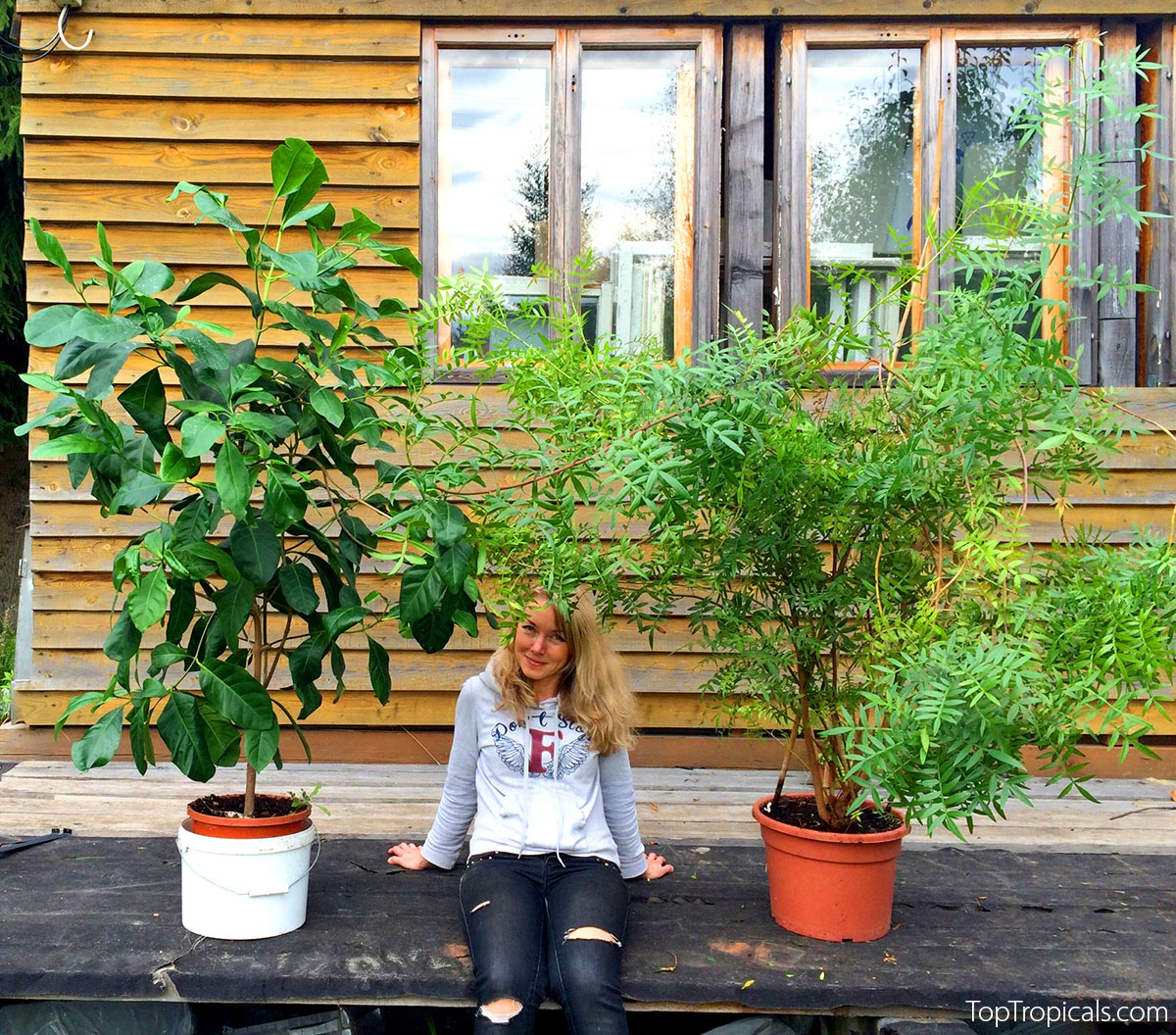
Woman  sitting  between  two  large  potted  tropical  plants  on  a  wooden  deck
 
 
  in  front  of  a  house,  preparing  to  move  them  indoors  for  the  winter.

Moving Tropical Plants Indoors for Winter Protection

  • Zone 10: You are lucky! This is mostly a maintenance season. Watch for root rot after heavy rain, trim lightly if needed, and protect tender young trees during surprise chills. Keep some frost cloth ready just in case.
  • Zone 9: This is the main action zone. Nights can dip into the 30s. Deep-water your trees once before cold nights to insulate the roots. Apply heavy mulch, and have frost protection ready to go. If you grow tropical fruit like mango or guava, consider wrapping young trunks in burlap or foam pipe insulation.
  • Zone 8: This is where tropical gardening becomes creative. Stick to cold-hardy tropicals such as loquat, guava, or cold-hardy avocado varieties. Use portable greenhouses, wrap trunks, and move smaller plants indoors or to a heated porch when frost threatens.

Now that the garden beds are set, let’s look at your pots and containers – your most mobile plants.

👉 Container and Patio Plants

Potted plants are the easiest to protect but also the quickest to freeze. Start reducing watering now so roots do not stay too wet in cooler weather. Before moving them, check for insects hiding under leaves or in the soil. Group your pots close to a wall for reflected heat and wind protection. If you plan to bring them indoors, do it gradually. Move them closer to the house for a few days before bringing them all the way inside to help them adjust to lower light and humidity.

When the chill starts, many gardeners rush to move everything inside at once – but a smooth transition works much better.

👉 Indoor Plants

When bringing plants inside, give them a good rinse to remove dust and bugs, and flush the soil to wash out salts from summer fertilizing. Keep them separate from your houseplants for a week to make sure no pests come along. Expect some leaf drop – it is normal as they adjust to lower light. Give them bright light near a window, and cut watering by about half until spring. Avoid misting too much; good airflow matters more than humidity during winter.

Many tropicals, like hibiscus, brugmansia, and crotons, may look tired for a while, but they will bounce back quickly once days get longer.

👉 Timing Is Everything

The key is to prepare before the first cold warning. Check your weather app regularly once nights start dropping into the 50s. Keep covers, mulch, and supplies ready so you are not running outside at midnight with a flashlight and a frozen hose. Have your frost cloths labeled by plant group and stored in an easy spot. A little organization now saves a lot of stress later.

Many tropicals, like hibiscus, brugmansia, and crotons, may look tired for a while, but they will bounce back quickly once days get longer.

Remember: the goal is to help your plants rest safely. Many gardeners prune or fertilize too late in the season – we will talk about why that can be risky next week." — says Tatiana Anderson, Top Tropicals Plant Expert

Coming next mail-list: The best gadgets for cold protection (lights, heaters, frost covers) and what NOT to do in winter.

📚 Learn more from Top Tropicals Blog:

Cold protection - winter action for your plant collection

What plants are good to order in Winter?

How to take care of house plants in Winter

How to protect tropical plants in Winter

How to take care of a mango tree in winter

How to protect Avocado from cold

Overwintering Adeniums outside of tropics
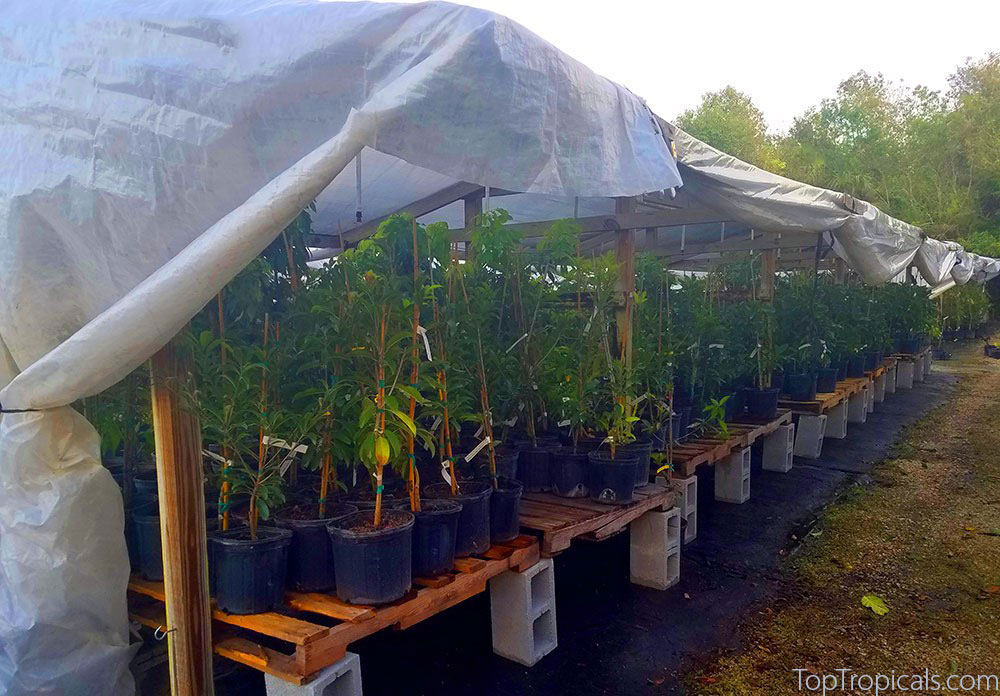
Rows  of  tropical  plants  in  black  pots  covered  with  frost  cloth  and 


plastic  sheeting  for  winter  protection  at  Top  Tropicals  nursery.

Protecting Tropical Plants with Frost Covers at Top Tropicals Nursery

Date: 16 May 2025

Easy Latin: unlocking plant names - why scientific names matter and how to decode them

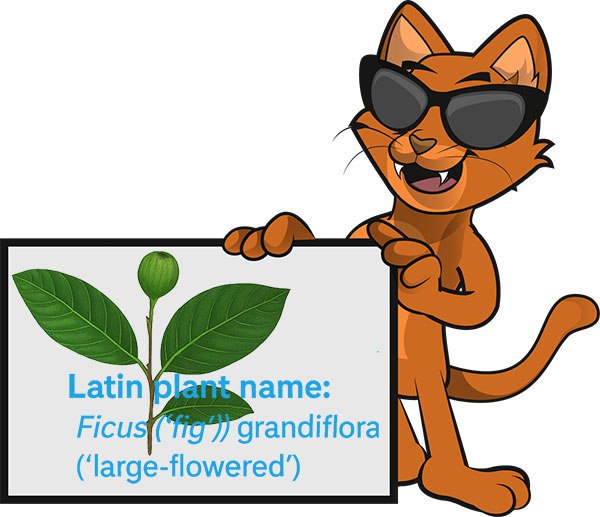
Cat with Latin names of plants

Cat with Latin names of plants

💻 Easy Latin: unlocking plant names - why scientific names matter and how to decode them

  • ✔️ Plants need scientific names (or Latin names) to keep things clear and avoid confusion. Common names can vary from place to place, and one name might refer to different plants.
  • ✔️ A scientific name is like a plant's social security number - it's unique and makes sure everyone knows exactly which plant you're talking about. For example, if you say "Trumpet tree," you could be talking about Brugmansia, Tabebuia, Oroxylum, or even Dolichandrone. With a scientific name, there's no guessing! It's the perfect plant ID to keep things simple and precise.
  • ✔️ So, if you're looking for a specific plant to add to your wishlist, be sure to find its scientific name first - that way, you'll be sure to get the right plant!


🛠 Examples of Latin names and their meanings:


🍋 Citrus sinensis – "Citrus" is the genus for citrus fruits, and "sinensis" means "from China," indicating the origin of the sweet orange.

🌸 Plumeria rubra – "Plumeria" is named after French botanist Charles Plumier, and "rubra" means "red," referring to its flower color.

🍁 Acer palmatum – "Acer" means "sharp," referring to the sharp-pointed leaves, and "palmatum" means "hand-shaped," referring to the leaf's shape.

By understanding the Latin names and their meanings, you can learn about a plant's origins, growth habits, and other key traits!

📚 Learn more:


Easy Latin name guide

#How_to

🔴 Join 👉 TopTropicals

Date: 23 Jan 2020

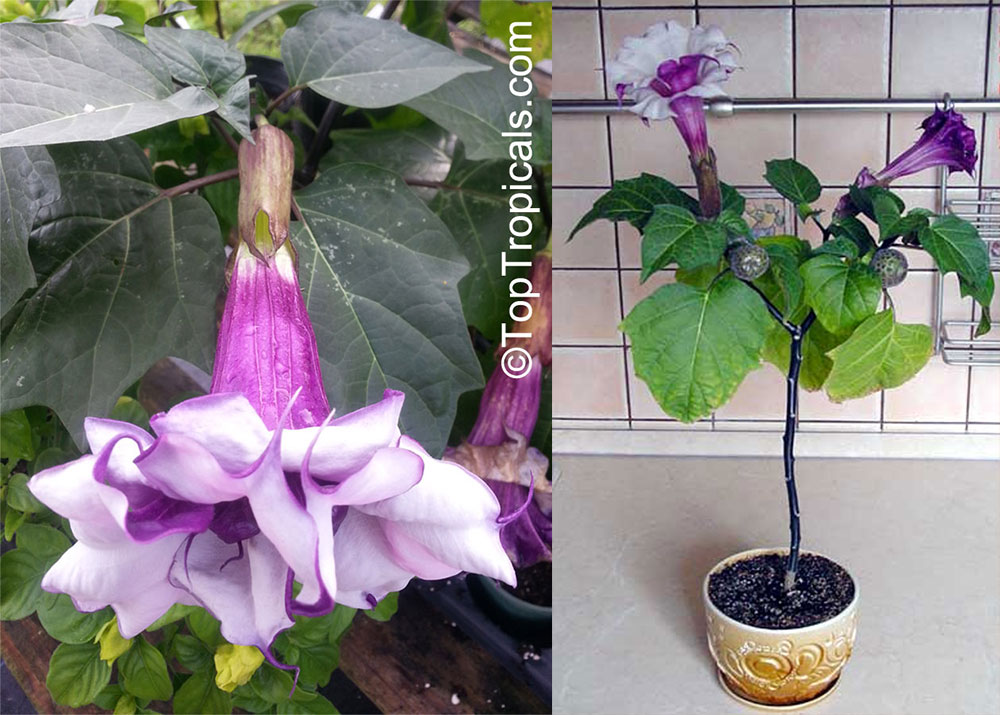
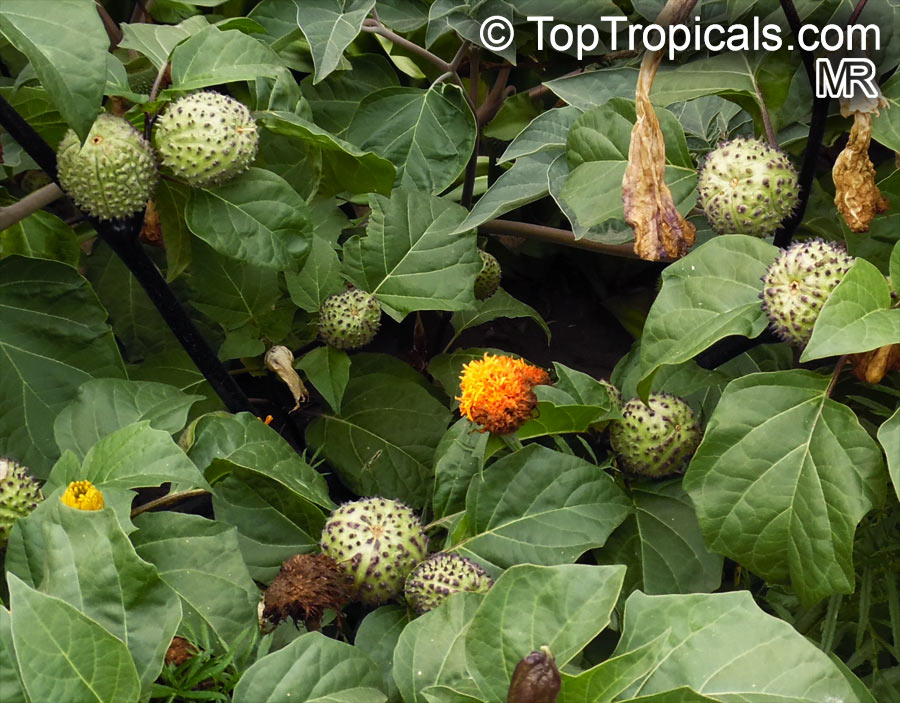
Datura: a fragrant treat for tropical or indoor garden

Q: A few years ago I purchased Datura from you and it was doing well. As a matter of fact I took cuttings and propagated new plants. Now they have markings on the leaves and I do not know what it is. Any remedy?

A: Generally, Datura is a bi-annual plant, unlike its close relative perennial Brugmansia that grows for many years. Which means, Datura is short-lived (2-3 years maximum for the same plant) although it seeds easily and is a very fast grower, reaching from seedling to 4-5 ft size in a matter of couple months.
At this time of the year, markings on the leaves may be a result of normal aging (the plant may already exhausted its natural cycle) in combination with a cool weather that affects the leaves and overall look.
Here at Top Tropicals we especially love this plant and keep up with propagating new plants every few months. Propagation may be by means of seeds or cuttings, but seeds are always better for stronger, longer-lasting Datura specimens. A lot of times you will notice little baby seedlings around the Mother plant, even if you think all seeds has been harvested.
Just continue growing younger plants from seeds, and Datura will always be with you in your garden to bring you joy of showy scented flowers. It makes a great houseplant too!

Read more about Datura...

Datura seeds always come in abundance and germinate easily

Date: 14 May 2019

How to make the whole garden fragrant.
List of the most fragrant yet easy to grow plants

TopTropicals.com

Q: Dear toptropicals, thanks for the great database on tropicals plants! I really enjoy browsing your web site and I am planning on completing my collection by purchasing some plants from your shop. I am particularly looking for fragrant plants that make the whole area fragrant. Can you provide a list of recommended fragrant plants that bloom throughout the year round? I currently have: murraya, plumeria, michelia alba, figo, champaca, rangoon creeper, honeysuckle, jasmine, stephanotis, Arabian sambac, brunfelsias.

A: As a must-have additions to your impressive fragrant plant collection, we can recommend the following rare fragrant plants below. These are our favorites that are easy to grow and free-flowering. Since they flower at different times, they will add fragrance to your garden throughout the year.
Aglaia odorata - Chinese Perfume Plant
Aloysia virgata - Almond Bush
Beaumontia grandiflora - Easter Lily Vine
Brugmansia Variegated Orange Angel Trumpet
Brunfelsia magnifica floribunda Jims Giant (very fragrant and very compact!)
Cananga fruticosa - Dwarf Ylang-Ylang
Cerbera x manghas hybrid - Enchanted Incense
Cestrum nocturnum - Night blooming jasmine
Crinum Queen Emma - Spider lily
Eucharis grandiflora - Amazon Lily
Euodia hortensis - Scented Evodia, Golden False Aralia (very fragrant leaves!)
Hedychium coronarium - Butterfly Ginger
Hiptage benghalensis - Helicopter Flower
Jasminum dichotomum - Rose Bud Jasmine - very fragrant!
Magnolia virginiana - Sweet Bay
Millettia reticulata - Evergreen Wisteria
Mirabilis jalapa - Four oclock plant - super fragrant!
Osmanthus x fortunei - Fortunes Tea Olive
Oxyceros horridus- one of the most intense perfume fragrances!
Radermachera Kunming - Dwarf Tree Jasmine
Satureja Viminea - Kama Sutra Mint Tree - strong mint fragrance
Sclerochiton harveyanus - Blue Lips, Mazabuka - lavender fragrance
Solandra maxima - Variegated Butter Cup
Telosoma cordata - Pakalana vine
Wrightia religiosa - Sacred Buddhist
You may consider many varieties of gardenias, and the most rewarding are:
Gardenia vietnamensis - Vietnamese Gardenia
Gardenia Aimee Yoshioka (First Love)
Gardenia posoqueria - Shooting Star Gardenia
Gardenia taitensis Heaven Scent (double flower)
Gardenia taitensis Tiare Tahiti, single flower
Gardenia tubifera Kula - Golden Gardenia
To see the full list of fragrant flowers, follow this link.