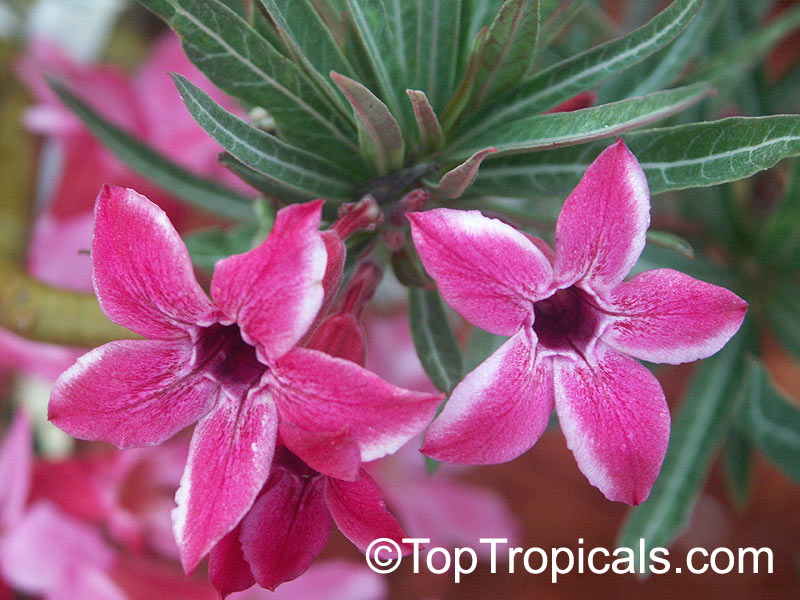
We picked 6 adeniums - youll probably want all 6: Adenium rainbow
We picked 6 adeniums - you’ll probably want all 6: Adenium rainbow 🌈
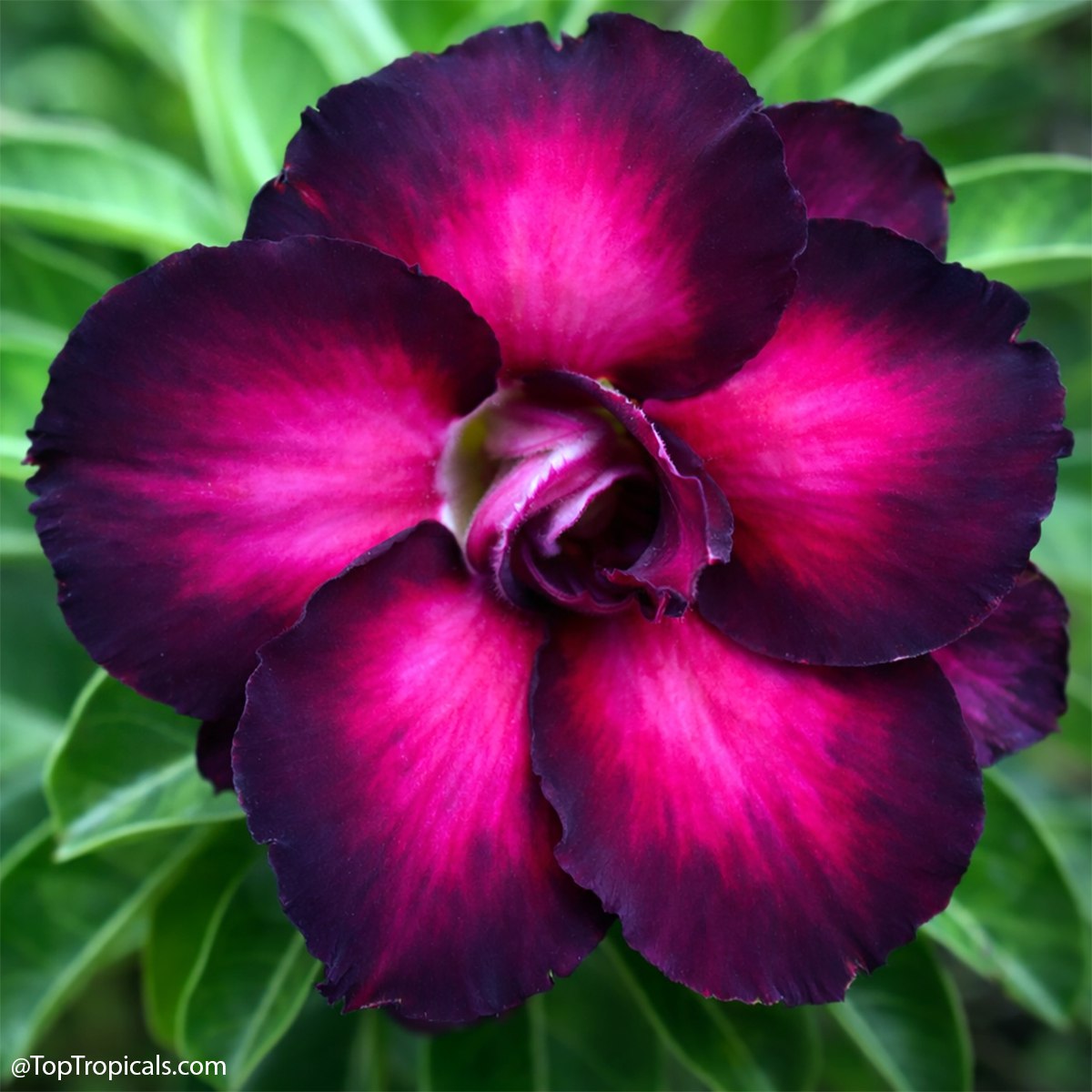
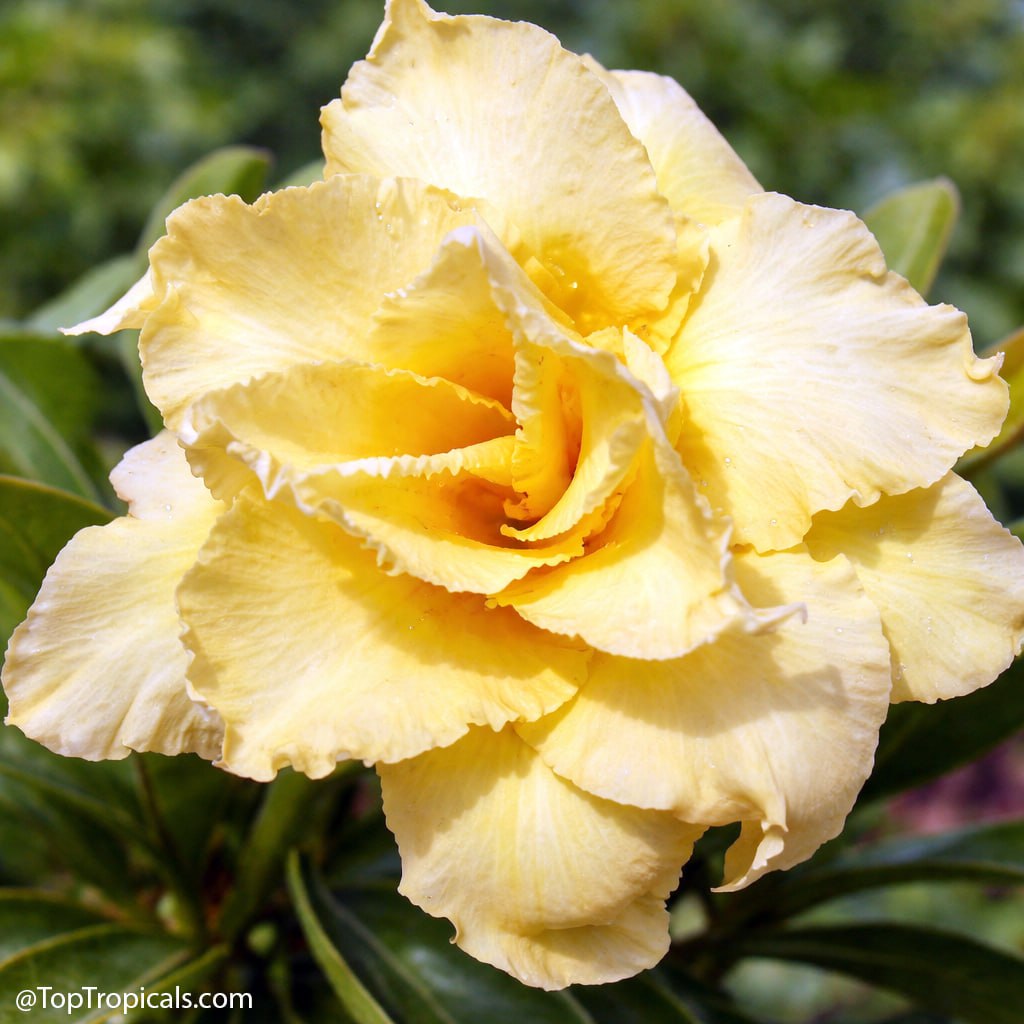
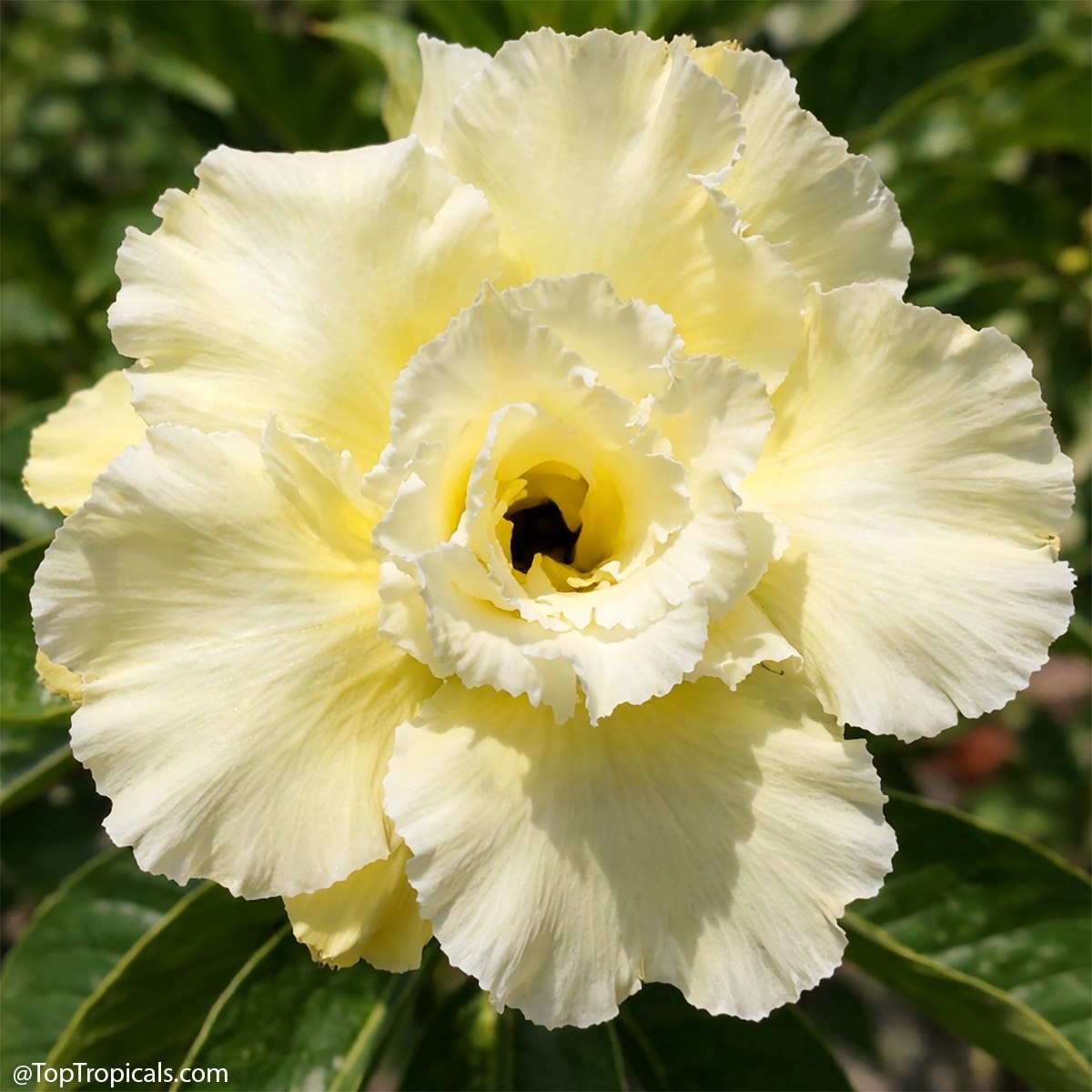
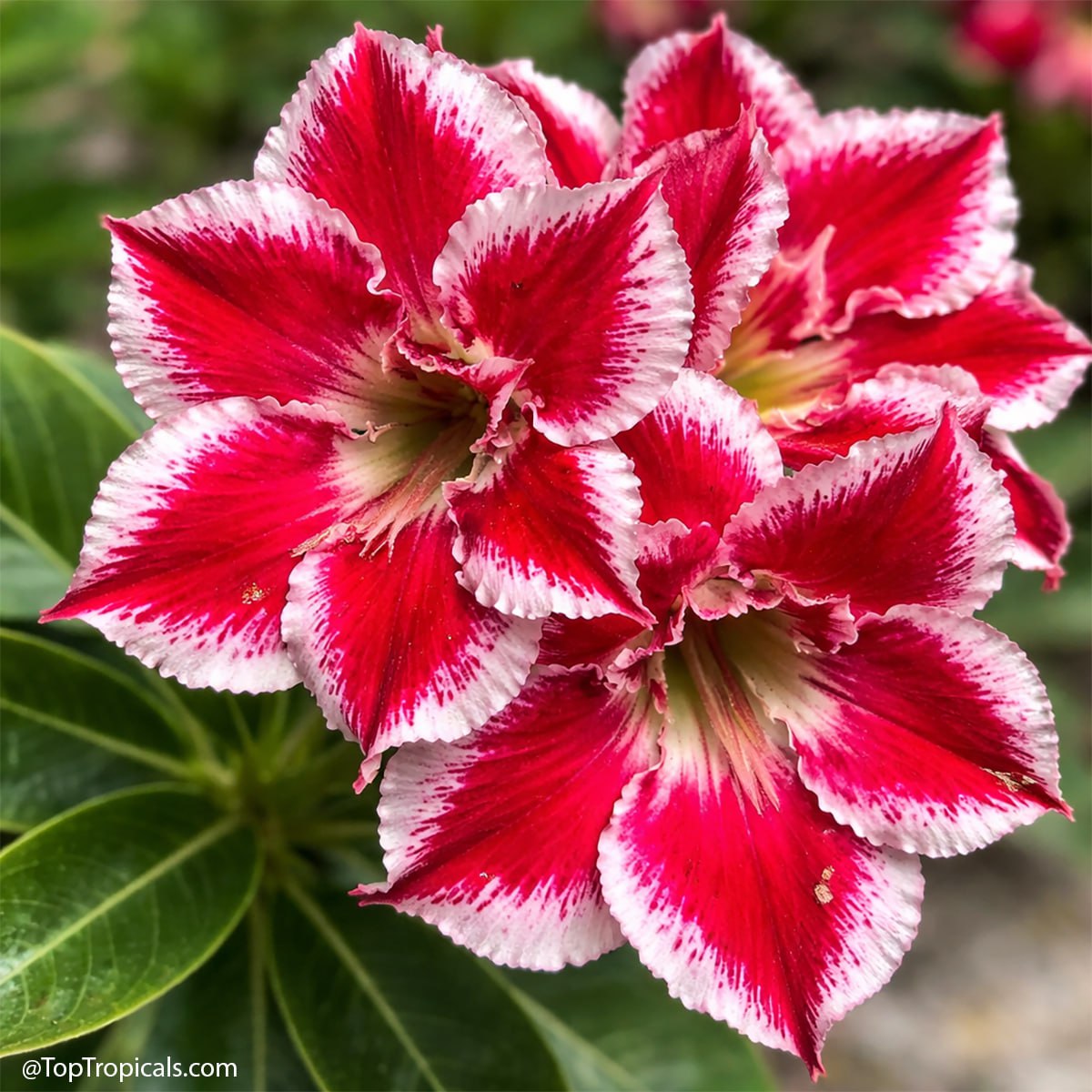
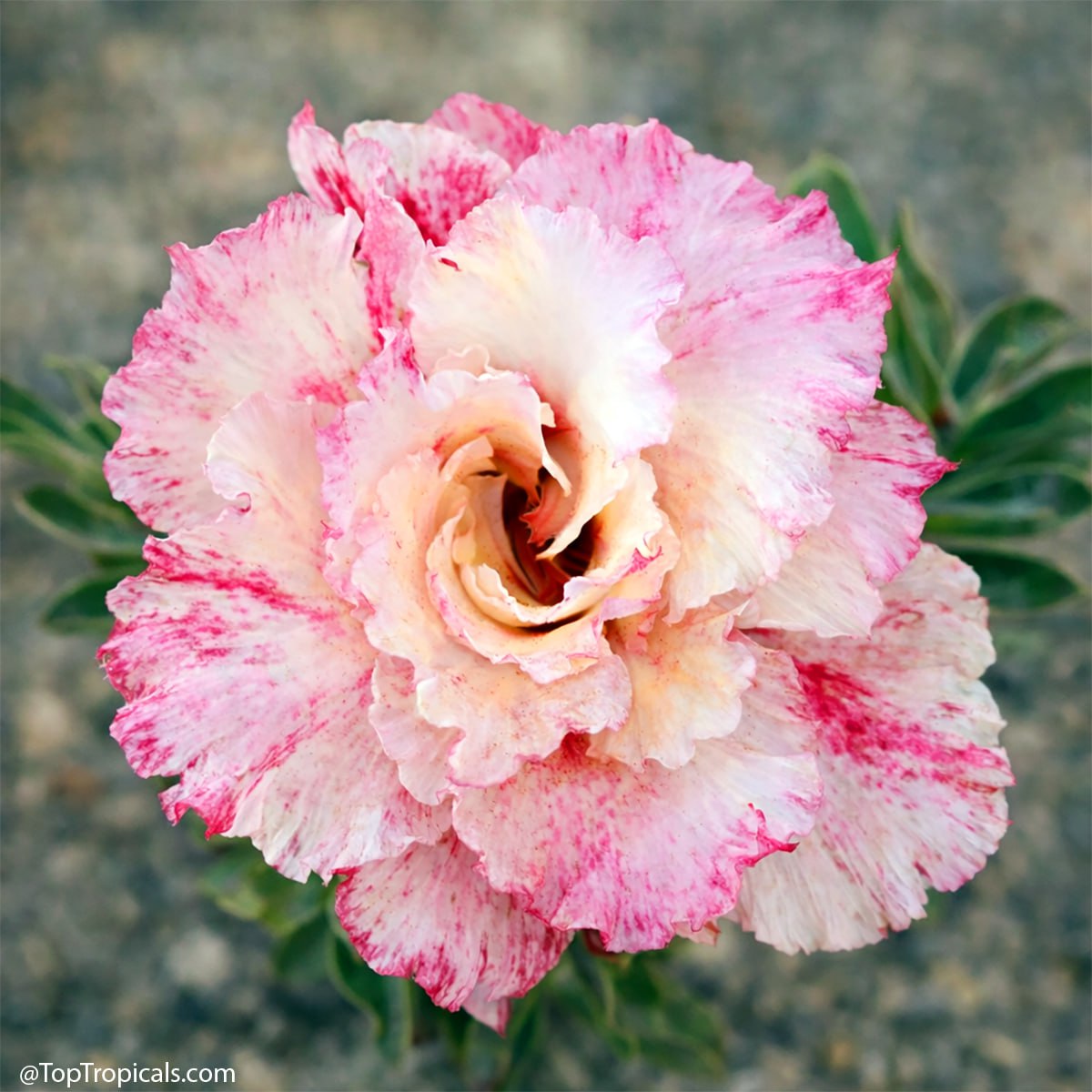
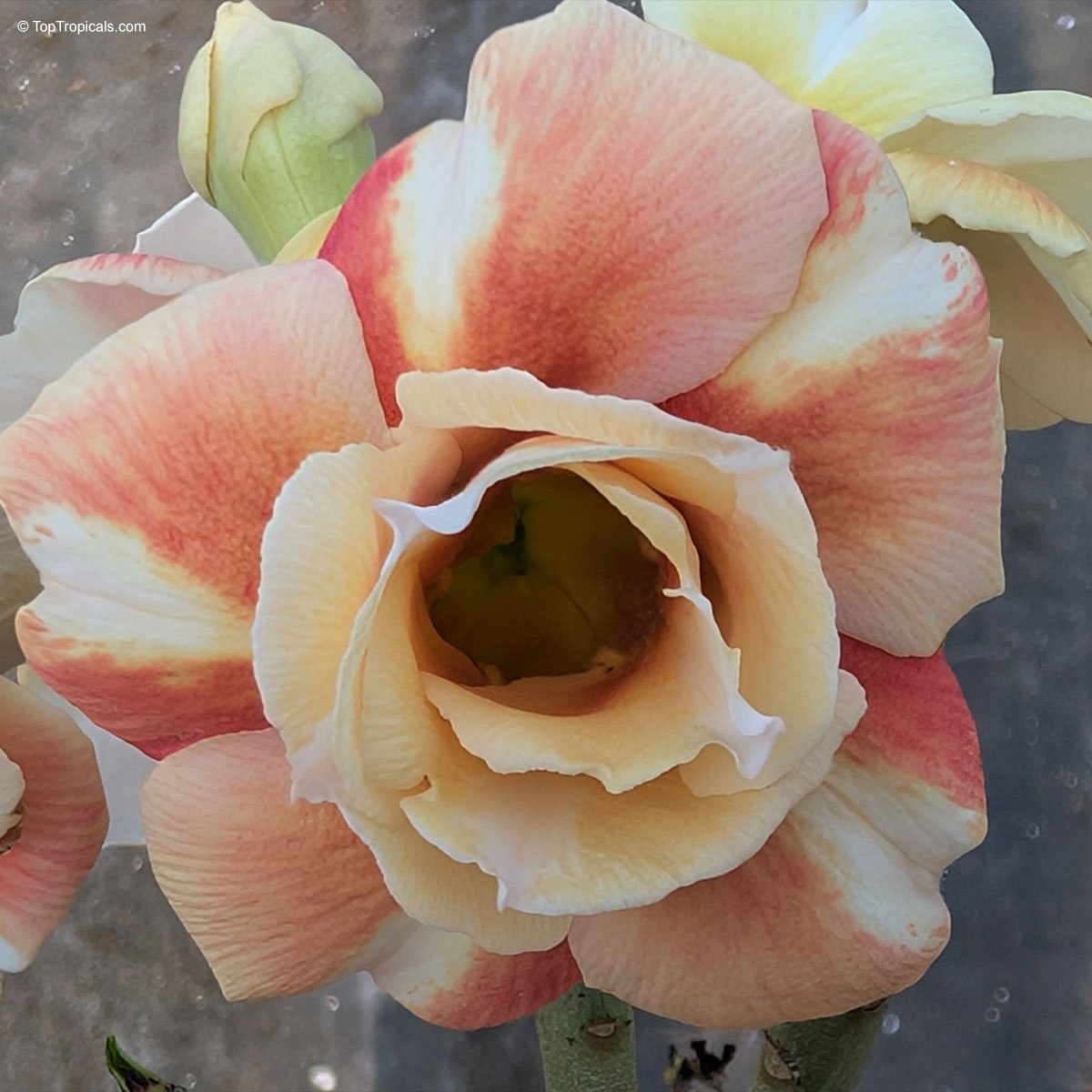
Some adeniums go bright. Some go deep. And some land right in that rich, warm middle. This set leans into those “dessert” colors - creamy, golden, purple, and everything in between. And yes, some varieties even come with fruity or “tasty” names!
💡 Soil and watering tip
Adeniums are succulents, so they need excellent drainage and prefer to stay on the dry side. Water deeply, then let the soil dry out before watering again. No constant moisture. The potting mix is just as important. It should be very рыхлый and fast-draining, with plenty of conditioners like perlite, bark, or vermiculite. We recommend using a Adenium Soilless Mix for best results.
🌸 Today's featured adeniums
✦ Caramel: Warm, rich tones with a smooth, creamy look.
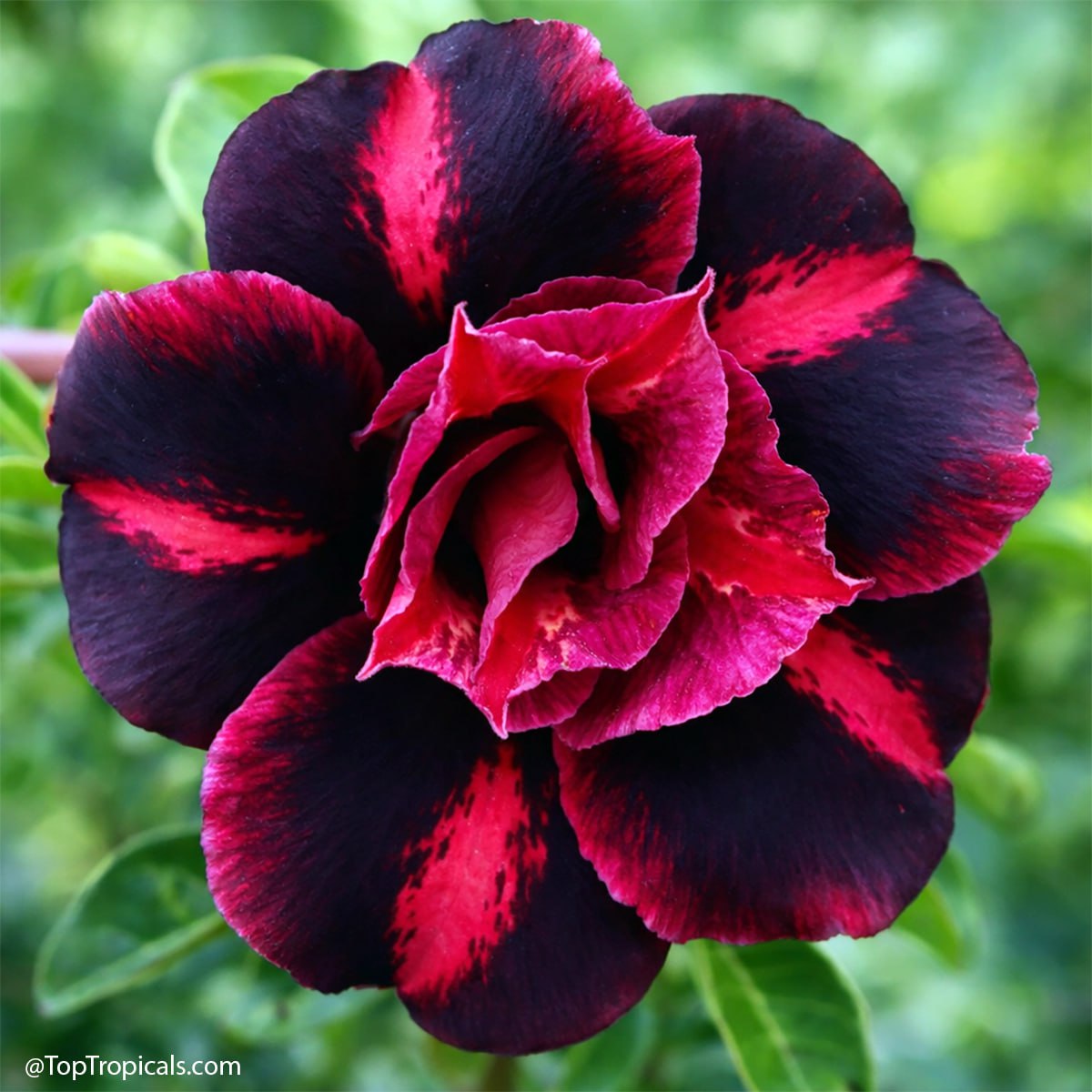
✦ Bumblebee: Bold contrast with bright yellow and dark patterning - very eye-catching.
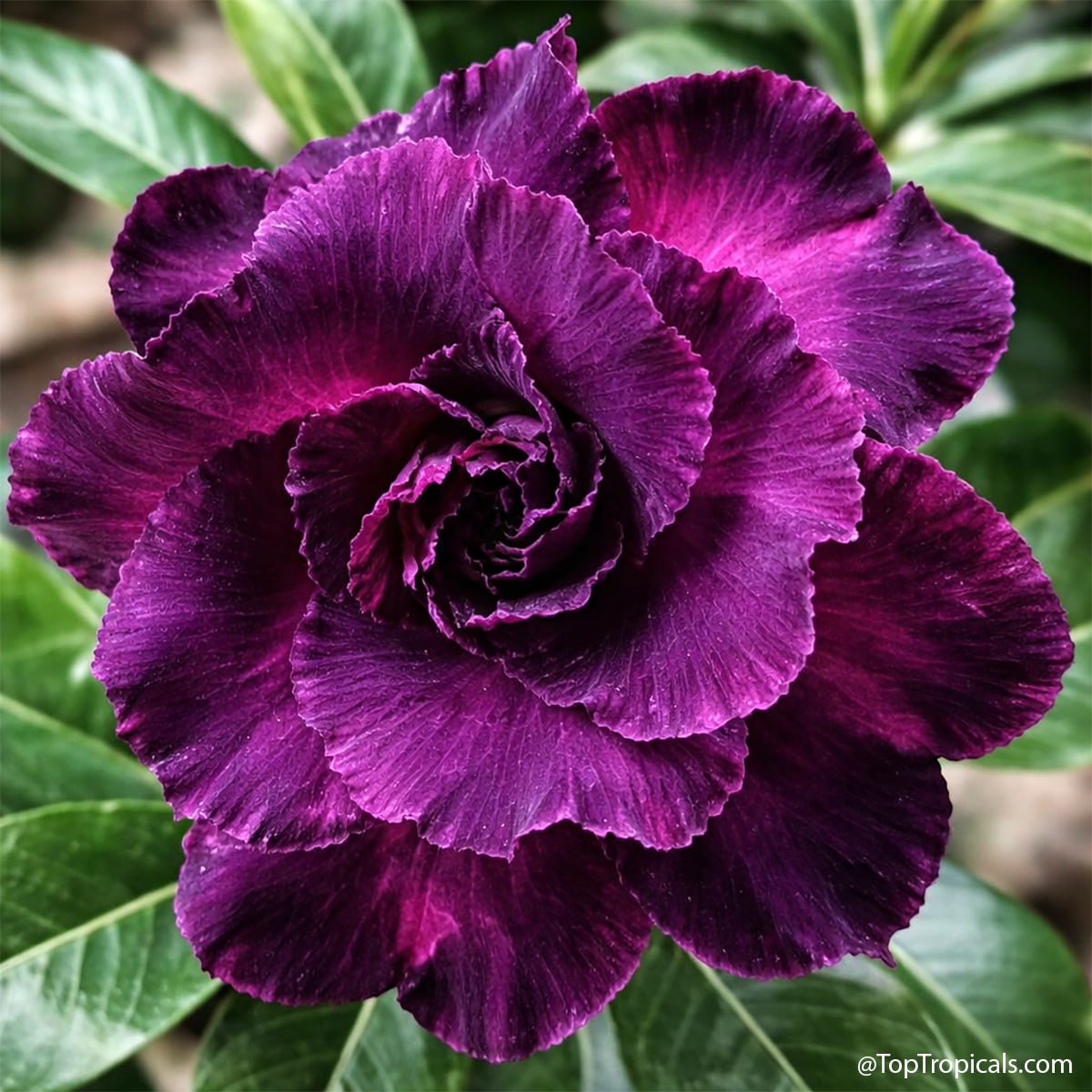
✦ Purple Plum: Deep purple shades with a deep, velvety feel.
✦ Pineapple: Fresh yellow tones that feel light and tropical.
✦ Vanilla Gold: Soft golden color with a clean, balanced form.
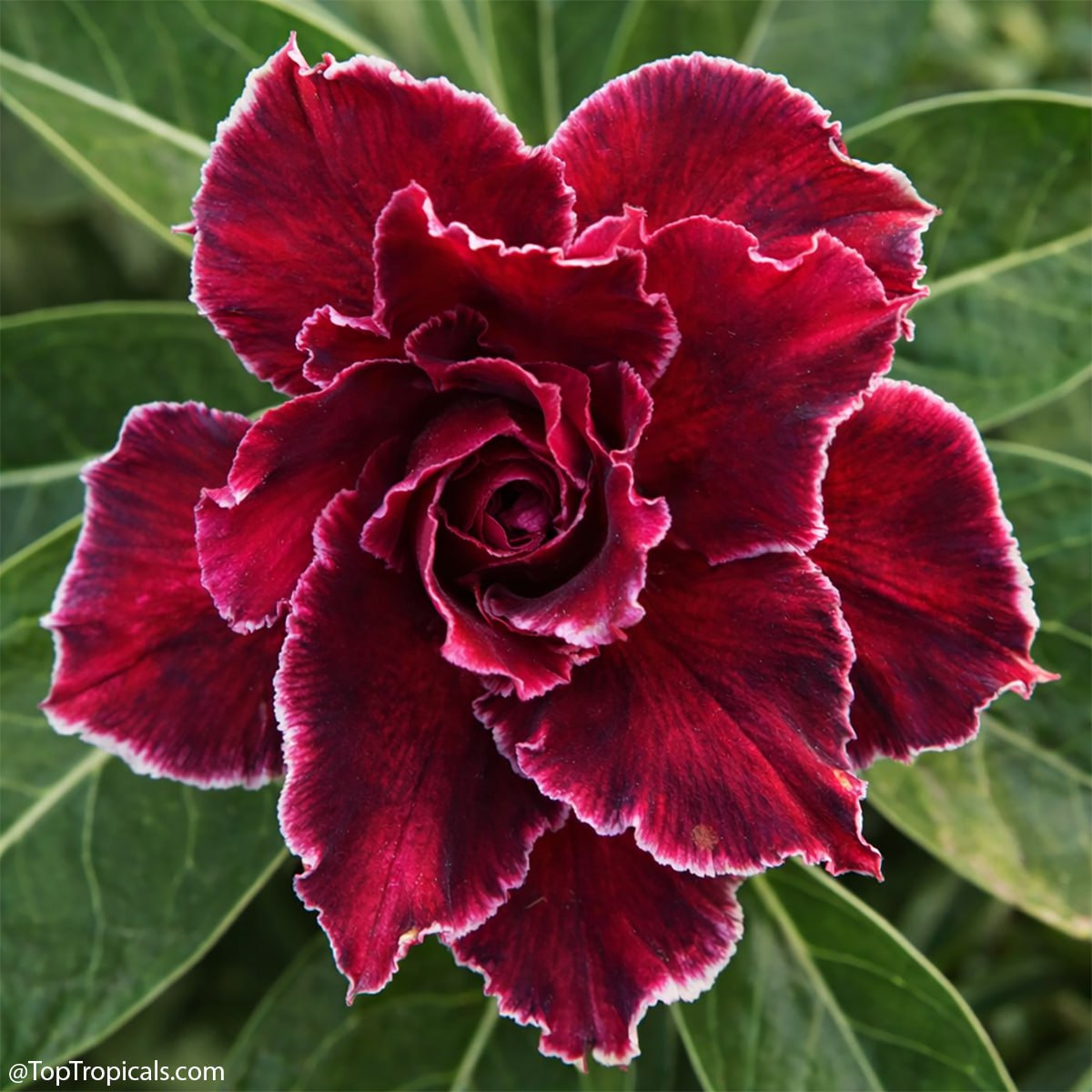
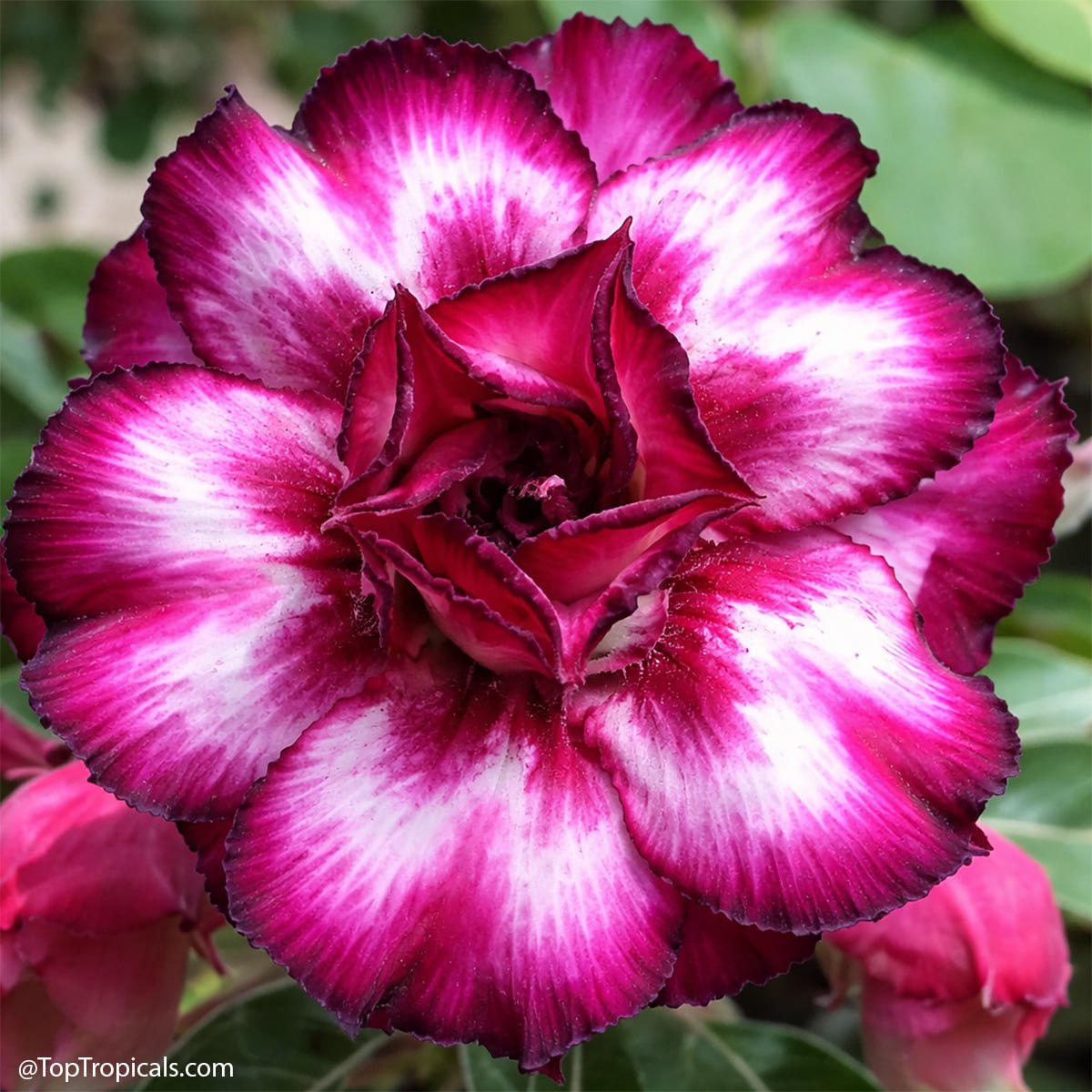
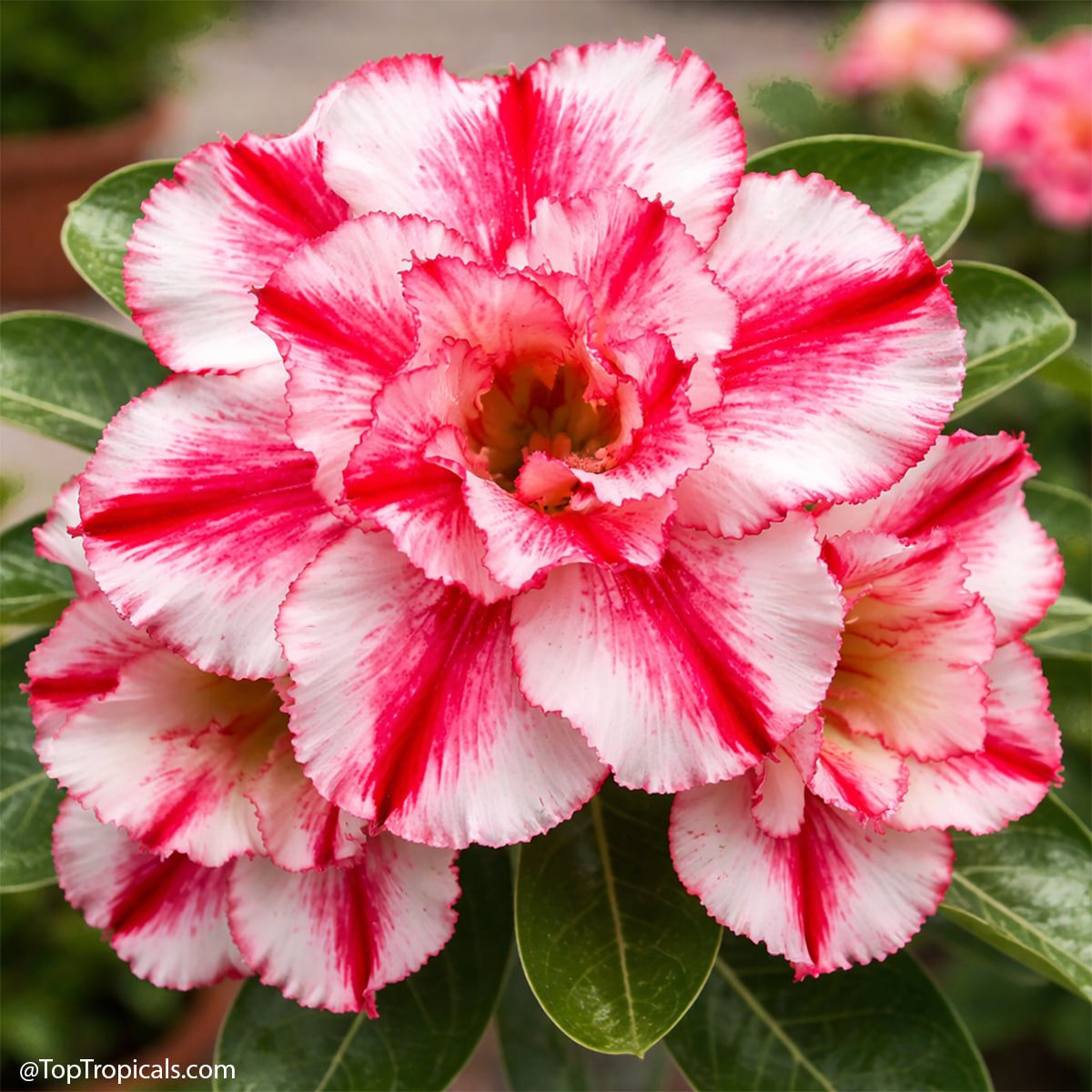
✦ Multi Berry: Blend of pinks and reds that gives it a layered, mixed-fruit look.
This kind of mix makes a collection feel warm and inviting - not just colorful, but full of depth. And once you dial in soil and watering - everything else gets a lot easier.
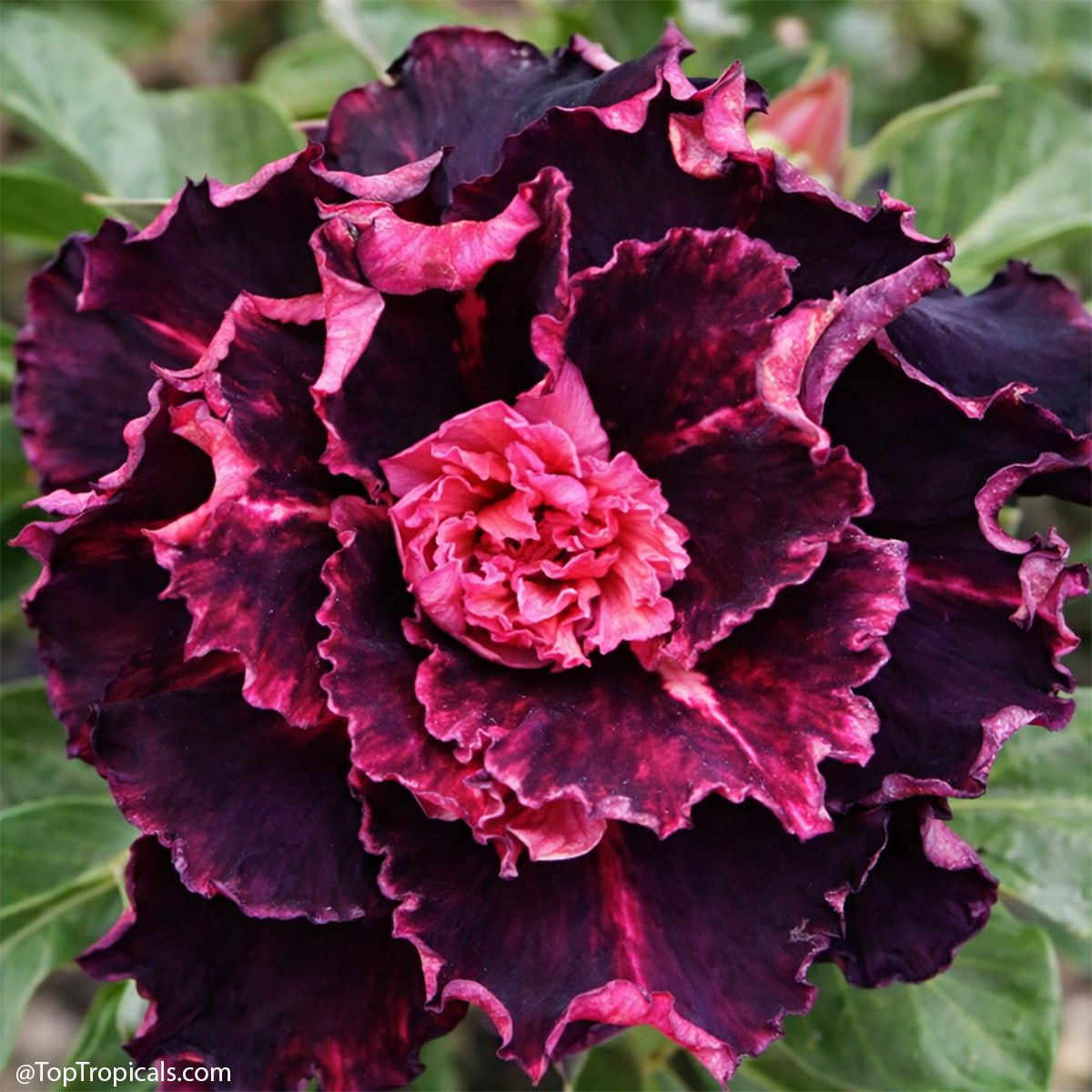
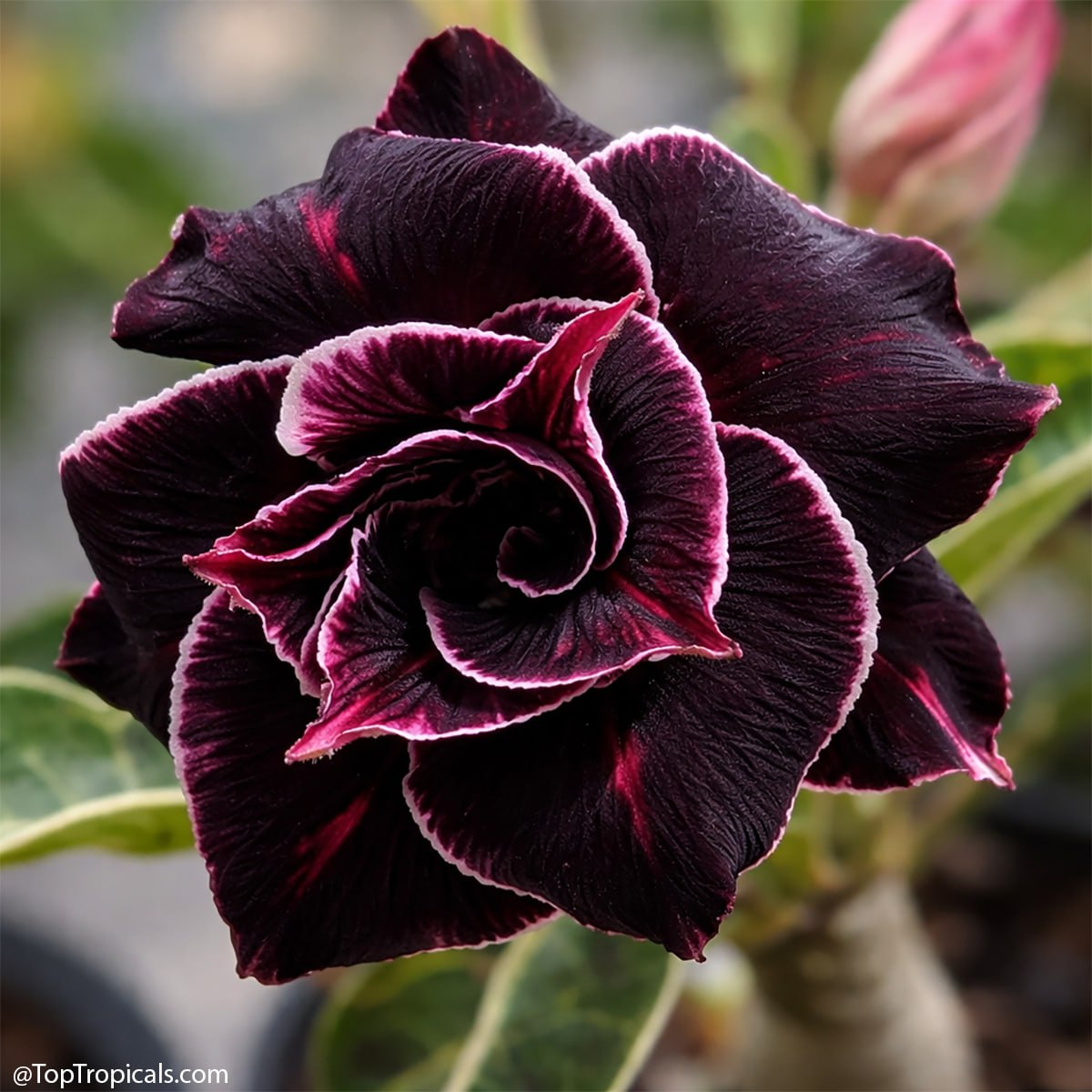
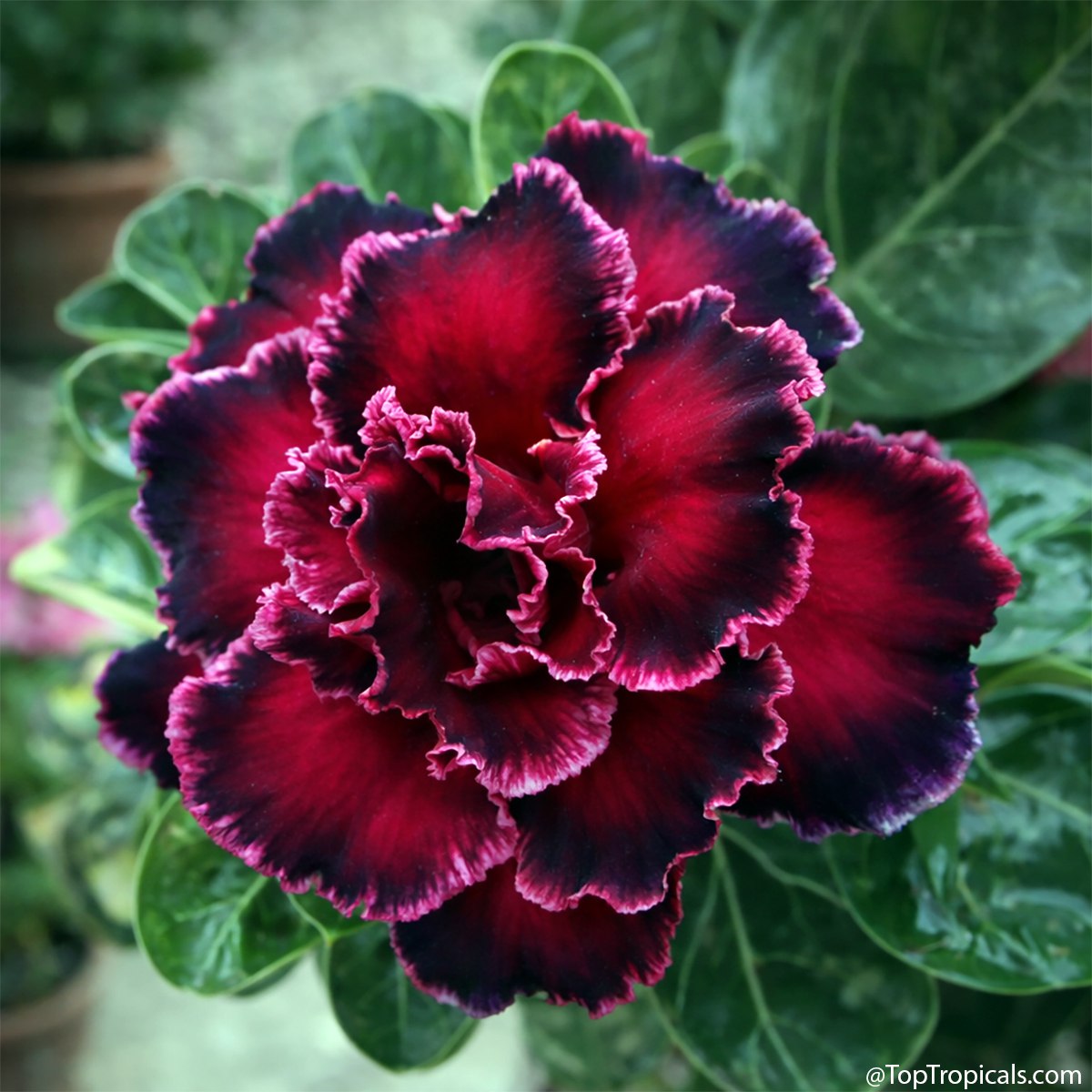
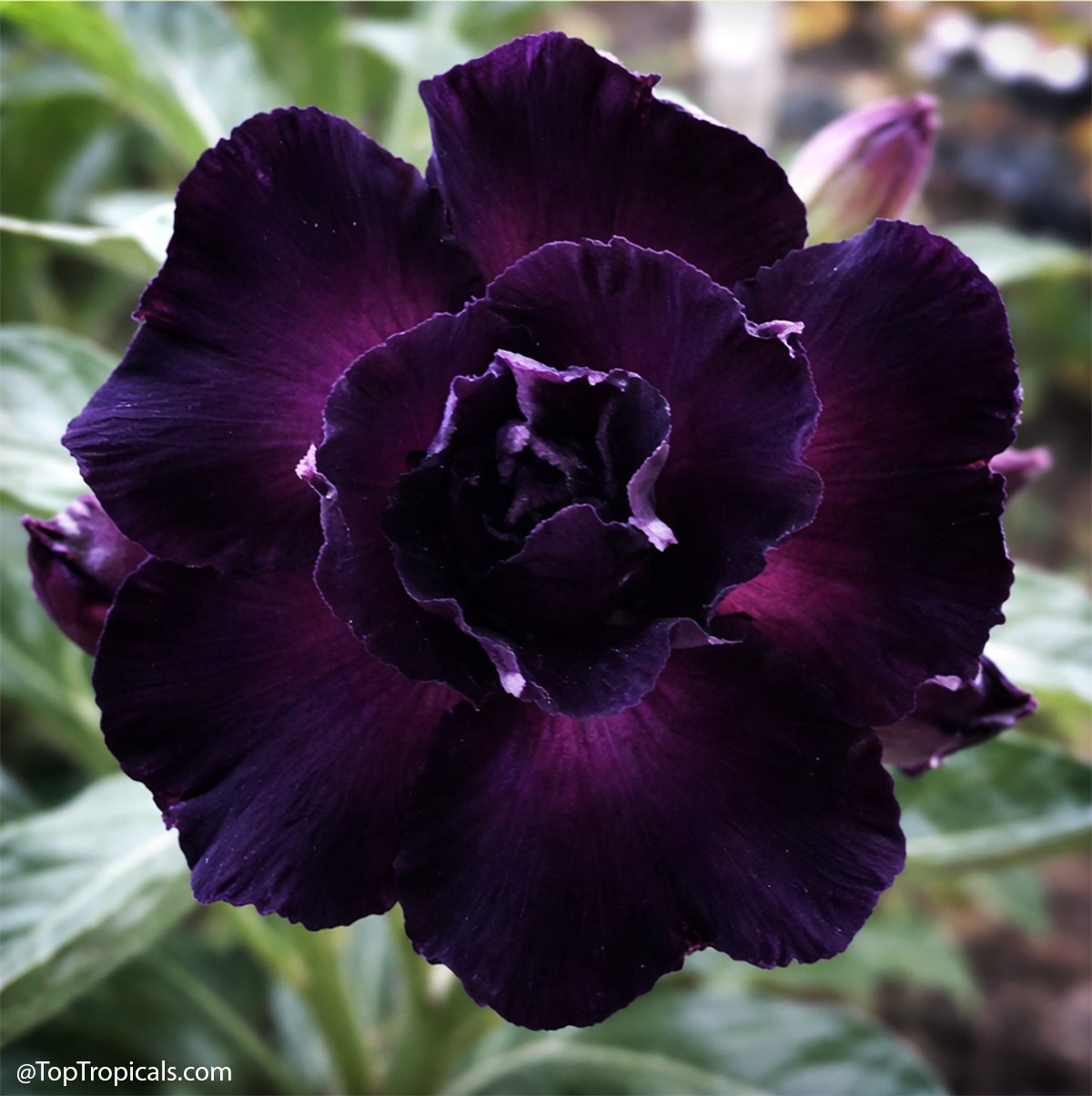
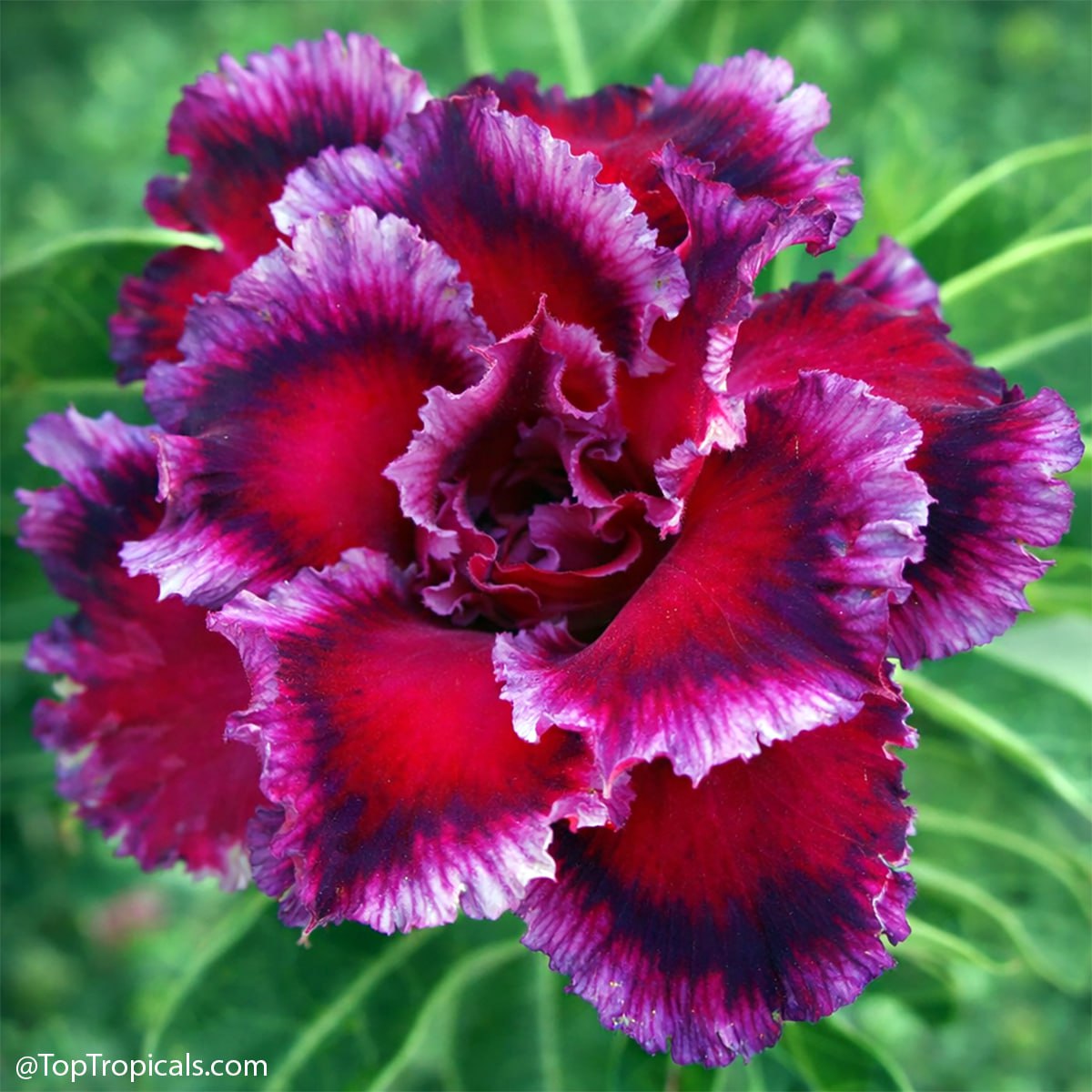
Adenium rainbow: 9 dark tones that don’t look real 🌈
Some adeniums are bright and cheerful. And some look like they came from another planet. This set leans into those deep, off-purple, almost unreal shades. Every one is different, but they all share that exotic, hard-to-describe look.
💡 Container tip
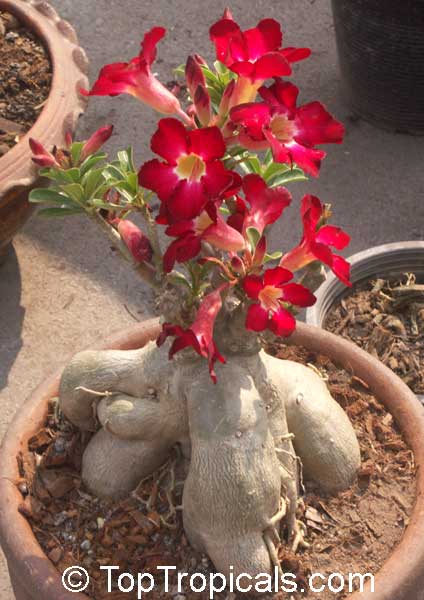
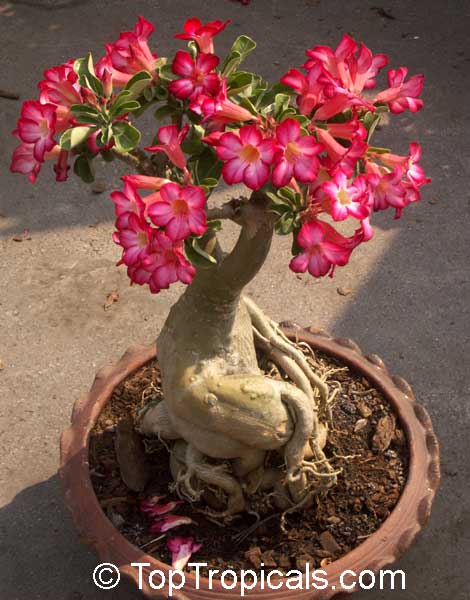
Adeniums do best in shallow containers, especially unglazed clay pots. Clay helps in a few ways: - it dries faster than plastic - provides better air flow to roots - keeps the plant stable as the caudex gets heavy
Avoid oversized pots. Keep it just slightly larger than the root ball.
Secret of a Big Caudex: When repotting, raise the caudex a little each time. That’s the simple trick to developing that thick, exposed base everyone loves.
🌸 Today's featured adeniums
✦ Blue Diamond: Cool-toned, almost metallic shades - very unusual in color.
✦ Musk: Modern-looking bloom with a bold, unconventional feel.
✦ Hong Hern: Elegant form with deep tones and a refined structure.
✦ Mad Lady: Twisted, expressive petals - looks a bit wild and unpredictable.
✦ Moung VN: Soft purple shades with a smooth, balanced look.
✦ Petch Pratum: Rich color with a jewel-like quality - name reflects that.
✦ Maneenate: Layered bloom with a more intricate, detailed structure.
✦ Ramruay: Associated with wealth and prosperity - strong presence.
✦ Swan and Dragon: Myth-inspired look with a dramatic, flowing form.
This kind of set is where collecting gets interesting - not just colors, but personality in each plant. And once you start noticing these darker tones - you start seeing them differently everywhere.
Q: I purchased several packets of desert rose seeds last year. I now have 45 very healthy seedlings some of them in bud. Almost all of my seeds grew but I lost most of them when I rook them in during winter. I did not water them for a month , kept them in their pots and set them by the window. they either dried up and died or rotted and died. I noticed when you send me grafted specimens that you bareroot them. Is this a better way to keep them inside in winter, bareroot? I hate to lose these plants come winter time. Pls advise me. I live in Houston, Tx. where we get temps below 40 degrees and sometime a day or more of freezing temps.
A: Thank you for your question. Rot is pretty common problem with Desert Roses. We monitor our Adeniums closely and have a special set up of watering environment and schedule, in dedicated greenhouses just for them. Nevertheless - every now and then we see a rotten caudex and can't help it to say "oops! over-watered!" These plants are very sensitive to environment changes, especially when it comes to a combination of water and temperature. These are a few tips that should help you to reduce risk of plant loss to a minimum:
1) Use only well drained mix with much higher content of perlite than you would use for most tropical plants. For adeniums, we use mix with 30-40% of perlite in it, while regular mix has 10-15%.
2) Adeniums like alkaline soil, unlike most of tropical plants (hard to say what else likes alkaline... Ficus for sure!). This means, regular mix with high content of peat moss may cause root rot. To increase alkalinity, you may add dolomite. Here in Florida where we have natural supply of shell rock handy, it is easy to add some shell to a potting mix (shell sand, rather than quartz sand). We always add a few large shells on top of a pots with a big specimen. Besides increasing soil pH (making it more alkaline), shells look very decorative.
3) Water very carefully during cooler months. When it is hot (85-100F), excessive water usually won't harm adeniums: it will be partially used by a plant, and partially will evaporate. Especially be careful with water when temperatures drop below 65F - then tropical plants simply stop growing process and go dormant. Once adeniums start losing leaves, this is a sign to reduce watering to once a week to once a month, and in very small quantity (couple tablespoons per pot).
4) We do not bareroot adeniums for winter storage. They are not bulbs. Barerooting of this plant is recommended only during shipping. Adeniums can stay without soil for up to a week without hardly any stress, sometimes even longer.
5) We keep our big collection specimens on a roofed porch during winter, where level of light is very low. Last winter we haven't lost a single plant due to low light. They take shade pretty well considering minimum or no water. However bright light is always better - it creates healthier environment for a plant. We all know about space limitations for our large collections, especially in winter. So if you can afford a bright spot for adenium during winter - the plant will be lucky!
A few adeniums you dont want to miss: Adenium rainbow
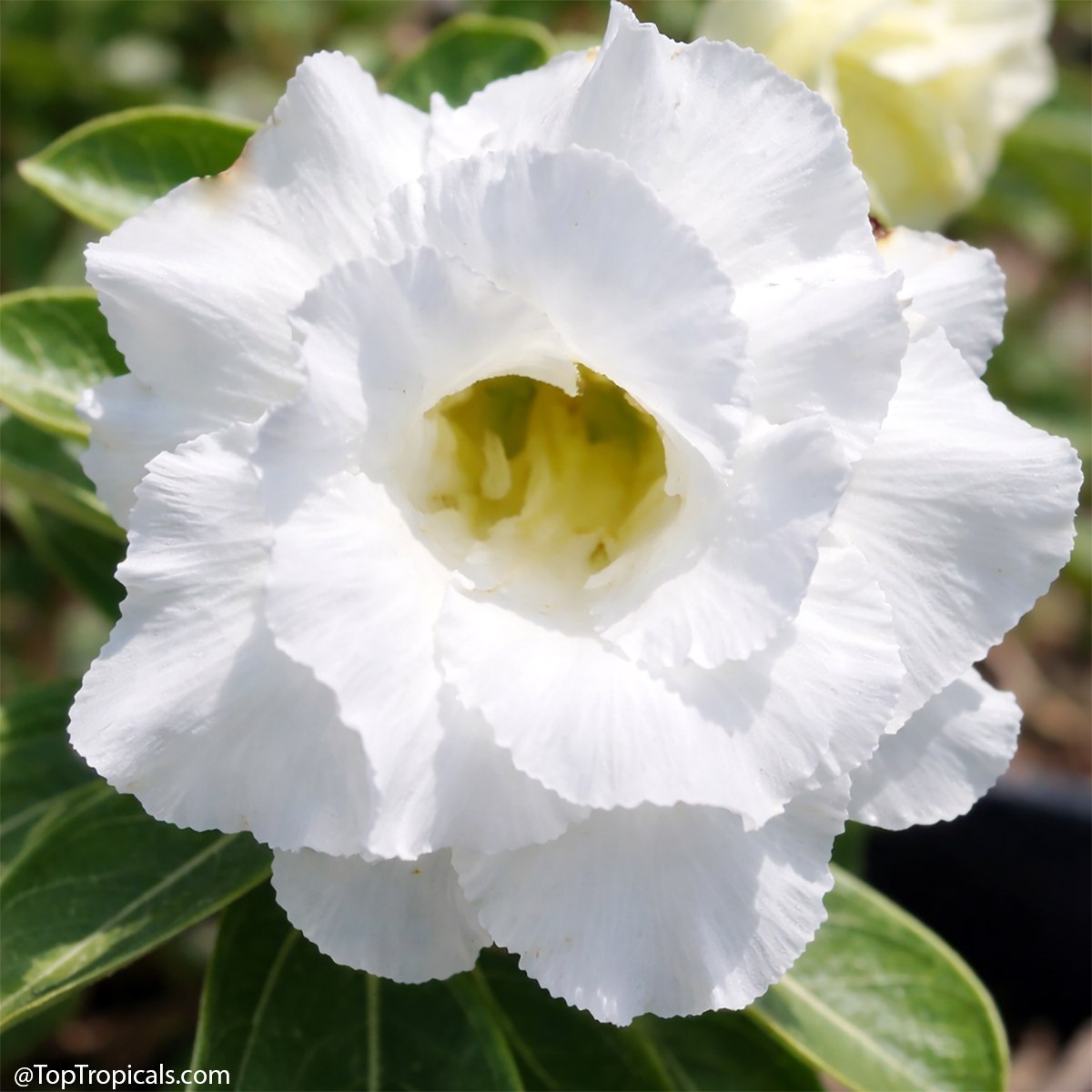
Adenium Beauty
Adenium Chok Sedthee
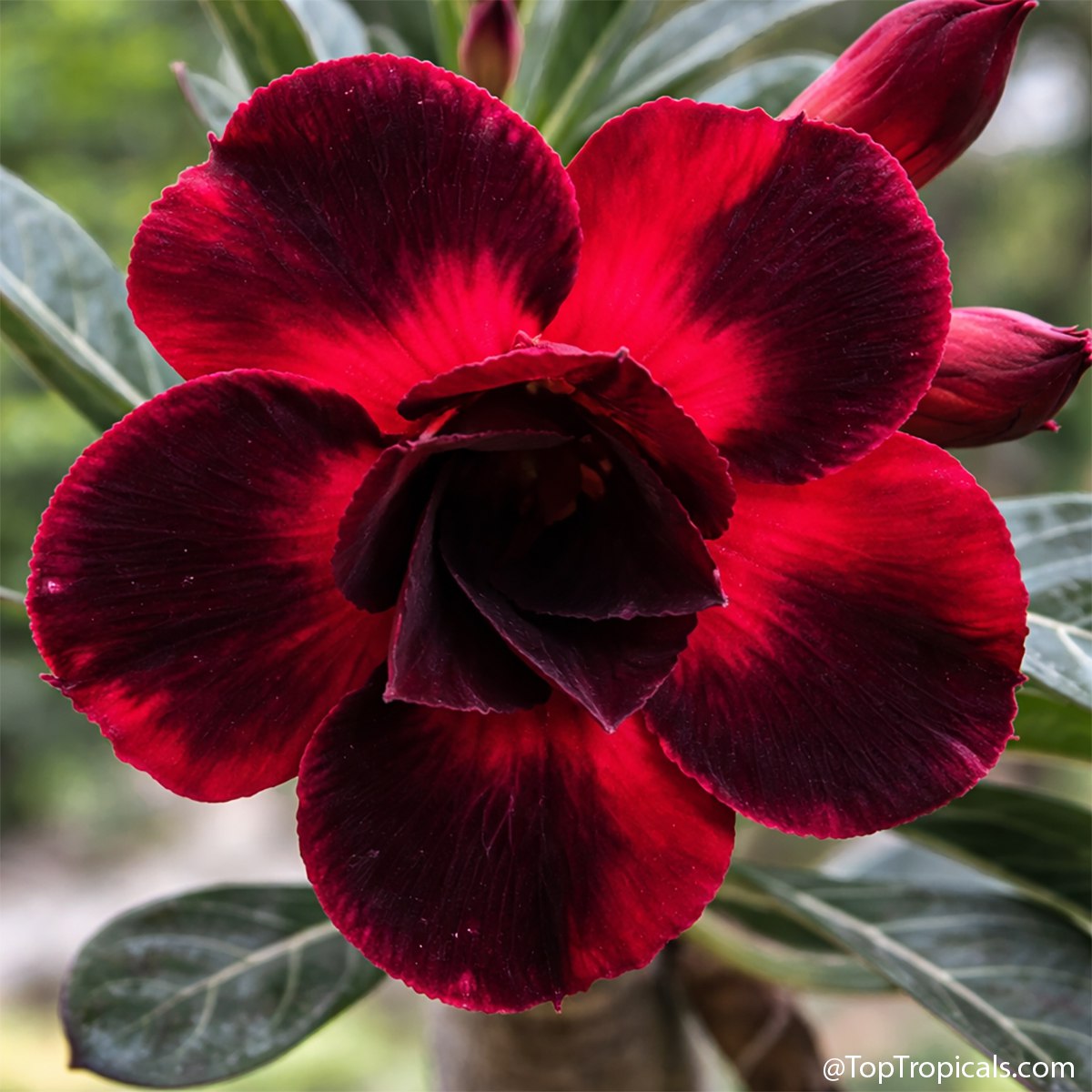
Adenium Black Dragon
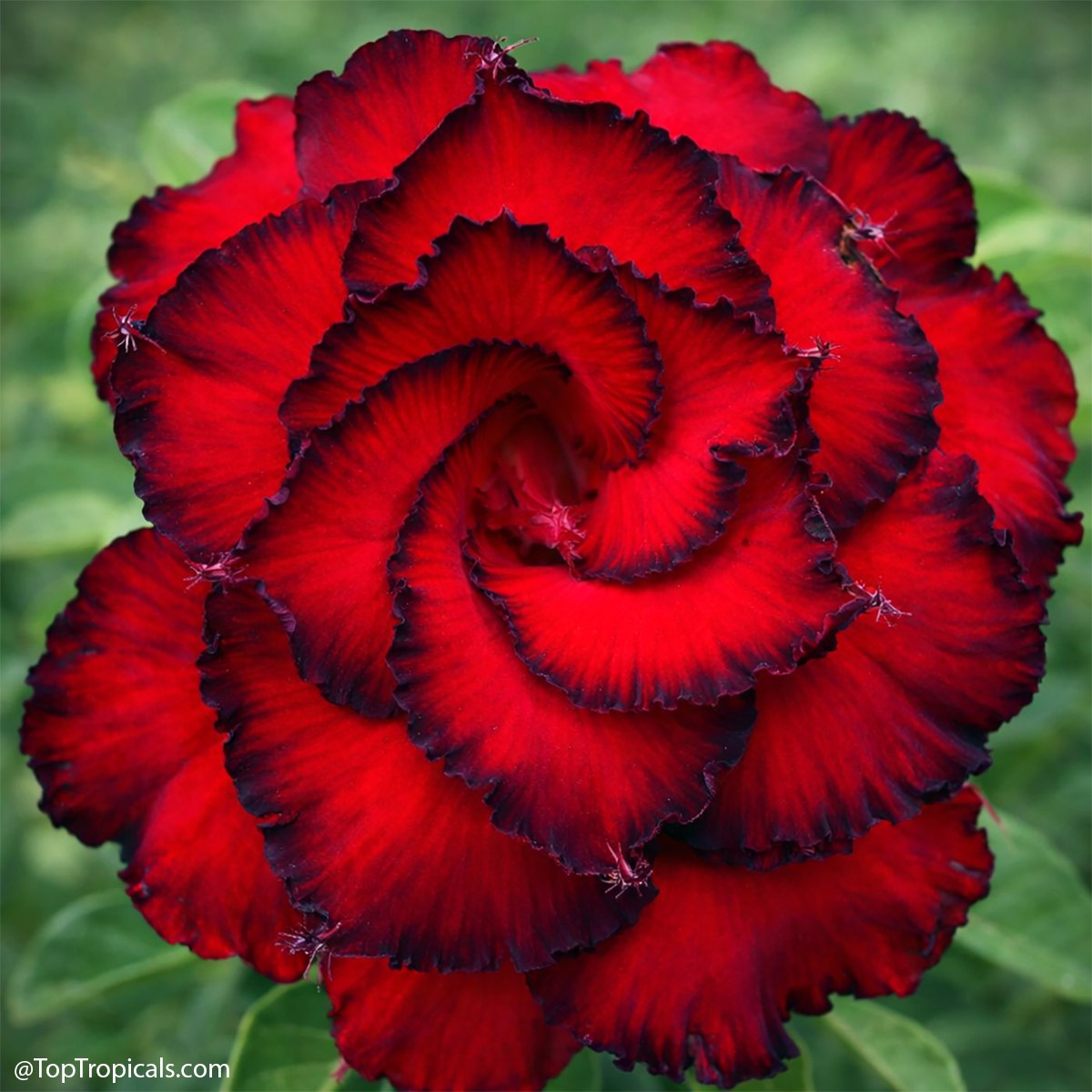
Adenium Red Dragon
Adenium Jasmine
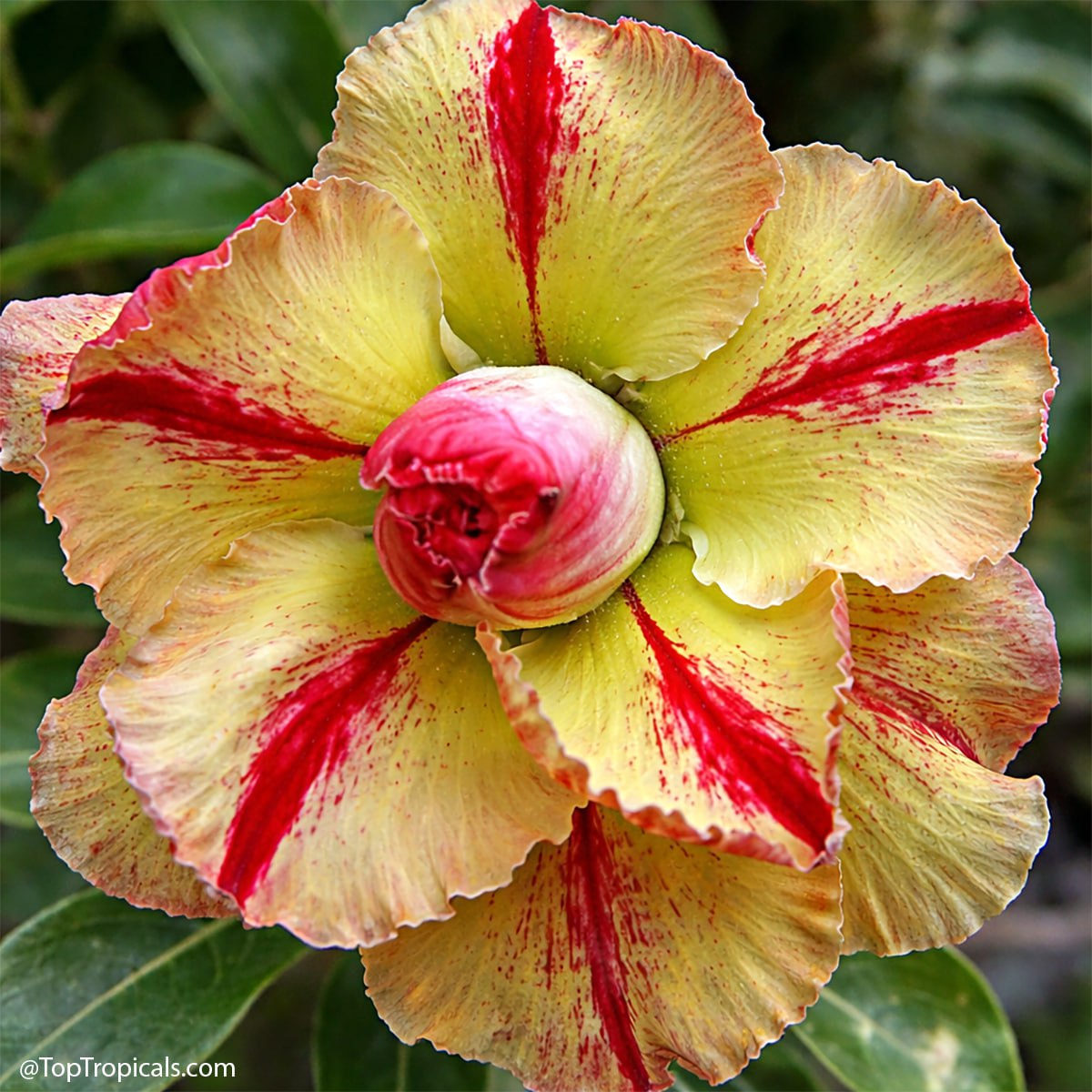
Adenium Marygold
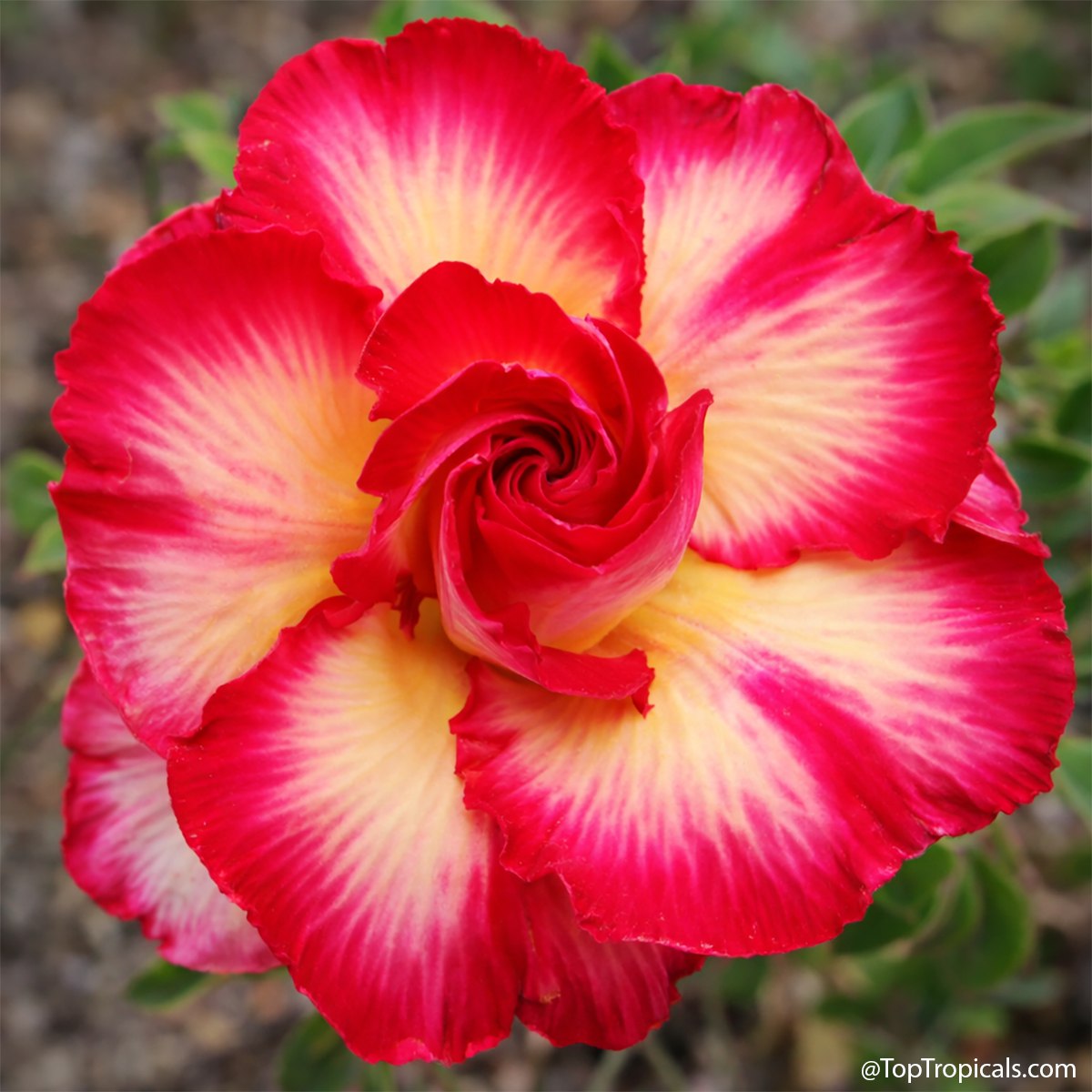
A few adeniums you don’t want to miss: Adenium rainbow 🌈
Some adeniums bring color.
Some bring character.
And some… bring both.
This mix has a bit of everything - strong reds, deep tones, and soft floral shapes that balance it all out.
💡 Trimming tip
It’s always hard to cut back a branch… especially when it’s blooming.
But with adeniums, trimming is key.
After flowering, cut back leggy growth. This encourages branching, and more branches mean more flower buds.
It may feel like you’re losing blooms now - but you’re setting up a much bigger show next.
Trim, let it branch, and you’ll be rewarded with multiple blooms instead of just one.
🌸 Today's featured adeniums
✦ Beauty: Soft, balanced bloom with a clean look - simple and pleasing.
✦ Chok Sedthee: Name tied to wealth and success - a strong grower with presence.
✦ Black Dragon: Deep, intense tones with a bold, powerful look.
✦ Red Dragon: Bright red blooms with strong energy - hard to miss.
✦ Jasmine: Light, delicate feel with a more refined floral look.
✦ Marygold: Warm golden tones that bring brightness into any mix.
A mix like this gives you contrast right away - dark next to gold, simple next to unusual.
That’s what makes a collection interesting: not just how many you have, but how different they feel side by side.
Q: I am looking forward to my three desert roses I just ordered from you and I am wondering how to take
care of them, especially during winter time. Should I put the pots in full sun
or shade? What kind of soil do they like? How often should I water them? When
it gets cooler, should I bring them inside? We do have occasional frost here
during winter.
A: Here are a few tips for your desert roses:
1. When received Adenium from mail-order, unpack carefully; branches are
fragile. Plant in well-drained potting mix. Cactus mix will do, but we
recommend special Adenium mix. If using regular acidic peat-based potting mix, you may
add sea-shells on top of soil to neutralize acidity: adeniums prefer alkaline
soils. Using clay pots is beneficial. Water once and do not water again until
soil gets dry. Place in bright shade until new leaves sprout, then the plant
can be moved to full sun.
2. Adenium is a succulent, but not a cactus. It needs watering, however
let soil dry before waterings. Reduce watering during cool season and
discontinue when plant gets dormant (drops all leaves in winter).
3. Bright light is the best for profuse flowering. However, adeniums
look much healthier in slightly filtered light rather than in all-day full
sun.
4. Fertilize and spray leaves with liquid fertilizer SUNSHINE Megaflor - Nutrition Bloom Booster. Phosphorous is responsible
both for flowering and caudex development. Avoid caudex, spray over foliage
only. Dry fertilizer can be used only during hot months.
5. Watch for spider mites during hot and dry season.
6. Give plants a break during winter dormant season. Keep in bright
shade and reduce watering to 1-2 per month or stop watering if temperature is
below 65F.