Date: 28 Dec 2020

Healthy Plants: Q&A from Mr Booster
How to grow a happy Red Jade Vine?
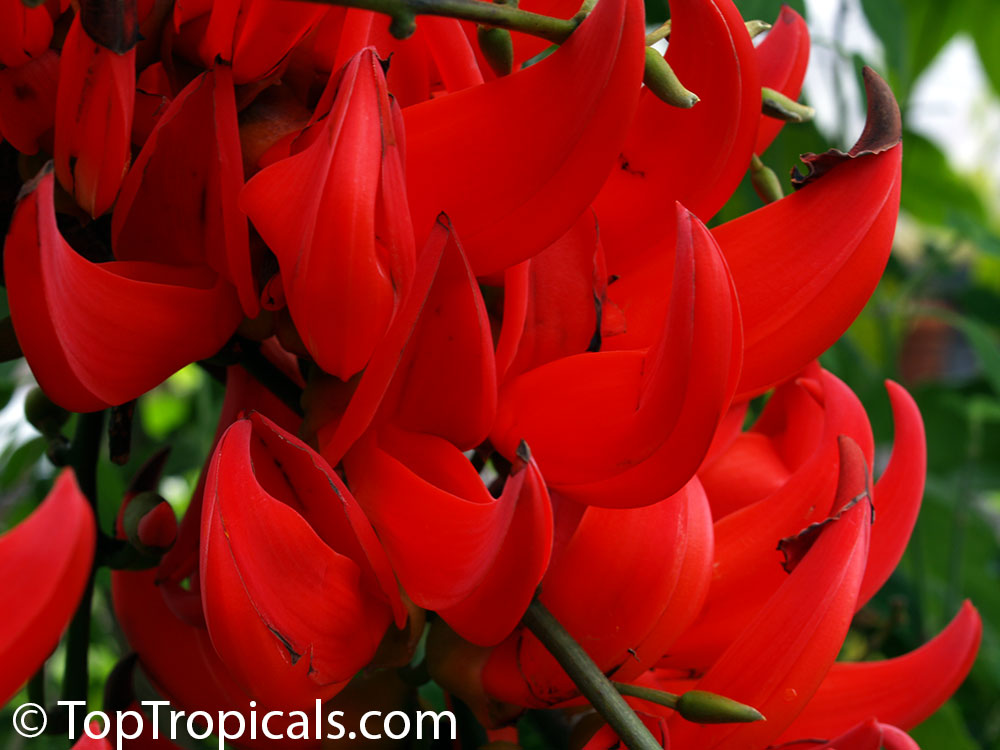
Q: My Red Jade Vine has the leaf tips turning brown. I water this plant four times a week and I am using a half a teaspoon of miracle grow bloom booster 15-30-15 per 2 gallons, every two weeks. In the beginning I had to water this plant off city water in South Fort Myers. Over the last two months I picked up a dechlorinator buggy plus threw that on my hose and I've been watering it with that but it didn't seem to make a difference. I put this plant in the ground last September. It has three shoots that run into the top of the tree, so it is growing but leaves seem to drop off down low at the base of the vine and the brown tipping running into the top of the plant. But not the newest shoot its leaves are solid green all the way at the top. Thanks for any advice.
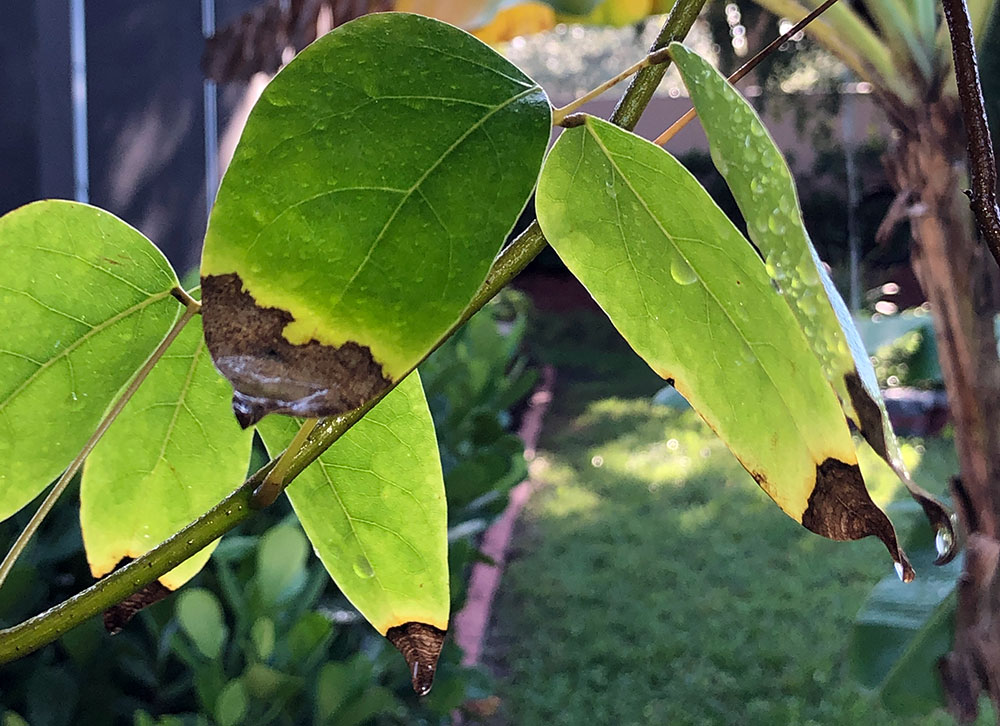
A: Mucuna benettii - Red Jade vine - is not the easiest plant to grow, and
we are glad your vine is growing well. For those who love this plant but not
ready to face all challenges, we recommend its cousin - Camptosema grandiflora - Dwarf Red Jade Vine, which is much hardier and
easier plant.
We looked at the photos and these are our thoughts.
1) The top of the plant with green fresh leaves definitely indicates
that the plant is generally healthy and vigorous.
2) Dry tips of the old leaves may indicate excess salts in soil, in
combination with the summer heat that it went through. Based on your feeding program
description, that fertilizer may create a problem. Water soluble traditional
fertilizers are EDTA-chelated which often causes nutrients lock up in soil
and leaf drop. Try to stay away from that fertilizer for a month and let the
rains and/or irrigation water flush the soil for a couple of weeks.
3) Red Jade vine is a very sensitive species. Normally, during hot season
it is safe to use traditional fertilizers, especially slow-release granulated.
However, with this plant we recommend you to switch to more delicate formula
and use only liquid fertilizer.
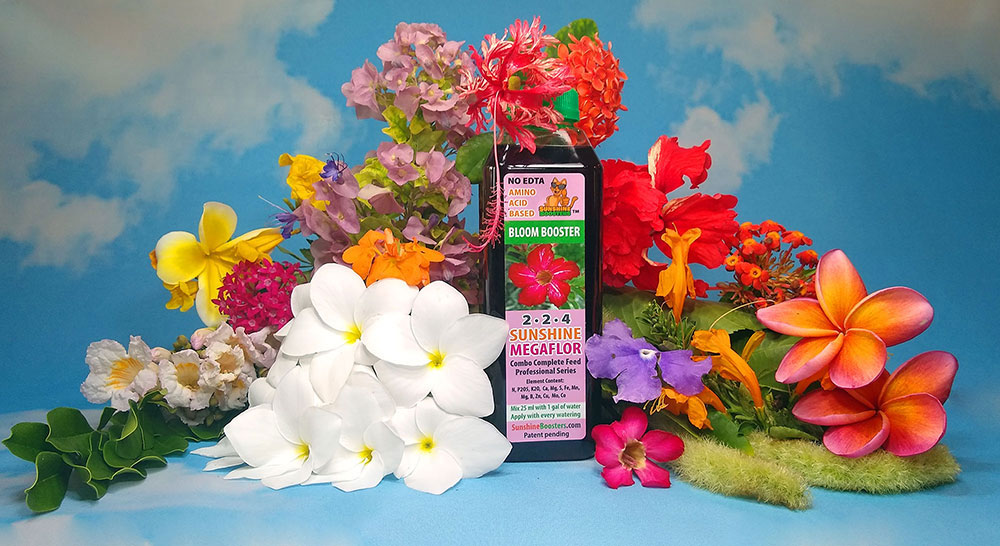
SUNSHINE Megaflor - Bloom Nutrition Booster will be the best. It is
safe to use it as frequent as with every watering! It is amino-acid
based, and will be totally consumed by the plant without nutrient lockup.
4) Another cause of dry leaf tips may be micro-element deficiency.
Megaflor booster already has all necessary micro-nutrients in it, plus you
may apply some extra: SUNSHINE Superfood.
5) You may continue using regular water for watering (including city water)
as long as you use amino-acid based plant food and supplements: they improve
soil acidity (what tropical plants like is acidic soil, and Florida soils
are alkaline). Additionally, to improve soil acidity which can be critical for
this Mucuna species, you may add 1"layer of pure peat moss on top of the
soil around the plant. Please keep us in loop how the plant is doing. It is
pretty rare species in cultivation and we will be happy to help you to keep it
thriving.

Date: 25 Jan 2021
Coastal Plants. List of plants that do well in coastal areas
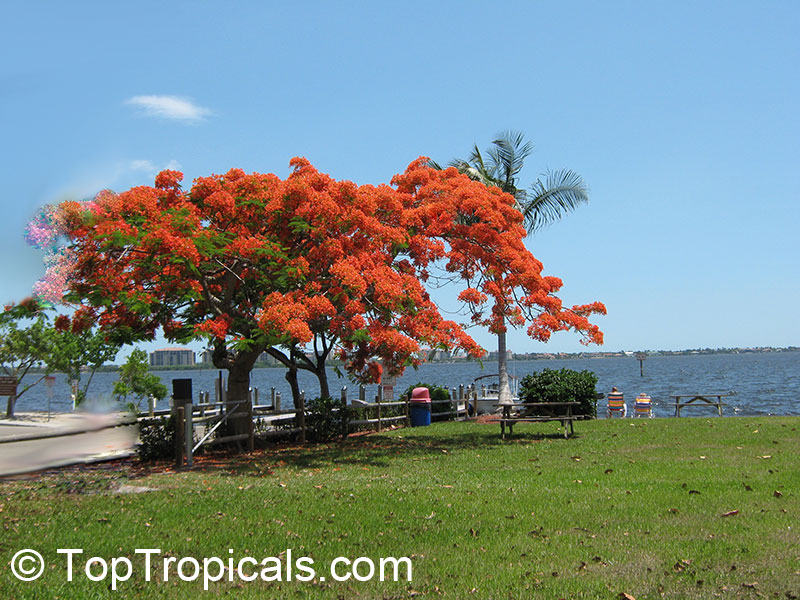
In the photo: Delonix regia - Royal poinciana, Flamboyant
Q: How can I get a list of plants that do well in coastal areas (i.e. next to sea)?
A: Many tropical plants live by the sea in natural habitat and
don't mind ocean breeze. We have a large selection to pick from. The following
groups of spectacular flowering trees will enjoy coastal environment:
Cordia trees
Plumerias
Orchid trees (Bauhinias)
Caesalpinias
Callistemons (Bottle brush trees)
Cassias
Many palm trees
See full list of salt-tolerant plants available at this time.
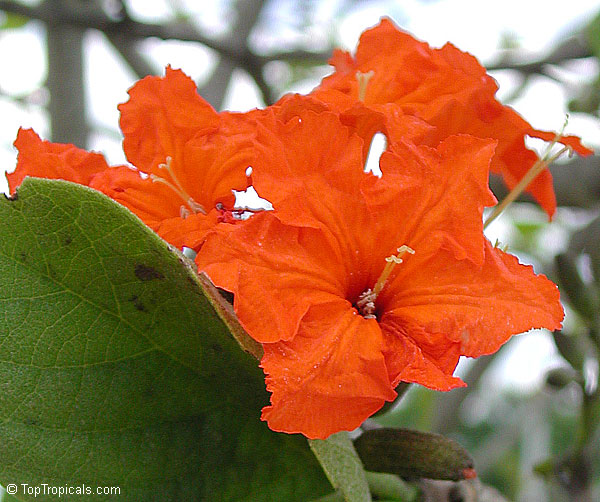
In the photo: Cordia sebestena - Scarlet Geiger tree
Date: 5 Jan 2021
Growing Loquat in container
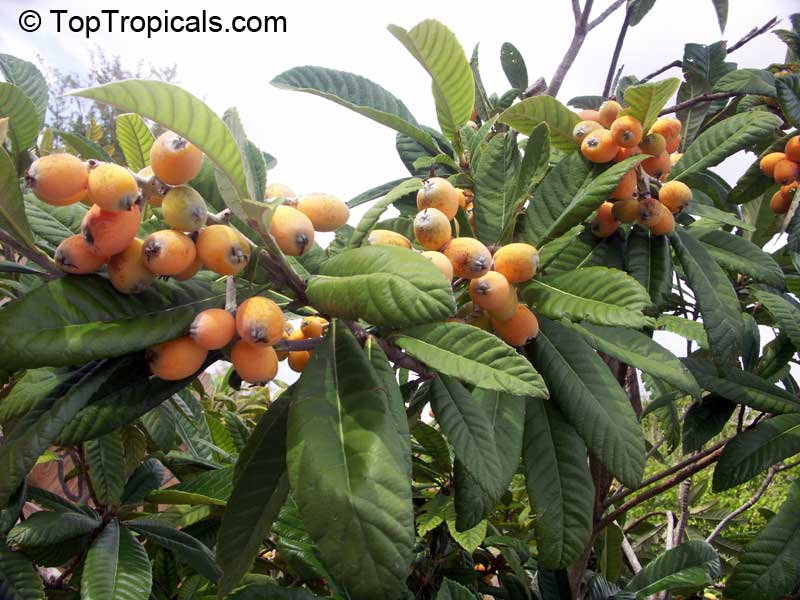
Q: I purchased a Sherry Loquat tree from you in April of 2020. It got off to a slow start initially, but now is five feet tall with healthy leaf growth! It is in a 15-gallon pot and was brought into the house by October 15th. I live in Zone 6 and kept the plant outside from end of May to October 15th. I have given the tree artificial lights in addition to slow release fertilizer. Can you please advise me on what steps I need to take to get the Sherry Loquat tree to fruit? E.g., lighting requirements, soil pH, soil type, etc.
A: Loquat is normally winter flowering and spring fruiting tree, here in Florida it is usually heavily covered with fruit by April. With a proper care, you may see flowers throughout the winter and they may set some fruit for you. Considering that during this time you have to keep the plant indoors, here are some recommendations:
1. Soil. Well-drained, porous potting mix. Do not use any heavy garden soils. For our plants we use the following mix which is excellent for containers: Abundance
2. Light. The brighter the better. Sunroom would be great, or at least put the tree next to a large window. Extra lighting with grow lights is beneficial. Any type of light will work, you can even use a simple clip-on light, the brighter the better. 8-10 hours a day.
3. Water. Loquat is drought tolerant but for fruiting it will need regular watering; just don't keep soil soggy, let is slightly dry before waterings.
4. Fertilizer program. Use liquid fertilizer. We recommend Sunshine
Boosters that are safe to use with every watering and year around - SUNSHINE C-Cibus - Crop Nutrition Booster.
We recommend to switch plants from traditional"slow-release"fertilizer to the liquid one because it makes a huge difference in plant growth and flower/fruit quality and quantity.
Sunshine Boosters are scientifically balanced fertilizers that supply all necessary elements for daily plant
needs. They are natural and eco-safe, great for any edibles.
5. Micro-elements. These are essential for potted plants, because in containers roots can't reach out to elements that are usually present in soil when trees grown in the ground.
Apply micro-element remedies that are very effective for improving fruit production,
especially when flower or fruit drop occurs:
SUNSHINE Honey - promotes more efficient blossoming and pollination, makes flowers bigger and reduces bud
drop.
SUNSHINE SuperFood - improves plant vigor and quality and size of flowers
These are all natural, eco-friendly supplements that work great for fruit trees and other edibles.
Read more about Loquat trees: The best grafted Loquat varieties.
Date: 25 Nov 2019
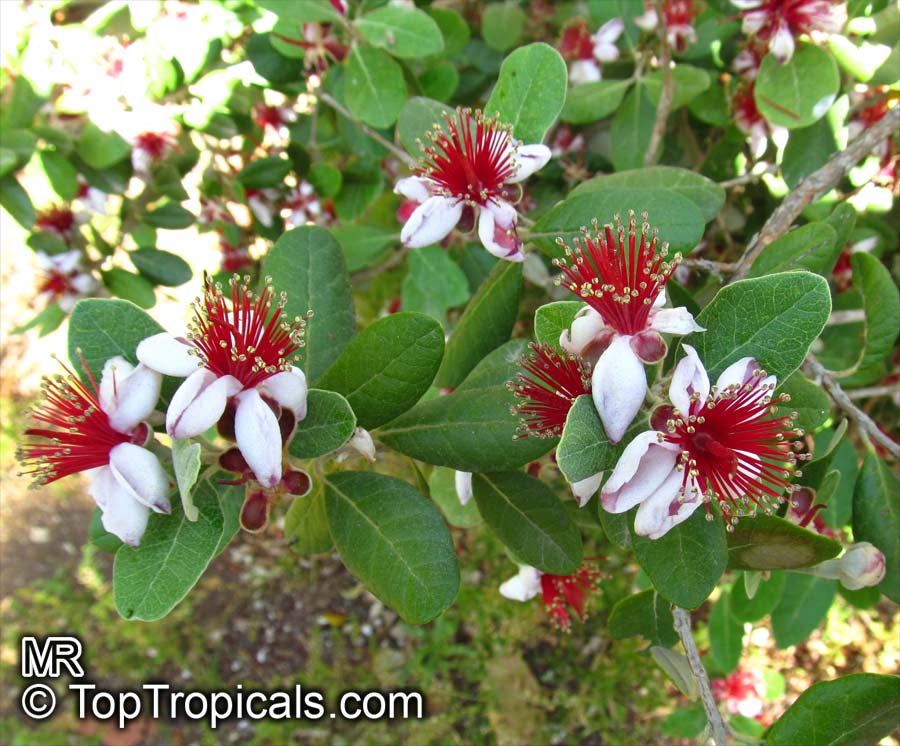
Flavor of Feijoa Superfood
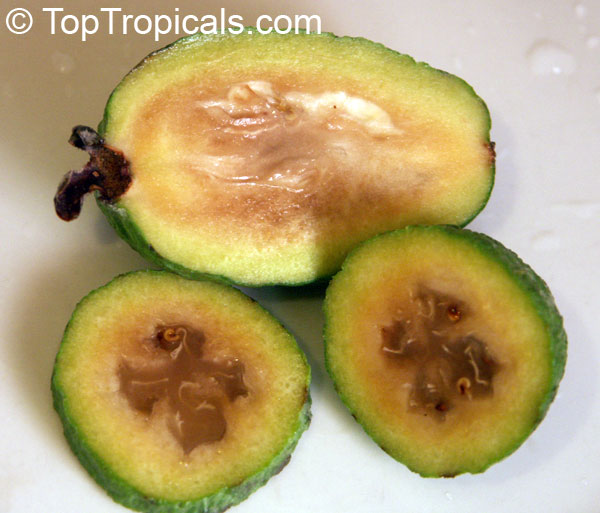
by Onika Amell, tropical plant specialist
Q: What exactly is Feijoa - Pineapple Guava? Does the fruit really taste like pineapple? I am curious to know if it is easy to grow.
A: Feijoa is certainly one of the easiest fruit trees to grow as it does
not require much care. It is an attractive, evergreen tree or large shrub with
dark green, oval, leathery leaves. It has an abundance of uses in the garden
and produces lovely edible flowers and fruit! The fruit is eaten fresh,
added to smoothies or fruit salad and is also commonly used to make delicious
jams and wicked chutneys. Feijoa fruit go a long way in flavor.
This plant is drought tolerant and will grow in almost any soil type. It
loves full sun or partial shade and is wind resistant. A lot of gardeners like
to grow it as a wind barrier for this reason. It can easily be shaped into a
dense, informal hedge or screen that needs very little pruning. Because of
this density, it provides excellent shelter for all kinds of wildlife.
Butterflies, birds, and butterflies will all love you for growing Feijoa!
Space the plant five feet apart to create a wind barrier hedge. Heat does
no not bother it at all and it will also withstand temperatures to 10 degrees
F.
The plant gets its names from the delicious perfume it emits. Some folks
seem the fruit taste like pineapple, with a slight minty undertone. Others feel
the flavor reminds them of juicy fruit gum! The texture is described as
smooth and slightly gritty - almost like a pear, but firmer.
If you prefer to grow this plant as a tree rather than a large shrub,
simply remove the lower branches up to one-third of the tree's height over a
period of time. The Pineapple Guava can grow up to 15 feet wide and tall. They
also do really well as a container plant on patios where you can truly enjoy the
lovely fragrance of the fruit. It prefers rich, organic, well-drained soil
and will need light fertilization every other month in most soils.
We recommend:
Fruit Festival Plant Food - Super Crop Booster
Mango-Food - Smart Release Fruit Tree Booster
SUNSHINE-Honey - Sugar booster
SUNSHINE C-Cibus - Crop Nutrition Booster
Pretty, pink, edible flowers will wow you from May to June, followed in late summer or fall by the delicious and fragrant fruit. An interesting thing about this fruit is that you don't pick it. It falls to the ground when it is ripe. Or simply place something under your tree, like a tarp, and shake the tree. The ripe fruit will fall off. You can store the fruit in your refrigerator for up to a week. And remember! The fruit of the Feijoa is not only a very rich source of soluble dietary fiber, but also an excellent source of Vitamin C, and very rich in antioxidants. They are also low in calories. Each fruit only holds 55 calories.
Date: 26 Aug 2024
Top ten fast-fruiting trees

Q: I would like to plant several fruit trees... I am 85 years old and hope to see them fruiting soon. What fruit trees can you recommend that will fruit quickly?
A: Most grafted fruit trees, such as Mango, Avocado, and Peaches, will fruit quickly - often within the same year or the next. There are also many wonderful tropical fruits that will produce for you within a year or two, even without the need for grafting. Below are the top 10 of most popular, most rewarding and easy to grow fast fruiting tropical trees:
1. Annona - Sugar Apple, Custard Apple.
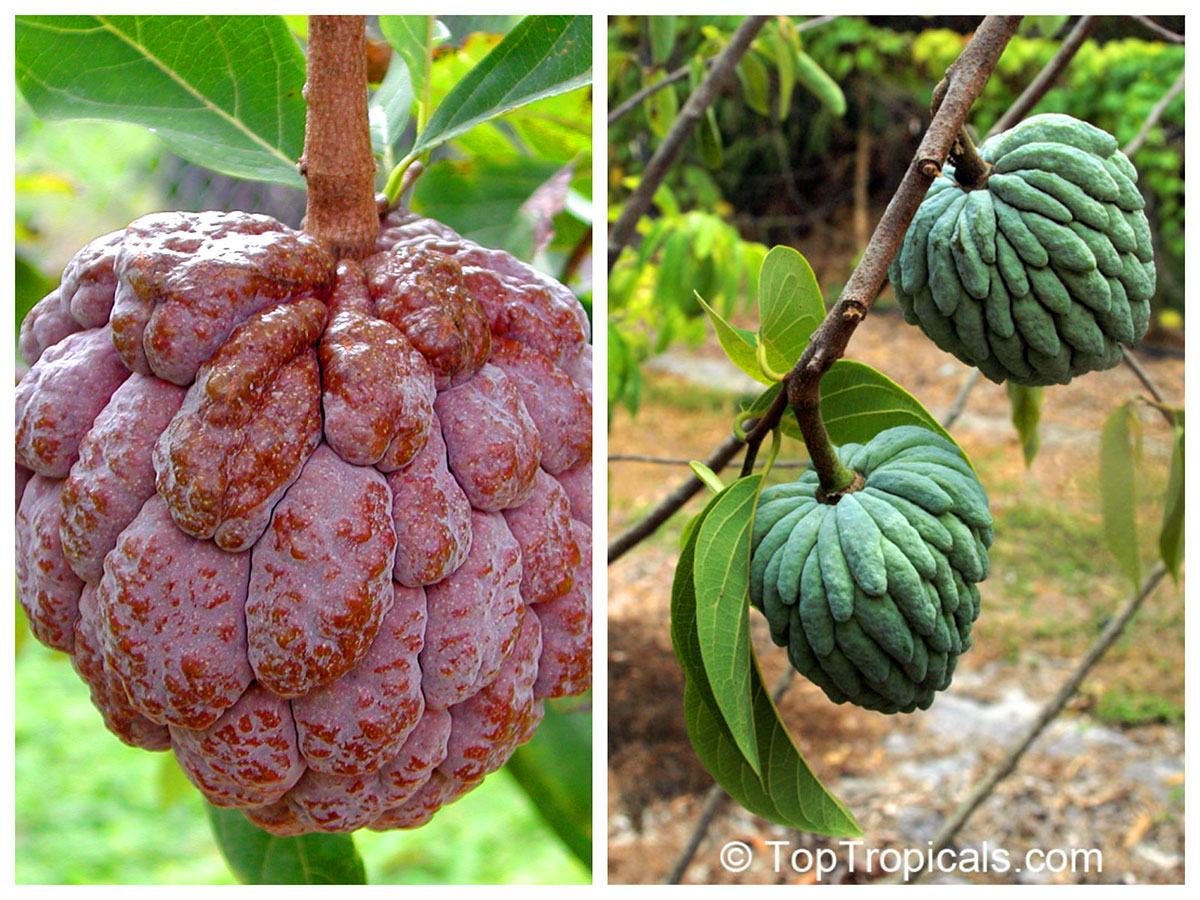
Annonas are the fastest fruiting trees: 2-3-4 years from seed to fruit, depending on species. They are the best tropical fruit trees suited for container growing, due to their small height and can be maintained within 6-8 ft tall.
2. Guava (Psidium sp.): Cattley and Tropical guava
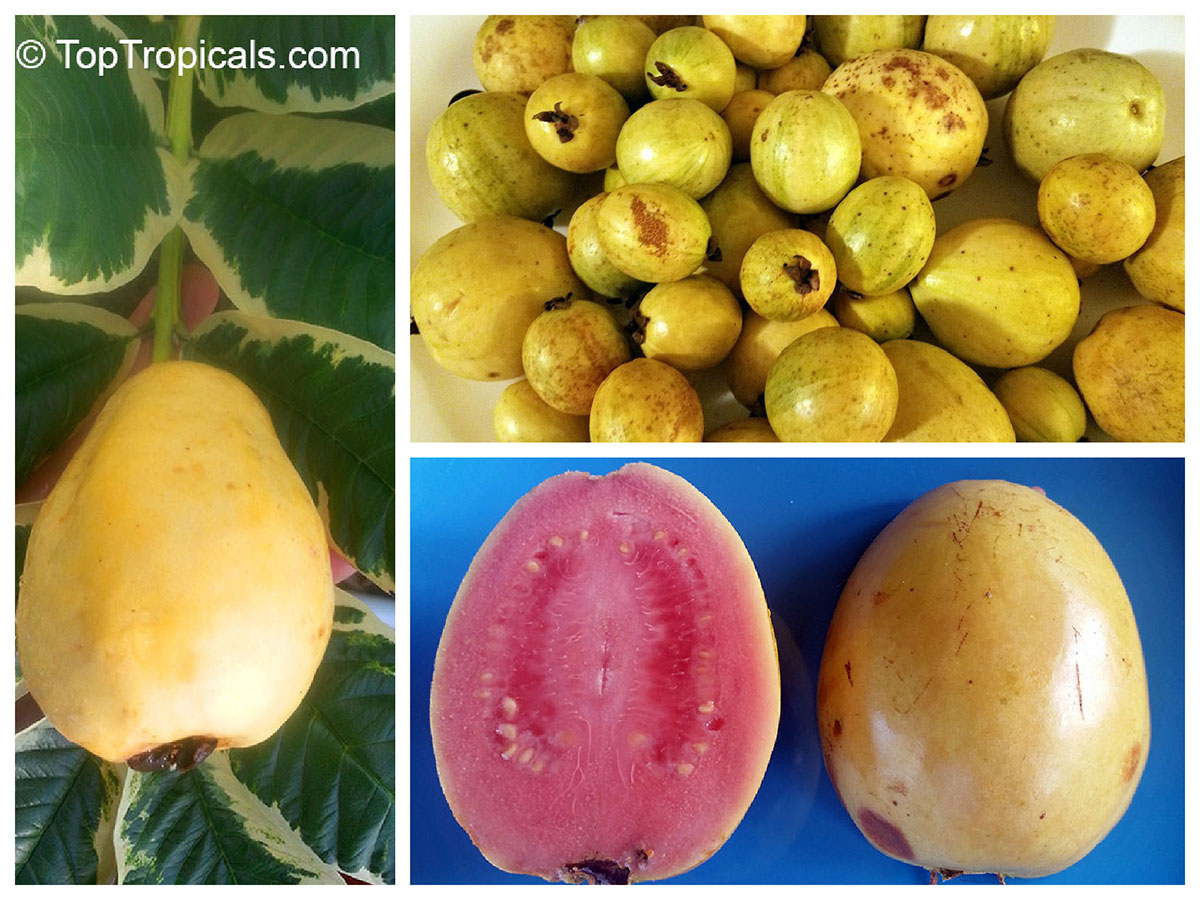
Guava is a reliable producer, starts fruiting in a pot at small size. Some varieties, especially Cattley guavas - Psidium littorale - are relatively cold hardy and can take some frost without damage. Guavas are fast growing small trees or large bushes.
3. Eugenia - Tropical Cherries
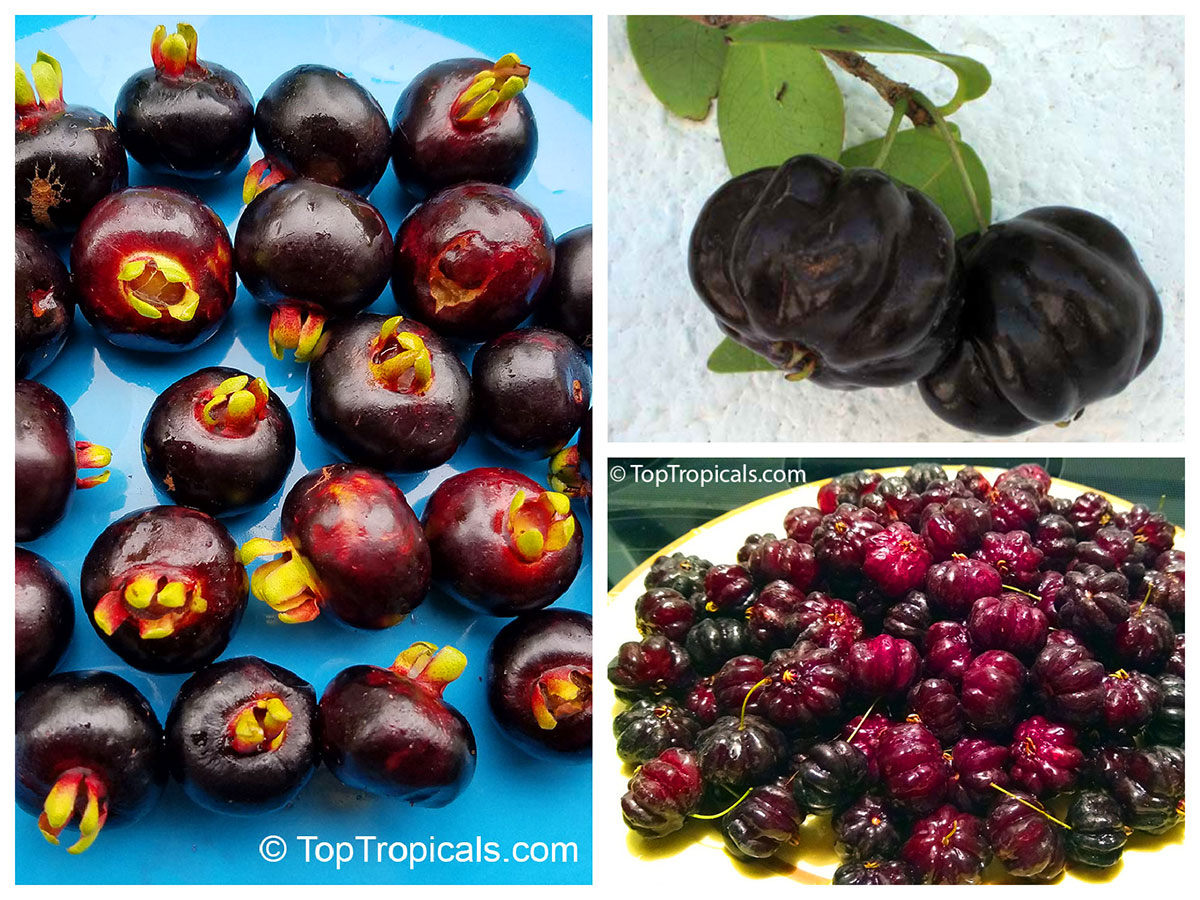
Eugenias are favorites of Southern gardens. They are relatively cold hardy and start producing right away. Black Surinam Cherry Lolita and Grumichama are our favorites!
4. Barbados Cherry (Malpighia glabra)
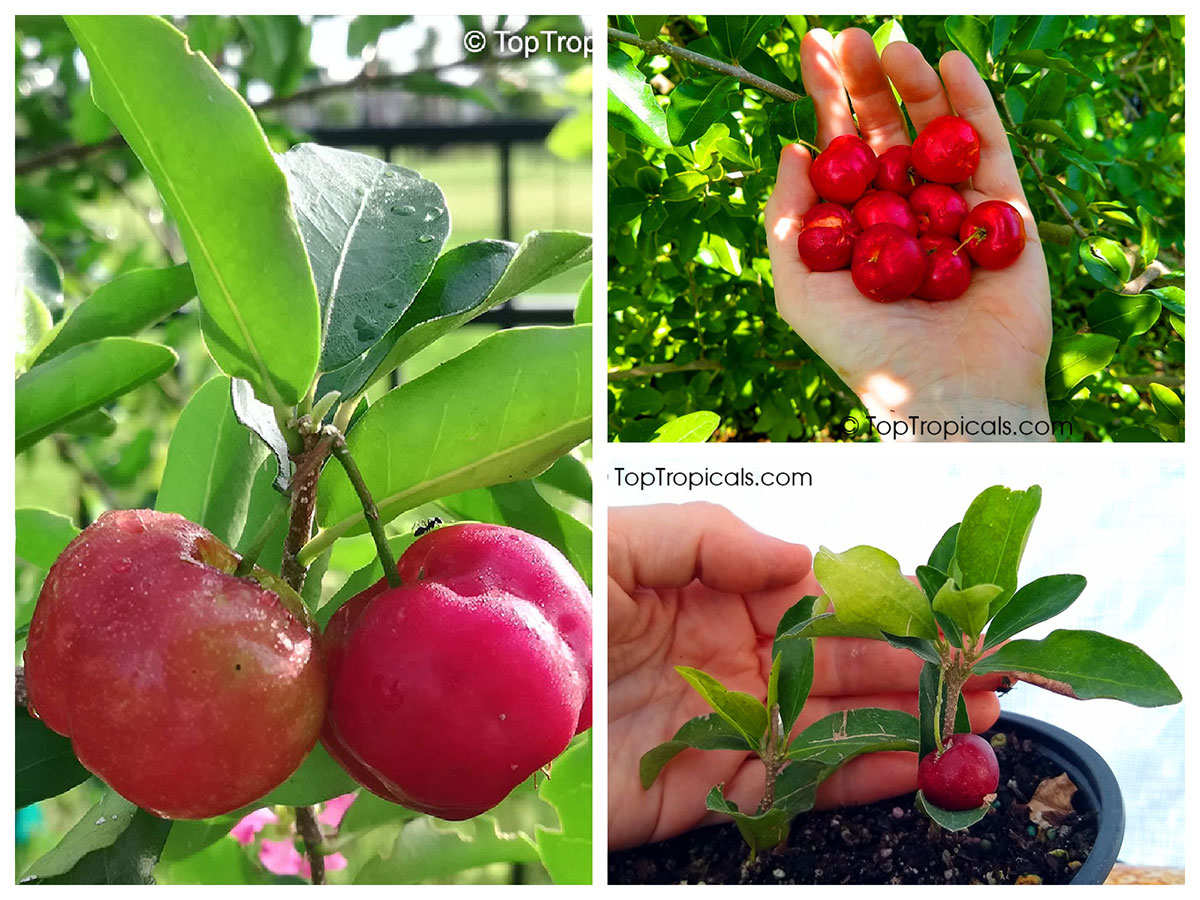
Another exceptional tropical cherry is Barbados Cherry. It is super popular as a heavy producer. The plant can start fruiting when it's only a few inches tall! If you are looking for a compact, but fast growing tree with colorful fruit that starts fruiting right away - plant Barbados Cherry. It will also happily fruit in containers.
5. Eriobotrya (Eriobotrya japonica)
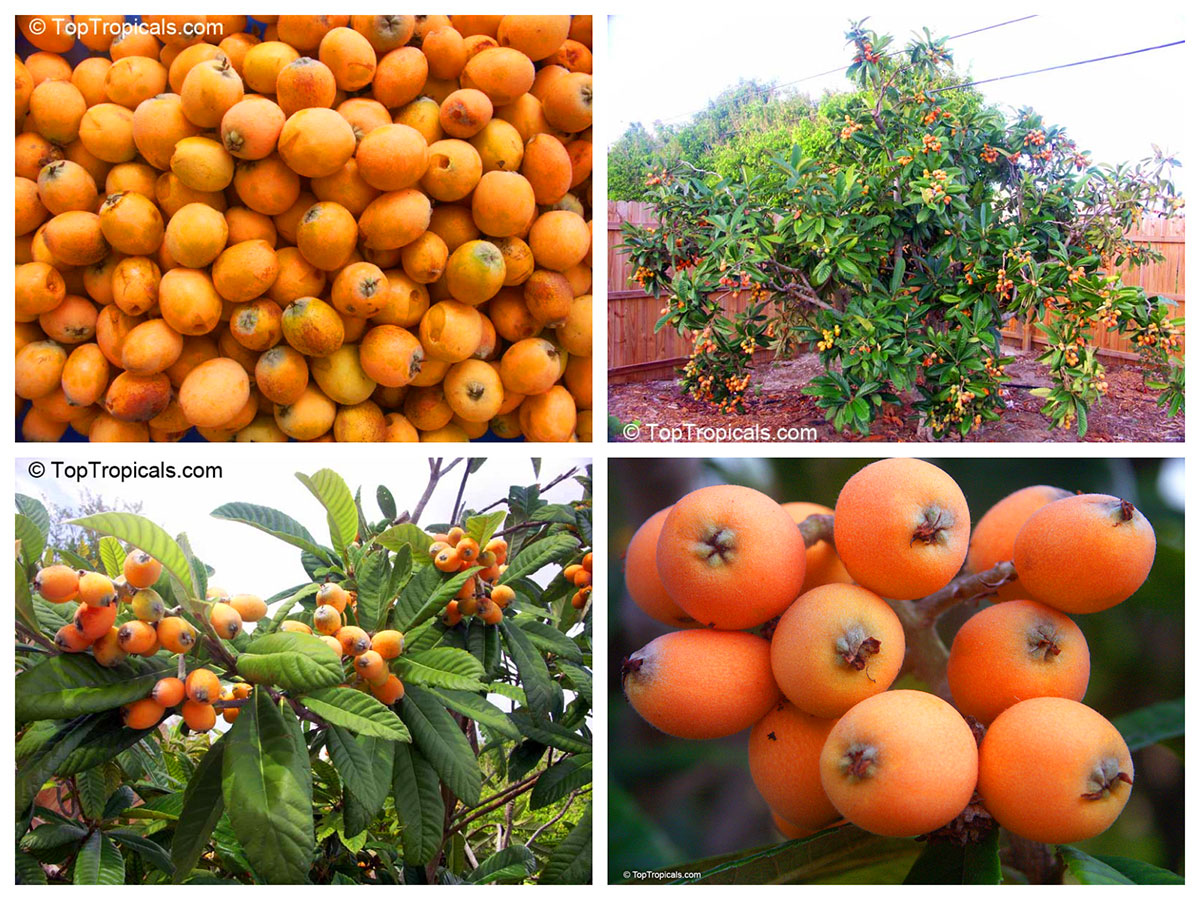
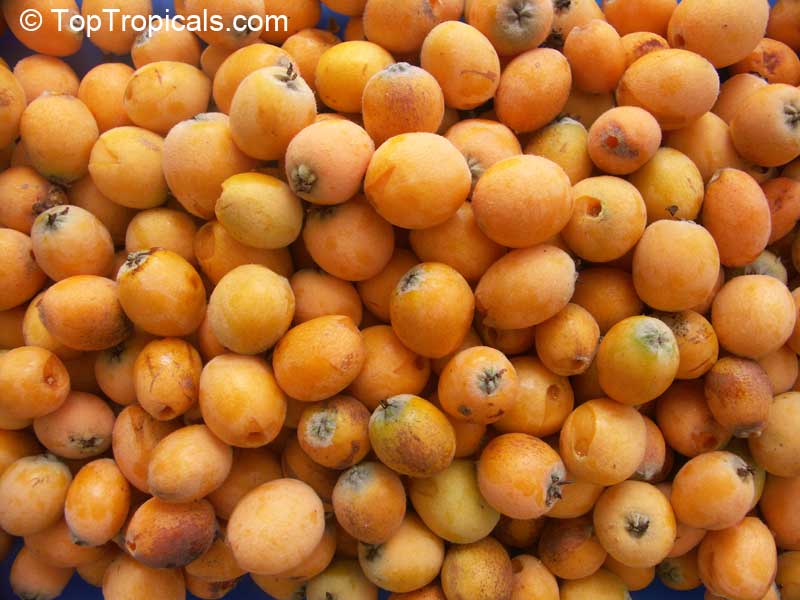
Loquat tree is fast-growing, drought-tolerant, cold-tolerant, compact tropical fruit tree. It is a heavy producer. Fruits are juicy, aromatic, and resemble apricots. Ripen from early Spring to early Summer. Ideal for small gardens, beginner fruit tree growers.
6. Papaya (Carica papaya)
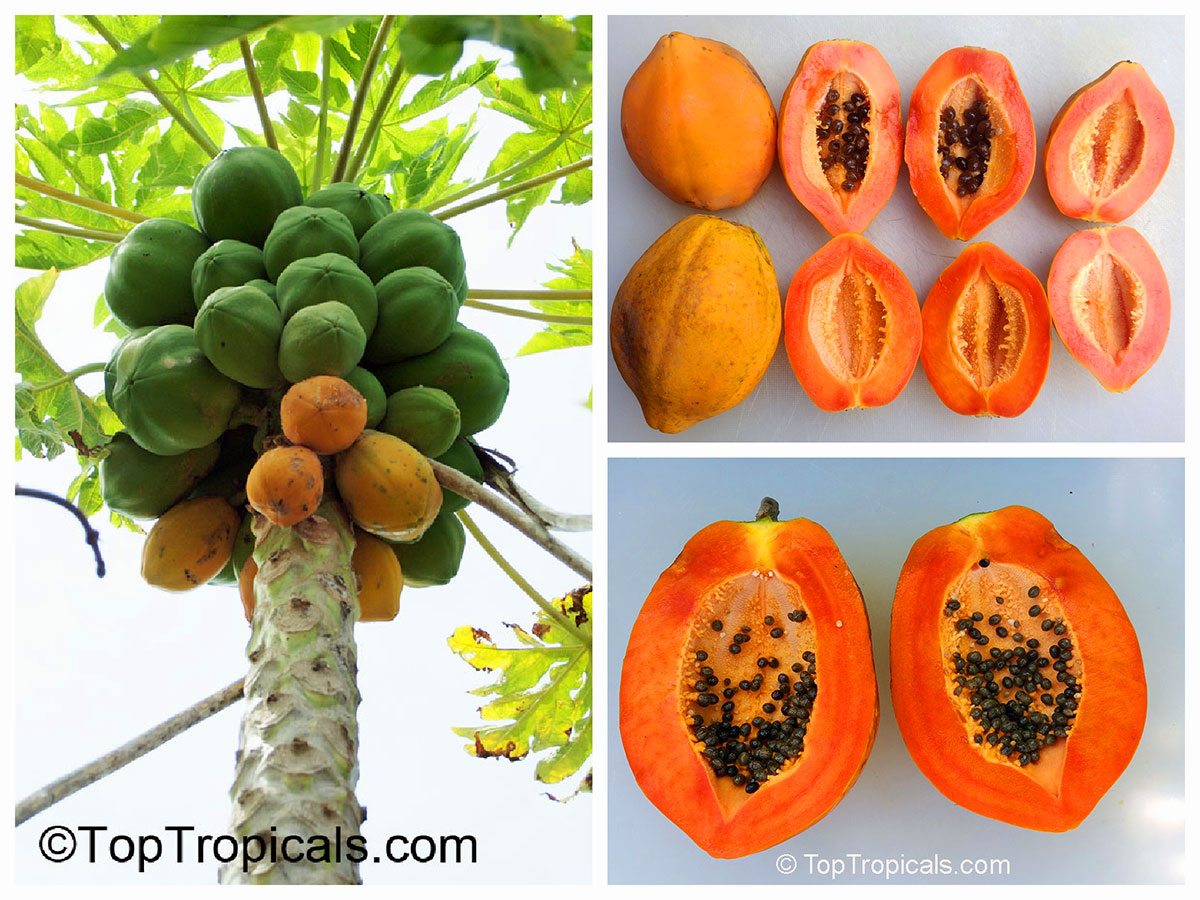
Papaya is probably the fastest fruiting tree that can start production the same year from planting a seed. Many dwarf varieties available in selection, reaching only 6-8 ft tall, but producing large crops of full size fruit - they are easy to harvest. Plant 2-3 Papaya trees of different cultivars that fruit at different times of the year and enjoy heavy crops of healthy fruit year around! Another benefit - this tree doesn't take much space in the garden, you can plant as many as you want.
7. Mulberry (Morus hybrids)
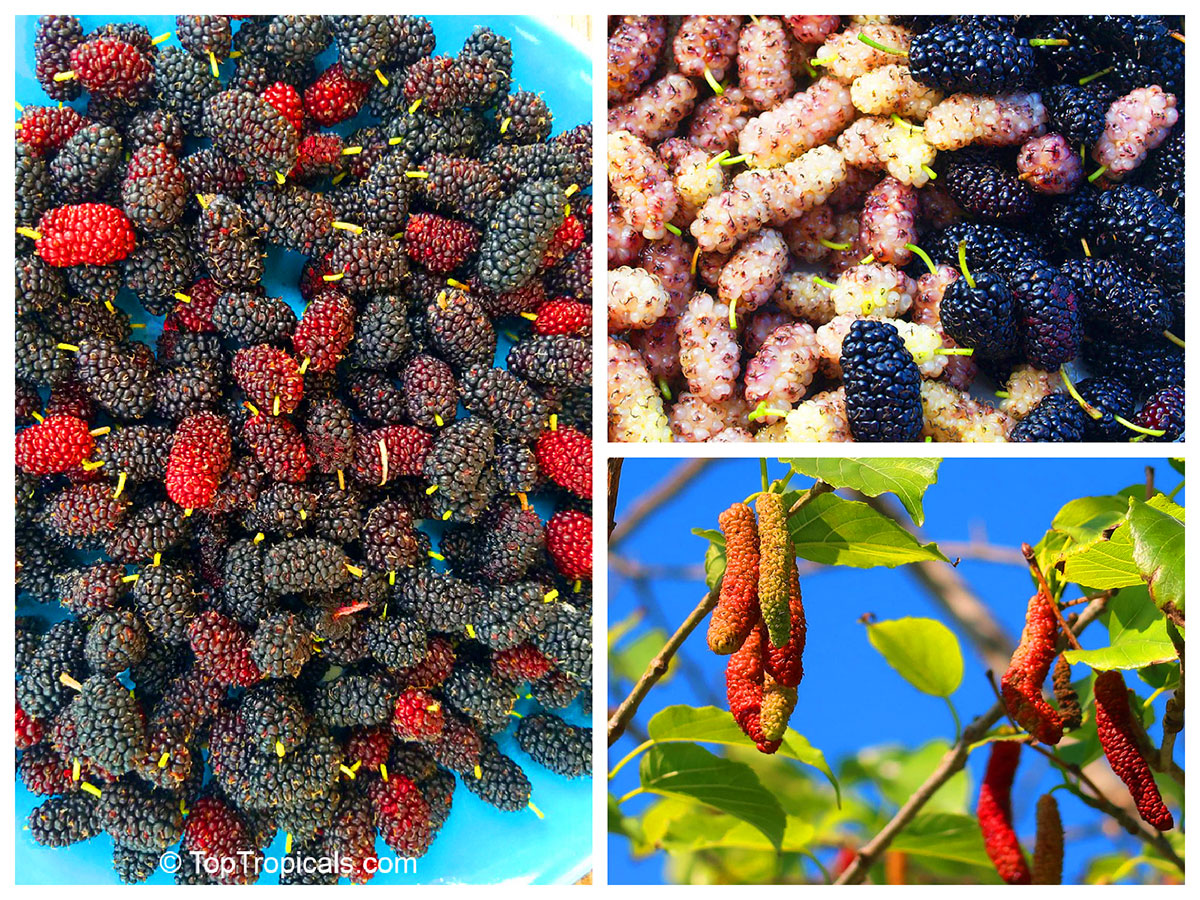
Mulberry is very cold hardy and can grow in wide range of climate zones, from USDA 5 to 10. Everyone knows this sweet, tasty, juicy fruit. The tree will produce right away, you will see fruit the next season after planting, and the tree grows fast.
8. Carambola - Starfruit (Averrhoa carambola)
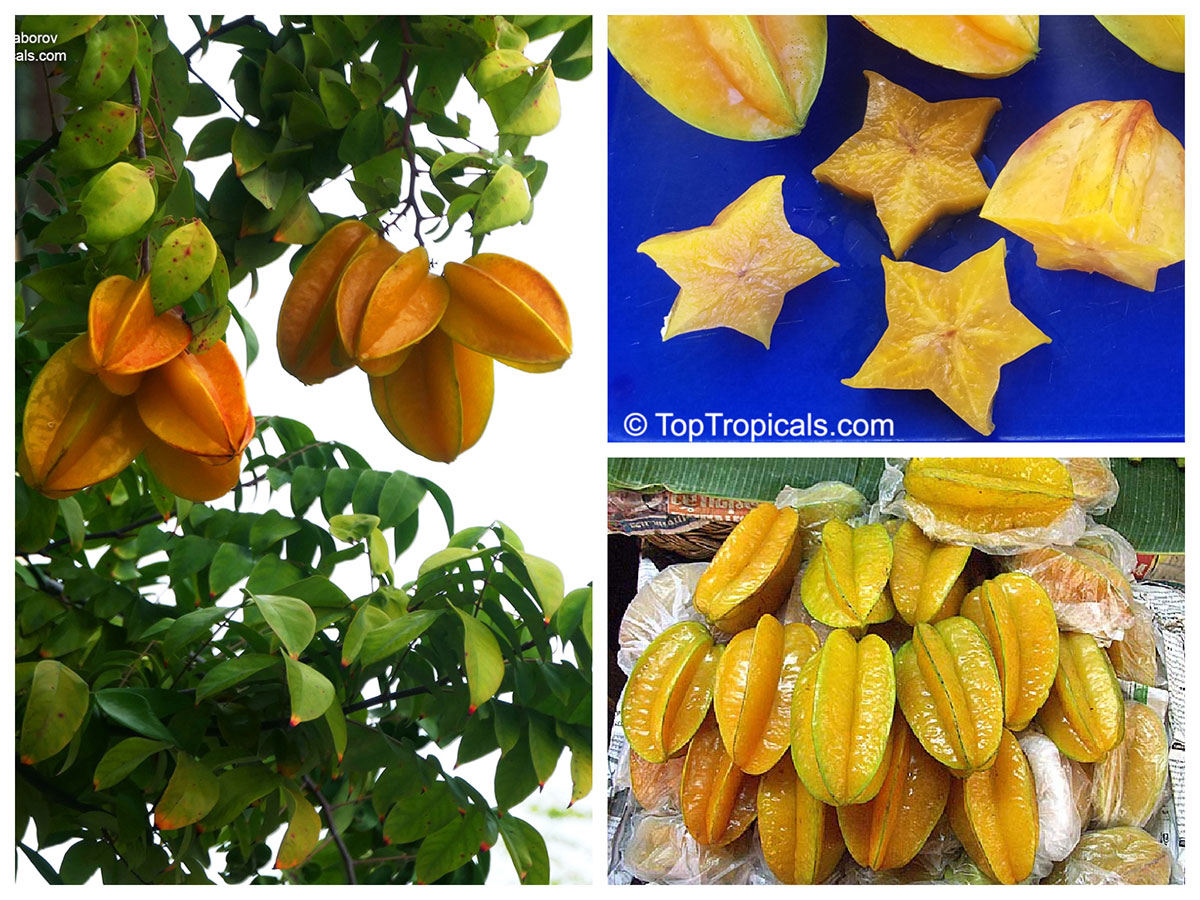
Growing Carambola tree is a fun and rewarding way to enjoy this unique star-shaped delicious fruit right at home. It fruits on the 3d year from seed. The tree is easy to grow and reliable producer, providing wind protection.
9. Blackberry Jam Fruit (Randia formosa)
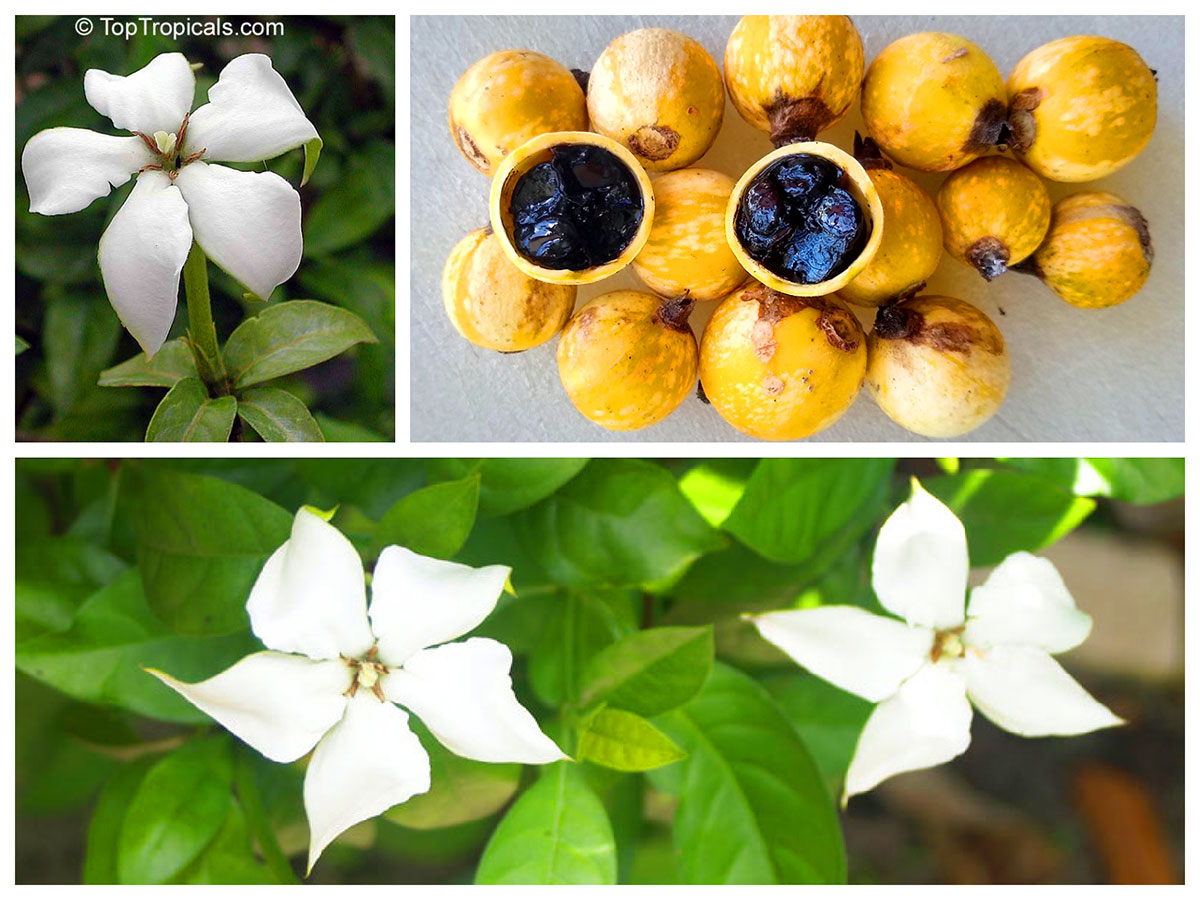
Blackberry Jam Fruit, Jasmin de Rosa is a curious small evergreen tree or bush that combines features of a fragrant flower and delicious dessert fruit which tastes like fresh Blackberry jam. Fragrant white flowers are similar to Gardenia.
10. Peanut Butter Tree (Bunchosia argentea)
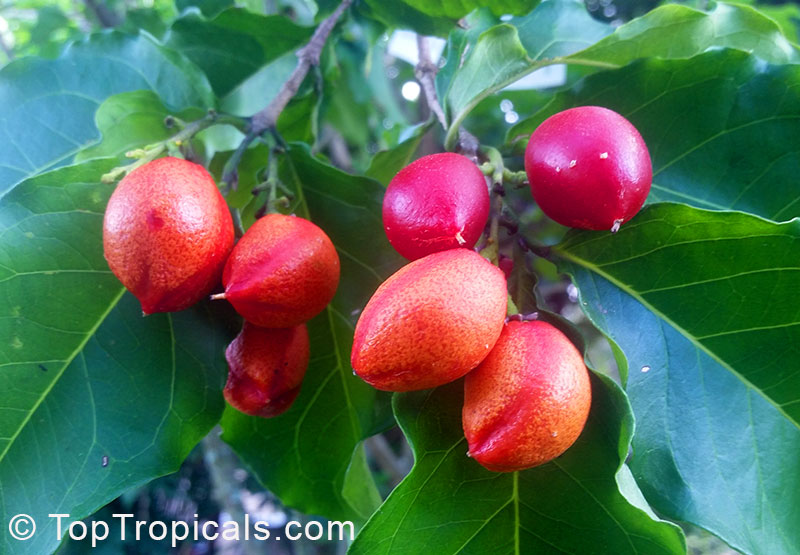
Peanut Butter Tree, earns its name from its fleshy fruits that boast a delightful peanut butter flavor. Compact in size, small tree reaching only 10-15 ft or kept as a bush, it's a perfect choice for limited spaces. Can thrive indoors, starting to fruit within just 2-3 years from seed.