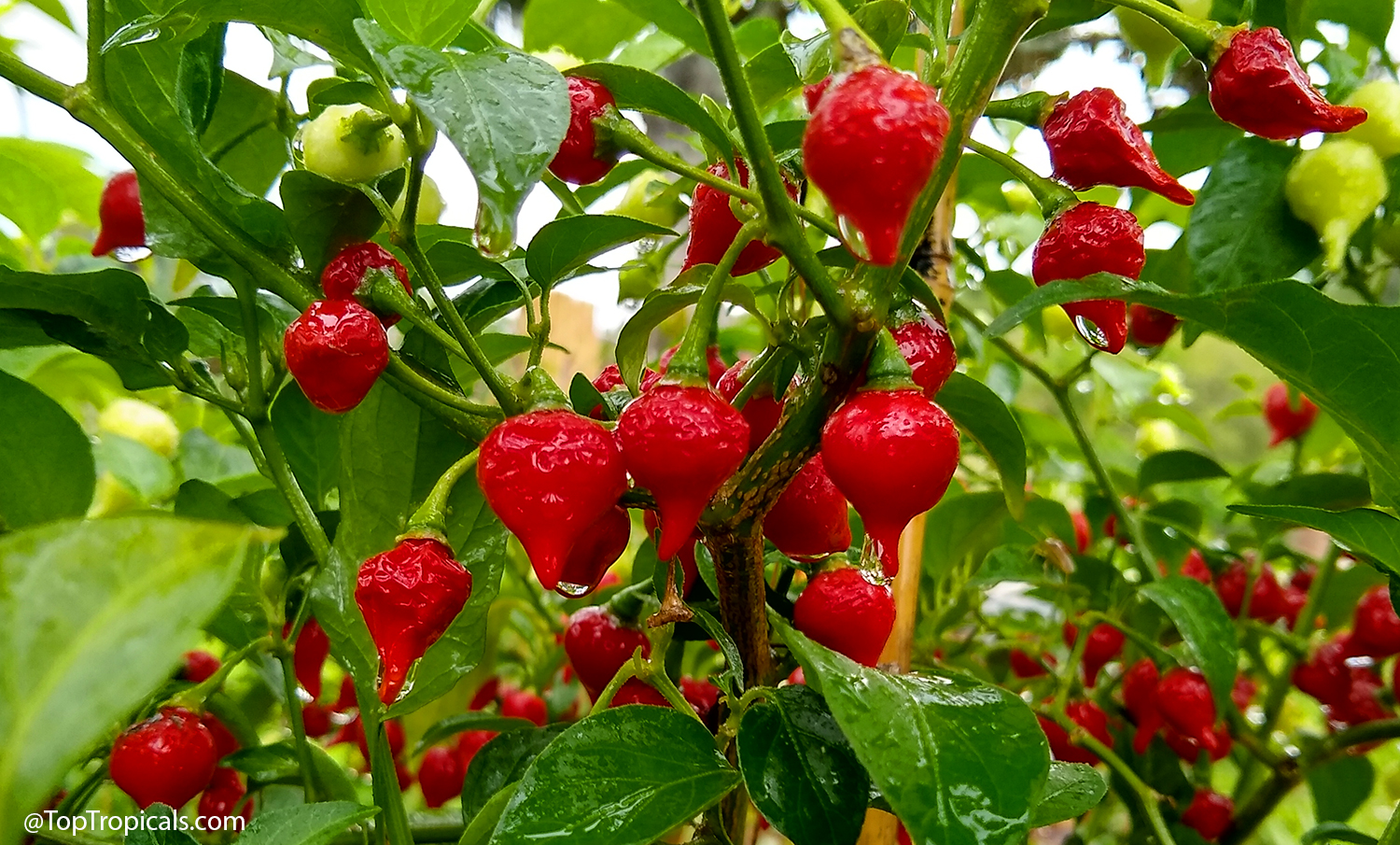
Biquinho
pepper loaded with fruit - small, beak-shaped peppers ripen
from green to bright red, offering intense fruity habanero flavor with
little to no heat on a compact, heavy-producing plant.
Sweet Pepper Plant Facts
Botanical name: Capsicum annuum Also known as: Sweet Pepper, Chilli Pepper, Cayenne Pepper, Paprika, Ornamental pepper
USDA Zone: 4 - 10
Highligths
A lot of plants that thrive in Florida heat have deep roots in Mexico, and
not just as ornamentals. Think coral vine or flame vine climbing a fence in
summer, or bird of paradise
sitting at the edge of a patio like it owns the place. These are not plants
that need coaxing. They grow fast, full, and unapologetically.
Then there are the plants you actually eat: peppers,
prickly
pear, sweetleaf,
and fruit trees like avocado, guava,
and sapodilla.
They do not just decorate the yard. They change how the yard works, and how
the kitchen feels all year.
Avocado Plant Facts
Botanical name: Persea americana, Persea gratissima Also known as: Avocado, Alligator Pear, Aguacate, Abacate
USDA Zone: 9 - 11
Highligths
That is the part that sneaks up on you. Gardening stops being about having a
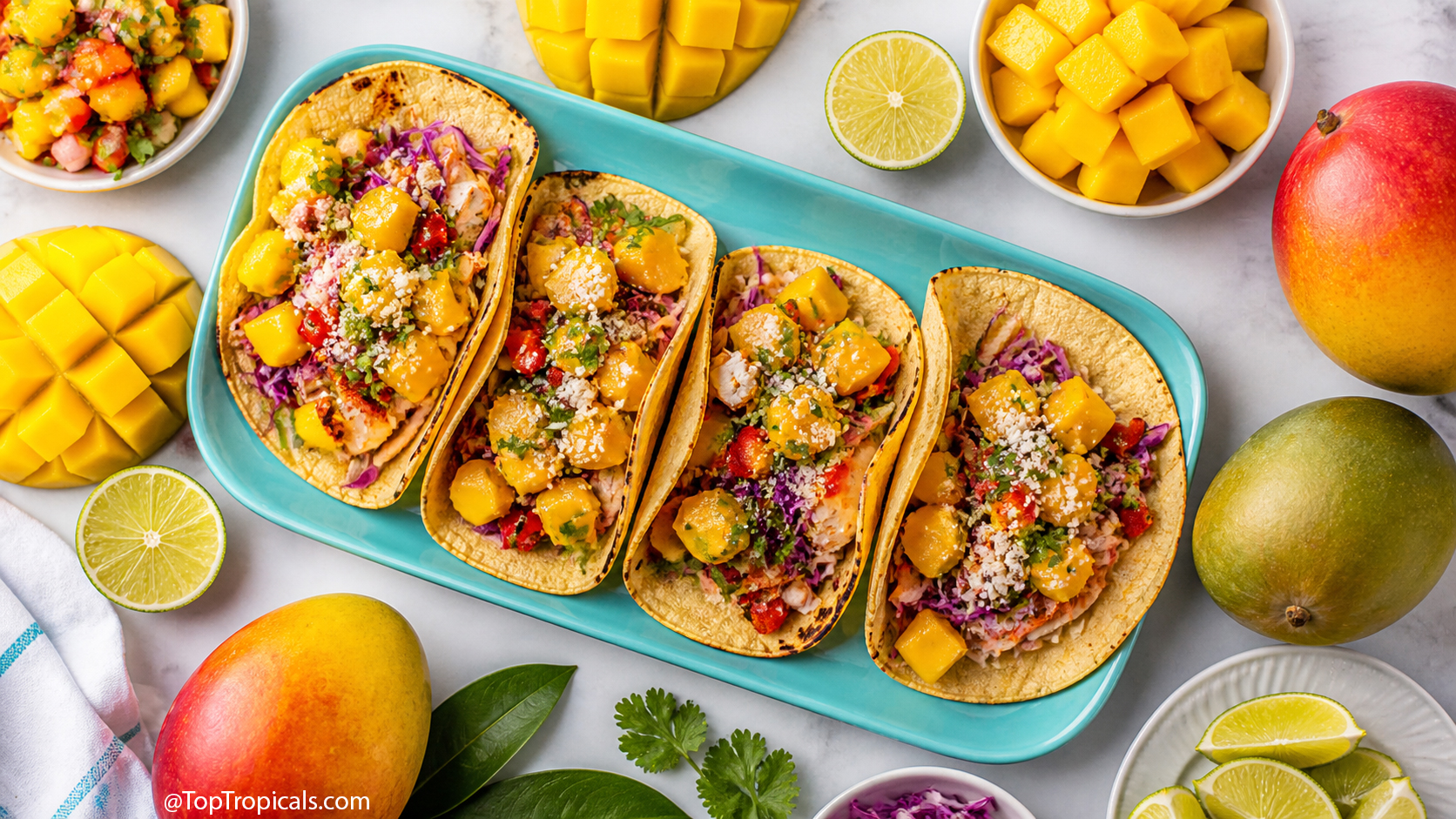
pretty yard and starts becoming a way of living. Mango tacos taste
different when you picked the mango yourself. Everything does.
Mango Plant Facts
Botanical name: Mangifera indica Also known as: Mango
USDA Zone: 9 - 11
Highligths
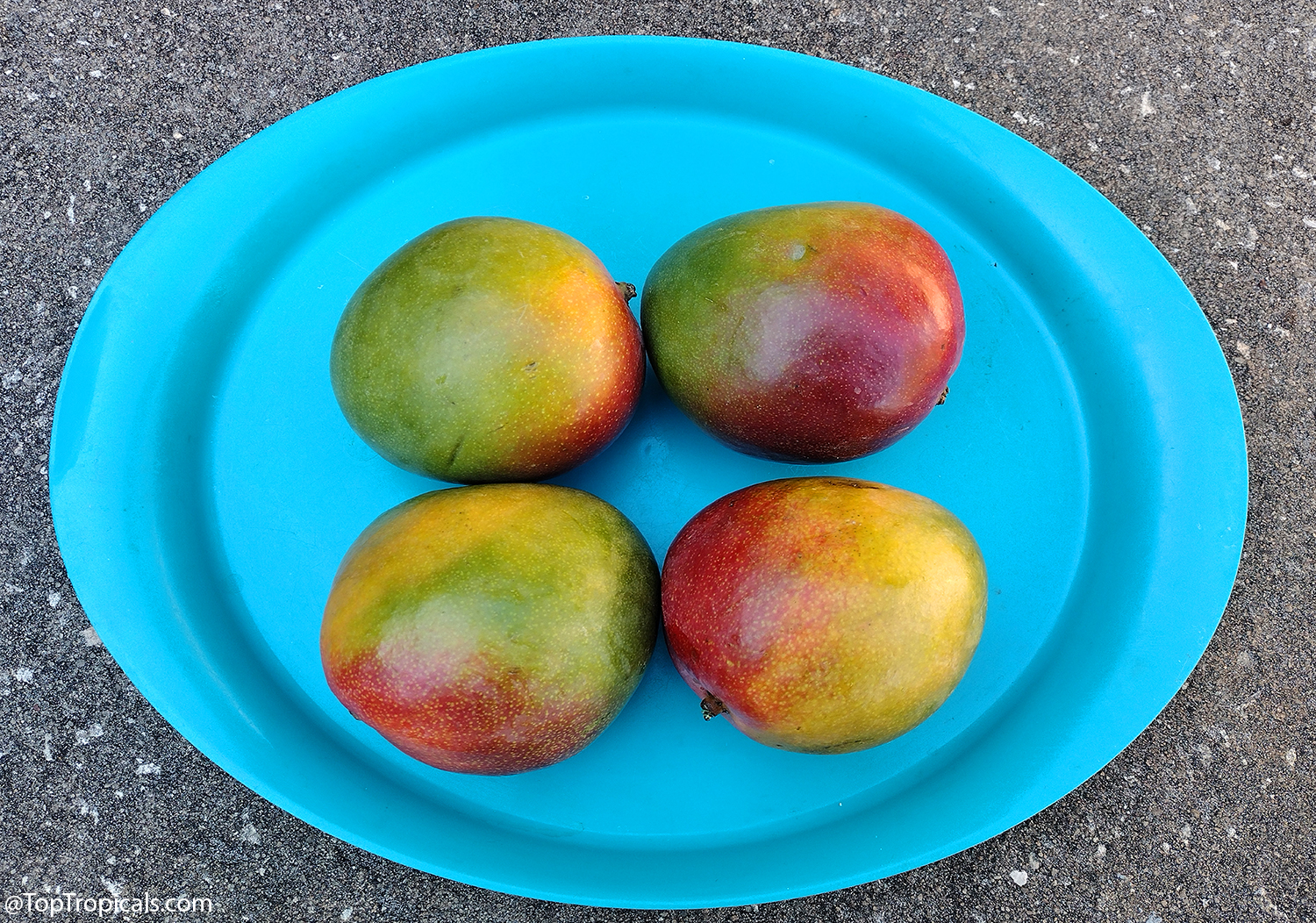
Kent mango - classic late-season variety with smooth,
fiberless flesh and rich, sweet flavor.
🍀Mexican
Plants That Thrive With Minimal Effort
by Tatiana Anderson, Top Tropicals Garden
Expert
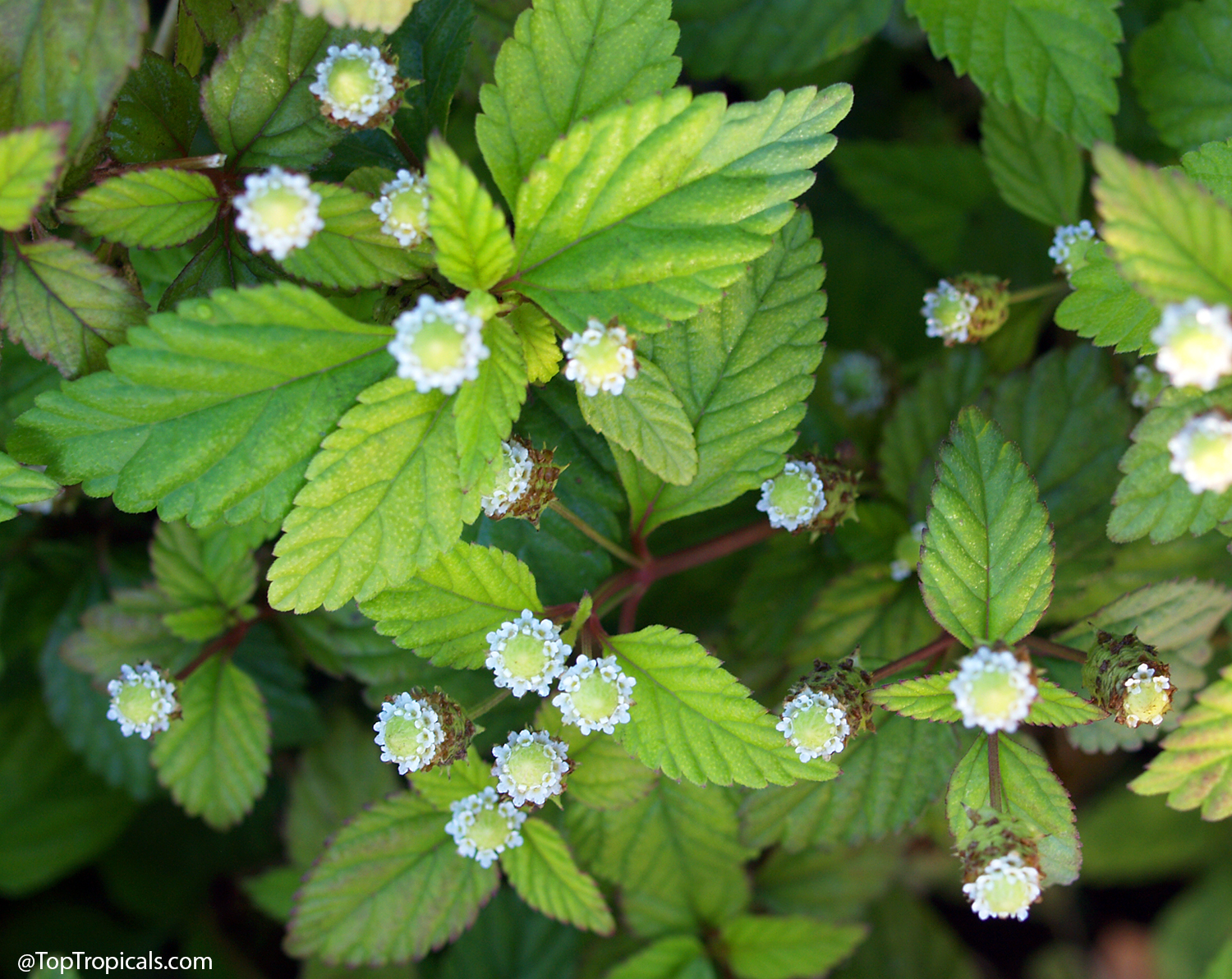
Lippia
dulcis - Aztec Sweet Herb in bloom - a low-growing Mexican herb
with tiny white flowers and remarkably sweet leaves that can be eaten fresh
or added to fruit dishes, traditionally used since Aztec times for coughs
and colds.
Aztec Sweet Herb Plant Facts
Botanical name: Phyla dulcis, Lippia dulcis, Phyla scaberrima, Lippia mexicana Also known as: Aztec Sweet Herb, Sweetleaf
USDA Zone: 9 - 11
Highligths
These Mexican plants are surprisingly easy to grow if you give them what
they expect: sun, heat, and good drainage. Most of them are built for tough
conditions and will grow fast with minimal care once established.
The one rule that matters: fill the planting hole with water. If it does
not drain in 5-10 seconds, plant on a mound or use a container.
Flowering
vines will take off quickly, edibles like peppers and sweetleaf
lippia
are very forgiving, and cactus types prefer to be left alone rather than
overwatered.
For full, step-by-step growing tips and plant-specific advice, read our blog
- we break everything down in practical, real-world terms.
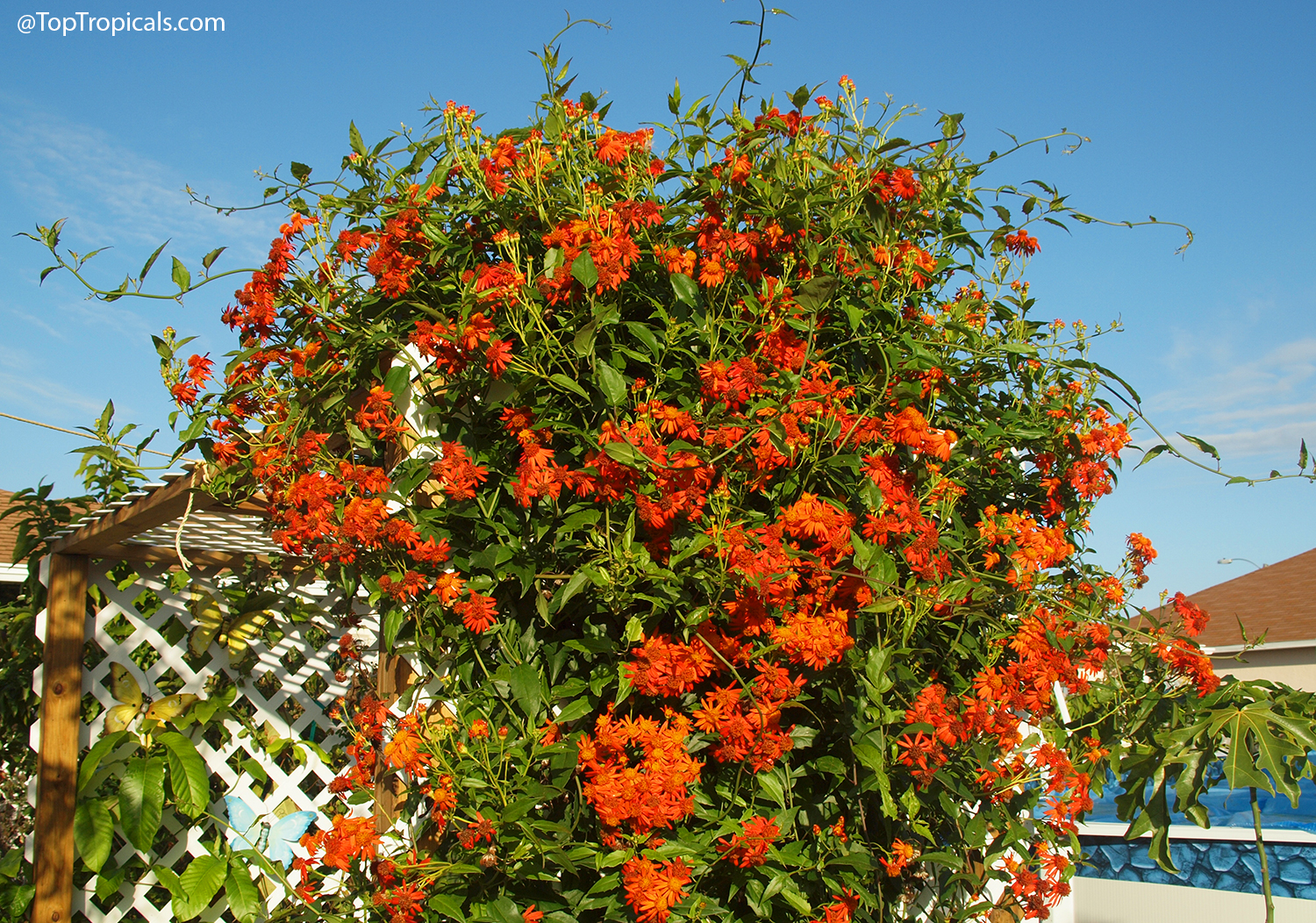
Mexican Flame Vine in full bloom - a fast-growing,
drought-tolerant climber that quickly covers fences with vivid red flowers,
attracting
pollinators and adding bold color with minimal care.
Mexican Flame Vine Plant Facts
Botanical name: Pseudogynoxys chenopodioides, Senecio confusus Also known as: Mexican Flame Vine, Orangeglow Vine
6 easiest fruit trees and 5 spices to grow in containers indoors
Q: This is why I want to move so that I can grow absolutely anything I want from your catalogue. Prefered Puerto Rico. Right now I live in New York and there is absolutely nothing I can grow there.
A: Of course living in Puerto Rico brings more opportunities to grow tropical species. However, you can create your unique tropical paradise even living in New York. We have many customers from up North who successfully grow tropical species (and get them to flower and fruit) in greenhouses, and even indoors.
Here are a few suggestions of tropical fruit trees that adapt well for container/indoor culture - for both beginners and advanced gardeners.
Top 6 fruit trees great for indoors / container culture / beginners 1. Mango (Mangifera indica). Select from one of smaller mango varieties 2. Sugar Apple (Annona squamosa)
3. Guanabana, Soursop (Annona muricata)
4. Miracle Fruit (Synsepalum dulcificum)
5. June Plum (Spondias cytherea)
6. Guava (Psidium guajava)
Don't forget to get some SUNSHINE boosters for your plant collection - for both successful indoor culture and cold protection!
See also our magazine Tropical Treasures) - Pushing the Limits of Tropical Gardening, with list of issues.
Date: 26 Jul 2020
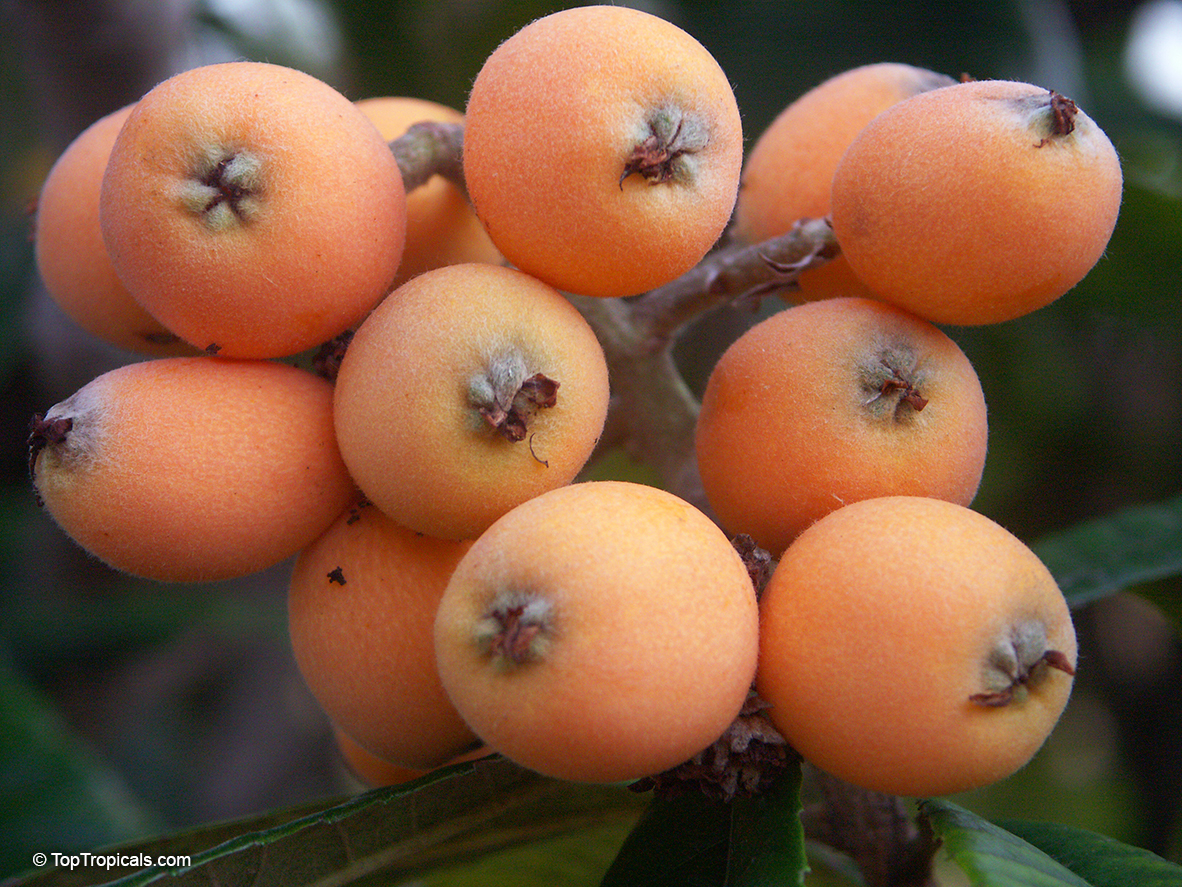
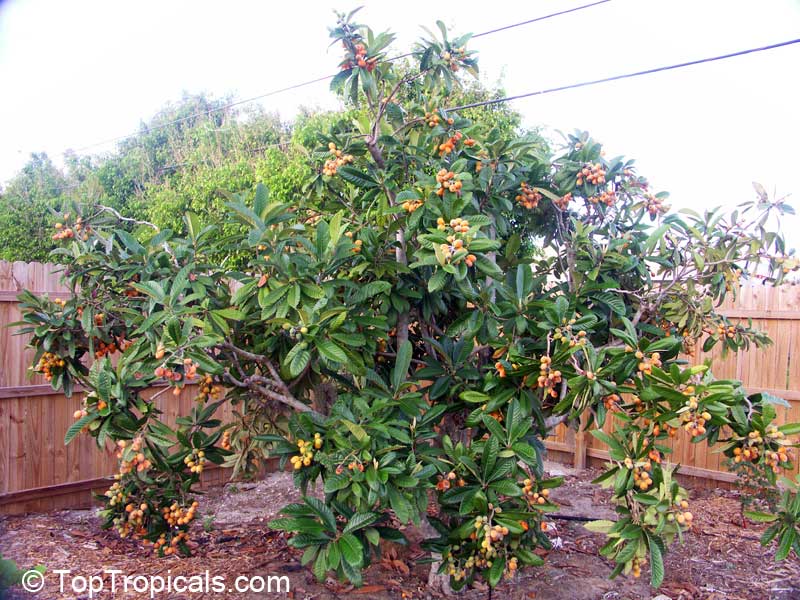
The best grafted Loquat varieties
at 15% OFF for 3 days!
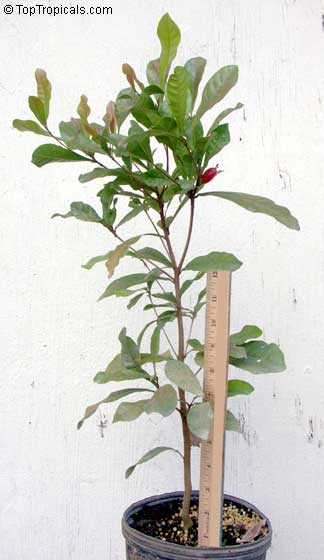
Q: I have a nice Loquat tree started from seed. I understand it will not bear fruit
unless grafted. Can you graft the tree in your nursery? If this is not possible
let me know the cost of Loquat tree and I buy it from your nursery.
A: From our experience, Loquat trees grown from seed bear fruit
much sooner (within 5-6 years) than seedlings of such trees as Mango and
Avocado (8-15 years). Also, unlike Mango and Avocado, the fruit quality of a
Loquat seedling is usually not too bad. However, in order to have a tree with a
superior fruit, it is recommended to plant grafted variety for a guaranteed
tasty crop. If your seedling is already a large plant (with a trunk diameter
over 5 mm), it may be too late to graft it, because quality graft requires fresh
wood.
If you have plenty of room in your yard with enough space for both grafted
tree and a seedling, you may still plant the seedling in the ground and give
it a chance to produce in a few years. If your garden space is limited, we
recommend you to plant a grafted variety and enjoy fruit as soon as the next
year.
- $20% OFF discount code PARENTS2020 for orders over
$200
- 5% automatically off all orders over $100
= make it a steal!
Offer expires 7-28-20
If you are local, stop by our Garden Center and we will pick the biggest
and the best tree for you. Or just order online and get it in just a few
days to your doorstep!
See full list of Loquat varieties available at the moment.
Date: 8 Jul 2020
Grafted fruit trees for Hawaiian gardens
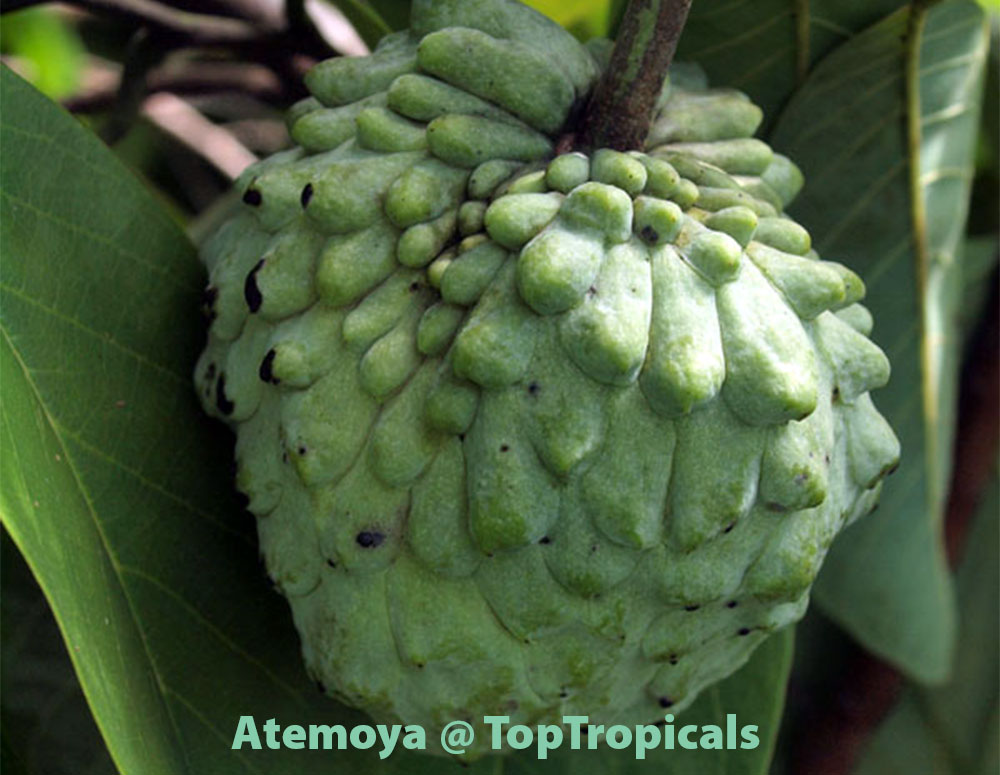
In the photo: Atemoya, one of the Annonas - fruit lover favorites.
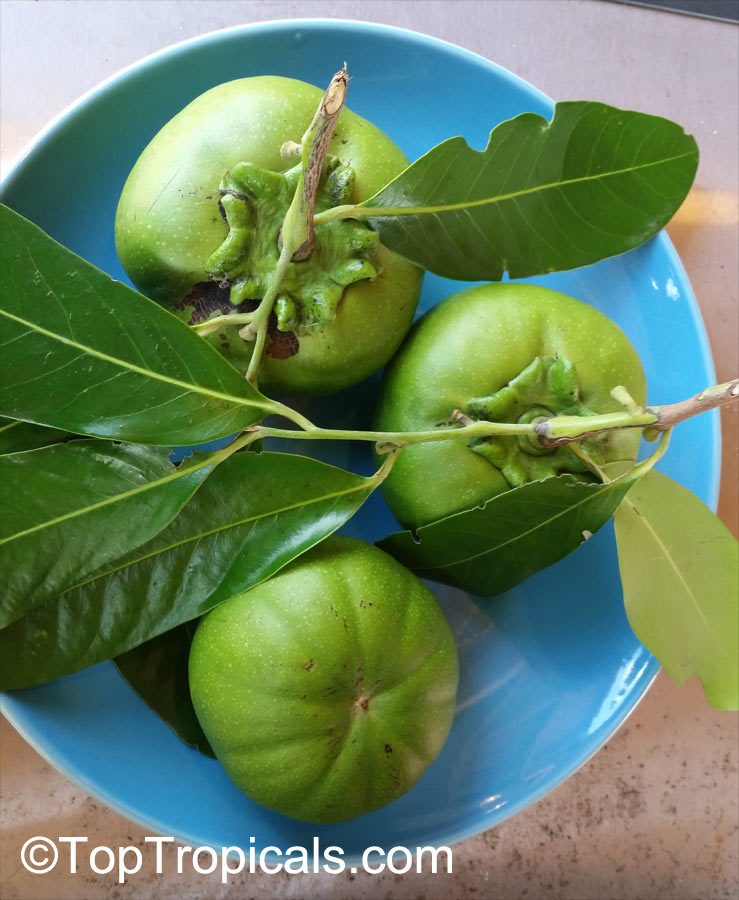
Q: Aloha guys, I purchased a Diospyros digyna - Black Sapote grafted var. Black Beauty from you and
am checking to make sure it will fruit by itself and not need both sexes.
Also checking to see if the grafted atemoya I bought from you will fruit at sea level (where I'm at) or if
I should give it to a friend who is above 1,000 so it will fruit? My grafted
Maimi soursop is thriving! Looking at getting a grafted jackfruit from
you all next.
A:Black sapote Black Beauty does not need a second plant to produce
fruit. Grafted trees should be flowering and setting fruit right away, or
sometimes on the second year. Atemoya does not require high elevation for fruiting. It is a hybrid
Annona squamosa x Annona cherimola (A. cherimola species prefers higher
elevation) so Atemoya is usually is happy at sea level.
Congratulations with your Soursop! It should be really happy in your location.
As for grafted Jackfruits, this is the list of varieties we usually carry. Since many of them are very rare,
they sell out quickly once we get new arrivals. If you are looking for a
specific variety, I strongly recommend to add it to your wishlist (click on "Notify me when available") and you will receive
email from us as soon as we have it in stock, so you will be the first one to
know about it!
Our favorite Jackfruit varieties (and also hot
sellers)
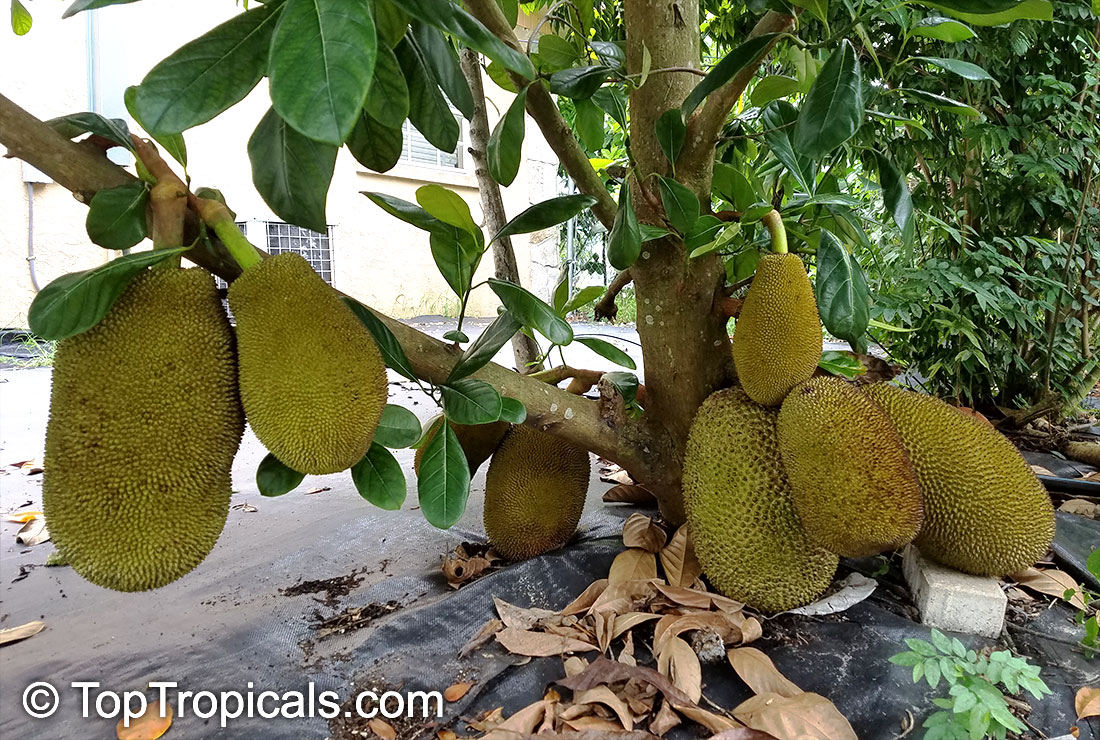
In the photo: Jackfruit at TopTropicals Garden in Ft Myers, FL
Date: 24 Jun 2018
Fruitful Fruit and SuperFood...
Q:
I have a large fruit garden here in Florida with many
mango trees, avocadoes, guavas, and other tropical fruit.
Last year hurricane Irma and flooding killed a few avocado
trees, but mangos and guavas survived OK, but the sad part
is, very few flowers this year and almost no fruit
setting. I noticed on your website your Superfood and
Sunshine-Honey boosters that supposedly help fruiting? But
I am afraid it is too late now as your instructions say
first application must be in early Spring? I wish I
discovered earlier that my trees wouldn't want to fruit
this year...
A:
First of all, it is never late to give the food! You may
start applications of SUNSHINE products at any time
of the year. The best results will be achieved once you
treat your plants on regular basis throughout the whole
year cycle of metabolism.
Couple weeks ago we started harvesting our 2 guava trees.
These two are the same variety (Variegated Honeymoon),
planted within 20 ft from each other and growing in the
same conditions. The only difference was, one was treated
with SUNSHINE-Honey and SUNSHINE-SuperFood, and another
one didn't get any treats in order to have a control
plant.
Results are very interesting, see the picture. Both trees
were heavily covered with fruit. However the one with
treatments developed fruit that is much larger, much
sweeter and juicier, and the most interestingly - with
less seeds, almost no seeds!
To answer your question: yes, you can start feeding your
fruit trees right now. It is still a Springtime. Many
mango varieties have late season; even early varieties may
delay their fruiting if flowering triggered by
miscro-elements. Guavas have very long season and most
varieties can have multiple crops throughout Summer-Fall.
Here is a simple and affordable feeding schedule to
help your fruit garden recover from last year hurricane
stress, and establish reliable production:
1) SUNSHINE-E - for boosting
metabolism - once a month
2) SUNSHINE-Honey - for bringing
sugars to the heart of the tree and boosting fruit
sweetness and quality - now and in 2 weeks
3) SUNSHINE-SuperFood - for
overall health, recovering from hurricane and fixing root
damage from flood - now and every 2 weeks throughout warm
season.
4) You may apply regular balanced fertilizer NPK as
usual (we apply once a month, a handful per in-ground
tree)
It's that simple. Just try and watch your trees produce
again!