Garden Blog - Top Tropicals

Date: 1 Apr 2026

Happy Passover!

Cats Smokey and Sunshine celebrating Passover

Cats Smokey and Sunshine celebrating Passover

Happy Passover!

Sunshine: I fixed the donut problem. And I brought mango.
Smokey: Non-traditional. Compliant. Happy Passover.
  • 🥭 Some traditions stay exactly as they are. Others - adapt. On our patio this Passover, Smokey kept things properly grounded (wine in hand), watching closely as the table filled with familiar symbols. Sunshine, meanwhile, solved a practical problem the only way he knows how: creatively. No leavened donuts allowed? Fine. Matzah donuts it is. And since no celebration should be short on sweetness, a plate of fresh mango quietly found its place at the table.
  • 🥭 That is gardening in a nutshell. You respect the rules, but you work with what grows, what thrives, and what brings joy. A tropical garden teaches the same lesson every day: conditions change, but abundance is always possible if you choose the right plants.
  • 🥭 This season, whether you are planting something new or enjoying the fruits already within reach, take a note from Smokey and Sunshine. Stay within the rules - but do not be afraid to make them work for you.


🛒 Explore Mango varieties · Shop fruit trees

#Mango #Food_Forest

🟢 Join 👉 TopTropicals

Date: 22 Sep 2025

Dragon Fruit Plant Care – Tips from the Garden Expert
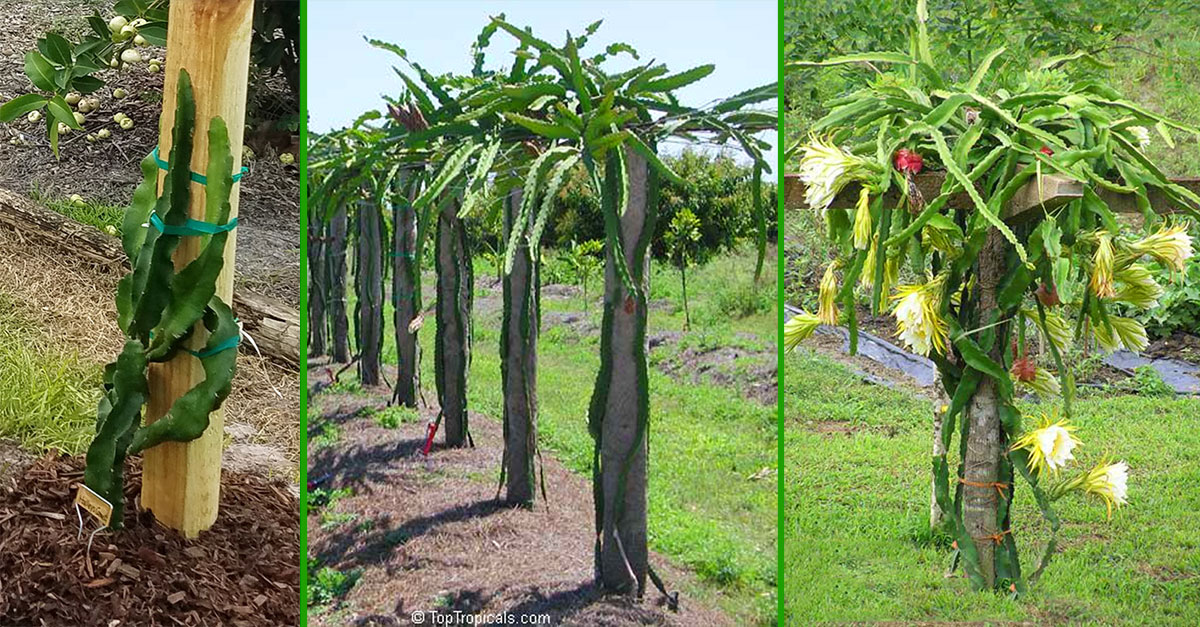
Stages  of  dragon  fruit  pitaya  plant  growth  and  trellis  support 
 system

Dragon fruit is one of those plants that look exotic but are surprisingly easy once you know the basics. Here is what works best in the garden:

  • Soil: They hate wet feet. A sandy, fast-draining soilless-mix is your friend. If water sits around the roots, rot comes fast.
  • Watering: Deep watering is better than frequent sips. Let the soil dry between waterings. In rainy season they cope well, but in pots you need to be careful.
  • Sunlight: Full sun is great, but in very hot places a touch of afternoon shade keeps them happy.
  • Support: They are natural climbers. A wooden post, concrete pole, or trellis will give them something to grab and makes harvest easier.
  • Fertilizer: Feed lightly but often. A gentle liquid like Sunshine C-Cibus liquid booster with every watering, or Green Magic controlled release fertilizer every 5-6 months. It encourages strong roots, lush growth, and lots of flowers.
  • Pruning: Trim off tangled or weak stems. This guides energy into strong branches that will flower and fruit.

Think of it as training a cactus vine into a small tree. Once it settles in, it almost takes care of itself — and pays back with fruit you can’t buy in stores.

🌱 Dragon Fruit Plant Care – Outdoors and Indoors

Outdoors: Dragon fruit thrives in USDA Zones 10–11 year-round. In warm regions like Florida, Texas, California, and Hawaii, you can grow it outside in the ground. Give it fast-draining soil, full sun with a little afternoon shade in the hottest months, and a sturdy trellis or post to climb. Deep watering with drying periods in between keeps roots healthy. A yearly pruning shapes the plant and boosts flowering.

Indoors or Patio Pots: Gardeners in cooler zones can still enjoy dragon fruit in containers. Use a large pot with sandy, well-draining mix or soilless-mix and a pole for support. Place the pot in the brightest spot — a greenhouse, sunroom, or patio that gets 6+ hours of light daily. Move pots inside when temperatures drop below 40F. Even indoors, a healthy plant can bloom and fruit if it has enough light and warmth.

❓ Dragon Fruit FAQ


How soon will a dragon fruit start producing?

Cuttings can flower and fruit in as little as 2–3 years. Seed-grown plants take longer, often 4–6 years. Large developed specimens can start flowering and fruiting within a year or even the same season.

Do I need more than one plant for pollination?

Some varieties are self-fertile, others need a second plant for cross-pollination. Even self-fertile types usually set more fruit with a partner nearby.

How big do they get?

In the ground, dragon fruit can climb 15–20 ft if you let it. With pruning and a trellis, you can keep it shaped like a small tree, 6–8 ft tall.

Can I grow it in a pot?

Yes. A large container with sandy mix or soilless-mix and a pole for climbing works well. Indoors it will need bright light or a grow lamp.

What does a dragon fruit taste like?

Sweet and juicy, like a blend of blackberry and raspberry. Varieties differ: flesh can be white, pink, deep red, or purple, wrapped in skins of red, pink, or yellow. White flesh is mild and refreshing, red flesh is sweeter, and yellow flesh is the sweetest with a honey-pineapple flavor.

What zones can I grow dragon fruit outside?

USDA Zones 10–11 are best for year-round outdoor planting. In cooler areas, grow it in containers and bring inside for winter.

How often should I water?

Deep water, then let the soil dry. Too much water causes root rot. Think “desert cactus with a taste for rain.”

Is dragon fruit easy to grow?

Yes. Pitayas grow like cactus trees on strong supports, but they are easy to care for — little water, sun or semi-shade, and they thrive.

How long do they live?

A healthy dragon fruit cactus can produce for 10 years or more with proper care.

What are the health benefits?

Dragon fruit is high in fiber, supports digestion, and is low in calories. It is rich in antioxidants and vitamin C, making it good for immunity and overall wellness. Many gardeners enjoy it as a healthy snack or in smoothies.

Explore Dragon Fruit varieties

Date: 8 Jul 2024

What is the best Avocado variety? Five most popular Avocado varieties

Avocado Brogdon

Avocado Brogdon

Avocado Hass

Avocado Hass

Avocado Fuerte

Avocado Fuerte

Avocado Oro Negro

Avocado Oro Negro

Avocado Winter Mexican

Avocado Winter Mexican

Five most popular Avocado varieties


"What is the best variety of Avocado?"
"Do you have the one with small black fruit and bumpy skin?"

"I have avocado with very large green fruit, what variety is it?"

These are frequently asked questions we get from our customers. This basic "classification" by black/green doesn't encompass all the wonderful qualities avocados have to offer. There are numerous hybrids in cultivation, and once you plant your first tree and taste the REAL fruit (not from the grocery store), you'll be eager to explore other varieties. While it's true that avocado fruit can vary in "butter" content, most superior varieties are equally delicious.

✅ We will guide you through Avocado varieties like we did with Mango varieties in earlier posts. First comes first -

🏆 The most popular Avocado varieties:


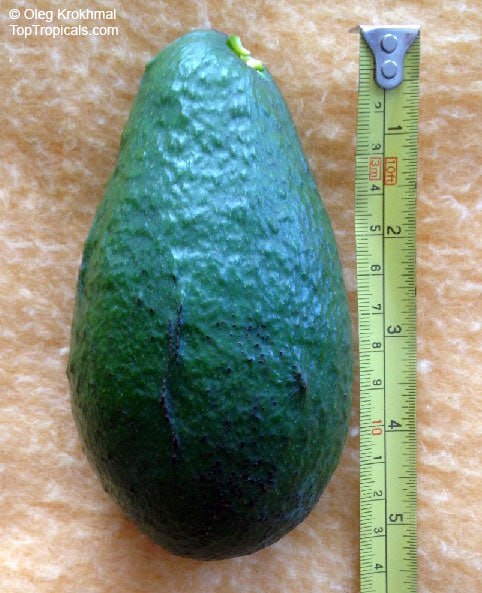
1. Brogdon - red-purple pear-shaped fruit, 7-15 oz. Skin is very thin, yellow buttery flesh. Fruit ripens in late summer-fall. Very cold hardy.

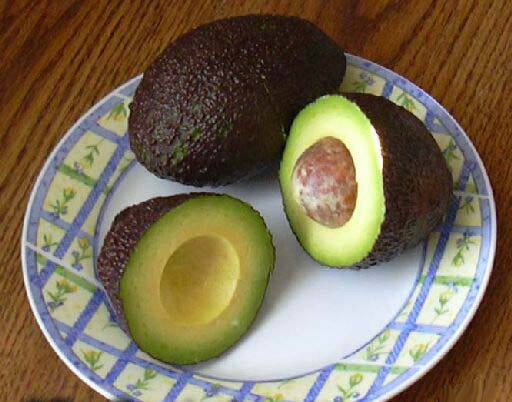
2. Hass - probably the most popular, but this tree prefers drier climate (Florida is humid, so we plant adaptable Florida Hass here). The fruit is dark-colored with a rough and bumpy skin, turns black when ripe.

3. Fuerte - a dwarf and a very cold hardy variety. Everybody's favorite "Condo Avocado": perfect for container culture and small yards. The mature tree in the ground is under 15 ft; 6-7 ft in containers.

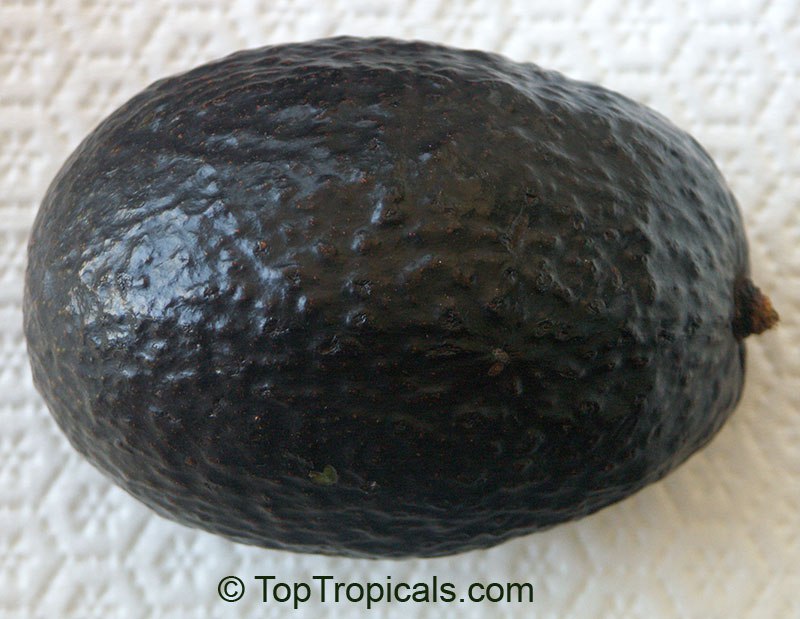
4. Oro Negro - Oro Negro means "black gold" in Spanish, which is an incredibly appropriate name for this fruit. This Monroe hybrid (with big size fruit) is crossed with a Mexican type which would explain the black skin. The flesh is rich and buttery with a creamy texture.

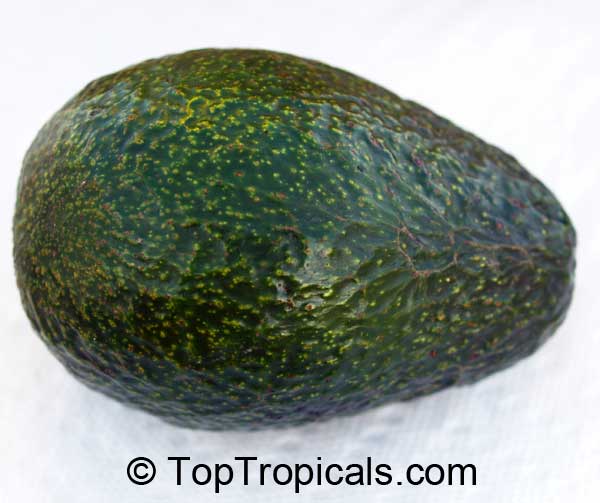
5. Winter Mexican - one of most cold hardy varieties, Guatemalan x Mexican origin. Mature trees may withstand temperatures in the mid 20s. Oblong fruit, 12-18 oz, thick green skin. Very vigorous tree, bears heavily and regularly in December-January.

📚 Learn more: Avocado Variety Guide - check this out for interactive chart of Avocado varieties and sort them by flower type A or B, tree habit, fruit shape and quality, cold hardiness, origin, season and more!

🛒 Shop Avocado Trees

#Food_Forest

🏵 TopTropicals

Date: 30 Sep 2023

Avocado Variety Guide: Snack or Guacamole?
Collector's inspiration

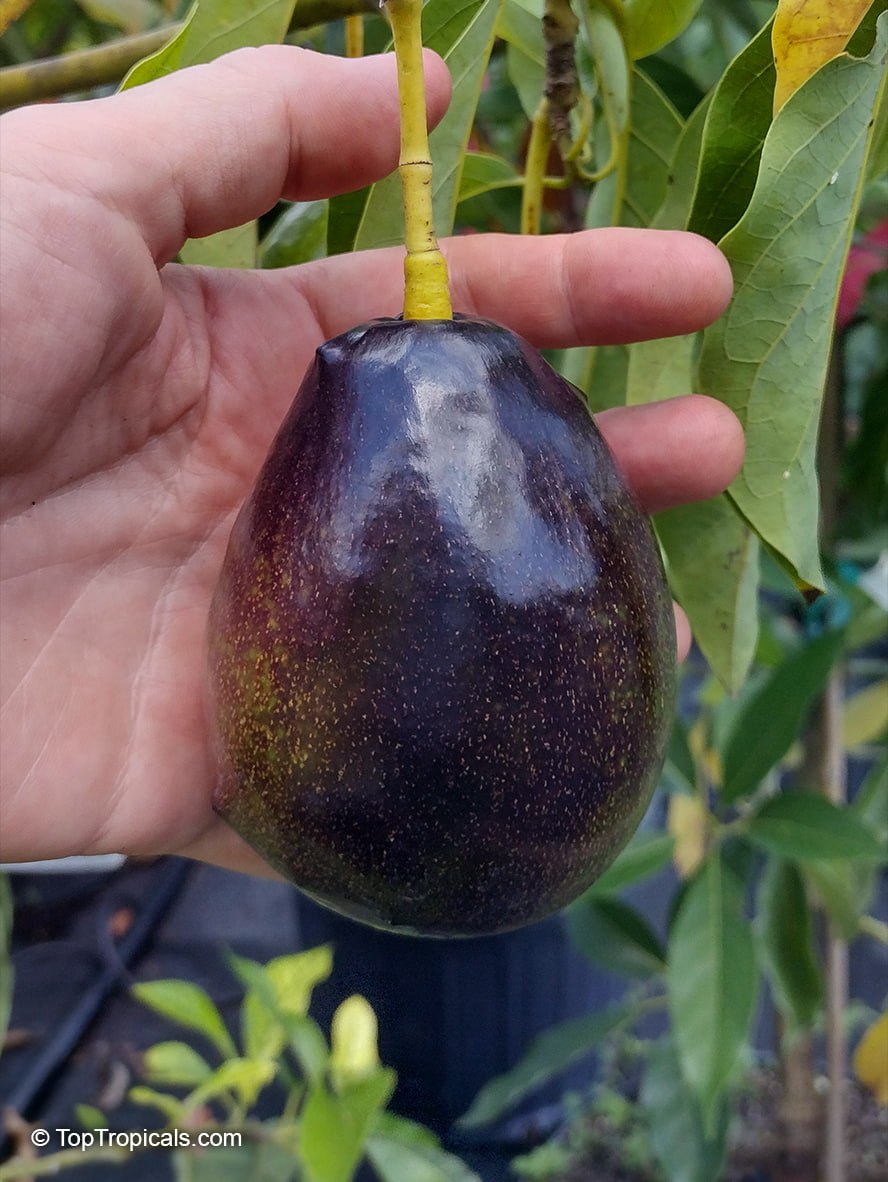
Avocado  Red  Russel

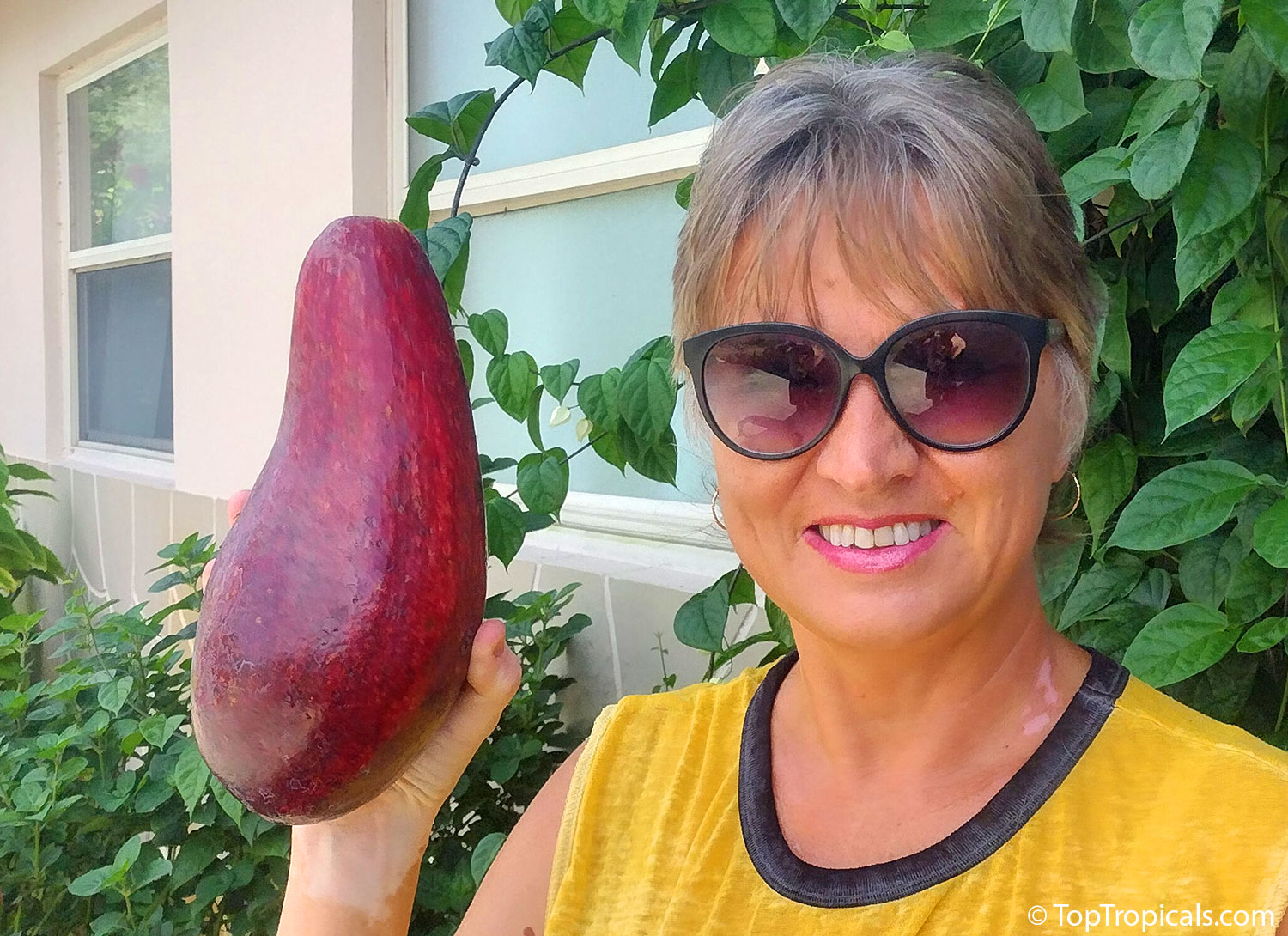
Photo above: It's NOT an egg plant! It's a Red Russell :)

A comprehensive guide to Avocado varieties by: flower type A or B, tree habit, fruit shape and quality, cold hardiness, origin, season and more!

Many gardeners who are eager to purchase their first avocado tree often wonder which variety to choose. Most people are familiar with two primary classifications commonly found in grocery stores: Small & Black or Large & Green.

Frequently, we hear customers ask, "Do you have the one I like, the smaller fruit with bumpy skin? Not that big, tasteless, and watery one!" What they may not realize is that this basic (but practical!) classification doesn't encompass all the wonderful qualities avocados have to offer. There are numerous hybrids in cultivation, and once you plant your first tree and taste the REAL fruit (not from the grocery store), you'll be eager to explore other varieties. It's a guarantee! While it's true that avocado fruit can vary in "butter" content and how "watery" or "buttery" it is, most superior varieties are equally delicious. Or perhaps we should say they are so versatile and distinct in taste that you'll start building your collection of these trees, much like fruit enthusiasts do with mango varieties.

Every garden has unique requirements based on climate, temperature, and property size. These factors must be considered before planning your avocado garden. Additionally, many gardeners may wonder about Type A vs. Type B classifications and whether they need more than one tree to yield fruit. You'll find all this valuable information in our Avocado Variety Guide.

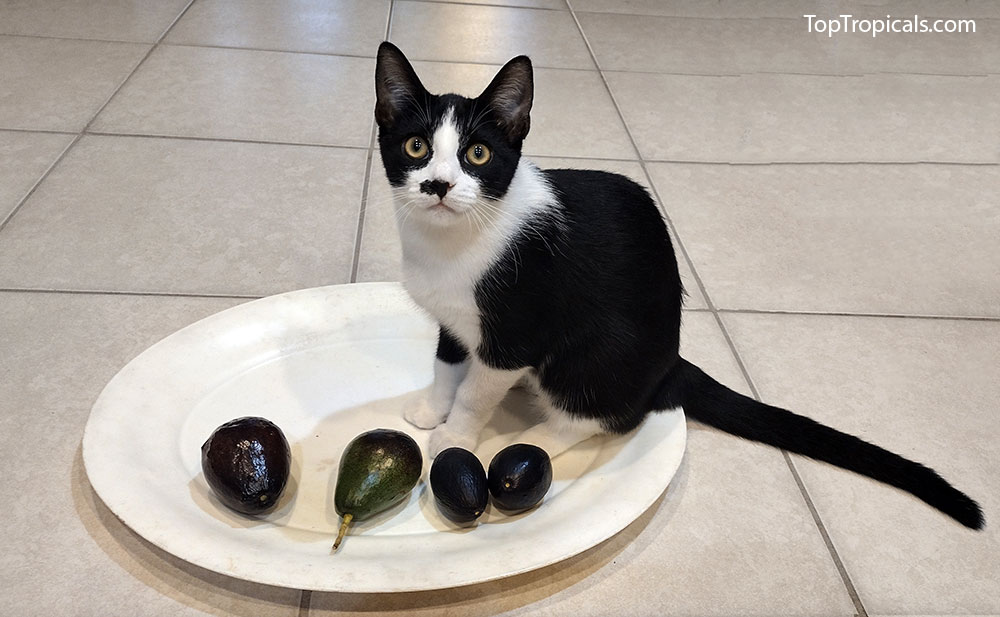
Cat  with  avocados

Basic classifications of avocados

1) By flowering pattern and pollination behavior: Type A and Type B

2) By origin: Mexican, Guatemalan, and West Indian (along with many hybrids)

3) By fruit appearance, texture and taste: Guacamole Avocado ("Smooth skin") and Snack Avocado ("California" or "Hass" type)

4) By growth habit: full size trees, free branching or upright, semi-dwarf low growing, and dwarf ("condo avocados")

5) By cold hardiness: Cold sensitive (requiring frost-free conditions), cold tolerant (able to withstand light frost), and cold hardy (capable of enduring some hard freezes once established)

6) By ripening season: Early or Spring (March-June), Mid or Summer (July-September), and Late or Fall-Winter (October-February).

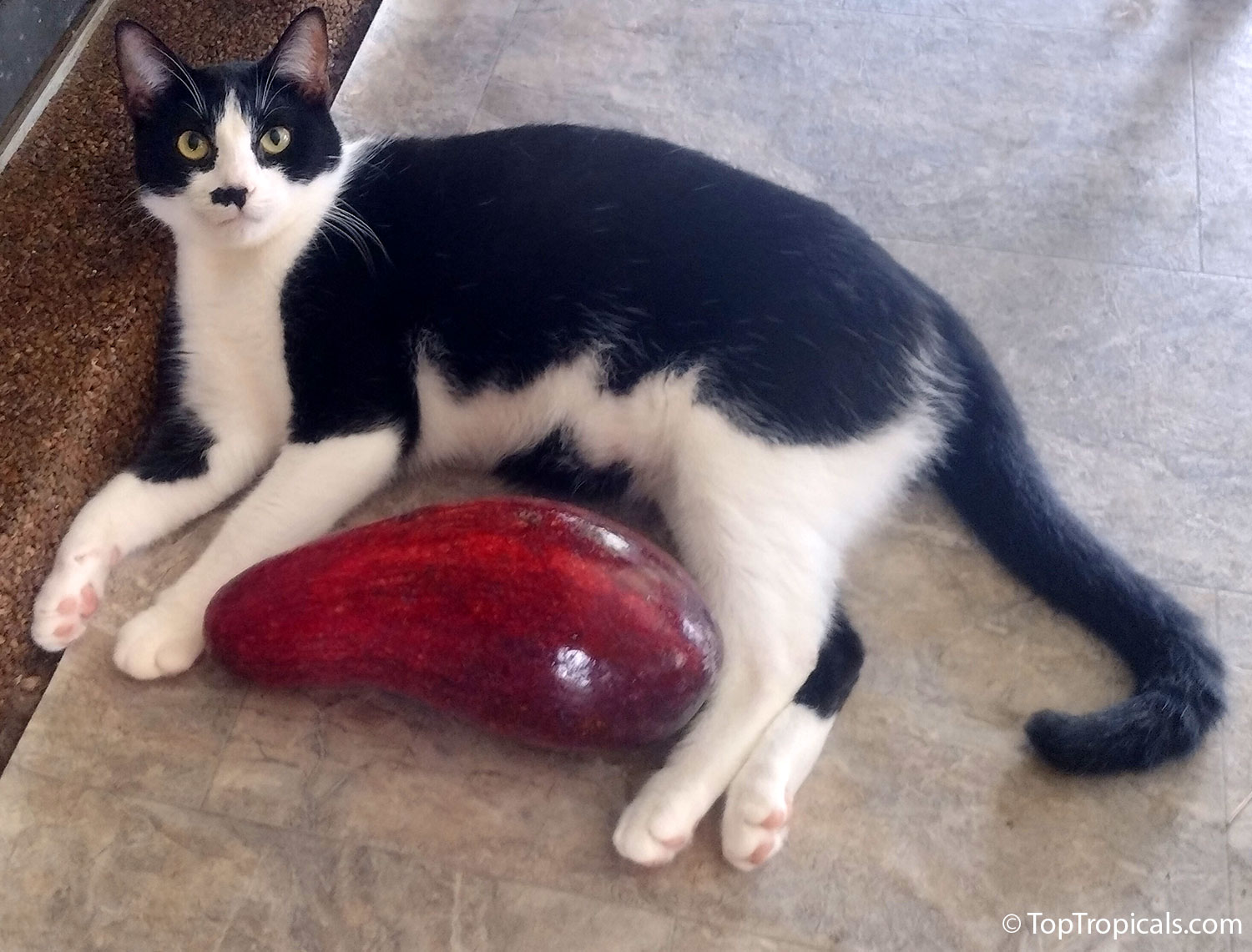
Cat  with  Red  Russel  Avocado

Date: 5 Apr 2025

Go Bananas - up to 20% OFF Banana Trees!

Now through 4/15 - Limited Time Only!

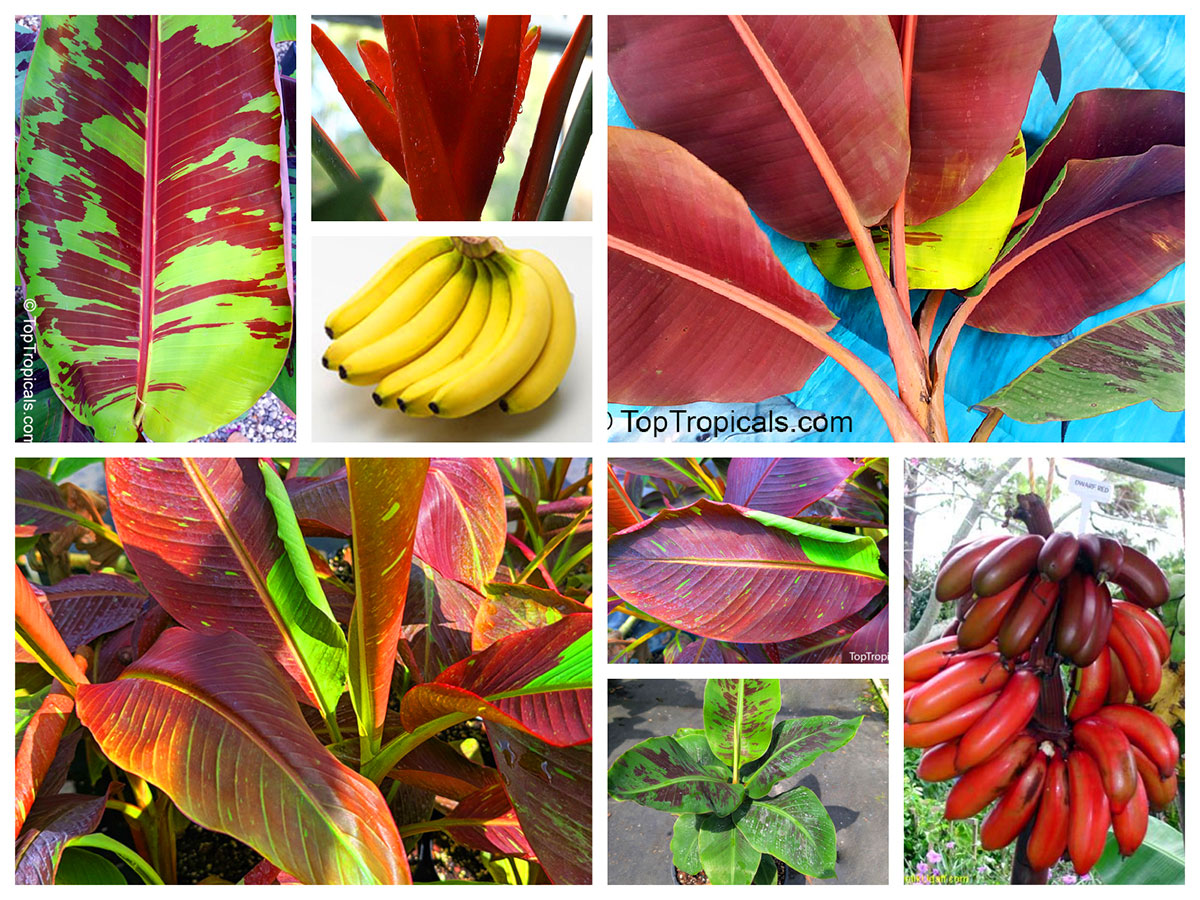
Banana  varieties  collage

Banana Health Benefits

Bananas are a powerhouse of nutrition - rich in potassium for heart health, and packed with vitamins B6 and C to boost energy and immunity. They come from fast-growing, easy-care trees that thrive in warm climates or containers. Whether eaten fresh, blended, or baked, bananas are a naturally sweet and tasty treat you can grow yourself!

Ready to turn your garden into a tropical paradise and grow your own delicious bananas? Now's your chance - use our offer below!

A Banana for Every Space and Taste

At Top Tropicals, we've got over a dozen top banana varieties - from exotic ornamental beauties like Blood Leaf and Siam Ruby to edible showstoppers. Edible varieties range from popular, heavy-producing types like Double Mahoi to rare collector favorites like Ice Cream (Blue Java) - the kind you'll never find at the grocery store. We also carry dwarf varieties that grow just 4 feet tall but still produce full-sized fruit - perfect for containers, patios, and small spaces. Collect them all - edible, ornamental, dwarf, rare - and enjoy the fun, flavor, and beauty of growing your own banana grove.

From Collectors to Beginners - We've Got Your Banana

"Growing bananas is like growing sunshine. They bring energy, beauty, and fruit to your doorstep." - said Dr. Richard Campbell, tropical fruit expert and co-creator of the condo mango concept.

Growing bananas is easy, low-maintenance, and budget-friendly. With Sunshine Boosters plant food, these tropical favorites grow fast and can start producing as soon as next season! Whether you live in the South or up North, in a house or an apartment - you can grow your own bananas in the garden, on a balcony, patio, or lanai and enjoy the taste of the tropics at home.

Special Offer

Get instant 10% off all bananas for 1 week only, plus extra 10% OFF sitewide with code below for qualified orders.

Additional 10% off your entire purchase (including any other plants), saving total of 20% on your Banana trees:

GOBANANAS

Min order $150, excluding S/H. Exp. 4-15-25

Hurry, offer ends April 15th!

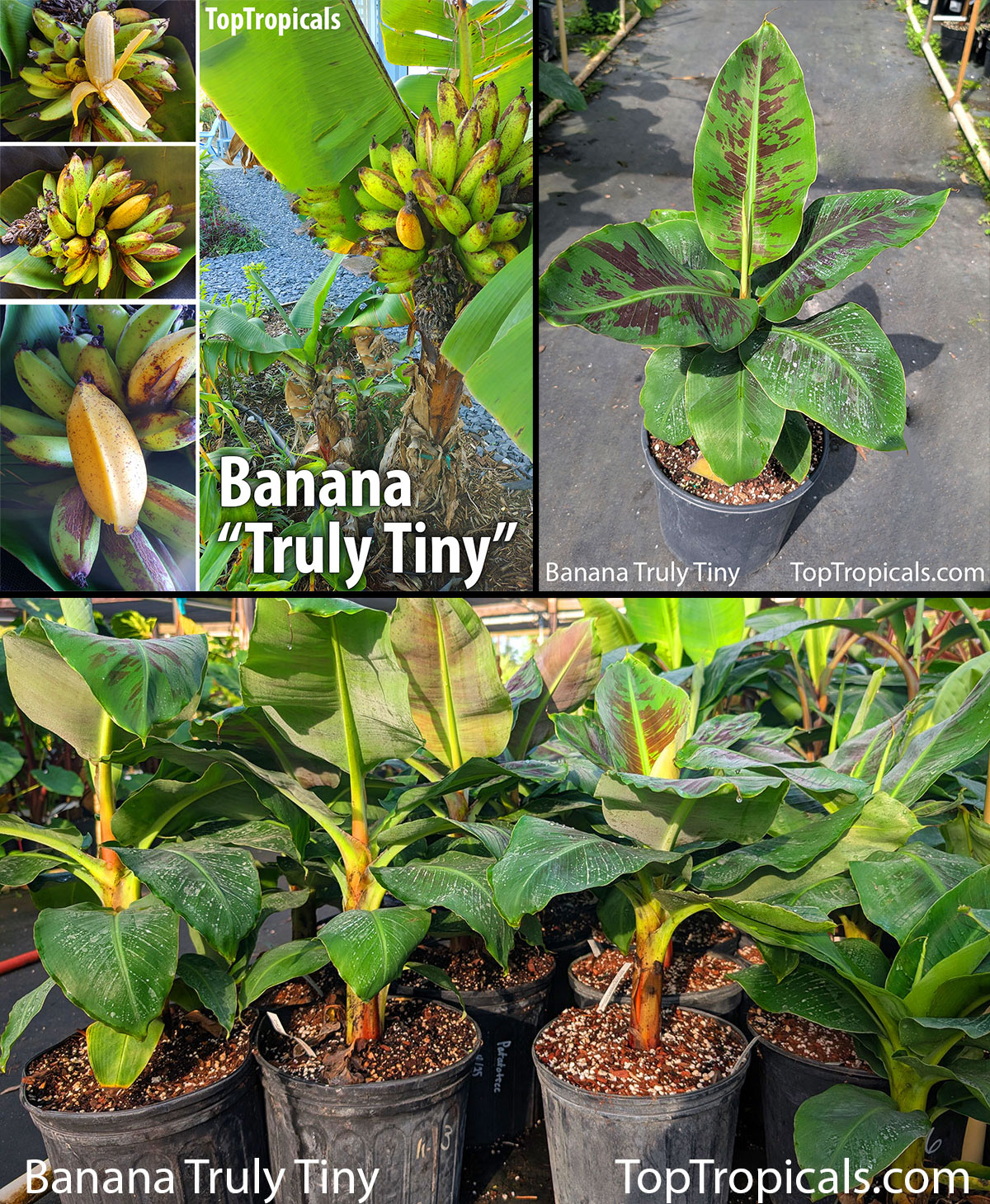
Banana  Truly  Tiny

Learn More About Banana Varieties:

- Top Ornamental Banana Varieties - Which One Belongs in Your Garden?
- Best Edible Bananas to Grow - Sweet, Unique, and Delicious!
- How Many Banana Varieties Can You Grow? (More Than You Think!)

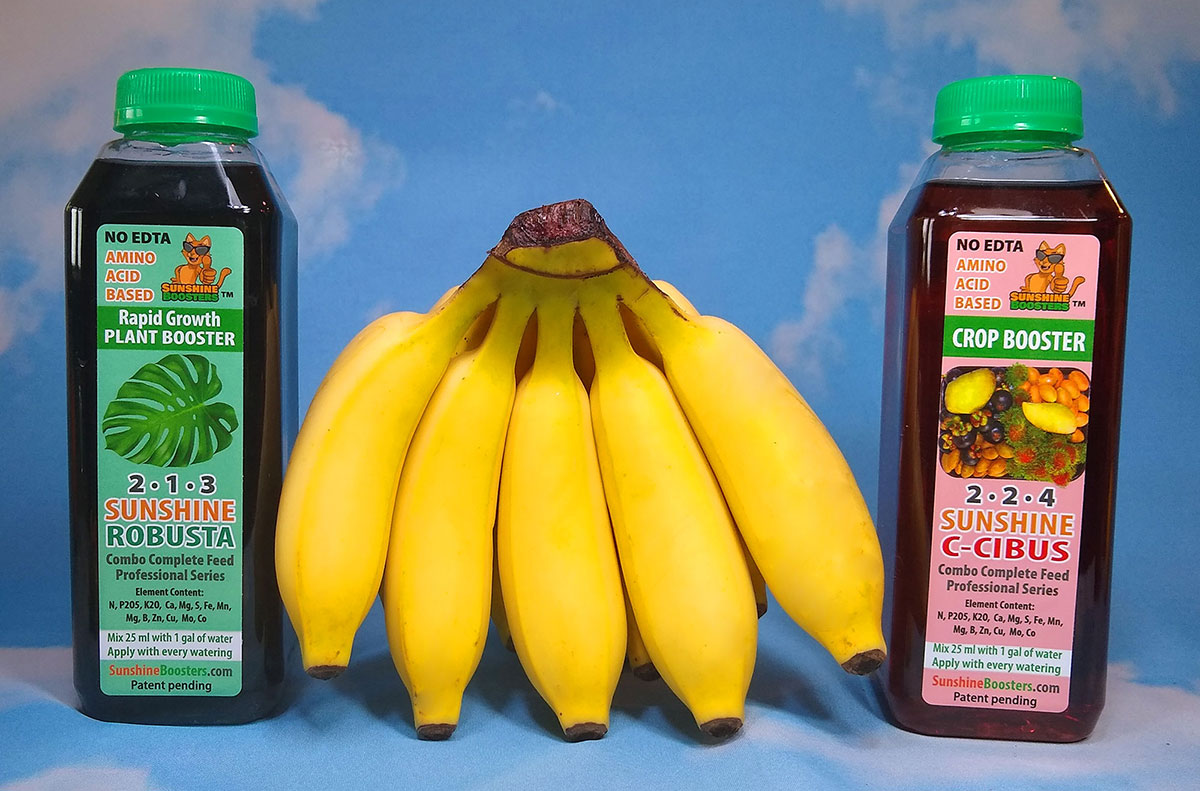
Sunshine  Boosters  fertilizers  for  Banana  trees

In the photo above: Sunshine Boosters are the best fertilizers for ornamental (Sunshine Robusta) and edible bananas (Sunshine C-Cibus).