Garden Blog - Top Tropicals

Date: 18 Sep 2022

The fruit of Heaven:
Phyllanthus acidus - Amlak, Otaheite Gooseberry
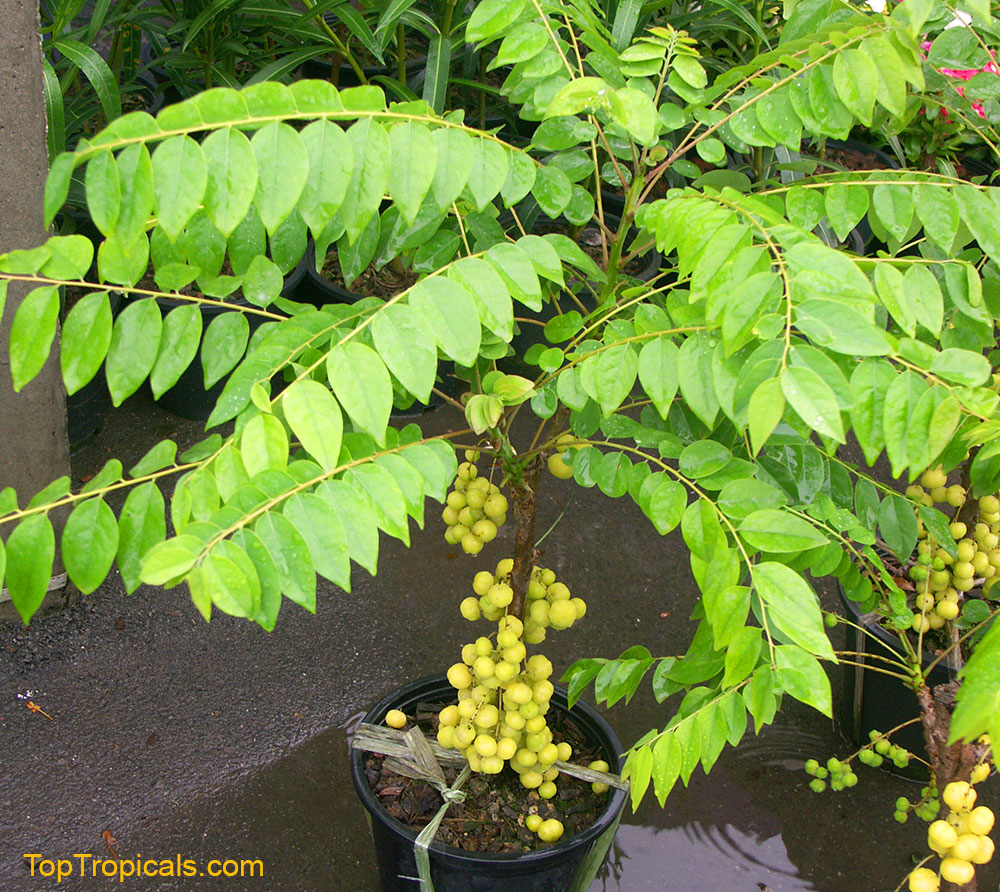
Phyllanthus  acidus  -  Amlak,  Otaheite  Gooseberry  in  a  pot

Grow Your Own Food

This is a fun rare fruit tree to have if you like lemonade and believe in Vitamin C benefits! The tree is super easy to grow, relatively cold hardy and doesn't require any special care. It is a fast growing plant, however the mature tree is only about 20 ft so it will be well suited for any size garden, even container garden. As you can see, it happily fruits in a pot. Bright yellow fruit are beautiful and curious, they always make a conversation piece!

About Otaheite Gooseberry

Otaheite Gooseberry, or Amlak, is a rare tropical fruit tree from SE Asia and India, very close related to Phyllanthus emblica (Amla, Amlaki), however it is much cold hardy than Amla. Known as Amritphala in Sanskrit, which literally means "the fruit of heaven" or "nectar fruit". It is so called because it has many helth benefits. Amlak is one of the favorite fruit of Indian people who definitely know what is good for you! Fruit paste is a major ingredient of Chavyanprash, a popular Ayurvedic tonic. It is the richest source of vitamin C.
Fruits are borne in loose clusters, which hang from the tree trunk and main branches. Fruits are esteemed for jellies, preserves and pastries, and are great for making a delicious lemonade rich in vitamin C. There are no commercial plantings; trees grow only in home gardens.

You need to have one! Or two. We have only limited quantities.
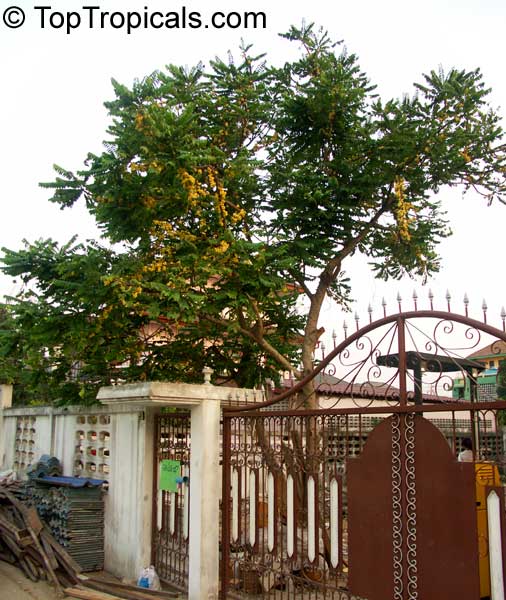
Phyllanthus  acidus  -  Amlak,  Otaheite  Gooseberry,  mature  tree

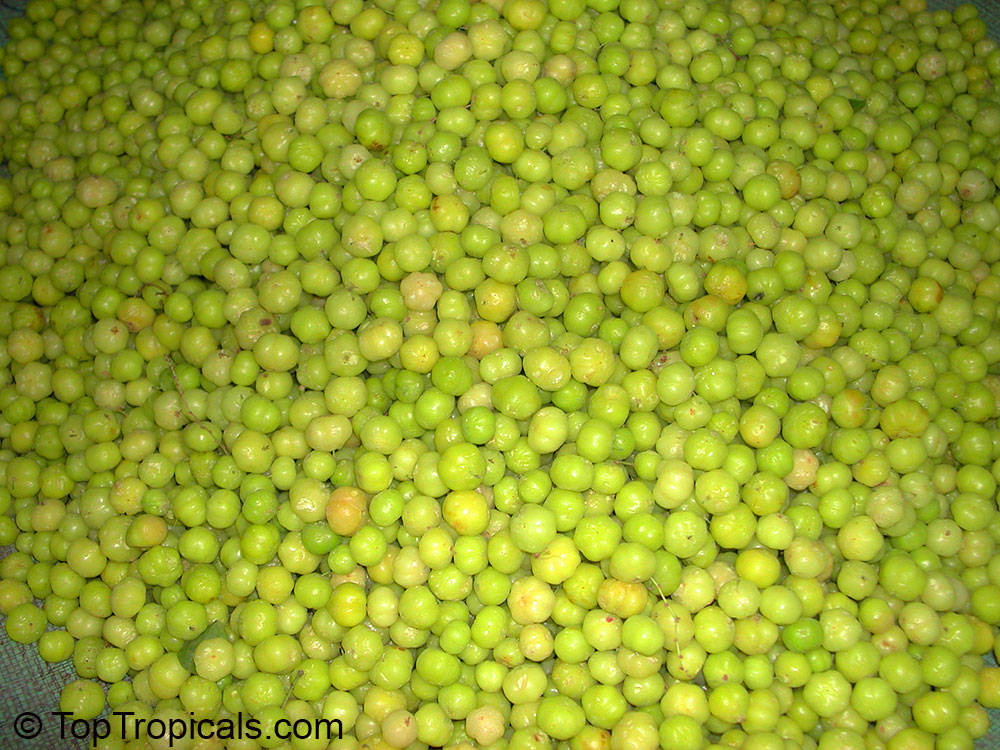
Phyllanthus  acidus  -  Amlak,  Otaheite  Gooseberry,  lot  of  loose  fruit

Date: 29 Aug 2021

Tropical Fruit Collections

September is a great month to plant. The soil is warm and the air is beginning to get cooler which helps to encourage new roots to grow. For much of the Country, September typically brings more opportunity for additional rain and moisture, allowing you to water less. Take advantage of this time of year to establish new plants in your gardens!

Tropical Fruit Starter Collection

Tropical Fruit Starter Collection - 4 plants for price of 2.
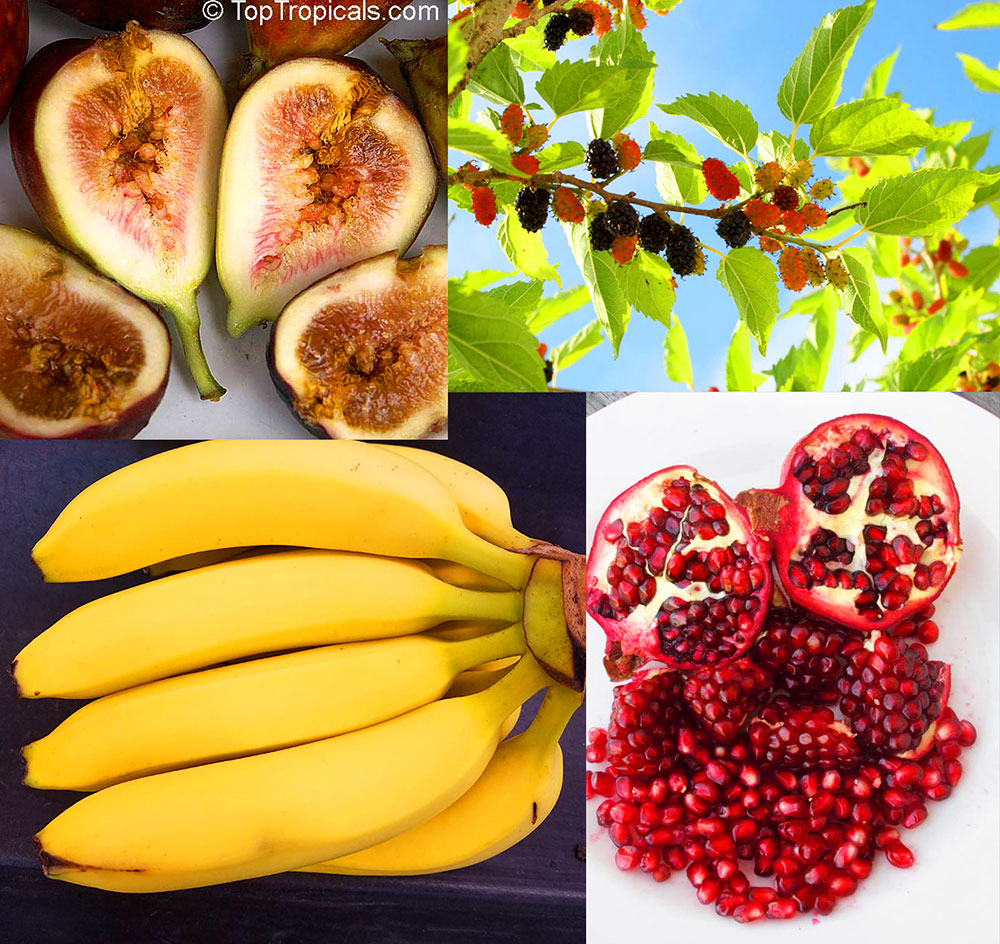
Tropical Fruit Starter set for half price! Rare tropical fruit trees that are easy to grow even for beginners. Start today to get fruit of your labor tomorrow! The Collection includes 1 of each: Fig, Banana, Mulberry, and Pomegranate.
Ficus carica - Fig Brown Turkey
Musa - Banana Double Mahoi
Morus sp. - Mulberry, Dwarf Everbearing
Punica granatum - Pomegranate var. Eversweet

Super Foods Bundle

Super Foods Bundle Collection - 4 plants for price of 2
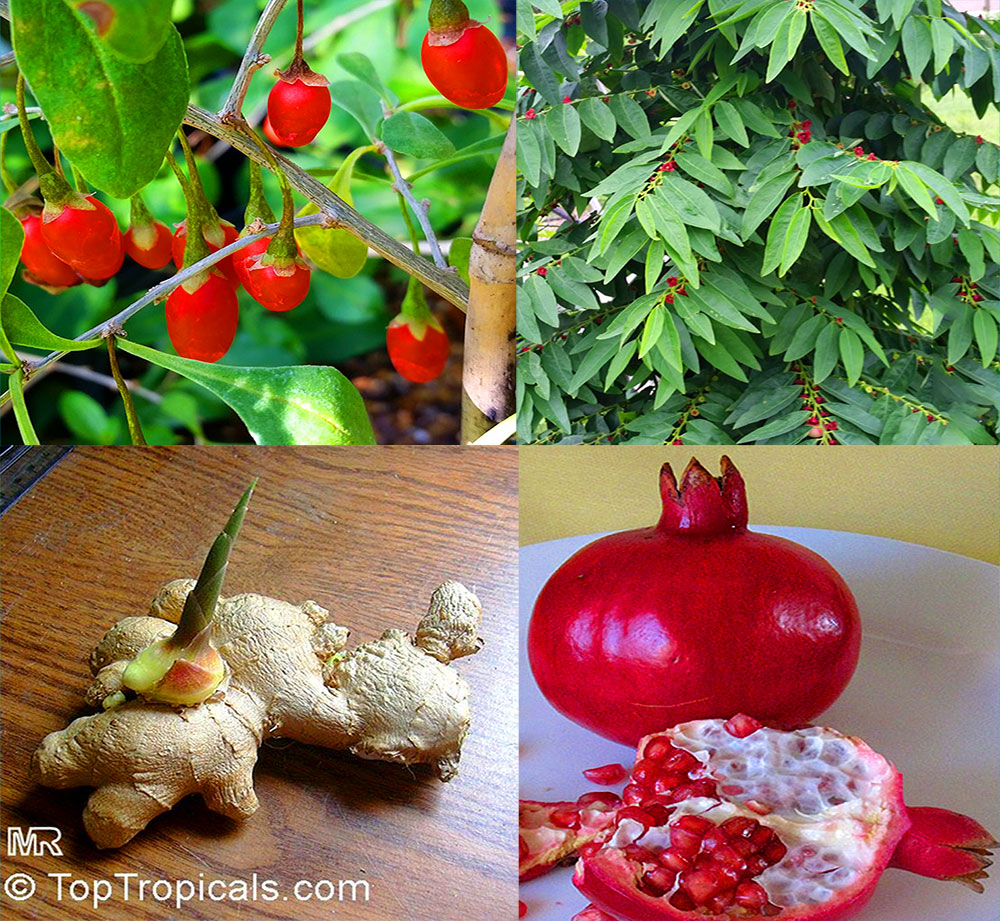
Super Foods Bundle for half price! Get health foods right from your backyard. Start today to get healthy tomorrow! The Collection includes 1 of each: Goji Berry, Spice Ginger, Pomegranate, Tropical Asparagus (Katuk).
Lycium barbarum - Goji Berry
Zingiber officinale - Spice Ginger
Punica granatum - Pomegranate var. Eversweet
Sauropus androgynus - Katuk, Tropical Asparagus

Rare Fruit Collection

Rare Fruit Collection - 4 rare plants for half price.
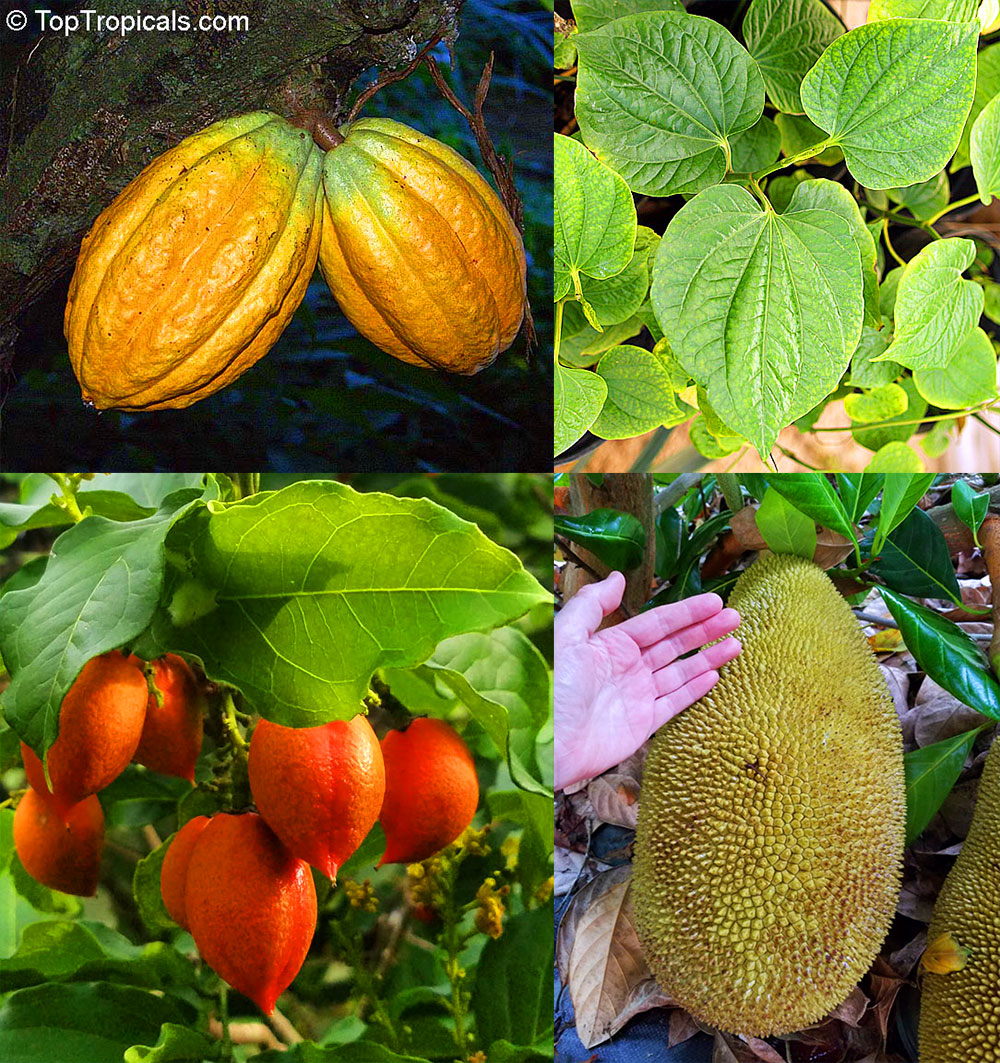
Rare Fruit Set for Real Collectors - for half price! Hard to find, much wanted species all at once at low cost! Limited time offer. The Collection includes 1 of each: Chocolate Tree, Vietnamese Pepper, Peanut Butter Tree, Jackfruit.
Theobroma cacao - Chocolate tree
Piper sarmentosum - Vietnamese Pepper, Lalot
Bunchosia argentea - Peanut Butter Tree
Artocarpus heterophyllus - Jackfruit Super Thai

Date: 25 Jun 2021

Peanut Butter Fruit... tastes like peanut butter!

by Alex Butova, the Witch of Herbs and Cats

...One of the most fascinating exotic fruit, as amazing as Miracle fruit, Peanut Butter Fruit is loved by both kids and adults... and yes, it tastes exactly like peanut butter!.. Yet it is much healthier food, with many medicinal benefits...
...The easy, low-maintenance Peanut Butter Fruit tree is essential for any edible landscape, rare fruit collector, or tropical/subtropical garden. It has a great ornamental or screening value. Also can be grown in container, and will fruit indoors... Similar to fast-fruiting Annonas, and its close relatives Malpighia (Barbados Cherry) and Bursonima (Nancy Tree), Bunchosia tree starts fruiting in small size and at young age: 2-3 years from seed!..

CONTINUE READING >>

Date: 29 Jul 2019

When to fertilize and prune tropical fruit trees?

Q: Can tropical fruit trees (Soursop, Mango, Star fruit, etc) be given plant food any time of year? Also can they be trimmed this time of year/summer?

A: True tropical plants (including fruit trees) need plant food most of the year in real Tropics, where temperatures have very little fluctuations, and active growth season is close to 12 months a year. In subtropical areas when temperatures in winter drop below 65F, plant metabolism slows down, so it is recommended to fertilize only during the warmest period (March through November). So yes, Summer is the perfect time for fertilizing your trees; their metabolism is at the highest point and they can use more food!

Trim your fruit trees right after harvesting. Obviously, you don't want to prune branches before or during flowering or fruiting. The specific time of the year for pruning depends on the plant - every tree has its own flowering/fruiting season. However, avoid pruning right before winter: young shoots promoted by pruning are tender and can be cold damaged.

Recommended fertilizers for fruit trees:

Fruit Festival Plant Food - Super Crop Booster
Mango-Food - Smart Release Fruit Tree Booster
SUNSHINE-Honey - for sweeter fruit
SUNSHINE SuperFood - microelement supplement

Date: 2 Mar 2026

Beyond fruit: how this African tree supports wildlife and garden health

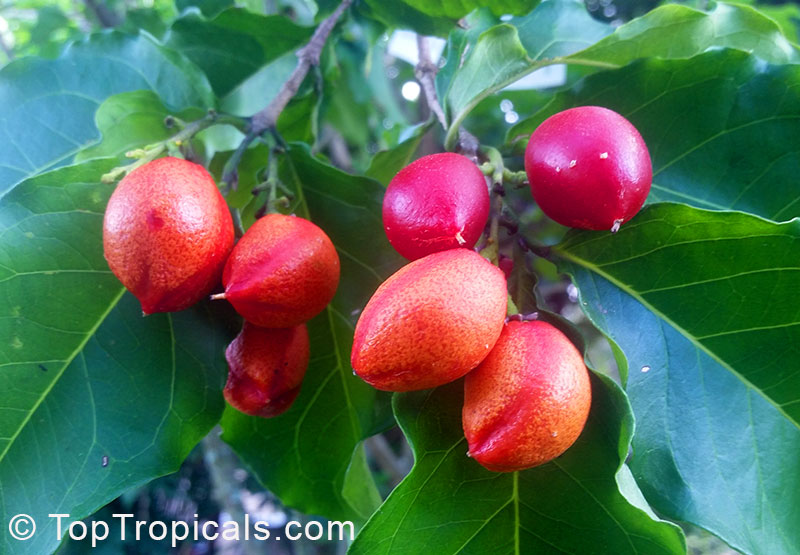
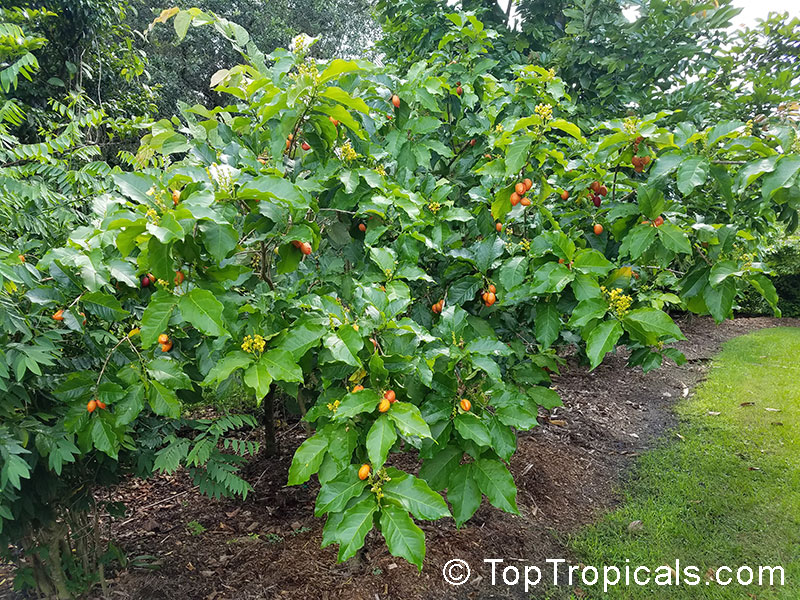
Vangueria infausta - Spanish Tamarind

Vangueria infausta - Spanish Tamarind

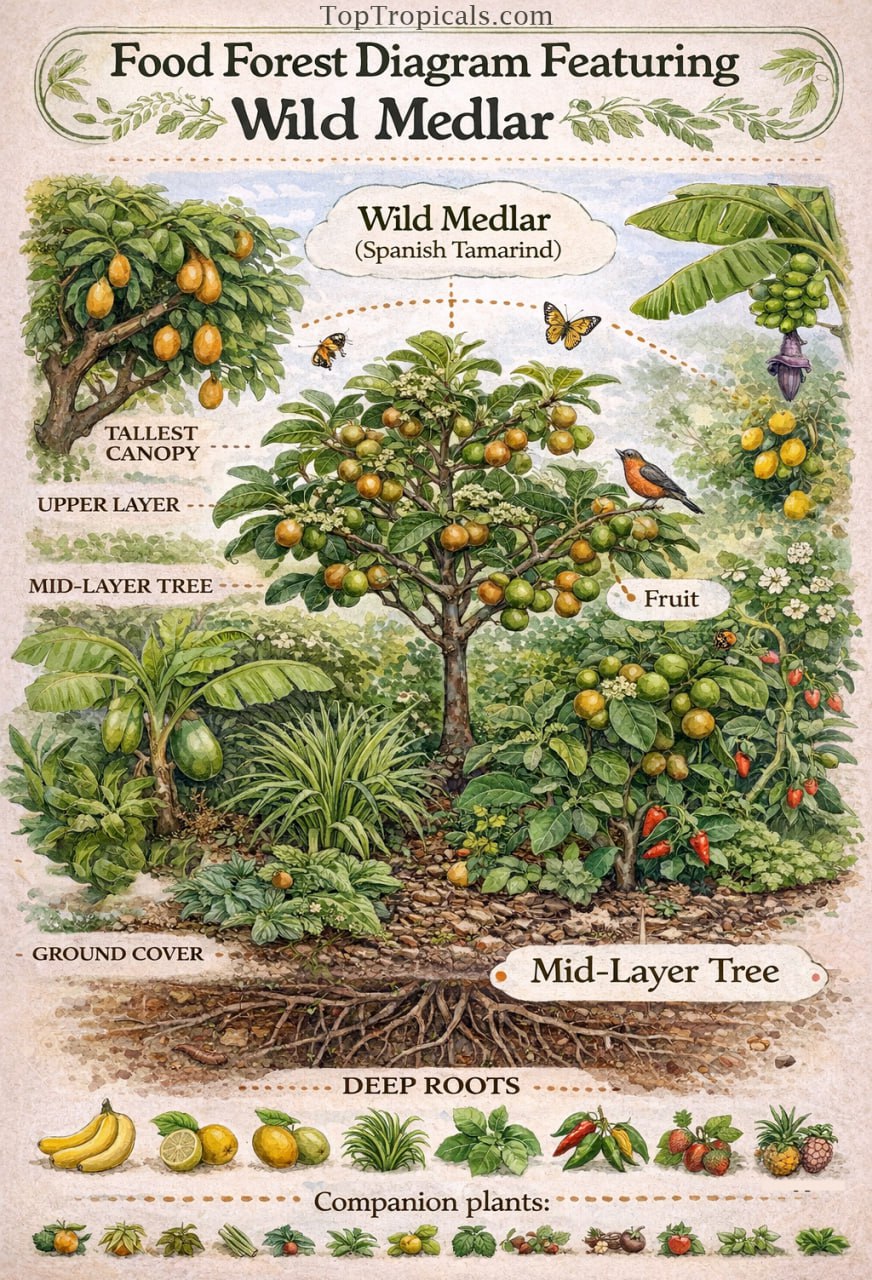
Beyond fruit: how this African tree supports wildlife and garden health: Wild Medlar in the ecological food forest 🍊

Vangueria infausta (Spanish Tamarind, Wild Medlar) might win your heart for its sweet-tart fruit and folk medicine magic - but did you know it’s also a quiet hero in the ecosystem? Whether you’re planting a full-blown food forest or just a mixed backyard garden, Vangueria infausta brings more than fruit to the table. It brings balance, beauty, and biodiversity.

🐝 Pollinator power


When in bloom, this tree produces nectar-rich flowers that attract bees, butterflies, and other pollinators. These beneficial insects don’t just help the Wild Medlar fruit - they boost productivity in your entire garden.
If you grow mangos, citrus, guava, or veggies nearby, Spanish Tamarind helps keep the pollinator traffic moving.

🐦 Bird magnet


Birds are big fans of this tree. They nest in its dense branching, snack on overripe fruit, and help spread seeds. In return, they’ll help keep down pests like caterpillars and beetles.
Even in a small garden, one Wild Medlar can be a micro-habitat for birds, insects, and other helpful wildlife.

🌱 Soil stabilizer


With its deep roots and drought-hardy nature, Wild Medlar helps hold soil in place, especially on slopes or rocky patches. It improves drainage and reduces erosion, which makes it a great addition to food forests in challenging spots.

🍂 Natural mulch & green cleanup


The tree drops a modest amount of leaf litter, which breaks down into soft, rich mulch. In a diverse planting, that means fewer weeds, better soil structure, and less watering needed.

🌿 Companion planting & food forest stacking
  • · Works great as a mid-layer tree in multi-tiered systems
  • · Provides light shade for herbs or smaller fruiting plants
  • · Plays well with bananas, papaya, guava, lemongrass, and ground covers
In zones 9-11, it can live happily in a mixed border or permaculture guild. In colder zones, just keep it potted and move it around as needed - it still offers many of the same benefits.

🛡 Pest and disease resistant


One more bonus: Spanish Tamarind is incredibly low-maintenance. It resists most common pests and doesn’t suffer from fungal issues like many tropical fruit trees do. That means fewer chemicals and more harmony in your garden ecosystem.

✍️ Ready to plant something that gives back?


Think you need more than just another fruit tree? More life. More movement. More meaning in your garden?
Grow Wild Medlar for the fruit - but keep it for everything else it brings. The pollinators. The shade. The quiet medicine. The steady presence that makes your space feel alive.
If you’re building a food forest - or simply want a tree that earns its place every single season - this one doesn’t just sit there. It contributes.

🛒 Plant Spanish Tamarind in your Food Forest for a happy wildlife

📚 Learn more:

Plant Facts

Vangueria infausta
Wild Medlar, Spanish Tamarind
USDA Zone: 9-11
Small tree 10-20 ftFull sunModerate waterEdible plantDeciduous plantEthnomedical plant.
Plants marked as ethnomedical and/or described as medicinal, are not offered as medicine but rather as ornamentals or plant collectibles.
Ethnomedical statements / products have not been evaluated by the FDA and are not intended to diagnose, treat, cure, or prevent any disease. We urge all customers to consult a physician before using any supplements, herbals or medicines advertised here or elsewhere.Subtropical plant. Mature plant cold hardy at least to 30s F for a short time

#Food_Forest #Discover

🟢 Join 👉 TopTropicals