Garden Blog - Top Tropicals

Date: 5 Jan 2022

Five Favorite Winter Bloomers

#5. Parrots Beak
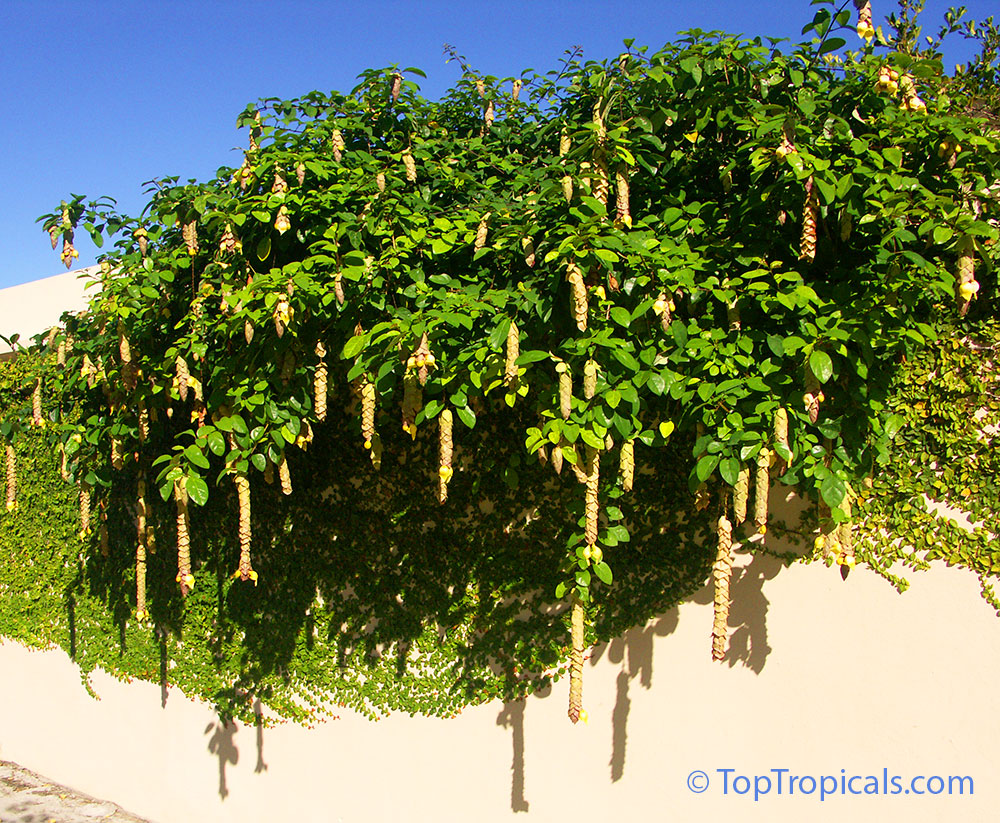
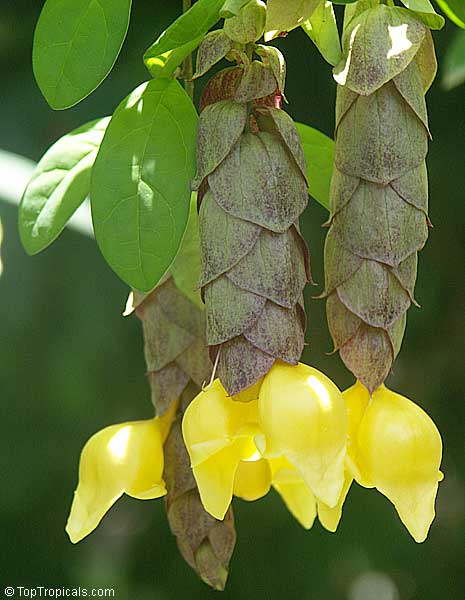
Gmelina philippensis - Parrots Beak. An extraordinary fountain-like shrub with pendant branches, large long leaves and exotic flowers comprised of yellow blossoms which emerge at the end of a tube-like structure of overlapping bracts. The flower resembles parrot's beak!

#4. Royal Queens Wreath
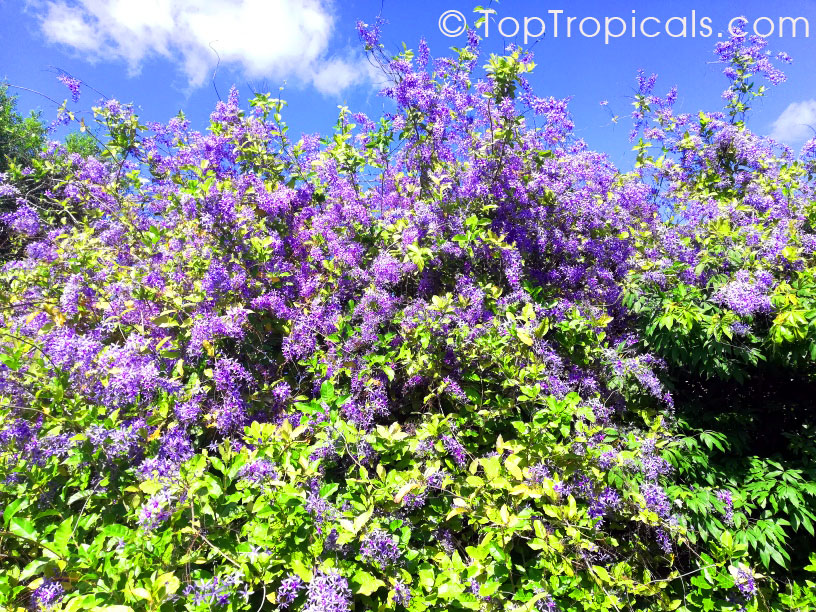
Petrea - Royal Queens Wreath, Tropical Wisteria. Spectacular tall clusters of purple flowers similar to those of Wisteria come in racemes reaching over 1 foot long!

#3. Chinese Hat
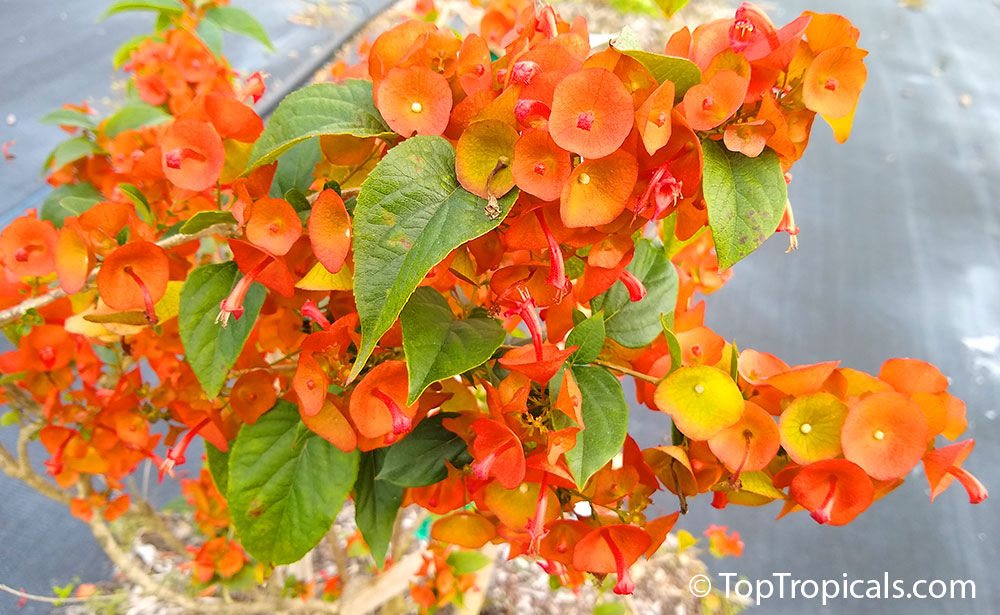
Holmskioldia sanguinea - Bronze Chinese hat. Rare variety with orange-bronze flowers. Unique flowers are the main interest: each is a narrow tube backed by a broad, circular calyx, just like an oriental hat!

#2. Jacaranda
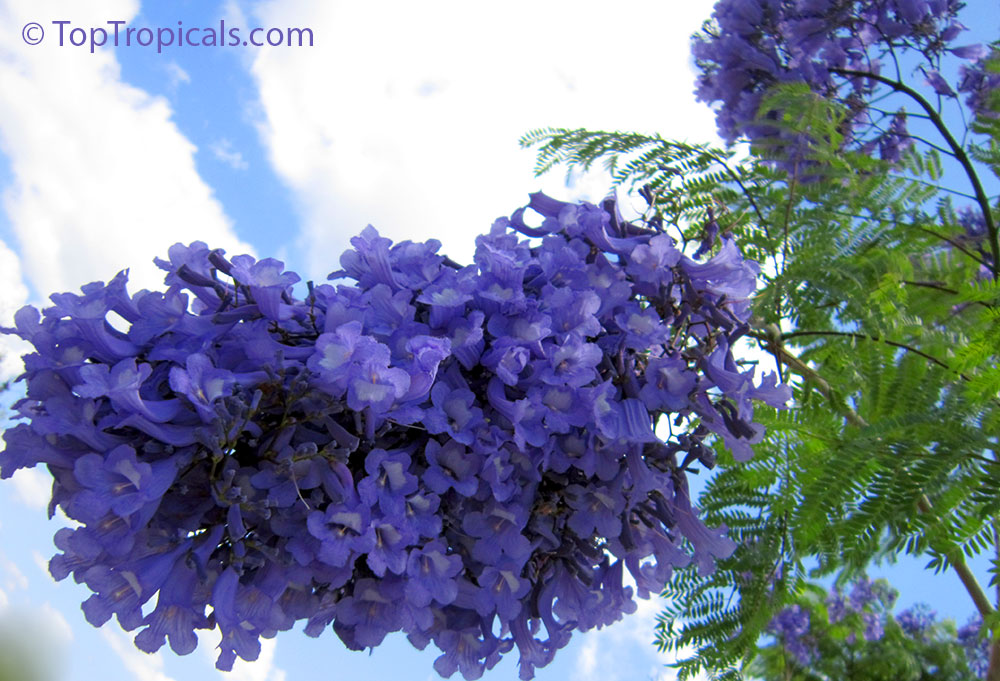
Jacaranda - all-time favorite winter flowering tree. Hypnotizing bluish-purple, trumpet-like flowers create the magical image of the tree...

#1. Royal Poinciana
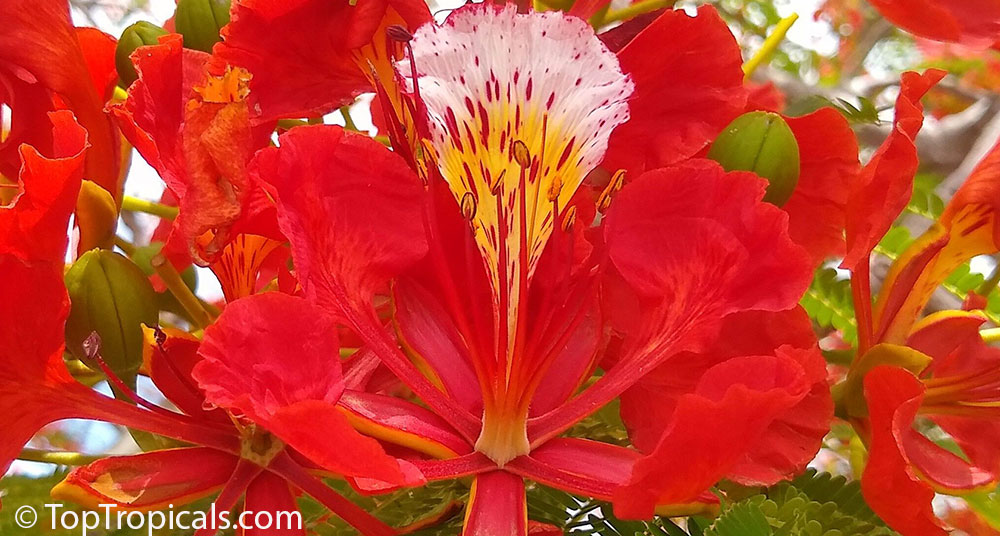
Delonix regia - Royal Poinciana, Flamboyant. one of the most popular tropical trees covered with bright red orchid-like flowers from late winter through early summer. A must for any tropical garden, this tree however requires space since it spreads its branches 30-40 ft wide or more.

Date: 4 Nov 2019

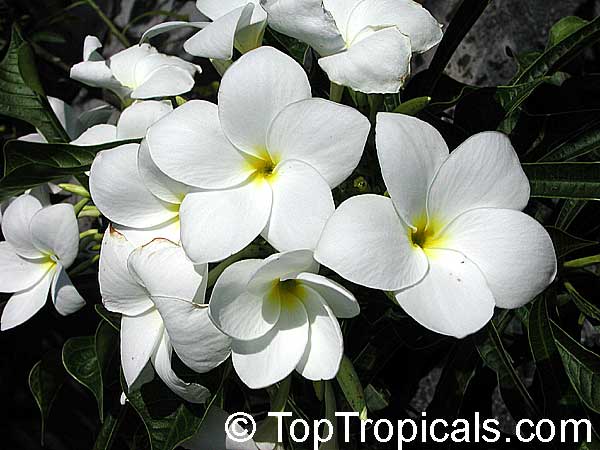
Hardy Plumeria Pudica

Q: I have ordered plumeria pudica from you in March and it is thriving really well here in Rancho Cordova, California. The current temperatures are ranging from 68 to 32 degrees Fahrenheit. My USDA zone is 9b. Does this plumeria pudica survive outside with temperatures dropping in coming winter in CA?

A: From our experience, Plumeria pudica is pretty cold hardy and takes some cold spells in spite of being a tropical species.
Our trees (well-established) took a few hours of freeze with no significant damage.
Potted plants are less hardy than in-ground plants. However, their advantage is, they are easy to move indoors or inside warmer place like garage, etc. If the temperature stays borderline around 32F for a few hours, the plant should be safe as long as warm day temperatures follow a cold night. For longer periods of cold, move the plant inside.
Make sure do not overwater and keep Plumeria on a dry side during winter, since cold and wet is a bad combination and may cause root problems.
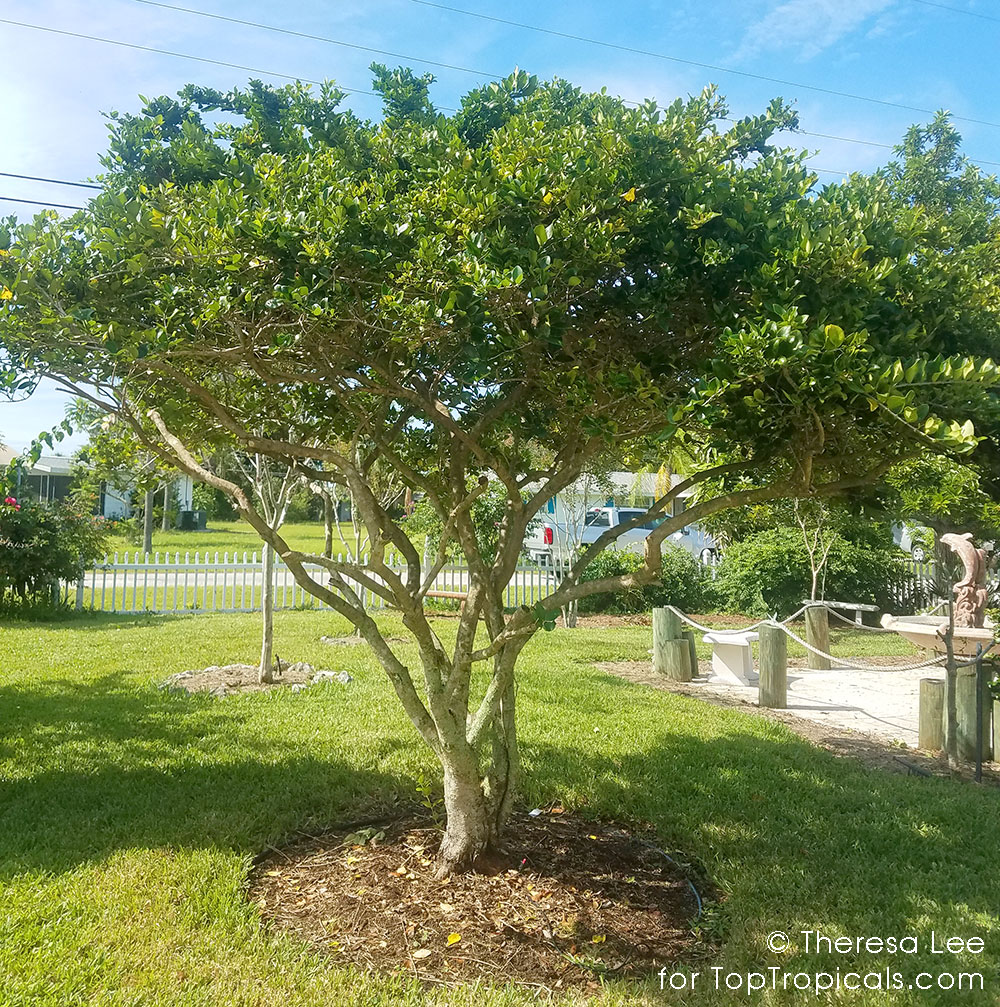
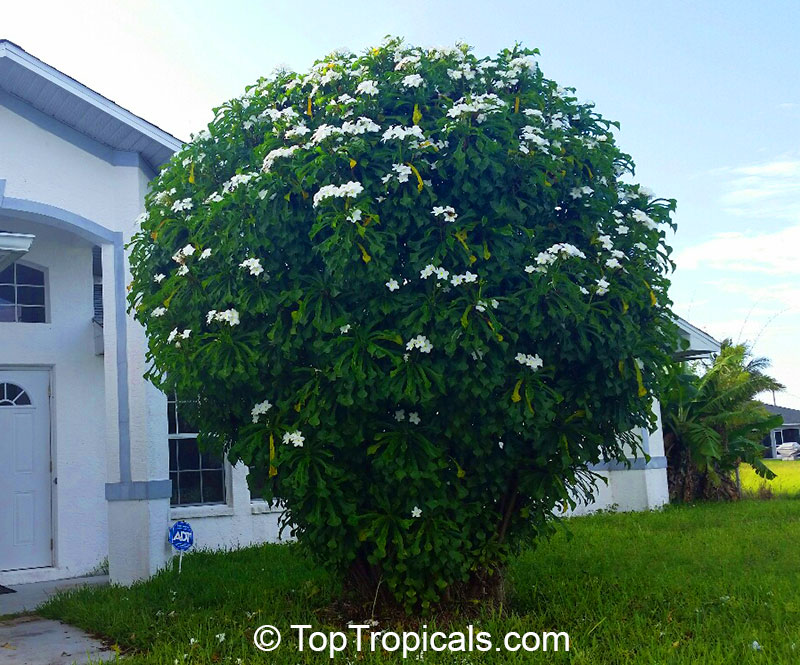
Above is the picture of Plumeria pudica tree growing in Cape Coral, FL where low temperatures in winter sometimes go down to upper 20's for a few hours.

To improve cold hardiness of Plumerias and other tropical plants, use SUNSHINE-Epi-T for plant thermal protection and immune system boost.
Make sure to fertilize plants on regular basis to keep them strong and vigorous. The stronger and bigger the plant, the hardier it is!

RECOMMENDED FERTILIZERS:
Plumeria Top Dress - Smart-Release Booster
Pink N Good Daily Plant Food - Flower Booster
Tropical Allure - Smart-Release Booster

Date: 21 Sep 2019

Shaping a tree and regrowing branches

Q: I have been so worried about the beautiful ligustrum on my property since my husband decided to "prune" it 2 days ago. He removed about 20 branches from the tree and completely altered the look of the canopy which was so full and lovely 😭. Please advise me if there is anything I can do to help this tree. Will any of the branches grow back? Will the canopy return? It looks practically bare to me now.... so heartbroken. Any advice and reassuring would be greatly appreciated.

A: The good news is, the tree will regrow new leaves and will branch out. The question is, how soon. Ligustrum is pretty slow-growing species and it may take a while until it gets to the shape that is close to the original.
On the other hand, pruning is beneficial almost for every plant, it promotes new growth and bushy shape. So do not panic, your beautiful tree has good chances to become even prettier.
To speed up the process of re-leafing and promote healthy new growth, we recommend the following:

1) Provide extra watering, assuming you have a sprinkler system that covers the yard. Water additionally 1-2 times a week using a garden house, for 1-2 minutes, saturating the soil around the tree and up to a drip line.

2) Apply the following fertilizers:
Tropical Greenhouse Plus - Foliage Booster
Tropical Allure - Smart-Release Booster

3) In addition to fertilizers, we recommend these 2 supplements that will enhance effect of fertilizers and make re-grow process even faster:
SUNSHINEâ„¢ SuperFood
SUNSHINEâ„¢ HumiHum - a natural humate vitamin for plant

4) Mulch well around the tree, keeping it 2-3"away from the trunk

This should help to get your tree back in shape!

Date: 30 May 2019

Selecting the right jasmine

TopTropicals.com

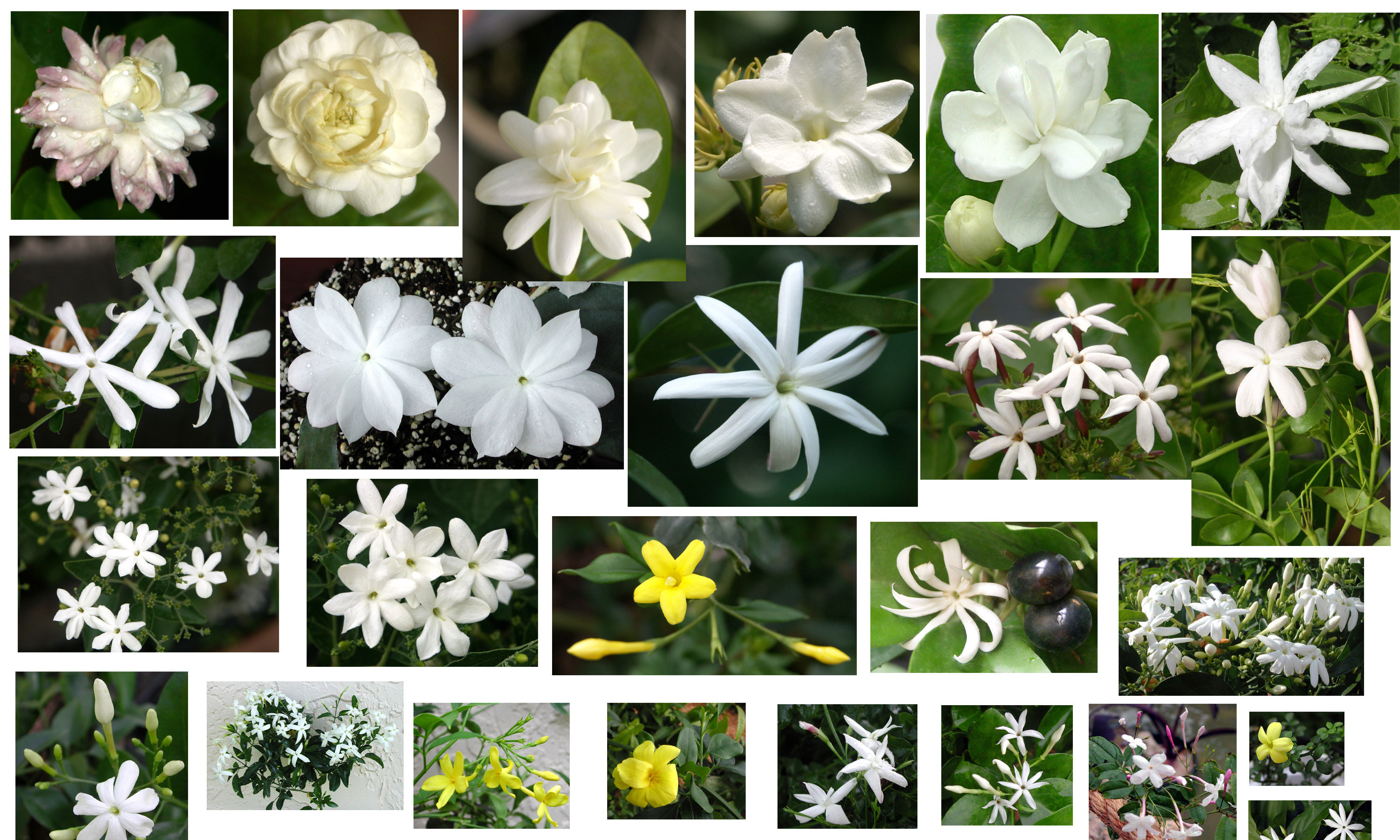
Q: Would you please help me select the right jasmine? I want to find a jasmine that smells like lily of the valley or honeysuckle or roses, not the one that smells like gardenia. I'm in Missouri, zone 6, so I want a jasmine for my deck for the summer, so I want it to bloom this season.

A: There are 3 major types of tropical flower fragrances - Sweet, Fresh, and Fruity (including Lemony). Below are the most interesting fragrant tropical flowers, excluding Gardenias (which are sweet type). These are all same-year bloomers, so you can enjoy the fragrance this year assuming proper care and bloom booster feeding.

* - The fastest growers that can be treated as annuals. Others can be grown in a pot and brought inside for winter, and be enjoyed every year.

Sweet

* Aloysia virgata - Almond Bush
* Cestrum diurnum - White Chocolate Jasmine, Day Blooming Jasmine
* Cestrum nocturnum - Night blooming jasmine
* Heliotropium peruviana - Turnsole, Cherry Pie
Portlandia Cubanola domingensis - Cubanola (Warm white Chocolate)
Portlandia grandiflora - Glorious Flower of Cuba (Warm white Chocolate)

Fresh

Beaumontia grandiflora - Easter Lily Vine
* Brugmansia Jean Pasco - Yellow Angels Trumpet
* Brugmansia Variegated Orange Angel Trumpet
* Brunfelsia americana - Lady of the night
* Brunfelsia lactea - Lady of the night
* Brunfelsia nitida - Lady of the night
Crinum Queen Emma - Spider lily
* Eucharis grandiflora - Amazon Lily
* Hedychium coronarium - Butterfly Ginger
Hiptage benghalensis - Helicopter Flower
Hoya odorata - Fragrant Hoya
Ixora hybrid Sea Green
Ixora odorata - Fragrant Ixora
* Jasminum azoricum - River Jasmine
* Jasminum Molle - Indian Jui
Jasminum nitidum - Star Jasmine
* Jasminum officinale Flore Pleno - French Perfume Jasmine
* Jasminum polyanthum - Pink Winter Jasmine
* Jasminum sambac Belle of India
* Jasminum sambac Grand Duke
* Jasminum sambac Maid of Orleans
* Polianthes tuberosa - Tuberose
*Sclerochiton harveyanus - Blue Lips, Mazabuka (Lavender-violet-like)

Fruity

Aglaia odorata - Chinese Perfume Plant (Lemony)
Artabotrys siamensis - Climbing Ylang-Ylang (Lemony)
Cananga fruticosa - Dwarf Ylang-Ylang
Carissa grandiflora - Natal Plum
Cerbera x manghas hybrid - Enchanted Incense
* Jasminum dichotomum - Rose Bud Jasmine
* Lonicera japonica - Japanese Honeysuckle
Magnolia figo - Banana Magnolia (Banana-like)
Magnolia x Alba grafted (Bubble-gum-like)
* Mirabilis jalapa - Four oclock plant
Oxyceros horridus, Randia siamensis
* Quisqualis - Rangoon Creeper
* Radermachera Kunming - Dwarf Tree Jasmine
* Stephanotis floribunda - Bridal Bouquet
Strophanthus gratus - Climbing Oleander
Telosoma cordata - Pakalana vine (Lemony)

Fertilizers for profuse flowering:

Pink N Good Daily Plant Food - Flower Booster
Tropical Allure - Smart-Release Booster
SUNSHINE-Superfood micro-elements

Date: 27 Jun 2018

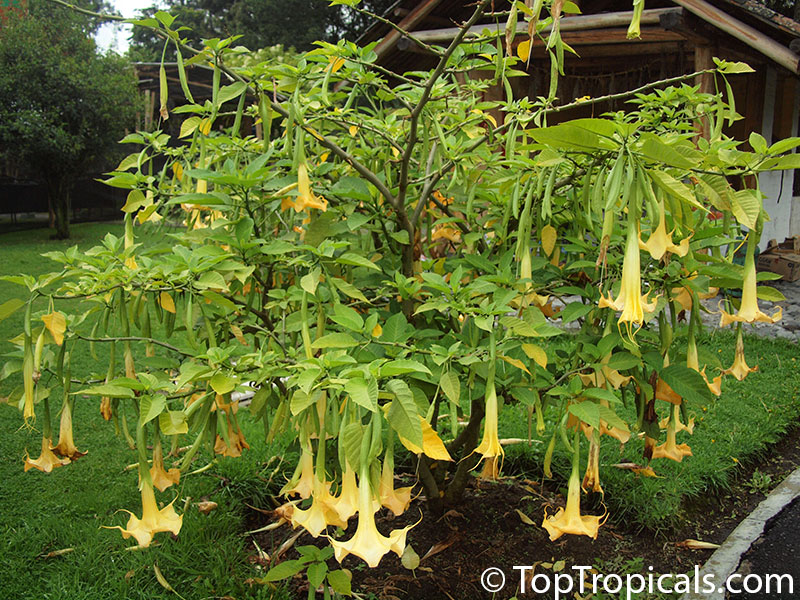
TROPICAL GARDENING: How to grow Brugmansia (Angel Trumpet) in the ground outside.

TopTropicals

Q: I recently moved from New Jersey to Florida and I brought with me my Brugmansia that I used to have as a house plant. Can I plant it in the ground now?

A: Angel Trumpet - Brugmansia - is a very popular container plant valued for its large, stunning fragrant flowers. Originated from South America, it will be happy to grow in tropical to subtropical climate outdoors. These are a few useful tips to get the most out of this beautiful plant:
1) Light. Plant it in full sun - the more sun, the more flowers you get, although Brugmansias tolerate shade. If the plant was previously grown in container indoors, to avoid leaf burn, keep it protected with a shade cloth or simply white sheet for a while and gradually open to adjust to full sun.
2) Soil and fertilizer. Use fertile soil with lots of organic matter (add compost to existing soil). It must be very well drained, Angel Trumpet won't tolerate waterlogged conditions. Plant it on a little "hill" elevated 3-4"above the surrounding area. Brugmansias are very heavy feeders. Once the plant is established, fertilize on regular basis with Slow Release Fertilizer - a handful once a month.
3) Water. Water daily until established. Once the root system is well developed, the plant is drought tolerant and won't require too much care. But at the beginning, watch the leaves - the lush foliage droops quickly if the plant is thirsty.
4) Plan space. Brugmansia is a short tree, but it needs a lot of room to spread branches with its heavy hanging flowers. Think 12" wide and maybe almost as much tall.
5) Support. Being widespread plant, Brugmansia can be blown with strong winds. Stake with strong support until established.
6) Propagation. Brugmansia is one of the few plants that propagates with semi-woody cuttings; soft green cuttings usually have little success. Other than that, it is pretty easy!

Check out our Brugmansia collection and... collect them all!