Garden Blog - Top Tropicals

Date: 5 Sep 2019

How to get Jasmines to flower
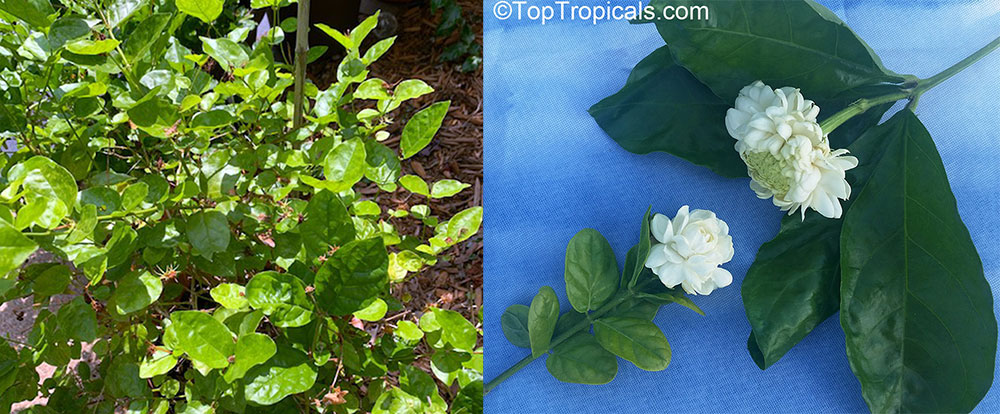
Q: On the picture, these are a few of the jasmine plants that I have from Top Tropicals. I have bought so many plants from you over the years, not just jasmine. I have several varieties of jasmine. They were all doing very well. However this year I didn't get a single flower. There are a lot of buds... But before the buds open they become brown and withered. I bought fertilizer from you. Fertilized the plants once a month like I always do. I water the plants once a week. I repotted the plants hoping that would take care of this problem. Some of the jasmine plants I pruned... the plants came back vigorous growth with a lot of buds... BUT it is the same problem! Please help.

A: One of the possible reasons why they have flower issues is - maybe they don't have enough sunlight. They need to be in full sun all day long for profuse blooming and proper flower forming. However since the buds are forming, there may be just enough light. In this case, dropping buds may be a sign of overwatering.

Important steps - how to make Jasmine Sambac flower:

1. Soil. Use only well-drained soil

2. Water. Keep plants on a dry side and never over water. If the top of the soil is still moist, do not water.

3. Sun. Keep in full sun all day long. The more sun, the more flowers.

4. Bloom booster. Use Flower booster fertilizers:
Pink N Good Daily Plant Food - Flower Booster
Fragrant Plant Special booster, this 90-day Smart-Release container plant food:
Plumeria Top Dress - Smart-Release Booster
Do not use fertilizers with high Nitrogen (1st number in NPK formula) - those will promote more leaves instead of flowers.

5. Micro-elements. Use Apply micro-elements, they will help the plant to develop healthy and long-lasting flowers:
SUNSHINE SuperFood - plant booster

Here is more information on growing Jasmine
Date: 18 May 2021

Mark your calendar:
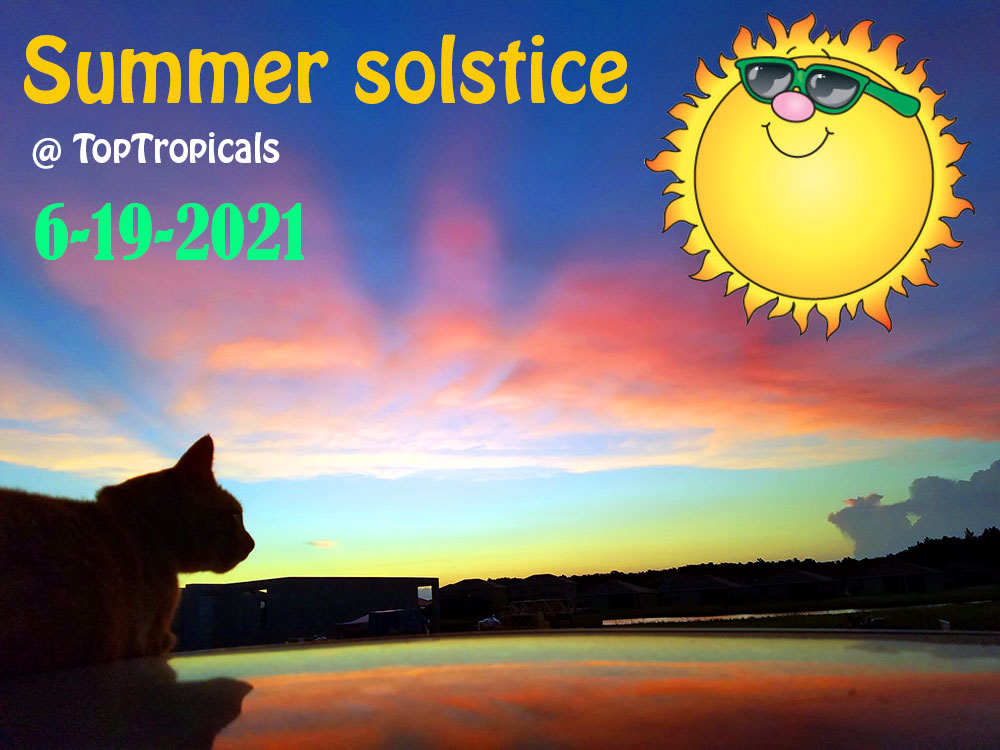
June 19, 2021
Summer Solstice Celebration with PeopleCats

Special Event you can't miss!

First day of Summer and the longest day of the year! Live Jazz in the Garden, lots of cool vendors and "A Roof for Rufus" cat adoptions...
Come join the Top Tropicals crew for the longest planting day of the year. Onika, Bella, Mark and David will be here soaking in the sun and helping you to pick the right plants...

Saturday, June 19th
9:00 am - 4:00 pm

Top Tropicals is proud to partner with A Roof for Rufus cat adoptions. Each cat attending this event has been hand picked and approved by King.
Don't miss this event! Talk to the kitties and find your companion in life. PeopleCats never betray and they will love you forever!

SEE KITTIES PROFIILES >>

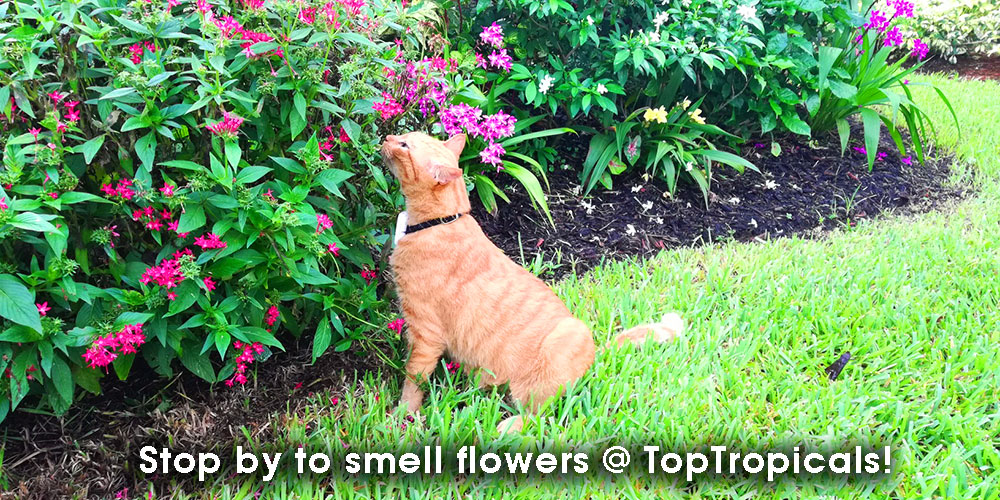
In the photo: PeopleCats from Roof for Rufus Rescue waiting for their forever homes.

Date: 26 Mar 2020

Nature's farmacy: Coronavirus cure discovery? Cinchona - Fever Tree

by Alex Butova

As the world's health experts race to find a cure for the novel coronavirus, this drug have jumped to their attention - Chloroquine. It contains alkaloid Quinine, extracted from the bark of the Cinchona, or Fever Tree.
We receive many questions from our customers if we carry this plant. Although we do not offer it at the moment, we definitely can tell you more about this interesting medicinal plant!

If you like gin and tonic, you will be familiar with the bitter taste of the tonic which is provided by quinine. While it is now mainly used to add a flavor to our favorite tipple, the Cinchona tree bark once held a place as one of the most important drugs in history.
Cinchona was discovered in the 1630s as a treatment for malaria and, for 350 years, was the only effective cure known in Europe until synthetic replacements were developed in the 1940s. Malaria remains today one of the deadliest diseases known throughout the tropics, but up until the 20th century the disease was prevalent throughout Europe, including Britain.

The Cinchona tree is native to the Eastern slopes of the Andes with a range across Ecuador, Peru and Bolivia. Once the bark became an established medicine, particularly in the 18th and 19th centuries, demand started to outstrip supply. Threats of overharvesting and the desire to control the source of this precious bark drove various competing empires to source this plant for themselves. Understandably, the Spanish, who were in control of this area of South America, actively tried to prevent this, but failed to establish successful plantations themselves. A race to source and cultivate Cinchona ensued, and eventually both the Dutch, in Indonesia, and the British, in India, founded government controlled plantations for the mass production of quinine.

Chloroquine appears to have "broad-spectrum antiviral properties" and effects on immune response, and to be effective against severe acute respiratory syndrome... As the rest of the world, we are looking forward to the research results and hope the cure will be found soon!

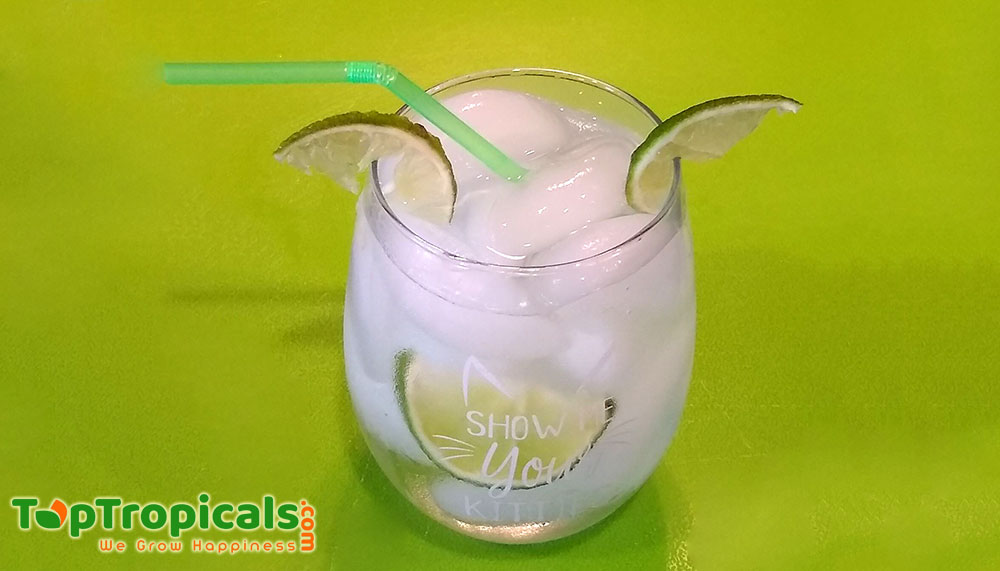
In the meantime, let's just have more Gin-n-Tonic!

Date: 26 Sep 2021

Edible Landscape: fruit bearing hedge

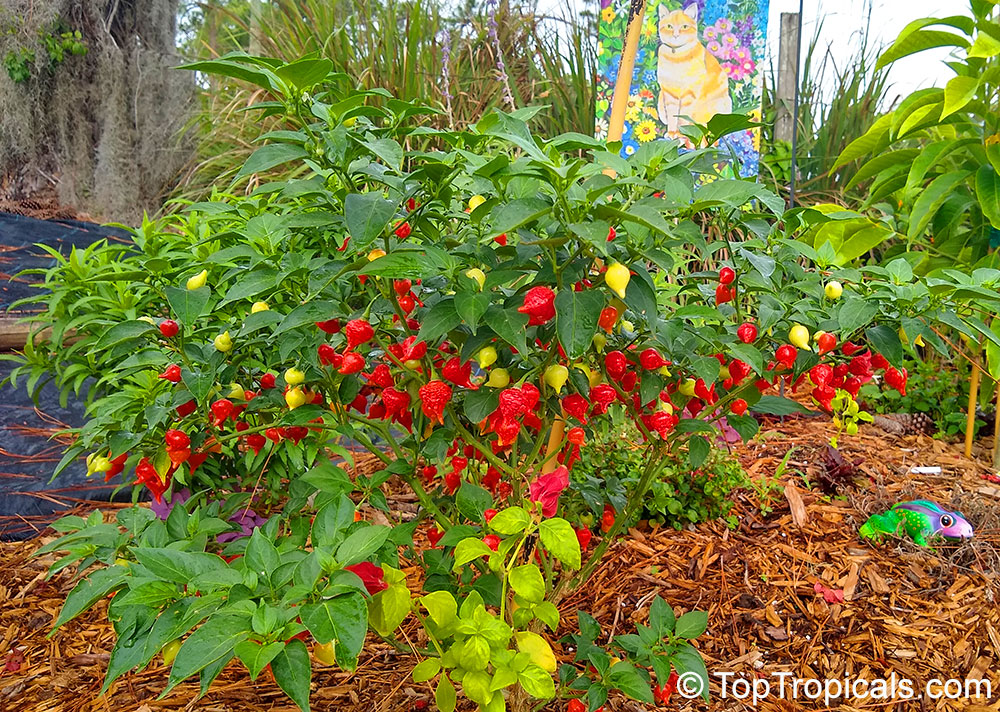
Photo above: Biquinho Pepper (2 months old plant)

Q: My mom had to remove a hedge for some renovations and after being heartbroken about losing my little bird haven, I've decided to plan on a fruit bearing hedge that offers some privacy and places for the little fledgling to wait for food. Any suggestions? I was thinking blueberries or citrus but open to any ideas.

A: Below are a few suggestions for a fruit bearing hedge planted with fast-growing, tropical species. They will contribute to a nice edible landscape for both your family and the birds - they will be very happy!

Larger size hedge (small trees), grows full-size within 1 season:
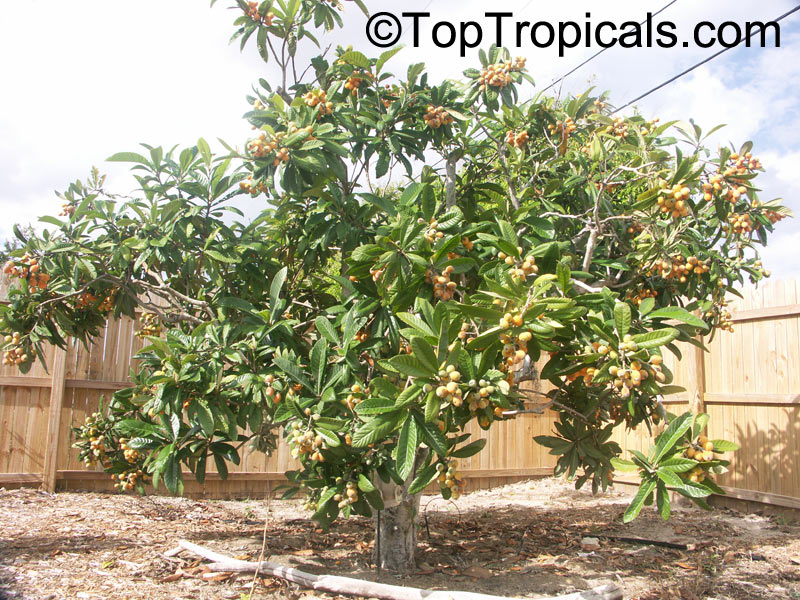
- Loquats
- Dwarf Mulberries (very cold hardy too) such as Dwarf Everbearing

Medium size hedge (shrubs or vines), 2-3 seasons to grow full size:
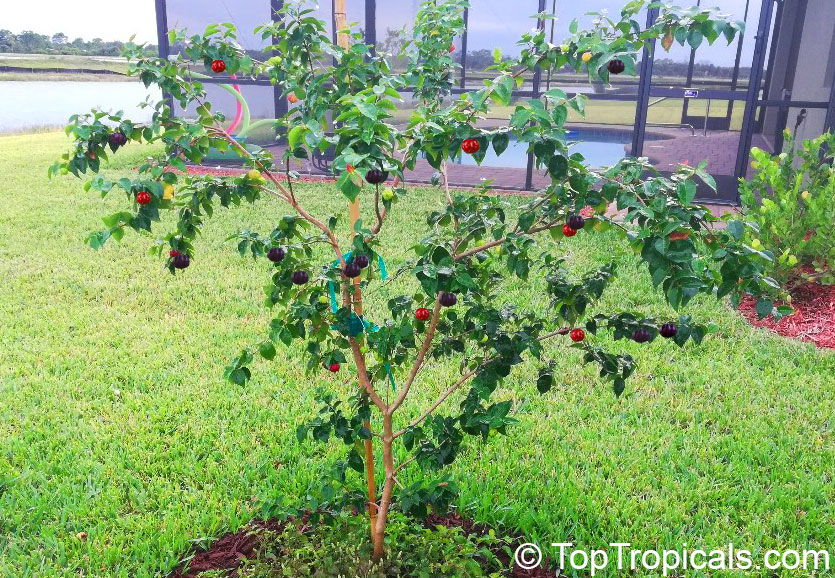
- Black Surinam Cherry Lolita
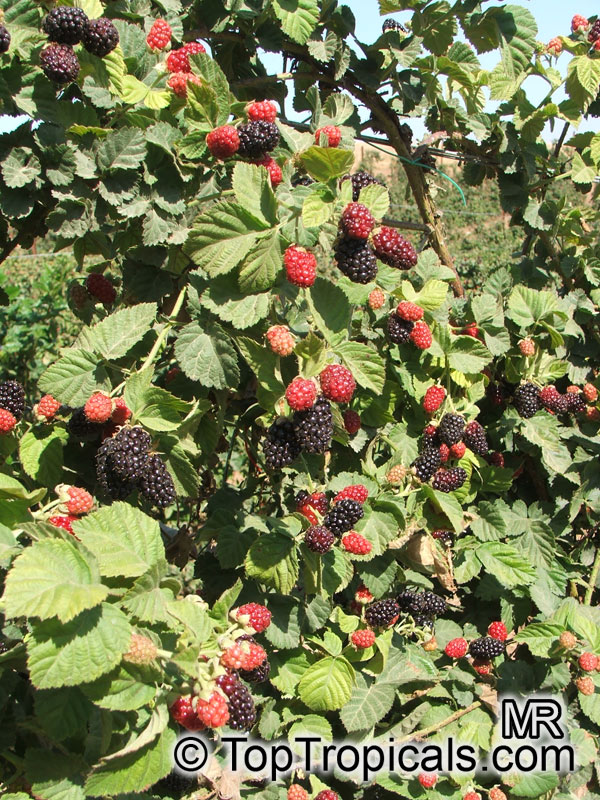
- Blackberries and raspberries

Low hedge (4-5 ft tall, 1 season, fast growing):
- Biquinho Pepper
- Wiri Wiri Pepper

Citrus is probably not a good idea, not bird's favorite, and blueberries require a special acidic soil here in Florida, so they will need extra maintenance, special soil, and heavy mulching.

Blackberry hedge

Surinam Cherry Lolita, 2 year old plant

Loquat (5 years old bushy specimen)

Date: 25 Jan 2021

Coastal Plants. List of plants that do well in coastal areas

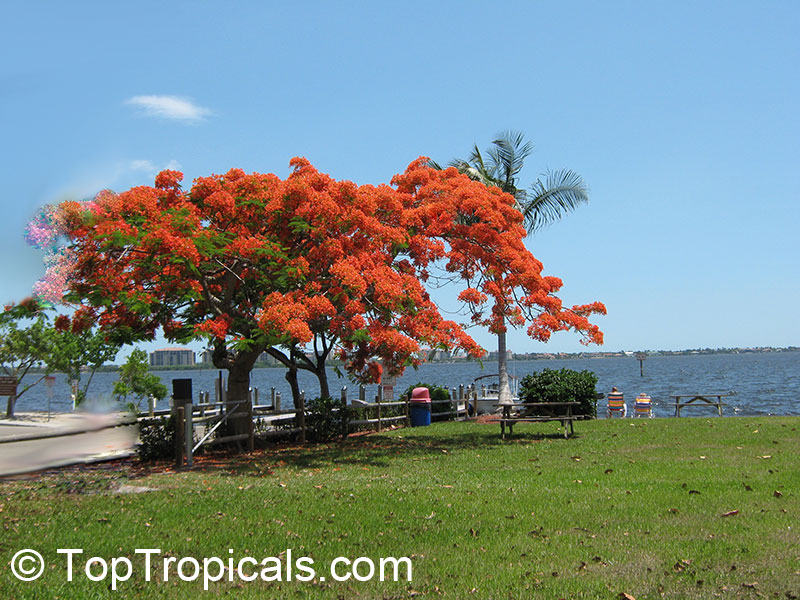
In the photo: Delonix regia - Royal poinciana, Flamboyant

Q: How can I get a list of plants that do well in coastal areas (i.e. next to sea)?

A: Many tropical plants live by the sea in natural habitat and don't mind ocean breeze. We have a large selection to pick from. The following groups of spectacular flowering trees will enjoy coastal environment:
Cordia trees
Plumerias
Orchid trees (Bauhinias)
Caesalpinias
Callistemons (Bottle brush trees)
Cassias
Many palm trees

See full list of salt-tolerant plants available at this time.

In the photo: Cordia sebestena - Scarlet Geiger tree