Garden Blog - Top Tropicals

Date: 10 May 2026

🍑 From the Garden: Why I Always Recommend Growing Your Own Peaches

by Tatiana Anderson, Top Tropicals Garden Expert

A  peach  tree  growing  outdoors  under  a  blue  sky  with  ripe  red-orange 
 peaches  hanging  among  long  green  leaves.  The  image  also  shows  a  close-up 
 view  of  several  fuzzy  peaches  ripening  on  a 
 branch.

Peach trees are beautiful long before harvest day - glossy green leaves, colorful fruit, and that classic fuzzy peach look straight from the branch.

I'll be honest with you. The first time I bit into a peach straight off the tree, still warm from the afternoon sun, I understood why people get obsessed with this fruit. There is no comparison to what you find in a grocery store. Store peaches are picked hard, shipped cold, and by the time they reach you, something important is already gone. A tree-ripened peach is soft, fragrant, juicy, and sweet in a way store peaches rarely are. Eat it fresh, slice it into a cobbler, throw it on the grill - it holds up beautifully either way.

Peach Plant Facts

Botanical name: Prunus persica, Amygdalus persica
Also known as: Peach
USDA Zone: 5 - 10
Highligths Small tree 10-20 ftFull sunWatering: Regular. Let topsoil dry slightlyWhite, off-white flowersPink flowersEdible plantDeciduous plantSubtropical plant. Mature plant cold hardy at least to 30s F for a short time
Get personalized tips for your region

So let's talk about how to actually get there.

Planting

Peaches are not difficult. Give them sun, drainage, and room for air movement, and they will usually tell you very quickly that they are happy.

  • Full sun is essential - 8 hours minimum, and more is better.
  • Drainage matters - peach roots do not like sitting wet.
  • If your soil stays wet, plant on a mound - simple fix, big difference.
  • Water deeply, then pause - let the soil partially dry before watering again.
  • Prune every year - it keeps the tree open, improves airflow, and helps the tree put energy into fruit instead of tangled growth.
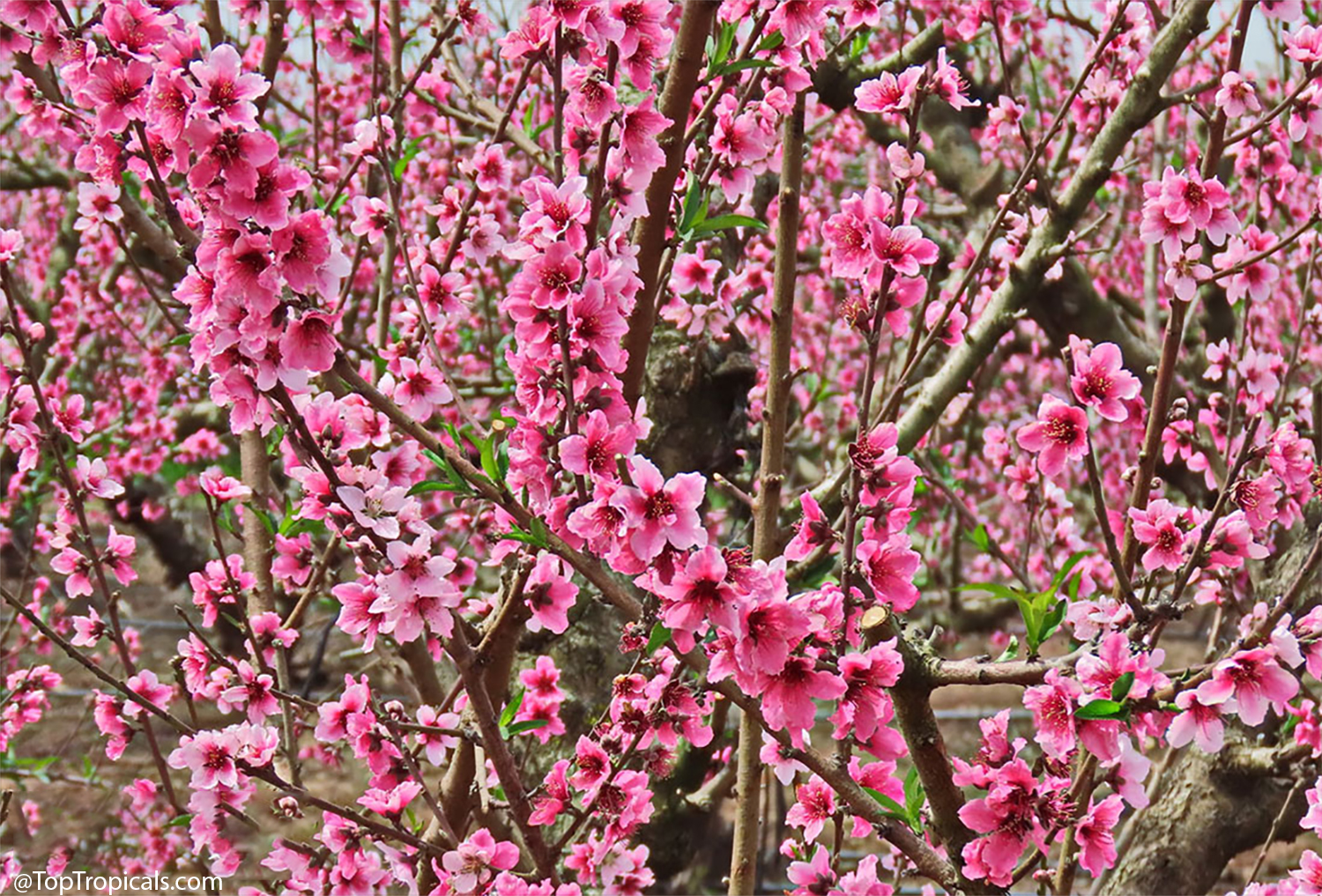
Branches  of  a  peach  tree  covered  in  masses  of  bright  pink  blossoms 
 during  spring  bloom.  The  flowers  densely  fill  the  tree,  creating  a  colorful 
 display  of  pink  petals  against  the  brown 
 branches.

Peach trees put on one of spring's prettiest shows - clouds of pink blossoms before the fruit season even begins.

What If You Do Not Have Room?

You can still grow peaches in a large container. This is a great option for patios, small yards, renters, or gardeners who want better control over soil and drainage.

  • Use a large pot with drainage holes.
  • Choose a fast-draining potting mix, not heavy garden soil. We recommend Sunshine Abundance potting mix.
  • Place the container in the sunniest spot you have.
  • Water more often than in-ground trees, but never let the pot stay soggy.
  • Prune to keep the tree compact and easy to manage.

Fertilizing

Peach trees are generous plants, but producing vigorous growth and a heavy crop of sweet fruit takes energy. Regular feeding makes a noticeable difference in tree health, flowering, and fruit quality.

I prefer a simple two-part approach that provides both steady background nutrition and quick, readily available nutrients when the tree is actively growing.

  • Green Magic controlled-release fertilizer provides a steady supply of nutrients for months and serves as the foundation of the feeding program.
  • Sunshine Boosters liquid fertilizers deliver amino acid-based nutrients that are quickly absorbed and especially useful during periods of active growth, flowering, and fruit development. Sunshine C-Cibus formula is the best for fruit trees.

During the growing season, this combination helps build stronger branches, healthier leaves, better flowering, and sweeter, higher-quality fruit.

If your tree shows yellowing leaves or weak growth, consistent feeding often makes a dramatic difference within a few weeks.

📚 More about low-chill peaches from our garden Blog
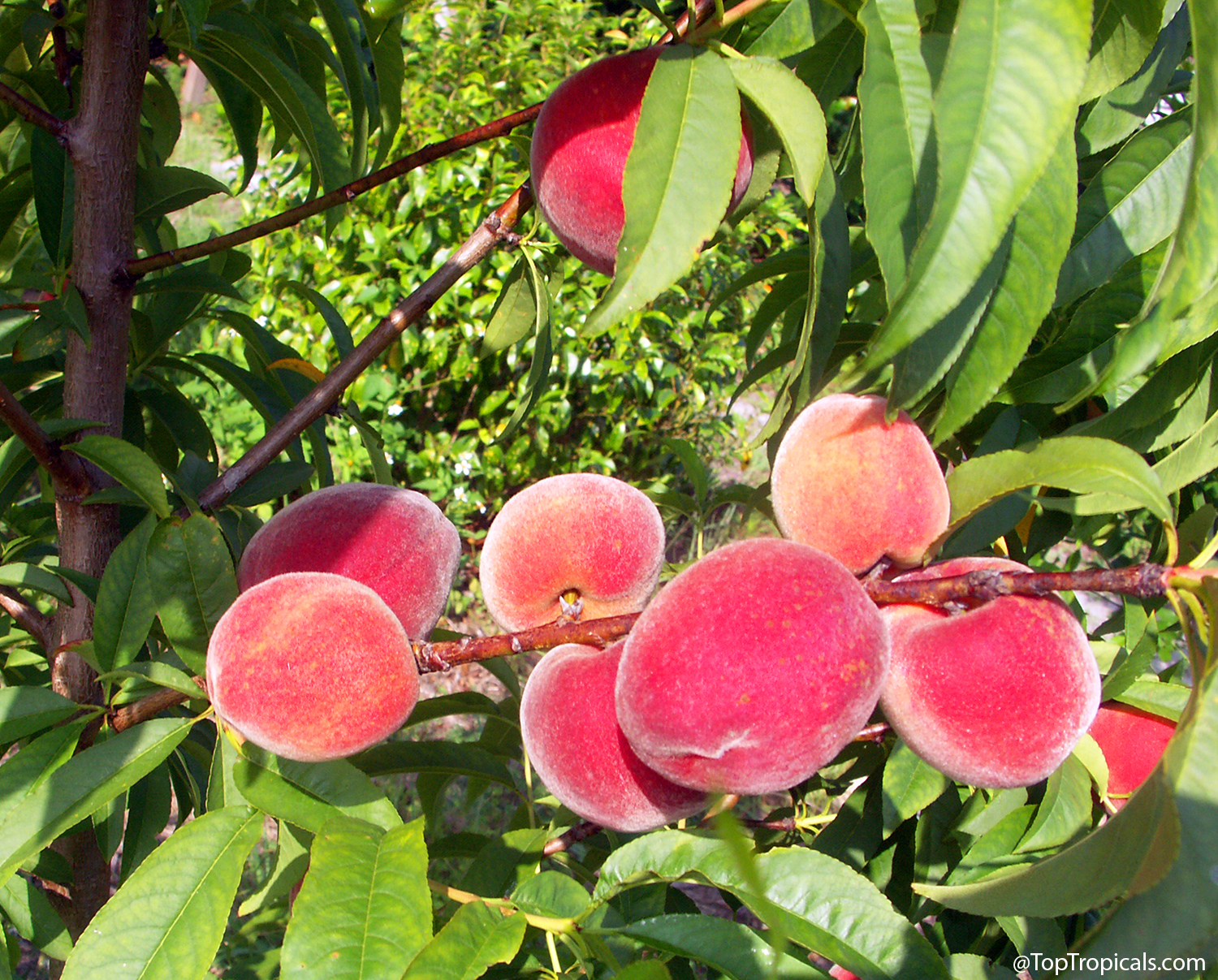
Clusters  of  ripe  fuzzy  peaches  growing  on  tree  branches  surrounded  by 
 long  green  leaves  in  bright  sunlight.  The  peaches  show  shades  of  pink,  red, 
 and  soft  yellow  as  they  ripen  on  the 
 tree.

Tree-ripened Tropic Beauty peaches warming in the sun - fuzzy, colorful, and almost ready to pick straight from the branch. Tropic Beauty variety is one of the most colorful and sweet.

📚 More about Tropic Beauty Peach

🛒 Shop Low-Chill Peach trees

Sunshine’s Philosophy: Lazy Peach Sundae 😺

Sunshine absolutely loves peach cobbler, especially when someone else does all the peeling, slicing, mixing, and baking. But when he is left to prepare dessert on his own, his standards become much more practical. Why turn on the oven when perfectly ripe peaches already taste amazing? His philosophy is simple: if a recipe takes less than five minutes and ends with peaches and vanilla ice cream in the same bowl, it is a masterpiece.
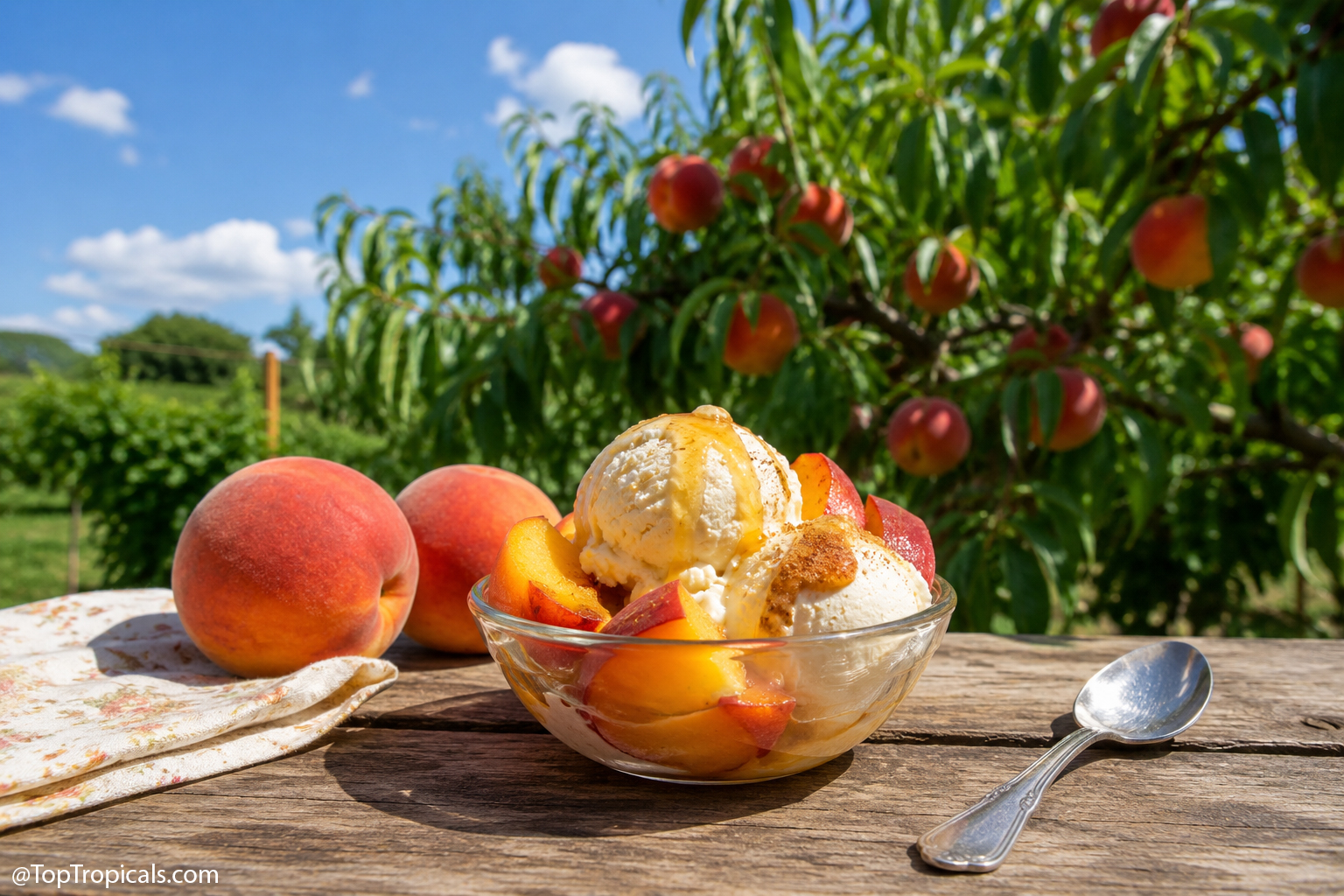
A  bowl  of  sliced  ripe  peaches  topped  with  two  scoops  of  vanilla  ice 
 cream,  drizzled  with  honey  and  lightly  sprinkled  with  cinnamon,  sits  on  a 
 rustic  wooden  table  outdoors.  Fresh  whole  peaches  rest  nearby,  with  a  sunny 
 peach  orchard  full  of  fruit  and  a  bright  blue  sky  in  the 
 background.

Sunshine's Lazy Peach Sundae - fresh peaches, cold ice cream, and zero effort on a perfect sunny day.

Sunshine's Lazy Peach Sundae

This is not cooking. This is assembly.

Ingredients

  • 2 ripe homegrown peaches
  • 2 big scoops of vanilla ice cream
  • A drizzle of honey (optional)
  • A pinch of cinnamon (optional)

Instructions

  1. Slice the peaches.
  2. Put them in a bowl.
  3. Add vanilla ice cream.
  4. Drizzle with honey and sprinkle with cinnamon if you feel ambitious.
  5. Eat immediately while smiling.

Sunshine's Review

"I peeled exactly nothing and still got dessert. This is my kind of gardening."

Want this?
Start with a low-chill peach tree. That is usually how it begins.

🛒 Plant your own Peach tree

Date: 29 Sep 2020

Healthy Plant Food: Q&A from Mr Booster

Why my Sapodilla is not fruiting?

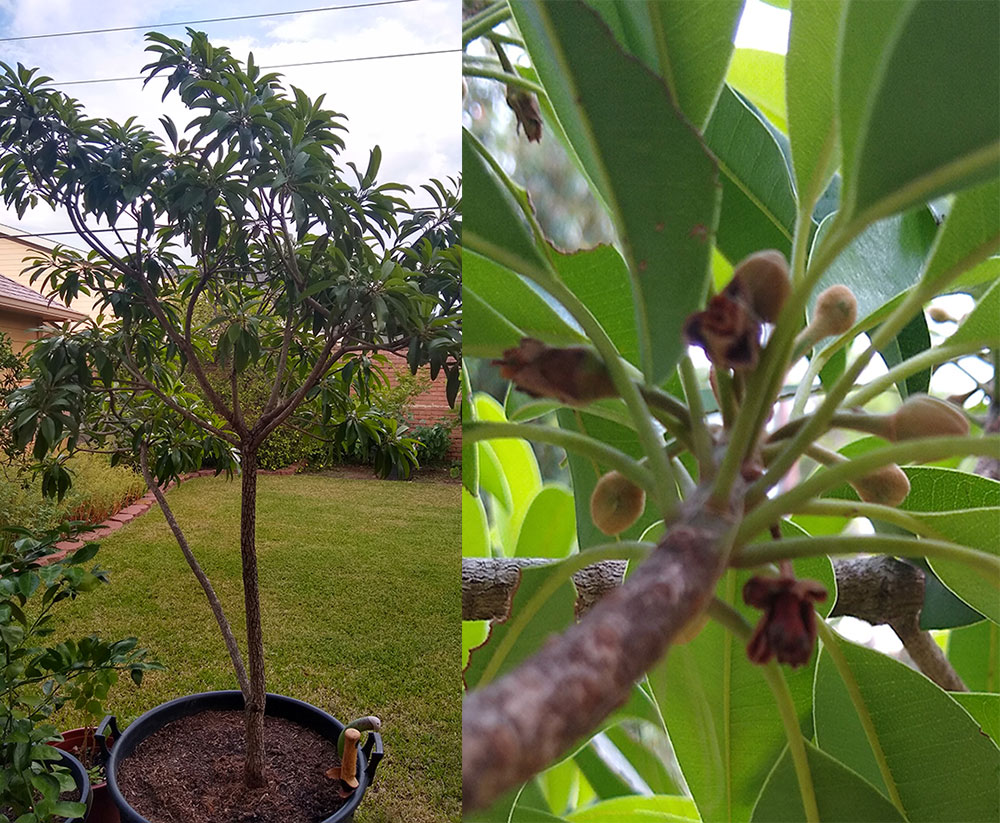
Q: I bought a Sapodilla tree from you several years ago, Silas Woods. I live in Houston area. The tree grows and produces blossoms for fruits, but then they just dry up and fall off. To-date, I have not gotten any fruits off the tree. Is there a reason for this? I really want a fruiting tree because Sapodilla is one of my favorite fruits. I have attached pictures of the tree. Please help.

A: Silas Woods is a free-flowering variety and in favorable conditions it should produce fruit almost year round, considering warm temperatures. The fact that the tree is producing flowers indicates that it is strong, overall healthy and ready for production, but for some reason these flowers don't set fruit. There may be several reasons for such behavior.

1) Too high temperature and too low humidity
In Houston area, humidity should be good in summer. However, if temperatures stay above 90F for a long time, this may cause flower dry-n-drop.
Solution: try to move the potted tree into filtered light, or in a spot where it does not get direct burning sun during the hottest hours of the day (morning sun is the best)

2) Root bound.
Solution: check if the tree needs stepping up into a larger container.

3) Lack of certain nutrients that are responsible for proper fruit formation.
In particular, elements B (Boron), Mo (Molybdenum), and a few other micro-elements (Fe - iron, Cu - Copper, etc.). This is most likely the cause of a flower drop. This is very common reason for undeveloped fruit or lack of fruit in container-grown fruit trees. When grown in the ground, plants can reach out to all necessary elements in surrounding soil (considering soils are not too poor on necessary elements). In a pot, a supply of nutrients can be exhausted very quickly, so a quality fertilizer program is very important. Fertilizer must include all necessary nutrients in easy accessible form, and a plant must have their constant supply for proper development.
Solution: prescribe to your Sapodilla tree the following combination of plant food:
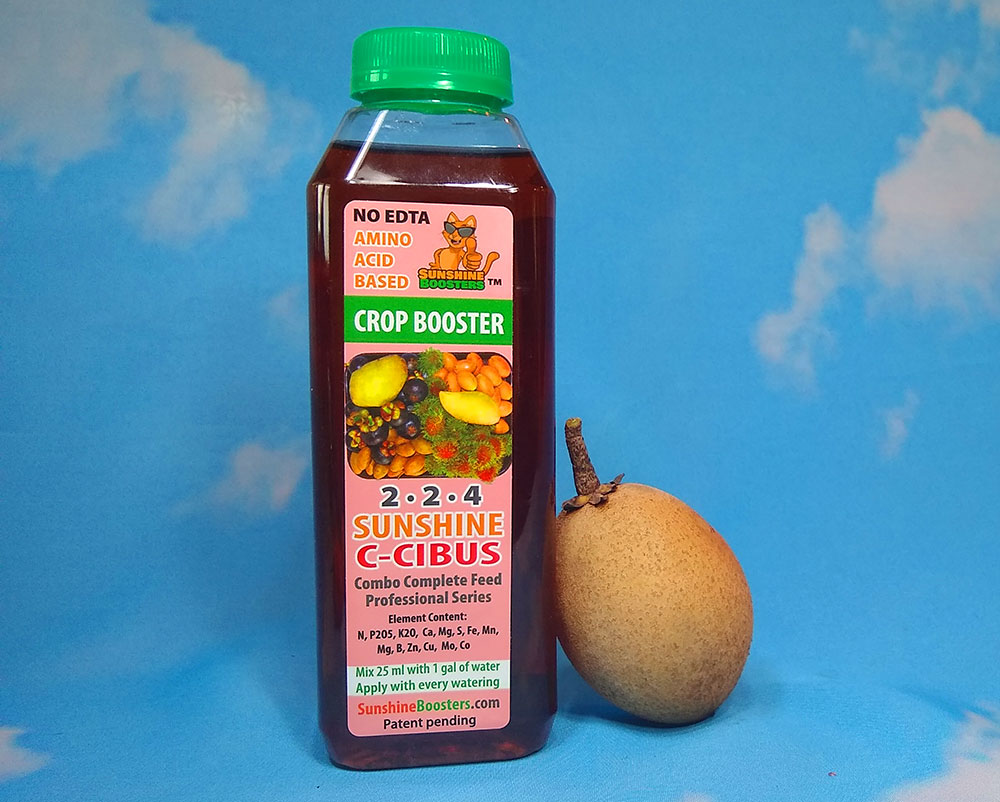
- SUNSHINE C-Cibus - Crop Nutrition Booster. It will provide well-balanced amounts of high absorption Nitrogen, as well as other macro-elements - to provide enough energy to the tree, plus a combination of all necessary micro-elements. It is safe to apply this fertilizer as frequent as with every watering, including winter time.
- SUNSHINE-Honey - sugar booster. This supplement has a high content of elements Mo and B - once the tree starts getting them on regular basis (a few times a year, according to the label), it will change its habit dropping flowers and/or premature fruit drop. As extra bonus, Sunshine Honey makes fruit sweeter by bringing sugars from all over the plant and concentrating them into fruit.

4) Lack of pollinating insects.
Solution: For most effective pollination, we always recommend to put some pieces of fruit under the tree, apple peels, or even banana peel. Those attract tiny beetles that are responsible for small flower pollination.

With winter time approaching, fruiting season is about to end, however, do not get discouraged and start the fertilizing program right away: this will bring up the plant into a healthy stage within a few months, and by next season it should be covered with fruit you like so much! Remember, Sunshine liquid fertilizers can be used year round, including winter, without a risk to burn roots or overdose, as long as you follow label instructions.

SUNSHINE C-Cibus - Crop Nutrition Booster from Garden Series, or Combo Total Feed Collection - all nutrients in just one bottle, for fruit trees and edibles.

Date: 23 Apr 2019

Fruit tree size and production

TopTropicals.com

Q: I am interested in a Strawberry Tree... does this tree produce fruit while still small or do I have to wait until it is large before it produces? Should I fertilize it so it produces sooner? I ask because my garden is not large and I prefer to keep my fruit growing trees in a smaller size. Also, how big is the fruit and does it have a seed?

A: Strawberry Tree, Muntingia Calabura, is one of those fascinating fruit trees that starts flowering and fruiting in small size. We have plants growing in 1 gal containers that already have flowers. This tree is nearly year-round producer providing warm conditions. It is a fast grower, although a compact tree when mature, and can be trimmed to desirable size without affecting production.
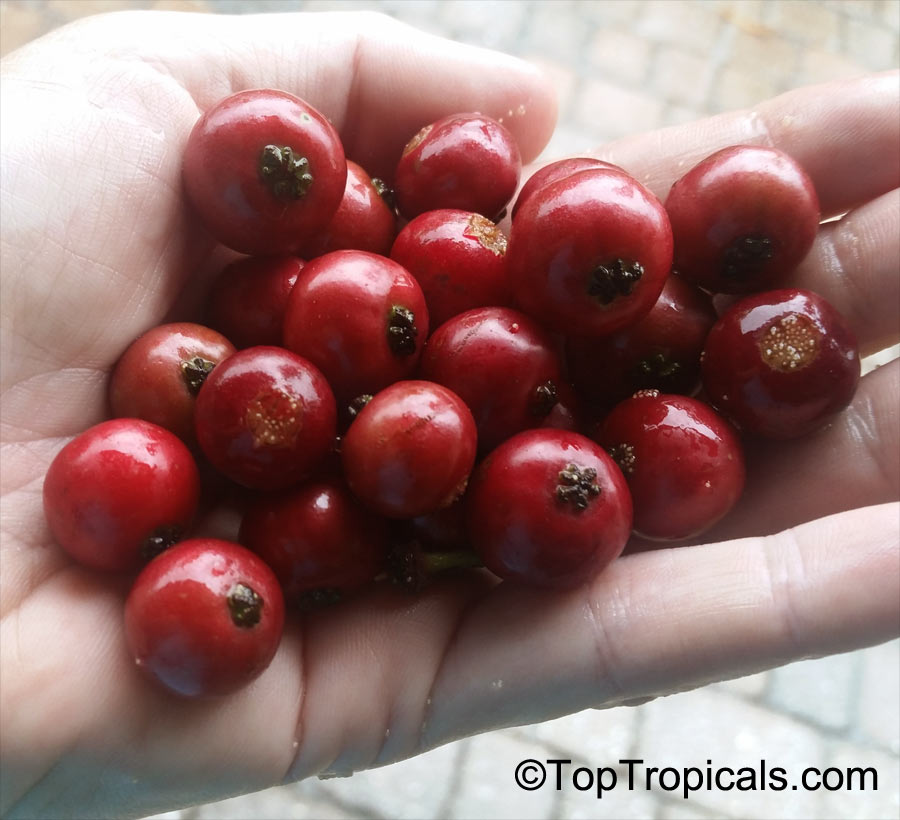
Muntingia fruit is one of our favorites. It is super sweet and juicy, and the seeds are tiny small, not bigger than the strawberry seeds, so you don't have to spit them out. The fruit size normally about 1/2 inch, but we have a tree in our garden that produces almost cherry-size fruit! See picture above. The secret is, good watering and using fruit booster - SUNSHINE honey micro-element supplement. We also fertilize our fruit trees using Fruit Festival and Mango-Food fertilizers.

Date: 8 Jul 2024

What is the best Avocado variety? Five most popular Avocado varieties

Avocado Brogdon

Avocado Brogdon

Avocado Hass

Avocado Hass

Avocado Fuerte

Avocado Fuerte

Avocado Oro Negro

Avocado Oro Negro

Avocado Winter Mexican

Avocado Winter Mexican

Five most popular Avocado varieties


"What is the best variety of Avocado?"
"Do you have the one with small black fruit and bumpy skin?"

"I have avocado with very large green fruit, what variety is it?"

These are frequently asked questions we get from our customers. This basic "classification" by black/green doesn't encompass all the wonderful qualities avocados have to offer. There are numerous hybrids in cultivation, and once you plant your first tree and taste the REAL fruit (not from the grocery store), you'll be eager to explore other varieties. While it's true that avocado fruit can vary in "butter" content, most superior varieties are equally delicious.

✅ We will guide you through Avocado varieties like we did with Mango varieties in earlier posts. First comes first -

🏆 The most popular Avocado varieties:


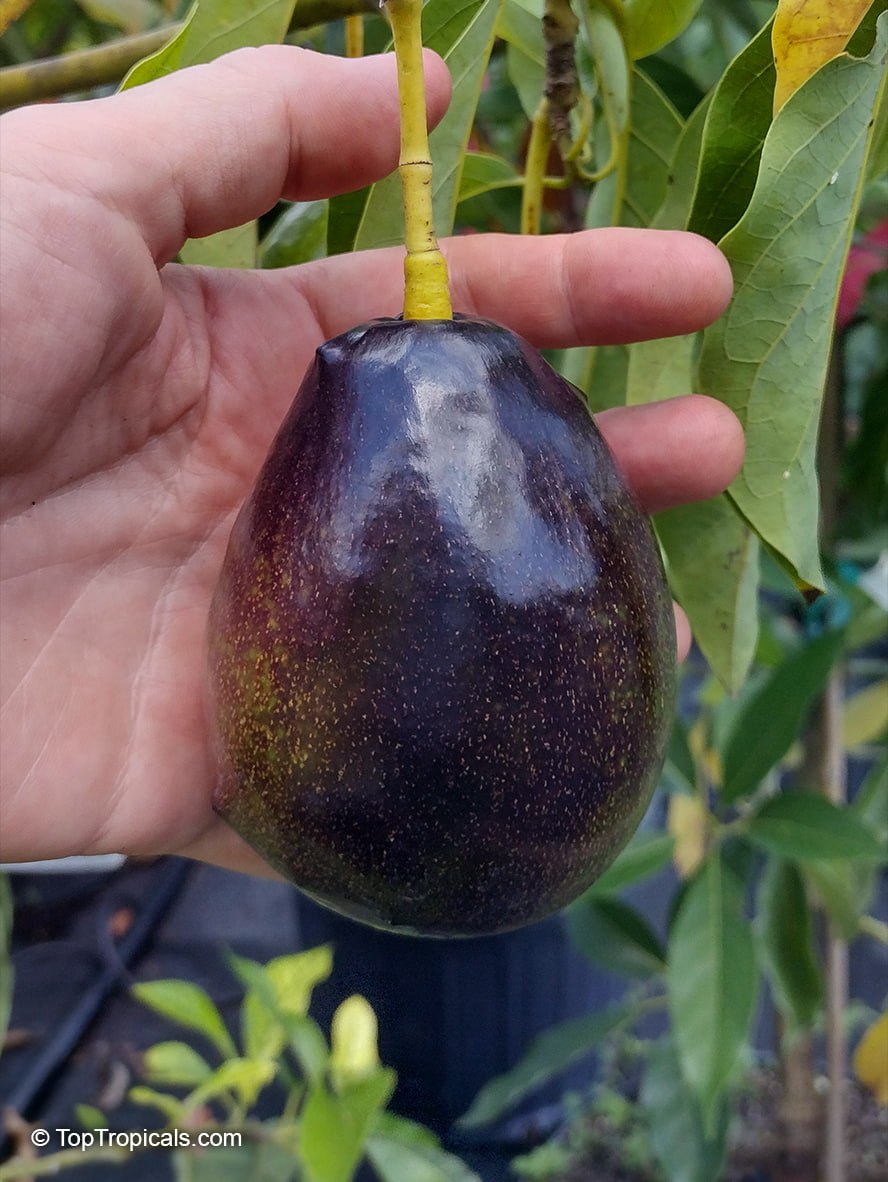
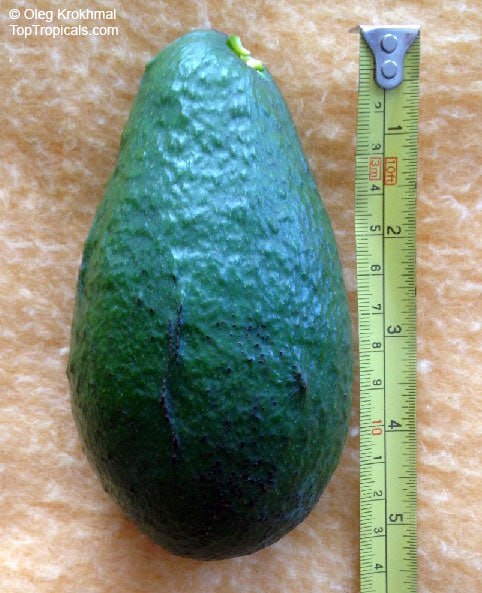
1. Brogdon - red-purple pear-shaped fruit, 7-15 oz. Skin is very thin, yellow buttery flesh. Fruit ripens in late summer-fall. Very cold hardy.

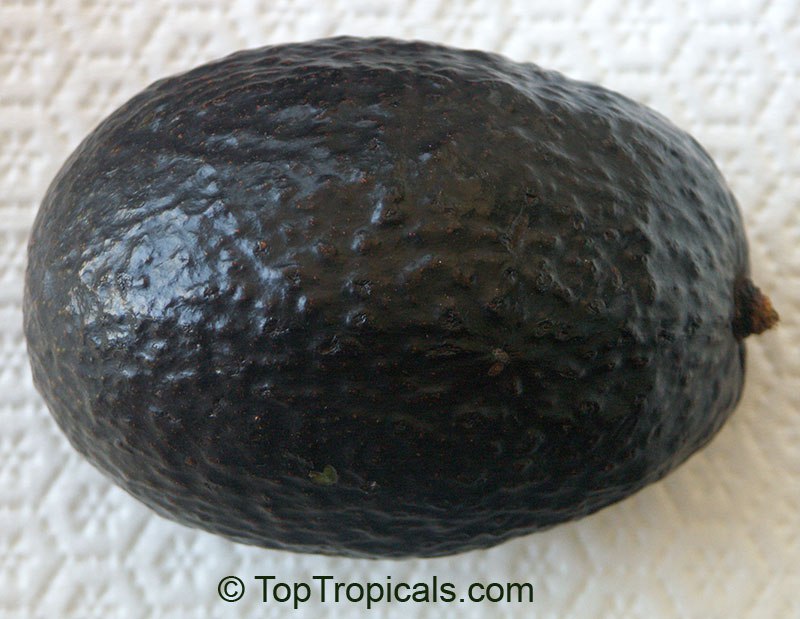
2. Hass - probably the most popular, but this tree prefers drier climate (Florida is humid, so we plant adaptable Florida Hass here). The fruit is dark-colored with a rough and bumpy skin, turns black when ripe.

3. Fuerte - a dwarf and a very cold hardy variety. Everybody's favorite "Condo Avocado": perfect for container culture and small yards. The mature tree in the ground is under 15 ft; 6-7 ft in containers.

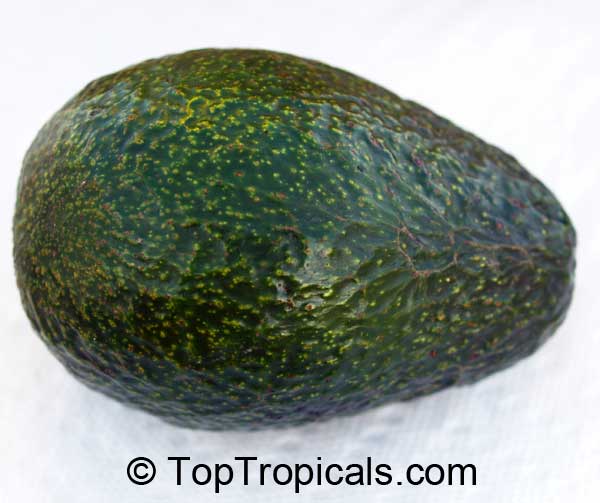
4. Oro Negro - Oro Negro means "black gold" in Spanish, which is an incredibly appropriate name for this fruit. This Monroe hybrid (with big size fruit) is crossed with a Mexican type which would explain the black skin. The flesh is rich and buttery with a creamy texture.

5. Winter Mexican - one of most cold hardy varieties, Guatemalan x Mexican origin. Mature trees may withstand temperatures in the mid 20s. Oblong fruit, 12-18 oz, thick green skin. Very vigorous tree, bears heavily and regularly in December-January.

📚 Learn more: Avocado Variety Guide - check this out for interactive chart of Avocado varieties and sort them by flower type A or B, tree habit, fruit shape and quality, cold hardiness, origin, season and more!

🛒 Shop Avocado Trees

#Food_Forest

🏵 TopTropicals

Date: 23 Jun 2024

The best tropical fruit tree for container growing, and the fastest to fruit:

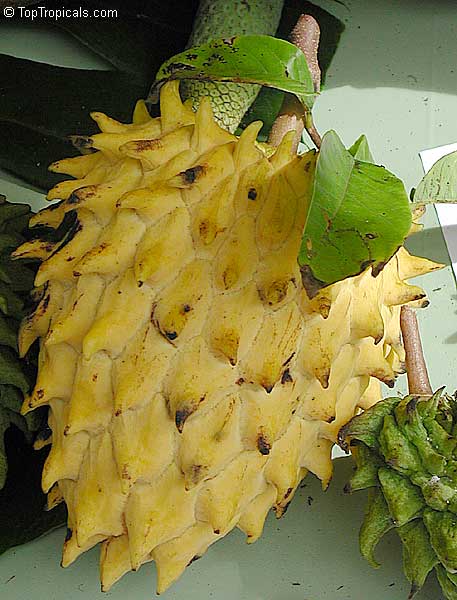
Rollinia (Rollinia deliciosa) - the biggest Annona fruit

Rollinia (Rollinia deliciosa) - the biggest Annona fruit

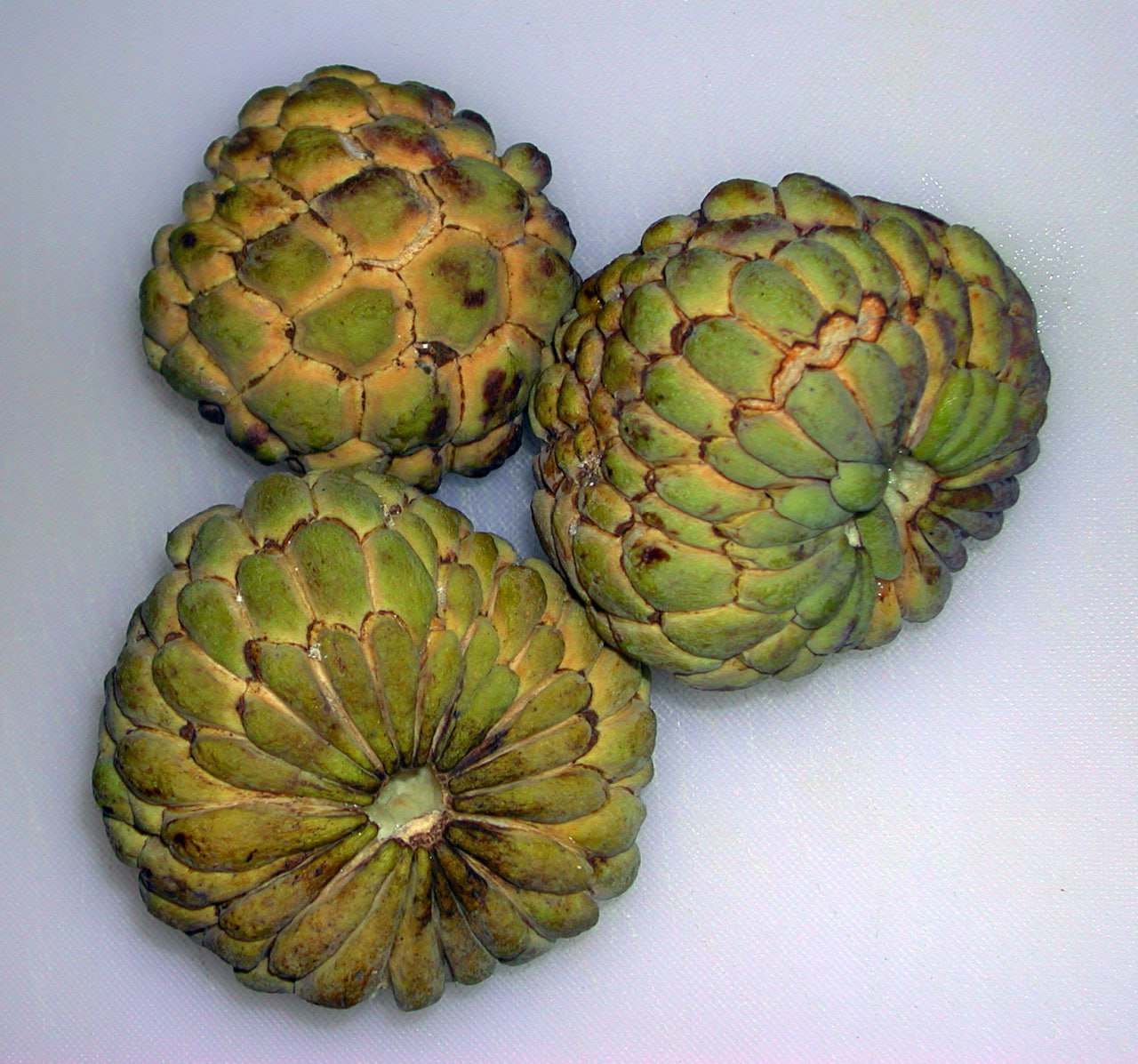
Sugar Apple (Annona squamosa)

Sugar Apple (Annona squamosa)

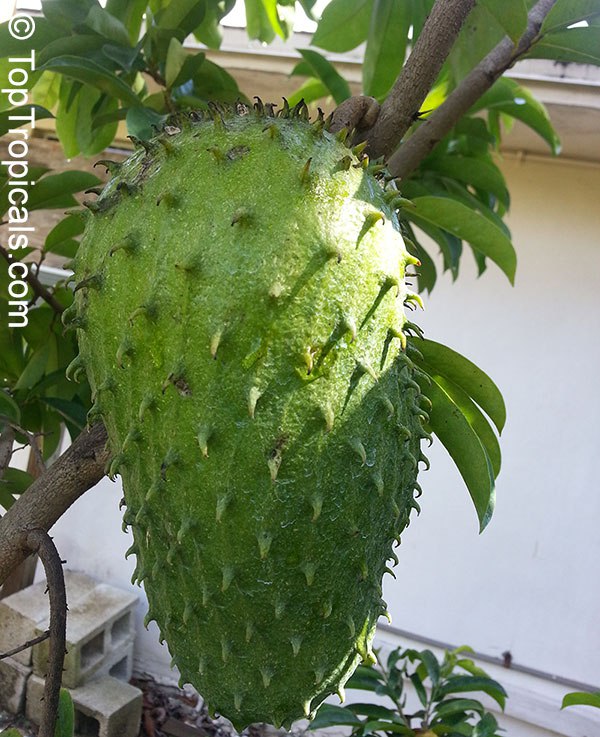
Guanabana (Annona muricata)

Guanabana (Annona muricata)

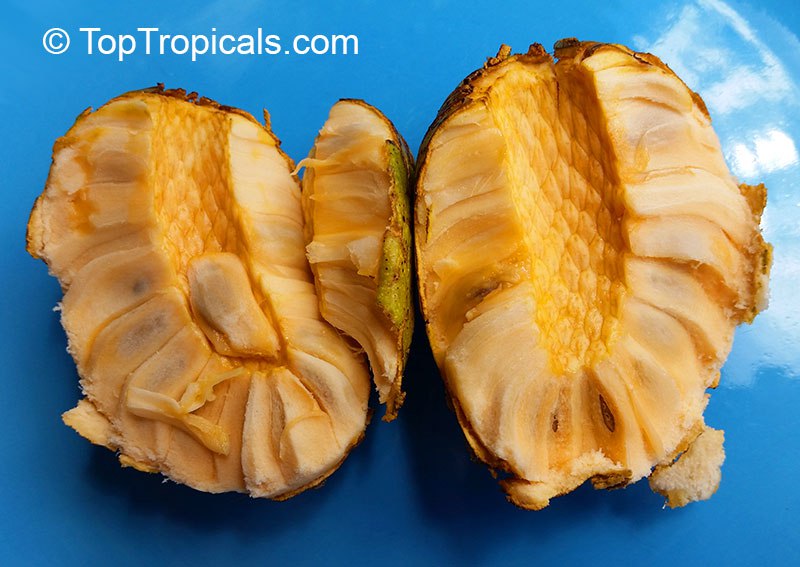
Pineapple Annona Golden (Annona costaricana)

Pineapple Annona Golden (Annona costaricana)

Custard Apple (Annona reticulata)

Custard Apple (Annona reticulata)

Mountain Soursop or Hedgehog (Annona montana)

Mountain Soursop or Hedgehog (Annona montana)

🏆 The best tropical fruit tree for container growing, and the fastest to fruit: Annona.

🍏 Annonas (Annona sp) are very much loved tropical fruit. The fruit has smooth, creamy flesh, just like a natural custard - hence one of the common names - "Custard Apple". Growing an Annona tree is a rewarding experience, its a small compact tree that will let you enjoy its creamy and exotic fruit right away.

The best tropical tree suited for container growing, due to its small height. It can be maintained within 6-8 ft tall.

The fastest fruiting tree: 2-3-4 years from seed to fruit, depending on species.

Most species are deciduous: drop leaves during winter-spring.

Thrives in frost-free climate. Some species are cold hardier than others. Container culture is a good way to cold protect these beautiful small trees.

❤️ 6 top most popular Annonas:


▪️ Rollinia (Rollinia deliciosa) - the biggest Annona fruit and the most showy
▪️ Sugar Apple (Annona squamosa) - the most popular
▪️ Guanabana (Annona muricata) - the most cold sensitive but the fruit is so tasty!
▪️ Pineapple Annona Golden (Annona costaricana) - cold hardy and easy to grow
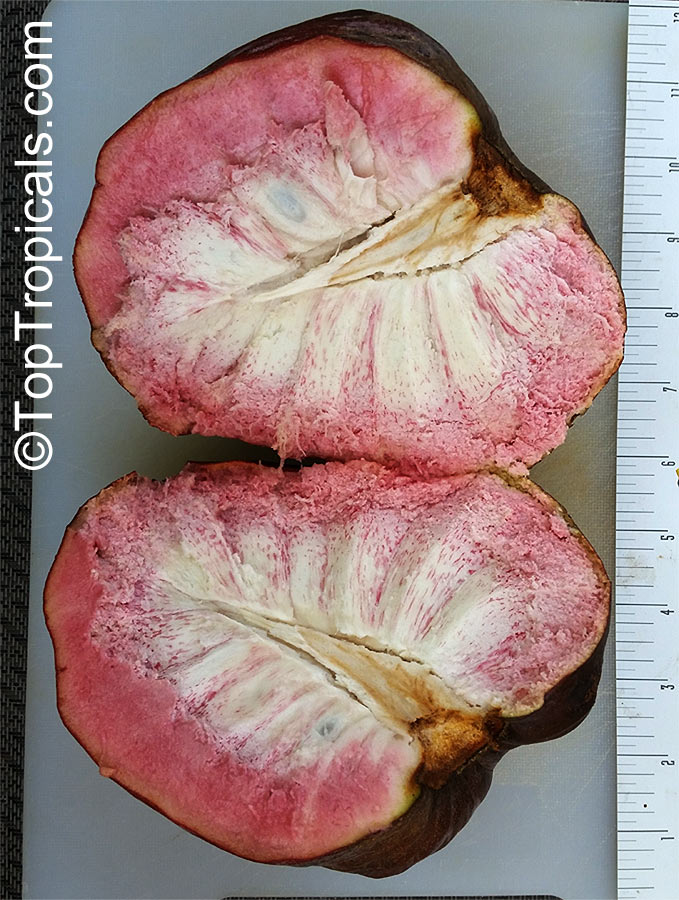
▪️ Custard Apple (Annona reticulata) - with red flesh
▪️ Mountain Soursop or Hedgehog (Annona montana) - mentioned earlier, cold hardy

📚 Learn more:
Horoscope for Guanabana tree
Hedgehog Mountain Soursop - Annona montana
How to grow and hand-pollinate Guanabana Tree indoors (PDF)

🛒 Shop Annona varieties

#Food_Forest

🏵 TopTropicals