Garden Blog - Top Tropicals

Date: 24 Oct 2023

Calathea Zebrina: Nature's Zebra Striped Star
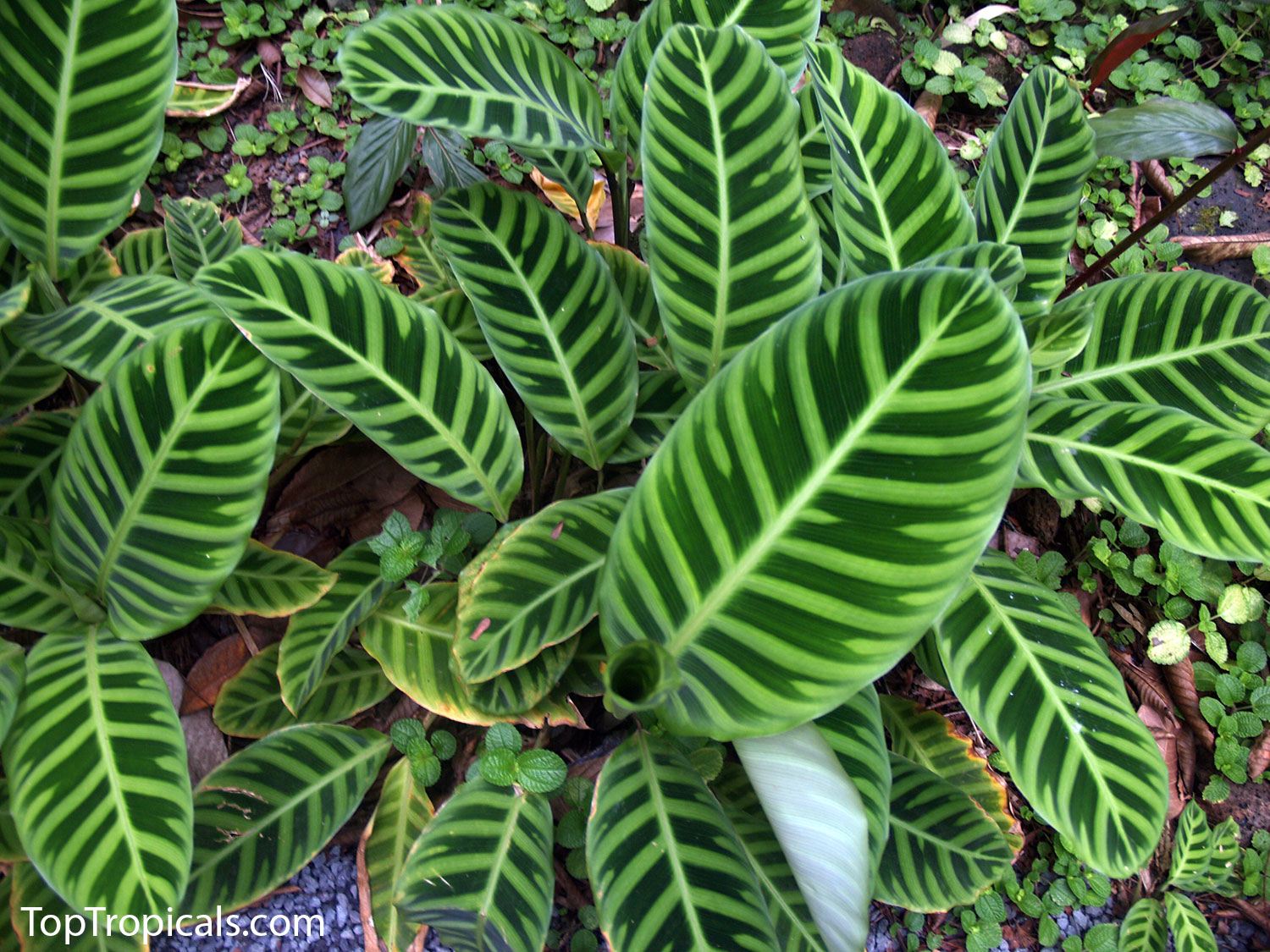
Calathea  Zebrina  -  Zebra  Plant

Q: Can you recommend a showy houseplant for a living room that doesn't need much care?

A: Meet the Calathea Zebrina - Zebra Plant, the zebra-striped sensation straight from the Brazilian rainforests. This charismatic plant is like a piece of living art for your home! The Calathea Zebrina isn't just a houseplant; it's a conversation starter and a slice of jungle magic right in your living room. Get ready to embrace the zebra-stripes and let your home's wild side shine!
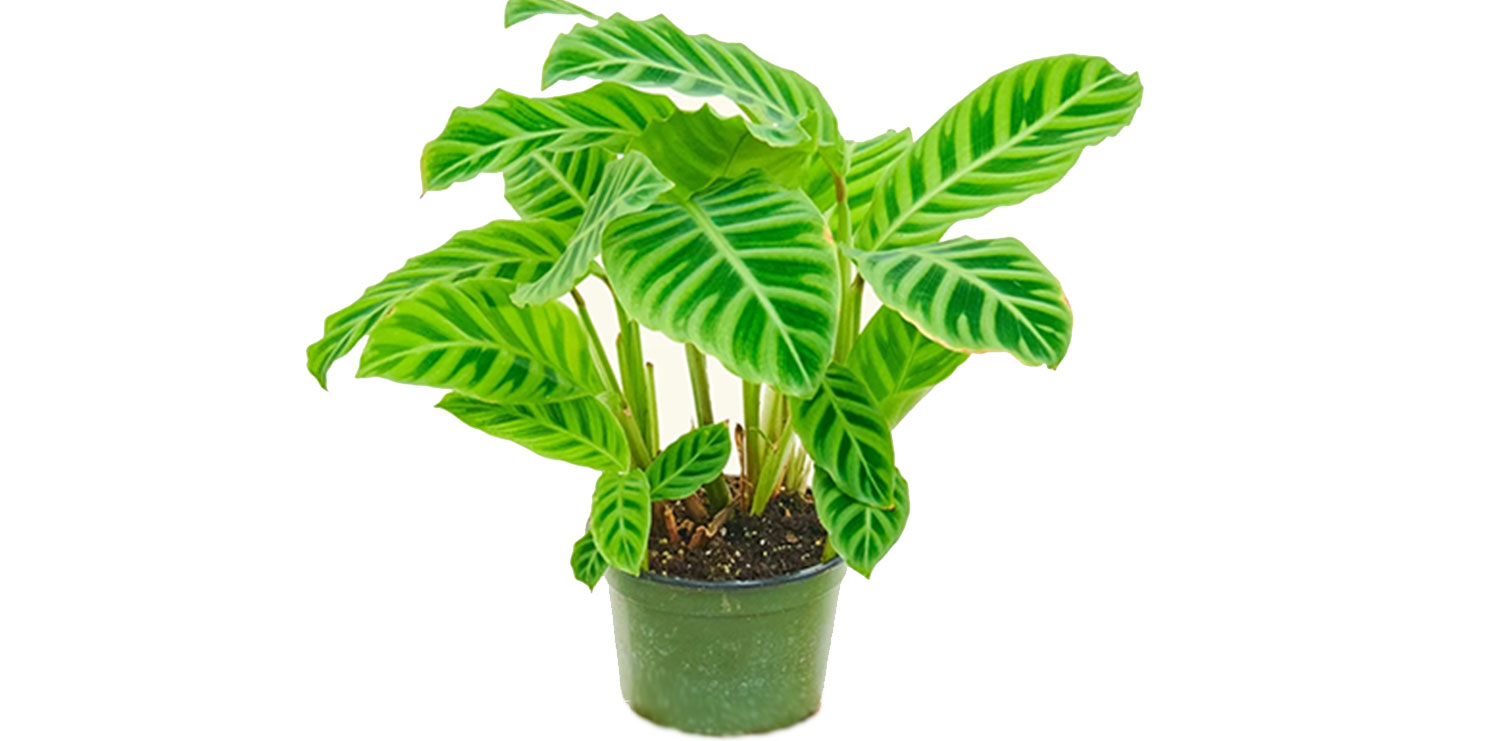
Calathea  Zebrina  -  Zebra  Plant

Zebra Stripes with a Twist:
With its bold dark green stripes on a velvety light green canvas, the Zebra Plant adds a touch of nature's whimsy to any room. It's like having a zebra with a green thumb as your housemate. The underside of the leaves are purple and not always visible because leaves grow horizontally (although some will curve or grow more upright).

Low-Light Lover:
Not only is it easy on the eyes, but it's also easy to care for. The Zebra Plant thrives in low light conditions, so you don't need to rearrange your whole house just to keep it happy. It even tolerates a little over-watering which all of us tend to do with house plants.

Green with Envy:
This plant may make your other houseplants a bit envious with its captivating appearance. Its zebra stripes aren't just a fashion statement; they're a botanical masterpiece. Keep it even greener with Sunshine Robusta plant food - safe to use year around!

A Slice of Serenity:
In a world that's always in a hurry, the Zebra Plant is a gentle reminder to slow down, appreciate nature's beauty, and bring a touch of tranquility to your space.
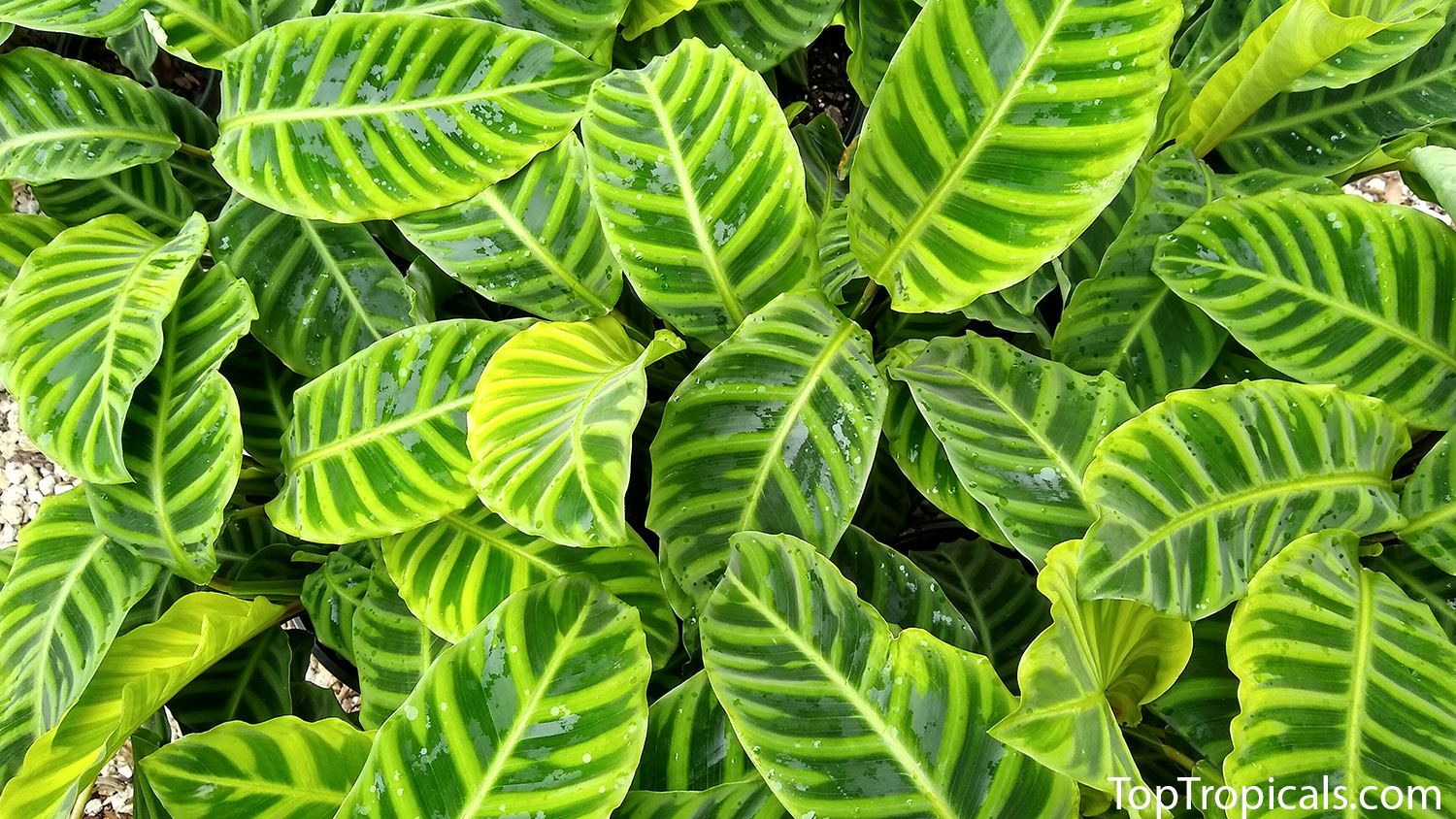
Calathea  Zebrina  -  Zebra  Plant

Date: 1 Sep 2025

Whats inside the Devils Tongue that smells like trouble?

Amorphophallus paeoniifolius (campanulatus) - Voodoo lily

👅 What's inside the Devils Tongue that smells like trouble?

  • 👹 Amorphophallus plants - the Voodoo Lilies - are also known as Devil's tongue, Snake Palm, or Elephant Foot Yam, Corpse flower. This plant has a reputation as wicked as its name!
  • 👹 Amorphophallus is the largest flower in the world and one of the most exotic bizarre flowers. Amorphophallus titanum is known for its massive size, its flower can reach heights of over 10 feet and blooms only once every few years.
  • 👹 Why Corpse flower? Because of the smell that the flower omits, but for only a few hours - just long enough to summon its pollinators, the flies 🐱
  • After that, the air clears, leaving only the memory of the spectacle.
  • 👹 The titan of the group, Amorphophallus titanum, can soar over 10 feet tall. But its cousin in this video, Amorphophallus paeoniifolius, is just as fascinating. It rises from a giant underground corm (which is actually edible in Asia), then sends up either one surreal flower or one umbrella-like leaf as big as a small tree.
  • 👹 Season after season, it alternates between leaf and bloom, keeping its mysterious cycle alive. Hardy enough to rest through winter dormancy, it can even be grown in a pot at home.


🎥 Amorphophallus paeoniifolius (campanulatus) - Voodoo lily

🛒 Discover more of Amorphophallus - rare and enigmatic plants

📚 Learn more:

Plant Facts

Amorphophallus sp.
Voodoo lily, Devils tongue, Snake Palm, Corpse flower, Elephant Foot Yam
USDA Zone: 9-11
Large shrub 5-10 ft tallSmall plant 2-5 ftSemi-shadeShadeRegular waterRed, crimson, vinous flowersOrnamental foliageUnusual colorPink flowersSubtropical plant. Mature plant cold hardy at least to 30s F for a short time

#Nature_Wonders #Shade_Garden #Container_Garden
🟢 Join 👉 TopTropicals

Date: 19 Apr 2024

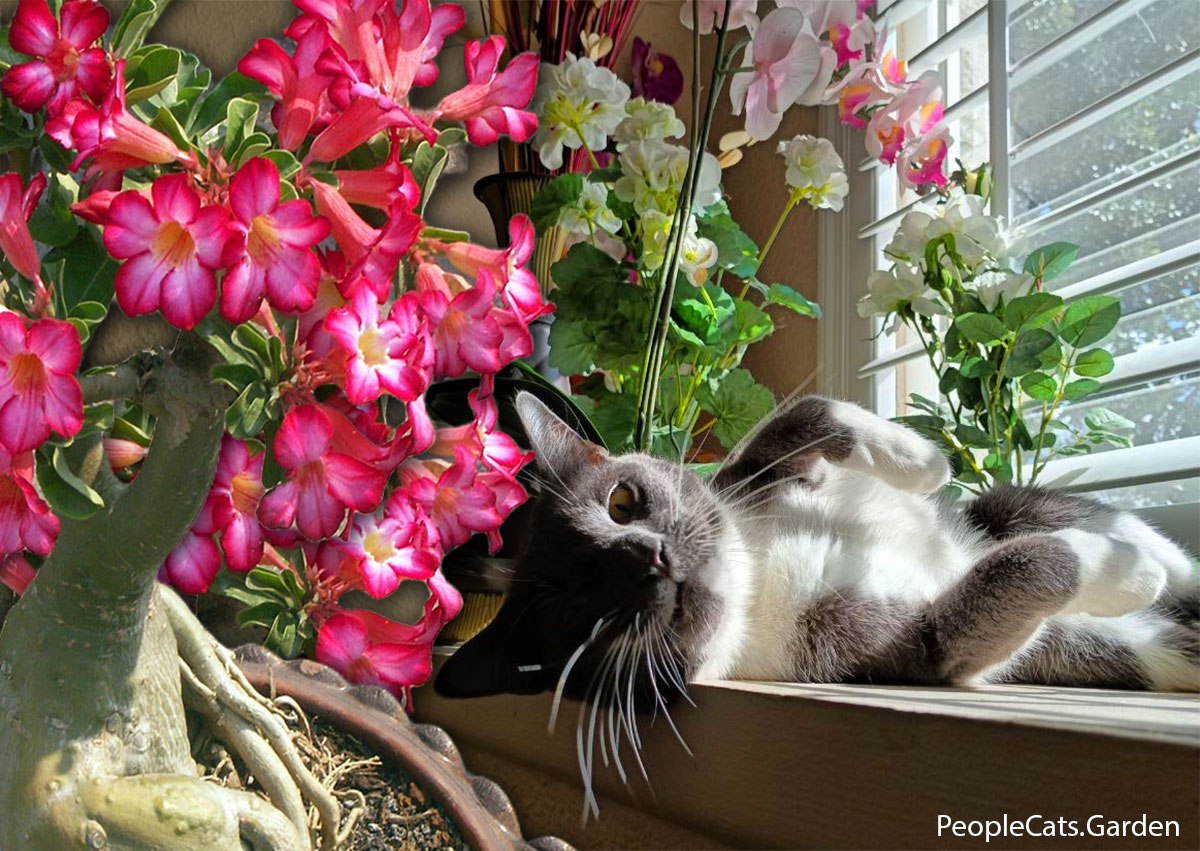
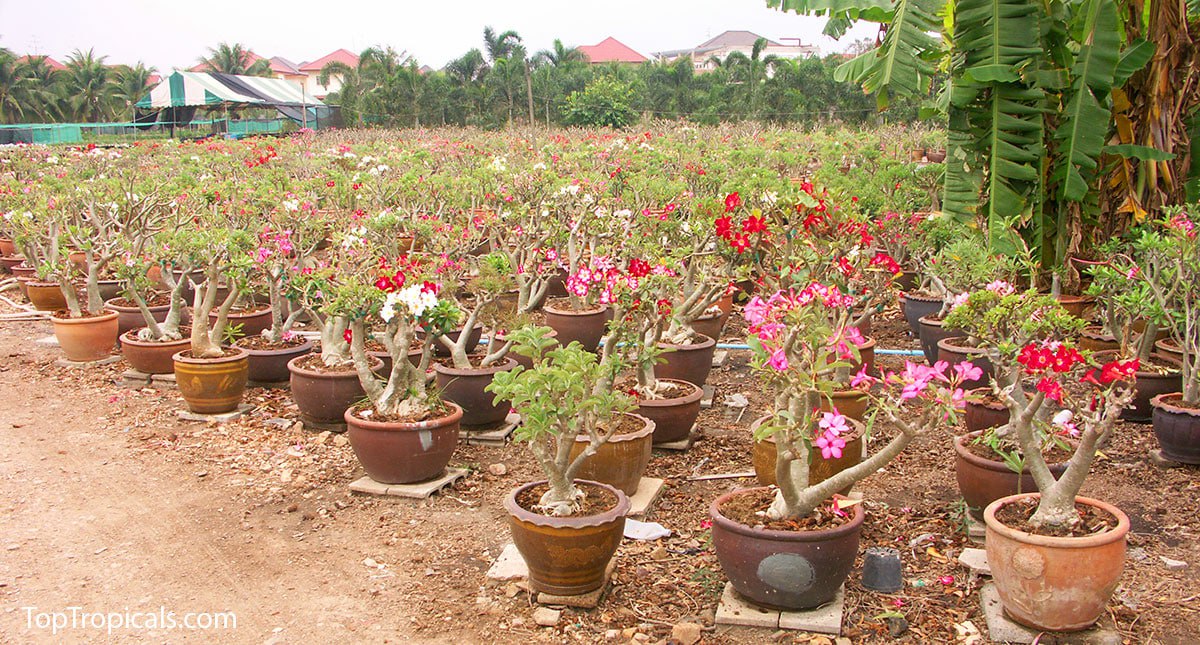
How to grow Desert Roses (Adeniums)

Desert Roses (Adeniums)

Desert Roses (Adeniums)

Desert Roses (Adeniums)

Desert Roses (Adeniums)

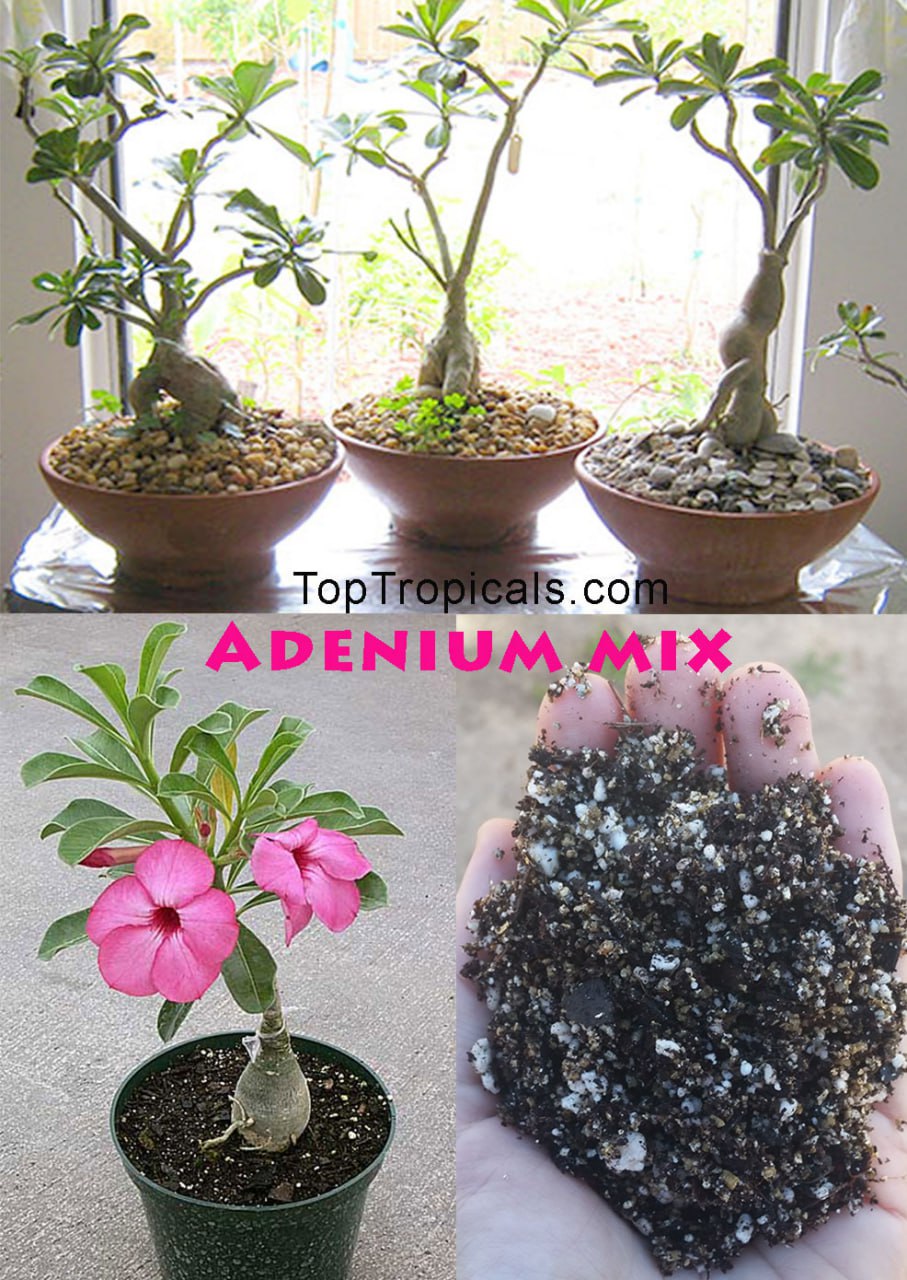
Desert Roses (Adeniums) indoors and soil mix

Desert Roses (Adeniums) indoors and soil mix

🌸 How to grow Desert Roses (Adeniums)


Adeniums, also known as Desert Roses, are exotic and striking plants with curious caudex and bright flowers. They can bring beauty to any indoor or outdoor garden. Despite their desert origins, they require a bit of care to thrive. Here's a simple guide to help you grow healthy and vibrant adeniums:

📚 A Guide to Growing Adeniums

🛒 Shop Adeniums

#How_to #Container_Garden

🏵 TopTropicals

Date: 25 Feb 2026

A Miracle in the Garden: Watching a Tiger Swallowtail Rebuild Itself on a Magnolia Champaka - Joy Perfume Tree

Tiger Swallowtail Butterfly

A Miracle in the Garden: Watching a Tiger Swallowtail Rebuild Itself on a Magnolia Champaka - Joy Perfume Tree 🐯

Tiger Swallowtail Metamorphosis: From Cocoon to Joy
  • 🏼 Nature’s most mind-blowing magic trick happened right here on a branch of our Magnolia champaka - the Joy Perfume Tree. Did you know that when a caterpillar enters its chrysalis (cocoon), it literally dissolves its body and rebuilds it from scratch?
  • 🏼 This Tiger Swallowtail chose the legendary Joy Perfume Tree as its nursery. It’s a match made in heaven—the "flying tiger" of North America born on a tree famous for the world’s most expensive perfume scent. While most people know the Champaka for its intensely fragrant flowers, few realize that even the leaves release a soft, sweet aroma when brushed against.
  • 🏼 In this video, you’ll see the rare moment of eclosion - where the butterfly emerges with soft, wrinkled wings and begins the slow process of pumping life into them before its first flight.
  • 🏼 It is a real gem in your garden - not just for fragrance lovers, but for wildlife that clearly loves it too.
Watch this Tiger Swallowtail butterfly being born on a Champaka - Joy Perfume tree!

🛒 Bring the miracle Joy to your garden - the perfume Champaka tree

📚
Everything You Need to Know About the Joy Perfume Tree:
· How to grow Magnolia champaca and get some Joy
🟡The Fragrance: What does Joy Perfume flower smell like?
· Which Champaka tree is better - White or Golden?
🟡More:

🎥

#Perfume_Plants #Container_Garden #Trees #Discover

Plant Facts

Magnolia champaca, Michelia champaca
Joy Perfume Tree, Huang Yu Lan, Safa
USDA Zone: 9-11
Small tree 10-20 ftFull sunRegular waterYellow, orange flowersPlant attracts butterflies, hummingbirdsFragrant plantSubtropical plant. Mature plant cold hardy at least to 30s F for a short time
🟢 Join 👉 TopTropicals

Date: 22 Mar 2021

The most rewarding hardy fruit trees

Q: Recently I started working remotely and I kinda like it, no need to commute, it saves me so much time so I can have life now! My friend got me involved into growing some small houseplants but I really want to take advantage of our Florida climate and sun. I want to plant some cool fruit trees since I have a decent size yard. But I live in Florida Panhandle and we do have some occasional freeze in winter, although not for too long. But it gets very hot in summer! Are there any tropical fruit trees that will be happy here? Or should I keep everything in pots? I am excited to have my own tropical plant collection!

A: There is a perfect plant for everyone, and a perfect tree for every climate. Many tropical and especially subtropical plants can be much hardier than they are believed to be, both flowering and fruiting trees among them. You may keep the most sensitive species in pots and bring them inside for winter, while there are so many trees that will be happy in your area. Start with these that are perfect for climates with hot summers and cool winters:

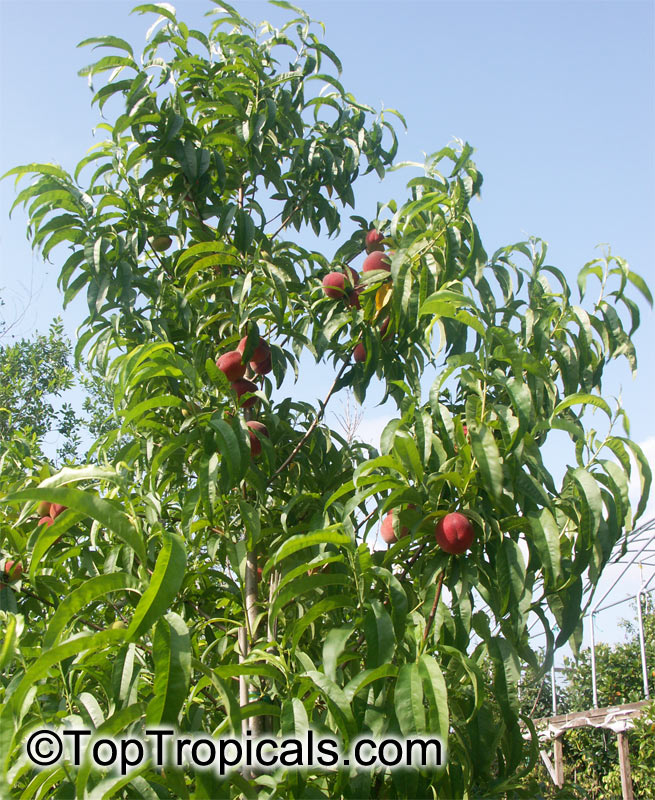
1. Peaches and Plums

Low-chill, Heat-tolerant Peaches, Nectarines, Plums are especially selected for Florida hot summers. They produce well and do not require many "chill" hours like temperate fruit trees. They only need 150 chill hours and grow well in even in Arizona, so you know they are taking the heat.

2. Figs

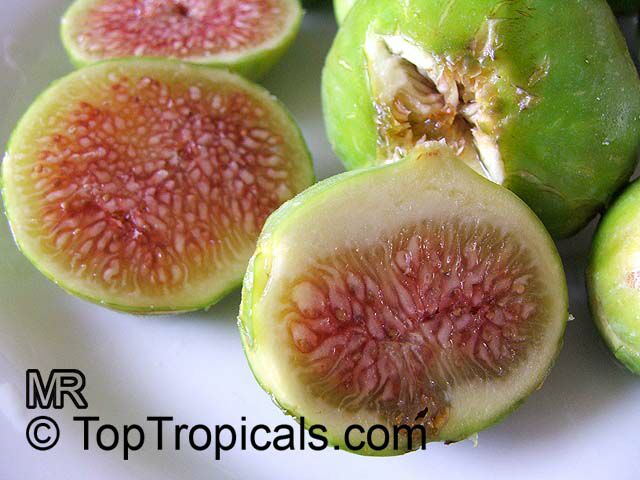
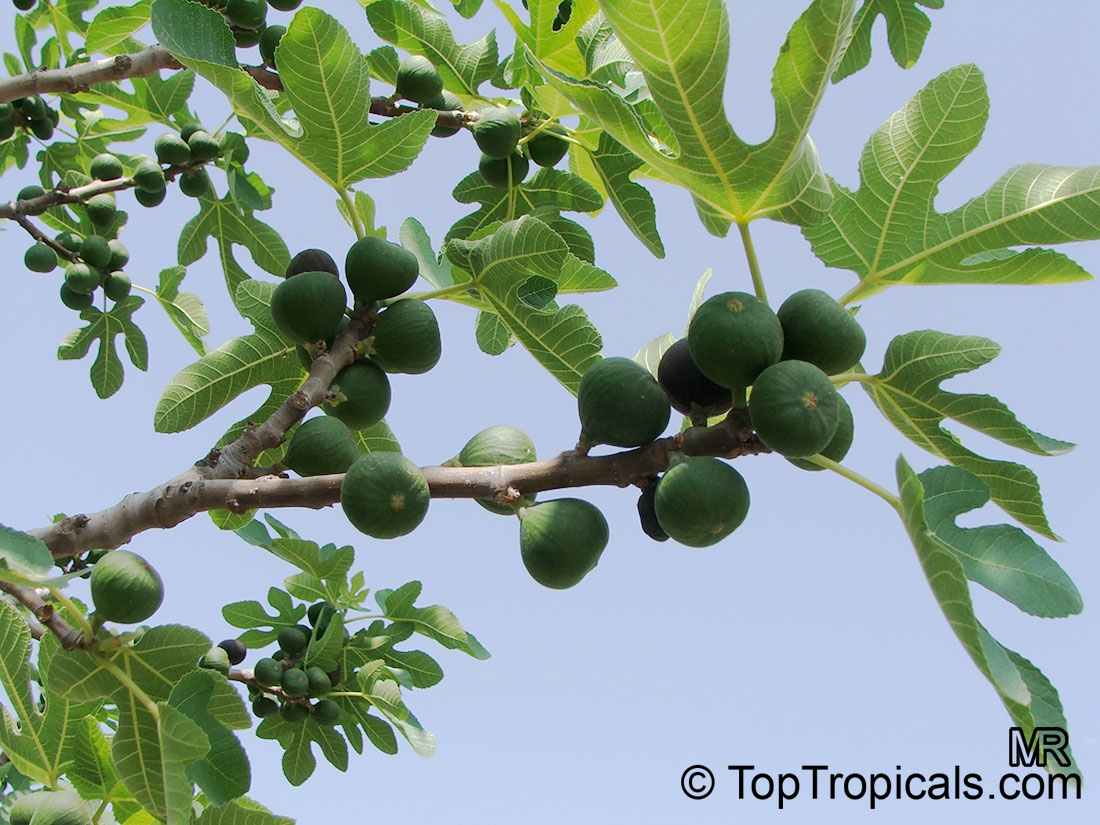
2) Fig trees - they are easy to grow, heat- and drought- resistant trees. They are prized for their delicious fruit, which can be one to three inches in length, violet, brown or black. There are even varieties with yellow fruit. Most fruits are borne from early summer to late fall on new growth, and the fruits generally mature very quickly. These trees are sensitive to frost only when actively growing, but can withstand 10F when dormant. Read more about Fig trees.