Date: 24 Oct 2023
Calathea Zebrina: Nature's Zebra Striped Star
Q: Can you recommend a showy houseplant for a living room that doesn't need much care?
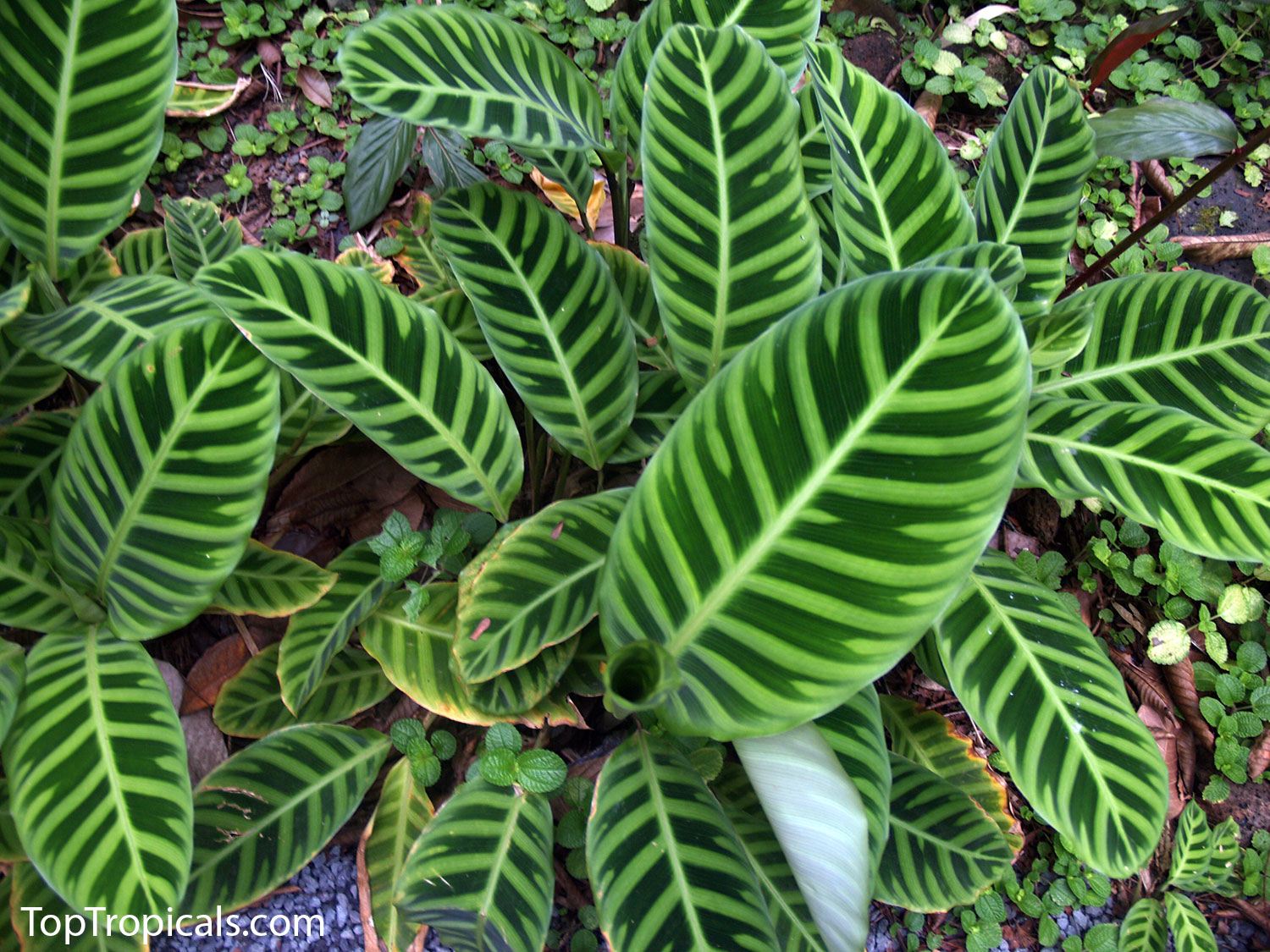
A: Meet the Calathea Zebrina - Zebra Plant, the zebra-striped sensation straight from the Brazilian rainforests. This charismatic plant is like a piece of living art for your home! The Calathea Zebrina isn't just a houseplant; it's a conversation starter and a slice of jungle magic right in your living room. Get ready to embrace the zebra-stripes and let your home's wild side shine!
Zebra Stripes with a Twist:
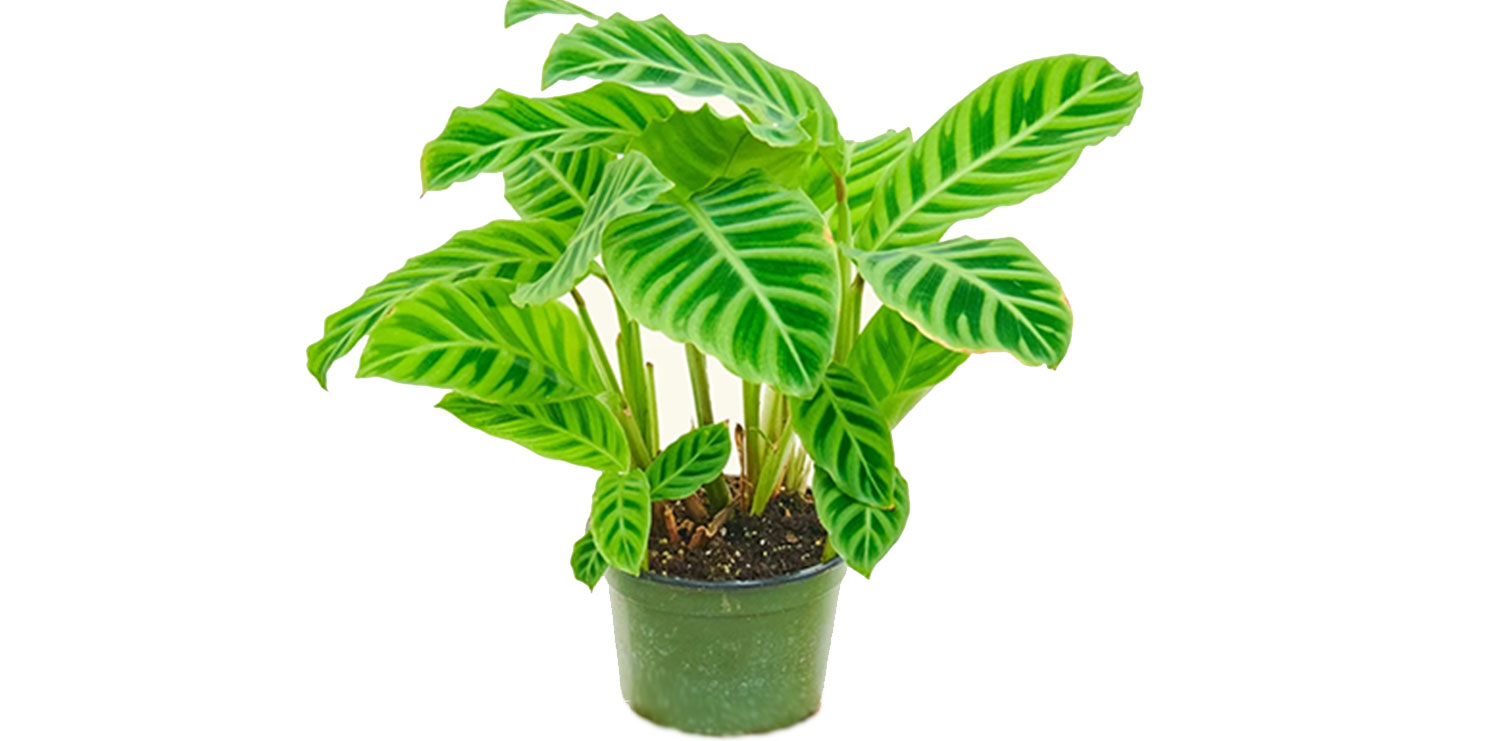
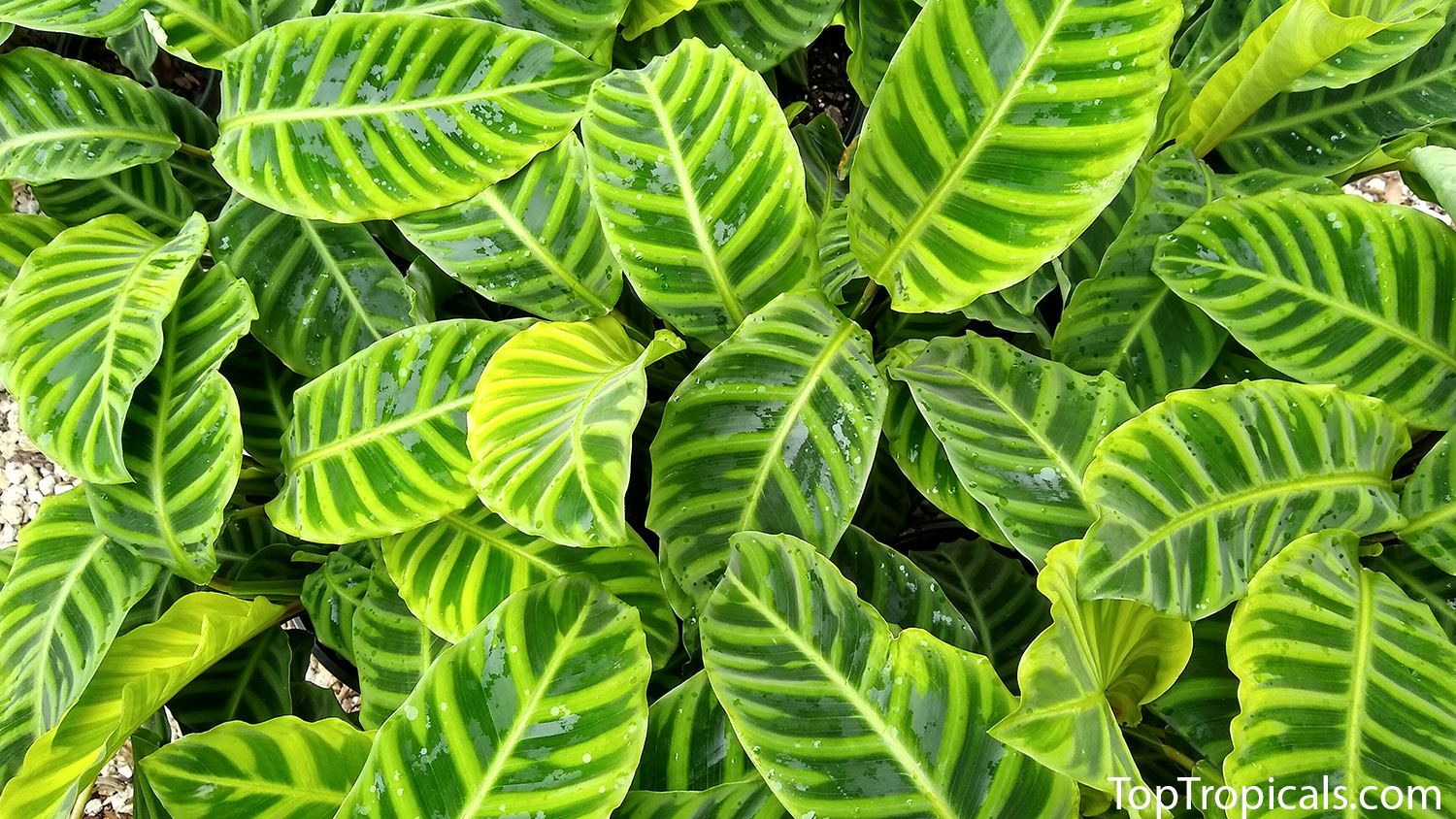
With its bold dark green stripes on a velvety light green canvas, the Zebra
Plant adds a touch of nature's whimsy to any room. It's like having a zebra
with a green thumb as your housemate. The underside of the leaves are purple
and not always visible because leaves grow horizontally (although some will
curve or grow more upright).
Low-Light Lover:
Not only is it easy on the eyes, but it's also easy to care for. The Zebra
Plant thrives in low light conditions, so you don't need to rearrange your
whole house just to keep it happy. It even tolerates a little over-watering
which all of us tend to do with house plants.
Green with Envy:
This plant may make your other houseplants a bit envious with its
captivating appearance. Its zebra stripes aren't just a fashion statement; they're a
botanical masterpiece. Keep it even greener with Sunshine Robusta plant food - safe to use year around!
A Slice of Serenity:
In a world that's always in a hurry, the Zebra Plant is a gentle reminder
to slow down, appreciate nature's beauty, and bring a touch of tranquility to
your space.
Date: 22 Mar 2021
The most rewarding hardy fruit trees
Q: Recently I started working remotely and I kinda like it, no need to commute, it saves me so much time so I can have life now! My friend got me involved into growing some small houseplants but I really want to take advantage of our Florida climate and sun. I want to plant some cool fruit trees since I have a decent size yard. But I live in Florida Panhandle and we do have some occasional freeze in winter, although not for too long. But it gets very hot in summer! Are there any tropical fruit trees that will be happy here? Or should I keep everything in pots? I am excited to have my own tropical plant collection!
A: There is a perfect plant for everyone, and a perfect tree for every climate. Many tropical and especially subtropical plants can be much hardier than they are believed to be, both flowering and fruiting trees among them. You may keep the most sensitive species in pots and bring them inside for winter, while there are so many trees that will be happy in your area. Start with these that are perfect for climates with hot summers and cool winters:
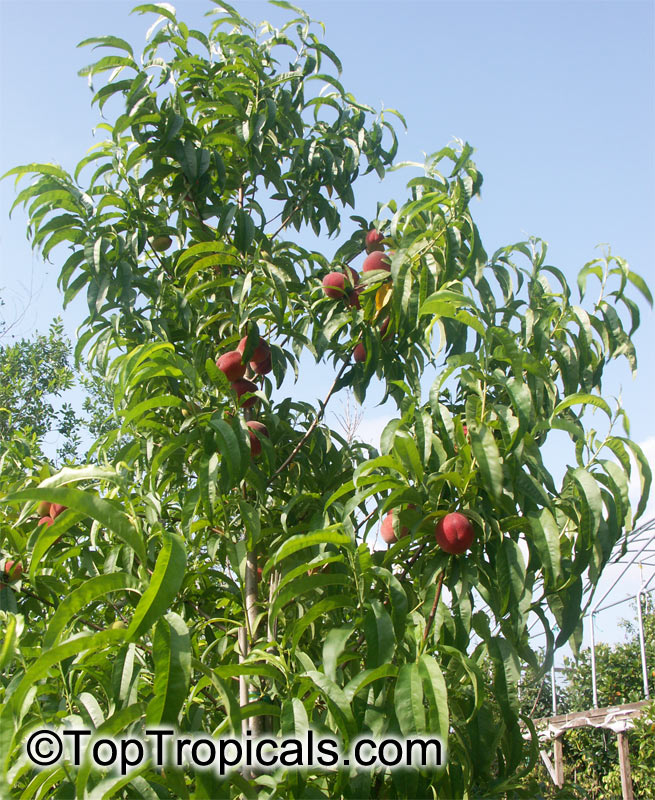
1. Peaches and Plums
Low-chill, Heat-tolerant Peaches, Nectarines, Plums are especially selected for Florida hot summers. They produce well and do not require many "chill" hours like temperate fruit trees. They only need 150 chill hours and grow well in even in Arizona, so you know they are taking the heat.

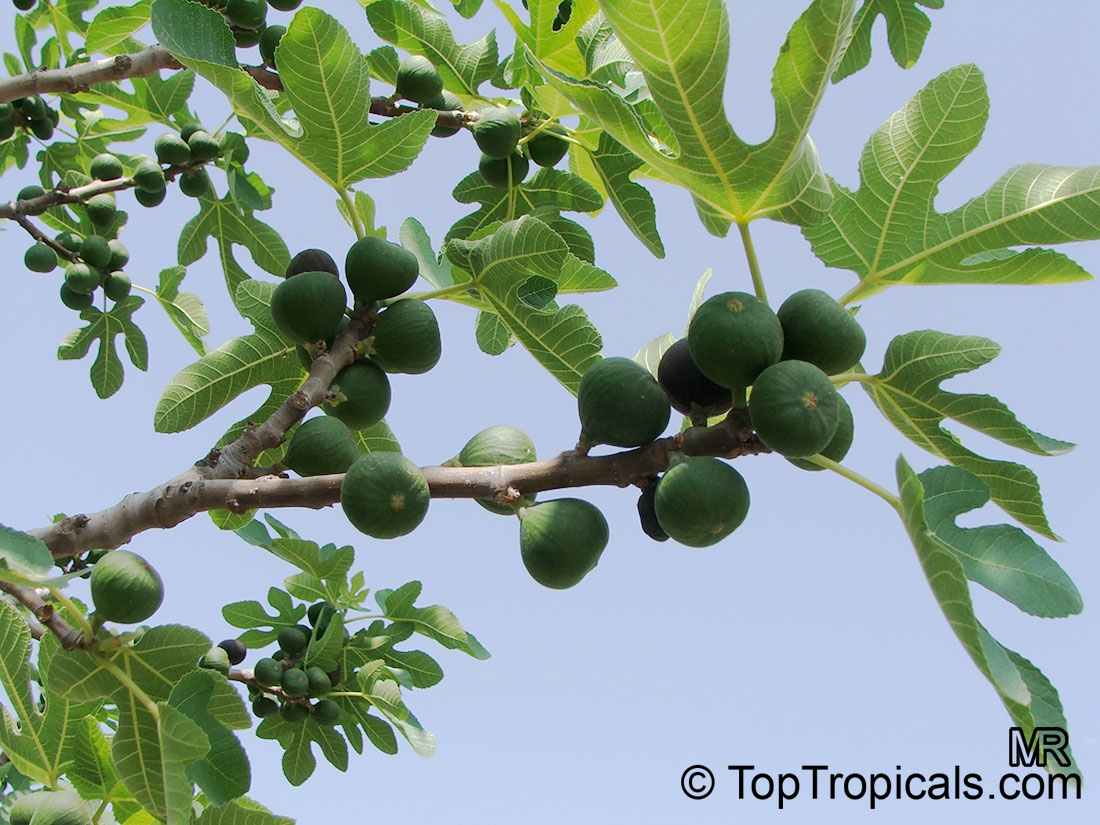
2. Figs

2) Fig trees - they are easy to grow, heat- and drought- resistant trees. They are prized for their delicious fruit, which can be one to three inches in length, violet, brown or black. There are even varieties with yellow fruit. Most fruits are borne from early summer to late fall on new growth, and the fruits generally mature very quickly. These trees are sensitive to frost only when actively growing, but can withstand 10F when dormant. Read more about Fig trees.
Date: 19 Apr 2024
How to grow Desert Roses (Adeniums)
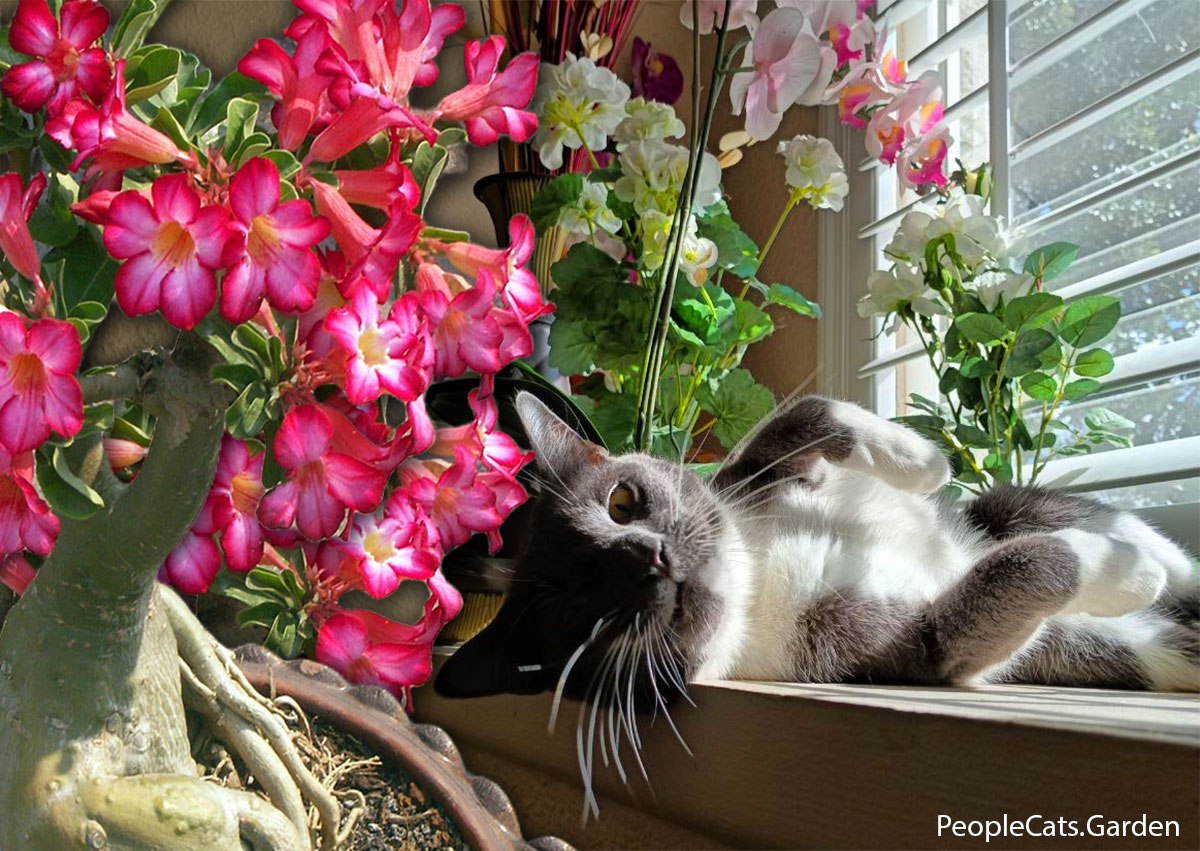
Desert Roses (Adeniums)
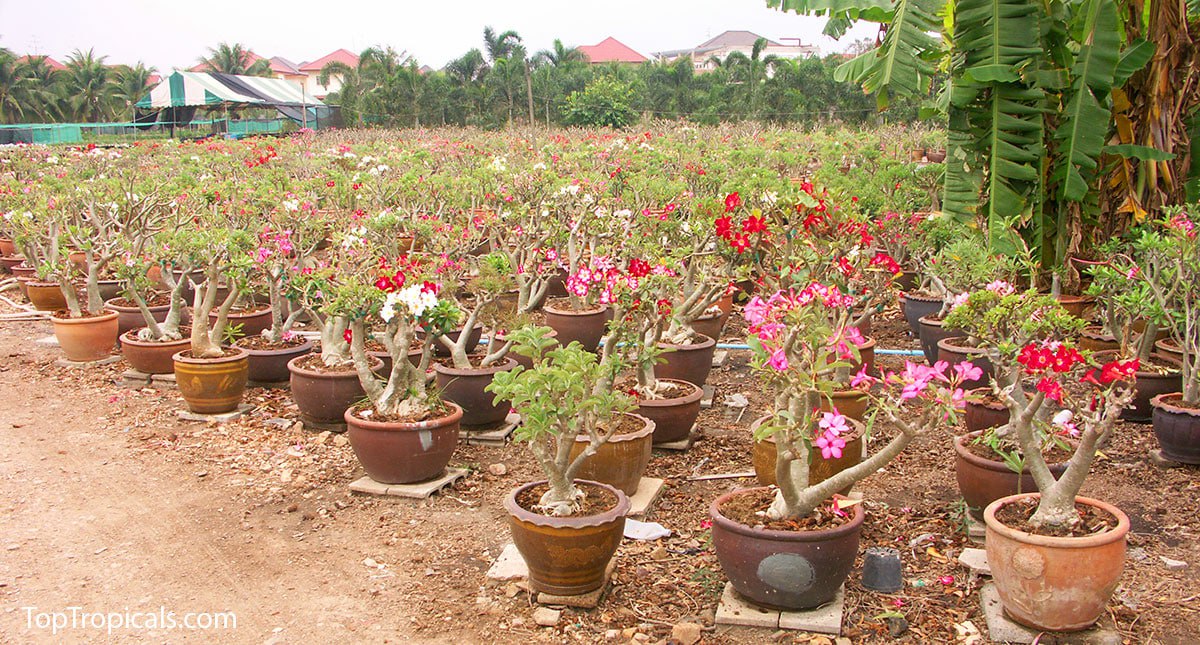
Desert Roses (Adeniums)
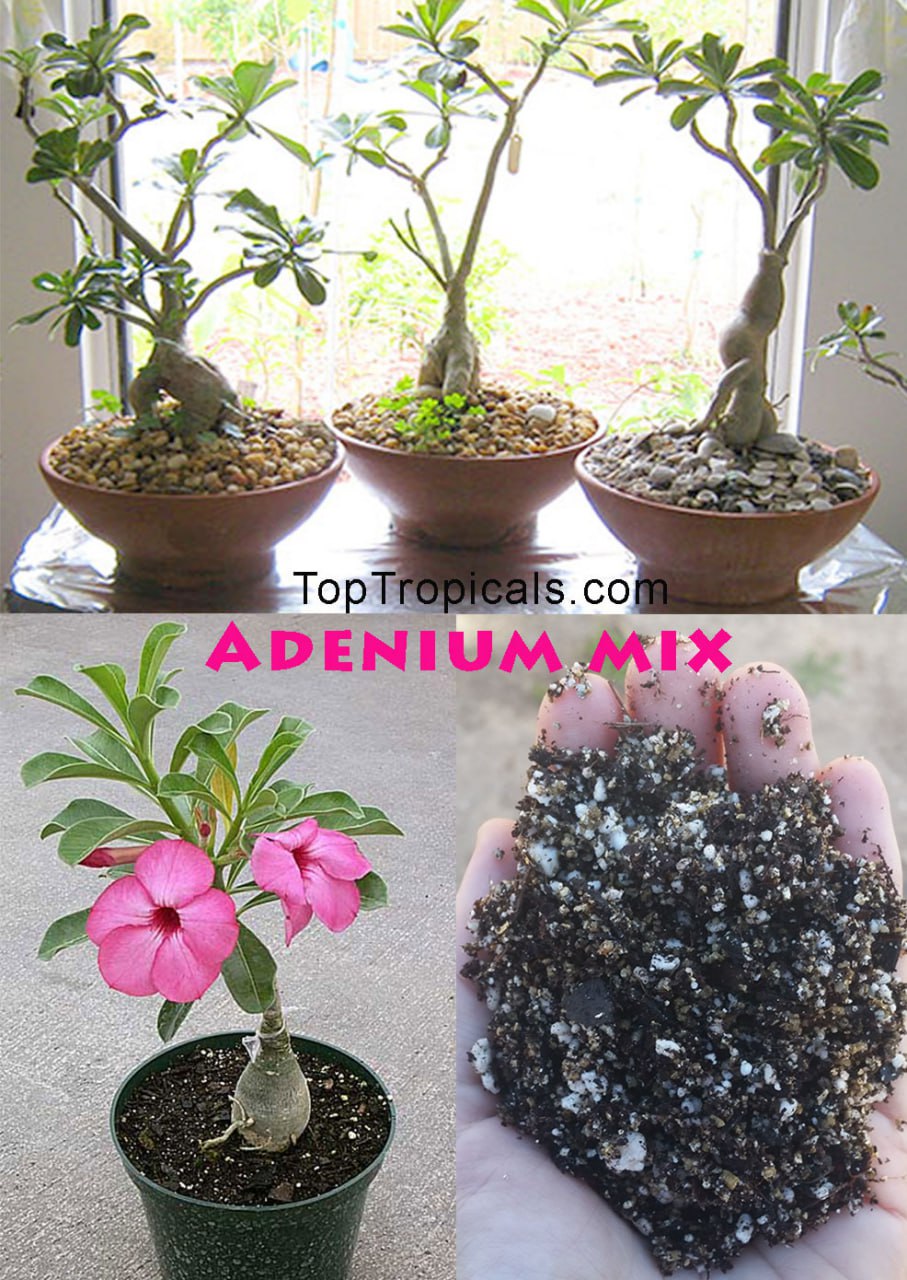
Desert Roses (Adeniums) indoors and soil mix
🌸 How to grow Desert Roses (Adeniums)
Adeniums, also known as Desert Roses, are exotic and striking plants with curious caudex and bright flowers. They can bring beauty to any indoor or outdoor garden. Despite their desert origins, they require a bit of care to thrive. Here's a simple guide to help you grow healthy and vibrant adeniums:
📚 A Guide to Growing Adeniums
🛒 Shop Adeniums
#How_to #Container_Garden
Date: 25 Feb 2026
A Miracle in the Garden: Watching a Tiger Swallowtail Rebuild Itself on a Magnolia Champaka - Joy Perfume Tree
Tiger Swallowtail Butterfly
Tiger Swallowtail Metamorphosis: From Cocoon to Joy
- 🏼 Nature’s most mind-blowing magic trick happened right here on a branch of our Magnolia champaka - the Joy Perfume Tree. Did you know that when a caterpillar enters its chrysalis (cocoon), it literally dissolves its body and rebuilds it from scratch?
- 🏼 This Tiger Swallowtail chose the legendary Joy Perfume Tree as its nursery. It’s a match made in heaven—the "flying tiger" of North America born on a tree famous for the world’s most expensive perfume scent. While most people know the Champaka for its intensely fragrant flowers, few realize that even the leaves release a soft, sweet aroma when brushed against.
- 🏼 In this video, you’ll see the rare moment of eclosion - where the butterfly emerges with soft, wrinkled wings and begins the slow process of pumping life into them before its first flight.
- 🏼 It is a real gem in your garden - not just for fragrance lovers, but for wildlife that clearly loves it too.
🛒 Bring the miracle Joy to your garden - the perfume Champaka tree
📚 Everything You Need to Know About the Joy Perfume Tree:
· How to grow Magnolia champaca and get some Joy
🟡The Fragrance: What does Joy Perfume flower smell like?
- 🟡Troubleshooting: Why is my Champaka Tree dropping leaves?
🟡 Comparison:
· Which Champaka tree is better - White or Golden?
🟡More:
- · When does Champaka tree start blooming?
- · Why Champaka is such a popular perfume tree
- · Flower of the most expensive perfume
- · Article about Champaka
🎥
#Perfume_Plants #Container_Garden #Trees #Discover


Date: 29 Oct 2024
How to overwinter tropical plants indoors
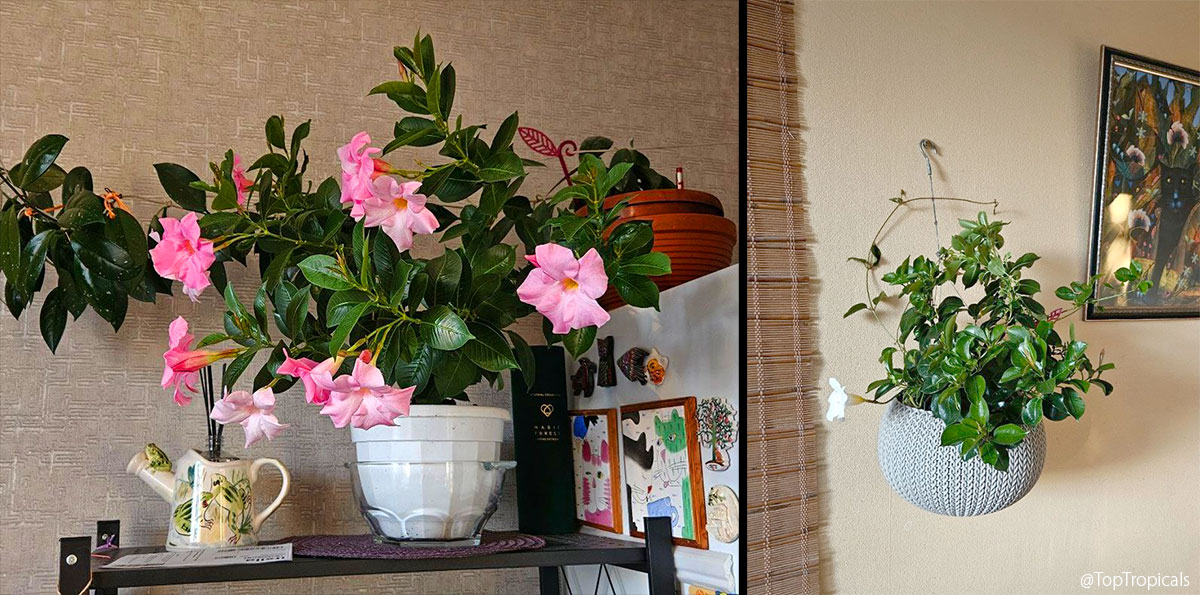
10 key tips for successful overwintering
Q: I have two Mandevillas that thrived on my balcony all summer. Now that cold weather is approaching, I've moved them indoors to bright spots, but they're dropping and wilting leaves. How can I keep them healthy until spring? Should I fertilize them? Can Mandevillas grow indoors year-round?
A: First, keep in mind that the plants we call "indoor plants" or "house plants" are all tropical. However, not all tropical plants are suitable for indoor living. Some, especially shade-loving ones, thrive in indoor conditions, which is why we refer to them as "house plants" (philodendrons, monsteras, calatheas, peperomias, and many others, including some succulents). Others are less adaptable to the lower light and humidity typical of indoor spaces, but with a little extra care, you can overwinter them inside and move them back outdoors in spring. Mandevillas are no exception! Even tropical trees, including fruit trees, can tolerate a few months indoors if given the right conditions for semi-dormancy. Below are the 10 key tips for successfully overwintering tropical plants indoors.
1. Maximize Light: The more light, the better. There's no such thing as too much indoor light. If windows aren't enough, use LED grow lights, which stay cool and won't dry the air. Rotate plants every few days to prevent uneven leaf loss.
2. Reduce Watering: Less light and cooler temperatures mean plants need less water. Allow the soil to dry between waterings, and avoid overwatering - combination of cold + wet is especially harmful.
3. Maintain Moderate Temperatures: Most tropicals are happy with daytime temperatures around 75F and nights at 50-60F. In sunrooms or greenhouses, some can handle 45F if watering is kept to a minimum.
4. Boost Humidity: Avoid placing plants near heaters or vents that dry the air. Misting daily helps, or place pots on trays filled with water and pebbles to raise humidity around them.
5. Monitor for Pests: Check leaves weekly to catch insect problems early, as pests can cause serious damage or even kill the plant indoors.
6. Fertilize Smart: Use ONLY liquid, amino-acid-based fertilizers like Sunshine Boosters throughout winter; they won't burn roots since their dosage adjusts with reduced watering. Avoid dry, granulated, and EDTA-based fertilizers during winter and dormancy.
7. Use Micro-Nutrients: Along with macro-elements (fertilizers), supplement with micro-elements like Sunshine Superfood and bio-stimulants such as Sunshine Epi to build strong plants with robust immune systems, better able to withstand unfavorable conditions and resist diseases.
8. Hold Off on Pruning: Leaf drop and leggy growth are normal responses to winter. Wait until spring to prune, when new growth starts, to encourage branching and healthy foliage.
9. Don't Repot Yet: During dormancy, roots slow their growth. Repotting too soon risks root rot. Wait until spring when new growth appears to transplant into a larger container. Typically, roots grow in proportion to the above-ground parts.
10. Let Them Rest: Winter is a natural resting period. Avoid forcing growth - your plants will reward your patience with vibrant leaves and flowers when spring returns.