Date: 3 Mar 2022
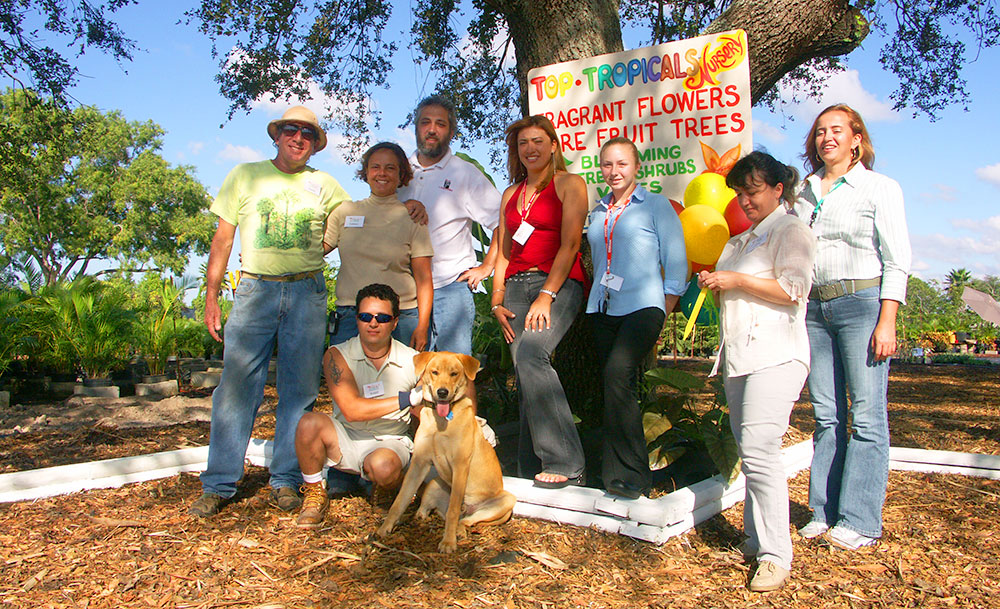
Top Tropicals Team in Ukraine

The tragedy hits quite close to home for Top Tropicals as we have a
number of friends and associates who are currently in the Ukraine. These kind and
hardworking people have contributed significantly to the success of Top
Tropicals, most specifically our line of Sunshine Boosters fertilizers...
Top Tropicals has a research and development center in Ukraine. Where we
develop SB plant fertilizer and number of new and exciting products, including
Carefree Garden
Complete Greenhouse/Grow Room Controller...
Our Ukrainian Team members are:
Fedor Shabliy - a brilliant chemist. Under his
supervision the Sunshine Boosters series was developed, and then tested by local
farmers in the Ukraine.
Oksana Shabliy (chemist)
Anton Tkachenko (mechanical and electronic engineer)
Roman Bidyuk (software developer)
Igor Kayun (software developer)
Igor Sushelnitsky (software and electronic engineer)
Olga Ozerova (project manager)
They have families, kids...
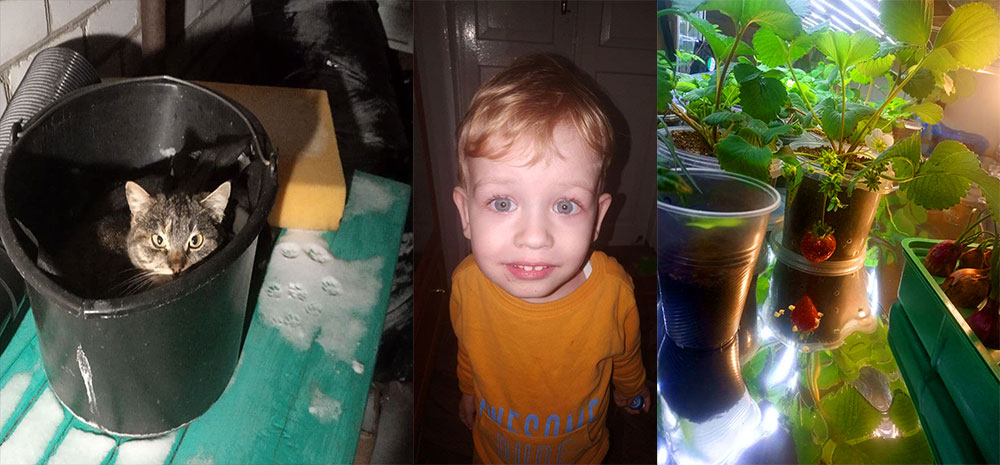

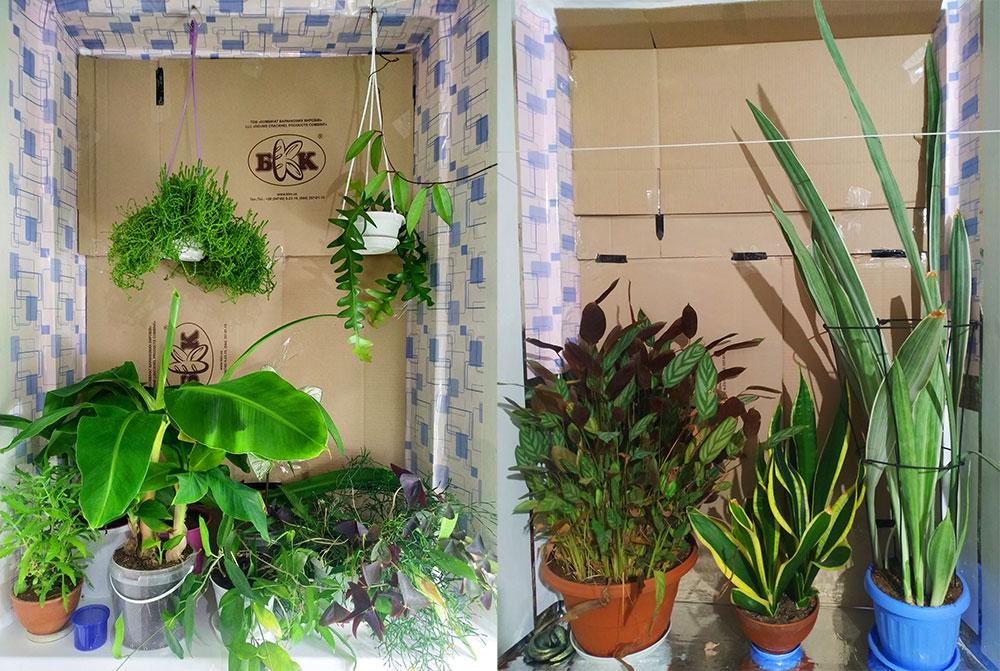
Cardboard window shutters to protect against broken glass...
Sunshine Boosters Special
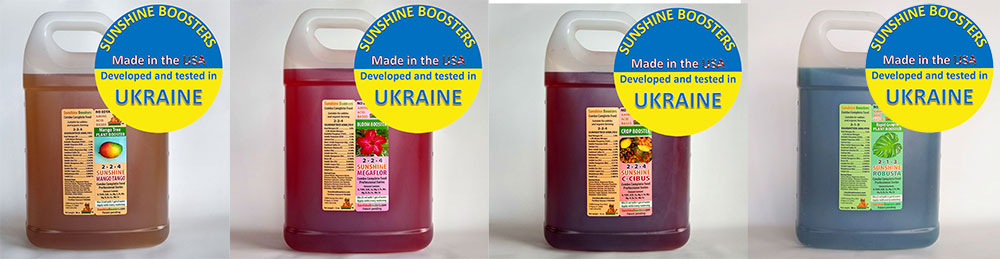
With all this in mind, we are earmarking a percentage of all Sunshine Booster sales for this team of friends to aid in their living expenses and full recovery. In order to give back to our team in Ukraine, we are offering the following Sunshine Boosters Garden Series items at a discounted price:
Your purchase helps support Ukraine!
Sunshine C-Cibus 1 gallon
Sunshine Mango Tango 1 gallon
Sunshine Megaflor 1 gallon
Sunshine Robusta 1 gallon
Currently priced at 33% off reg price!
In addition, we will also donate $5.00 from each purchase to help Support Ukraine.
Spring is the time to fertilize and all of you will be getting some food for your plants. So get your plants Sunshine Boosters - the Fertilizer that Works, developed in Ukraine. Help us to support our Ukrainian Research Team! As always, we appreciate the support of our loyal community of Top Tropicals customers and enthusiasts.

Date: 17 Sep 2021
Hibiscus: TopTropicals' first plant

- September 2001 @ TopTropicals -
Q: I wonder how you started your plant business and what was your first plant?
A: It was 20 years ago this month that we started Top Tropicals Project. No idea where it was going or how to even get "there", just started with the idea of sharing these wonderful creatures we call plants with anyone and everyone who felt the same way.
Believe it or not, the first plant at TopTropicals was a hibiscus. Right
before we opened our plant nursery in Florida, we ran into a place called Winn Soldani's FANCY
HIBISCUS. The variety of colors inspired us to start our own tropical plant
business. We asked the owner Winn Soldani: what plants do you suggest us to
grow in Florida? His answer was, "Your plant will find you". Very soon we
discovered
jasmines, then perfume trees and fruit trees - all those became our specialty. Then very quickly
TopTropicals.com turned into a large Plant Mall where you can find every tropical plant you can think of!
But at TopTropicals we still grow hibiscus!
- September 2004 @ TopTropicals -
Hibiscus Plus
Hibiscus is a wonderful plant, considering there are thousands of
hybrids with color palettes you can only imagine. Especially interesting are those
rare and useful species, yet very easy to grow, such as:
- Salad Hibiscus - Hibiscus furcellatus - yes, used in salads
- Coral Hibiscus with crazy pendant flowers - Hibiscus schizopetalus
- African Cranberry hibiscus that is used for making teas and salads - Hibiscus
acetocella
- Cotton Candy Hibiscus mutabilis - the flower changes color, opens as white and turns
into bright pink within 3 days, like Yesterday-Today-Tomorrow
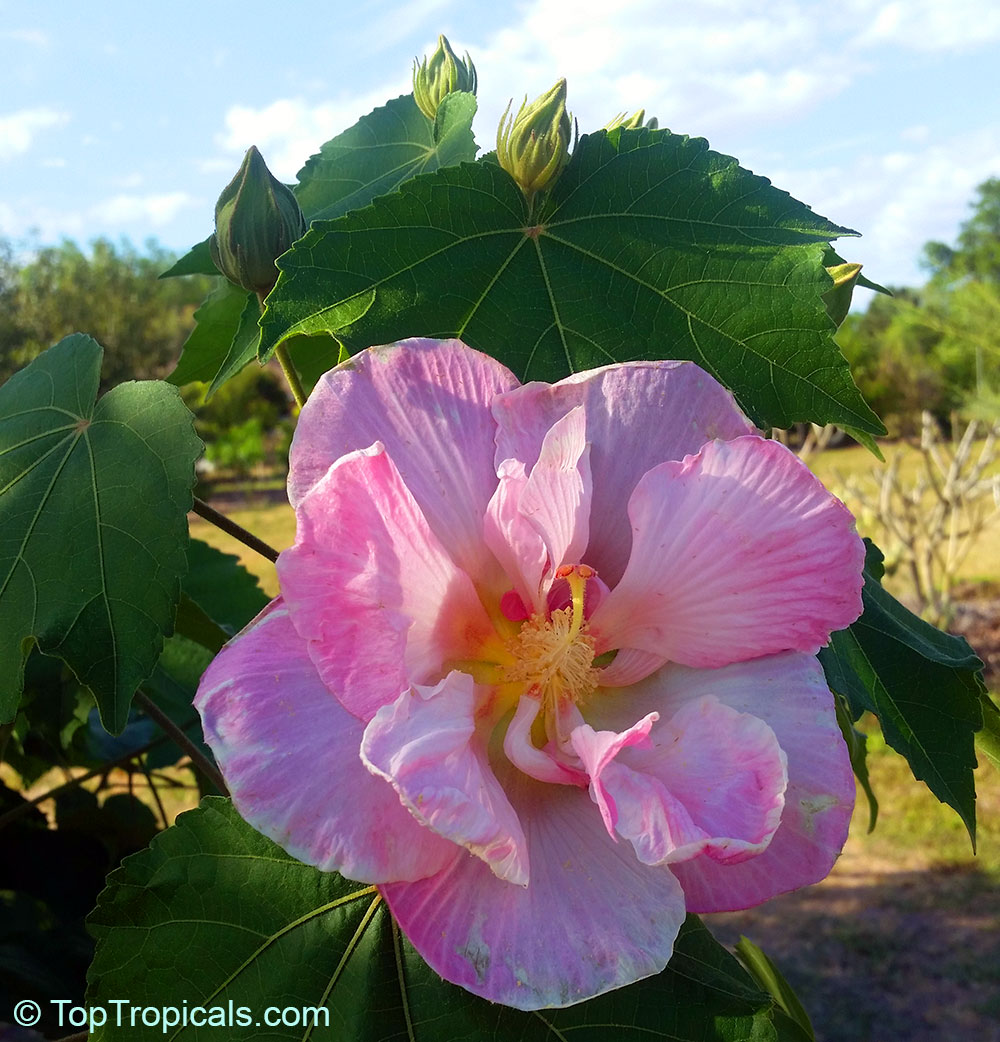
Photo above: Hibiscus mutabilis Cotton Candy
Care of Hibiscus and other flowering tropicals
"If your plant isn't flowering, feed it."
- Winn Soldani, Fancy Hibiscus -
Among gardeners, Hibiscus plants have a reputation to have couple
maintenance issues:
1) they can get bugsy (because they must be so tasty!)
2) they can get leggy, especially fancy grafted cultivars, and after a
while they don't look as perfect as when they came from a nursery.
4 tips for healthy and pretty hibiscus plant
1. Full sun. Essential for profuse flowering and keeps away
diseases.
2. Pruning. Keep it pruned and it will get bushy and produce more
blooms.
3. Well-drained soil. Hibiscus likes regular watering but hates wet
feet.
4. Nutrition program. Hibiscus plants are heavy feeders. But keep in
mind that if you just keep pushing granulated plant food, you can
over-fertilize the plant. Excessive salts will accumulate in soil and you will end up
with a sickly looking plant.
Keys to balanced plant food and bloom booster
1) Use liquid fertilizer, preferably amino acid based, it won't create
nutrients lock up
2) Fertilize on regular basis, it's better dilute concentration and add
food with every watering
3) Always add micro-elements - they are essential for plant health
If you do this part right, the result will be:
- healthy, green plants, like they just came from a nursery
- reliable blooming circle
- better cold tolerance and disease resistance. Remember that a strong
plant will be less stressed and less "bugged" by bugs!
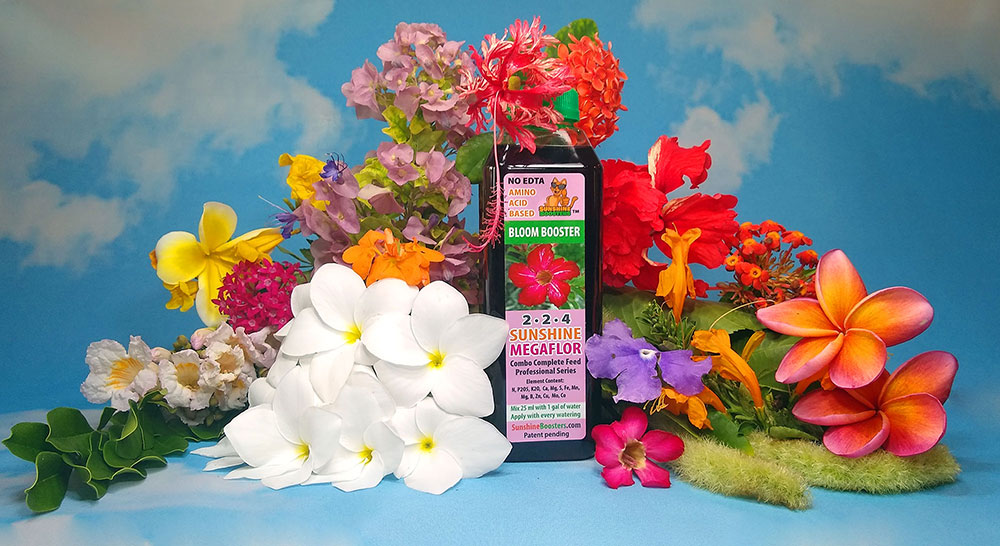
We always suggest Sunshine Boosters - scientifically balanced liquid fertilizers that are amino acid based = they are natural and organic, can be used for both flowers and edibles, and what's most important - year around. They are safe to use virtually with every watering.
This is all you need for healthy plants and lots of flowers!
Date: 11 Jan 2021
Tropical gardener beginning-of-year checklist

Final pre-Spring check of whatever we had forgotten! For a gardener, the year ahead is a chance to do things you want, as a way to achieve the things you need to do. If your number one New Year's resolution is to garden more (a want-to item), you also will be exercising more (a need-to). Or if you plant a new edible garden (want, want, want), you will end up checking off "eat more leafy vegetables and fruits" from your to-do list!
12 steps to get ready for 2021 season:
1 - Spray fruit trees and houseplants with insecticide and micro-elements
2 - Continue spraying SUNSHINE-Epi to improve plant hardiness
3 - Protect tender plants during cold spells and especially from freeze
4 - Reduce watering during cooler months, keeping the root zone on a dry
side
5 - To give your plants a kick start, fertilize with liquid SUNSHINE Boosters fertilizers - they are safe to be used year round
6 - Plant fruit trees: winter planting is beneficial to avoid heat stress for roots
7 - Plant Butterfly and Hummingbird Attractants
8 - Plant bulbs, vegetables and herbs. Use eco-safe, natural SUNSHINE boosters for all your edibles.
9 - Plan your summer garden and order seeds early
10 - Start tropical plants from seeds (indoors for cooler climates)
11 - Start ordering tropical plants and beneficial soil mix to get them established after shipping in pots
12 - Clean and oil garden tools
Date: 5 Jan 2021
Growing Loquat in container
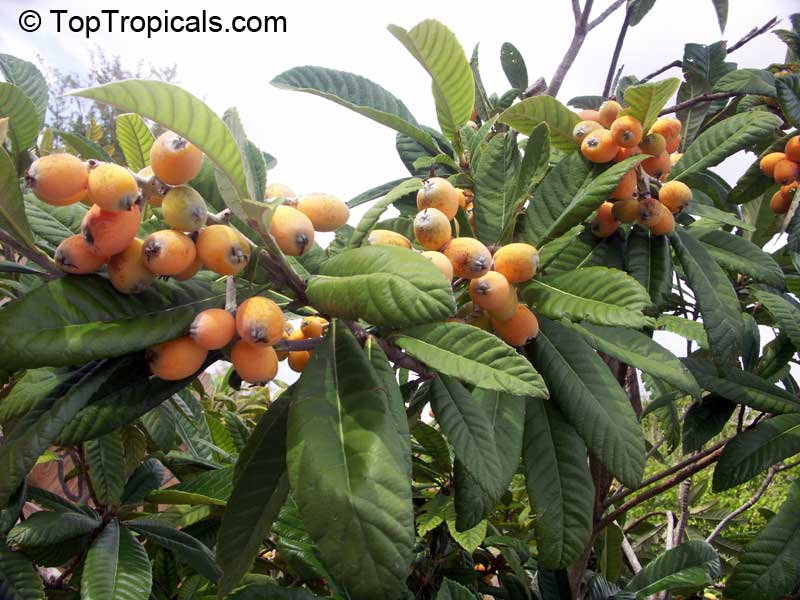
Q: I purchased a Sherry Loquat tree from you in April of 2020. It got off to a slow start initially, but now is five feet tall with healthy leaf growth! It is in a 15-gallon pot and was brought into the house by October 15th. I live in Zone 6 and kept the plant outside from end of May to October 15th. I have given the tree artificial lights in addition to slow release fertilizer. Can you please advise me on what steps I need to take to get the Sherry Loquat tree to fruit? E.g., lighting requirements, soil pH, soil type, etc.
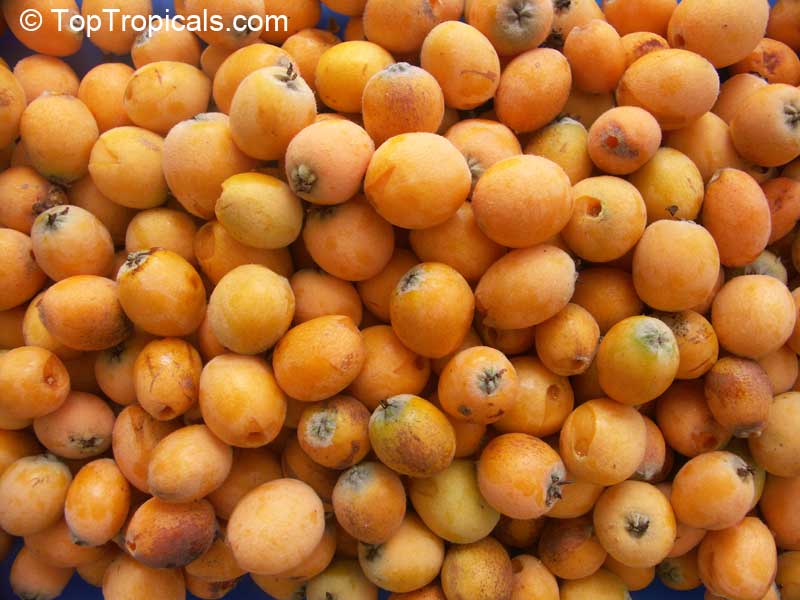
A: Loquat is normally winter flowering and spring fruiting tree, here in Florida it is usually heavily covered with fruit by April. With a proper care, you may see flowers throughout the winter and they may set some fruit for you. Considering that during this time you have to keep the plant indoors, here are some recommendations:
1. Soil. Well-drained, porous potting mix. Do not use any heavy garden soils. For our plants we use the following mix which is excellent for containers: Abundance
2. Light. The brighter the better. Sunroom would be great, or at least put the tree next to a large window. Extra lighting with grow lights is beneficial. Any type of light will work, you can even use a simple clip-on light, the brighter the better. 8-10 hours a day.
3. Water. Loquat is drought tolerant but for fruiting it will need regular watering; just don't keep soil soggy, let is slightly dry before waterings.
4. Fertilizer program. Use liquid fertilizer. We recommend Sunshine
Boosters that are safe to use with every watering and year around - SUNSHINE C-Cibus - Crop Nutrition Booster.
We recommend to switch plants from traditional"slow-release"fertilizer to the liquid one because it makes a huge difference in plant growth and flower/fruit quality and quantity.
Sunshine Boosters are scientifically balanced fertilizers that supply all necessary elements for daily plant
needs. They are natural and eco-safe, great for any edibles.
5. Micro-elements. These are essential for potted plants, because in containers roots can't reach out to elements that are usually present in soil when trees grown in the ground.
Apply micro-element remedies that are very effective for improving fruit production,
especially when flower or fruit drop occurs:
SUNSHINE Honey - promotes more efficient blossoming and pollination, makes flowers bigger and reduces bud
drop.
SUNSHINE SuperFood - improves plant vigor and quality and size of flowers
These are all natural, eco-friendly supplements that work great for fruit trees and other edibles.
Read more about Loquat trees: The best grafted Loquat varieties.
Date: 29 Oct 2020
The Best Pineapples
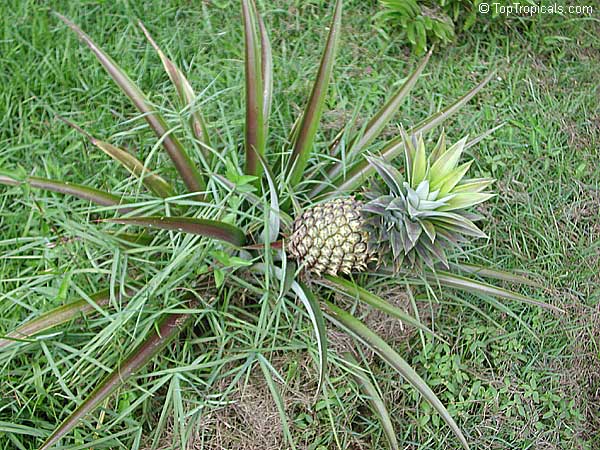
Q: What varieties of the Pineapple are the best for planting in Florida? When do they fruit? I have a small yard, with a room for one or two, but can I keep more in pots? I am excited to grow my own pineapples!
A: Pineapple is truly the King of fruits! One of the most
delicious fruits in the world. They start flowering from January to March in Florida
and yes, they happily grow in the ground as well as in pots. Heaviest
fruiting is in Summer (May to September), and some staggered throughout the year.
Be careful with watering, keep in mind that like any bromeliad, Pineapple
needs very little water and needs the soil to get dry between waterings. Use
only acidic soil and acidic plant food.
Make sure to feed these plants on regular basis, especially if grown in
pots. Pineapples are heavy feeders but are also very sensitive like all
bromeliads, so be careful with traditional fertilizers, do not exceed recommended
dosage. It is safe to use liquid amino-acod-based Sunshine Boosters Ananas fertilizer year round.
The mot popular pineapple varieties for home growers
are:
Elite
Gold
Royal
Hawaiian - Royale
Sugar
Loaf