Garden Blog - Top Tropicals

Date: 30 Oct 2019

Fragrant Gold Leaf Orchid Vine

By Onika Amell, tropical plant specialist

Q: I am absolutely thrilled to see you have this vine. I've tried for years to get this plant! It is so, so rare. It just seemed impossible to find in this country. How do I make it thrive? I am ordering two.

A: We are happy to confirm that indeed we do have this rare vine!
Bauhinia aureifolia - Gold Leaf Orchid Vine - was discovered in Thailand in 1983. It is endemic to Pattani, Narathiwat, and Yala in Southern Thailand. Danish botanist Kai Larsen named this plant and hailed it as one of the rarest plant species of the world when it was discovered in the eighties.
The Thai people call this vine Bai Mai Si Thong. It is a beautiful climber with large, bi-loped leaves (7 inches or more!) and good branching.
Young leaves are a stunning burnt orange to terracotta color for about a week and as they reach full size, they turn green over a couple of days. This is a very rare color for Bauhinia. It produces leaves all the time and this means this vine is always full of beautiful color. With its golden leaves, it sure is reminiscent of Autumn.
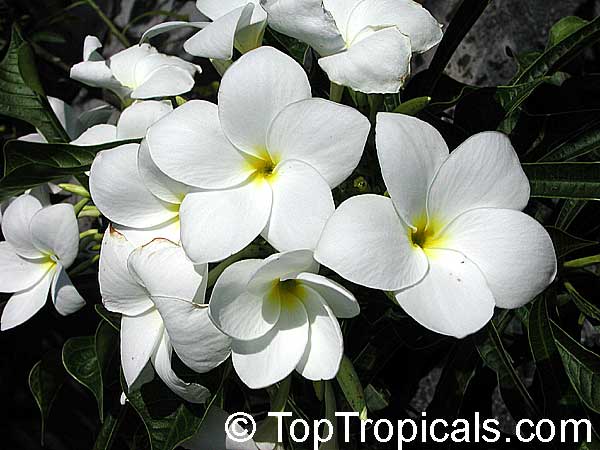
This vine blooms from May to November. It bears bunches of small flowers that are delicately fragrant in the evenings. The cultivated plants range flower color from pure white to purple and pink, while the wild ones have often white petals with pinkish patches.
Bauhinia aureifolia needs well-drained soil, full light and good humidity to thrive. It will tolerate a light freeze once established and it is very important to protect young plants.
Gold Leaf Orchid Vine also makes a wonderful container plant with staking or support. It is a must for every rare plant collection!

RECOMMENDED FERTILIZERS:
Pink N Good Daily Plant Food - Flower Booster
Tropical Allure - Smart-Release Booster

Date: 18 Oct 2019

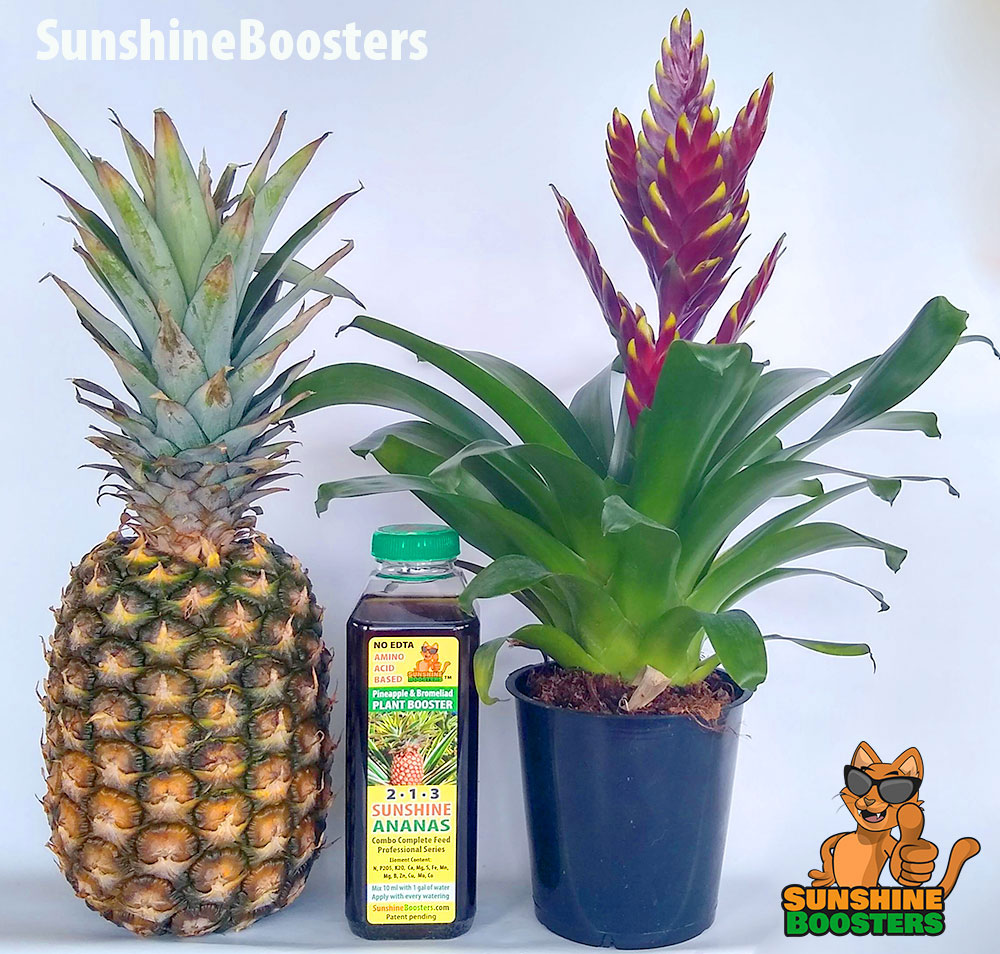
Using SUNSHINE Complete Nutrition System

For hydroponics and potted plants

Q: I recently bought both the 5ml of the sunshine epi and the 100 ml advanced nutrition kit. I read on the paper for the Epi not to use any other strong fertilizers along with this but I was wondering if it'd be alright to use both this foliar spray and nutrition watering together?

A: All solutions in SUNSHINE Booster Nutrition System (NPK-macro and micro-boosters) are compatible.
The only exception is Sunshine-Epi - brassinosteroid bio-stimulant. Epi should be mixed with distilled water separately from other boosters. The reason is, it is very bio-active, and if mixed with other compounds, oxidizes quickly which may affect its performance.

Sunshine-Epi solution must be prepared using distilled water and applied as foliar spray only (it only works on contact with leaves and not through the root system). Epi shows extremely impressive results when you apply it before the application of other nutrients because it increases plant metabolism; so all boosters become even more effective if you spray Epi the day before.

When using Micro- and Macro-boosters, you may mix all components in one watering can/tank (except for Epi), using regular tap water. Besides watering root ball, the macro-micro solution can be also used for foliar spray. It is optional, as in some circumstances growers prefer to keep leaves dry at all times: to stay away from mold, fungus and other issues caused by the wet environment.

Here is an example of Sunshine Boosters Nutrition System application:
1. Daily watering in one can: NPK 25 ml/gal (one of 5, depending on growth stage) + Constanta 5 ml/gal + Ca-Support 5 ml/gal, mixed in tap water
2. Every 2 weeks: spray Sunshine-Epi 2.5 ml/gal - to boost the immune system and growth rate, mixed in distilled water
3. From daily to every 2 weeks: Sunshine-Power-Si 25 ml/gal to protect from diseases and keep pH at 5.5-6.5. Can be used as often as daily and mixed with a daily watering solution (1)
4. As needed: Sunshine SuperFood and GreenLeaf - for correcting deficiencies. Can be also mixed with the daily solution (1)

Make sure to prepare a solution right before use and do not store solution for more than 1 day. Keep concentrates and solutions protected from bright sunlight.

Here is also advanced information on Sunshine Boosters compatibility.

READ MORE >>>

Date: 7 Oct 2019

Fertilizing in Winter?

Q: I'm a bit confused about what winter fertilization schedule I should follow in South Florida. For blooming plants, usually, I use a monthly granular bloom booster fertilizer as well as a liquid fertilizer every 10 days or so. Should I continue that schedule in the winter as well? Should I stop fertilizing altogether in the winter? How about fruit trees? What fertilization schedule should I follow in the winter?

A: Here is a general fertilizing schedule for established plants that we follow here in SW Florida.
The rule of thumb is, do not fertilize (with macro- NPK elements) when minimum temperatures drop below 65F and stay at that level for more than 7 days. At this temperature point, most of the tropical and subtropical plants slow down their metabolism and some of them going into dormancy. This means, nutrients are not consumed as much as during active growth period, and built-up nutrient supply within a plant plus whatever is available in the soil is just enough to get by through the winter. So additional fertilizing is not necessary. You may continue micro-element supplements and bio-stimulants throughout the year. In fact, it is highly recommended to do so, to help the plant survive cold spells. These are very effective tropical plant protectors:
SUNSHINE-Epi - Brassinosteroid plant hormone
SUNSHINE-Power-Si - Advanced plant protector with Silicon
SUNSHINE SuperFood - Complex microelement supplement

This rule is applied to both flowering and fruiting plants, in general. However, some species are winter-flowering and winter-fruiting. For those, you can make an exception and provide extra nutrients for flowering and fruiting, as long as the weather stays warm. During cold spells, avoid any NPK fertilizers and use only bio-stimulants and micro-elements. If you apply NPK during cold, it won't be consumed by a plant, build up in the soil, and may create a root burn situation.

In simple words, fertilize from March to October. Give plants some rest from November to February.

Date: 28 Sep 2019

Fragrance of Angel Hair Jasmine

Q: I got angel hair jasmine, it started flowering, but it does not have any smell. What can be done?

A: Jasminum pubescens - Angel Hair Jasmine has very fine fragrance. It is not as strong as some other jasmines like Sambac for example. However flowers do have a sweet scent especially in the early morning hours, as long as the plant is well-established, grows in a warm and humid environment. Keep in mind that flowers on young small plants that do not have a developed root system, may not be as fragrant as on mature vigorous specimens. Also, this jasmine needs a full sun location and regular fertilizer for profuse flowering.
We recommend the following fertilizers to boost flowering energy:
- Pink N Good Daily Plant Food - Flower Booster
- Plumeria Top Dress - Smart-Release Booster
Use microelements at least once a month to improve plant vigor and quality of flowers

Date: 29 Aug 2019

How to fertilize a Mango Tree

Q: I bought a Mango tree from you last month and planted it soon after it arrived. When is the best time to fertilize it? (I am in Florida)

A: We always recommend to wait on fertilizing until the plant is well established. If you planted your tree a month ago and it is doing well, showing new growth, then this is the time to start giving it some food.
For a mango tree, we recommend using 2 fertilizers - water-soluble and granulated:
Fruit Festival Plant Food
Mango-Food
Remember micro-elements that are essential for healthy and vigorous growth:
SUNSHINE SuperFood - plant booster

In Florida, this is the best time right now for fertilizing - while we still have a few months of nice warm weather - active growth period. This will help you Mango tree to establish well before winter rest.