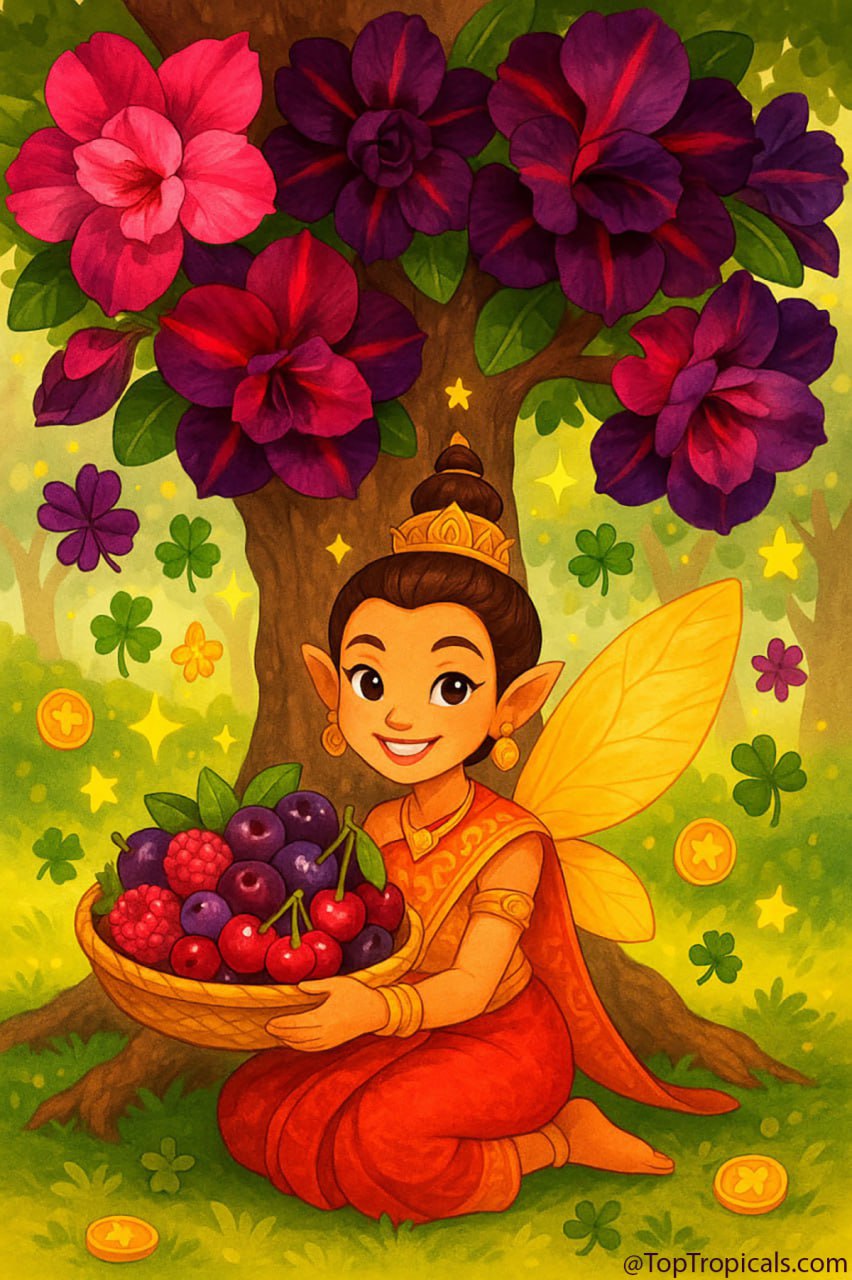
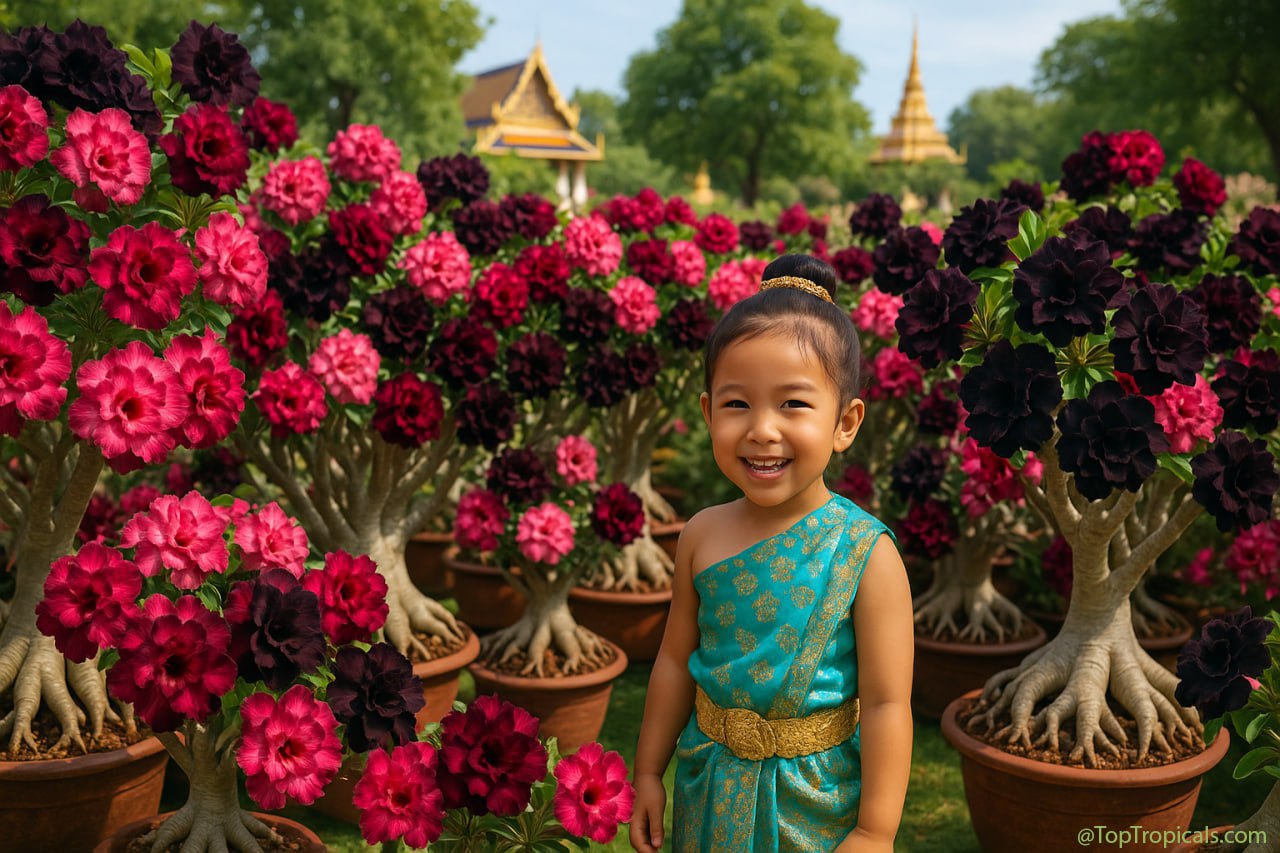
🌸 Thai flower names often sound like characters from a legend - golden spirits, celestial jewels, or lucky guardians of the garden. In Thailand, plants are not always named in a purely botanical way. Instead, breeders often choose names that carry meaning, symbolism, and a little imagination.
🌸 Looking at Adeniums through this lens feels almost magical. A flower can become a jewel, a lotus from heaven, or a golden treasure. The whimsical scenes below capture that spirit - a world where Adeniums bloom like treasures, garden fairies dance among flowers, and every name tells a story waiting to be discovered.
Adenium Plant Facts
Botanical name: Adenium sp. Also known as: Adenium, Desert Rose, Impala Lily
Beyond fruit: how this African tree supports wildlife and garden health
Vangueria infausta - Spanish Tamarind
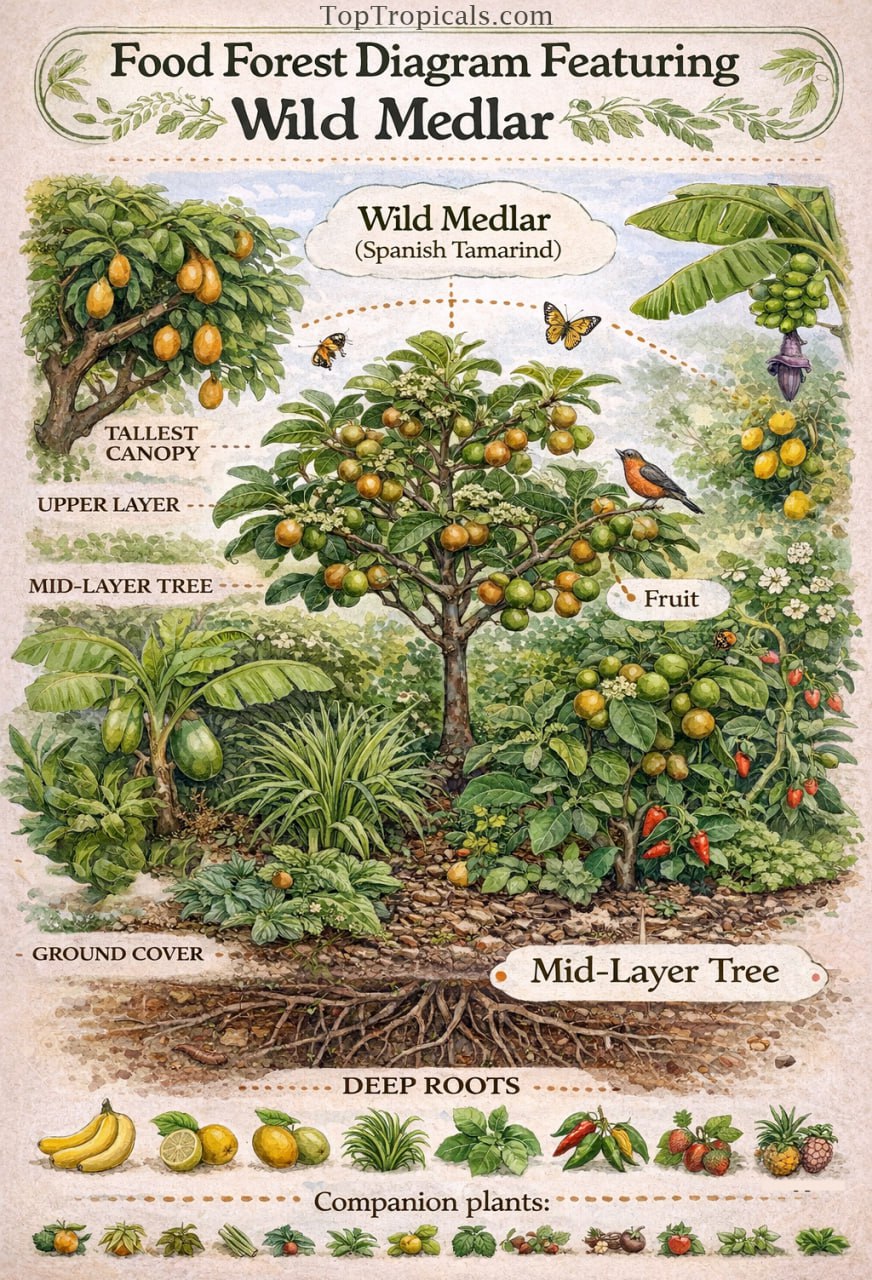
Beyond fruit: how this African tree supports wildlife and garden health: Wild Medlar in the ecological food forest 🍊
Vangueria infausta (Spanish Tamarind, Wild Medlar) might win your heart for its sweet-tart fruit and folk medicine magic - but did you know it’s also a quiet hero in the ecosystem? Whether you’re planting a full-blown food forest or just a mixed backyard garden, Vangueria infausta brings more than fruit to the table. It brings balance, beauty, and biodiversity.
Wild Medlar Plant Facts
Botanical name: Vangueria infausta Also known as: Wild Medlar, Spanish Tamarind
USDA Zone: 9 - 11
Highligths
🐝 Pollinator power
When in bloom, this tree produces nectar-rich flowers that attract bees, butterflies, and other pollinators. These beneficial insects don’t just help the Wild Medlar fruit - they boost productivity in your entire garden.
If you grow mangos, citrus, guava, or veggies nearby, Spanish Tamarind helps keep the pollinator traffic moving.
🐦 Bird magnet
Birds are big fans of this tree. They nest in its dense branching, snack on overripe fruit, and help spread seeds. In return, they’ll help keep down pests like caterpillars and beetles.
Even in a small garden, one Wild Medlar can be a micro-habitat for birds, insects, and other helpful wildlife.
🌱 Soil stabilizer
With its deep roots and drought-hardy nature, Wild Medlar helps hold soil in place, especially on slopes or rocky patches. It improves drainage and reduces erosion, which makes it a great addition to food forests in challenging spots.
🍂 Natural mulch & green cleanup
The tree drops a modest amount of leaf litter, which breaks down into soft, rich mulch. In a diverse planting, that means fewer weeds, better soil structure, and less watering needed.
🌿 Companion planting & food forest stacking · Works great as a mid-layer tree in multi-tiered systems · Provides light shade for herbs or smaller fruiting plants · Plays well with bananas, papaya, guava, lemongrass, and ground covers
In zones 9-11, it can live happily in a mixed border or permaculture guild. In colder zones, just keep it potted and move it around as needed - it still offers many of the same benefits.
🛡 Pest and disease resistant
One more bonus: Spanish Tamarind is incredibly low-maintenance. It resists most common pests and doesn’t suffer from fungal issues like many tropical fruit trees do. That means fewer chemicals and more harmony in your garden ecosystem.
✍️ Ready to plant something that gives back?
Think you need more than just another fruit tree? More life. More movement. More meaning in your garden?
Grow Wild Medlar for the fruit - but keep it for everything else it brings. The pollinators. The shade. The quiet medicine. The steady presence that makes your space feel alive.
If you’re building a food forest - or simply want a tree that earns its place every single season - this one doesn’t just sit there. It contributes.
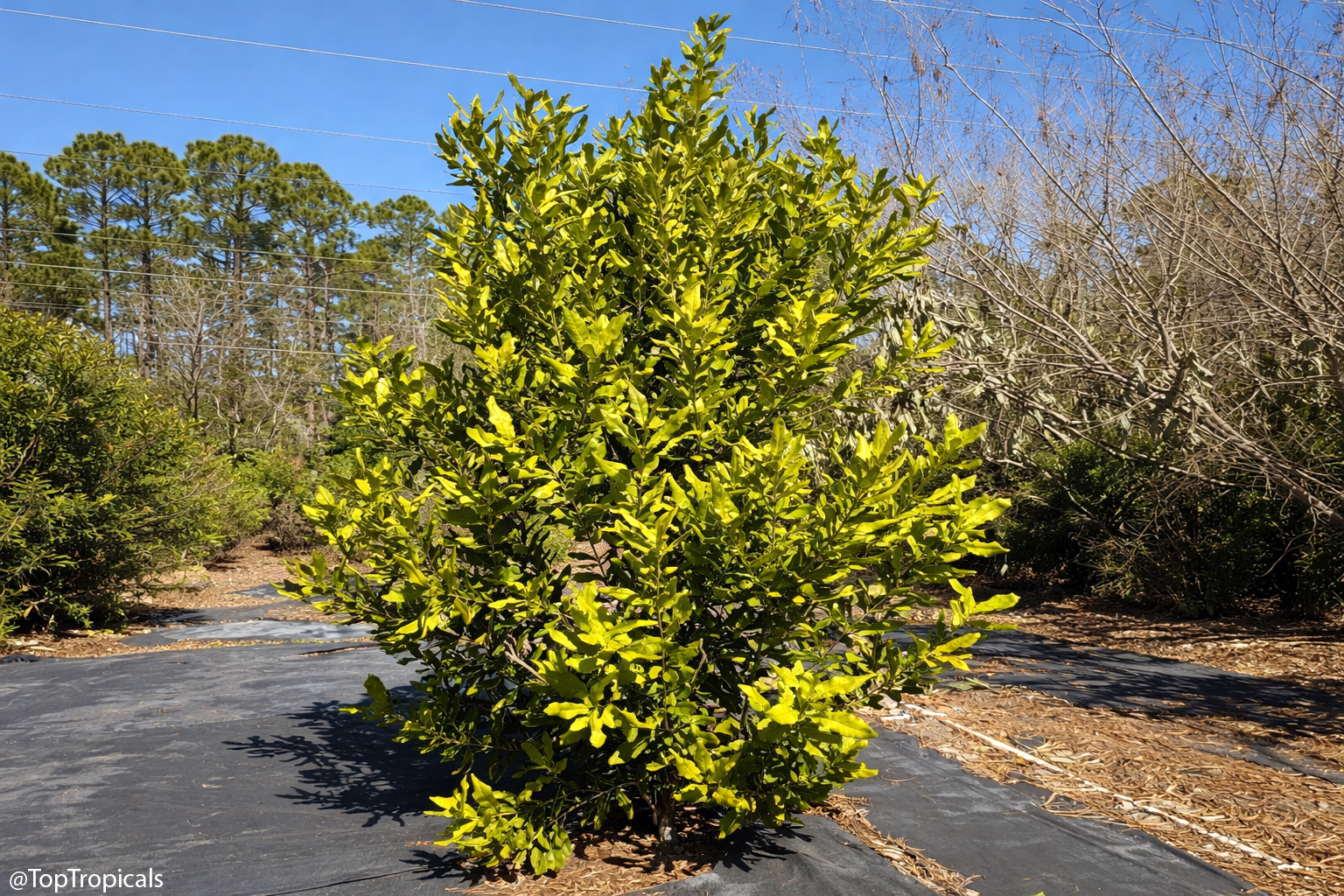
3 year old macadamia tree after 3 nights of hard
freeze in February 2026 - standing strong.
Earlier in early February we had a rough stretch at the B-Farm in Sebring. Three nights around 25°F with steady wind. Weather like that quickly shows which plants actually belong in Zone 9 and which ones only look good on paper.
Once things warmed up and we could see the real results, a few clear winners stood out. All of the macadamias handled the cold surprisingly well. The grumichamas stayed solid. And the cold-hardy avocado varieties again proved why gardeners rely on them in borderline climates.
Avocado Plant Facts
Botanical name: Persea americana, Persea gratissima Also known as: Avocado, Alligator Pear, Aguacate, Abacate
USDA Zone: 9 - 11
Highligths
Instead of listing every tropical plant that might survive a freeze, we decided to keep things practical and focus on the ones that actually went through this cold spell and that we currently have in stock.
If you garden in USDA Zone 8b-9, these are the kinds of trees that make winter a lot less stressful.
The best time to plant a fruit tree was 20 years ago - here is why you need to plant it now
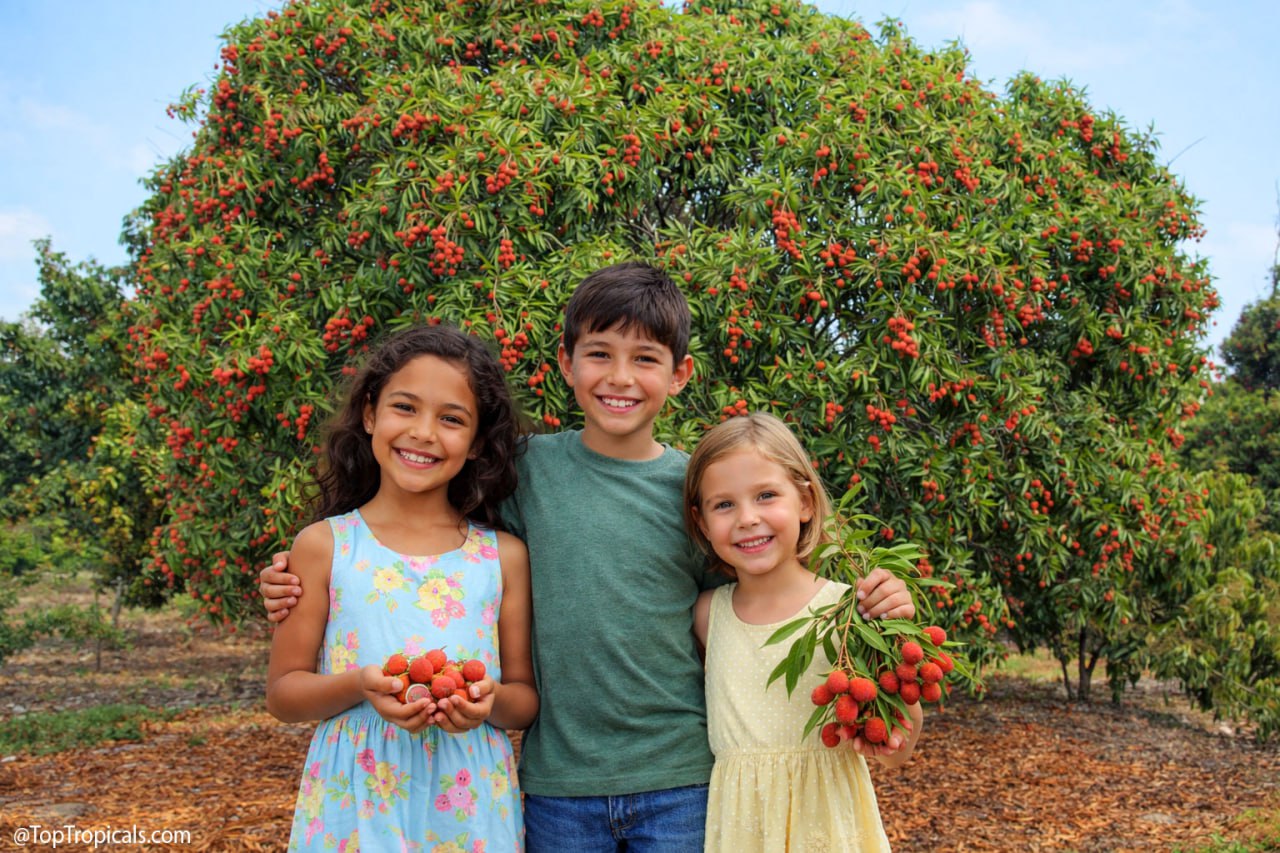
Litchi chinensis - Smiles under the Lychee tree
🍑 The best time to plant a fruit tree was 20 years ago - here is why you need to plant it now
They say the best time to plant a fruit tree was 20 years ago.
The second best time is today.
A fruit tree is not a seasonal purchase. It is not a decoration. It is a decision that stretches far beyond you.
When you plant a mango, an avocado, a loquat, a lychee tree - you are not just planting for this summer. You are planting for children who will climb that tree. For neighbors who will ask for a basket of fruit. For someone who may live in your house long after you are gone.
Mango Plant Facts
Botanical name: Mangifera indica Also known as: Mango
USDA Zone: 9 - 11
Highligths
Avocado Plant Facts
Botanical name: Persea americana, Persea gratissima Also known as: Avocado, Alligator Pear, Aguacate, Abacate
USDA Zone: 9 - 11
Highligths
Fruit trees are quiet investments in the future.
Unlike annual crops that come and go, a tree deepens its roots every year. Many fruit trees - especially mangoes - can live for decades, even a century. They outlive trends, owners, renovations, even mortgages. They stand there, steady, producing.
Even if you sell the house, the tree remains.
The next family will walk into the yard and discover fruit hanging overhead. Imagine buying a home and realizing someone before you planted abundance!
That is a gift.
In many parts of the world, mango trees are called generational crops. One farmer plants them. His children harvest them. His grandchildren sell the fruit. A single decision continues to feed and support a family long after the planter is gone.
There is something deeply grounding about that.
We live in a fast world. Quick returns. Quick moves. Quick upgrades.
A fruit tree moves at a different pace. It asks for patience. It rewards consistency. It teaches you to think long term.
Planting a fruit tree says:
I believe in tomorrow.
I believe this land will matter.
I believe someone will stand here after me.
And even if you never taste the fullest harvest, someone will.
Passing fruit trees through generations is more than horticulture - it is legacy. It is continuity. It is resilience. It is saying that this space, this soil, this home will keep giving.
So plant it now.
Plant it for your children.
Plant it for the next homeowner.
Plant it for shade you may never sit under.
Plant it for fruit you may never pick.
Because one day, someone will walk into that yard, look up, and thank the person who thought ahead.
Let that person be you.
How to get three colors on the same plant: Yesterday, Today, and Tomorrow
Brunfelsia grandiflora - Yesterday, Today, and Tomorrow
🌸 How to get three colors on the same plant: Yesterday, Today, and Tomorrow
💜 Brunfelsia is one of those plants that makes people stop mid-sentence.
It blooms in shade, smells incredible at night, and then does something unexpected - the flowers change color over just three days.
💜 Purple. Lavender. White.
All at the same time, on one plant.
💜 It is easy to grow, loves warm weather and part shade, and turns any garden path or patio into an instant conversation starter. Once it starts blooming, it just keeps going.
💜 These are the most interesting varieties known as Yesterday-Today-Tomorrow for their magical color transformation from purple to lavender to white over three days: B. grandiflora, B. paucifolia, B. australis.