Garden Blog - Top Tropicals

Date: 22 Mar 2021

The most rewarding hardy fruit trees
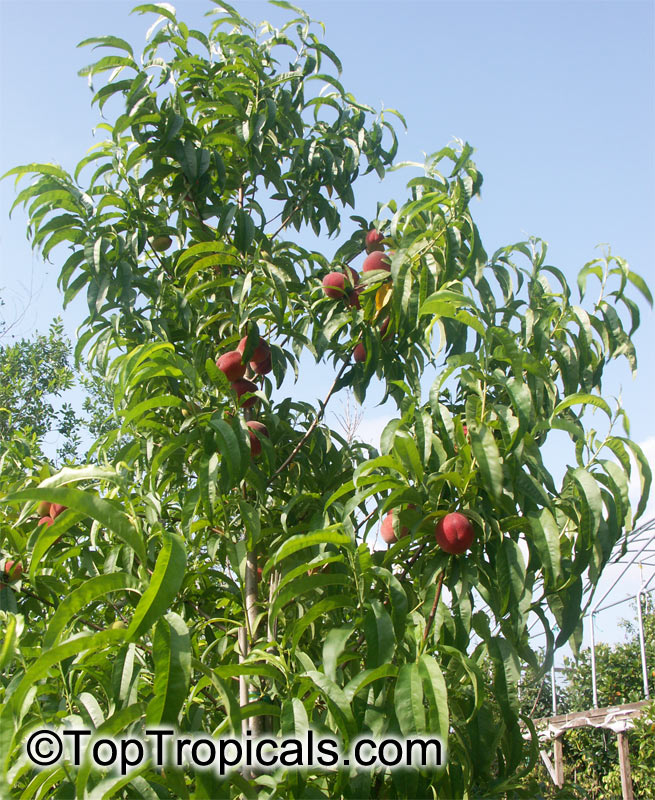
Q: Recently I started working remotely and I kinda like it, no need to commute, it saves me so much time so I can have life now! My friend got me involved into growing some small houseplants but I really want to take advantage of our Florida climate and sun. I want to plant some cool fruit trees since I have a decent size yard. But I live in Florida Panhandle and we do have some occasional freeze in winter, although not for too long. But it gets very hot in summer! Are there any tropical fruit trees that will be happy here? Or should I keep everything in pots? I am excited to have my own tropical plant collection!

A: There is a perfect plant for everyone, and a perfect tree for every climate. Many tropical and especially subtropical plants can be much hardier than they are believed to be, both flowering and fruiting trees among them. You may keep the most sensitive species in pots and bring them inside for winter, while there are so many trees that will be happy in your area. Start with these that are perfect for climates with hot summers and cool winters:

1. Peaches and Plums

Low-chill, Heat-tolerant Peaches, Nectarines, Plums are especially selected for Florida hot summers. They produce well and do not require many "chill" hours like temperate fruit trees. They only need 150 chill hours and grow well in even in Arizona, so you know they are taking the heat.

2. Figs
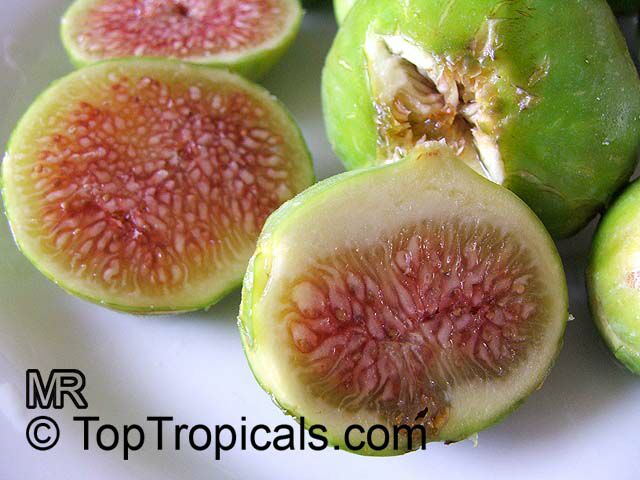
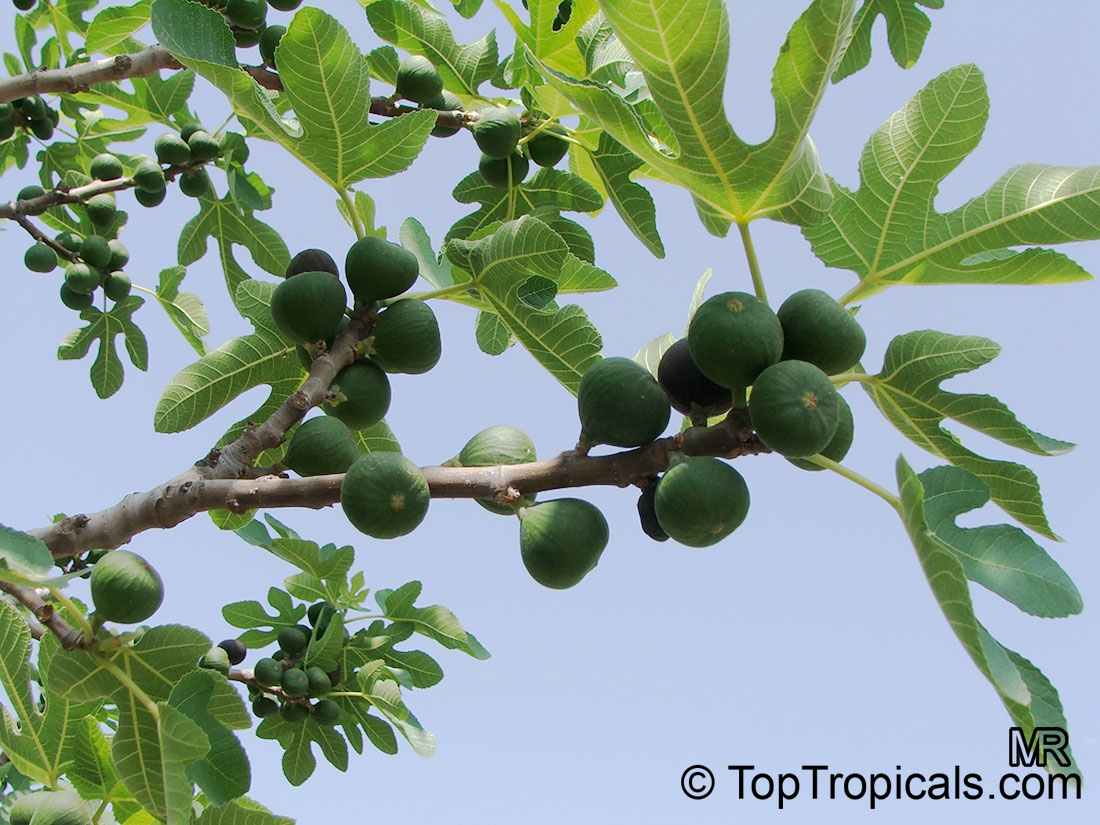
2) Fig trees - they are easy to grow, heat- and drought- resistant trees. They are prized for their delicious fruit, which can be one to three inches in length, violet, brown or black. There are even varieties with yellow fruit. Most fruits are borne from early summer to late fall on new growth, and the fruits generally mature very quickly. These trees are sensitive to frost only when actively growing, but can withstand 10F when dormant. Read more about Fig trees.
Date: 23 Jun 2024

The best tropical fruit tree for container growing, and the fastest to fruit:

Rollinia (Rollinia deliciosa) - the biggest Annona fruit

Rollinia (Rollinia deliciosa) - the biggest Annona fruit

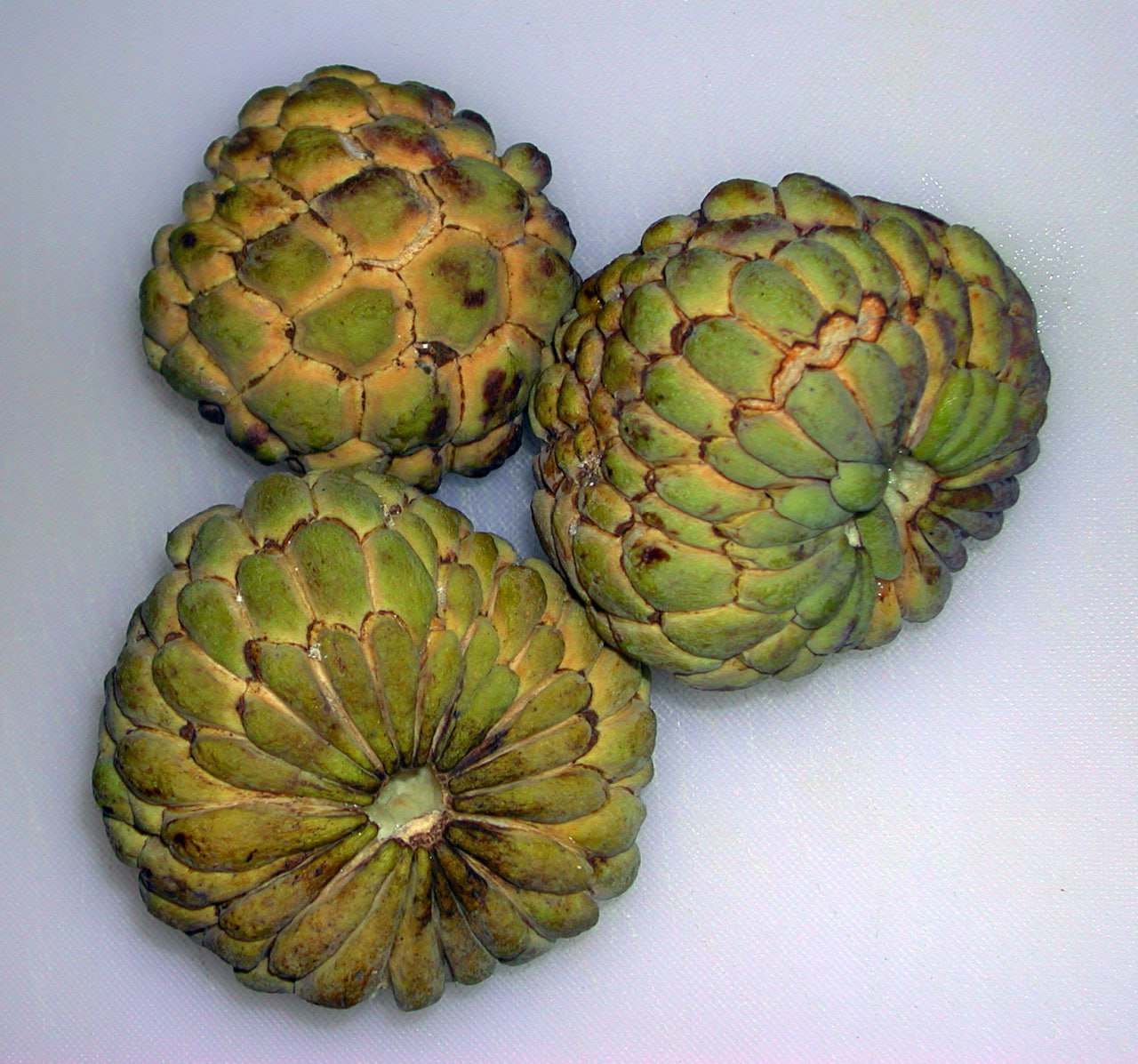
Sugar Apple (Annona squamosa)

Sugar Apple (Annona squamosa)

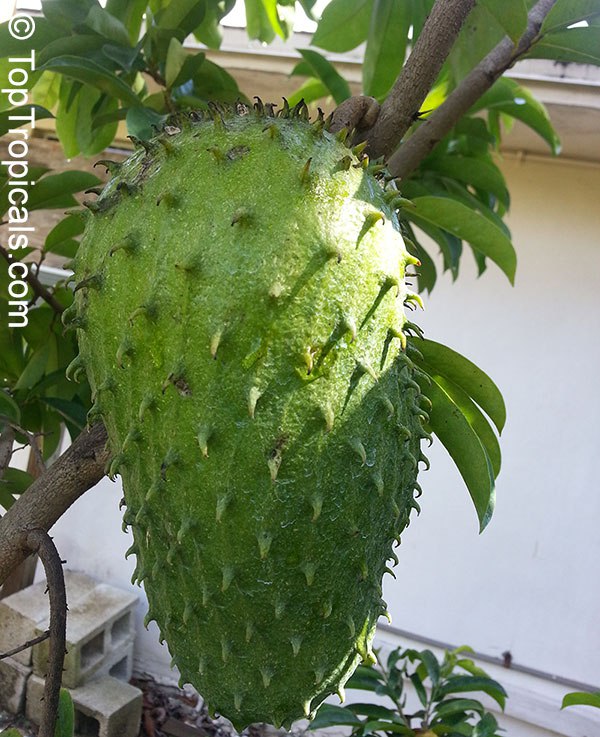
Guanabana (Annona muricata)

Guanabana (Annona muricata)

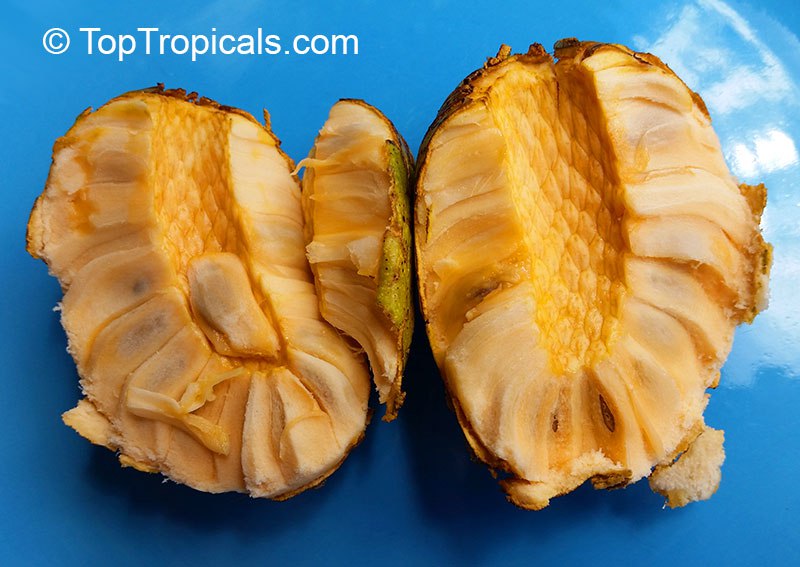
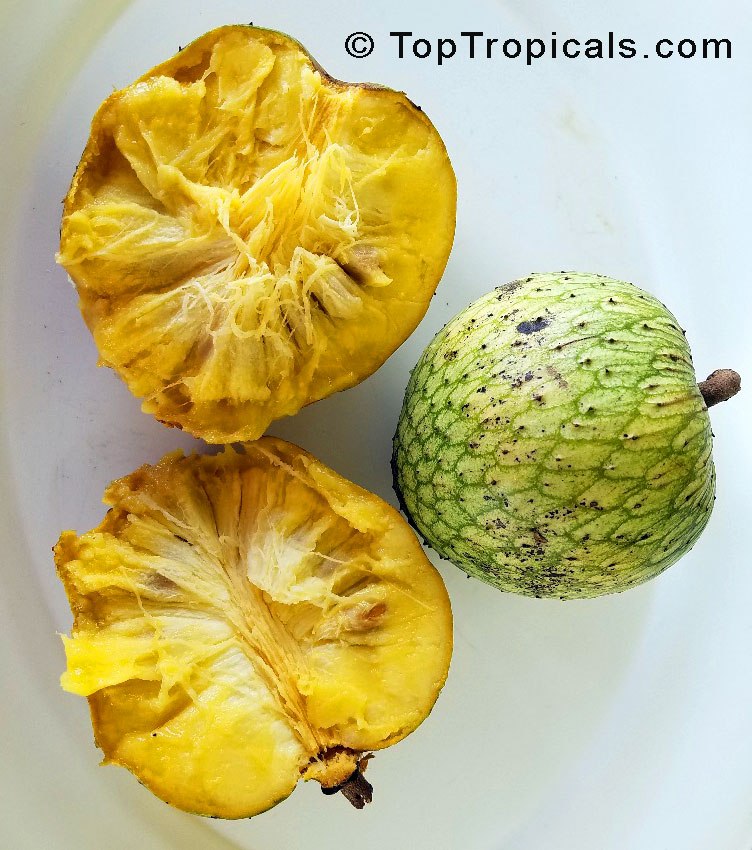
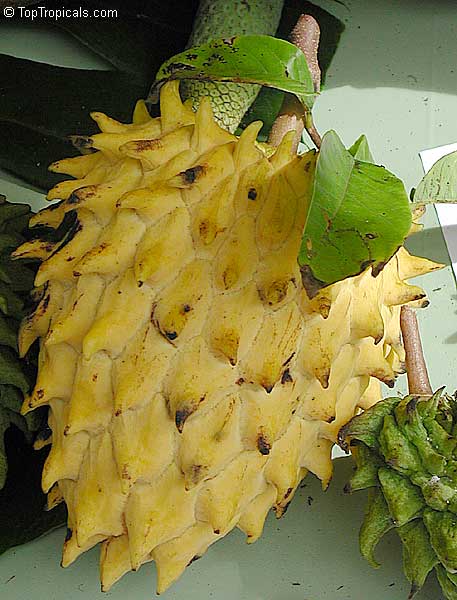
Pineapple Annona Golden (Annona costaricana)

Pineapple Annona Golden (Annona costaricana)

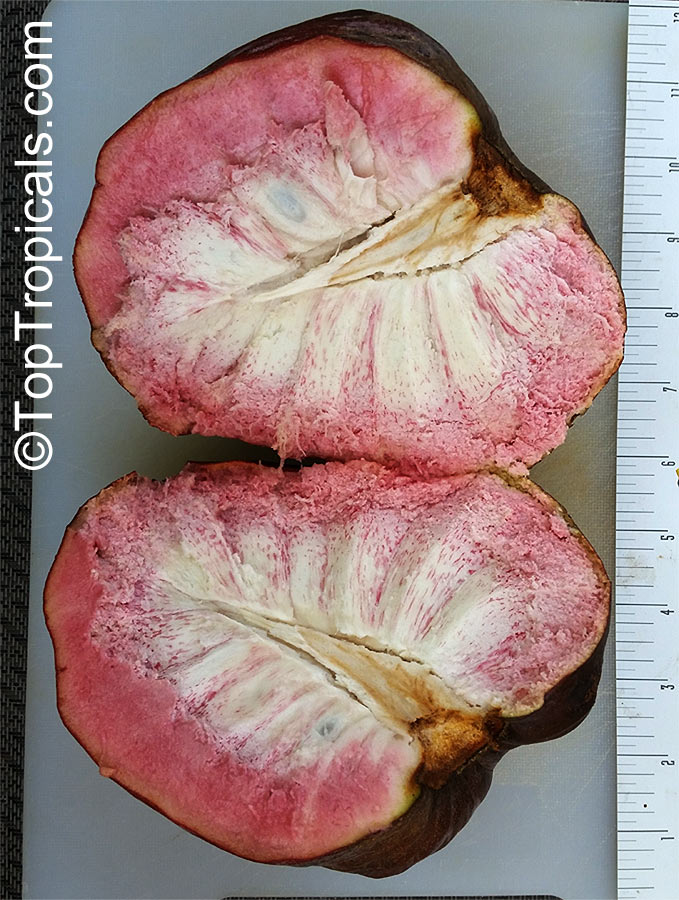
Custard Apple (Annona reticulata)

Custard Apple (Annona reticulata)

Mountain Soursop or Hedgehog (Annona montana)

Mountain Soursop or Hedgehog (Annona montana)

🏆 The best tropical fruit tree for container growing, and the fastest to fruit: Annona.

🍏 Annonas (Annona sp) are very much loved tropical fruit. The fruit has smooth, creamy flesh, just like a natural custard - hence one of the common names - "Custard Apple". Growing an Annona tree is a rewarding experience, its a small compact tree that will let you enjoy its creamy and exotic fruit right away.

The best tropical tree suited for container growing, due to its small height. It can be maintained within 6-8 ft tall.

The fastest fruiting tree: 2-3-4 years from seed to fruit, depending on species.

Most species are deciduous: drop leaves during winter-spring.

Thrives in frost-free climate. Some species are cold hardier than others. Container culture is a good way to cold protect these beautiful small trees.

❤️ 6 top most popular Annonas:

  • ▪️ Rollinia (Rollinia deliciosa) - the biggest Annona fruit and the most showy
  • ▪️ Sugar Apple (Annona squamosa) - the most popular
  • ▪️ Guanabana (Annona muricata) - the most cold sensitive but the fruit is so tasty!
  • ▪️ Pineapple Annona Golden (Annona costaricana) - cold hardy and easy to grow
  • ▪️ Custard Apple (Annona reticulata) - with red flesh
  • ▪️ Mountain Soursop or Hedgehog (Annona montana) - mentioned earlier, cold hardy


📚 Learn more:
Horoscope for Guanabana tree
Hedgehog Mountain Soursop - Annona montana
How to grow and hand-pollinate Guanabana Tree indoors (PDF)

🛒 Shop Annona varieties

#Food_Forest

🏵 TopTropicals

Date: 4 Sep 2022

Avocado Black Prince

Grow Your Own Food
Avocado variety - what's the taste?

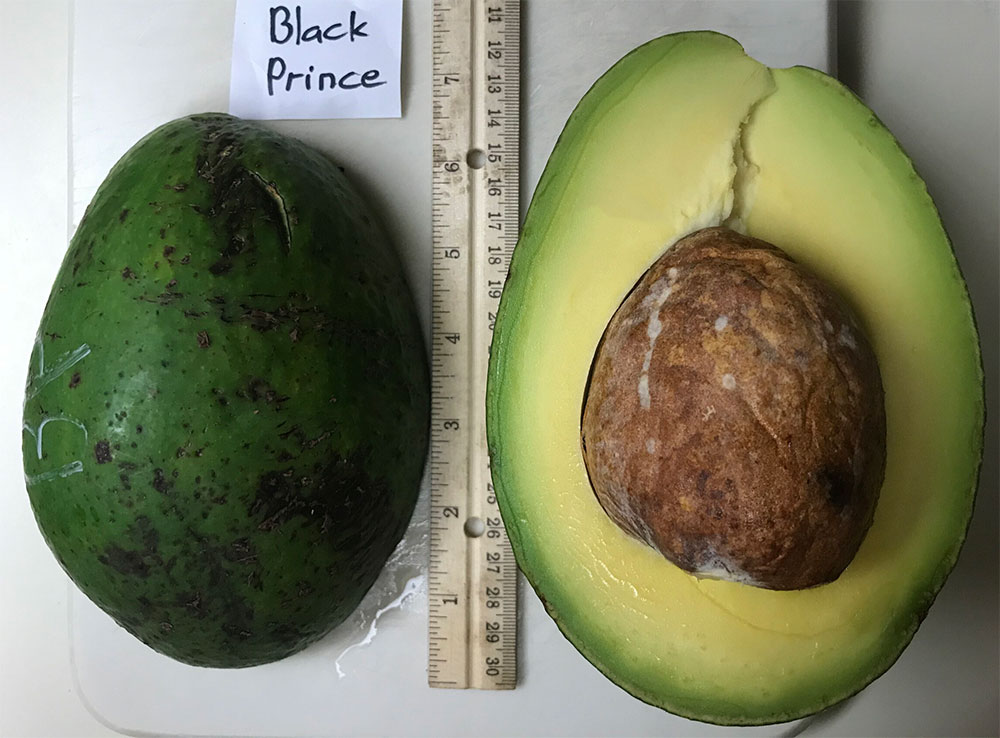
Avocado  Black  Prince

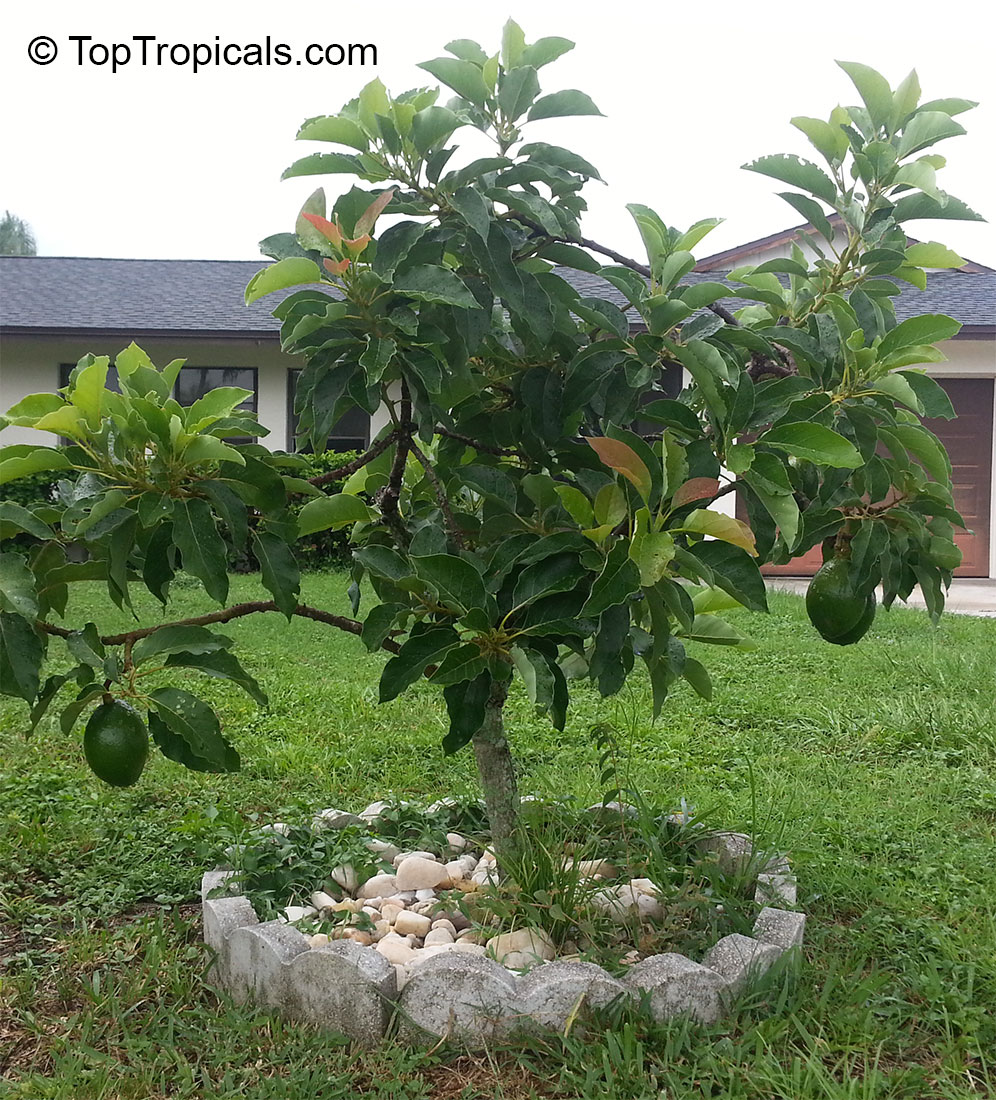
We obtained Black Prince Avocado variety this year and at first didn't know much about it. Until we tried the first fruit! The fruit was large, oval, green and slightly pebbly. We were not sure if it would taste like some green avocados - watery and less buttery? The fruit turned black couple days after it was picked, ripened and softened. We were pleasantly surprised, Black Prince deserves its title! The fruit pulp is thick, and has a rich, nutty flavor. The little trees grew this year vigorously and didn't show any bug or deficiency problems. Superior variety for a backyard grower! Giving it 5 stars! *****
We have Black Prince Avocado in 3 gal pots, as well as in XX-Large size for local pick up - for those who want a large fruiting size tree, please contact our Garden Center to pre-order from our Growing Farm (B-Farm). It can be delivered and installed for you!

Why grow your own Avocado tree?

Why grow your own Avocado tree? This is why. Now we import 89% of the U.S. avocado from Mexico. How much of a difference we could make if we were all growing our own avocados? Support our own horticulture, help Avocado to become grown in the USA!

Avocado  Varieties

Date: 26 Dec 2025

Is it deadly snake? 2025 was the Year of the Snake

Black garden snake

🐍 Is it deadly snake? 2025 was the Year of the Snake...


That scary-looking black garden snake? Totally harmless.
In Florida, most black snakes you see around gardens are Black racer or Black rat snake. They are not poisonous, not deadly, and actually great neighbors.
Black racer - Coluber constrictor
Black rat snake - Pantherophis alleghaniensis
Both are non-venomous, common in Florida gardens, and often mislabeled as "deadly" just because they look bold and move fast.
  • ▪️They are actually shy - would rather run than fight
  • ▪️Excellent pest control - they eat rats, mice, frogs, and insects
  • ▪️Often mistaken for dangerous snakes because they are fast and jet black
  • ▪️If you see one, it means your garden ecosystem is healthy

So no, this is not a deadly snake - just a free garden helper doing its job. Let it pass, and it will disappear as fast as it showed up!

📚 Learn more about the passed Year of the Snake:


🐈📸 Black garden snake at TopTropicals Bfarm PeopleCats.Garden

#PeopleCats #Horoscope

🟢 Join 👉 TopTropicals

Date: 17 Jan 2026

Ti plant leaf color meaning

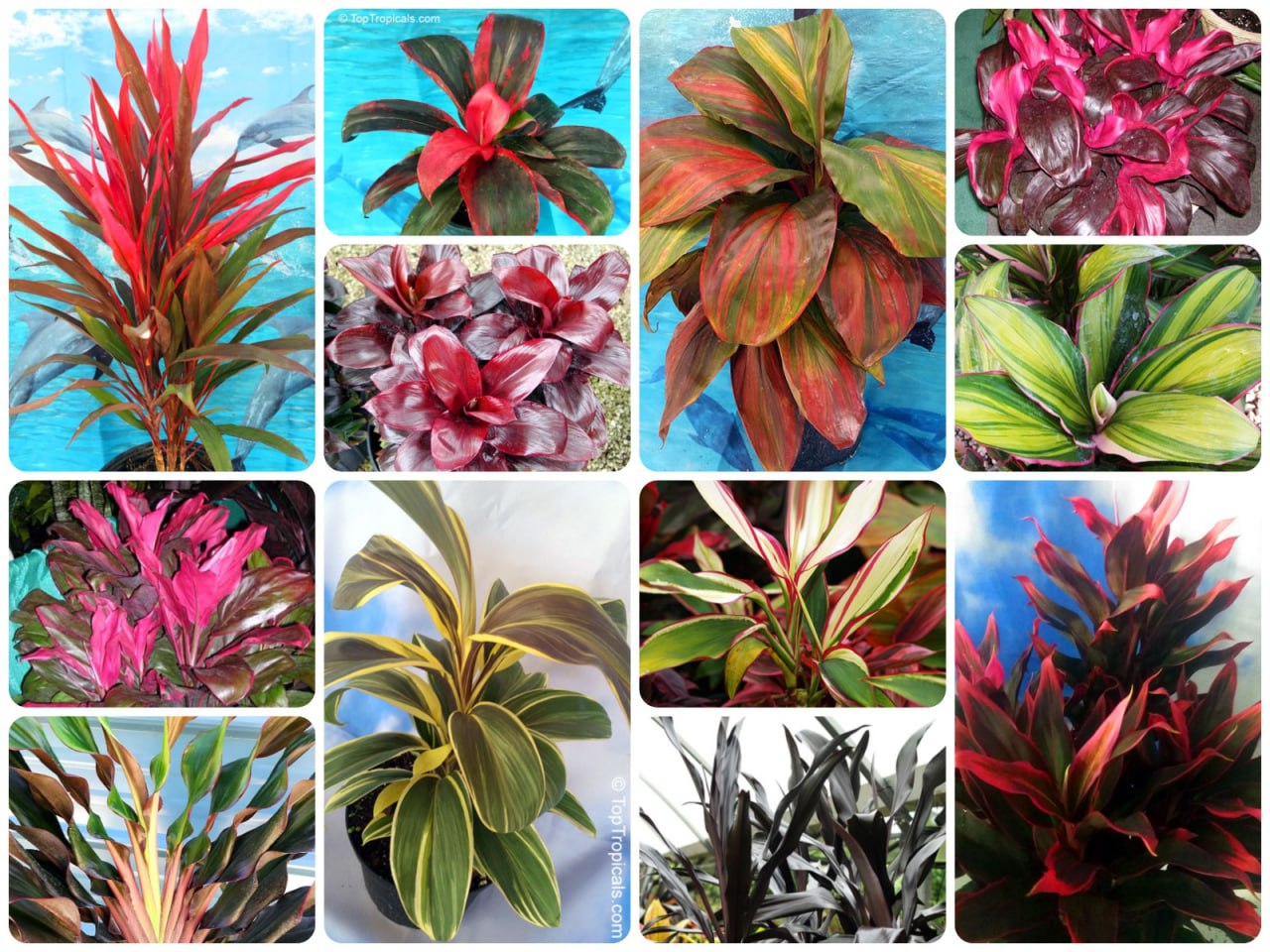
Hawaiian Ti plant (Cordyline fruticosa)

Hawaiian Ti plant (Cordyline fruticosa)

🌈 Ti plant leaf color meaning


The Hawaiian Ti plant (Cordyline fruticosa) is more than just a colorful tropical accent. Across Polynesian, Hawaiian, and Southeast Asian cultures, the color of ti plant leaves has long been associated with different meanings, moods, and uses - both symbolic and practical.
  • 🌈 Green leaves
  • Green ti plants are linked to peace, balance, and steady growth. Traditionally, they were planted around homes for protection and good fortune. In the garden, green varieties are usually the toughest and most shade-tolerant.
  • 🌈 Red and deep burgundy leaves
  • Red ti plants are associated with strength, power, and protection. In Hawaiian tradition, red ti leaves were believed to ward off negative energy and were often used in ceremonies. Garden-wise, deeper reds usually mean more sun exposure and stronger pigmentation.
  • 🌈 Pink, magenta, and multicolor leaves
  • These colorful ti plants symbolize joy, celebration, and creativity. They are often used as ornamental focal points and in festive plantings. Variegated and pink types tend to prefer brighter light to keep their colors sharp.
  • 🌈 Purple and dark-toned leaves
  • Purple ti plants are linked to mystery, spirituality, and transformation. Their dramatic color comes from high anthocyanin levels and usually intensifies in bright light with good nutrition.
  • 🌈 Yellow or light variegation
  • Yellow tones often represent optimism and new beginnings. Plants with lighter variegation may grow a bit slower and need protection from harsh sun, but they add a softer contrast in tropical landscapes.
  • 🌈 One practical note
Leaf color is influenced not just by variety, but also by light, temperature, and nutrition. Fading color usually means too little light or depleted soil, while rich, bold tones signal a happy plant.

Ti plant colors tell a story - part cultural tradition, part plant health, and part personal style in your garden.

🛒 Ti plants rainbow: collect them all

📚 Learn more:

Plant Facts

Cordyline fruticosa, Cordyline terminalis
Hawaiian Ti Leaf
USDA Zone: 9-11
Large shrub 5-10 ft tallSmall plant 2-5 ftSemi-shadeShadeFull sunRegular waterOrnamental foliageUnusual colorPink flowersSubtropical plant. Mature plant cold hardy at least to 30s F for a short time

#Container_Garden #Hedges_with_benefits #Shade_Garden #Discover #Horoscope

🟢 Join 👉 TopTropicals