Garden Blog - Top Tropicals

Date: 29 Oct 2025

Grow your own brain food: Avocado and Cocoa
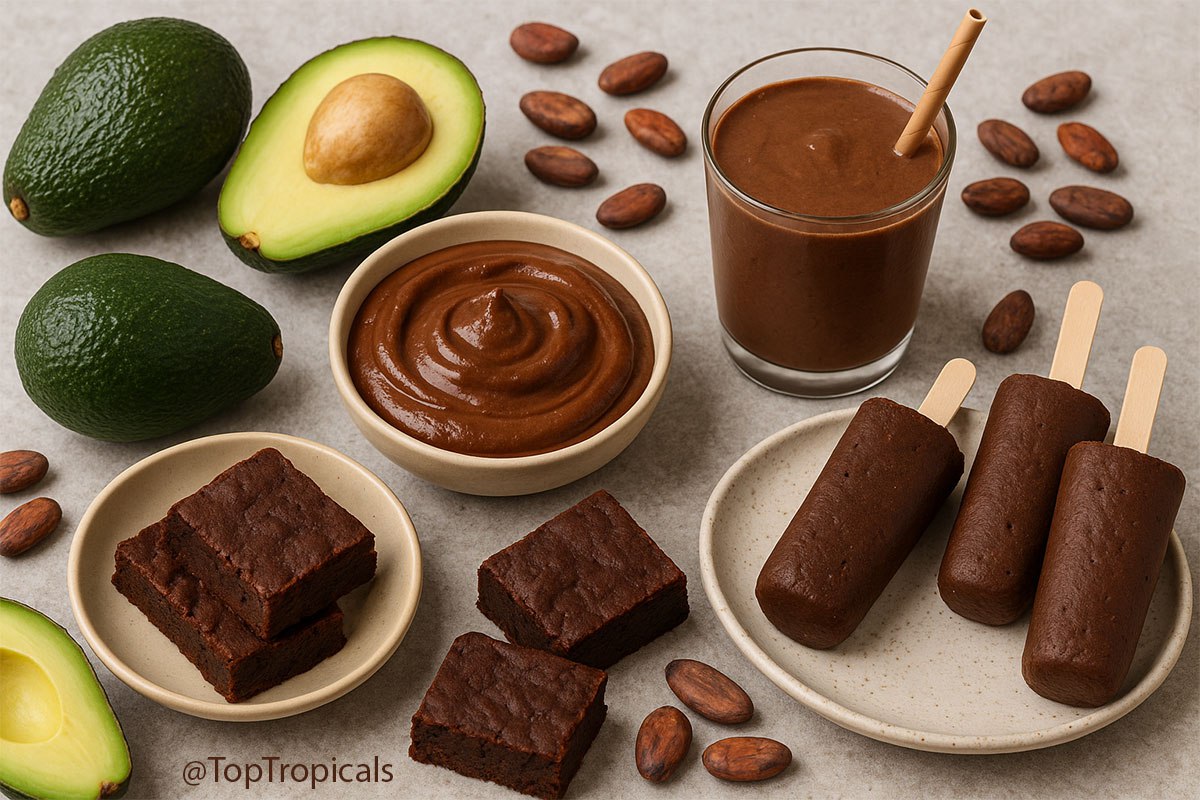
Avocado and Cocoa recipes
Avocado and Cocoa recipes

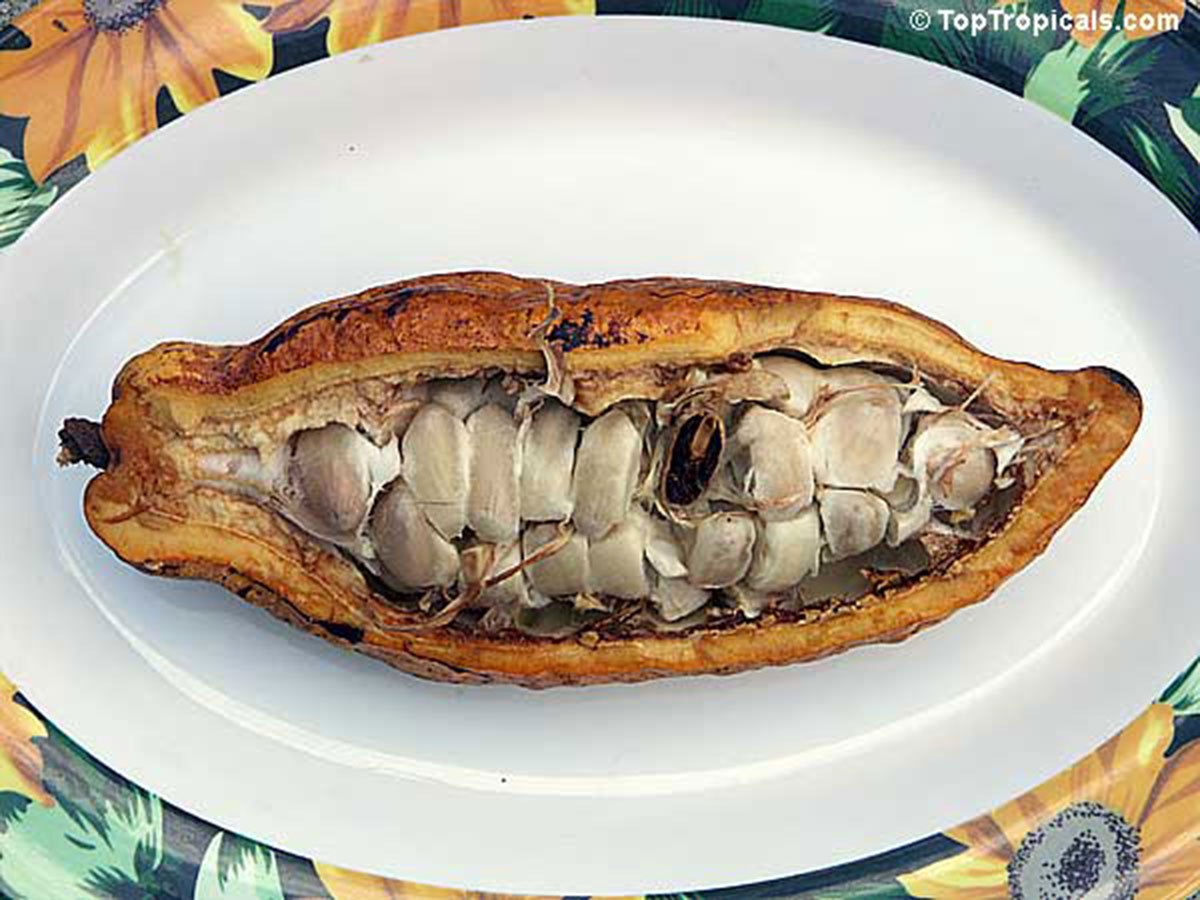
Chocolate tree fruit (Cocoa, Cacao beans) - Theobroma cacao
Chocolate tree fruit (Cocoa, Cacao beans) - Theobroma cacao

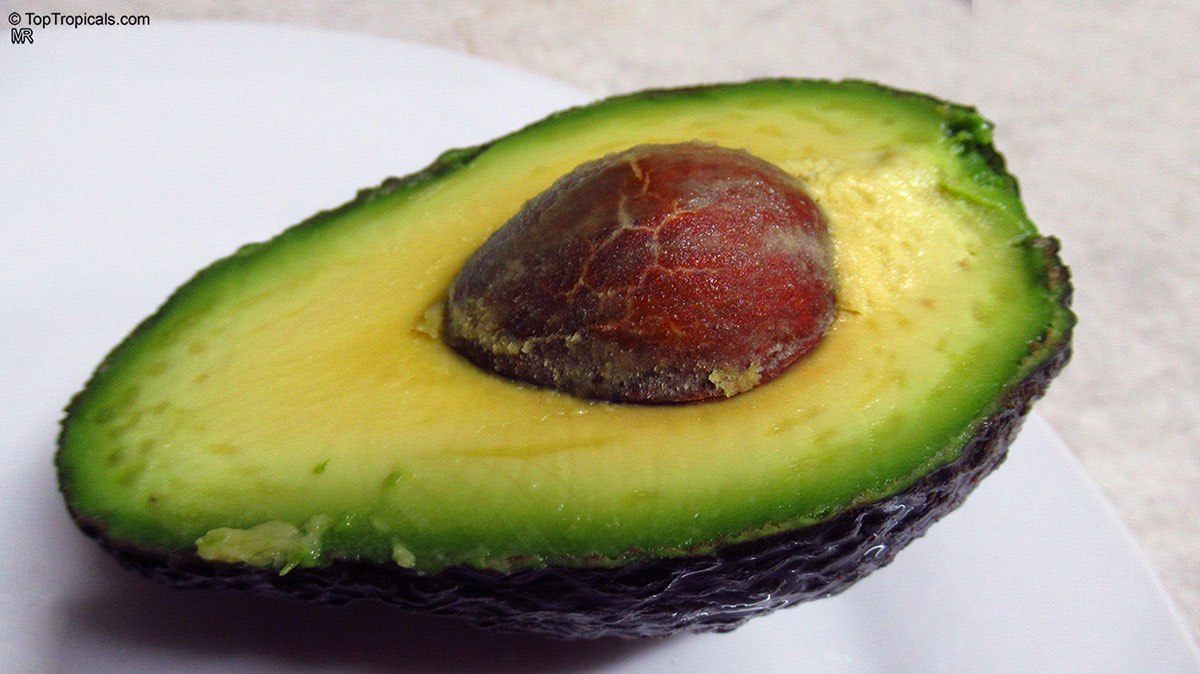
Avocado fruit

Avocado fruit

☕️ Grow your own brain food: Avocado and Cocoa

  • Avocado and cocoa aren't just a delicious combo - they’re also great for your brain. Studies show that Avocado's healthy fats improve blood flow and memory, while Cocoa’s flavonoids boost attention, mood, and overall cognitive performance. Together, they help protect brain cells from inflammation and aging.
  • Avocados are rich in monounsaturated fats and lutein, nutrients that support sharp thinking and long-term brain health. Cocoa, meanwhile, enhances circulation in the brain and has been linked to lower risk of stroke and dementia. So, growing your own avocado and cacao trees means growing your own natural brain boosters right in your garden.
  • Try blending the two in simple treats like avocado chocolate mousse or a smoothie with banana and almond milk - creamy, rich, and packed with brain-loving nutrients.


🍽 Delicious Avocado-Chocolate recipes:

  • 🍵 Avocado Chocolate Mousse


    To make this, simply blend ripe avocado, unsweetened cocoa powder, honey (or maple syrup), and a splash of vanilla for a rich, creamy mousse that feels indulgent yet guilt-free.
  • 🍵 Avocado Chocolate Smoothie


    This is perfect for breakfast and to make it, combine avocado, cocoa powder, banana, almond milk, and a touch of nut butter for a thick, chocolatey breakfast smoothie.
  • 🍵 Avocado Brownies


    This one is for the sweet tooth lovers, use mashed avocado in regular brownie batter, add cocoa powder, and bake for fudgy, nutrient-dense brownies.
  • 🍵 Chocolate Avocado Pudding Pops


    To make this bite-size snack, blend avocado, cocoa powder, dates (or honey), and coconut milk, then freeze in molds for refreshing delights.


🛒 Plant your own Chocolate tree (Cocoa, Cacao), and Avocado tree for long lasting brain power

📚 Learn more:
#Food_Forest #Remedies #Discover #Recipes

🟢 Join 👉 TopTropicals
Date: 19 Feb 2026

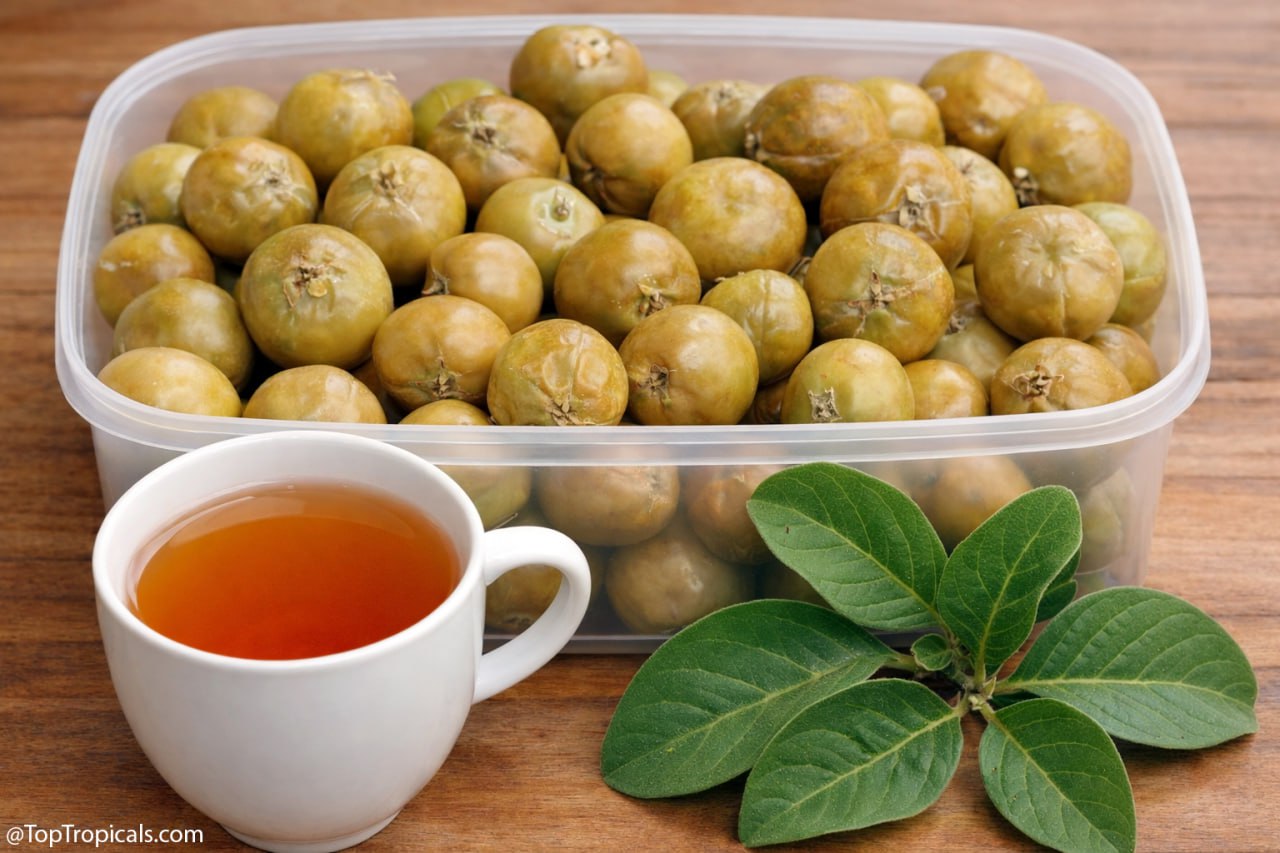
10 ways to enjoy Wild Medlar - Spanish Tamarind

Vangueria infausta (Spanish Tamarind, Wild Medlar)

Vangueria infausta (Spanish Tamarind, Wild Medlar)

🍊 10 ways to enjoy Wild Medlar - Spanish Tamarind


Vangueria infausta (Spanish Tamarind, Wild Medlar) from Africa to your backyard: the fruit, the medicine, the tradition.

Spanish Tamarind may look like a small, unassuming fruit - but don’t let it fool you. In its native Africa, this tree is a food staple, a home remedy, and a cultural favorite, all wrapped into one. And now, it’s ready to bring that same magic into your garden and kitchen. People have used this fruit for generations - and how you can too.

🍊 1. Eat it fresh, off the tree


When ripe, the fruit turns golden brown and softens slightly. Its flavor is sweet-tart, almost like a tangy apple or tamarind with a hint of citrus. Just peel and eat!

🍬 2. Dry it for snacks


In many African regions, the fruit is sun-dried and enjoyed like natural fruit leather. It keeps well, travels well, and makes a great healthy snack.

🍵 3. Brew it into a fruit tea


Dried fruit can be steeped into a tart, refreshing tea that’s packed with vitamin C and antioxidants. Add honey or ginger for a soothing drink.

🍷 4. Ferment it into traditional beer or wine


In some local cultures, the fruit is fermented into a mild alcoholic drink, similar to fruit wine or beer. This is one of the tree’s oldest known traditional uses.

🍧 5. Make jams and preserves


Boil the pulp with sugar and lemon juice to make tangy medlar jam. Spread it on toast, stir into yogurt, or use it in baking.

6. Add to porridge or smoothies


Crushed or juiced medlar fruit is added to traditional maize porridge for a nutrient boost. You can do the same with oatmeal or smoothies.

7. Try traditional fruit pudding


A simple medlar mash with a little sweetener makes a rich, apple-like pudding with hints of spice. Great as a chilled dessert.

🌿 8. Use the leaves and bark medicinally


In folk medicine, leaves are brewed into a tea for treating fever, colds, and stomach aches. Bark is used for chest congestion and coughs. Roots are sometimes used for even stronger remedies like malaria treatment.

9. Clean your teeth the traditional way


Believe it or not, people use medlar leaves to clean their teeth! The leaves are antimicrobial and have a slight astringent taste that leaves your mouth feeling fresh.

🎨 10. Dye fabric naturally
Crush the bark or boil the leaves to create natural dyes in yellow, green, and even purple tones. This use is still practiced in rural areas of southern Africa.

✍️ Why this tree belongs in your life


Wild Medlar is more than just a fruit. It’s a versatile, resilient, and deeply cultural plant that connects generations. It’s food, it’s healing, it’s art—and now it can be part of your garden story.
Grow it for the fruit, the medicine, the tradition… or just for the joy of growing something wild and wonderful.

🛒 Plant Spanish Tamarind and enjoy exotic fruit benefits

📚 Learn more:


#Food_Forest #Remedies #Recipes #Discover

🟢 Join 👉 TopTropicals

Date: 2 Mar 2026

Beyond fruit: how this African tree supports wildlife and garden health

Beyond fruit: how this African tree supports wildlife and garden health
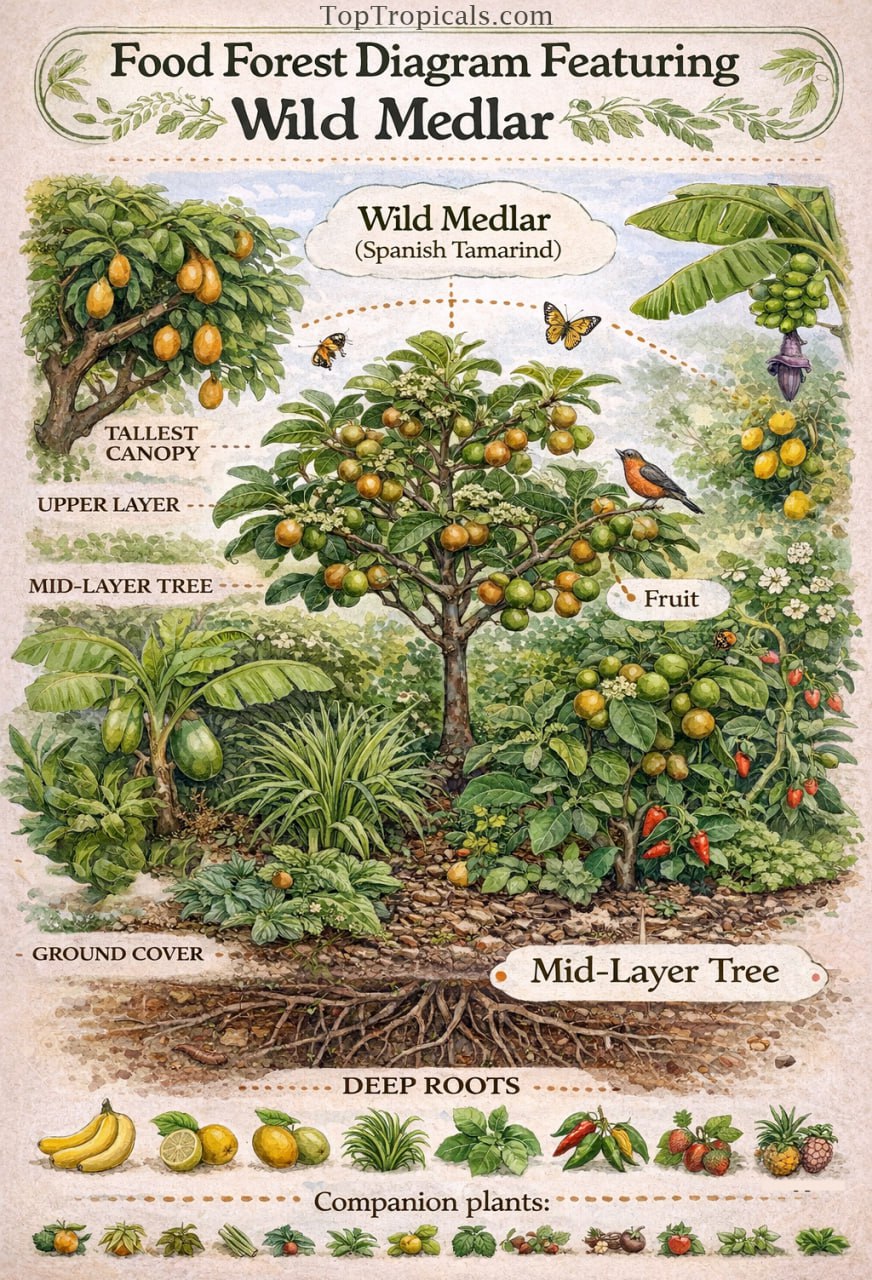
Beyond fruit: how this African tree supports wildlife and garden health: Wild Medlar in the ecological food forest 🍊

Vangueria infausta (Spanish Tamarind, Wild Medlar) might win your heart for its sweet-tart fruit and folk medicine magic - but did you know it’s also a quiet hero in the ecosystem? Whether you’re planting a full-blown food forest or just a mixed backyard garden, Vangueria infausta brings more than fruit to the table. It brings balance, beauty, and biodiversity.

🐝 Pollinator power


When in bloom, this tree produces nectar-rich flowers that attract bees, butterflies, and other pollinators. These beneficial insects don’t just help the Wild Medlar fruit - they boost productivity in your entire garden.
If you grow mangos, citrus, guava, or veggies nearby, Spanish Tamarind helps keep the pollinator traffic moving.

🐦 Bird magnet


Birds are big fans of this tree. They nest in its dense branching, snack on overripe fruit, and help spread seeds. In return, they’ll help keep down pests like caterpillars and beetles.
Even in a small garden, one Wild Medlar can be a micro-habitat for birds, insects, and other helpful wildlife.

🌱 Soil stabilizer


With its deep roots and drought-hardy nature, Wild Medlar helps hold soil in place, especially on slopes or rocky patches. It improves drainage and reduces erosion, which makes it a great addition to food forests in challenging spots.

🍂 Natural mulch & green cleanup


The tree drops a modest amount of leaf litter, which breaks down into soft, rich mulch. In a diverse planting, that means fewer weeds, better soil structure, and less watering needed.

🌿 Companion planting & food forest stacking
  • · Works great as a mid-layer tree in multi-tiered systems
  • · Provides light shade for herbs or smaller fruiting plants
  • · Plays well with bananas, papaya, guava, lemongrass, and ground covers
In zones 9-11, it can live happily in a mixed border or permaculture guild. In colder zones, just keep it potted and move it around as needed - it still offers many of the same benefits.

🛡 Pest and disease resistant


One more bonus: Spanish Tamarind is incredibly low-maintenance. It resists most common pests and doesn’t suffer from fungal issues like many tropical fruit trees do. That means fewer chemicals and more harmony in your garden ecosystem.

✍️ Ready to plant something that gives back?


Think you need more than just another fruit tree? More life. More movement. More meaning in your garden?
Grow Wild Medlar for the fruit - but keep it for everything else it brings. The pollinators. The shade. The quiet medicine. The steady presence that makes your space feel alive.
If you’re building a food forest - or simply want a tree that earns its place every single season - this one doesn’t just sit there. It contributes.

🛒 Plant Spanish Tamarind in your Food Forest for a happy wildlife

📚 Learn more:


#Food_Forest #Discover

🟢 Join 👉 TopTropicals

Date: 11 May 2023

The Wonderful World of Tamarind:
from Planting to Plating

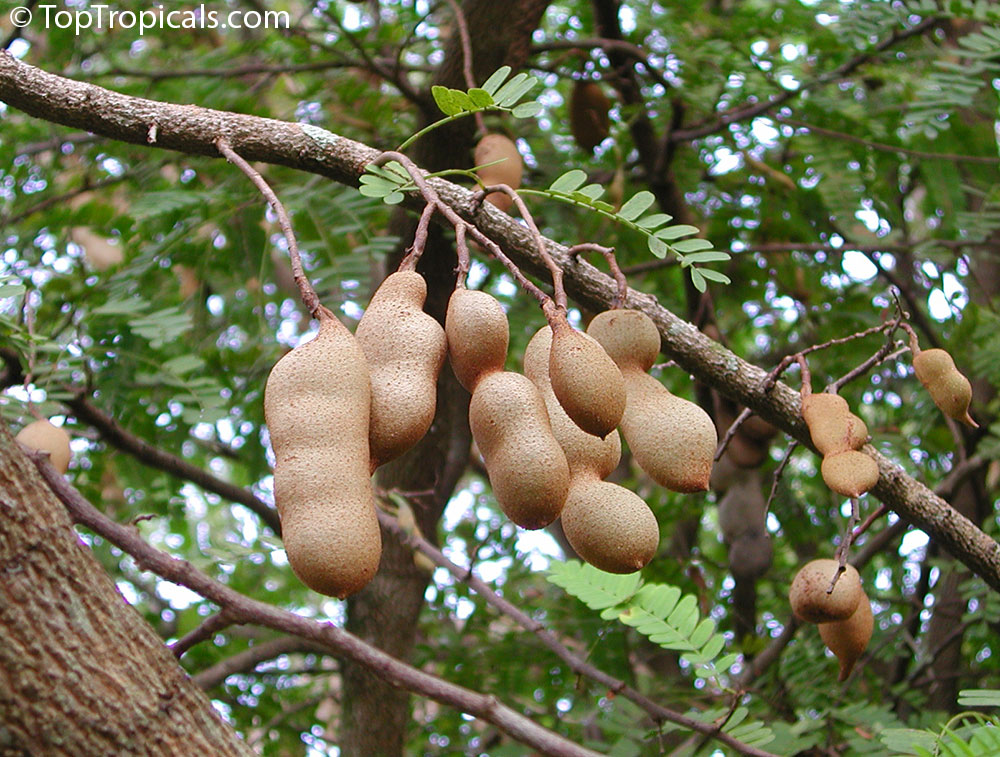
Tamarind  tree

Q: I use a lot of tamarind in my cooking. Can I grow my own Tamarind fruit? Can Tamarind tree grow in North Florida? Will Tamarind grow well outside or should I keep it in a pot?

A: Originating from tropical Africa, the Tamarind - Tamarindus indica - is a tropical tree that is highly appreciated for its ornamental beauty, delightful shade, and soft texture.

Tamarind is a highly valued culinary ingredient, with its tangy and sweet-sour flavor profile making it a popular addition to many dishes. It is frequently used in South Asian, Latin American, Caribbean, and African cuisines to add a touch of acidity and sweetness. Tamarind paste, made from the fruit's pulp, is a key ingredient in Worcestershire sauce, tamarind chutney, and many curry dishes. The seeds, when roasted and ground, can be used as a coffee substitute or as a thickening agent in sauces and stews....

Tamarind tree is prized for its versatile fruits and numerous health benefits. The tree can be grown outside in warm climates, as well as in pots and indoors... even as bonsai!
CONTINUE READING >>

Tamarind  fruit

Date: 25 Feb 2021

Healthy Plants: Q&A from Mr Booster

Dragon Fruit Magic Tricks

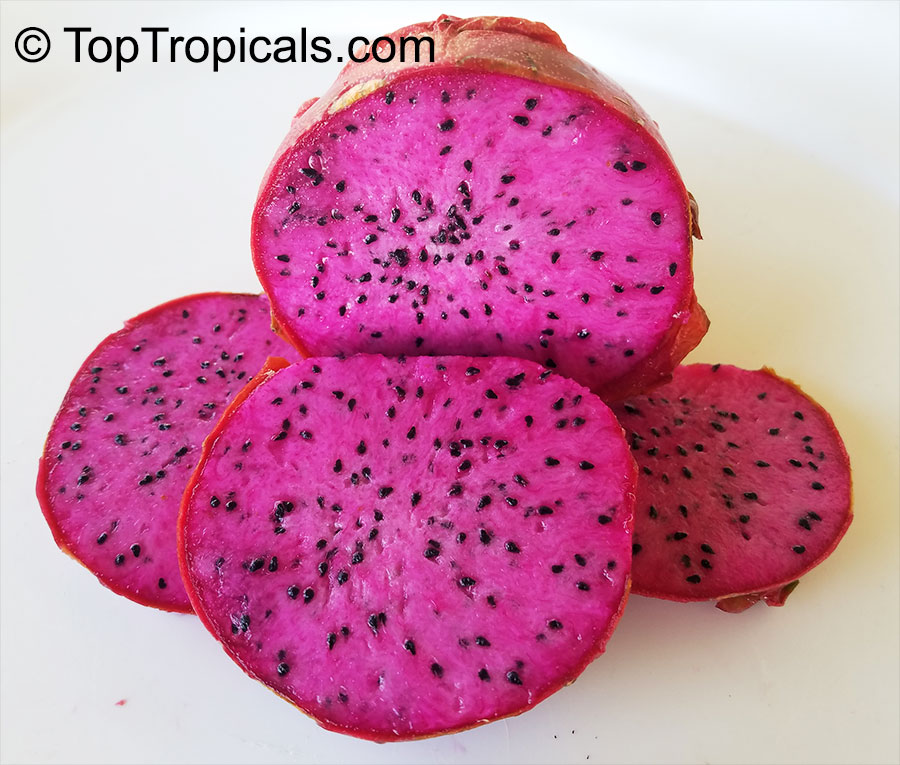
Q: I purchased two sweet red pitayas, that arrived and were planted on May 28, 2020, they were damaged but not serious. my question is this one pitaya is a beautiful green, and has grown 6or 8 " already, the other is bigger and is a grayish green and has not shown any sign of growth at all in six weeks, how long do I wait before I throw it out and buy another?

A: Being a cactus, sometimes Pitaya slows down its growth waiting for more favorable conditions. If one of your plants doesn't show any new growth, just give a it some more time and make sure the plant stays happy. To make pitaya happy, provide the following:
- Water. Unlike most cacti, Pitaya prefers regular watering (but not a wet soil). Make sure it is planted in well-drained media. Do not water again if soil remains moist, wait until it dries out on the surface. During hot weather, Pitaya enjoys light daily watering.
- Light. Unlike most cacti, Pitaya benefits from a filtered light especially while establishing. Try to create a temporary shade over the plant until it starts active growth (if grown in the ground), or move the pot in filtered light. Dull color or dry spots are signs of sun burn. Once the plant shows new growth, you may remove sun protection, or move the pot gradually into the full sun.
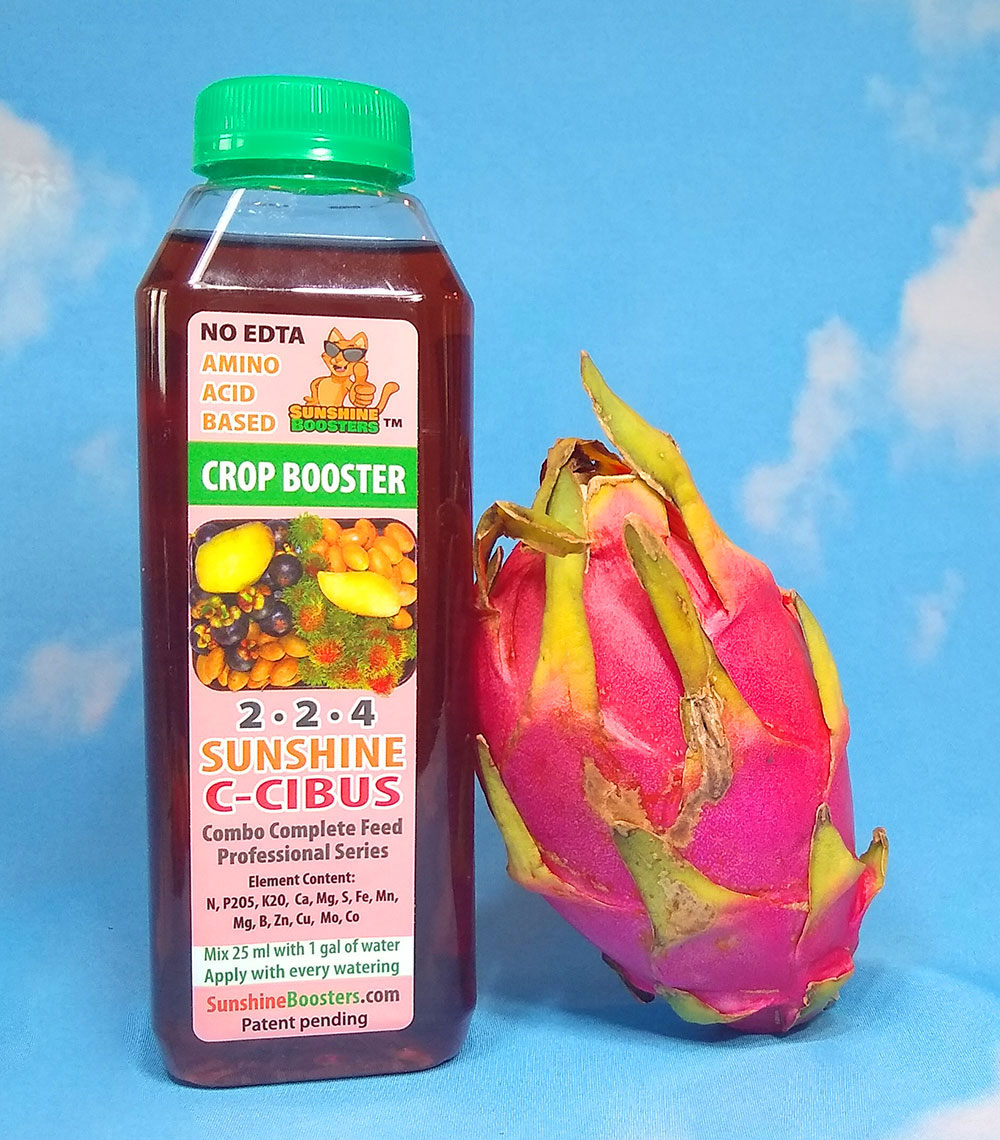
- Food. Pitayas are heavy feeders. Use the following fertilizer:
SUNSHINE C-Cibus - Crop Nutrition Booster

Q: I've been growing dragon fruit cuttings from Okinawa, Thailand and Vietnam for several years in pots and cannot get them to fruit. Any fertilizer suggestions? I live in Northern Virginia so I bring the massive pots in the garage under lights and a heater for the winter but back outside once the temperature warms up.

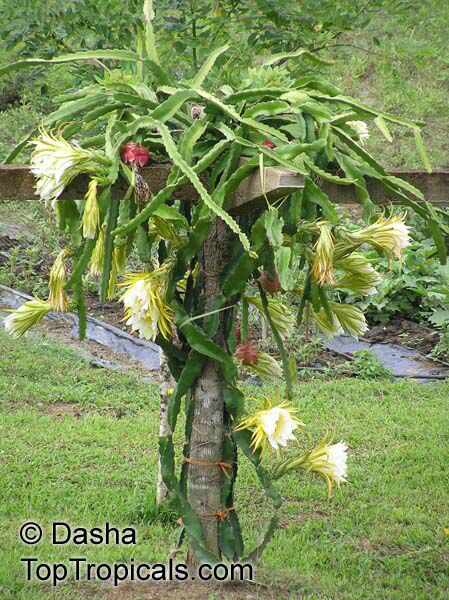
A: There is a little trick to get Dragon fruit to flowering and fruiting. This plant likes flowering when it is attached to a strong support. In commercial plantations, they use special trellises/frames made out of logs, but you can make one yourself using simple materials.
See article: Do-It-Yourself Support Structure for Dragon Fruit.
And of course, don't forget a special plant food for tropical fruit - Sunshine C-Cibus.
You can successfully get your Dragon fruits to fruit in pots, providing bright light in Summer. In Winter, keep the plants on a dry side to give them some rest and a chance to hibernate before the next fruiting season.