Plant a fruit tree - and breathe easier: fruit might be the surprising key to healthier lungs
🍒 Plant a fruit tree - and breathe easier: fruit might be the surprising key to healthier lungs
🥭 Fresh fruit doesn’t just taste good - it can literally help you breathe better!
🥭 A new study presented at the European Respiratory Society Congress found that women who ate at least four portions of fruit a day had slower declines in lung function compared to those who ate less. Researchers believe antioxidants in fruit may help protect the lungs from the damaging effects of air pollution.
🥭 Air pollution is everywhere, and more than 90% of people worldwide are exposed to levels above safe limits. But the good news is, your diet can make a difference. Fruits are packed with antioxidants and anti-inflammatory compounds that help your body fight off the oxidative stress caused by tiny airborne particles.
🥭 The study showed that women who ate plenty of fruit had stronger lungs despite being exposed to fine particulate pollution (PM2.5) from cars and industry. The difference wasn’t small either - their lung capacity dropped significantly less over time than in those with low fruit intake.
🥭 So planting fruit trees isn’t just about homegrown flavor or saving a trip to the store. It’s about protecting your health in a polluted world. Whether it’s mangoes, avocados, guavas, or starfruit, every harvest brings you cleaner nutrition and a cleaner breath of life.
These are not seedlings — they’re grafted trees, which means
you get the true variety with known flavor, quality, and performance. Large
grafted trees give you a real head start:
Already mature with a strong root system.
Handle transplanting and weather shifts with ease.
Can bloom and fruit in the first or second season.
No space for a full orchard? You can still grow your own tropical
paradise!
Our large grafted Condo Mango
trees adapt beautifully to big containers on patios,
balconies, and sunrooms. They stay compact, flower sooner, and can fruit
even in
pots when given good light and warmth. 👉 Learn more: What are the Condo Mangos?
Bring the tropics indoors — move your tree outside for summer sun,
then back inside before frost. It’s the perfect way to enjoy homegrown
fruit wherever you live.
Give your garden a smart start this season. Large grafted Mango trees
are ready — but only for a short time before winter.
👉 Plant now, harvest sooner, and enjoy the true
variety!
Plant Care Tips by Top Tropicals Plant
Expert Tatiana Anderson
Large grafted Mango trees are easy to establish.
Soil: Well-drained, rich mix — avoid heavy clay.
Water: Deeply once or twice a week after the tree is established; keep soil
evenly moist during the first few weeks after planting.
Light: Full sun or bright patio spot.
Feeding: Use balanced fertilizer Sunshine
Boosters Mango Tango with every watering and Green
Magic controlled release fertilizer every 6 months for steady
growth.
Protection: Cover on cold nights for the first winter.
Plant once, care lightly, and your tree will reward you with fast growth
and early fruit.
🌳
Big Trees, Local Pickup Only
For our local gardeners, we have something special. Extra-large 15- and
25-gallon Mango trees. These are full, mature specimens that simply
can’t be shipped, but they’re perfect for local pickup or
delivery.
Instant Impact and Faster Fruit
These trees already have strong trunks, big root systems, and start
blooming next Spring. Plant one in your yard and it instantly looks like
it’s been there for years.
Delivery and Installation
We offer local delivery and professional installation for large
trees in the nearby area. Our team can bring the tree to your garden,
position
it correctly, and help with planting and setup.
Limited Availability: Quantities are small, and these big trees
go fast — once sold, they won’t be available again until next
growing season.
"Large grafted trees give you a head start — they’re stronger,
settle in faster, and can reward you with fruit the very next season," says
Tatiana Anderson
A colorful mix of mango varieties - different shapes,
colors, and flavors all in one harvest.
Mango Plant Facts
Botanical name: Mangifera indica Also known as: Mango
USDA Zone: 9 - 11
Highligths
Mango Practical Growing Tips (Keep It
Simple)
Sun: Full sun is key. 6–8+ hours daily for best
growth and fruiting.
Soil: Excellent drainage is critical. In pots, use
well-draining mix with added perlite or sand. Mango does not like wet
roots.
Watering: Water deeply, then let soil dry slightly
before watering again. Avoid constantly wet soil.
Containers: Excellent for pots. Condo mango varieties
stay compact and are easy to manage on patios.
Feeding: Light but consistent feeding during active
growth makes a big difference. Use controlled-release Green
Magic for steady nutrition, and supplement
with liquid Sunshine
Boosters Mango Tango during warm months to push growth and
fruiting.
USDA Zones: Best suited for Zones 9b–11. In Zone
9b, choose a warm, protected microclimate (south-facing wall, patio, or near
structures) and be prepared to protect during cold snaps. In Zones
10–11, mango grows reliably in-ground. If you live in colder zones,
grow in a pot so you can
move the tree indoors or protect it during cold weather.
Cold Protection: Protect young trees during cold
nights. Use cover or place near a wall or warm microclimate. Mature trees
are more tolerant.
Airflow: Good airflow helps prevent disease and keeps
growth clean.
Spacing: Give the tree room for light and airflow. Even
compact trees benefit from space.
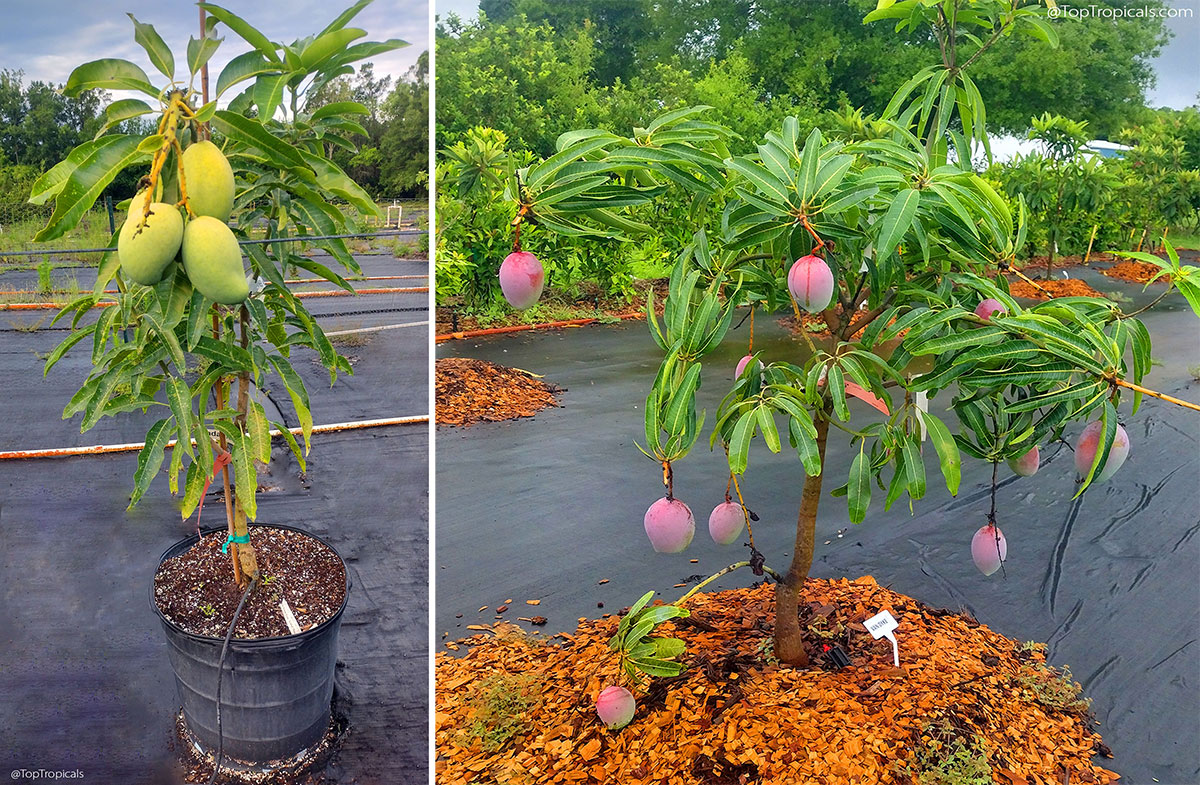
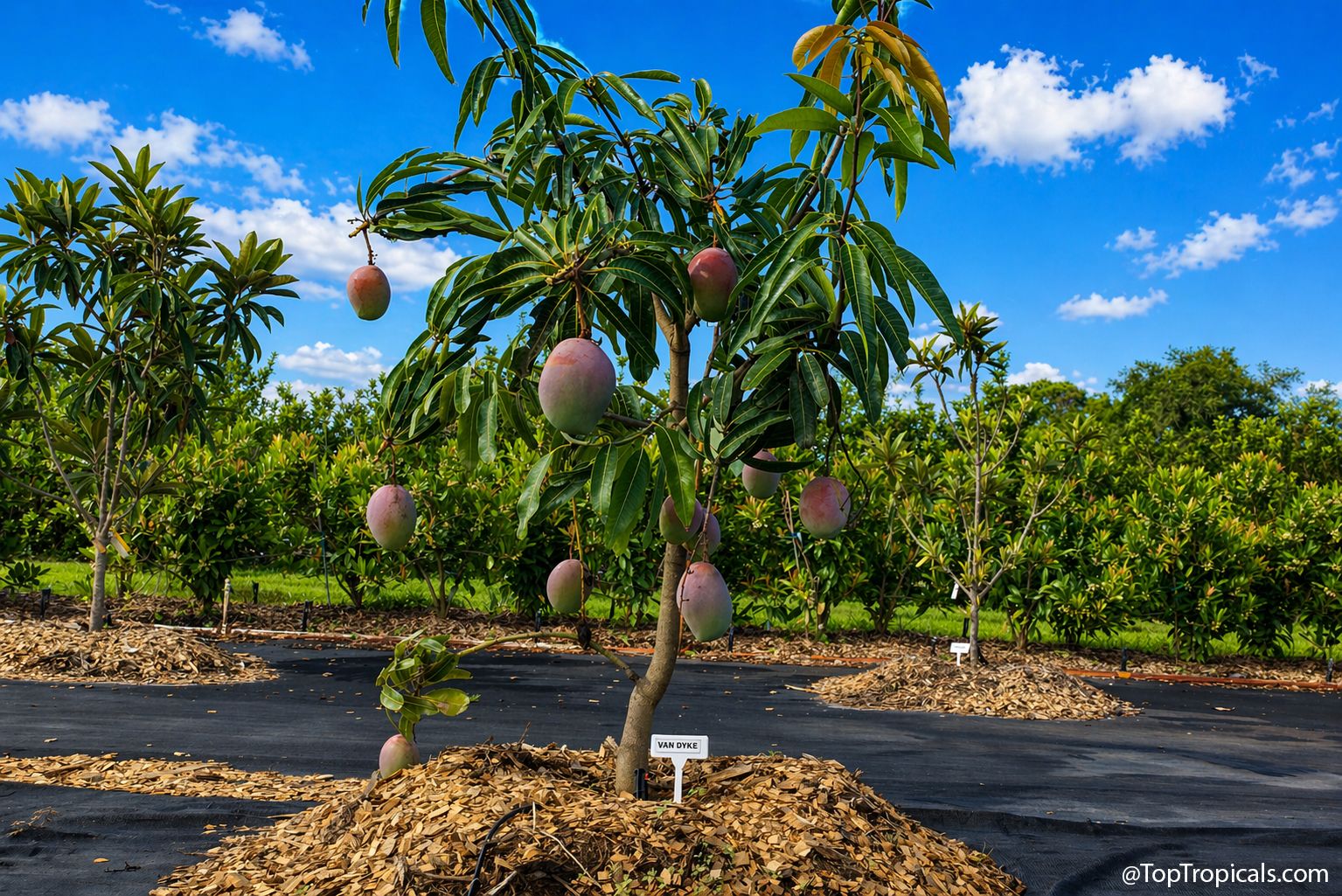
A fruiting mango tree Van Dyke in the grove, heavy
with developing mangoes and enjoying full sun.
Mango Winter Care (Very Important)
Mango is not a truly cold-hardy plant. It performs best in USDA Zone 9b
and warmer, where freezes are rare and short. In borderline areas, winter
protection becomes part of the routine. Mango trees should be covered during
cold nights, and planting near a south-facing wall helps protect from cold
winds. That small microclimate can make a real difference. If your winters
are less predictable, growing mango in a container becomes the simplest
solution. It gives you full control — you can move the tree to a
protected space when temperatures drop, and bring it back into the sun when
conditions improve.
That is where condo mango varieties make the most sense. They are
naturally compact, easier to manage in pots, and still produce full-size,
high-quality fruit. You get all the benefits of a mango tree
without needing a large yard or perfect climate — just sun, a
container, and a bit of seasonal movement when needed.
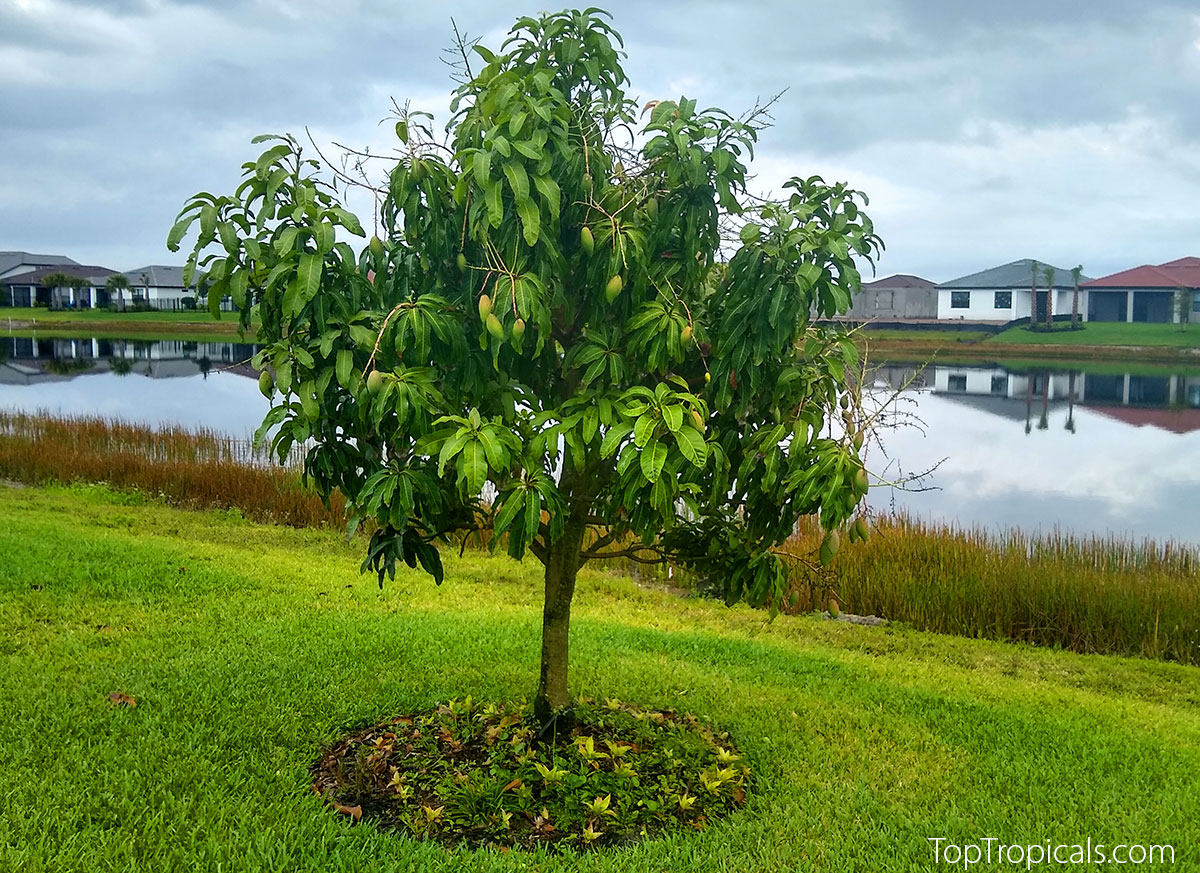
Young mango tree in a container, already holding fruit
and thriving in a sunny garden setting.
Growing mango in a container is one of the easiest ways to control size,
soil, and winter protection. Condo mango varieties stay naturally compact
and adapt well to pots, making them ideal for patios, small spaces, or
colder climates. You get full flexibility — move the tree when needed,
manage its growth, and still enjoy real tree-ripened fruit.
Pot size: Start with 3–7 gallon, move up to
15–25 gallon as the tree grows.
Climate Flexibility: Can be grown in any USDA zone when
kept in a container. Simply move indoors or to a protected area during cold
weather to keep the tree safe.
Pruning: Light pruning keeps the tree compact and
productive.
Once you taste a real mango from your own tree, everything changes. It is
no longer something you buy — it is something you grow, wait for, and
look
forward to every season. What felt like hype suddenly makes sense. The
passion people have for mango is not exaggerated — it just comes from
a completely different experience.
And for people who have never tasted a fresh, juicy mango warmed by the sun,
that moment comes as a surprise — the first time they realize what
mango is actually supposed to taste like.
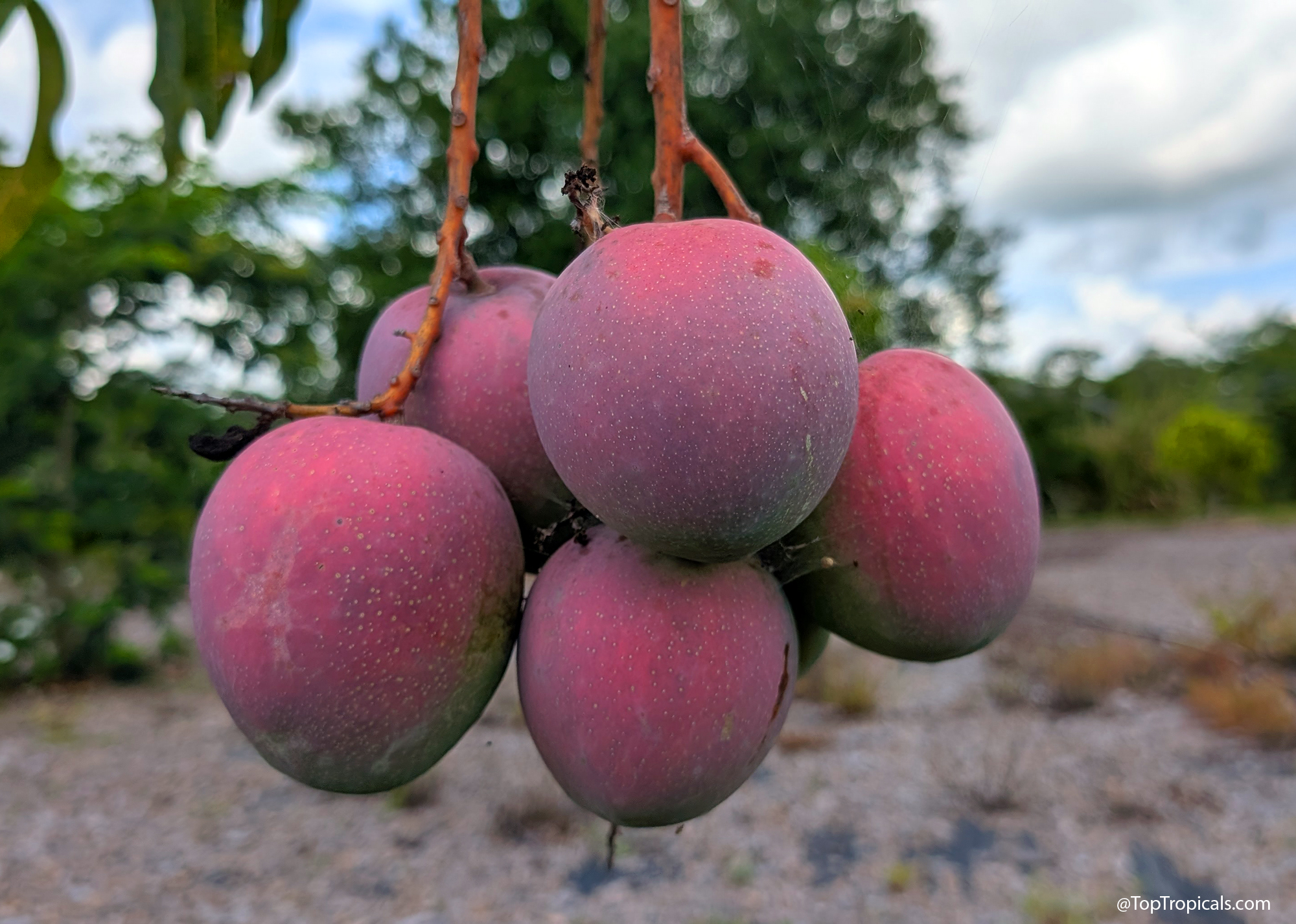
Cluster of ripening mangoes developing rich color on
the tree just before harvest.
Taste the Mango Difference - Save 10%
Once you taste a real mango from your own tree, everything changes. Now you
know. Get 10% off with coupon code
MANGO2026 on 3 gal mango trees.
Offer valid through 04/28/2026.
Discount applies to 3 gal plants only. Not valid on previous purchases and
cannot be combined with other promotions or discounts. Offer subject to
change without notice.
Date: 21 Feb 2026
The best time to plant a fruit tree was 20 years ago - here is why you need to plant it now
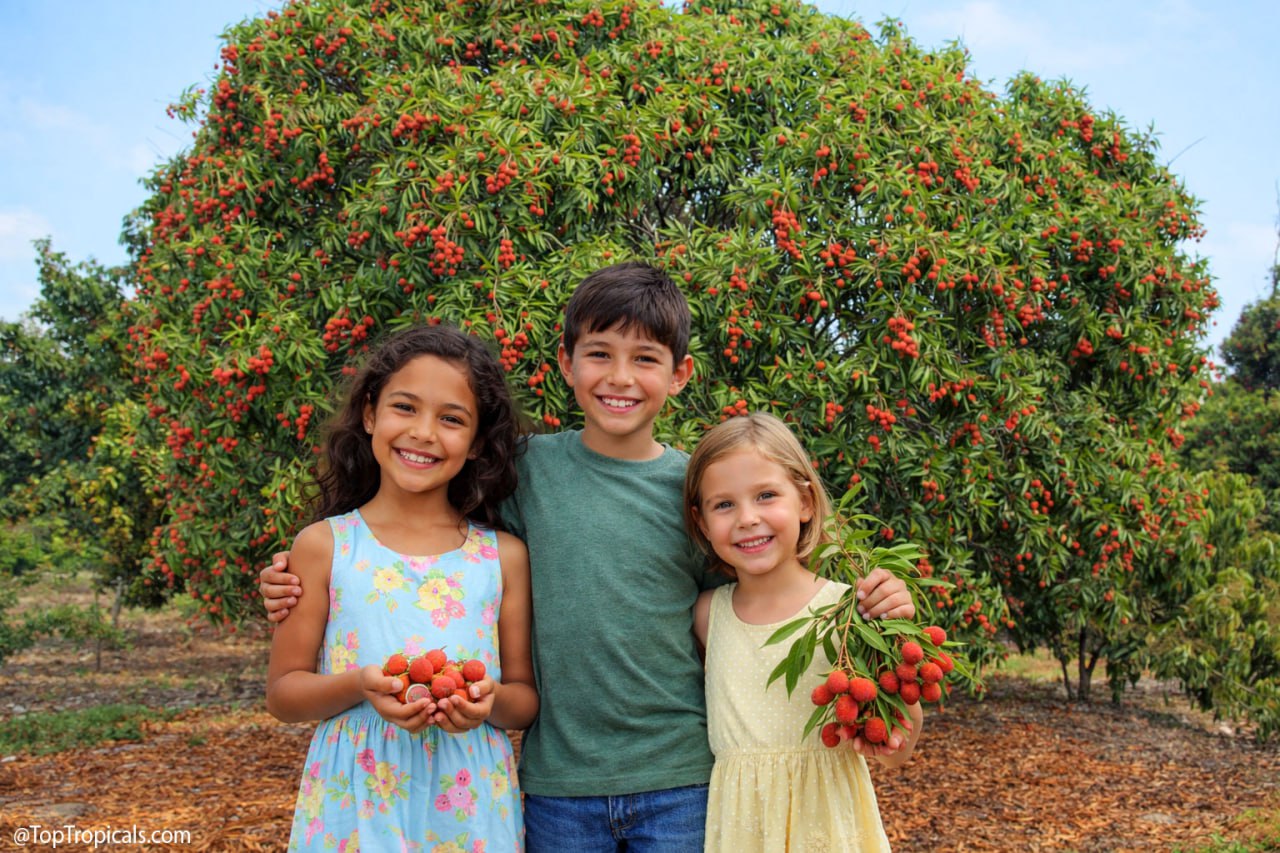
Litchi chinensis - Smiles under the Lychee tree
🍑 The best time to plant a fruit tree was 20 years ago - here is why you need to plant it now
They say the best time to plant a fruit tree was 20 years ago.
The second best time is today.
A fruit tree is not a seasonal purchase. It is not a decoration. It is a decision that stretches far beyond you.
When you plant a mango, an avocado, a loquat, a lychee tree - you are not just planting for this summer. You are planting for children who will climb that tree. For neighbors who will ask for a basket of fruit. For someone who may live in your house long after you are gone.
Mango Plant Facts
Botanical name: Mangifera indica Also known as: Mango
USDA Zone: 9 - 11
Highligths
Avocado Plant Facts
Botanical name: Persea americana, Persea gratissima Also known as: Avocado, Alligator Pear, Aguacate, Abacate
USDA Zone: 9 - 11
Highligths
Fruit trees are quiet investments in the future.
Unlike annual crops that come and go, a tree deepens its roots every year. Many fruit trees - especially mangoes - can live for decades, even a century. They outlive trends, owners, renovations, even mortgages. They stand there, steady, producing.
Even if you sell the house, the tree remains.
The next family will walk into the yard and discover fruit hanging overhead. Imagine buying a home and realizing someone before you planted abundance!
That is a gift.
In many parts of the world, mango trees are called generational crops. One farmer plants them. His children harvest them. His grandchildren sell the fruit. A single decision continues to feed and support a family long after the planter is gone.
There is something deeply grounding about that.
We live in a fast world. Quick returns. Quick moves. Quick upgrades.
A fruit tree moves at a different pace. It asks for patience. It rewards consistency. It teaches you to think long term.
Planting a fruit tree says:
I believe in tomorrow.
I believe this land will matter.
I believe someone will stand here after me.
And even if you never taste the fullest harvest, someone will.
Passing fruit trees through generations is more than horticulture - it is legacy. It is continuity. It is resilience. It is saying that this space, this soil, this home will keep giving.
So plant it now.
Plant it for your children.
Plant it for the next homeowner.
Plant it for shade you may never sit under.
Plant it for fruit you may never pick.
Because one day, someone will walk into that yard, look up, and thank the person who thought ahead.
Let that person be you.
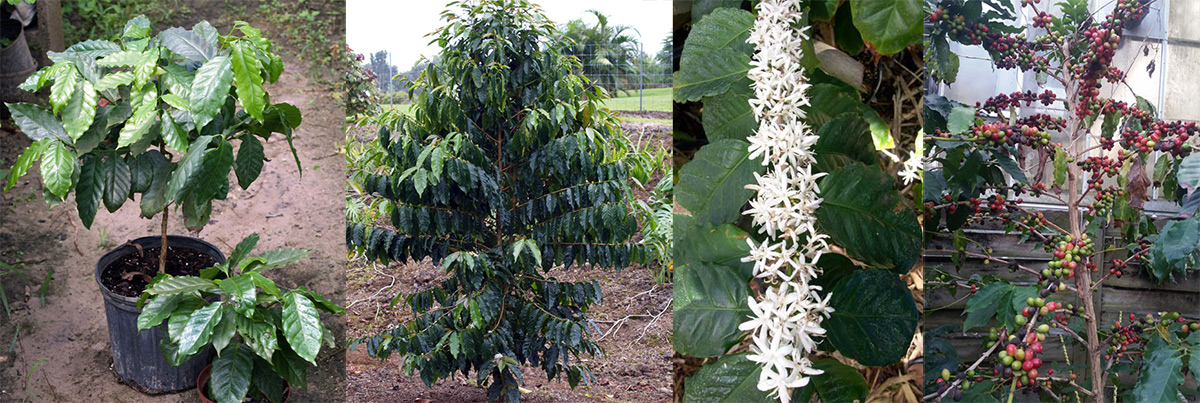
Coffee is shade-loving and easy to grow with regular water
It grows into a dark green shrub or small tree (about 3 to 5 feet tall
in a pot)
Its fragrant, star-shaped flowers resemble gardenias
The whole fruit is edible and turns green to yellow to red
The seeds are real "coffee beans" that can be dried, roasted, and ground at home.
Five Reasons to Grow a Coffee Plant
Perfect Indoor Fruit Tree: Thrives in filtered light and stays compact
Low Maintenance: Forgiving, adaptable, and ideal for new
gardeners
Aesthetic Appeal: Glossy green leaves and clusters of white blooms
Homegrown Coffee: Yes, you can roast your own beans.
Year-Round Beauty: Evergreen with seasonal fragrance
Coffee Plant Care Tips
Light: Bright, indirect light is best. Avoid harsh afternoon
sun.
Water: Keep soil lightly moist but not soggy. Let the top inch dry out before watering again.
Humidity: Loves higher humidity. Mist regularly or place on a pebble tray.
Fertilizer: Use a balanced, gentle fertilizer like Sunshine Boosters C-Cibus every few weeks during growing season.
Soil: Loose, rich, and well-drained. High in organic matter and slightly acidic. For potted plants, use a quality indoor tropical mix, such as Top Tropicals Abundance mix
Repotting: Refresh soil and size up the pot every 1–2 years to keep roots healthy.
Can I grow it outdoors?:
Yes - bring it outside in warm months and back indoors before frost. It's best suited for USDA zones 10-11, but container growing gives you flexibility in cooler climates.
How long until I get beans?:
Expect flowers and fruit within 3 to 4 years from seedling stage - often sooner if you start with a young tree.
What does the fruit taste like?:
Mild and sweet-tart, like a mix between a cherry and a cranberry. You can eat it fresh.
How to Make Coffee from Your Own Tree
Harvest: Pick the ripe red cherries
Pop and Soak: Squeeze out the beans and ferment 1-2 days to remove pulp
Dry: Spread out to dry for 1-2 weeks until hard and papery

 Plant Care Tips by Top Tropicals Plant
Expert Tatiana Anderson
Plant Care Tips by Top Tropicals Plant
Expert Tatiana Anderson


 Mango Winter Care (Very Important)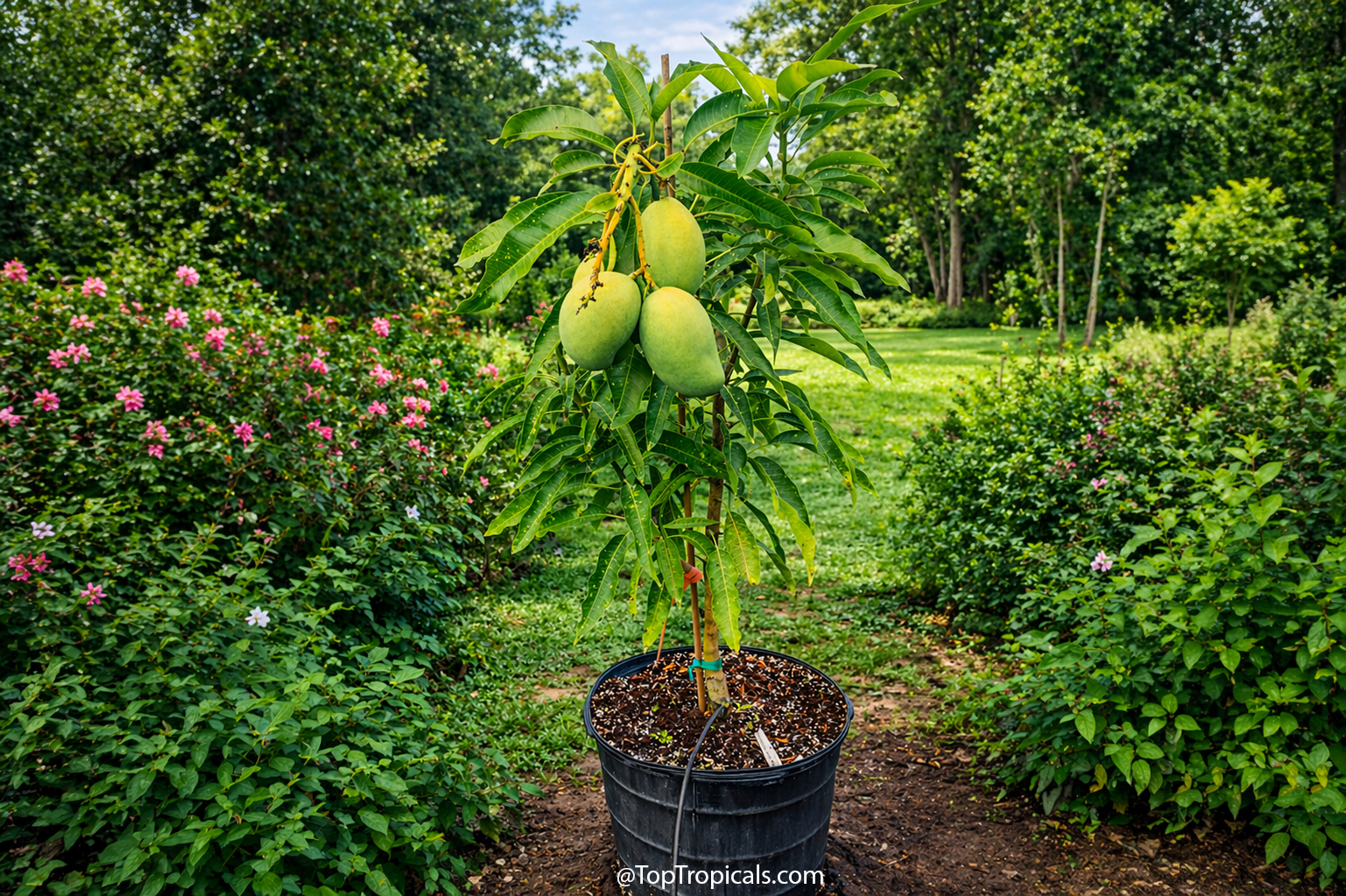

 Taste the Mango Difference - Save 10%