Date: 9 Jul 2019
Growing desert roses
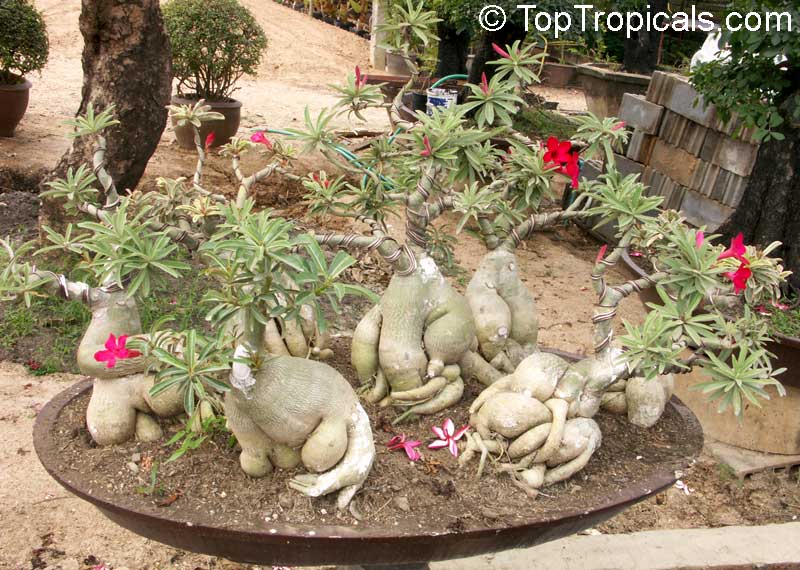
Q: I purchased a Desert Rose and planted it in Adenium mix. I keep it in full sun with once a week watering assuming this is a desert plant that likes lots of sun. Some leaves turned yellow and now I am not sure should I move it into shade or need to water more? Or maybe fertilize with something?
A: Desert Rose - Adenium, unlike cacti and other succulents, prefers filtered light. It can grow in full sun but leaves look healthier in light shade. Watering must be very moderate, however don't let soil harden like a rock: water again right after the soil gets dry. We suggest to use special Adenium Mix. Cactus mix may work well, as well as regular potting mix, in which case it is recommended to add a bit of limestone (we simply put sea shells on top of the pot - it looks very pretty!) - because adeniums prefer slightly alkaline soil (while most of tropical plants like acidic soils). If leaves turn yellow, this may be a sign of underwatering. Use water soluable fertilizer with high phosphate as foliage spray, and only on healthy plants, according to label dosage. It helps both caudex growth and flowering. Make sure to avoid fertilizer contact with a caudex.
RECOMMENDED SUPPLIES:
Adenium Plant Food - Flower and Caudex Booster
SUNSHINE-BC - Caudex booster
Adenium Soilless Mix
Read more about growing Adeniums:
What you need for successful growing Adeniums
Growing Exotic Adeniums
Date: 21 Nov 2025
How to keep your house plants beautiful all year by feeding them right
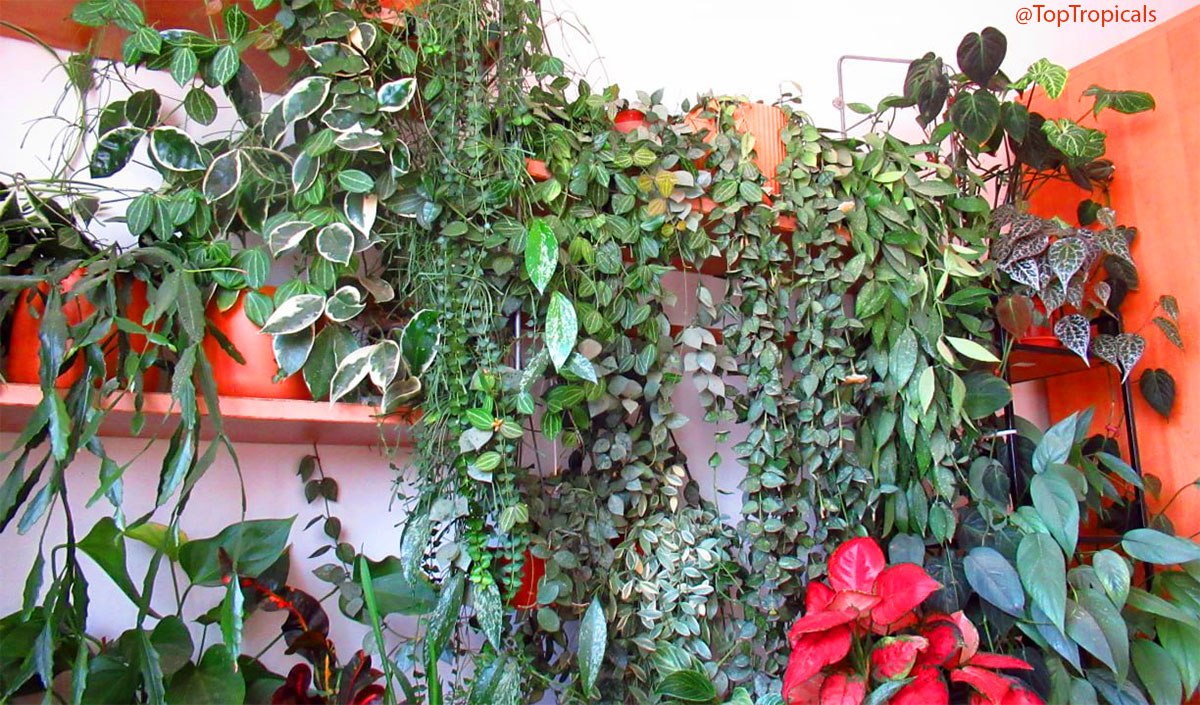
Indoor garden
🍀 How to keep your house plants beautiful all year by feeding them right
- 🌱 Healthy house plants are not just about light and water. They need food, just like we do. A good fertilizer routine keeps them green, strong, and blooming through every season. Here is a simple guide to feeding indoor plants the right way.
🌱 General rules for fertilizing house plants
- ▪️Feed lightly but regularly. Indoor plants grow in limited soil, so nutrients run out faster. Small, frequent feedings work better than one heavy dose.
- ▪️Never fertilize dry soil. Water first, then feed.
- ▪️Reduce feeding in winter when growth slows.
- ▪️Watch your leaves. Pale, yellow, or slow-growing plants are asking for nutrients.
- ▪️Use a complete formula. House plants need both macro-elements (N-P-K) and micro-elements, not just nitrogen.
🌱 What fertilizer to use
Sunshine Boosters - the everyday diet.
Sunshine Boosters are simple, balanced liquid fertilizers you mix with water. They give your plants everything they need for steady, healthy growth. They contain the right blend of nitrogen, phosphorus, potassium, and trace minerals. They do not contain harsh chemicals, so they are safe for homes with pets and kids. Regular use keeps plants growing faster, stronger, and more resilient to stress.
Sunshine Superfood - the vitamin supplement.
If a plant turns yellow or looks weak, it often needs micronutrients. These are the plant version of vitamins, including iron, zinc, copper, and manganese. Sunshine Superfood delivers these quickly and in the right proportions. Mix it with water and apply when you notice yellowing or slow growth. It corrects deficiencies fast and keeps leaves lush and green.
Green Magic - the long-term slow feeder.
Green Magic is a controlled-release fertilizer that works for six months. It uses poly-on coating technology to release nutrients slowly, without burning roots. It is perfect for repotting or for plant owners who want a set-it-and-forget-it option. Mix one teaspoon per gallon of soil during repotting or every six months. Excellent for container fruit trees and ornamentals that need steady feeding.
🌱 The simple routine
- ▪️For regular watering: use Sunshine Boosters.
- ▪️Once a month: add Sunshine Superfood to prevent yellowing.
- ▪️Every six months: mix Green Magic into the soil for long-term support.
With the right diet, your house plants stay green, strong, and beautiful year-round. Feed them well, and they reward you every day.
📸 In the photo: Indoor garden of Marina Rybka, Israel, the Editor of TopTropicals.
🛒 Get your plants some food
📚 Learn more:
- Why do you need Sunshine Boosters?
- Which dry fertilizer to use - slow release or controlled release?
- Green Magic effect: before and after
- The SECRET growers never tell you: simple trick how to bring plants back to life and keep green
📱 What are Sunshine Boosters
#Fertilizers #How_to
🟢 Join 👉 TopTropicals
Date: 28 Sep 2025
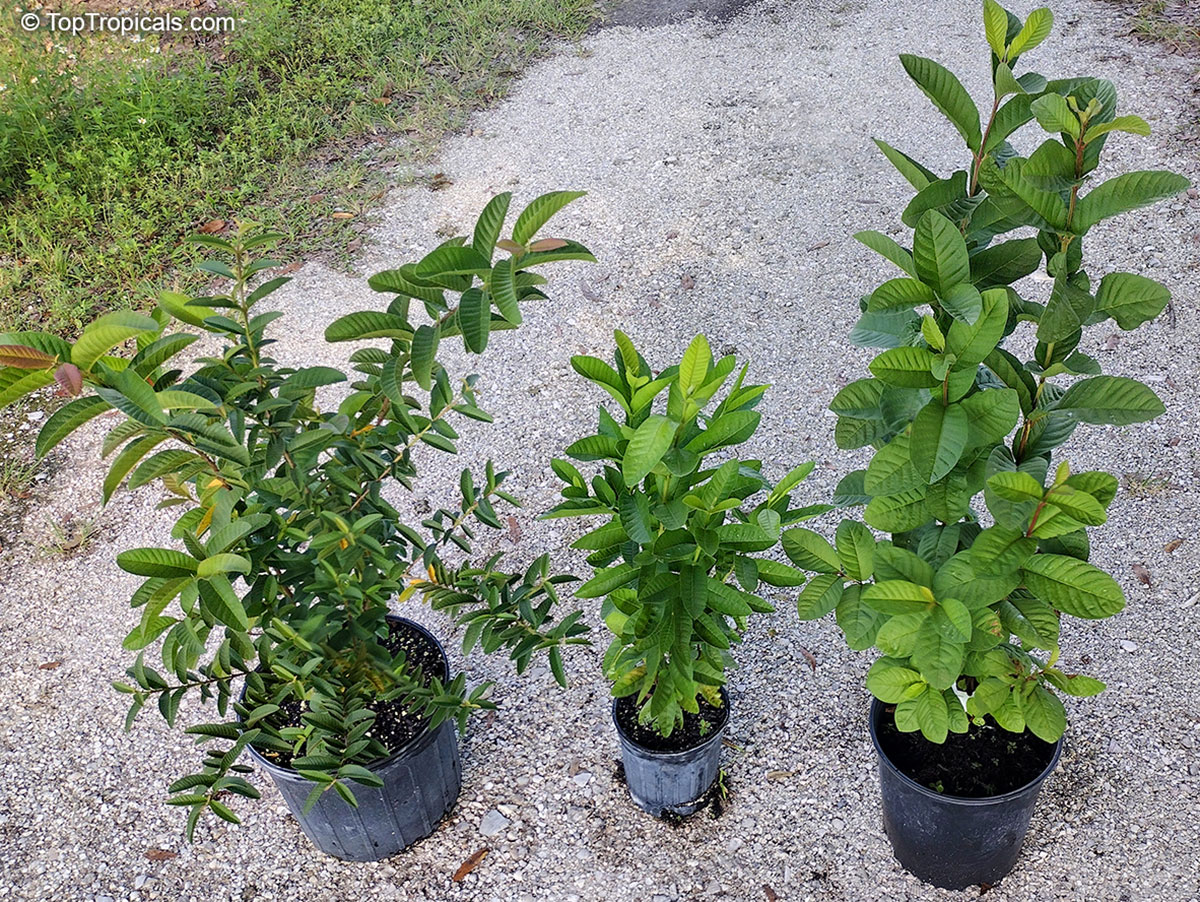
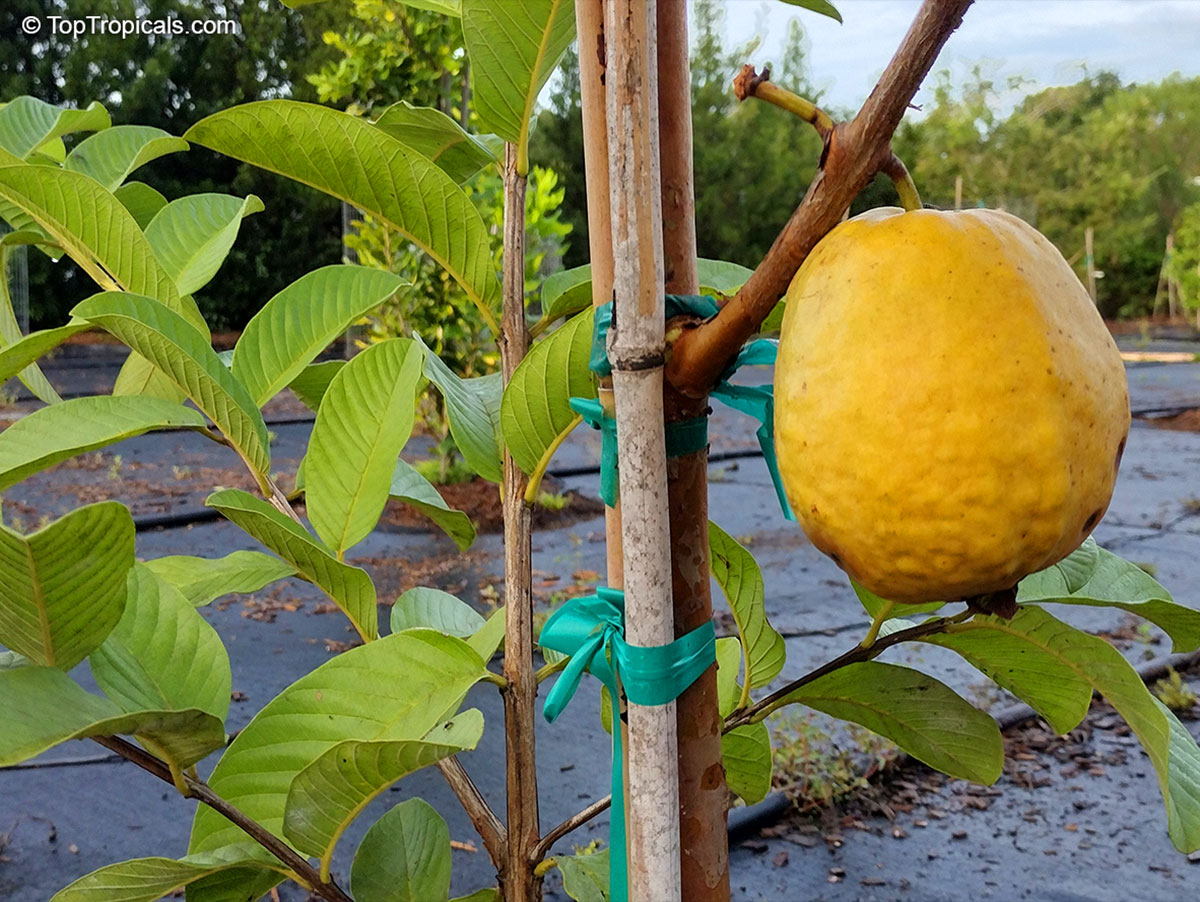
 Guava Tree Plant Care
Tips from Top Tropicals Plant Expert - Tatiana Anderson
Where to Plant Outdoors
Guavas love full sun — aim for 6–8 hours of direct light. They’re adaptable to many soils but do best in well-drained, organic-enriched mixes. Plant them in a spot where you can water easily; guavas are thirsty trees during fruiting.
Container & Indoor Growing
Don’t have space or live in a cooler climate? Guavas thrive in large pots. Use well-drained potting mix. LINK TO OUR SOIL Keep them on a sunny patio during warm months and bring them indoors when nights dip below freezing. Compact varieties like Dwarf Hawaiian Rainbow or Tikal are especially good for pots.
Winter Care
Mature guavas can handle a light frost (down into the high 20s F), but young plants need protection. If planted outdoors, cover them with frost cloth on cold nights. Container guavas can be wheeled into a garage, greenhouse, or bright indoor window until the weather warms.
Watering and Fertilizing
Water deeply once or twice a week, more often in hot weather or when fruit is developing. They don’t like soggy soil, but they won’t complain about short floods either. Fertilize 3–4 times a year during the growing season with a balanced fruit tree fertilizer. Guavas especially love potassium and phosphorus for strong flowering and heavy crops. We recommend liquid crop booster Sunshine C-Cibus and balanced controlled release fertilizer Green Magic.
Pruning
Prune after fruiting to keep them compact and open up airflow. Remove crossing or dead branches. In containers, trim back vigorous shoots regularly to manage size and encourage more fruiting wood.
Pests and Problems
Guavas are generally tough and pest-resistant. The main thing to watch for in humid or rainy climates is mealybugs - those cottony white clusters on leaves or stems. They're easy to manage with neem oil or a quick spray of horticultural soap.
Fruit time
Guavas fruit young - often within a year or two.
Pollination
Guavas are self-pollinating, so you'll get fruit even with a single tree. Planting more than one tree, however, often boosts harvests and gives you a longer fruiting season.
If you've ever wanted instant gratification from a fruit tree, guava is it.
🍴 Guava Recipes
With all that fruit, the next question is always: "What do I do with it?" Here are our favorites:
Cas Guava: Make Agua de Cas
Boil halved Cas Guava fruits with sugar, simmer, strain, and bottle. Dilute with water when serving. The concentrate keeps for months in the fridge.
Check out the recipe.-
Hawaiian Gold: Make Drinks
Perfect for Mojitos or Margaritas. Sweet, tangy juice pairs beautifully with lime and mint. Learn more
-
Araca Pera: Guava Wine
Famous in Brazil, where the fruit is turned into a vibrant rosу wine. Locals say it’s the taste of summer in a glass — and yes, you can make it at home too. Learn more...
-
Quick snack: Guava Grilled Cheese
Spread guava paste or fresh mashed fruit with cheese, grill until golden. Sweet and savory heaven. Learn more...
-
Simple Guava Juice
Blend ripe guavas with water, ice, and a little sugar if you like. Instant refreshment.
✅Ready to Grow? Whether you want fresh juice, sweet fruit, or even your own guava wine, we’ve got the best varieties in stock right now. Your future self, sipping guava juice on a hot summer afternoon, will thank you.

Date: 4 Feb 2021
PeopleCats of TopTropicals. Cat of the Month: Moishe, the Google Intern with a Sweet Tooth

Just a few months ago we introduced our new Little Purrrson Jim II that we got as a "toy" for intellectual
Google the Cat, to cheer him up after he lost his friend Jim I... Jim II, the fluffy goofball, grew up in no time and in his turn,
requested entertainment, since Google bored him with his technical lectures... So
we got a toy for Jim-the-toy... and he turned out to be - another
mini-Google!
Moishe is very busy young individual, spending his day solving math
equations and discovering laws of physics... Google appreciates the new generation's input. Jim II is simply glued to the little guy. He follows Moishe everywhere, including boring seminars by Google. Jim loves his new little brother with all his heart!
Moishe's favorite things are - gravity experiments, reading scientific manuscripts, and eating JAM for breakfast! No toast required.


TopTropicals PeopleCat Club and Zoo
Thank you for supporting us in helping PeopleCat Community!
Make
your kind donation today and receive a surprise gift from us! Every little
bit helps. Thank you and God bless you and your pets!

In the photo: Moishe the Scientist and Jim the Hopeless Romantic

Date: 25 Feb 2021
Container mango - Condo varieties
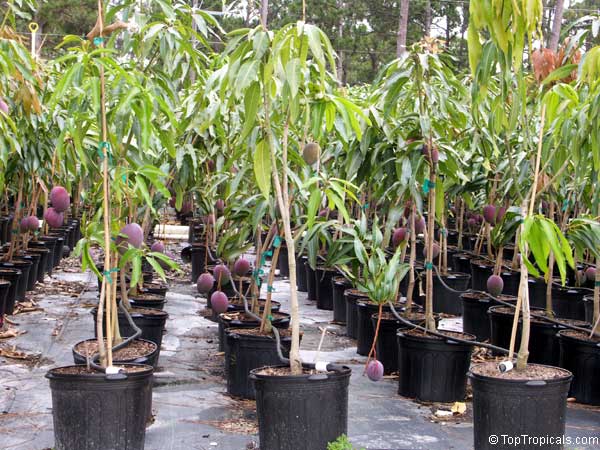
Q: What are the good varieties of mango trees available for container grow? Can you please share the details?
A: There are some great varieties of Mango selected specifically
for container culture, they even have a nick-name - "condo mangoes". They
have compact growth habit and respond well to pruning to keep them in small
size. Here are a few of our favorites that we currently have in stock:
Glenn
Ice
Cream
Cotton
Candy
Mallika
Manilita
Pram
Kai Mai
Mun
Kun Si
Maha
Chinook
You can see more condo mangoes on this page.
Related articles:
How to grow a Dwarf Mango tree
Choosing the right Mango for your garden
10 secrets of successful Container Mango growing on a balcony.
Condo Mango