Date: 29 Dec 2024
Carefree
Garden:
How easy is it to grow a Papaya tree?

Q: What is the easiest to grow fruit tree? It must tolerate, heat, rains, and hurricanes! I live in Florida.
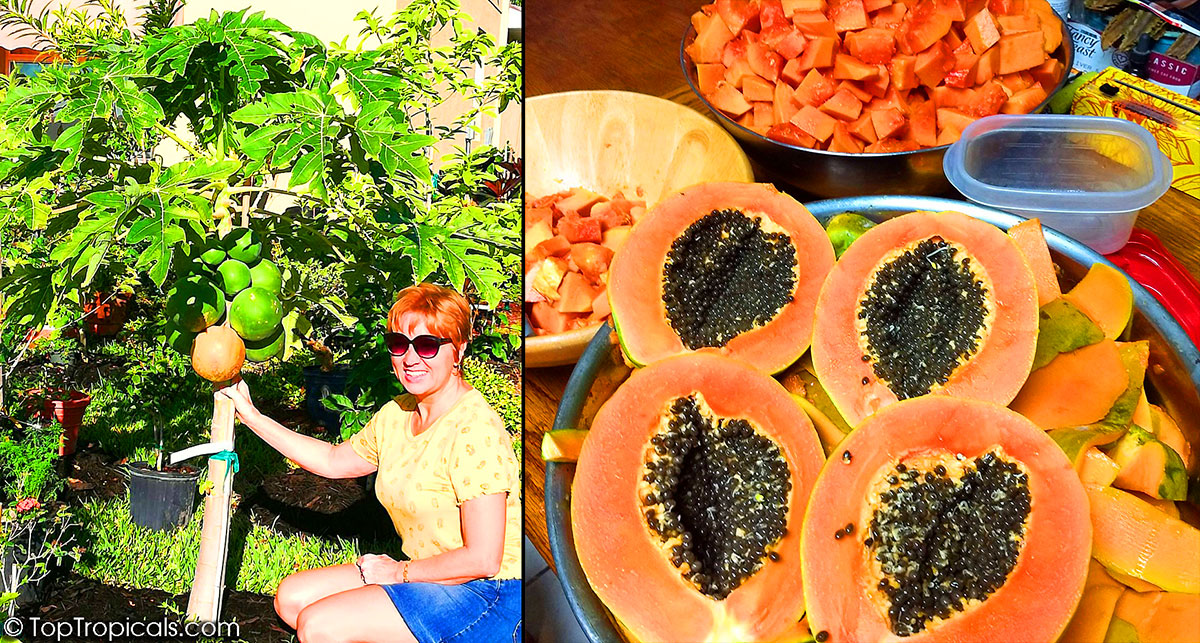
A: Papaya is the easiest to grow fruit tree. In our garden in Florida, newly planted Papaya trees survived several hurricanes, frosts, drought and heat, and keep producing year around!
We all enjoy eating Papaya fruit every day. It is great for digestion and is a perfect naturally sweet, healthy snack. Even our PeopleCats love Papaya. Check out this short video how our cat Cash is begging for his daily Papaya treat!

Why do we love Papaya? Fun facts about Papaya:
Not a tree: Papaya is technically a giant herb with a single, straight trunk that can grow up to 30 feet tall.
Gender flexible: Papaya plants can change their gender based on environmental conditions. This complex mechanism ensures better adaptability.
Cold and wind resistant: Papayas can withstand light freezes and strong winds, making them surprisingly hardy for a tropical plant.
Solo cultivars: These smaller, round or oval papayas are incredibly sweet and less susceptible to fruit flies.
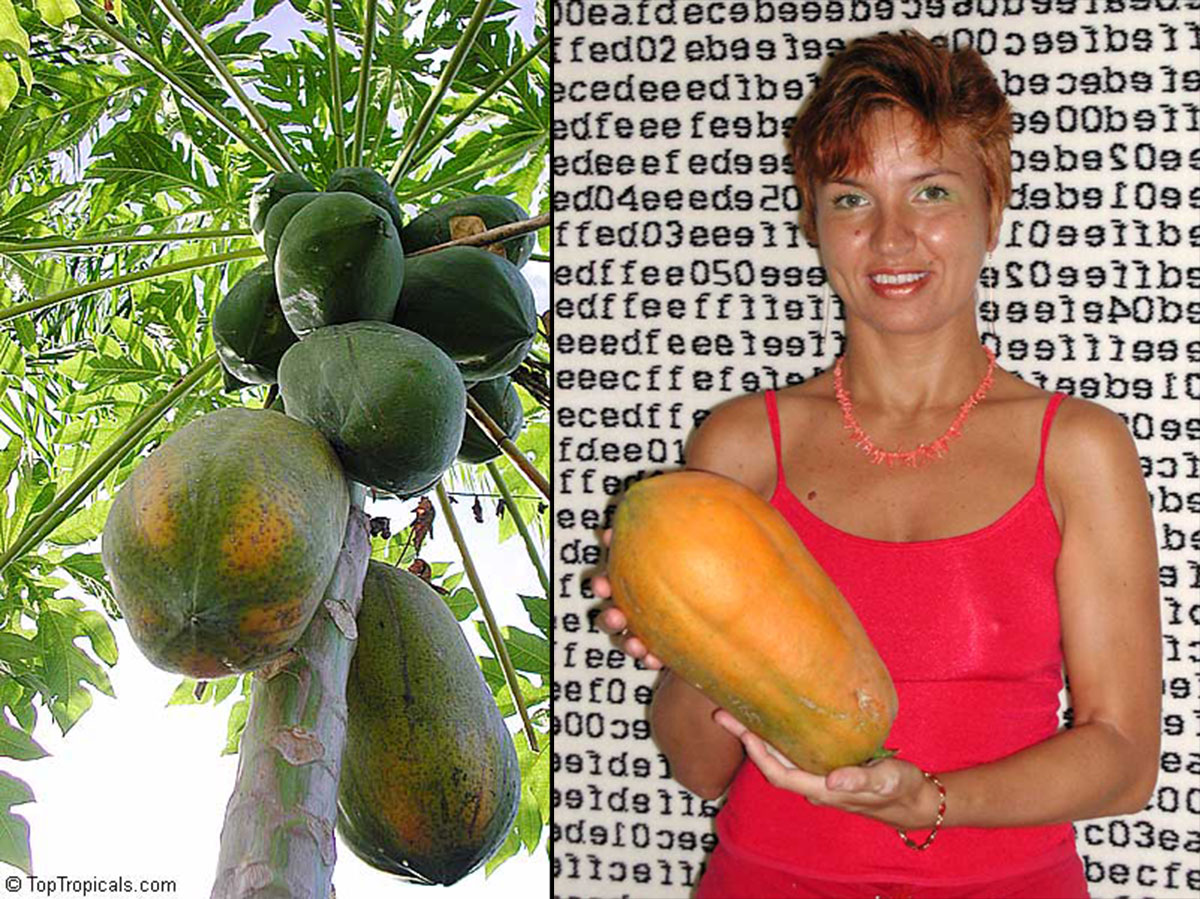
How to grow a Papaya Tree: Practical Guide
Papaya is one of the fastest fruiting plants to grow. Often starting production the same year from planting a seed, papayas are ideal for gardeners seeking quick rewards. Many dwarf varieties reach only 6-8 feet tall, yet produce large crops of full-sized fruit that are easy to harvest. Papaya trees are space-efficient, making it possible to plant multiple trees in even small gardens. Plant 2-3 different cultivars to enjoy year-round harvests of healthy, delicious fruit.
How Easy Are Papaya Trees to Grow?
Papaya trees are exceptionally easy to grow. Technically a large herbaceous
plant rather than a true tree, they are resilient and adaptable. They can
tolerate light freezes and even hurricane winds without significant damage.
Additionally, many varieties are self-fertile, but planting multiple trees
encourages better pollination and higher yields.
What Light Levels and Soil Types Are Ideal?
Papayas thrive in full sunlight, so choose a sunny spot in your garden or
balcony. They prefer well-draining, fertile soil enriched with organic matter.
Add compost or manure to improve soil quality and ensure healthy growth.
Avoid waterlogged areas as papayas are sensitive to standing water.
How Much Watering Is Required?
Papayas need some watering to thrive, especially during the growing and
fruiting seasons. Water deeply once or twice a week, depending on your climate,
ensuring the soil remains moist but not waterlogged. Mulching around the base
helps retain moisture and regulate soil temperature.
Growing Papayas in Containers
Papayas can be successfully grown in large containers, making them ideal
for gardeners in cooler regions or those with limited space. Choose a container
at least 7 gallons in size with good drainage. Use a rich, well-draining
potting mix, and place the container in a sunny location. Select dwarf varieties
to keep the plant manageable and productive.
Health Benefits of Papaya
Papaya is considered a superfood due to its high nutritional value. Rich in
the enzyme papain, it aids digestion and promotes gut health. Papaya is also
an excellent source of vitamins A, C, and E, as well as antioxidants that
boost immunity and overall wellness. Additionally, papaya leaves can be used as
wraps for cooking meats, naturally tenderizing them.
Papayas are a low-maintenance, high-reward addition to a Southern garden or greenhouse collection, whether in the ground or in a container. Their fast growth, year-round fruiting potential, and health benefits make them a must-have for gardeners and fruit enthusiasts alike.
Date: 10 Oct 2024
Top 10 fruit youll ever need for your health benefits:
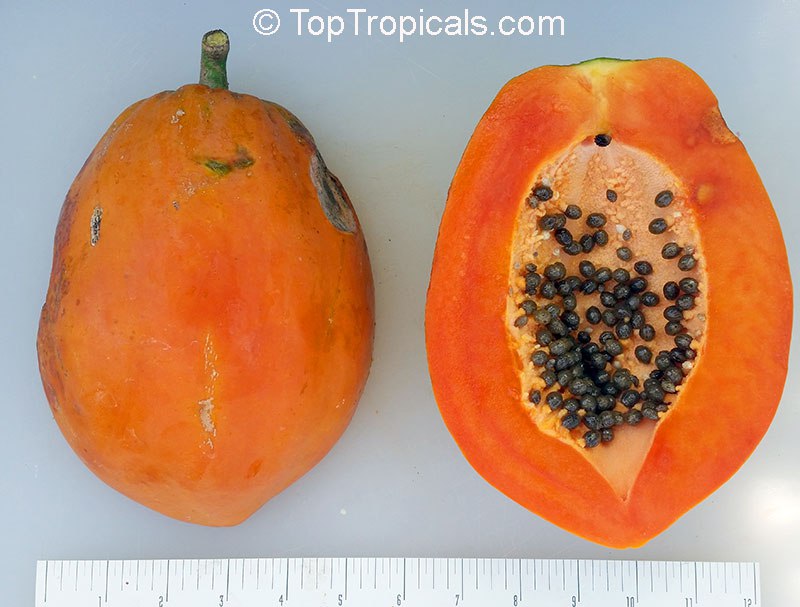
#4 Papaya 🍊
🟡 Papaya is a popular ingredient in salads, smoothies, and tropical desserts.- 🟡It contains enzymes like papain that aid digestion and reduce bloating.
- 🟡It is high in vitamin C and vitamin A, the antioxidants in papaya may protect against heart disease and reduce cancer risk.
📚 More about Papaya from previous posts:
- 💋 How to have fresh Papaya fruit year around
- 💋Top 3 most wanted Papaya varieties
- 💋The secret facts of Papaya's private life
- 💋Papaya-Citrus Marinade
- 💋Top 10 fast-fruiting trees: Papaya (Carica papaya)
🛒 Plant a Papaya Tree
#Food_Forest #Remedies #Papaya
🔴 Join 👉 TopTropicals
Date: 20 Jan 2025
How to Grow Jackfruit: Practical Guide
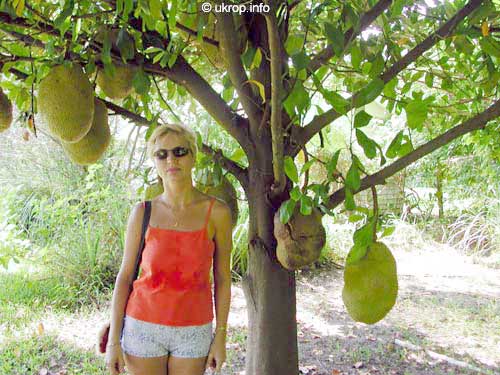
Jackfruit (Artocarpus heterophyllus) tree
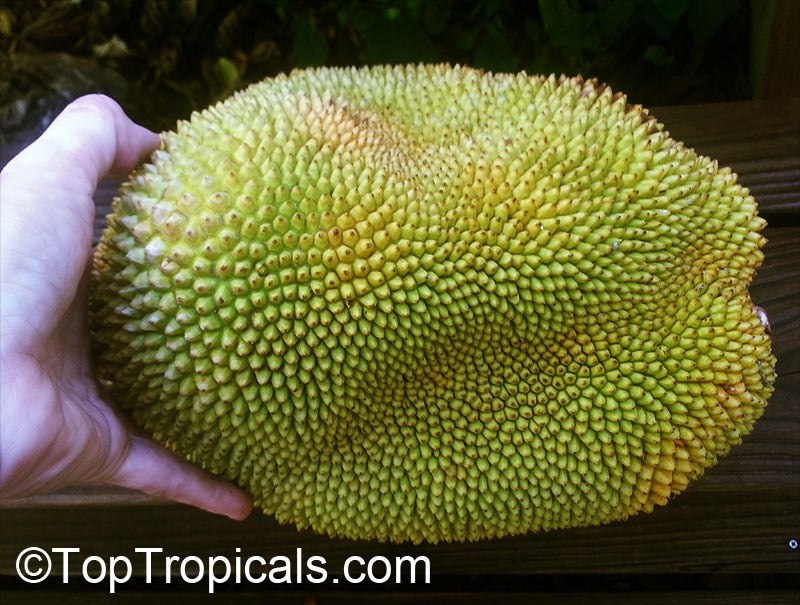
Jackfruit (Artocarpus heterophyllus) fruit
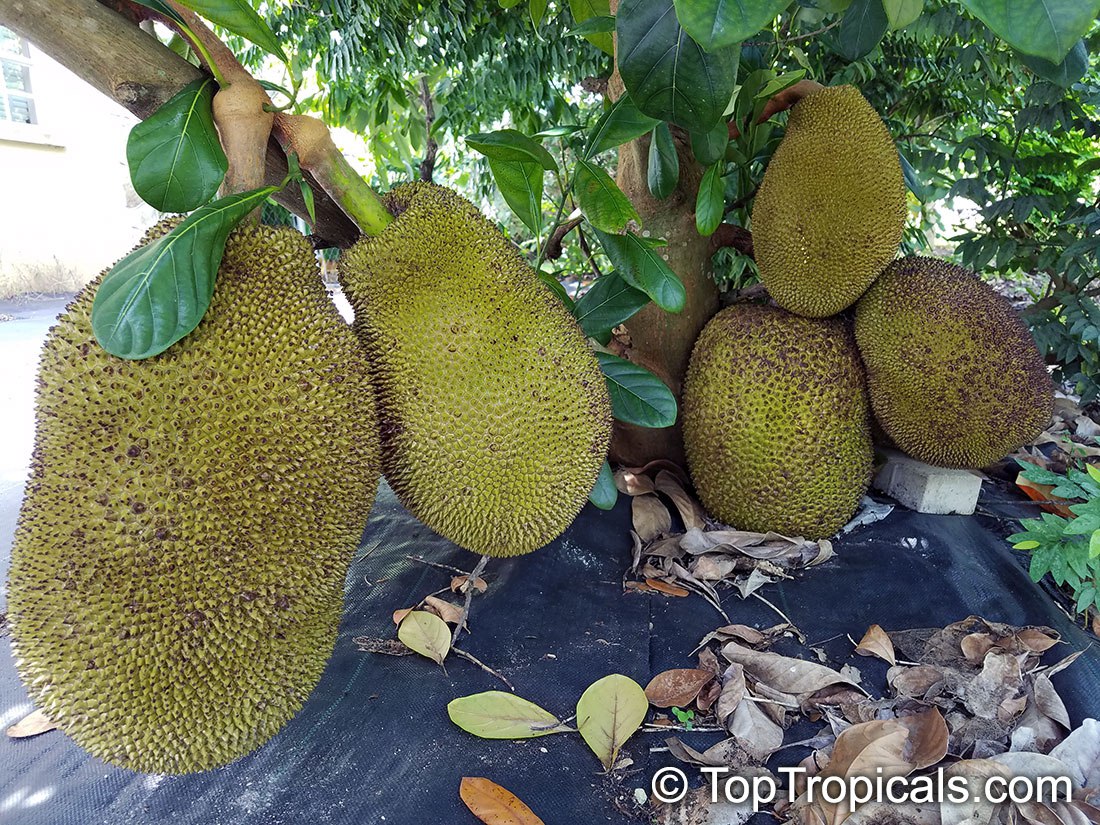
Jackfruit (Artocarpus heterophyllus) fruit at the base of the tree
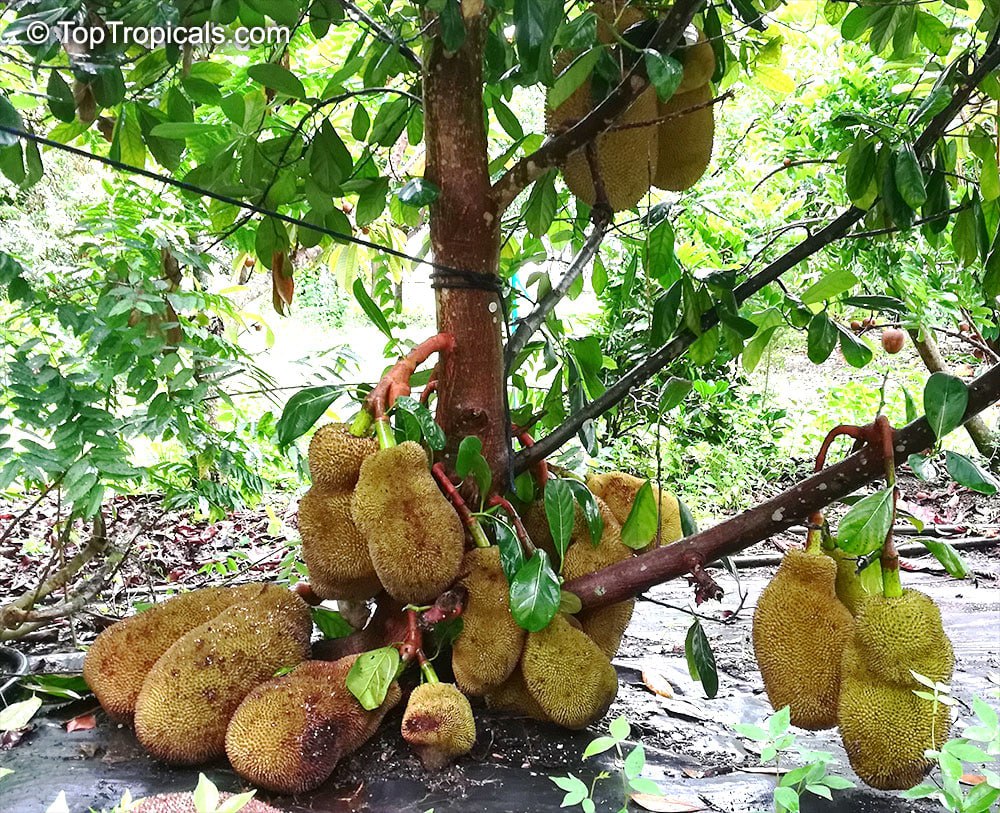
Jackfruit (Artocarpus heterophyllus) fruit at the base of the tree
How to Grow Jackfruit: Practical Guide
- 🍈 Jackfruit (Artocarpus heterophyllus) is a tropical tree that produces the largest fruit in the world, weighing up to 80 pounds and reaching 36 inches in length. The trees thrive in frost-free, humid climates with plenty of sunlight. They require well-draining soil rich in organic matter and regular watering to flourish. Despite their reputation as ultra-tropical, mature Jackfruit trees can tolerate light frost for a few hours without significant damage. Additionally, they can be grown in containers in colder areas with proper care and pruning.
🍈 What Climate is Essential for Growing Jackfruit Trees?
Jackfruit trees require a tropical or subtropical climate, with temperatures ideally between 60-95°F. While young trees are frost-sensitive, mature trees can withstand light frost for short periods. However, cold winters can reduce fruit production. Frost-free temperatures are crucial for optimal growth and fruiting.
🍈 How Often Do Trees Need Fertilizing, and What is the Best Type of Feed?
Jackfruit trees are heavy feeders. Fertilizing them regularly is key to their health and productivity. During the active growing season (spring to fall), apply a balanced dry fertilizer once a month. Liquid amino-acid-based fertilizers, such as Sunshine Boosters, can be used year-round with every watering. These fertilizers help maintain healthy growth and encourage abundant fruiting. Supplement with organic matter like compost, manure, or peat moss to enrich the soil.
🍈 How Important is Pruning, and When is the Right Time to Prune?
Pruning is essential for maintaining a manageable tree size and promoting healthy fruit production. Jackfruit trees produce fruit at the base of the trunk, allowing them to be pruned annually to a height of 7-12 feet. This practice not only makes harvesting easier but also encourages more fruiting. Prune after the fruiting season or in late fall to remove excess growth and shape the tree. Regular pruning also improves air circulation and reduces the risk of disease.
🍈 Key Tips for Successful Jackfruit Production
- · Climate: Ensure frost-free temperatures and adequate humidity.
- · Soil: Use well-draining soil enriched with organic matter.
- · Watering: Maintain consistent soil moisture without waterlogging.
- · Pruning: Keep the tree under 7-10 feet for easier management and better yield.
- · Fertilizing: Apply balanced fertilizers and supplements regularly.
🍈 Jackfruit facts
- · The fruit consists of large, edible bulbs of yellow, sweet, banana-pineapple-flavored aromatic flesh.
- · Seedlings start fruiting within 3-4 years, with fruit ripening 4-6 months after flowering.
- · A mature tree can produce up to 200 pounds of fruit annually.
- · For colder regions, growing Jackfruit in containers is an option, provided the tree is regularly pruned and topped.
👍 Jackfruit trees grow fast and fruit abundantly with proper care, making them an exotic addition to tropical fruit collections.
📚 From previous posts:
The largest tree-borne fruit in the world
How to grow the biggest fruit on Earth
🛒 Plant your own Jackfruit
#Food_Forest #How_to
🔴 Join 👉 TopTropicals
Date: 19 Jun 2024
What is the largest tree-borne fruit in the world?
Jackfruit (Artocarpus heterophyllus)
👀 What is the largest tree-borne fruit in the world?
🍈 Jackfruit (Artocarpus heterophyllus) reaches 80 pounds in weight and up to 36 inches long! It is one of the most fascinating fruit in the world.
- ✳️ The fruit consists of large edible bulbs of yellow, sweet, banana-flavored aromatic flesh.
- ✳️ The fruit is so large and heavy that the tree has a smart feature to produce only at the base of the trunk. So the tree can be (and should be) pruned annually to 7-12' producing as much as 200 lbs. of fruit per year!
- ✳️ Seedlings start fruiting within 3-4 years. Fruit ripen pretty quickly, 4-6 months from flower to maturity.
📚 Learn more about Jackfruit
#Food_Forest #Jackfruit
👉 Subscribe for more amazing fruit and plant facts: @TopTropicals
Date: 23 May 2024
Index of TopTropicals Telegram Channel

🗂 Index of TopTropicals Telegram Channel
Follow these tags to find your interests:
#Butterfly_Plants - Butterfly attracting plants.
#Container_Garden - Plants suitable for container garden and indoor culture.
#Fertilizers - All the truth about fertilizers, plant food supplements, and our recommendations for different types of plants.
🥭 #Food_Forest - Fruit trees, Spice plants, and Edibles.
Including: #Avocado, #Mango, #Papaya, #Guava, #Jackfruit, #Loquat
📖 #Fun_Facts - interesting plant facts and legends.
🌳 #Hedges_with_benefits - Practical approach to your landscape and how to properly select showy and useful plants for your yard.
♍️ #Horoscope - Plant Horoscopes and Cat Horoscopes. Did you know that cats also have their Zodiac signs?
🛠 #How_to - Q&A about growing plants, tropical garden lifehacks.
👀 #Nature_Wonders - Unusual, amusing, outrageous, bizarre plants...
🐈 #PeopleCats - our Favorite PeopleCats (and some PeopleDogs, too).
🌸 #Perfume_Plants - Fragrant plants and perfume trees.
✍️ #Quotes - Interesting quotes.
#Recipes - Exotic recipes for tropical fruit and edibles.
💊 #Remedies - Medicinal plants.
☁️ #Shade_Garden - Plants suitable for low light conditions.
🌼 #Trees - Spectacular flowering tropical trees.
🏆 #Win - Contests, Sweepstakes, and other specials.
Join an