Garden Blog - Top Tropicals

Date: 20 Aug 2020

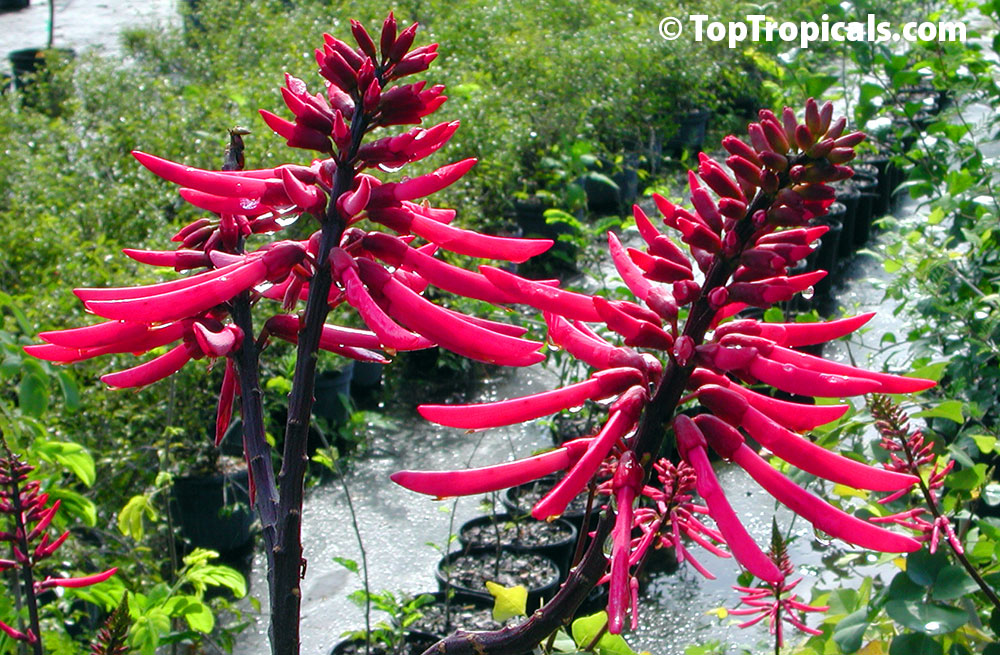
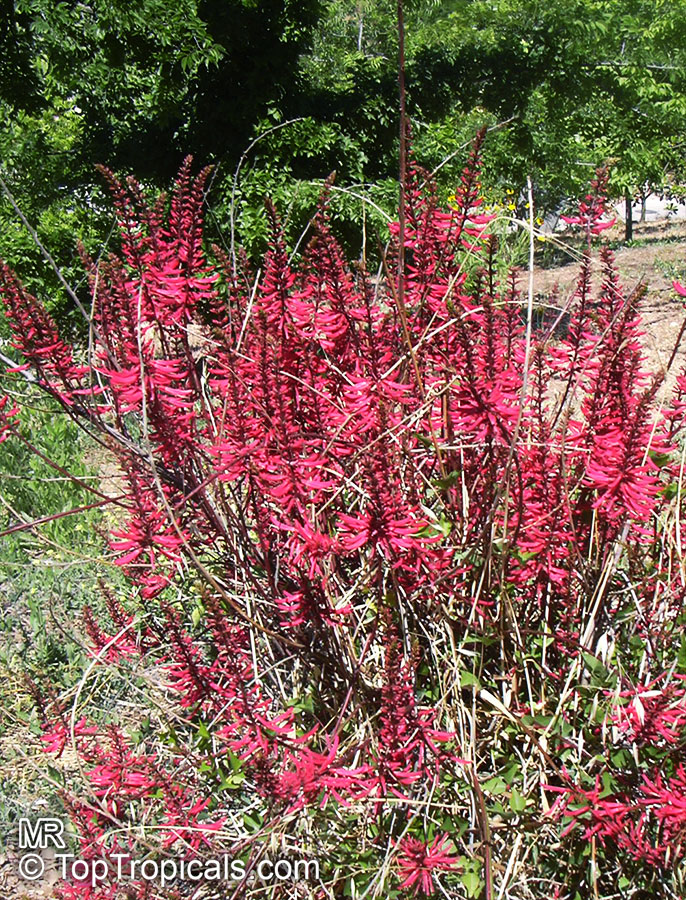
Coral Bean - Hummingbird Delight

Erythrina herbacea

by Onika Amell, tropical plant expert

Q: I am creating a natural, native garden on the southwest coast of Florida. In some of the far corners of my landscape, my soil unfortunately is poor and my irrigation does not reach these areas. I am hoping to find something unusual and native to grow in these challenging areas of my garden. Any luck of finding something tough that will also attract hummingbirds and/or butterflies?

A: Most of us have these areas in our gardens where the soil is sandy or where irrigation simply does not reach. It is always wise to choose tough, native plants that will grow in these areas with minimum care, fertilizer or the luxury of being watered regularly.

One plant to consider is the Coral bean or Erythrina herbacea. This legume, native to the southern portions of the United States, is Florida-friendly, unusual and a great choice for natural and informal planting. It will add interest to these challenging area(s) of your landscape from spring to fall...

CONTINUE READING >>

Date: 13 Aug 2020

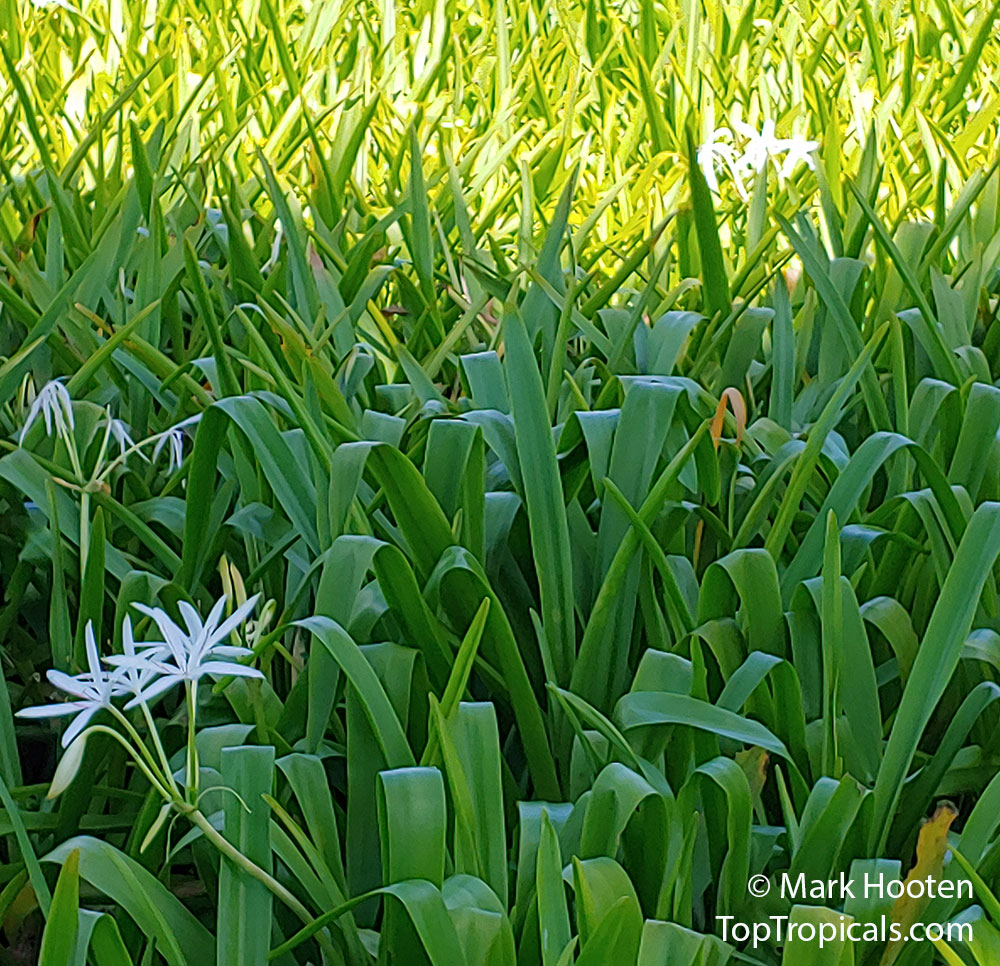
An unknown Florida native Swamp Lily?

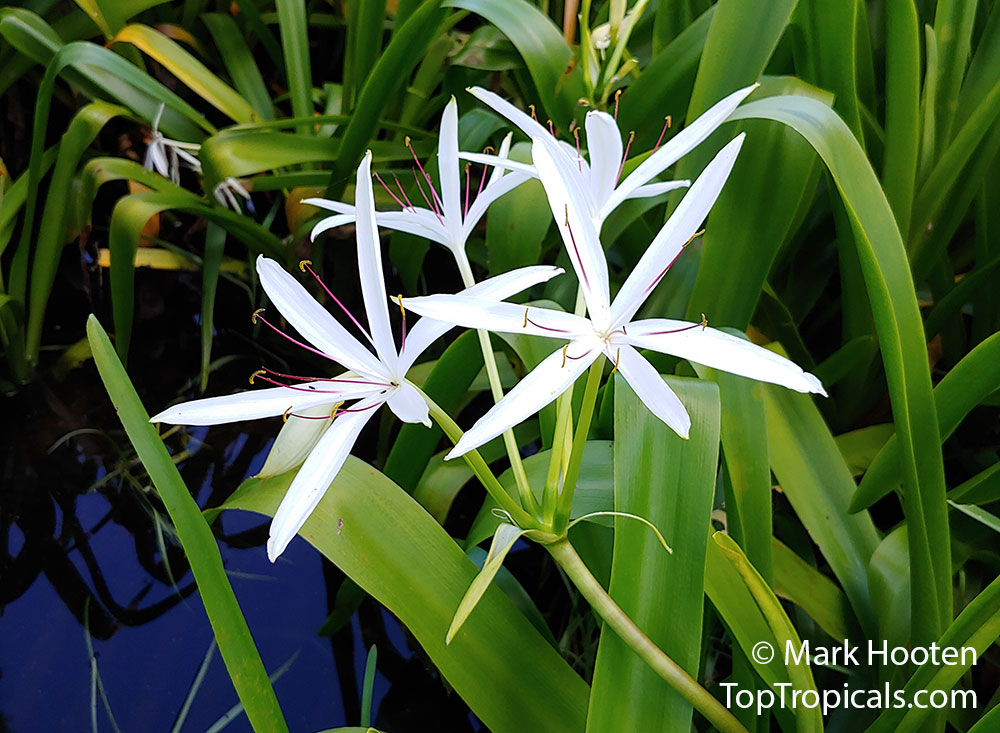
Crinum americanum Punta Rassa Giant

by Mark Hooten, the Garden Doc

This unknown Florida native form of Crinum americanum might actually represent an unpublished species! We have a few of these, they are very special and now nearly 2 years old plants.
This most beautiful and fragrant of Florida's native lilies, most commonly known simply as "Swamp Lily", has a very wide native range, extending from the Everglades northward across all of the Gulf states. While being wide-spread in distribution, natural colonies generally occur widely separated from one another, often by miles. Because isolation of breeding populations often leads to speciation due to intense in-breeding, many of these populations develop traits which make them distinct...

CONTINUE READING >>

Date: 2 Aug 2020

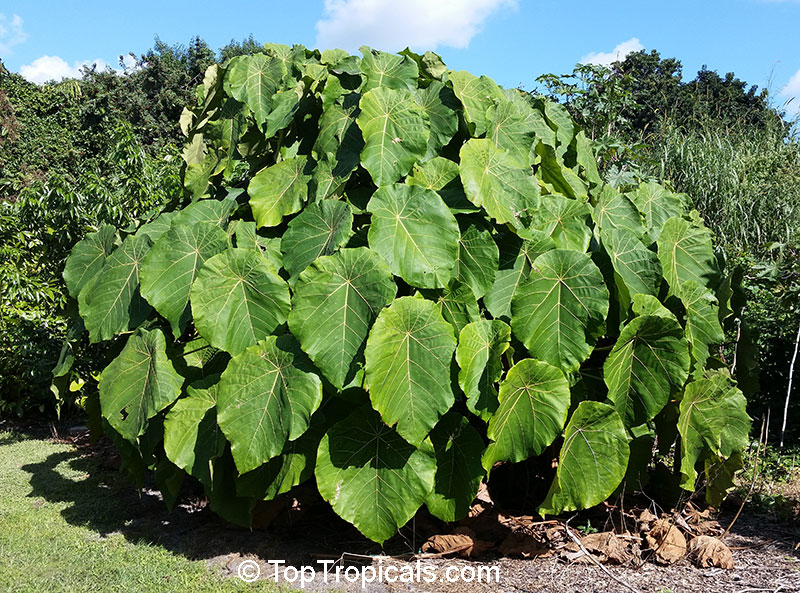
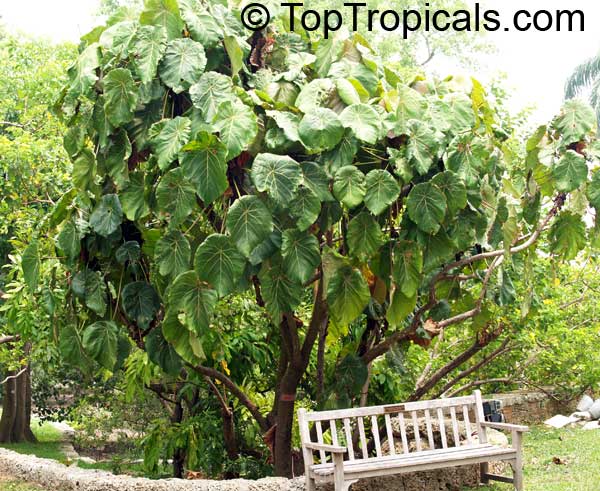
Macaranga grandifolia - Elephant Ear Tree

The very quintessence of tropical foliage luxury

by Mark Hooten, the Garden Doc

Why is this wonderful little tree so unknown here in Florida? I can only guess it's because people don't see them, and therefor don't know about them, and that basically no nurseries grow them. Yet it's one of the most utterly spectacular foliage plants conceivable... Provided with an appropriately warm climate such as South Florida or elsewhere, there is no reason they should not be seen more often (for purposes of utter awe).

CONTINUE READING >>

Macaranga's genuinely grand foliage much more resembles the ears of actual elephants (esp. the Asian species) than do the leaves of the much more commonly known and grown "elephant ears" meaning certain Alocasia and Colocasia.

Date: 12 Jul 2020

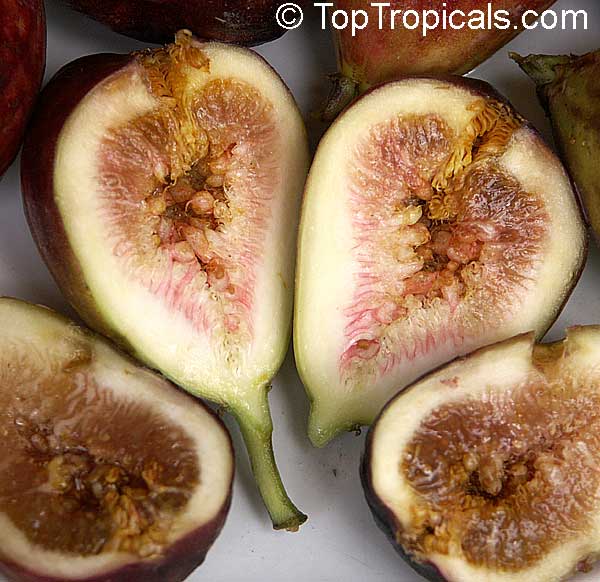
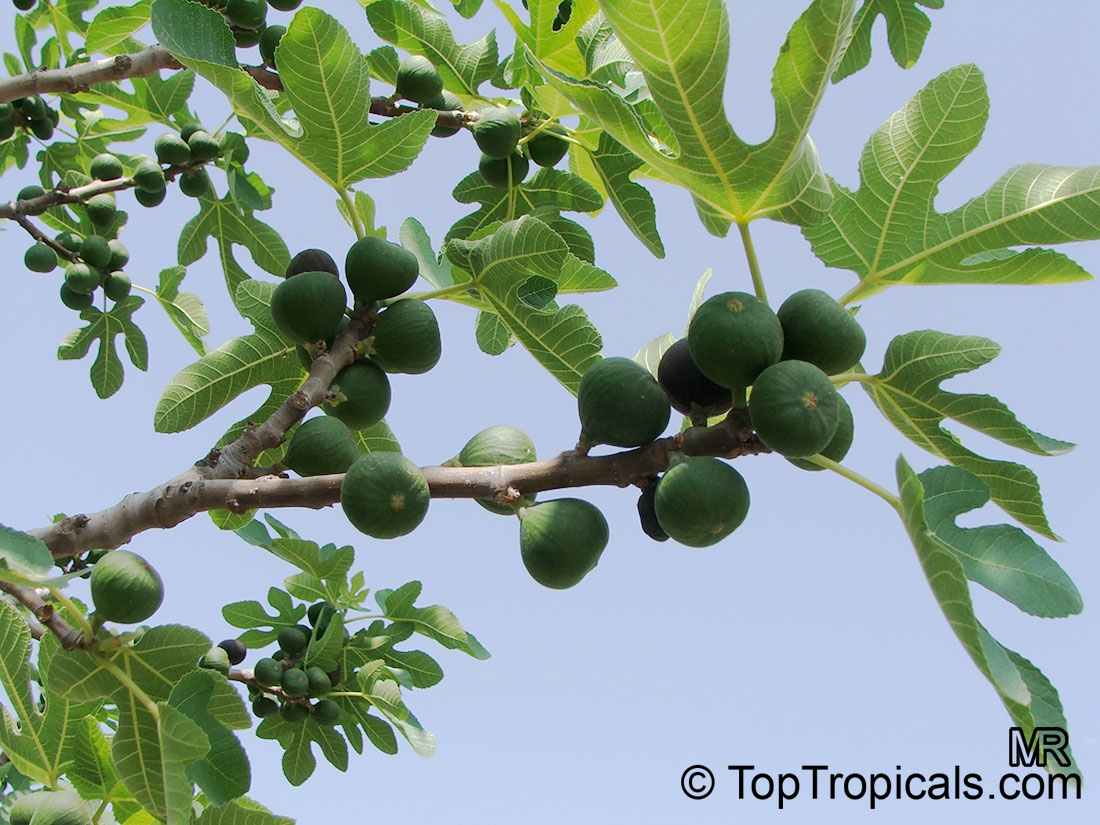
Delicious Turkish Brown Fig

by Onika Amell, tropical plant expert

...Did you know that figs were among the very first plants grown in the hot and arid Middle East? Fast growing and utterly delicious, they soon made their way all over the Mediterranean, transported aboard ships and on the backs of camels...
If you are a fig lover, you may be tempted to grow your own. Market-bought figs are never as good and tasty as your own, homegrown figs. They just simply do not keep well in supermarkets. Fast growing, undemanding and low maintenance, figs will bear fruit in just two years, often bearing two crops in a year. Another plus is that they are not bothered by too many pests and are self-fertile. Apart from the delicious fruit, any fig tree will add beauty and shade to a garden...

CONTINUE READING >>

Read more about fig trees:

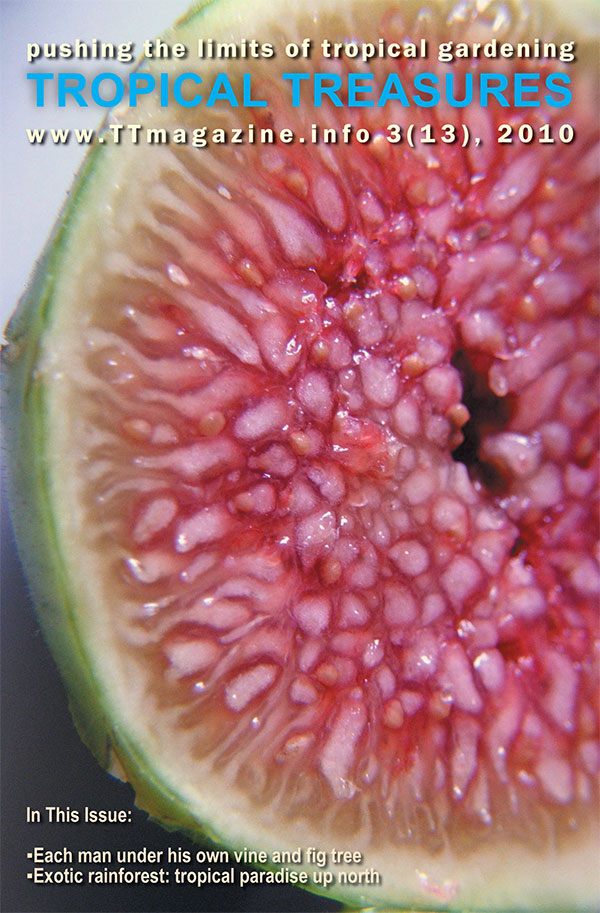
Tropical Treasure magazine # 13 (3) 2010:
- Hard copy
- PDF Download

Date: 25 Jun 2020

Plant of the Month: Golden Dewdrop - Duranta erecta
Stevie's Pick: what's in bloom?

Our exotic plant grower Steven Gowdy is featuring the most interesting plants he discovers and recommends today while working in TopTropicals greenhouses.

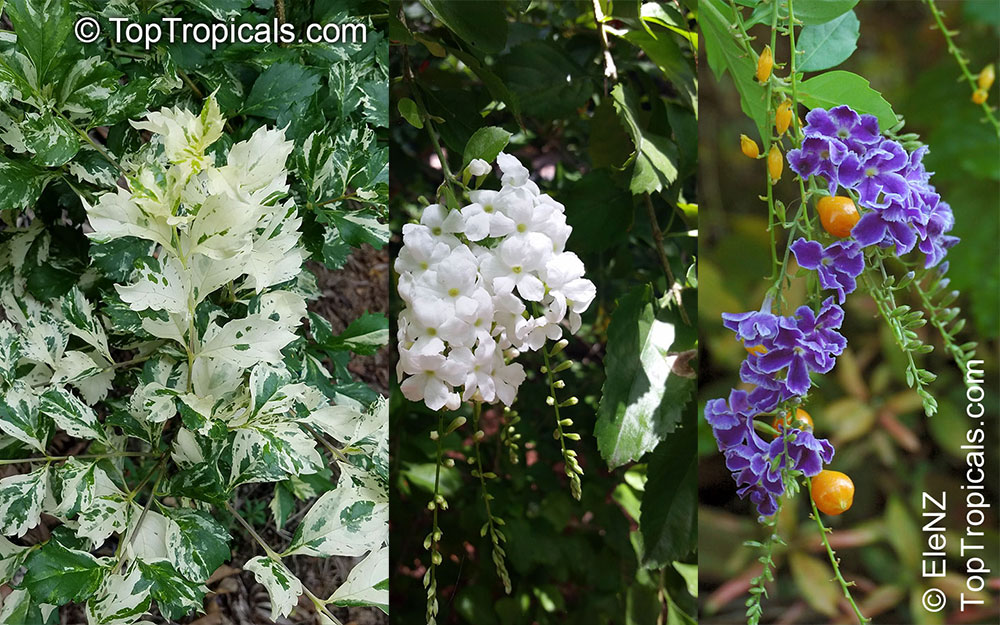
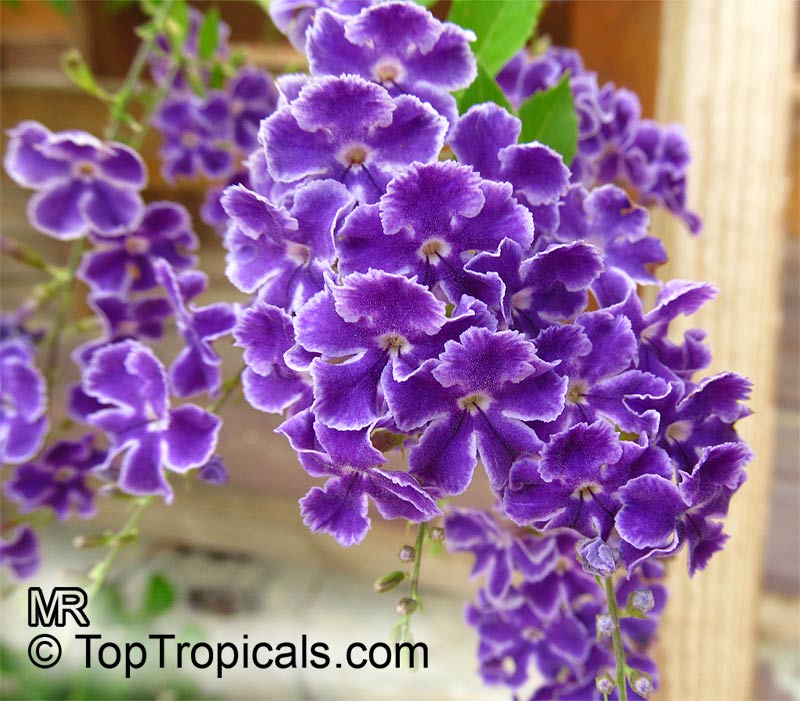
Duranta - Golden Dewdrop - is simply stunning with cascading flowers in abundance. Either it has lavender, blue, or solid white flowers, it is a sight to behold. The popular name Golden Dewdrop is inspired by the clusters of bright orange-yellow berries that follow the flowers, in such quantities that they often cause the slender branches to droop gracefully.
Duranta erecta blooms off and on all year and can be pruned to size as a bush or a standard tree. If let go, it can grow up to 20 feet tall and wide.
Durantas are excellent butterfly and hummingbird attractors. They will complement your tropical garden or a stand alone in your Southern landscape. Great for providing a color contrast in the landscape, they are especially well-suited as a bright-colored background or screening.
White Golden Dewdrop has pure white flowers that appear in loose clusters, and both berries and blossoms are often seen on a plant. This evergreen fast growing shrub spreads and arches to 10 feet tall and wide and is great for live hedges and covering fences and corners.
Variegated variety, also called Variegated Sky Flower, is grown for its summer flowers, and very showy leaves that are dark green with bright white variegation and creamy-yellow margins around the one inch long serrated leaves.. In the summer, cascading clusters of blue tubular flowers appear followed by wonderfully contrasting orange-yellow berries.
In mild climates, Durantas can be in flower nearly year round with flowers and fruit appearing at the same time. It does best in full sun with frequent deep watering and is pretty hardy, to about 20-25F. It is a good choice for espaliers, as a small tree or large bush; all forms benefit from frequent selective pruning. Prune back in late-winter to encourage a more compact shape and strong flush of fresh spring foliage. Requires moderate watering in a well-drained soil.