Garden Blog - Top Tropicals

Date: 15 Dec 2020

Plant of the Month:

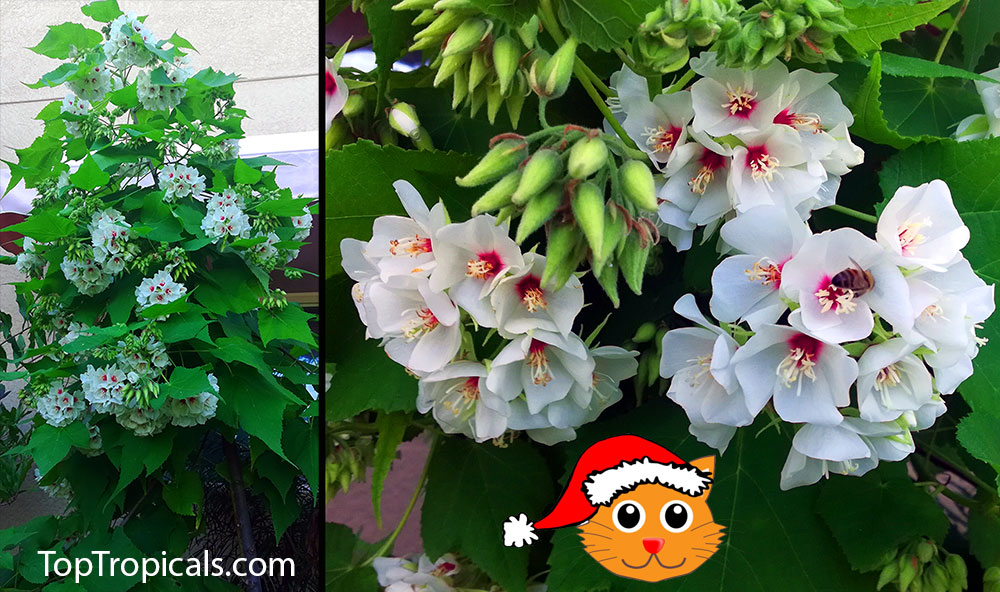
Fragrant Dombeya Tree
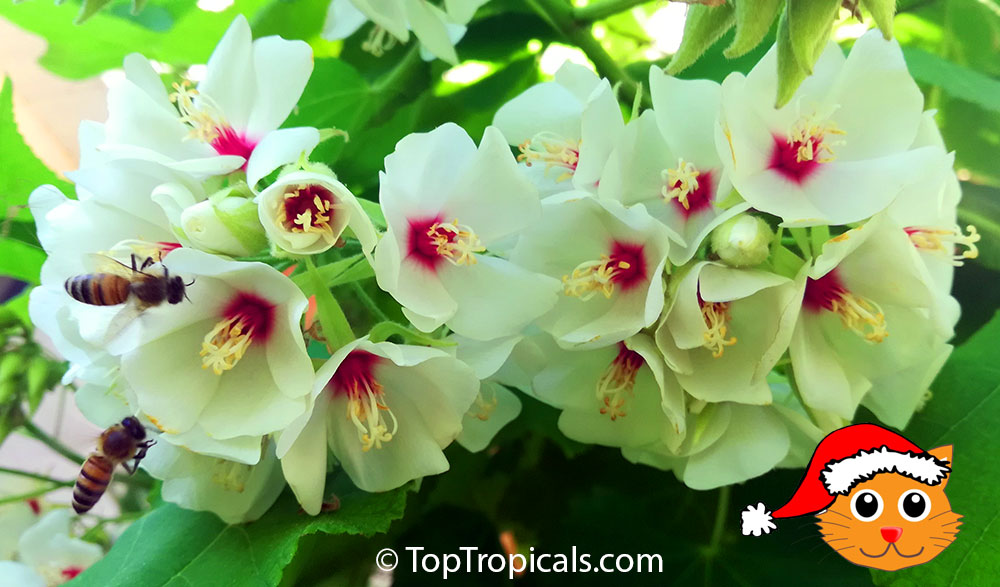
Every tropical gardener wants to have a Dombeya (a.k.a. Tropical Hydrangea) in their collection - an easy to grow, fast growing winter bloomer. These plants don't require any special care, thrive in neglect in both sun or shade, and flower profusely during Fall-Winter months - what an awesome treat! Dombeyas are also wanted for their vigorous growth habit - they can cover unwanted view in no time, fill and empty corner in your yard, create a colorful tropical display, and attract lots of butterflies and bees. They are not afraid of water logging, in fact the more you water them, the faster they grow. The large tropical leaves are beautiful - soft, fuzzy, with shallow, maple-like lobes. This plant is tolerant to both light frost and periods of drought.
Most Dombeyas grow into round, dense bushes, but this one variety of is very special. Dombeya burgessiae from South Africa actually grows into a small (10-15 ft), pretty, upright tree that is covered with beautiful blossoms during winter. The flowers are creme color with raspberry centers, attracting lots of pollinators, and what is the most special - they are sweetly fragrant! What a beauty!

Surround yourself with aromatic cloud of Dombeya winter blooms!

Date: 4 Dec 2020

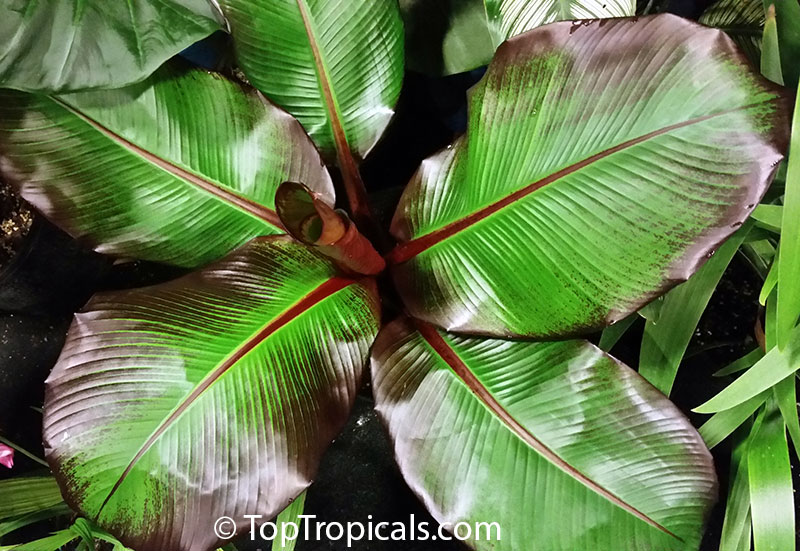
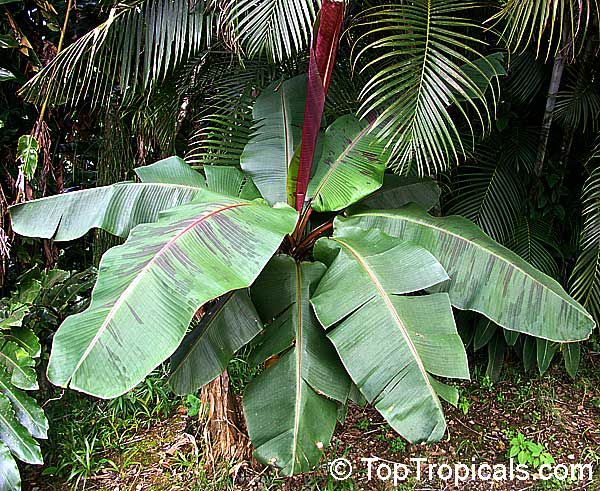
Musa ensete Maurelli - Red Abyssinian Banana

by Onika Amell, tropical plant expert

Q: I am looking for a colorful, tropical plant with in particular, coarser texture, to add to planting beds next to my decks and around my swimming pool. Any suggestions? I am located in St. Petersburg, FL.

A: Consider incorporating some fast growing Red Abyssinian Banana, also known as wild banana or Ethiopian banana. This is a fantastic ornamental from East Africa and an excellent choice to create a tropical feel and to add coarse-textured foliage. This plant is not a true banana and therefore does not produce any edible fruit. American gardeners were rather slow to discover this enormous perennial, but finally woke up to them over the last decade to a point where they now are considered to be one the most beautiful ornamental banana plants for the landscape and for good reason...

CONTINUE READING >>

Date: 29 Oct 2020

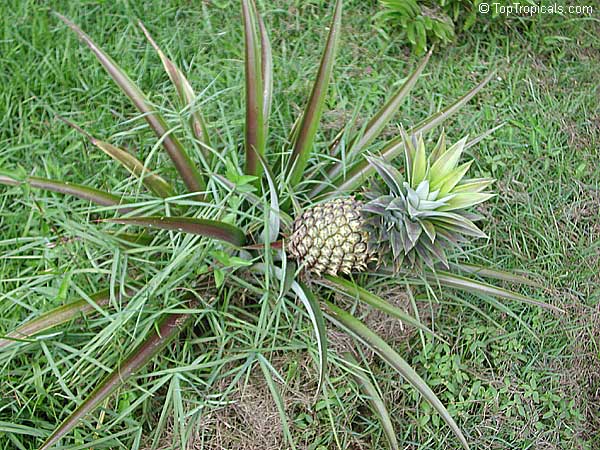
The Best Pineapples

Q: What varieties of the Pineapple are the best for planting in Florida? When do they fruit? I have a small yard, with a room for one or two, but can I keep more in pots? I am excited to grow my own pineapples!

A: Pineapple is truly the King of fruits! One of the most delicious fruits in the world. They start flowering from January to March in Florida and yes, they happily grow in the ground as well as in pots. Heaviest fruiting is in Summer (May to September), and some staggered throughout the year.
Be careful with watering, keep in mind that like any bromeliad, Pineapple needs very little water and needs the soil to get dry between waterings. Use only acidic soil and acidic plant food.
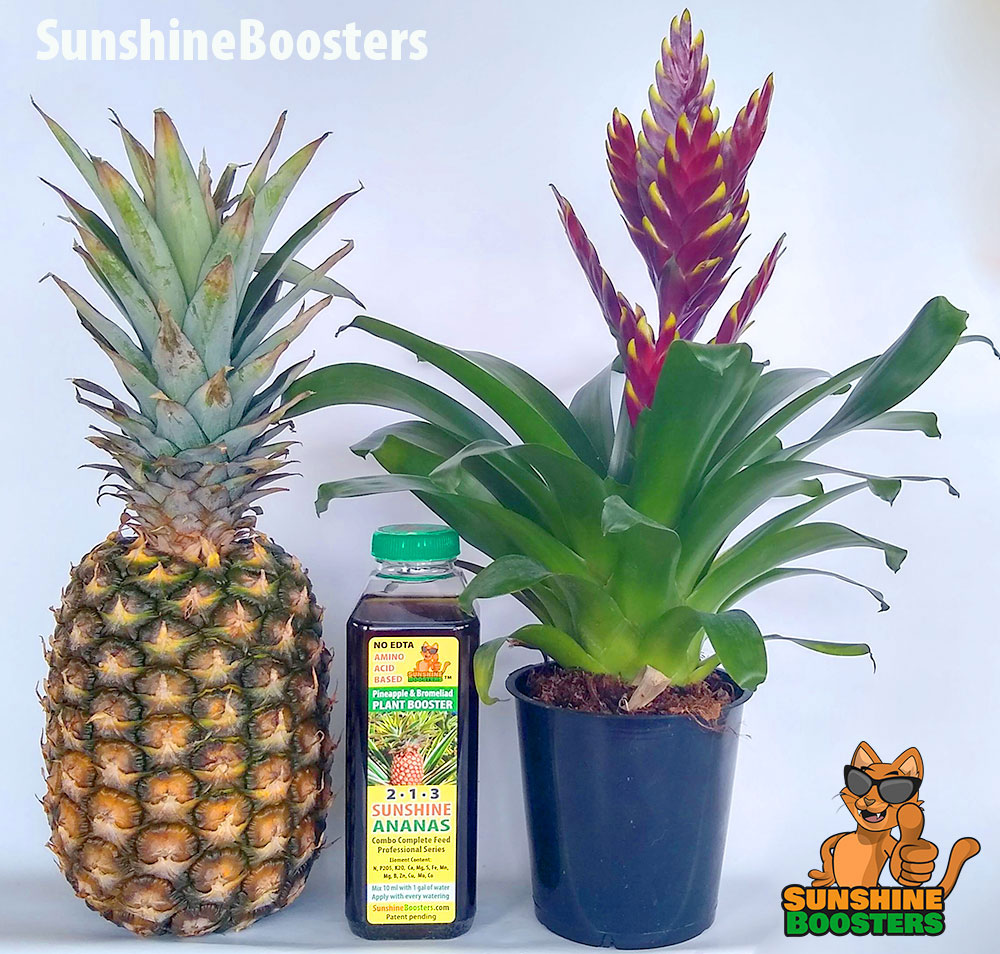
Make sure to feed these plants on regular basis, especially if grown in pots. Pineapples are heavy feeders but are also very sensitive like all bromeliads, so be careful with traditional fertilizers, do not exceed recommended dosage. It is safe to use liquid amino-acod-based Sunshine Boosters Ananas fertilizer year round.

The mot popular pineapple varieties for home growers are:
Elite Gold
Royal Hawaiian - Royale
Sugar Loaf

Date: 10 Oct 2020

Trimming and treating Adeniums in winter

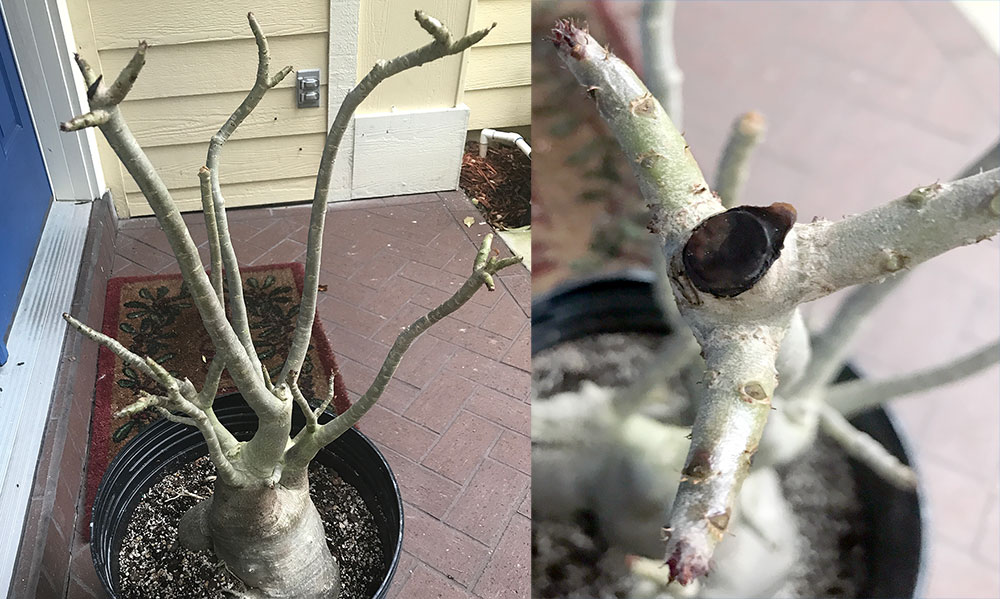
Q: My desert rose below dropped leaves after I replanted it in a bigger pot. I noticed that one of the branches that had been pruned is black at the tip. Please let me know if the section of the branch that turned black needs to be cut. I also wasn't sure how often to water it since the leaves have all dropped. None of the other dessert roses have dropped their leaves but they are all younger plants. Any advice would be much appreciated.

A: Your plant looks healthy and vigorous overall. Dropping leaves after repotting, or shipping, especially at this time of the year, is normal in Adeniums. They are deciduous and stay leafless from Fall to Spring. Some individual specimens can go into dormancy sooner than others - all depends on conditions: temperature, light, exposure, etc. and individual plant's "clock".
The black spot on the cut branch may be a sign of a fungus as a result of excess water. You may carefully clean/rub it with a paper tower dipped in Hydrogen Peroxide (pharmacy grade). Then rinse with fresh water.
Keep the plant warm and in a dry spot. Once leaves are dropped, it doesn't need much water. Once a week watering is enough.

Date: 4 Oct 2020

New video: Ground orchids.
All-summer colors for shady gardens

WATCH NEW VIDEO

Did you know orchids can be grown in the ground?
Orchids have a mystique that seems to set them apart from most other flowers... they are elegant and almost unreal in their perfection... The symmetry of the flowers has led to the orchid being a symbol of a perfect beauty.
But not every gardener has luck growing traditional orchids. Some complain about their special maintenance: "Mount them on a tree, do not overwater... and all that hassle just for once-a-year flower?" Sounds familiar?
Terrestrial orchids (a.k.a. ground orchids) grow in regular garden soil instead of in the air on tree branches. And they bloom almost year round!...

Ground orchids are available from our store.

Stay updated with TopTropicals Videos by subscribing to our channel at YouTube.com/TopTropicals and get our latest video news of what is fruiting and blooming!

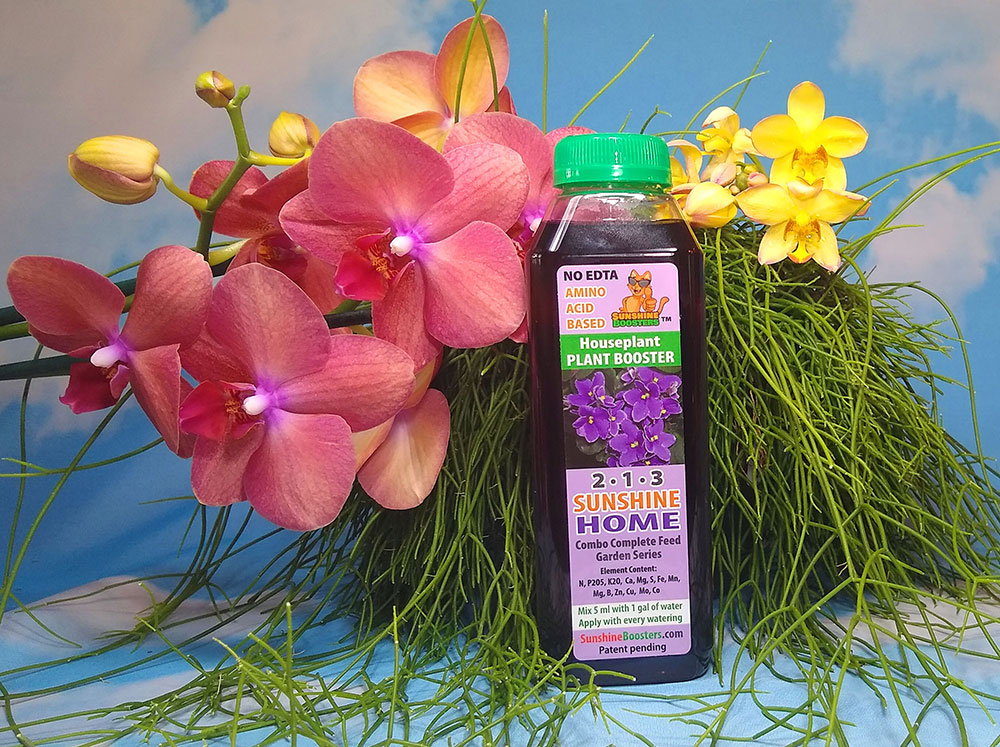
Remember to get plant food for your orchids and Ground orchids!
In the photo: Sunshine-Home, plant booster for tender house plants and orchids.