Date: 25 Nov 2019
Flavor of Feijoa Superfood
by Onika Amell, tropical plant specialist
Q: What exactly is Feijoa - Pineapple Guava? Does the fruit really taste like pineapple? I am curious to know if it is easy to grow.
A: Feijoa is certainly one of the easiest fruit trees to grow as it does
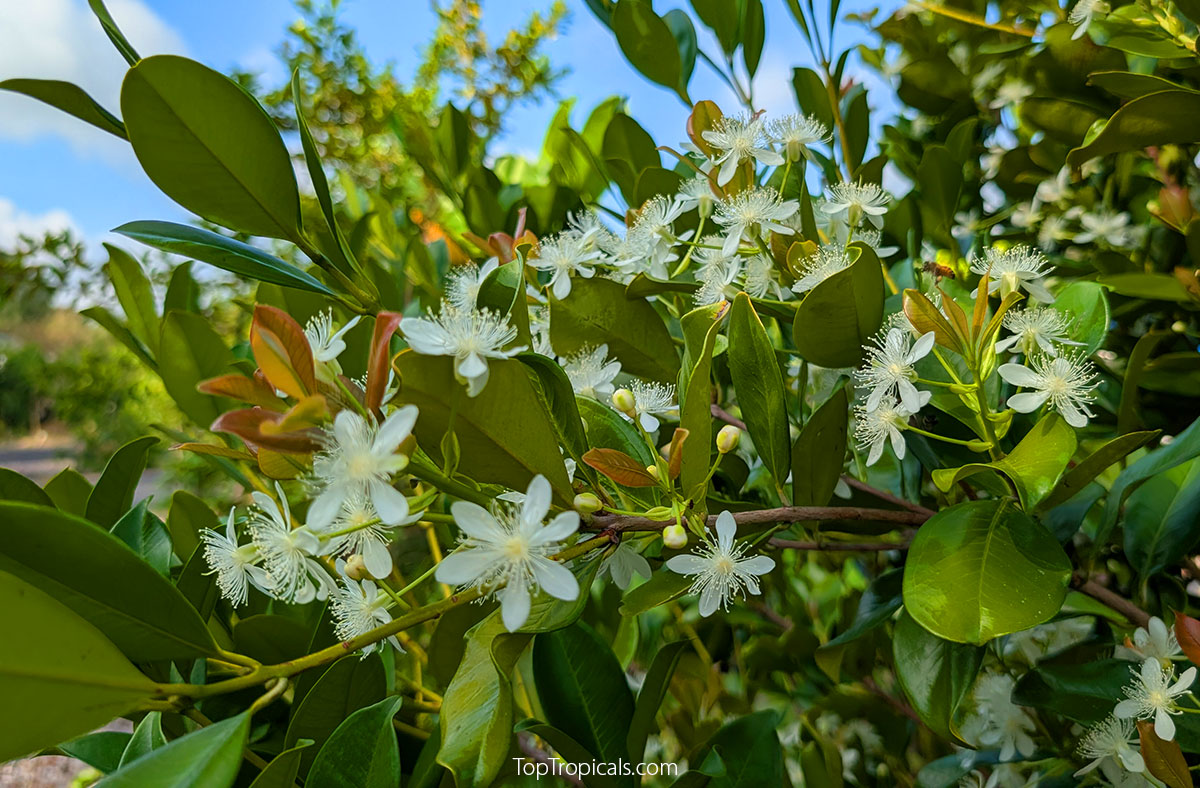
not require much care. It is an attractive, evergreen tree or large shrub with
dark green, oval, leathery leaves. It has an abundance of uses in the garden
and produces lovely edible flowers and fruit! The fruit is eaten fresh,
added to smoothies or fruit salad and is also commonly used to make delicious
jams and wicked chutneys. Feijoa fruit go a long way in flavor.
This plant is drought tolerant and will grow in almost any soil type. It
loves full sun or partial shade and is wind resistant. A lot of gardeners like
to grow it as a wind barrier for this reason. It can easily be shaped into a
dense, informal hedge or screen that needs very little pruning. Because of
this density, it provides excellent shelter for all kinds of wildlife.
Butterflies, birds, and butterflies will all love you for growing Feijoa!
Space the plant five feet apart to create a wind barrier hedge. Heat does
no not bother it at all and it will also withstand temperatures to 10 degrees
F.
The plant gets its names from the delicious perfume it emits. Some folks
seem the fruit taste like pineapple, with a slight minty undertone. Others feel
the flavor reminds them of juicy fruit gum! The texture is described as
smooth and slightly gritty - almost like a pear, but firmer.
If you prefer to grow this plant as a tree rather than a large shrub,
simply remove the lower branches up to one-third of the tree's height over a
period of time. The Pineapple Guava can grow up to 15 feet wide and tall. They
also do really well as a container plant on patios where you can truly enjoy the
lovely fragrance of the fruit. It prefers rich, organic, well-drained soil
and will need light fertilization every other month in most soils.
We recommend:
Fruit Festival Plant Food - Super Crop Booster
Mango-Food - Smart Release Fruit Tree Booster
SUNSHINE-Honey - Sugar booster
SUNSHINE C-Cibus - Crop Nutrition Booster
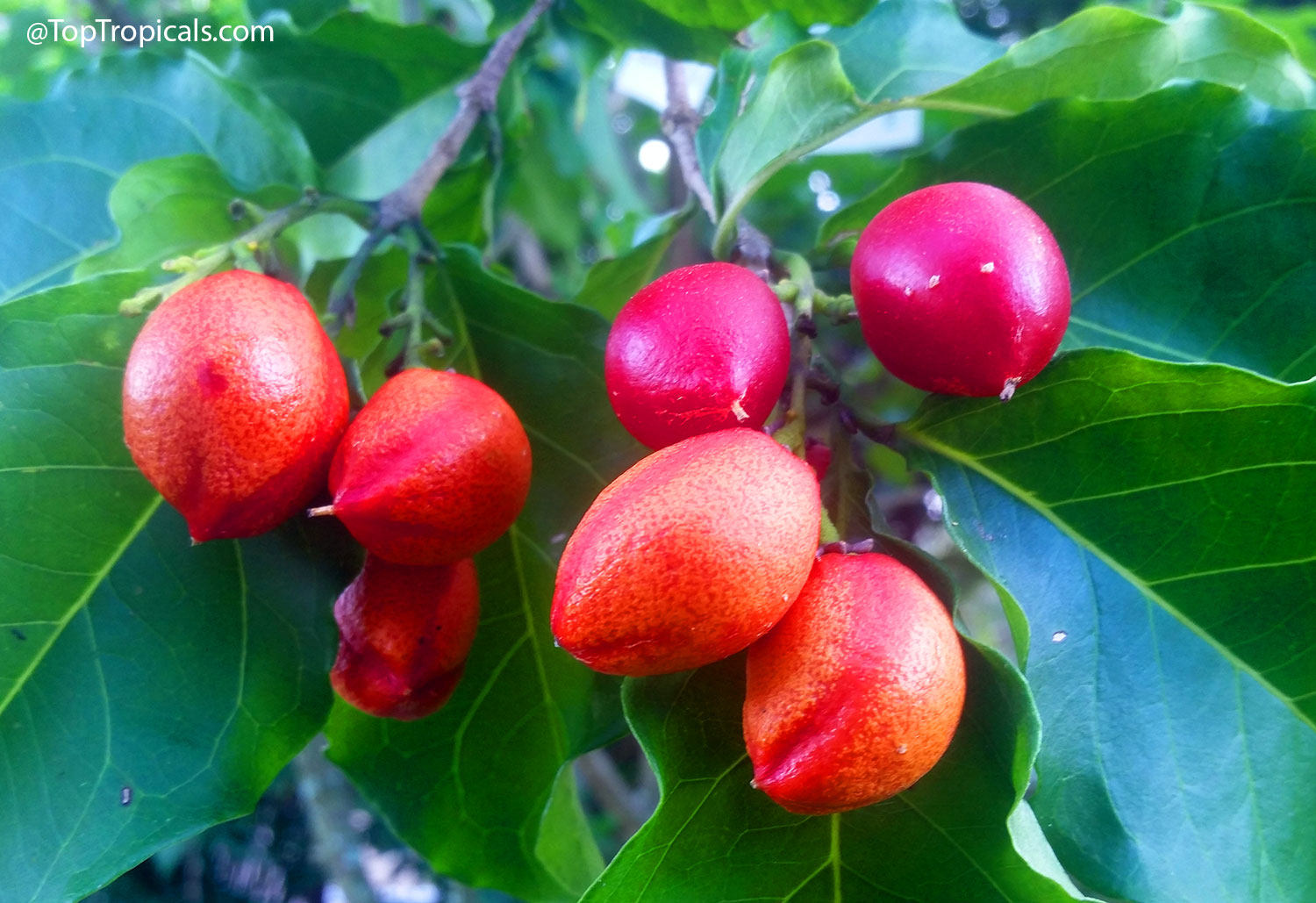
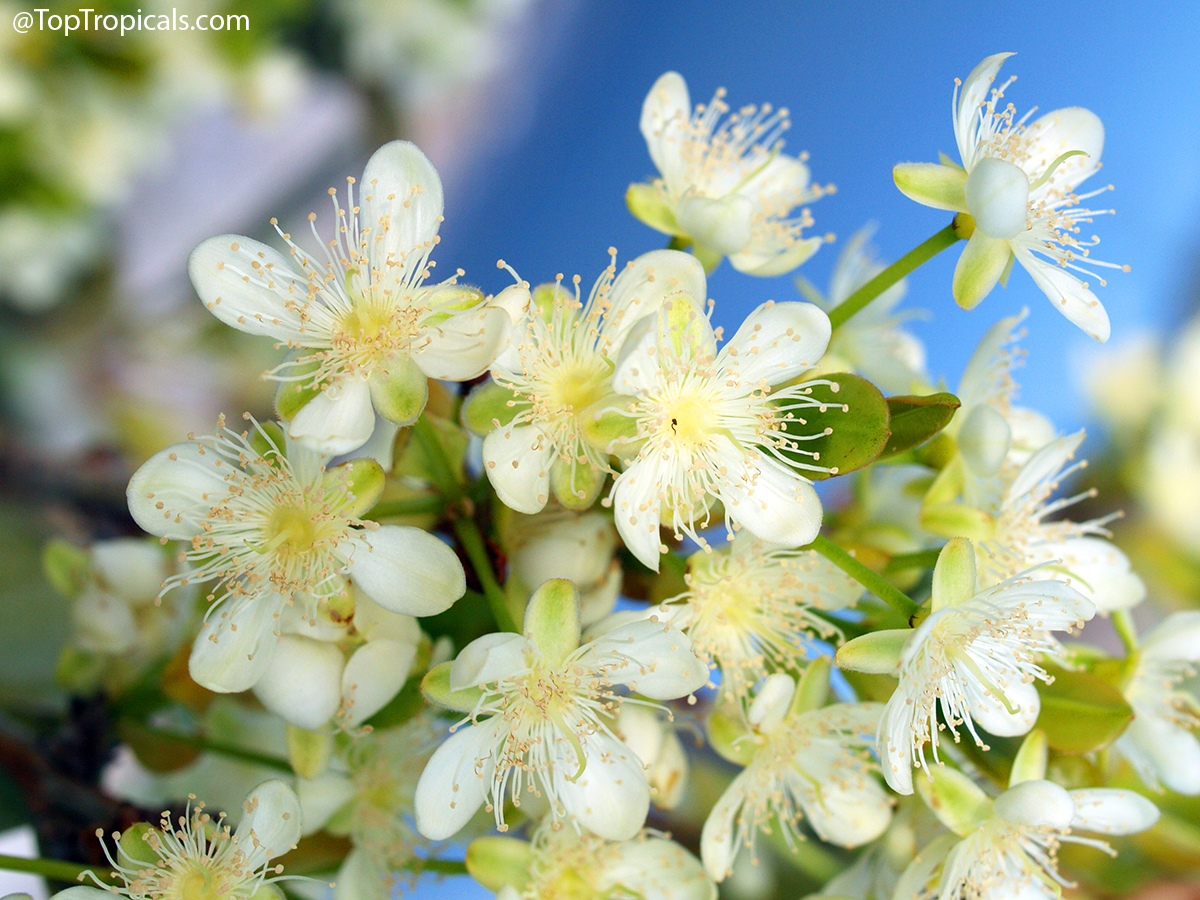
Pretty, pink, edible flowers will wow you from May to June, followed in late summer or fall by the delicious and fragrant fruit. An interesting thing about this fruit is that you don't pick it. It falls to the ground when it is ripe. Or simply place something under your tree, like a tarp, and shake the tree. The ripe fruit will fall off. You can store the fruit in your refrigerator for up to a week. And remember! The fruit of the Feijoa is not only a very rich source of soluble dietary fiber, but also an excellent source of Vitamin C, and very rich in antioxidants. They are also low in calories. Each fruit only holds 55 calories.
Date: 25 Feb 2024
Avocado pollinating and crops
Photo above: Avocado Joey - very buttery fruit, cold hardy variety.
Q: I bought an anise leaf-scented avocado from you, and it is finally quite large and doing great. I live in California, the coldest temperatures we seem to get in some winters is around 25 to 28F, and it never lasts long. The tree might get a bit of frost nipping on the new growth, but it has done very well. It has flowered profusely for the last two years but hasn't set any fruit. What variety you might recommend to help with pollinating?
A: We are glad your avocado is doing great. Anise is one of our favorite varieties, with the wonderful smell of leaves and tasty fruit.
Cold hardiness and flower quality
It is true that cold damage may affect avocado production, especially in setting fruit. To improve the tree's cold hardiness, make sure to provide balanced plant food, especially during the season of active growth. For our avocado trees, we use Sunshine C-Cibus year-round.
If you prefer to use dry (granulated, slow-release) fertilizers, make sure they contain micronutrients, or apply Sunshine Superfood microelement complex once a month.
To improve flower quality (including the ability to set fruit), we recommend a special micronutrient supplement called Sunshine Honey. It contains Boron and Molybdenum - elements that are responsible for setting fruit and for developing fruit (meaning not dropping at the early stage of development).
Cross-pollination and crop
In general, every avocado tree is self-fertile, meaning it can produce some fruit with its own pollen and doesn't necessarily require a second tree for pollination. So even if you don't do anything, sooner or later your tree will set fruit. However, it is also true that the amount of fruit and crop reliability depends on pollination factors. One type of avocado classification is by flowering and pollination behavior - type A or B.
When both types of trees are grown in proximity to each other, their overlapping flowering patterns significantly enhance the chances of cross-pollination. This can lead to improved fruit set and higher yield, making it especially important for commercial production and, to a lesser extent, for home growers.
Therefore, it's advisable to plant different varieties of avocado in your garden - the more, the merrier! The greater the diversity of avocado trees with overlapping flowering periods, the better your crop is likely to be. If you're growing an avocado tree without other avocados nearby, it becomes helpful to have more than one tree with different flowering patterns (A and B) to increase yield in your garden.
Anise Avocado is type B. So to increase your crop, you may consider planting type A variety from the list: Bernecker, Black Prince, Catalina, Choquette, Day, Donnie, Fantastic, Florida Hass, Lila, Loretta, Lula, Mexicola, Mexicola Grande, Red Russell, Reed, Russell, Simmonds, Ulala , Waldin .
To learn more about avocado types, fruit characteristics, cold hardiness and much more, refer to our Avocado Variety Guide - a page with very convenient interactive chart allowing you to quickly sort types of avocado by requirements of your choice (just click on column header to sort data). You may also buy a Book or download a PDF.
Photo above: 15 gal Avocado trees for local pick up. Delivery and installation available!
Date: 19 Feb 2026
10 ways to enjoy Wild Medlar - Spanish Tamarind
🍊 10 ways to enjoy Wild Medlar - Spanish Tamarind
Vangueria infausta (Spanish Tamarind, Wild Medlar) from Africa to your backyard: the fruit, the medicine, the tradition.
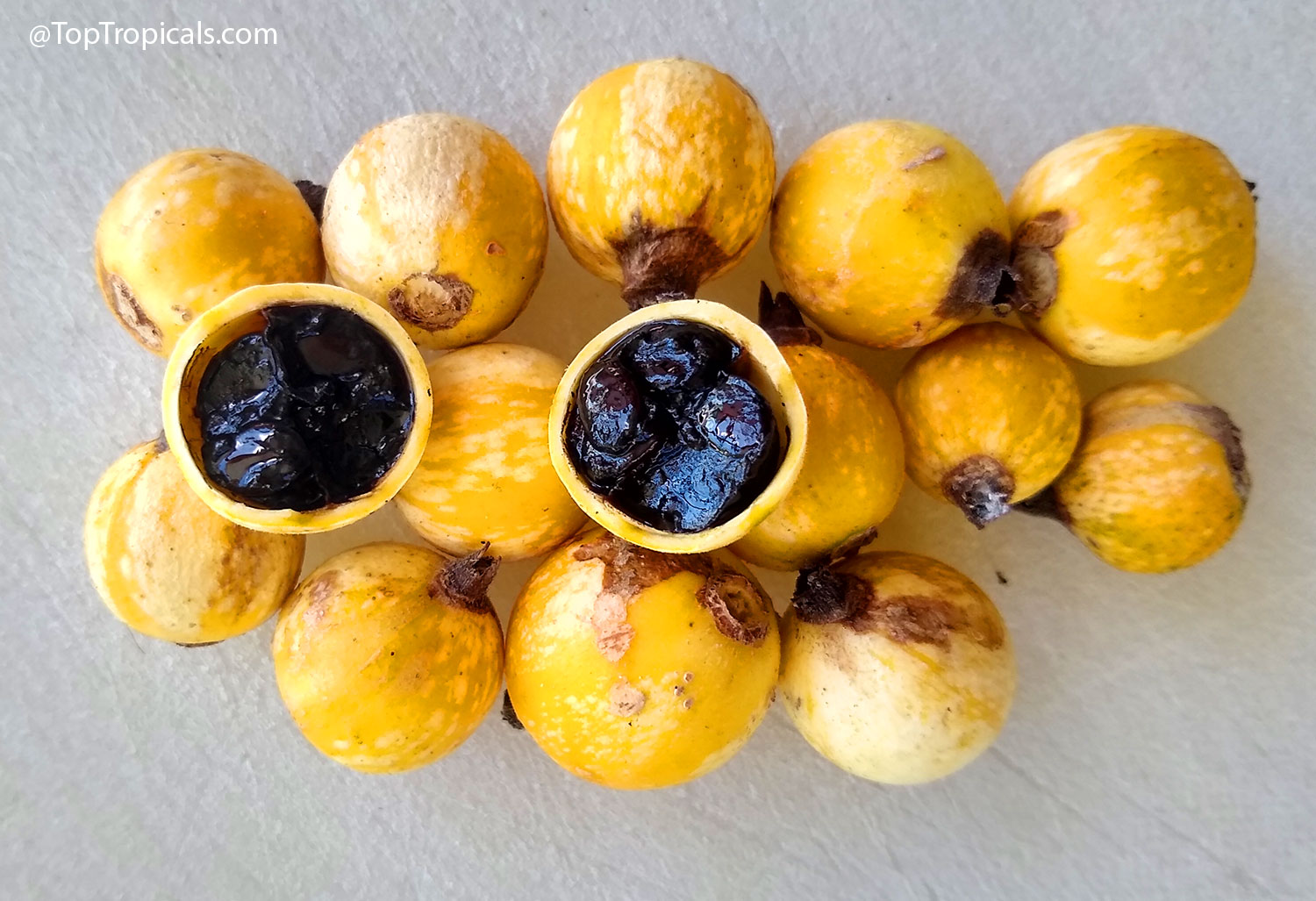
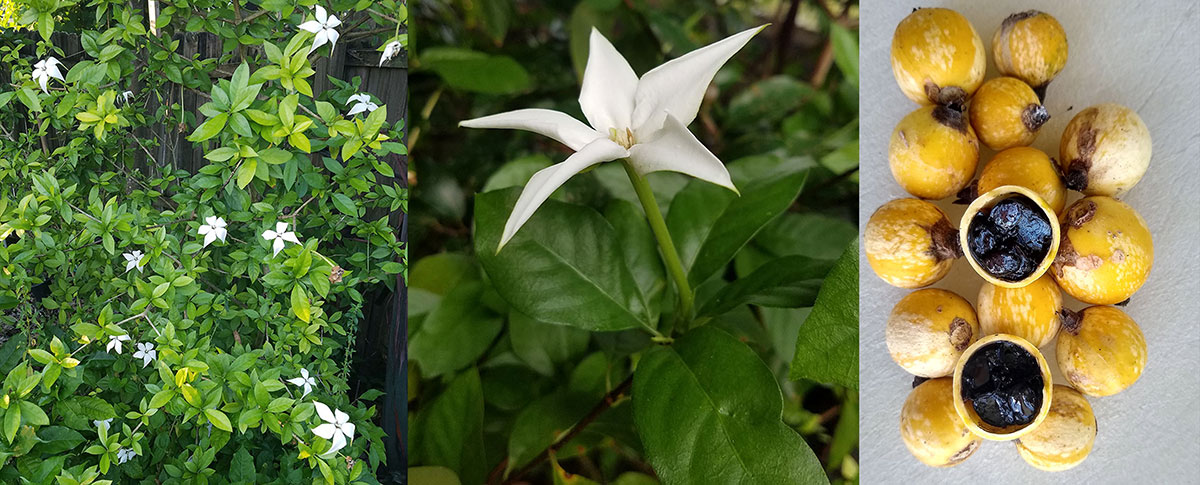
Spanish Tamarind may look like a small, unassuming fruit - but don’t let it fool you. In its native Africa, this tree is a food staple, a home remedy, and a cultural favorite, all wrapped into one. And now, it’s ready to bring that same magic into your garden and kitchen. People have used this fruit for generations - and how you can too.
🍊 1. Eat it fresh, off the tree
When ripe, the fruit turns golden brown and softens slightly. Its flavor is sweet-tart, almost like a tangy apple or tamarind with a hint of citrus. Just peel and eat!
🍬 2. Dry it for snacks
In many African regions, the fruit is sun-dried and enjoyed like natural fruit leather. It keeps well, travels well, and makes a great healthy snack.
🍵 3. Brew it into a fruit tea
Dried fruit can be steeped into a tart, refreshing tea that’s packed with vitamin C and antioxidants. Add honey or ginger for a soothing drink.
🍷 4. Ferment it into traditional beer or wine
In some local cultures, the fruit is fermented into a mild alcoholic drink, similar to fruit wine or beer. This is one of the tree’s oldest known traditional uses.
🍧 5. Make jams and preserves
Boil the pulp with sugar and lemon juice to make tangy medlar jam. Spread it on toast, stir into yogurt, or use it in baking.
6. Add to porridge or smoothies
Crushed or juiced medlar fruit is added to traditional maize porridge for a nutrient boost. You can do the same with oatmeal or smoothies.
7. Try traditional fruit pudding
A simple medlar mash with a little sweetener makes a rich, apple-like pudding with hints of spice. Great as a chilled dessert.
🌿 8. Use the leaves and bark medicinally
In folk medicine, leaves are brewed into a tea for treating fever, colds, and stomach aches. Bark is used for chest congestion and coughs. Roots are sometimes used for even stronger remedies like malaria treatment.
9. Clean your teeth the traditional way
Believe it or not, people use medlar leaves to clean their teeth! The leaves are antimicrobial and have a slight astringent taste that leaves your mouth feeling fresh.
🎨 10. Dye fabric naturally
Crush the bark or boil the leaves to create natural dyes in yellow, green, and even purple tones. This use is still practiced in rural areas of southern Africa.
✍️ Why this tree belongs in your life
Wild Medlar is more than just a fruit. It’s a versatile, resilient, and deeply cultural plant that connects generations. It’s food, it’s healing, it’s art—and now it can be part of your garden story.
Grow it for the fruit, the medicine, the tradition… or just for the joy of growing something wild and wonderful.
🛒 Plant Spanish Tamarind and enjoy exotic fruit benefits
📚 Learn more:
#Food_Forest #Remedies #Recipes #Discover
🟢 Join 👉 TopTropicals
Date: 22 Oct 2024
How
to grow Jackfruit in a pot:
the biggest fruit in the world
Q: Can I grow Jackfruit in a pot?
A: Yes, you can! Jackfruit trees, despite producing the largest tree-borne fruit in the world - up to 80 pounds and 36 inches long - can thrive and fruit in containers. The tree has a clever feature: it grows fruit only at the base of the trunk, allowing you to manage its height and size. With regular pruning, the tree can stay compact at just 6-7 feet tall, making it perfect for pot culture.
1. Getting started: pot sizes and growth tips
Start with: A 3-7 gallon container.
As it grows: Gradually increase to a 15-25 gallon pot by the time it
reaches fruiting size (2-4 years).
Pruning is key: Keep the tree topped at 6-7 feet to focus its energy
on fruit production.
Fertilize regularly: Use high-quality plant food like Sunshine Boosters C-Cibus to promote healthy growth and fruit
development. C-Cibus is the best natural plant food for fruit and edibles.
2. Fun facts about Jackfruit - Artocarpus heterophyllus
A mature Jackfruit tree can produce 200 pounds of fruit per year.
The fruit consists of large, sweet, yellow bulbs with a banana-like
aroma.
Seedlings start fruiting within 3-4 years, with fruits ripening in just 4-6
months after flowering.
3. Cold tolerance of Jackfruit trees
Though often thought of as ultra-tropical, mature trees can withstand light frost for short periods without major damage. Keeping Jackfruit in pots also offers an easy way to move them indoors during cold spells if you're in a cooler climate.
4. Secrets for successful Jackfruit production
- Frost-free temperatures are essential.
- Use rich, organic soil with compost, manure, or peat moss.
- Maintain moist soil with regular watering.
- Constant pruning to keep the tree under 7 feet promotes healthy
fruiting.
- Apply fertilizer and microelements regularly for better fruit quality.
By following these tips, you'll be able to enjoy the world's biggest fruit right from your patio!
Learn more:
About Jackfruit
How to grow the
biggest fruit on Earth
Cheena - Jackedack
Videos:
Jackfruit
Fruit
Date: 24 Jun 2018
Avocado, Lychee and Mango setting fruit... give them some FOOD!
Q: Do I need to fertilize tropical fruit when they set fruit?
A:
It is traditionally believed that mango and other tropical
fruit shouldn't be fertilized during fruiting period. It
is true to an extent: you don't want fruit to burst from
fast excessive growing. Instead, try to feed fruit trees
wisely, because they still need proper nutrition to
produce flowers and fruit.
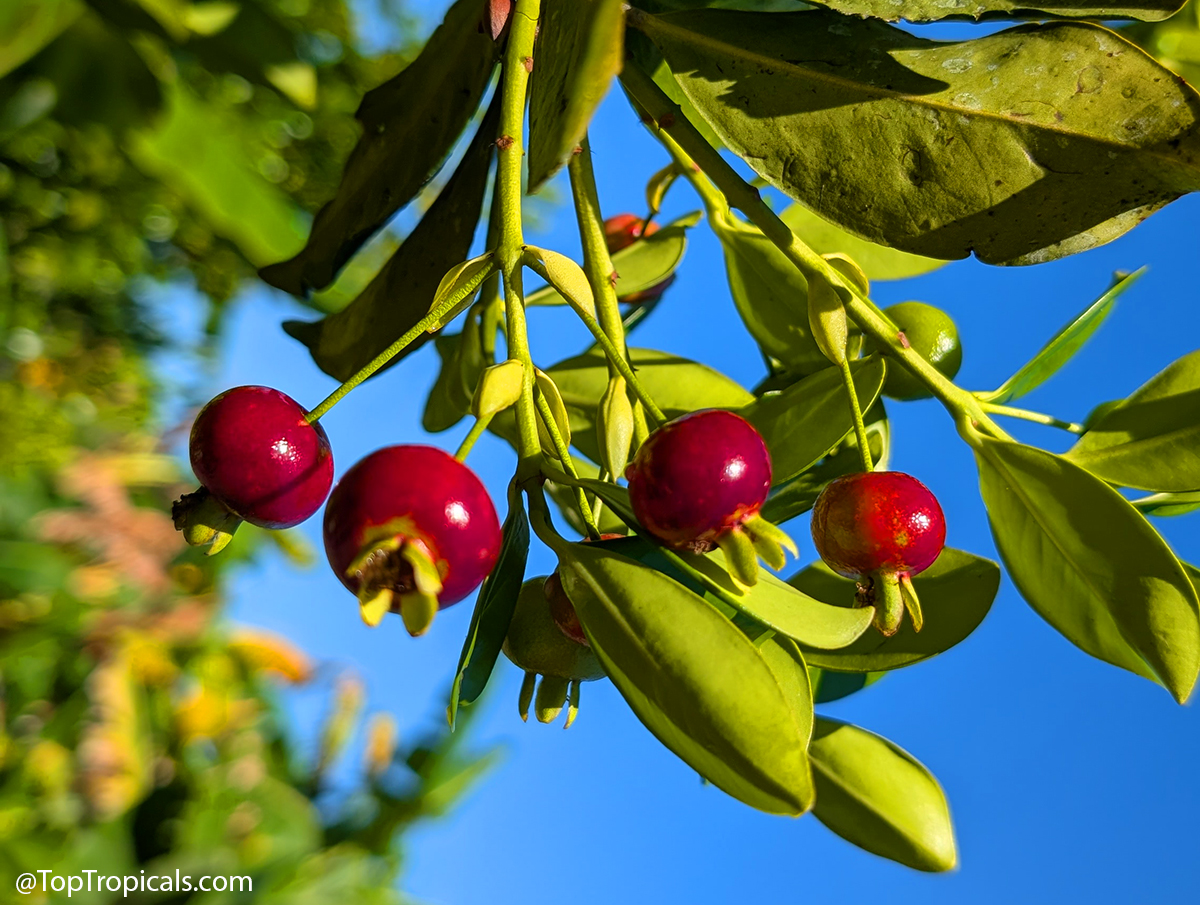
Our spring specials of Lychee, Avocado and Mango are full of buds and
some already set tiny fruit (see examples on the photo).
Here is the feeding plan for these plants once you receive
your mail order:
1) Once received the plant, pot it into container size of
the root ball and let establish for couple weeks. Use SUNSHINE-E to help the plant
recover from shipping stress and establish root system.
2) Apply SUNSHINE-Honey right before
flowering, and next time at setting fruit, to provide
sweeter and bigger fruit, eliminate fruit cracks and help
resist fungus and other fruit diseases.
3) Use balanced granulated fertilizer,
1 tsp per each gallon of soil. Apply once a month during
Spring-Summer season. This gives the plant balanced
macro-elements (NPK) necessary for overall plant health.
Do not use on fruit trees fertilizers with high Nitrogen
content.
4) Apply SUNSHINE SuperFood
micro-element booster to keep fruit trees vigorous,
develop strong root system and avoid deficiencies.
5) In case of signs of chlorosis (yellowing leaves with
darker veins), give the tree SUNSHINE-GreenLeaf and watch
the leaves turning green quickly.
After harvesting, don't forget to make another treatment
of SUNSHINE-Honey