Date: 24 Nov 2020

Healthy Plants: Q&A from Mr Booster
How not to kill gardenias?
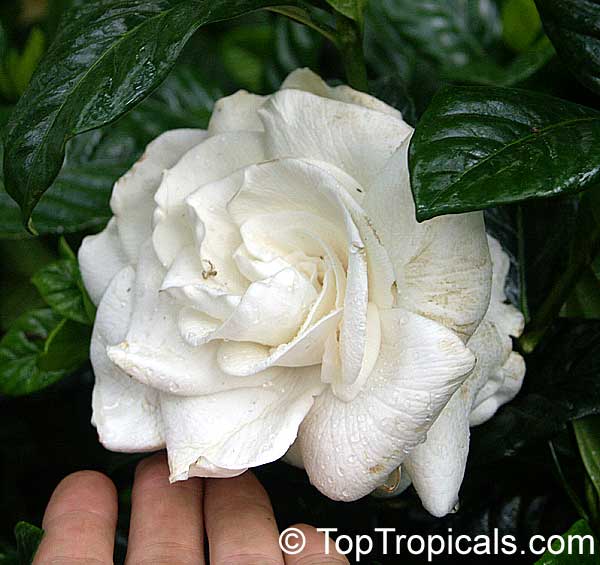
Q: I have tried to grow gardenia in pots for years and never keep them alive. When i look on camellia websites they say fertilize potted plants twice a year. I'm confused as I tend to kill them with kindness haha. Also, if our tap water has high cal/mag and that stops the gardenia getting other nutrients why would I make up the feed with tap water? So confusing and online is mixed messages...
A: Gardenias are not the easiest plants to grow, however, they are easier in pots than in the ground: they prefer acidic soils, and in many areas soils are alkaline. The most important factor is balanced and sufficient nutrients. In the ground, plants have no limits to reach out to different elements by spreading their root system. In a pot, once all the good stuff is consumed, plants start suffering nutrient deficiency. This is why a balanced feeding program is important.
Generally speaking, Cal/Mag in tap water cannot be bad, because they are
essential elements, good for plants (in proper amounts). However, just
Cal/Mag is not enough. This is why you need a balanced liquid fertilizer for plants that prefer acidic soil.
Excessive Cal/Mag alone can create nutrient lock up, especially if they are chelated
with EDTA like in dry fertilizers, which are not fully accessible for
plants.
We recommend natural, Amino-Acid based fertilizers that are completely
consumed by a plant and are safe to use with EVERY watering, even in Winter. They
are scientifically formulated and cover all plant needs.
For your gardenias, you should use SUNSHINE Pikake - Fragrant Flower Booster.
Another important factor is proper watering. Gardenias like regular water
but don't like wet feet = well drained potting mix is a must, similar to Abundance professional growing mix.

Date: 17 Sep 2020
Healthy Plant Food: Q&A from Mr Booster
How to make pineapples fruit?

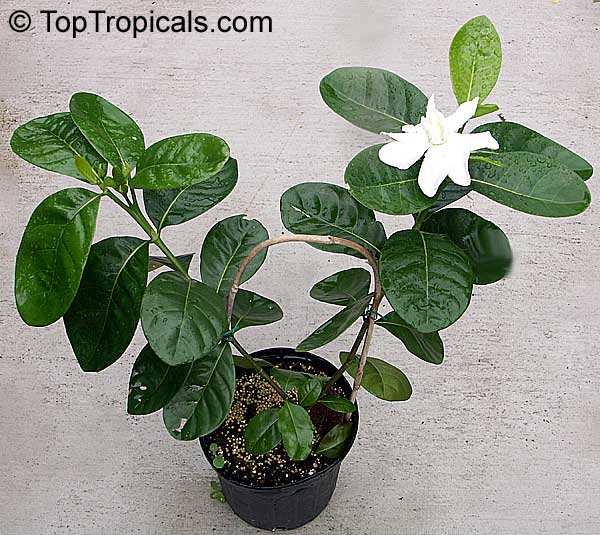
Q: I have purchased a Sugar Loaf Pineapple from you a few months ago, it is growing well and producing little babies around the main plant! I am so excited to have my own Pineapple plantation! How soon will they fruit and is there anything I can do to make them fruit faster? Can I give extra fertilizer just like I do for other garden plants?
A: It takes a year or two until a pineapple plant gains enough
energy to be ready to fruit. However the total time depends on growing
conditions and availability of all necessary nutrients.
Pineapples, like all other plants from Bromeliaceae family require very
delicate fertilizer; traditional fertilizers, if overdosed, can harm Bromeliads
and even kill them. At the same time, Pineapples require extra Magnesium for
good production, and not every fertilizer has it, or contains it in
well-accessible compounds / proper proportions.
Sunshine Ananas Booster is a scientifically formulated, mild fertilizer,
designed especially for tender Bromeliads, containing Magnesium just in perfect
concentration. Its amino-acid based ingredients are natural and work perfectly
for edibles and organic gardens. Just follow the label instructions and speed
up the fruit production 3-4 times!
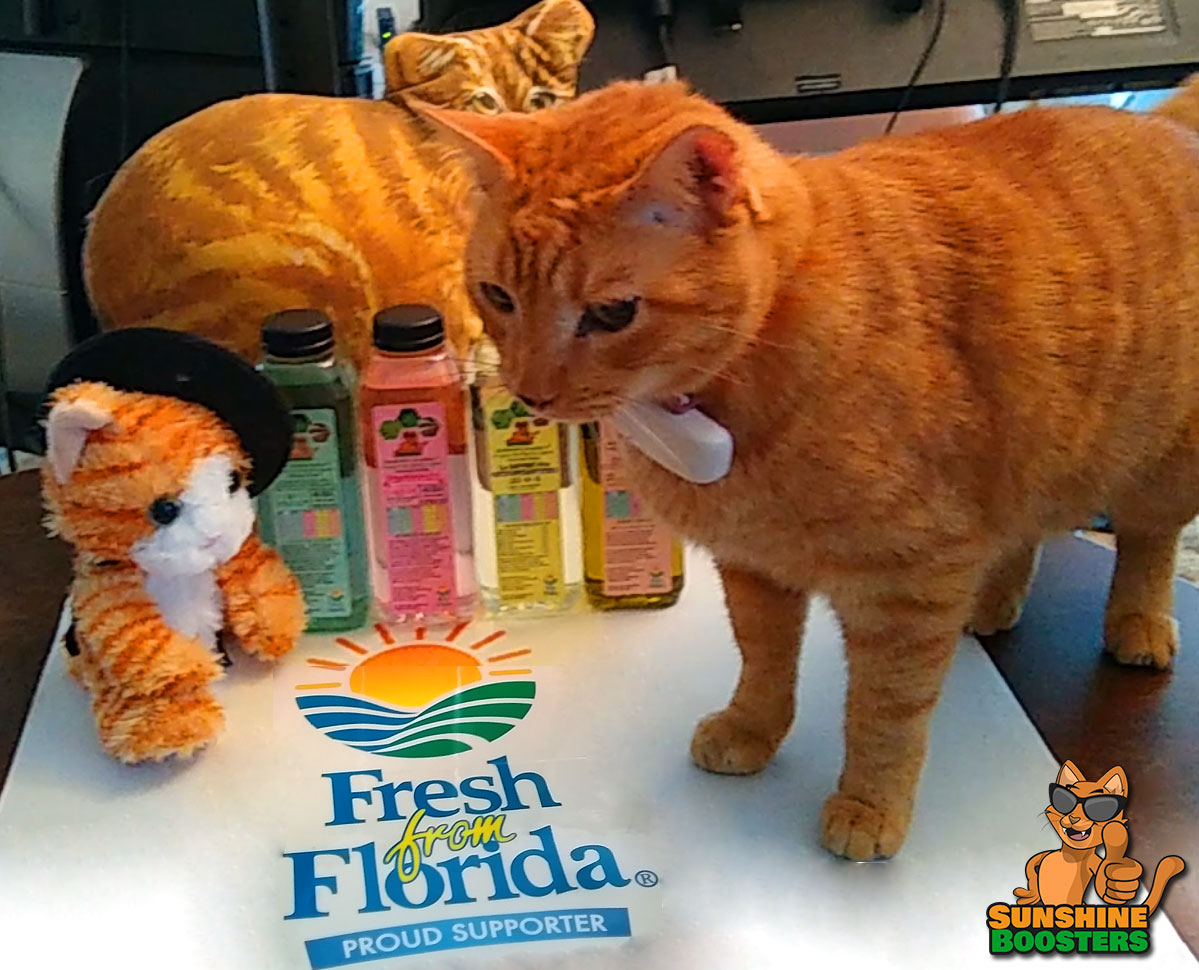
In the photo: Mr B checking his Sunshine Boosters
Date: 30 Aug 2019
How to grow Angel Trumpet in Florida
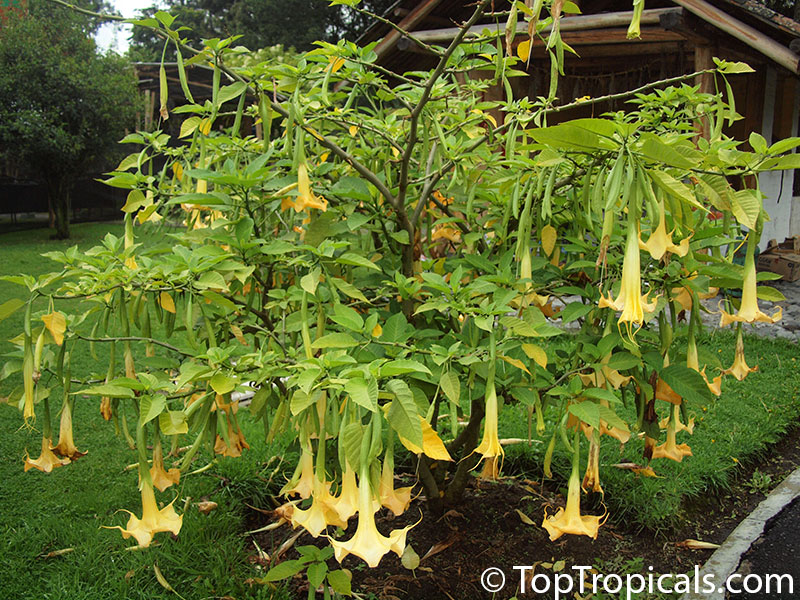
Q: I purchased an Angel trumpet in March, 2018. It wasn't looking very good so I asked what to do about it. Your reply was to fertilize and keep it watered. I did & it started to improve. I went on vacation & it reverted, dropping leaves... How do I keep it happy?
A: With growing Angel Trumpets in Florida, there are a few things that may go wrong, although in general Brugmansia is a vigorous rapid grower. Once the plant is established, it is very easy to grow. Looks like your plant had some troubles at the start and is still struggling. Dropping leaves could be a sign of a root problem.
These are the main important points for Brugmansia growing:
1. Must be planted in a high spot, using very well-drained soil.
Brugmansias do not like soggy conditions (happens with Florida summer). They like
water, but only as long as drainage is good.
2. Full sun is a must for a healthy plant.
3. Brugmansias are heavy feeders. Fertilize at least once a month once
the plant is established:
Pink N Good Daily Plant Food - Flower Booster
Angel Trumpet Delight - Smart-Release Booster
4. They are susceptible to bugs... check underneath the leaves and if
any pests, spray with solution of any vegetable oil, water, and some dish
soap.
The bottom line is, do not overwater but don't let it dry out. It's
rainy season now, maybe too much rain affecting the plant.
Try these Sunshine Boosters, they have amazing results and often help
us to bring stressed and weak plants back to life:
SUNSHINE-Power - plant booster
SUNSHINE-E - plant booster

Date: 24 Aug 2019
Growing a Plumeria Tree
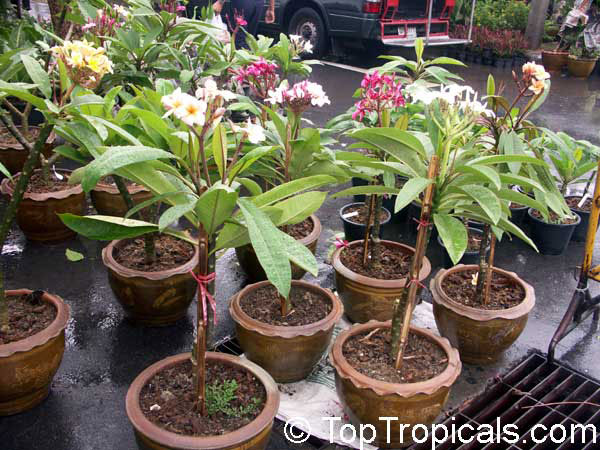
Q: I have a graft plumeria that is growing sideways. The leaves seem to be growing upside down. I tied it up with yarn and a bamboo stick last night. Will it grow strong enough to support itself without stakes or should I just let nature take its course and take the yarn and stake away?
A: You should definitely help the tree and keep the stick. The tree will eventually straighten out. It will have a strong trunk and you will be able to remove the supports.
Make sure to feed the Plumeria tree to provide enough energy for fast
growth and strong trunk:
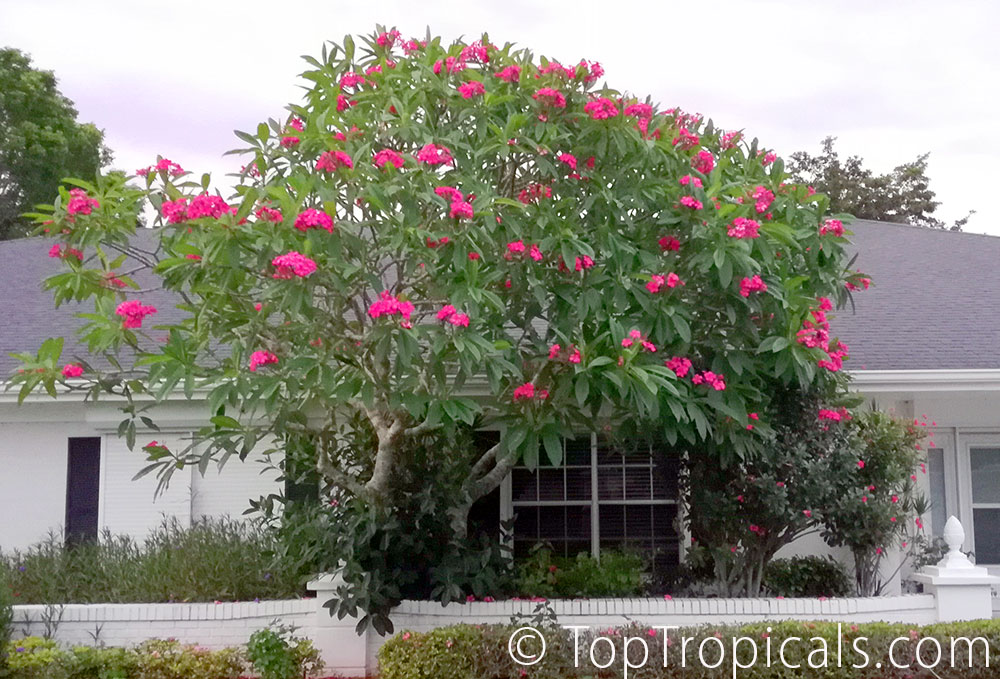
Plumeria Top Dress - Smart-Release Booster.
Check out all Plumerias from our store, they are 15% OFF today!

Date: 19 Aug 2019
Colorful Yesterday-Today-Tomorrow
Q: I have a large oak in front of the house and nothing grows under it, even grass. Can you recommend me a compact, colorful flowering shrub that will tolerate shade location and still will bloom for me? I love fragrant flowers, that would be nice... Also, I am a snowbird staying in Florida mostly from Fall to Spring so I miss the flowering season! Any winter bloomers? Or am I asking for too much?
A: There is a plant for every location and every need! Here is a
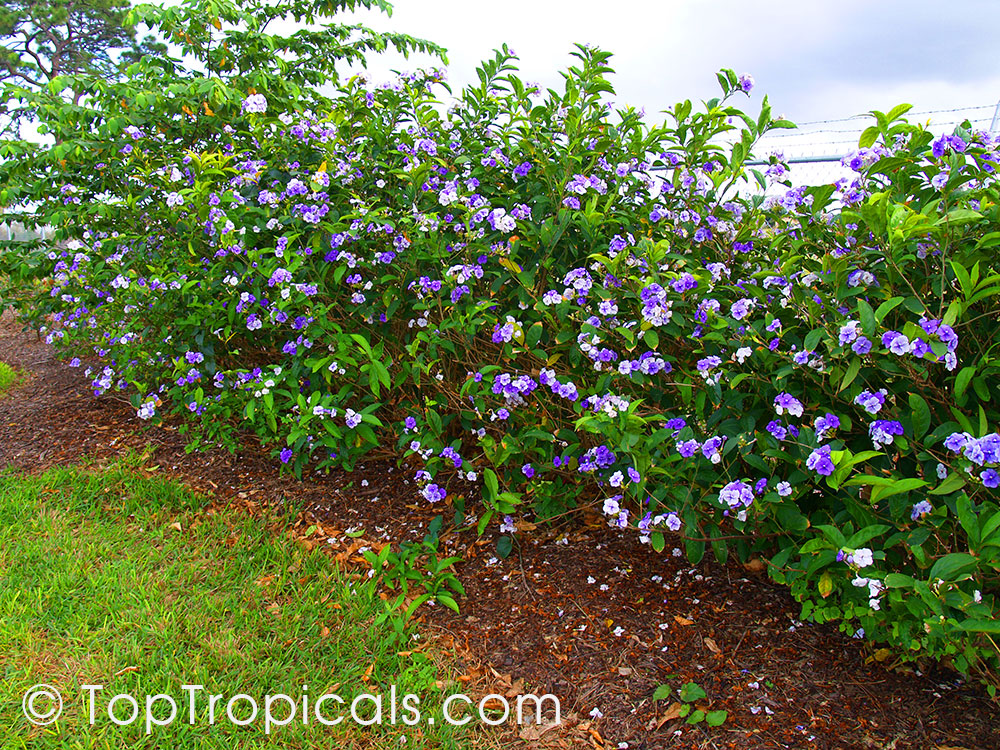
perfect plant for you, Brunfelsia grandiflora - Yesterday-Today-Tomorrow. It is a winter
bloomer and it enjoys filtered light. In fact, in full sun Brunfellsia leaves
sometimes turn yellowish, so a shade location will be perfect for it, leaves will
be healthy and dark green.
It is a beautiful specimen plant. The unusual popular name of this
medium-sized shrub becomes clear to anyone who observes it over the course of two
or three days. Its tubular fragrant flowers change from purple to lavender
and then to white over a three day period (First they open as rich
lavender-blue; then they change to pale lavender and finally to almost white before they
fall). Then all three colors can be seen on the same plant. It grows to
about 3-6 ft and does best in filtered sunlight. Blooms fall to winter.
Check out all Brunfelsias from our store - they all are shade lover and free-flowering!
And here is a list of all winter flowering plants for you... and a Winter-Flowering Guide for Snow Birds (PDF file) that includes many late-season trees, shrubs and fruiting plants.