Garden Blog - Top Tropicals

Date: 24 Jun 2018

TopTropicals

URBAN TROPICAL GARDENING:
10 secrets of successful Container Mango growing on a balcony.

Q: I live in Miami in apartment on a second floor, and I have a balcony with SE exposure. I wonder if I can grow a mango tree in a pot? Will it fruit for me? I recently moved to South Florida and I don't know much about tropical plants; but I tasted real fiberless mangos from someone's garden - it was so delicious and different from those in the grocery store. I wonder if I can have a fruiting tree on my balcony? And if yes, how do I plant and take care of it?

A: Yes, you can! Here is what you need to do:
1) Temperature. You are lucky to live in Tropics, keep it on a balcony year round.
2) Light. Position the pot in a spot with the most sun exposure. Mango trees can take filtered light too, but the less sun, the less fruit you will get.
3) Soil and Container. Use only well drained potting mix. Step up the purchased plant into next size container (3 gal into 7 gal, 7 gal into 15 gal). When transplanting, make sure to keep growth point (where roots meet the trunk) just at the top of the soil. Covering base of the trunk with soil may kill the plant.
4) Water. Water daily during hot season, but only if top of soil gets dry. If it still moist, skip that day. Mangoes (unlike Avocados!) prefer to stay on a dry side.
5) Fertilizer. Use balanced fertilizer once a month, 1 tsp per 1 gal of soil. Do not fertilize during fruiting - this may cause fruit cracks.
6) Microelements. Apply SUNSHINE-Superfood once a month. This will help your mango healthy, vigorous, and resistant to diseases. Use SUNSHINE-Honey to make your fruit sweeter.
7) Insect control. Watch for scales and mealybugs, clean with solution of soapy water + vegetable oil (may need to repeat 2-3 times with 10 days interval), or with systemic insecticide like imidacloprid only as needed (if non-harsh treatment didn't help). Most Flea shampoo for dogs contain that chemical, you may try that shampoo solution.
8) Trimming. Once potted, do not remove leaves that are discolored or have spots until new growth appears. Dark dots on mango leaves, especially in humid climate like Florida, may be signs of fungus. Treat with fungicide according to label, and remove only badly damaged leaves. Trim crown as needed after flowering and fruiting (by Fall). Train into a small tree, and you may remove some lower branches eventually.
9) Flower and fruit. Mangoes are winter bloomers with bunches of tiny flowers coming in thousands. Many of them set fruit (if pollinating insects present). Keep in mind that young trees can only bare a few fruit. Normally a tree will drop excessive fruit and keep only a few that it can manage. To save the young tree some energy, remove fruit if too many and leave only 2-3 for the first year. It will pay you next year with more abundant crop.
10) Variety. Last but not least: Choose the right variety for container culture! Pick from "condo" dwarf varieties such as Icecream, Nam Doc Mai, Carrie, Cogshall, Julie, Fairchild, Pickering, Graham, Mallika, and a few others - check out Mango Chart pdf and full list of our Mango varieties.
Date: 4 Jun 2019

Plants for South Texas and other hot states

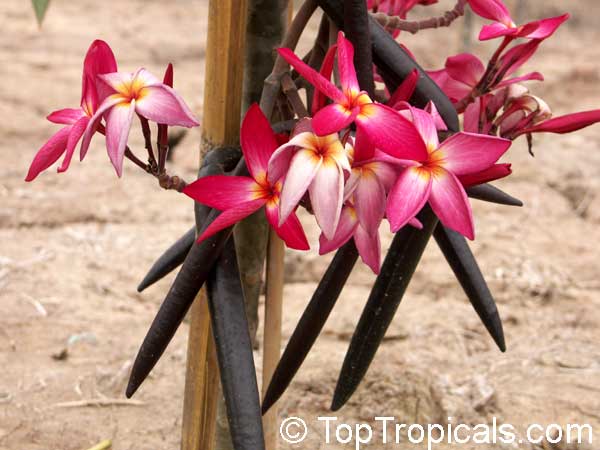
Q: Pretty much adore last newsletter. Haven't been buying because our weather here in deep south Texas is so bad it is stunting and killing even the Tamaulipan Scrub! Do you have a cure for that? :) I have every expectation the new grafted Plumeria I purchased from you last year will bloom soon. One of my favorite plants. Thanks again and keep up the good works.

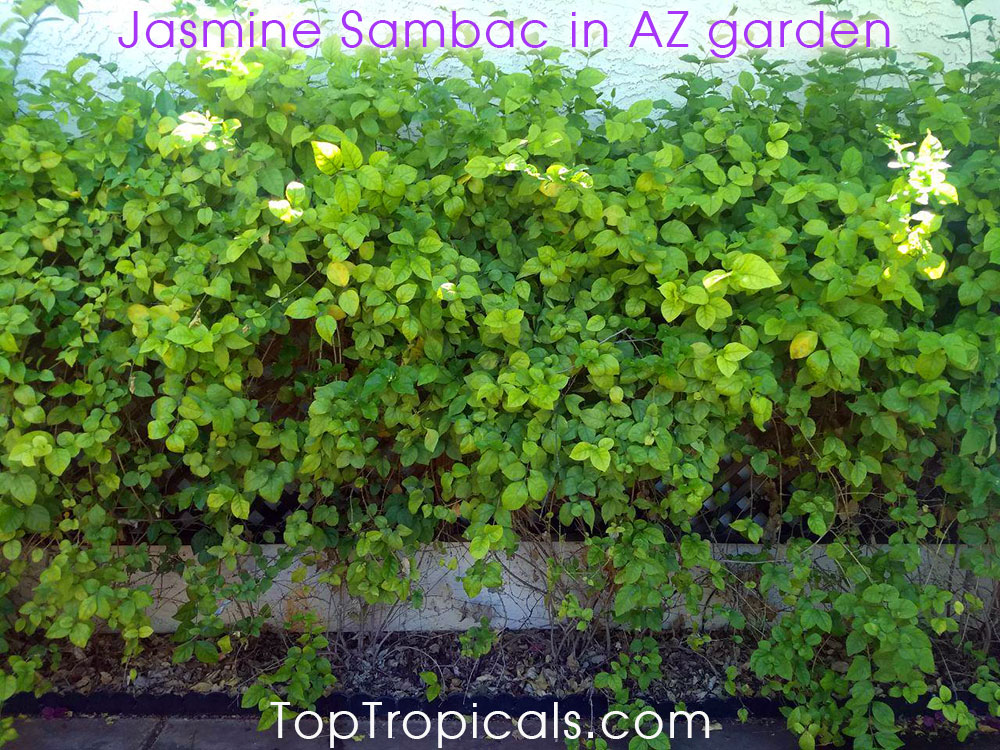
A: Yes, there is a "cure" - using biostimulants that improve drought- and heat- resistance (SUNSHINE boosters), plus the right plant selection. In fact, there is a large number of tropical rare plants that can be successfully grown in hot climates like yours. One of our partners lives in hot and dry Arizona area and has an amazing tropical garden that includes many fruit trees (Mango, Persimmons, Pomegranates, Loquats, etc). Here you can see a few pics from his garden.
Your choice is absolutely right about plumerias. Other easy plants would be Desert roses - Adeniums, and Fancy Euphorbia millii - all these come in so many varieties of colors and bloom throughout most of the year. Our special recommendations for you would be also:

Bougainvillea Dwarf Pixie
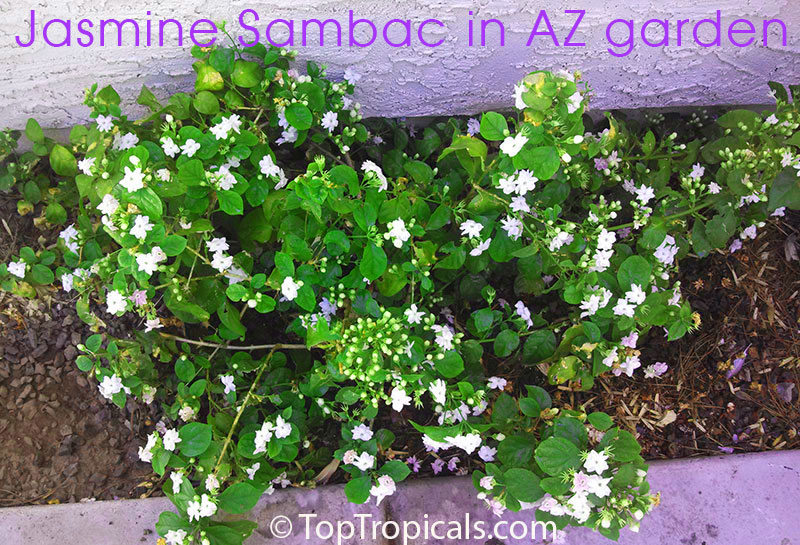
Jasmine sambac
Calliandra selloi Pink Lilian
Dracaena marginata Tricolor - Colorama, Money Tree
Hamelia patens Lime Sizzler - Variegated Fire Bush
Jatropha berlandieri - Buddah Belly
Pedilanthus tithymaloides - Devils Backbone
Trachelospermum asiaticum Mandaianum - Dwarf Confederate Jasmine

See full list of more plants that are suitable for hot and dry landscapes.

Apply fertilizers, miscroelements, and plant stimulants for improving heat tolerance

Date: 11 Jan 2019

Growing plumeria from seed

TopTropicals.com

Q: I purchased a Plumeria from your company. It has done quite nicely and now has produced a seed pod. Please forward me information on how to care for it and use the seeds that may be inside to propagate another plant.

A: Wait until seeds are ripe (seed pod turns brownish). Soak seeds overnight. Use only well-drained soil. The ideal mix is Adenium mix that we use for desert roses and Plumerias. Insert the heavy end of seed 1/4" into the soil, leaving feathered end exposed. Place the pot in direct sunlight. Don't allow the soil to completely dry out, but don't let it be soggy. Germination occurs usually within three to four weeks. Do not overwater.

Click for Plumeria and Adenium quick sale - 50% OFF with FREE shipping! Exp. 1/15/19.

Check out our full selection of plumerias - all with FREE shipping!

Date: 28 Apr 2021

Cold hardy tropical fruit trees for Zone 9

Q: Can you suggest tropical fruit that can be grown (cold hardy) in Zone 9?

A: There are quite a few tropical/subtropical trees that will grow well in zone 9. Our favorites are: Figs - very cold hardy and drought tolerant.
Loquats - grafted trees that start fruiting right away, reliable producers.
Tropical Mulberry - very fast growing trees that can take freeze, heavy producers.
Macadamia - these trees are of a compact nature, very easy to grow and start producing nuts right away.
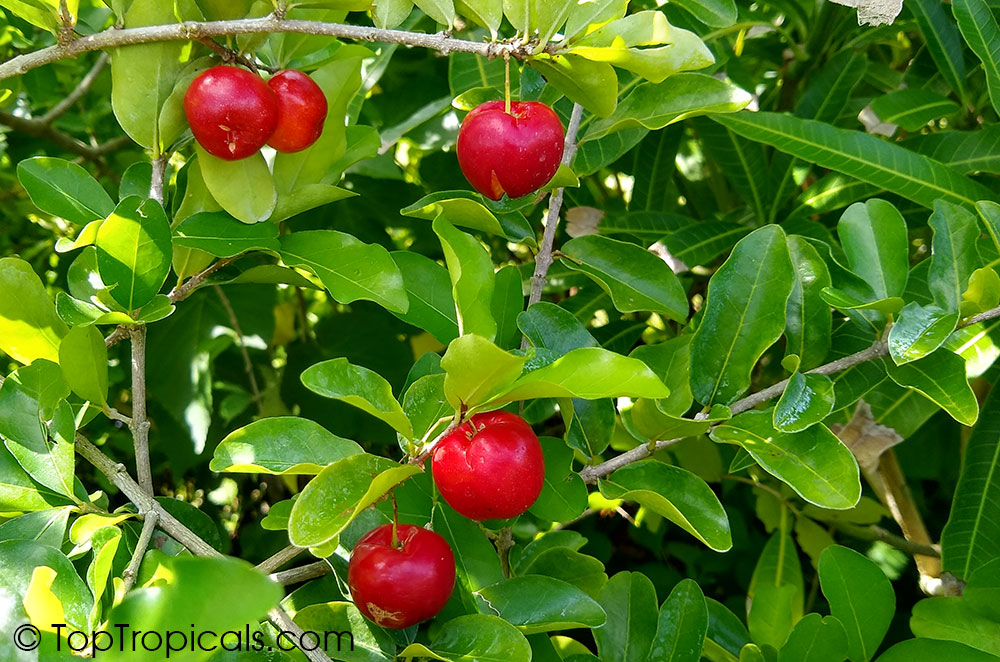
Many different varieties of Eugenias - tropical cherries - all-time favorites. Another tropical cherry - Malpighia, or Barbados cherry - starts fruiting in small size under one food tall! Great for containers.
Tropical (Low Chill) Peaches, Nectarines, and Plums. See full list of low-chill, relatively cold hardy fruit trees.
And of course - Bananas!

Don't forget to fertilize your fruit trees to improve their cold hardiness!

Date: 31 Jan 2017

Plants of Love. TopTropicals Webinars

Plants of Love - Valentines Day Sale. For Valentines day, look beyond roses for a plant that will last a lifetime! It is not a surprise that the most popular plants that has been ordered from TopTropicals for Valentines day for the past 3 years, are: Vanilla, Chocolate, Grape, Strawberry tree, Rose apple - all things you get for your Valentines!

This year we are celebrating Valentines day with our special local event - "Aphrodisiacs, or Plants of Love".

When: Saturday, February 11, 2017, from 10 am to 2 pm
Where: Toptropicals Garden Center, 13890 Orange River Blvd, Ft Myers, FL 33905
Agenda:
10:00 am - Explore the grounds: Customers can come in to look through the nursery and guided tours through gardens.
12:00 pm - Aphrodisiac plants. Class on plants used for aphrodisiacs throughout history.
1:00 pm - Plant giveaway. Must be present to win one of the aphrodisiac plants in lecture.
2:00 pm - sale ends.
Special Love Discounts for local visitors! Snacks and drinks.

Just a few examples of the most famous plants of love that we will be talking about -
Coffea arabica - in East Africa and Arabia it was a sacred beverage to African sufis. For aphrodisiac results mix in cardamom and honey.
Banisteriopsis caapi, Ayahuasca - giant liana from tropical Amazon forests psychedelic, ritual inebriant that promotes potency. Drink is made from the bark and is taken in love rituals to revive the mythical past of the tribe.
Areca catechu, Betel Nut - seeds have stimulating effect on the entire body and eros. It's a traditional aphrodosiac in Ayurvedic medicine and is counted among the eight types of pleasure in the Brahmanic tradition. It has magical and religious properties and used as an offering to the Gods.
Theobroma cacao, Chocolate - mild stimulant, beans contain aphrodisiac. Antient Indian "recipe of chocolati" will be shared at the event! Cocoa was considered the "food of gods".
Cinnamon - in Southern Asia used as stimulant, in food or massage oil for erotic stimulation.
Cola nitida, Cola nut - used in love magic, was used as currency in W Africa.
Cananga odorata, Ylang-Ylang - increases eroticism with oil inhaled. Prescribed to treat impotency and frigidity.
Butea monosperma, Flame of The Forest - is traditionally used to manage male sexual disorders.
Mimosa pudica, Sensitive Plant - significantly increases the libido and hormonal levels of testosterone.
Satureja Viminea, Kama Sutra Mint Tree - used for love gel...
- and much more!

TopTropicals Webinars. Welcome to Top Tropicals Webinar! Discover the world of Rare Plants and surround yourself with a Tropical Paradise! Our plant experts will be answering your garden questions. Our next LIVE air time is just before Valentines Day - Saturday February 11, at 2 pm ET, with a topic of... of course, Aphrodisiac Plants! Get your questions ready!