Garden Blog - Top Tropicals

Date: 24 Feb 2026

5 Heart-Shaped Plants Every Gardener Needs This Spring
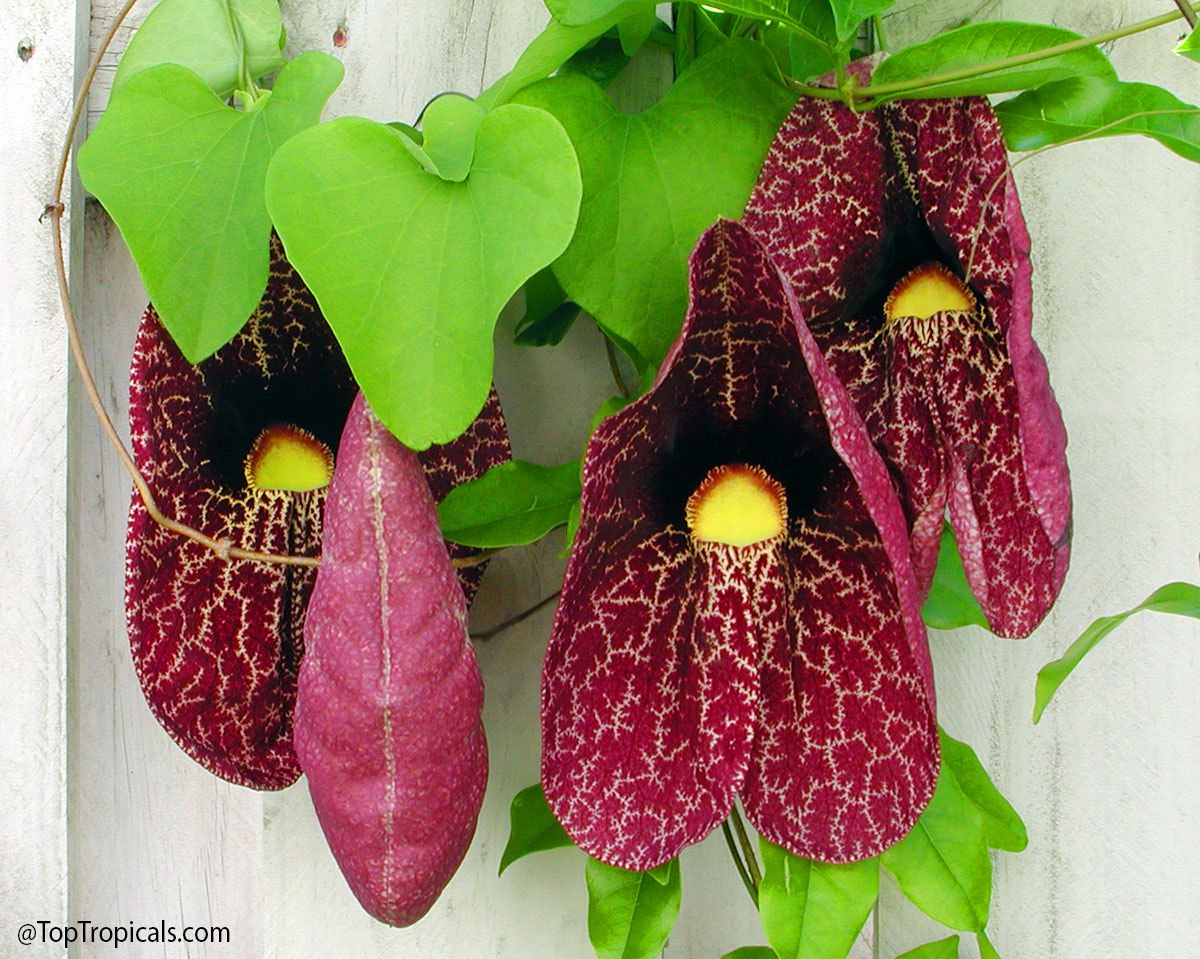
Aristolochia " The "alien" flower that hosts rare butterflies.
Aristolochia " The "alien" flower that hosts rare butterflies.

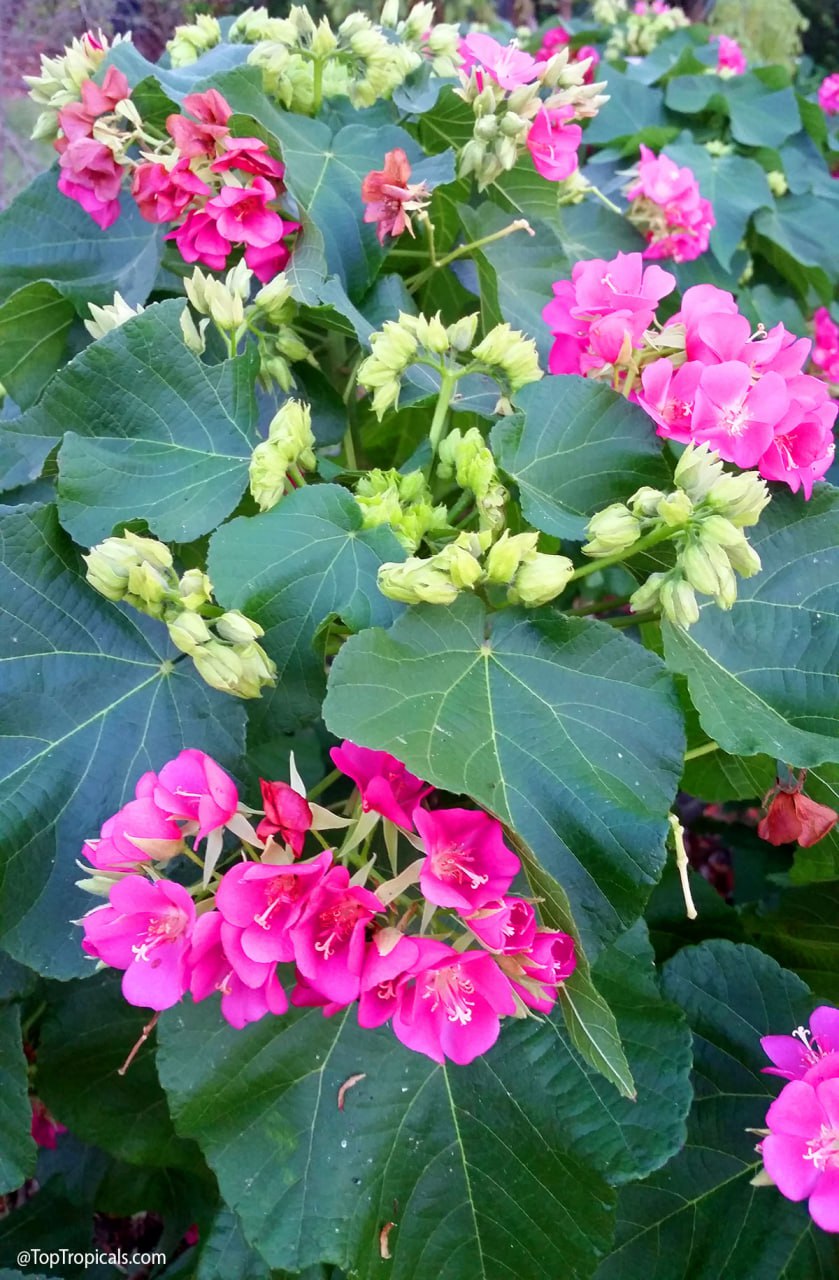
Dombeyaflowers on the bush
Dombeyaflowers on the bush

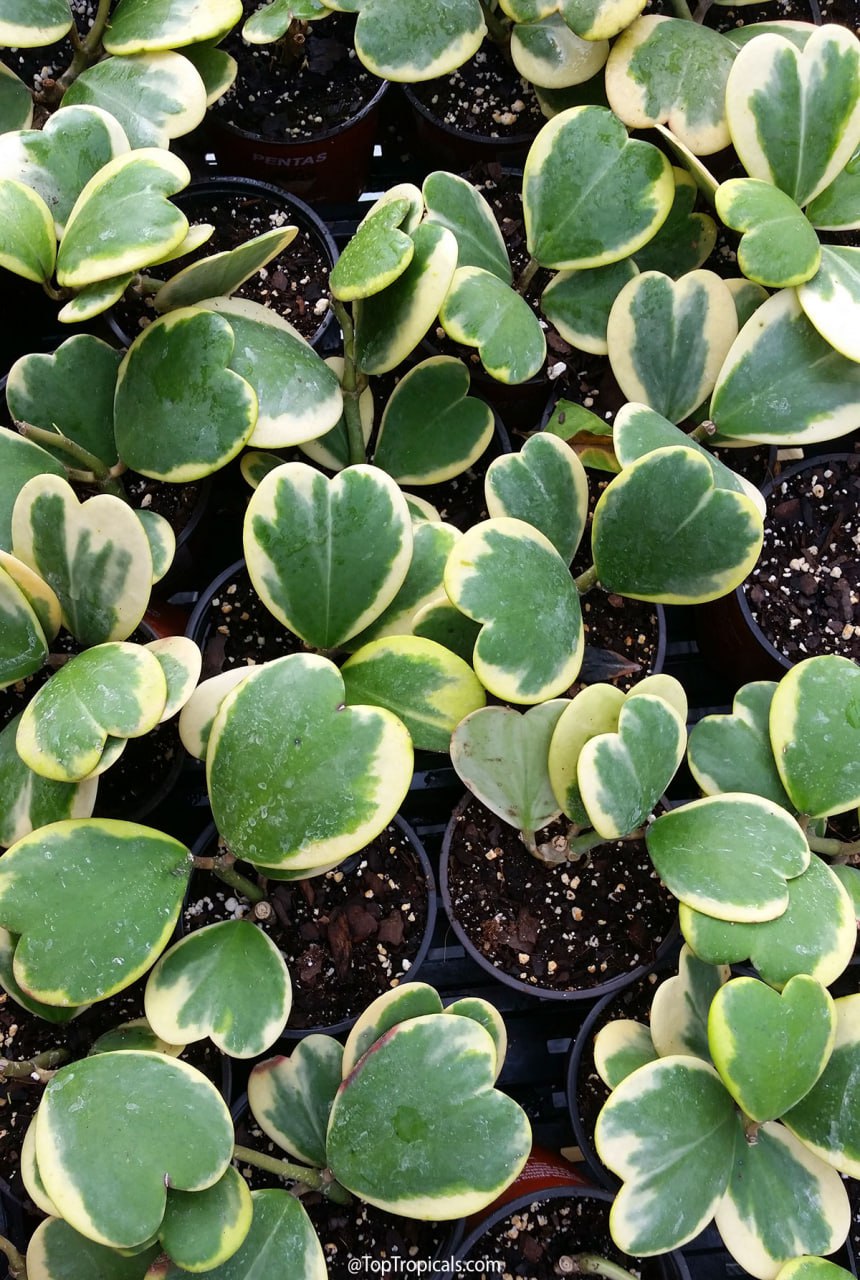
Hoya kerrii Sweetheart Hoya
Hoya kerrii Sweetheart Hoya

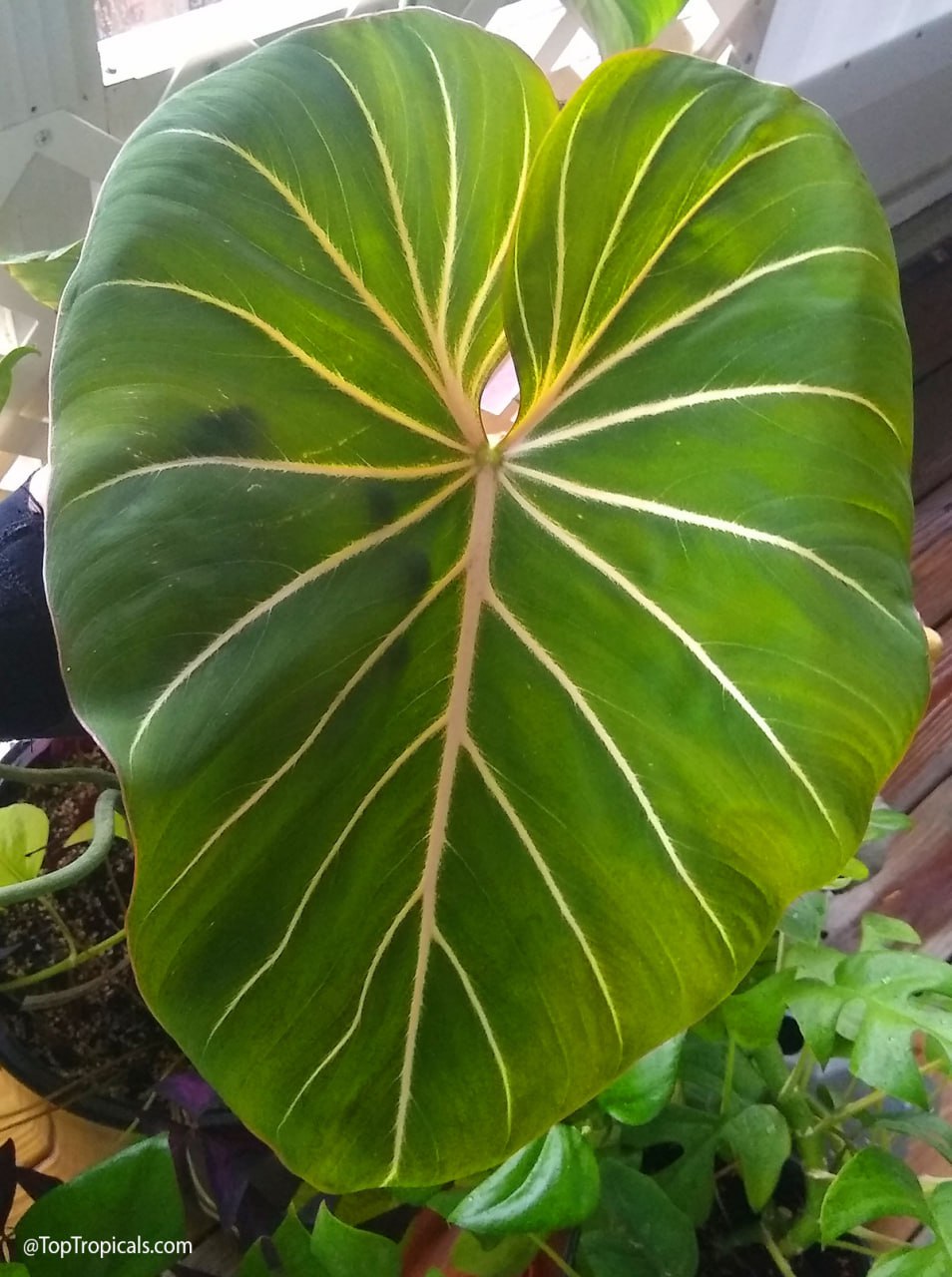
Philodendron leaves
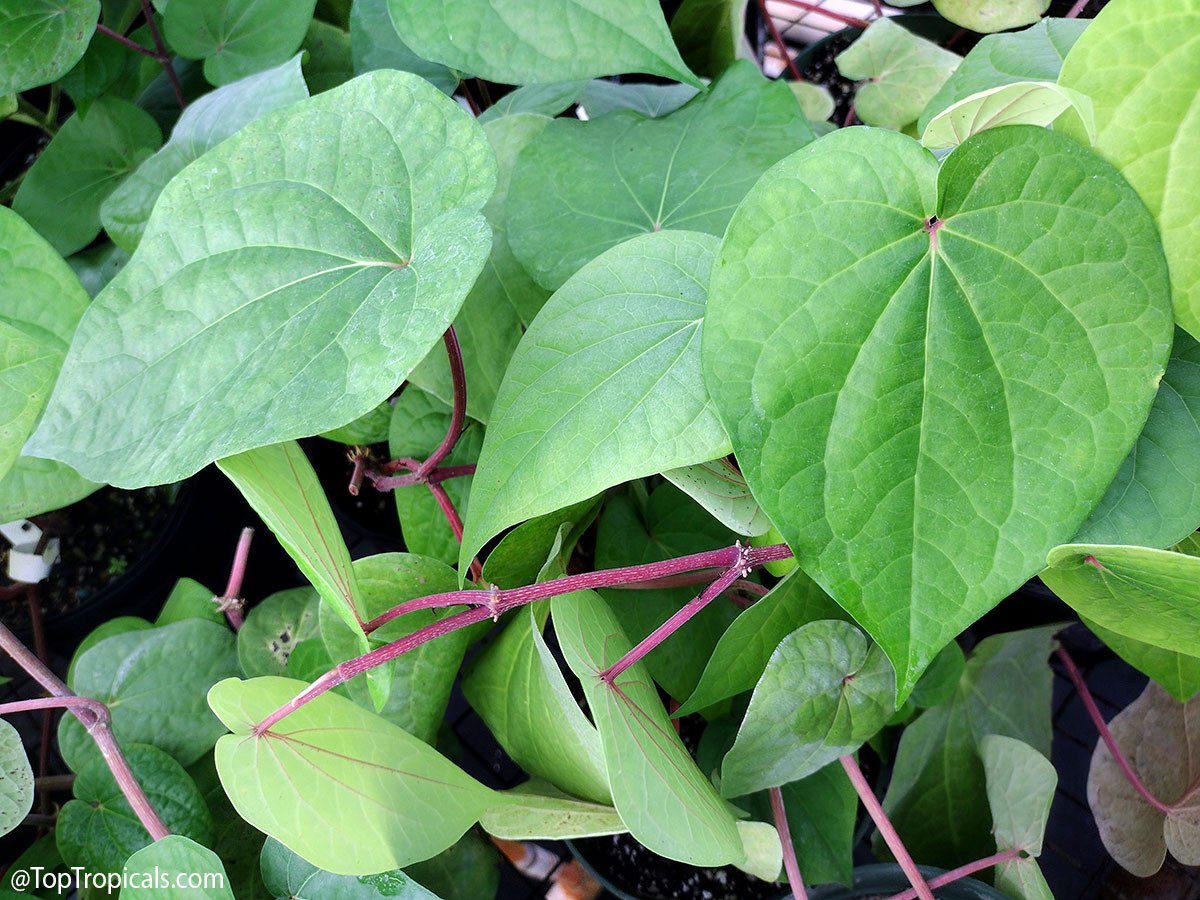
Philodendron leaves

Piper - edible leaves

Piper - edible leaves

5 Heart-Shaped Plants Every Gardener Needs This Spring 💕

❣️ Why heart-shaped?


Heart-shaped leaves instantly soften a garden. They feel welcoming, romantic, and just a little bit playful. But if you choose wisely, you will get much more than a cute leaf shape.

Before adding a plant to your collection, look beyond the foliage. Does it flower? Does it attract pollinators? Does it offer edible or fragrant benefits? The right heart-shaped plant can bring beauty, fragrance, butterflies - even flavor - to your landscape all year long.

Here are five plants that truly give your home a little love.
  • 💚 1. Aristolochias - bold leaves and wild flowers


    If you want a conversation starter, Aristolochia is the answer. These vines don't just offer bold, oversized heart foliage and produce "alien-looking" blooms that defy garden norms.

· Garden Hack: Use it to create "living shade" on hot west-facing walls to naturally cool your home.
  • · Extra benefits: Many species are host plants for Pipevine Swallowtail butterflies, making them essential for pollinator gardens. They grow fast, create dense shade, and can cool down hot garden walls during summer. 👉Explore Aristolochias


💚 2. Dombeyas - winter flowers when little else blooms


Dombeyas bring heart-shaped foliage together with spectacular winter blooms. Their large clusters of pink flowers resemble hydrangeas and appear when many other plants are resting.

Extra benefits: They bloom in the cooler months, feeding bees when nectar sources are limited. These fast-growing shrubs create privacy quickly and fill the air with a light, sweet fragrance during flowering season. 👉Explore Dombeya
  • 💚 3. Hoya kerrii - the living Valentine


    Often sold as a single heart-shaped leaf in a pot, Hoya kerrii is known as the Sweetheart plant. But when mature, it becomes a climbing or trailing vine with thick, succulent foliage.

    Extra benefits: It is extremely low maintenance, tolerates dry indoor air, and can live for many years. When happy, it produces clusters of star-shaped, lightly fragrant flowers. It is compact enough for desks and shelves, yet long-lived enough to become a true keepsake plant. 👉Explore Heart Hoya
  • 💚 4. Philodendron - classic hearts, endless varieties


    If you picture a heart-shaped leaf, you are probably imagining a Philodendron. From deep green to bright chartreuse like Golden Goddess, there is a variety for every style.

    Extra benefits: Philodendrons adapt easily to indoor or outdoor growing in warm climates. They help improve indoor air quality, tolerate lower light, and require minimal care. In the garden, they thrive in shade and add a lush tropical feel without demanding constant attention. 👉Explore Philodendrons
  • 💚 5. Piper - beautiful and edible


    Many Piper species have attractive heart-shaped leaves, but they offer more than good looks. Some are edible and culturally significant.

    Extra benefits: Piper betle and Piper sarmentosum leaves are used fresh in Southeast Asian cuisine, while Piper nigrum gives you real black pepper from your own vine. These plants grow well in warm, humid climates, thrive in partial shade, and combine ornamental appeal with practical harvest. 👉Explore Pipers
  • 💚 Ready to add some 'love' to your landscape?


    Heart-shaped foliage is charming, but the real value comes from what these plants give back - flowers in winter, butterflies in spring, edible leaves in summer, or easy indoor greenery all year.

    Choose plants that not only look lovely but also work hard in your garden. That way, your landscape is not just pretty - it is alive, useful, and full of personality.


🛒 Discover tropical plants with benefits

📚 Learn more:


#Container_Garden #Hedges_with_benefits #Discover

🟢 Join 👉 TopTropicals
Date: 23 Nov 2016

Growing tropical fruit trees in containers in winter

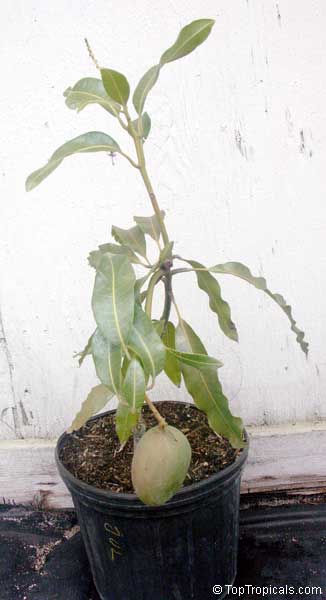
Q: Please give me your advice. The winter is here. I bought mango tree, jackfruit tree, sugar apple tree and planned them for spring. What can I do to keep them no frost bite? My home in Bonifay FL.

A: In subtropical areas with occasional hard freeze in winter, we recommend you to keep tropical plants in pots. The plants you purchase are tender to frost. For cold protection, container growing has several advantages:
1) easy to move into wind-protected and sun-exposed locations as needed: for example, on a different side of the house. In many areas, seasonal prevailing winds have opposite directions in Summer and Winter.
2) easy to cover with frost cloth, sheets, or blankets in case of immediate cold spells. Container plants' growth is easier to control and trim, and those plants naturally stay more compact.
3) easy to move indoors, inside garage, or in covered lanai/patio.
We also recommend to keep these trees in their original pots until Spring, in containers size of the rootball. Step them up in Spring, when plants start active growth of root system. This will help you to avoid root rot due to possible overwatering in Winter. Reduce watering in any case, and keep your plants in bright, wind-protected spot. Do not fertilize until Spring. Protect from cold when night temperature drops below 35-40F.

Use SUNSHINE plant boosters to provide additional cold tolerance.

Cold protection is a lengthy subject. You may also use propane heaters during cold nights. Here is some more information on cold protection

Date: 14 Feb 2024

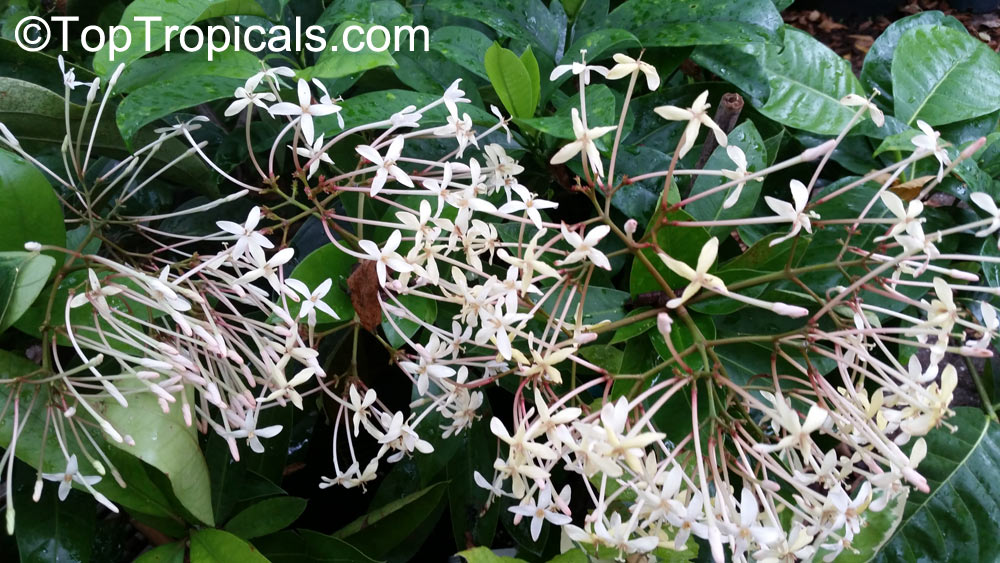
Ixora odorata - exclusive flower with fine perfume

Ixora  odorata  flowers

Q: I see you have a very special plant - Ixora odorata with fragrant flowers, I've heard that the fragrance is heavenly. Is it easy to grow? Can I plant it as a hedge, like a regular ixora bush?

A: Indeed, Ixora odorata is quite special. It's a must-have for any tropical plant enthusiast, often likened to esteemed fragrance collectibles like Ylang Ylang or the Joy Perfume Tree. While it shares the genus with the common Southern landscape plant, Ixora, cultivating Ixora odorata requires some special attention. We wouldn't recommend using this rare exotic as a hedge; it's best suited as a centerpiece or specimen in your garden. The effort is certainly rewarded, as the sweet fragrance of its flowers is truly remarkable, reminiscent of Jasmines. Here are some tips for growing Ixora odorata:

1. Temperature. Ixora odorata is sensitive to cold and can't withstand even light frost. Protect it by growing it in a container that can easily be brought indoors during cold weather.
2. Soil. Like all ixoras, Ixora odorata prefers acidic soil. This is easily achieved since it's typically grown in a pot. High-quality potting soil, such as Sunshine Abundance, tends to have a lower pH (acidic), has low pH (acidic).
3. Light. Unlike most ixoras, Ixora odorata prefers shade to filtered sunlight, unlike most ixoras that are full sun plants.
4. Water. Ixora odorata prefers drier conditions during winter, so reduce watering in the winter months. In summer, regular watering is necessary, as it won't tolerate drying out.
5. Insect control. Ixora odorata can be susceptible to insects during winter. Keep an eye out for mealybugs during winter. Monitor the leaves, especially underneath.
5. Prune after flowering.
6. Fertilizer. Feed Ixora odorata with Sunshine Boosters Megaflor for most profule flowering and healthy waxy leaves.

Ixora odorata blooms in winter, making it a delightful addition to your home during the colder months. What can be better having this perfume factory! It's a true gem that's worth the extra care and attention - it deserves to be pampered!

Ixora  odorata  flowers

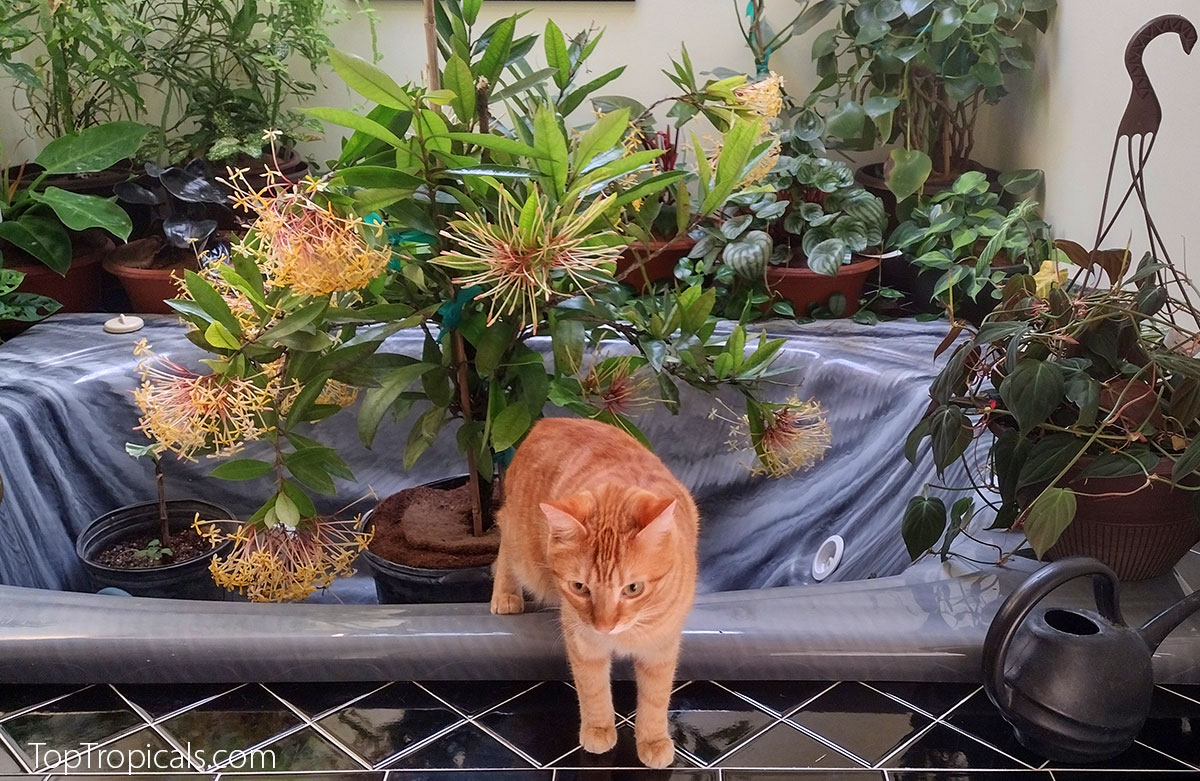
We bring our Ixora odorata indoors during winter. It is happy to sit in a large bathtub with a skylight above it. It flowers all winter long, filling the air with light perfume not only in the bathroom and bedroom, but in the whole house. And of course, cats love it too!

Learn more about growing ixoras

Date: 27 Jun 2025

This is what we discovered inside Jackedak - the biggest fruit on earth!

Cheena - Jackfruit x Chempedak (Artocarpus x integer)

🍈 This is what we discovered inside Jackedak - the biggest fruit on earth!

  • 🍐Meet Jackedak - the superstar of the jackfruit world!
  • 🍐Originally grown from a seedling of Cheena (Jackfruit x Chempedak, Artocarpus x integer), this TopTropicals hybrid fruited in just 3 years and blew us away with its flavor.
  • 🍐Each massive fruit (20-25 inches!) is super sweet, crunchy, and rich, with hardly any latex - making it easy to prep and impossible to resist.
  • 🍐 Jackedak is also a garden hero: it fruits low on the trunk, so you can keep it short and tidy, and it's survived both light frost and 48 hours under 3 feet of floodwater during hurricane Irma in 2017, without breaking a sweat.
  • 🍐 If you want the best-tasting jackfruit hybrid we've ever tried, Jackedak is the one!


📚 Learn more from previous posts:


🛒 Buy Jackedak Cheena Tree - Delivered to Your Door

#Food_Forest #Jackfruit

🟢 Join 👉 TopTropicals

Date: 7 Oct 2019

Fertilizing in Winter?

Q: I'm a bit confused about what winter fertilization schedule I should follow in South Florida. For blooming plants, usually, I use a monthly granular bloom booster fertilizer as well as a liquid fertilizer every 10 days or so. Should I continue that schedule in the winter as well? Should I stop fertilizing altogether in the winter? How about fruit trees? What fertilization schedule should I follow in the winter?

A: Here is a general fertilizing schedule for established plants that we follow here in SW Florida.
The rule of thumb is, do not fertilize (with macro- NPK elements) when minimum temperatures drop below 65F and stay at that level for more than 7 days. At this temperature point, most of the tropical and subtropical plants slow down their metabolism and some of them going into dormancy. This means, nutrients are not consumed as much as during active growth period, and built-up nutrient supply within a plant plus whatever is available in the soil is just enough to get by through the winter. So additional fertilizing is not necessary. You may continue micro-element supplements and bio-stimulants throughout the year. In fact, it is highly recommended to do so, to help the plant survive cold spells. These are very effective tropical plant protectors:
SUNSHINE-Epi - Brassinosteroid plant hormone
SUNSHINE-Power-Si - Advanced plant protector with Silicon
SUNSHINE SuperFood - Complex microelement supplement

This rule is applied to both flowering and fruiting plants, in general. However, some species are winter-flowering and winter-fruiting. For those, you can make an exception and provide extra nutrients for flowering and fruiting, as long as the weather stays warm. During cold spells, avoid any NPK fertilizers and use only bio-stimulants and micro-elements. If you apply NPK during cold, it won't be consumed by a plant, build up in the soil, and may create a root burn situation.

In simple words, fertilize from March to October. Give plants some rest from November to February.