Date: 12 Apr 2019
Dwarf Red Ginger - more than just a pretty face
Q: I've just recently moved to Florida from North Carolina. I don't know much about tropical plants. Can you perhaps suggest an easy and pretty flowering plant for a beginner which I can plant around my garden pond for a tropical feeling?
A: For adding that tropical look to your garden, few plants beat
beautiful ginger! Alpinia purpurata, the Dwarf Red Cone Ginger with its bright red floral
spikes and lush, lance-shaped foliage is no exception. This striking
perennial will add a tropical effect to your garden that will definitely take your
breath away.
The Dwarf Red Cone grows between 3 and 4 feet tall and blooms 8-9
months of the year! The blooms will hold on the plant for up to 3 weeks! It makes
a very attractive and distinctive backdrop for other plants.
Red Cone Ginger likes partial shade and moist, humid conditions, but
will tolerate full sun. It is fast growing, easy to grow and resistant to
disease, heat, and insects. The plant is a wonderful accent in a garden and works
well as a focal point specimen, show-stopping when planted around garden
ponds or near entryways. This ginger also works very well in containers and
planters. Either in mass plantings or smaller groups, all gingers add tropical flair which never disappoints.
In addition, the beautiful flower spikes make for great, long-lasting
cut flowers and is an interesting addition to bouquets.
An added bonus? Dwarf Red Ginger is super easy to propagate. If stems
are cut at the base and placed in water, they will generally root within a few
weeks. Eventually, you can make a whole flowering hedge just from one
plant!
Who does not like a plant that is non-fussy and not only beautiful but easy to grow? Dwarf Red Ginger is more than just a pretty face!
To keep this plant happy and blooming, give it some food: Broad Leaf Plus - Ginger-Heliconia-Banana Booster
Date: 2 Jan 2025
New Year with New Plants:
Choose from 17 Tropical Paradise Resolutions!
"A garden is never so good as it will be next year..." - Thomas Cooper.
Happy New Year, dear fellow gardeners! As we step into a fresh new year, it's the perfect time to think about what exciting, special, and life-changing plants we can add to our gardens. The days are getting longer, and spring is just around the corner, so now's the time to make a plan and prepare for the season ahead. Let's take small steps each year to create the garden of our dreams. This winter, consider these fun resolutions:
- Hang a bird feeder and install a rain barrel
- Order some tropical plant seeds for an early start
- Ask your grandparents about their favorite garden plants
- Build a raised bed for succulents
- Plant a fruit tree or two to have some crop this year
- Start a compost pile
- Switch to organic fertilizers and plant boosters
- Fill empty spaces with flowering trees, shrubs, and vines
- Add butterfly attractors to your garden
- Provide water for bees and butterflies to help them thrive and pollinate your fruit trees
- Get a bonsai starter to try bonsai art
- Enjoy meals outside as often as you can
- Teach a child how to plant a tree
- Plant berry-bearing shrubs like Tropical Cherries to feed the birds
- Rake up leaves for winter mulch
- Add a few exotic plants to your indoor collection or container garden
- Share plants as gifts all year long
Happy gardening in 2025!
Date: 18 Feb 2025
Unlock
Your Carefree Tropical Paradise:
Discover Our Useful Succulent Sale!
Beautiful flowers and Edibles
It's no secret that everyone's dream plant is the one that requires little to no care yet still blesses us with the beauty of flowers or the bounty of fruits. Does such a plant exist? Some might say, "Sure, get a plastic one!" But the truth is, some tropical plants, which typically need a lot of water and nourishment, can thrive with minimal effort.
Dive into our Useful Succulent Sale, where you'll find plants like the enchanting Plumerias, the striking Adeniums (Desert Roses) and Starfish Flower, fragrant Epiphyllums (Queen of the night), delicious Dragon Fruits, and exotic Barbados Gooseberries that promise a low-maintenance slice of paradise. These hardy succulents need just sunshine, occasional watering, and a splash of our liquid Sunshine Boosters for flourishing flowers and fruits. Take advantage of our INSTANT 15% discount on all these splendid succulents - one week only!
Instant 15% discount to start your carefree tropical garden today!
No code required!
No min order. Exp. 2-25-25
Reminder: use our FREE and DISCOUNTED SHIPPING for qualified orders
Dragon Fruit, or Pitaya - a striking member of the cactus family known for its spectacular night-blooming flowers and vibrant fruit. This climbing cactus can stretch up to 30 feet, producing fruit with flesh in shades of white, red, or magenta. Rich in antioxidants, it offers health benefits such as reducing the risk of cancer and heart disease. A staple in both traditional and modern cuisine, it's featured in products from major brands like Tropicana and Snapple. According to the legend the fruit was created thousands of years ago by fire breathing dragons.
Epiphyllum oxypetalum - Queen of the Night - exotic cactus from tropical rainforests with large, meaty leaves and spectacular, huge white flowers that bloom nocturnally, filling the night with their powerful fragrance. A truly mesmerizing addition to any Southern or indoor garden.
Date: 23 May 2025
What fruit can reduce your blood pressure?
Q: Can you recommend trees which fruit are beneficial for balancing blood pressure? I have limited space, so I want to be selective and grow a food forest that truly supports my health.
A: You don't need to spend $$$ on doctors and medications to stay healthy and young. By eating right and adding a few powerful plants and fruits to your diet, you can naturally keep your blood pressure in check. If you plant them today - you can harvest your own medicine tomorrow. And don't forget - gardening itself is therapeutic! It keeps you active, reduces stress, and helps your whole body stay in balance.
💚 Top ten tropical fruit that help reduce blood pressure:
🍈 Jackfruit - Contains potassium and magnesium, which help relax blood vessels and regulate blood pressure.
🍉 Guava - Rich in potassium and fiber, supports vascular health and may help lower blood pressure.
🍊 Papaya - High in potassium and antioxidants, promoting healthy blood pressure.
🍌 Banana - Well-known for its high potassium content, which helps counteract sodium and lower blood pressure.
🍍 Pineapple - Contains potassium and bromelain, which may support circulation and reduce inflammation.
🍅 Persimmon - High in fiber and antioxidants, which can contribute to better heart and vascular function.
🍇 Mulberry - Contains resveratrol and other antioxidants linked to heart health and blood pressure support.
Tamarind - Rich in potassium and fiber, may help regulate blood pressure and support arterial health.
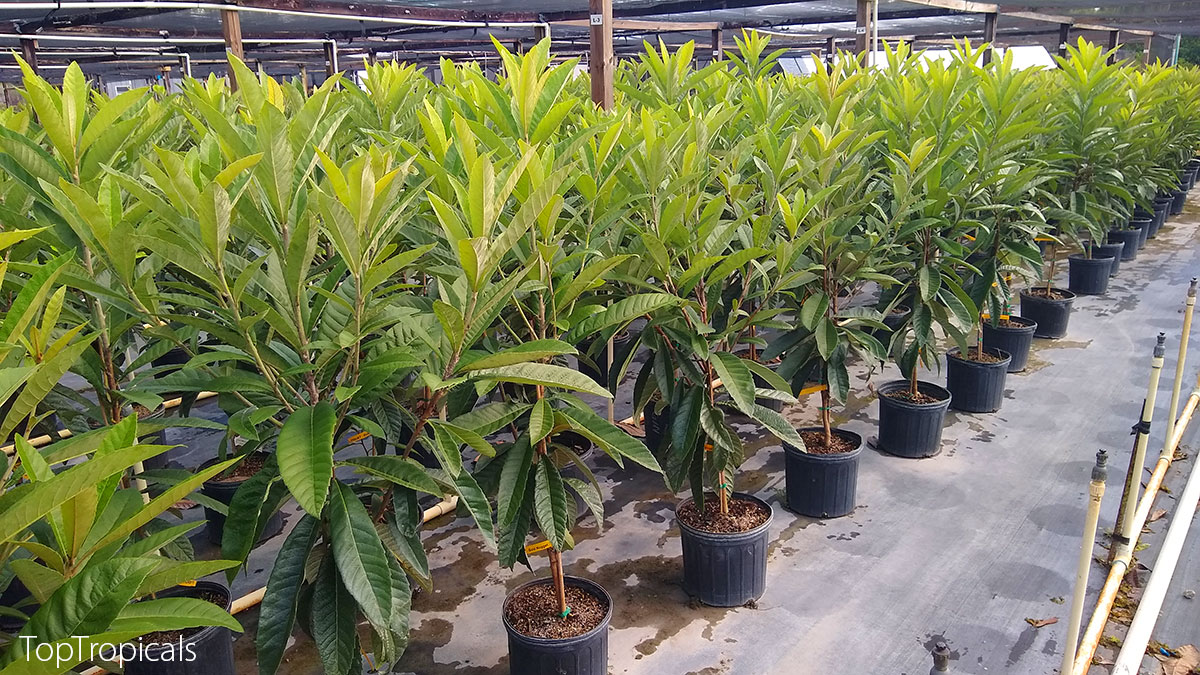
🍑 Loquat - Contains potassium, aiding in fluid balance and blood pressure control.
🍒 Tropical Cherry (Eugenia) - Contains antioxidants and supports healthy circulation.
Date: 7 Oct 2025
🌸 Caring for Winter-Blooming Trees
Tips from Top Tropicals Plant Expert - Tatiana Anderson
When northern gardens fade into gray, our tropicals wake up. Winter is color season here - and even if you live up north, you can still enjoy these same flowering trees indoors or on a sunny patio.
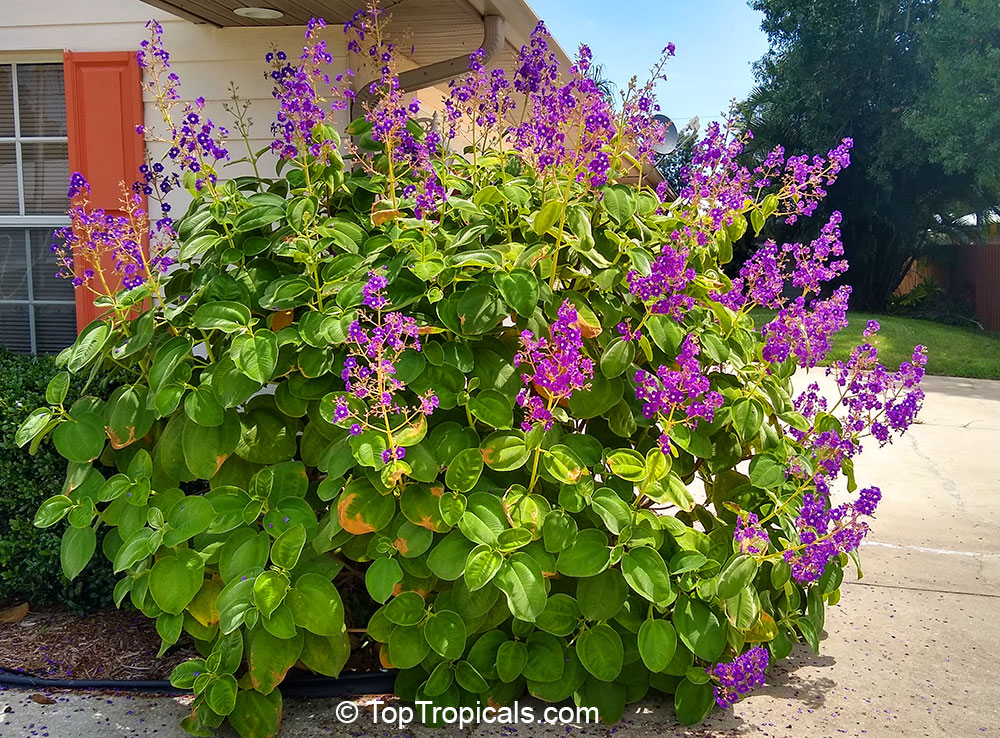
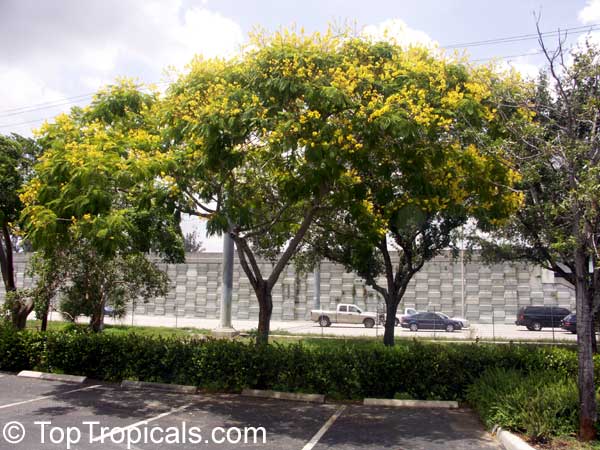
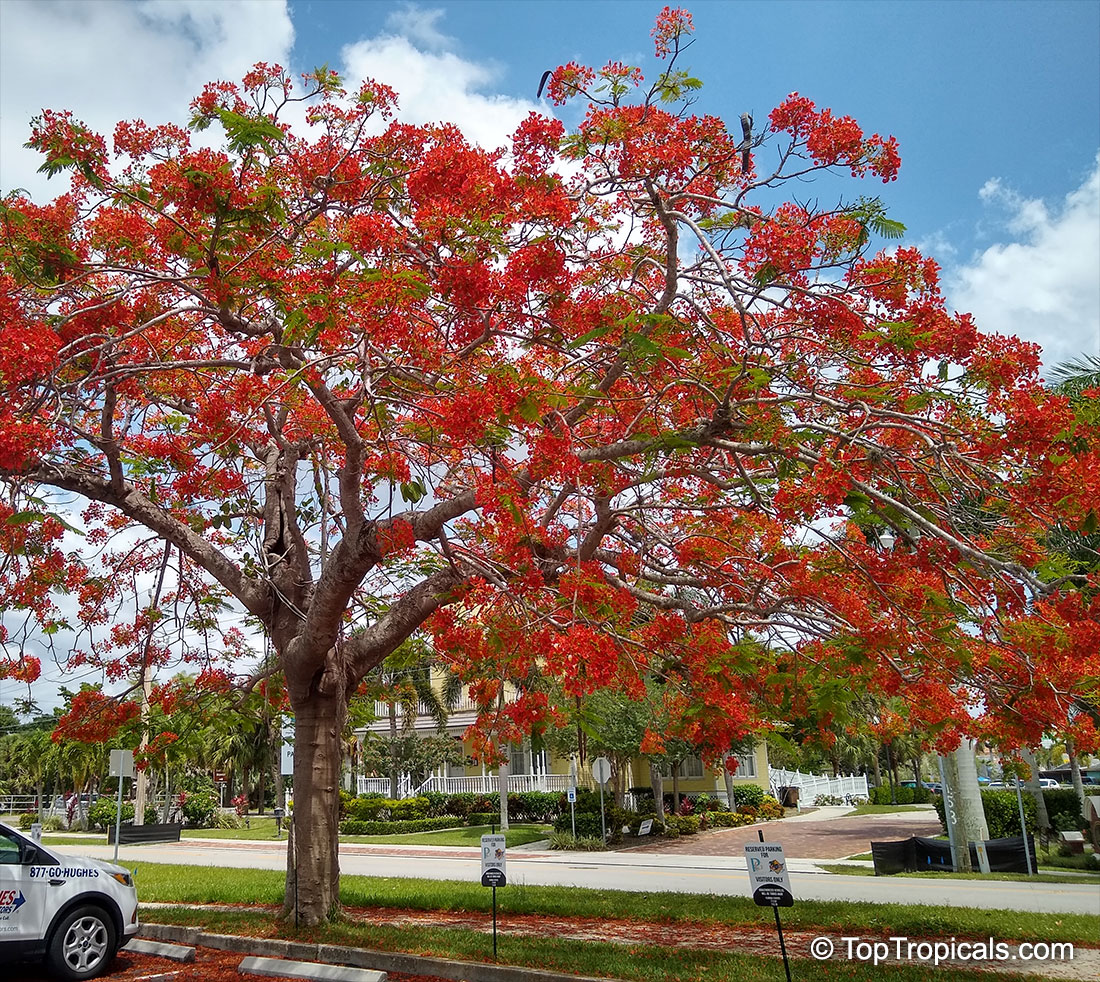
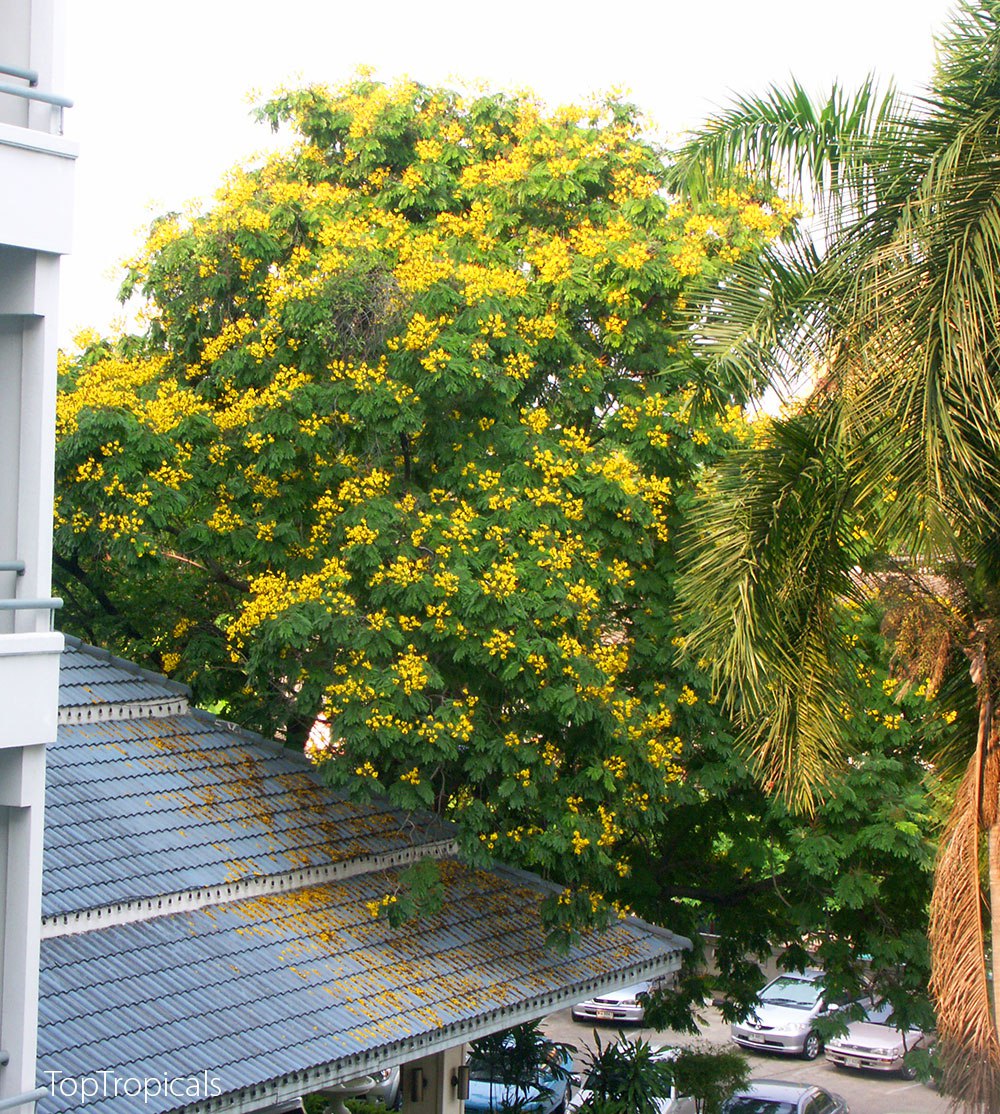
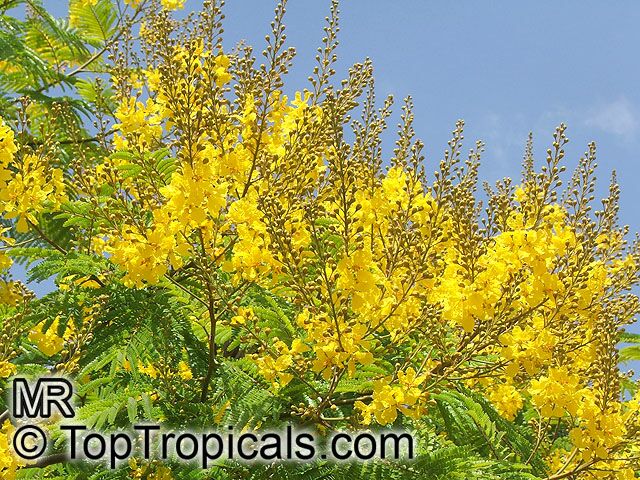
From the fiery Royal Poinciana to the golden Tabebuia and violet Jacaranda, these eight trees prove that winter can bloom anywhere
How to Care for Winter-Flowering Trees
We're often asked, at Top Tropicals, “Can I really grow tropical trees in winter?” Yes — with the right light and care, you can. Here’s what works best both outdoors and indoors, according to our expert, Tatiana Anderson.
🌡️ Fall Planting Guide
Let’s talk about timing, because that’s the part most people get nervous about. Everyone asks: “Isn’t it too cool to plant now?” — and the answer is no! Fall and early winter are actually the best months for tropicals in Zones 9 to 11.
Here’s why: the air has cooled off, but the soil is still warm. Roots love that combination. They quietly spread underground while the rest of the plant takes a break. By spring, those roots are ready to feed a burst of new growth — and that’s when you’ll see the first big flush of flowers.
Pick a sunny spot that gets plenty of light — six to eight hours if you can. Loosen the soil and mix in compost or pine bark so it drains well. Dig a hole about twice as wide as the pot and just as deep. Set the plant level with the ground, backfill, and water it deeply to settle everything in. Then add mulch — two or three inches is plenty — but keep it away from the trunk so it can breathe.
Tatiana’s tip: “Fall planting builds roots while everyone else is resting. By spring, your tree wakes up ready to grow.”
🌳 Outdoor Care (Warm Climates Zones 9–11)
Now, let’s talk about what happens after planting — because real gardening starts once the plant is yours. Tropical trees thrive on routine: steady sunlight, deep watering, and just a bit of attention.
Water them about once a week when the weather is mild, more often if it’s dry or windy. Always check the soil first — if it feels dry two inches down, go ahead and water. Mulch helps more than most people realize — it keeps roots cool in summer and warm in winter, and it saves you from watering as often.
Now, for those of you in Zone 9, here’s the truth: your trees can take a chill, but they don’t love surprises. A quick night in the upper 20s F won’t hurt mature plants, but young ones appreciate a little help — a frost cloth or being planted at the south side.
And don’t underestimate the wind. Cold, dry gusts can burn leaves faster than frost. Use fences, hedges, or taller shrubs as windbreaks, and take advantage of microclimates — those warm pockets next to the house, brick patios, or corners that get extra afternoon sun.
Tatiana’s tip: “A tropical garden in Zone 9 isn’t about fighting nature — it’s about cooperating with it. Find the warm corners, protect from the cold wind, and your trees will thank you with flowers all winter.”
🏚️ Indoor & Patio Care (Cooler Climates)
For our northern friends — yes, you can grow tropicals indoors! You just need good light, warm air, and a little attention.
Pick a large pot, with drainage holes and a light tropical soil mix. Place it in a bright window — south or southwest if you can — or under grow lights for about 12–14 hours a day. Keep temperatures between 65 and 85 F, and water when the top inch of soil dries out.
Misting helps keep leaves clean and adds humidity. Rotate the pot every couple of weeks so all sides get sun. In summer, move your plant outdoors gradually so it can enjoy real sunlight — then bring it back in before nights drop below 40 F.
Tatiana’s tip: “Don’t be afraid of growing trees in pots. They adapt beautifully — just select the right trees and pay attention to their needs.”
✔️ Learn more: Secrets of Winter planting - tropical planting breaks the rules.
🎥 Watch short videos about Winter Bloomers:
💲 Special Offer – 20% off Winter Bloomers!
Get 20% OFF winter bloomers with code
BLOOM2025
Min order $100. Excluding S/H, valid online only, cannot be combined with other offers.
Hurry, offer expires October 13, 2025!