Garden Blog - Top Tropicals

Date: 16 Jun 2019

Repotting Artocarpus with a taproot in ground
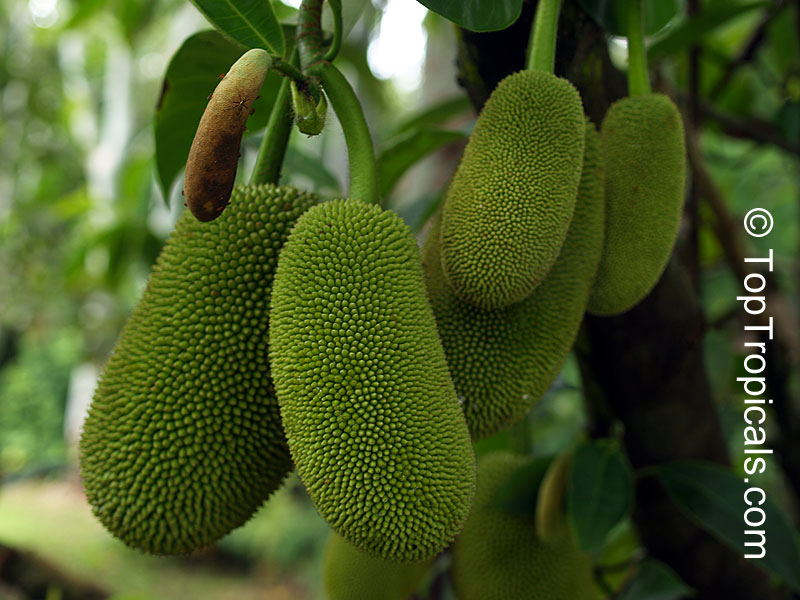
Q: The Chempedak I bought from you almost 3 years ago which I had repotted twice has a thick taproot growing in the ground, which I noticed this past winter. I was going to repot into the largest size pot almost half of a 55-g rain barrel. Can I try to dig/save as much of the taproot before repotting, will it die if I had to shorten/cut what I can't dig out completely? I hate to put it in the ground for fear it may not make it when we have severe cold/long hours of frost. I live in west Cocoa, Central Florida, 9b.

A: Yes, you can repot the tree and keep it in reasonable size container after trimming the roots. Most of the tropical trees (fruit trees not an exception) can be grown in containers even if in Nature they grow into vigorous large trees. The key is, trim the roots every time you transplant it. The process is similar to trimming branches and both don't hurt the plant as long as done right and moderately. You should trim the overgrown and spreading limbs at the same time. You may trim as much as 10% off root system at the time of repotting. This will cause the root system to branch out and become fuller, similar to branches, which is a good thing. If a tree grows a taproot like in your case, it is not necessary to try "saving" and digging out the whole root that may go down for a few feet. You may cut it off without major damage to the tree since the rest of its root system will continue to support the plant metabolism. Just keep in mind that the plant will be stressed for a while - so put it in bright shade and water regularly until signs of stress go away (wilted or dropping leaves may occur). This particular type of tree - Artocarpus - is pretty strong and vigorous so the stress should be minimal.

Date: 13 Jun 2019

How to get Strophanthus tree to bloom?

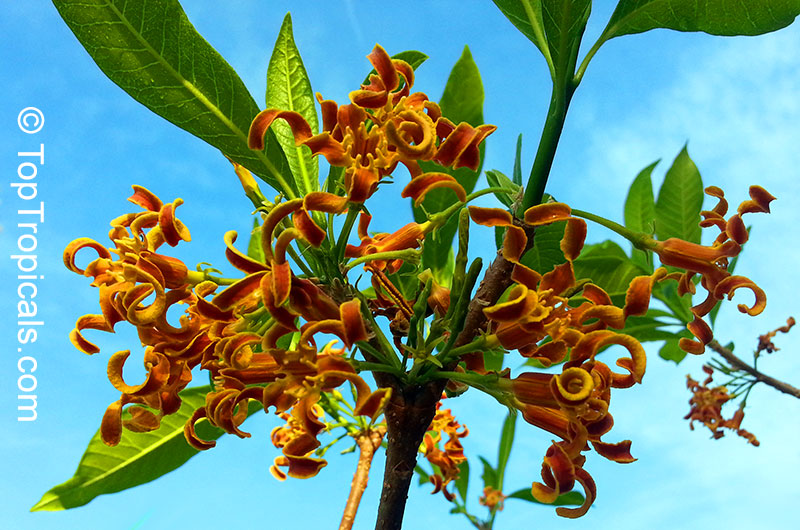
Q: I purchased from you three of these plants - Strophanthus bovinii and I wonder if you could help me. The plants are out of control growing large limbs to the sides and I would like it to grow more upright. Is this possible? Second, it does not flower. What type of fertilizer should I use and how often? How about the watering schedule? I have them in an eastern exposure but possibly they are not getting enough sun? Right in front of them, there is a large tree outside the curb of my house. What should I do about that?

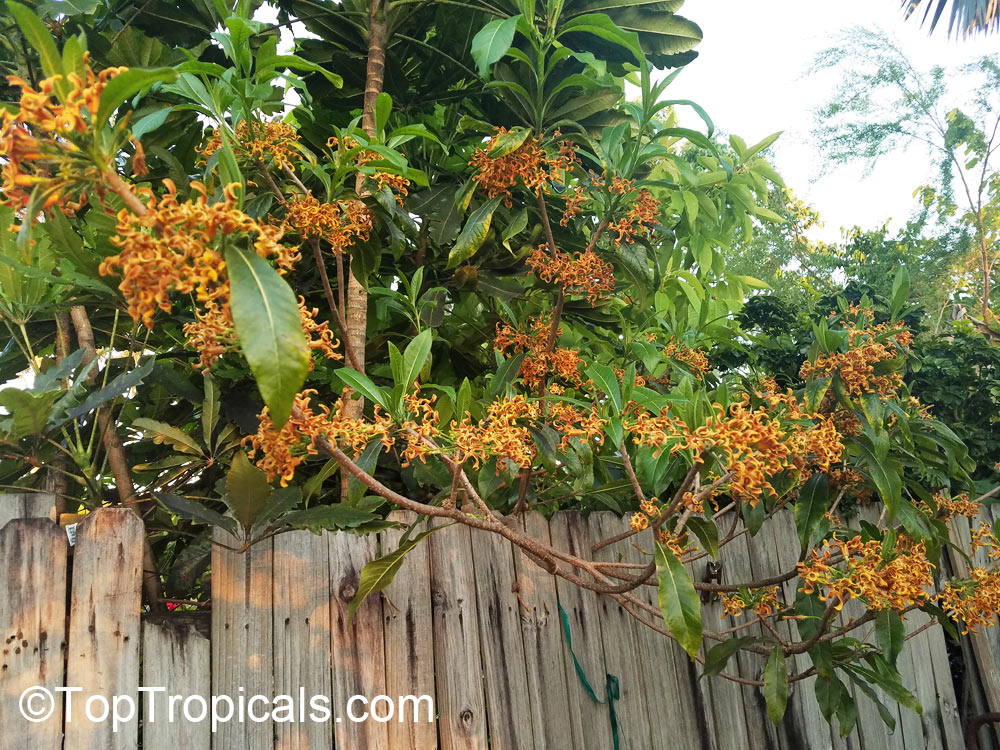
A: Strophanthus bovinii - Wood shaving flower, is quite a unique plant that is very rare in cultivation, this is why very little information is available on its cultivation due to limited experience among gardeners. We have had this plant in our garden for over 12 years and this is what we can advise.
In the nature (Madagascar) it supposedly grows into a large tree, however, from our experience, it tends to be rather bushy, umbrella-like large shrub. Yes, you can train it into a tree by trimming branches growing side-wise, and by removing lower branches. The best time for pruning is early spring when the tree starts new growth and re-leafs (it is semi-deciduous). As far as flowering, the plant is very particular about blooming season, with profuse flowering in Summer (here in SW Florida), however it may produce more flowers sporadically throughout the year.
It thrives in full sun but will tolerate bright filtered light. If a large tree is shading it too much, try to trim some limbs of that large tree to allow more light. Water needs of Strophanthus bovinii are very moderate, so you can rely on your sprinkler system or water once a week for established plants.
You should use 2 types of fertilizers - slow release (once a month) and water-soluble bloom booster (frequent applications are safe):
Pink N Good Daily Plant Food - Flower Booster
Tropical Allure - Smart-Release Booster

Date: 8 Jun 2019

10 trees to graduate

A new law hopes to fix deforestation and teach young people about environmental stewardship. Students in the Philippines now have a final requirement in order to graduate from school: they must plant 10 trees. The new law, which came into effect on May 15, 2019, will apply to graduates from elementary and high schools, and college or university.
With 12 million kids graduating from elementary school, 5 million from high school, and 500 thousand from university every year, that means 175 million trees will be planted annually! Over the course of a generation, that will mean 525 billion trees, although Alejano has said that even if only 10 percent of the trees survived, that's still an impressive 525 million in a generation!
It sounds like the Philippines has introduced a wonderful program that other countries would do well to emulate. Anything that gives young people a sense of connection and responsibility for the natural environment bodes well for its future... Continue reading...

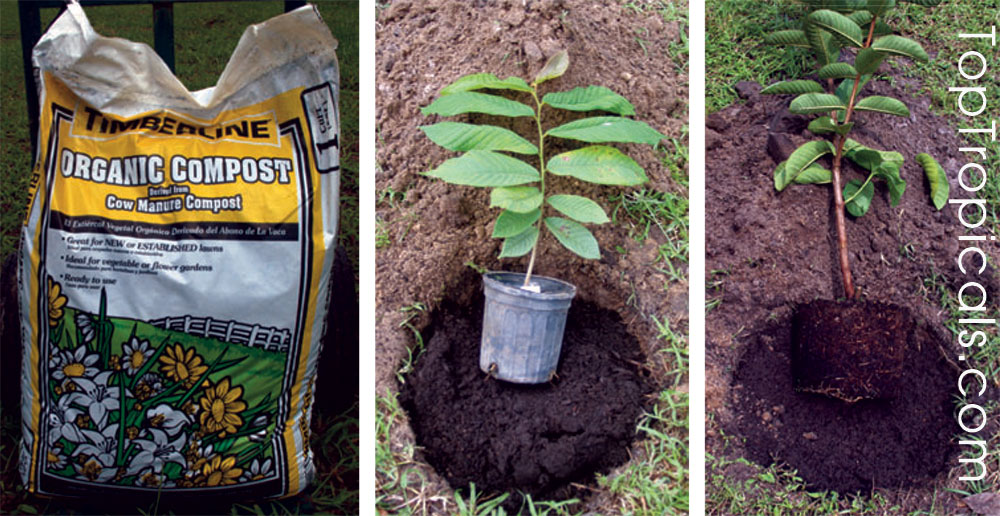
See Tropical Treasures article: How to Plant a Tree (pdf file)

.

Date: 17 May 2019

Grafted Guanabana - what is the trick?

TopTropicals.com

Q:Should I buy grafted Guanabana or a seedling? It is a big price difference. I have heard that Annonas fruit within 3 years from seed, why do I need a grafted tree?

A: Annona muricata - Guanabana, or Soursop - is known as the best tasting Annona fruit. Many fruit lovers and gardeners want to have this tree in their plant collection, and the first question they always ask is: "How soon will it fruit? I can't wait to enjoy its deliciousness!"
Most Annonas start flowering and fruiting at a young age, 3-4 years from seed. Annona muricata seedling takes longer. You may read more information on how to grow Guanabanas from seed, even in a pot, even indoors - in Tropical Treasures Magazine issue # 7. Although it may take up to 15 years to see the fruit...
Now we have a solution to get this fruit sooner - a grafted tree! It will fruit within a year after planting. The secret of grafting Guanabana was almost lost (it's a tricky one to graft) and grafted plants were nearly impossible to find. Now we have them! Quantities are limited.
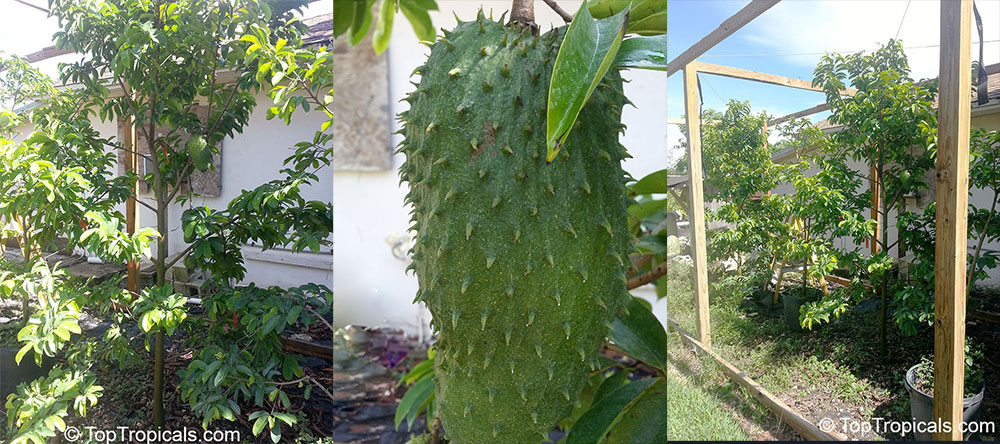
Keep in mind that Guanabana is very cold sensitive and won't tolerate even light freeze. However it is still relatively easy to grow even in subtropical areas: the tree is small, and if tree grown in ground, a simple cold protection structure can be built around it using basic wood or pipes (metal or PVC) and covered with plastic for a few weeks of cold weather. Grafted Guanabana is also a perfect choice for container culture (hand-pollinating maybe required).

Photo: This grafted tree was planted less than a year ago, and was covered in winter with cold protection for about 8 weeks. Within a year, it has 4 large fruit on it!

Date: 5 May 2019

Growing Noni tree for fruit

TopTropicals.com

Q: I would like to buy a noni tree, something that would produce much fruit as soon as possible. I live in NJ, would you ship here?

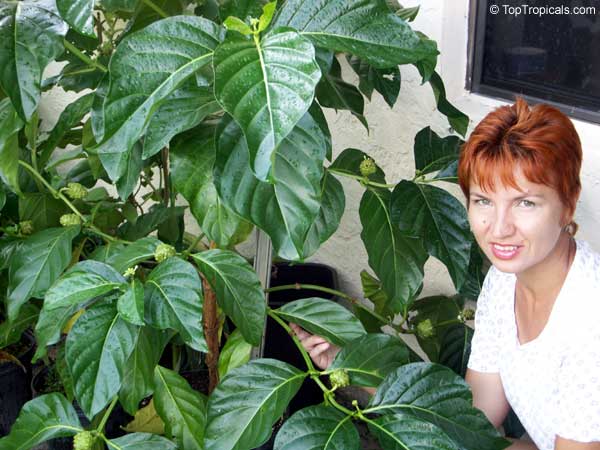
A: Noni is one of the most suitable fruit trees for potting culture. A 1-3 gallon size plant will flower and fruit for you within a year. These are Noni's special features:

- flowers and fruits at young age, nearly year around
- tolerates shade and grows large ornamental leaves in filtered light
- suitable for indoor culture
- easy in cultivation, drought and water tolerant, not susceptible to insects
- medicinal properties are endless and cannot be under-appreciated

This plant can be shipped to any state, and will produce fruit for you under minimal care. Just provide warm frost-free conditions, as this tropical tree is very cold sensitive.

Read more about Noni...