Garden Blog - Top Tropicals

Date: 1 Apr 2020

Nature's pharmacy: Star Anise or Tamiflu will beat the flu?

by Onika Amell, tropical plant expert

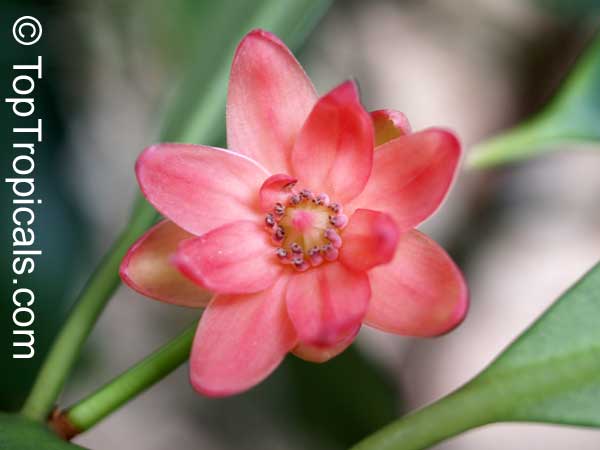
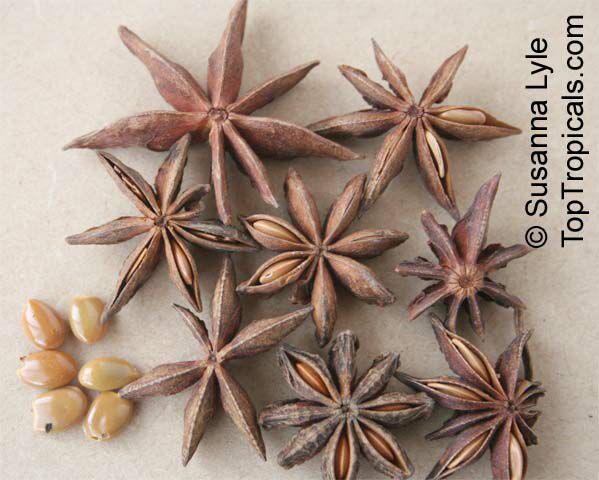
Star Anise - Illicium verum - gets its name from the star shaped fruit... with many culinary uses. So many international dishes get their unique flavor from this wonderful spice. Any lovers of wonderful Vietnamese noodle soup "Pho" out there? Did you know that beautiful, aromatic spiciness in the broth derives from this very plant? In fact, it is the signature flavor of Pho!

Not only does this spice shine in the kitchen, but it has amazing health benefits. It contains shikimic acid, which is a vital component of the influenza-fighting drug Tamiflu! It boasts with antioxidants and vitamin A and C, which help to fight free radicals responsible for premature aging and diabetes. The oil derived from this plant contains thymol, terpineol and anethole, which is used to treat cough and flu. In addition, drinking Star Anise tea will help digestive issues such as bloating, gas, indigestion, constipation and nausea. It is one of the main ingredients of Masala Chai...

CONTINUE READING >>

Date: 20 Mar 2020

Back to Earth Check List

1. Stay calm. Remember, it's not the problem that creates the biggest problem; it is our reaction to it.
2. Focus on positive. Do not dwell on things you can't change. The Universe will unfold as it should, and your happy thoughts will provide the guidance.
3. Get connected with the Nature. It has all the answers. Go outside and see the Sun, the Sky. Now it is finally the time to smell the flowers.
4. Bring simple good things in your every day life. Like a simple food recipe, or a good movie with a happy end.
5. Connect with friends and talk only about nice things (remember 2)
6. Start a vegetable and fruit garden. Begin your sustainability with herbs at the end of this email. We will help you step by step in our next letter.
7. Go to bed with happy thoughts. Together, we will make it.

"The best way out is always through" - Robert Frost -

Date: 16 Jan 2020

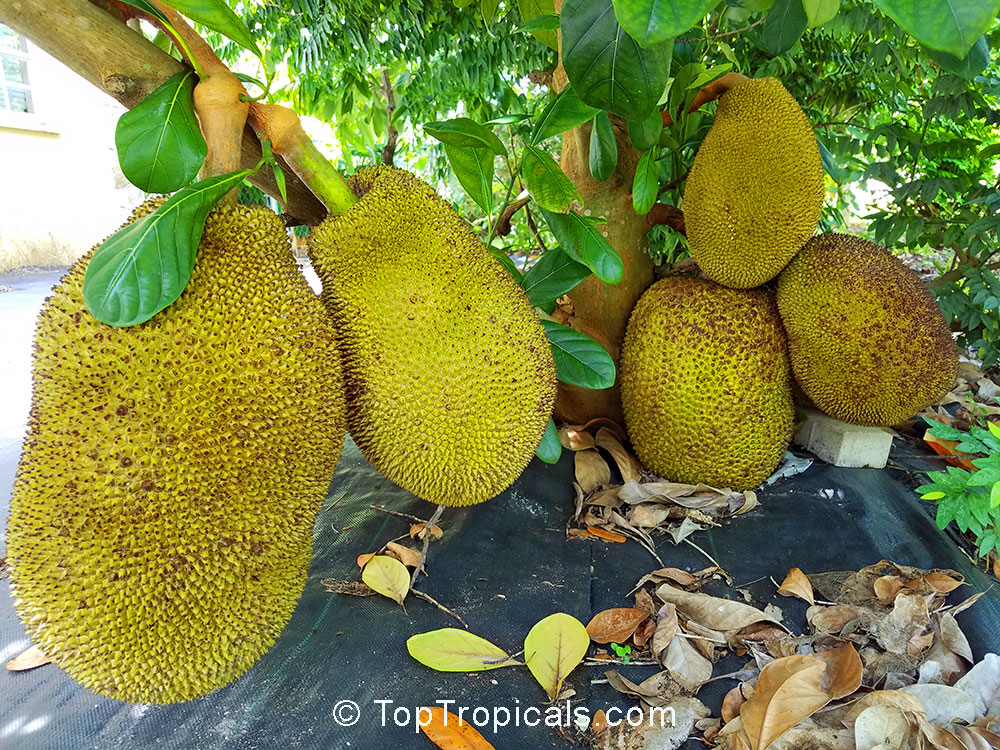
Jack-edak - Cheena

Artocarpus x integer (Jackfruit x Chempedak)

by Mark Hooten, the Garden Doc

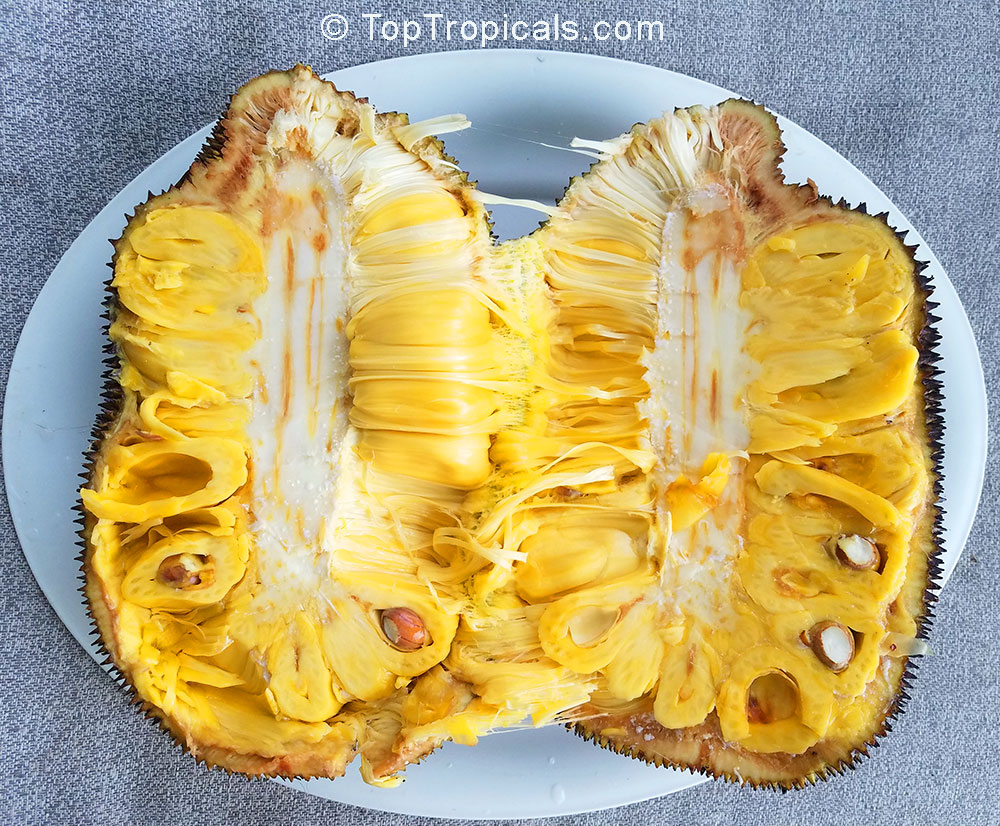
...While pure Jackfruits develop bulbs which are somewhat larger by comparison, those of the Jackfruit/Chempedak hybrid Cheena (which I call "Jack-edak"), are more numerous and have a much smaller ratio of inedible "packing material" around them than the pure Jackfruits. They're also easier to cut open, having much less dripping latex than regular Jackfruits. The tightly packed bulbs are tender, juicy, and basically fiber-less, having a flavor we find very similar to really good Sugar Apples, yet even richer and more complex. My son has used it for making what several friends have described as the best chutney of all-time!..

CONTINUE READING >>

Date: 11 Oct 2019

Fun of growing your own Pepper
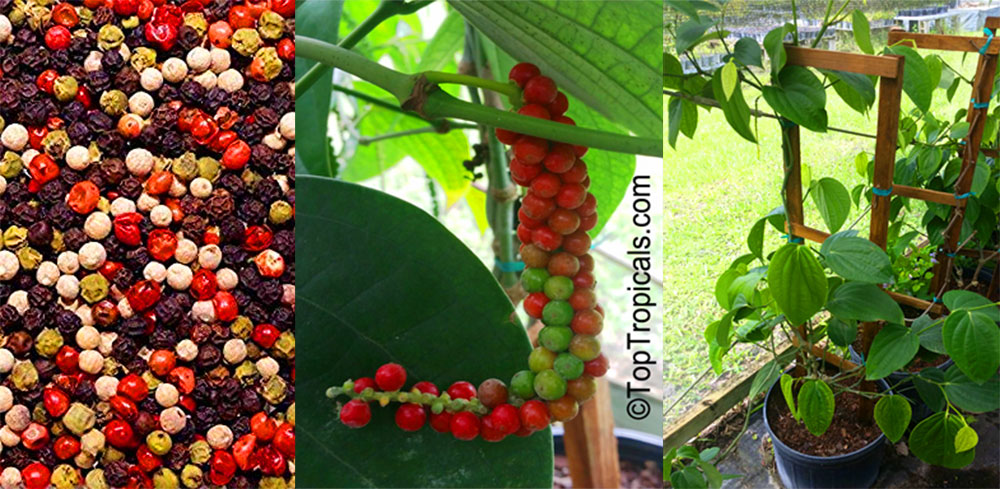
By Onika Amell, tropical plant specialist

Q: Can you grow your own black pepper plants in the USA?

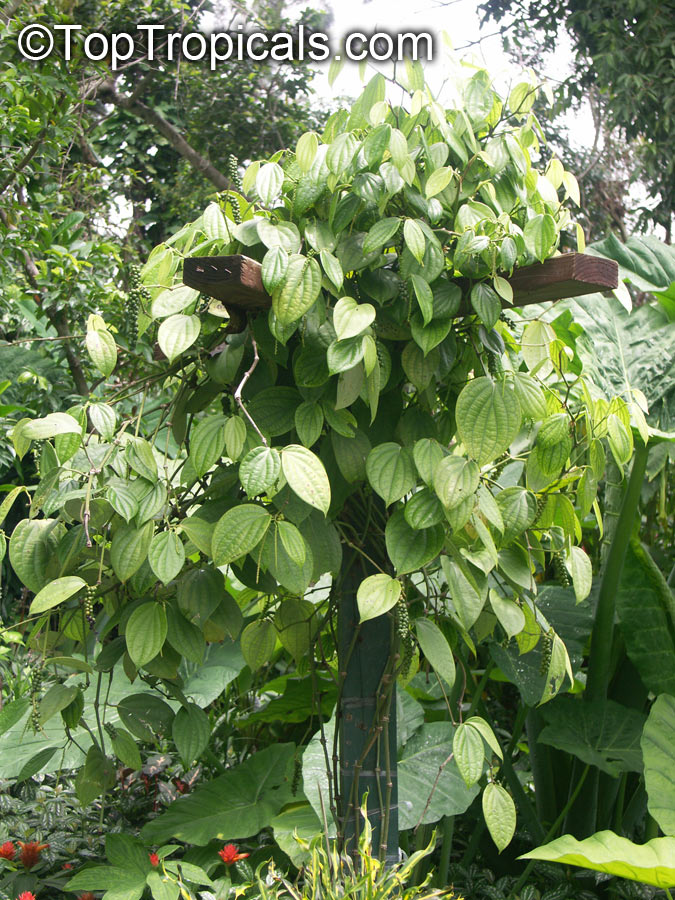
A: Who does not love the smell of freshly ground pepper, especially that lovely combination of white, green, black and red peppercorns, which are so much more interesting than just plain black corns. Yes, you can absolutely grow your own pepper! Peppercorns come from the plant Piper nigrum.

Growing Pepper Plant

Black pepper plants are actually vigorous vines, although they are pretty slow growing and can be kept in a pot as a compact plant. But they will need a strong support to climb over. Indoors, you can provide this support by installing a trellis in a large pot. Some gardeners prefer to grow them as a hanging plant instead. In warm climates, you can plant them directly outdoors in a protected location with partial shade. These plants need rich, moist, well-draining soil and warm, humid conditions. Peppers do not like temperatures below sixty degrees, although they can survive some cold spells. It is very important to bring these plants indoors or wrap them in a blanket if colder weather arrives.
If you live in colder parts of the country, you can certainly grow peppercorns in large pots. Grow them outdoors during the summer and move them indoors during the winter, or grow them year-round in your greenhouse. Houseplants will need bright light and consistent moisture. Spray the leaves regularly with a bottle of water to increase humidity. Do not allow room temperatures to fall below sixty degrees.
Besides the benefit of being able to grow your own gourmet pepper corns, the foliage, as well as the flowers on this plant, are beautiful in its own right. Off-white flowers appear from spring through summer, followed by slow fruit production. The berries will appear on spikes, with 50 to 60 berries per spike.

Fertilize this vine in the spring before new vigorous growth emerges. We recommend:
Tropical Greenhouse Plus - Plant Booster
Tropical Allure - Smart-Release Booster

You may be surprised to learn that black, white, green and red peppercorns are all the same seed on the same plant in the various stages of development and processing.

Black peppercorns are the most familiar and come from the corns that have reached their full size but are still green and not quite ripe. They are picked and allowed to dry in the sun. Enzymes in the berries cause the skin to turn black during the drying process. They are the strongest in flavor.

White peppercorns are the mature berries that ripen to a red color before being picked. After harvesting, they are soaked and rubbed free of the outer skin down to the smooth white underlayer, then dried and bleached by the sun. They are slightly milder than black pepper.

Green peppercorns are the unripe peppercorns picked at the same stage of ripeness as black peppercorns, but not allowed to dry. They can be pickled in vinegar or brine. They are the least pungent.

Red peppercorns are the mature, but unshelled version of the peppercorn. One can usually find them in some gourmet and health food stores. They can be quite expensive.

Ground pepper will only stay fresh for about three months, but peppercorns will last indefinitely. To make the most of your pepper harvest, store the peppercorns in an airtight container in a cool, dark location. Grind them immediately before use for the best flavor.
There is nothing like freshly ground black pepper simply combined with a good quality olive oil and a splash of balsamic vinegar. This makes a wonderful dipping sauce for fresh bread. Simple, yet elegant. All the better if the pepper was grown in your very own garden!

Date: 7 Oct 2019

Fertilizing in Winter?

Q: I'm a bit confused about what winter fertilization schedule I should follow in South Florida. For blooming plants, usually, I use a monthly granular bloom booster fertilizer as well as a liquid fertilizer every 10 days or so. Should I continue that schedule in the winter as well? Should I stop fertilizing altogether in the winter? How about fruit trees? What fertilization schedule should I follow in the winter?

A: Here is a general fertilizing schedule for established plants that we follow here in SW Florida.
The rule of thumb is, do not fertilize (with macro- NPK elements) when minimum temperatures drop below 65F and stay at that level for more than 7 days. At this temperature point, most of the tropical and subtropical plants slow down their metabolism and some of them going into dormancy. This means, nutrients are not consumed as much as during active growth period, and built-up nutrient supply within a plant plus whatever is available in the soil is just enough to get by through the winter. So additional fertilizing is not necessary. You may continue micro-element supplements and bio-stimulants throughout the year. In fact, it is highly recommended to do so, to help the plant survive cold spells. These are very effective tropical plant protectors:
SUNSHINE-Epi - Brassinosteroid plant hormone
SUNSHINE-Power-Si - Advanced plant protector with Silicon
SUNSHINE SuperFood - Complex microelement supplement

This rule is applied to both flowering and fruiting plants, in general. However, some species are winter-flowering and winter-fruiting. For those, you can make an exception and provide extra nutrients for flowering and fruiting, as long as the weather stays warm. During cold spells, avoid any NPK fertilizers and use only bio-stimulants and micro-elements. If you apply NPK during cold, it won't be consumed by a plant, build up in the soil, and may create a root burn situation.

In simple words, fertilize from March to October. Give plants some rest from November to February.