Garden Blog - Top Tropicals

Date: 10 May 2024

5 best plant gift ideas for any occasion

These plants are large, developed and beautiful NOW!
Chonemorpha  fragrans  -  Frangipani  vine

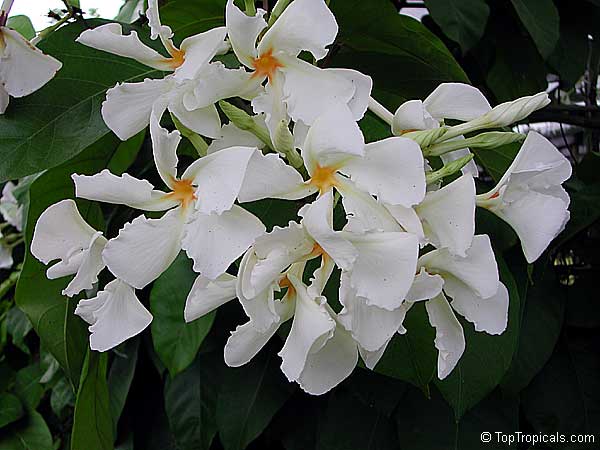
The Chonemorpha fragrans, also known as the Frangipani vine, is truly a botanical marvel. With its exquisite clusters of perfume-fragrant, large flowers and lush green foliage, this vine captivates with its beauty and charm. Not only does it adorn gardens with its elegant presence, but its intoxicating scent also fills the air, creating a sensory delight for anyone nearby. The leaves, reaching up to 12 inches in size, further enhance its appeal. As a large, woody vine, it requires sturdy support such as a fence or robust structure to thrive, adding to its majestic presence in any garden landscape or indoor setting.
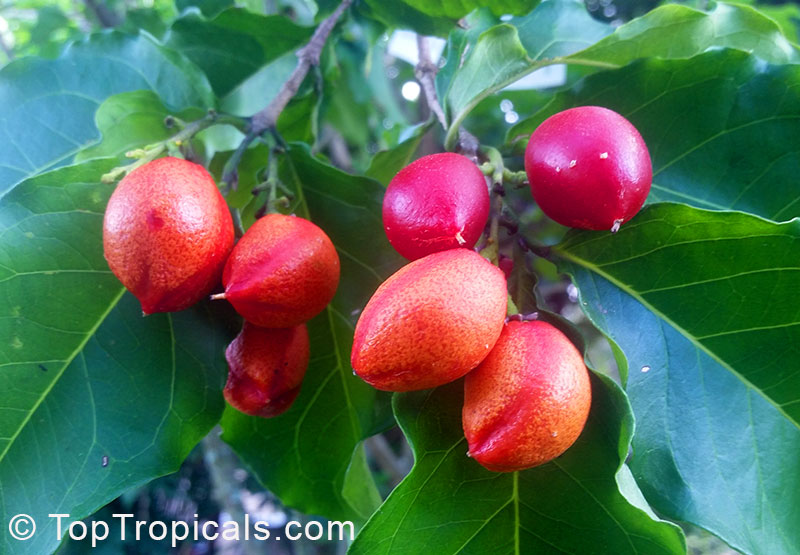

Bunchosia  argentea  -  Peanut  Butter  Tree

Bunchosia argentea - Peanut Butter Tree - gets its name because its small fruits taste like peanut butter. Isn't that cool? This attractive small tree has clusters of yellow flowers that are followed by an abundance of dark red fruit. The rich, sweet flesh has a texture very similar to peanut butter. Yes, it tastes exactly like peanut butter! Sweet, soft pulp with a peanut flavor. One of the most fascinating exotic fruits, as amazing as Miracle fruit, Peanut Butter Fruit is loved by both kids and adults. The tree is small in size, grows only 10-15 ft, or can be kept as a bush. It starts fruiting within 2-3 years from seed! Keep it in a pot if you have limited space; it can be grown indoors, too. Very rare in cultivation.
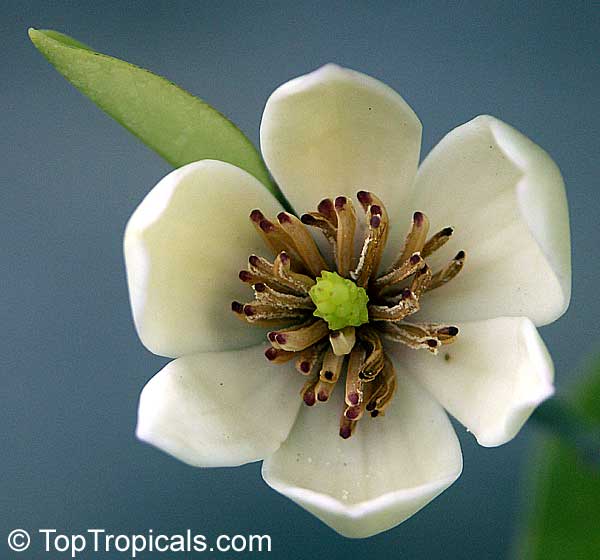

Magnolia  Michelia  figo  -  Banana  Magnolia

Magnolia figo commonly known as the Banana Magnolia, is a botanical wonder. Its creamy yellow, banana-shaped flowers release a sweet, fruity fragrance that fills the air with a delightful aroma (slightly resembling banana), making it a standout among flowering shrubs. The glossy, deep green foliage provides an elegant backdrop to the striking blooms, further enhancing its visual appeal. Growing up to 10 feet tall, this dense and bushy evergreen shrub or a small tree adds a touch of sophistication to any landscape, whether as a focal point in a garden bed or a graceful accent in a container. As a very cold-hardy tropical plant, it thrives in zones as low as zone 8. Great container plant.
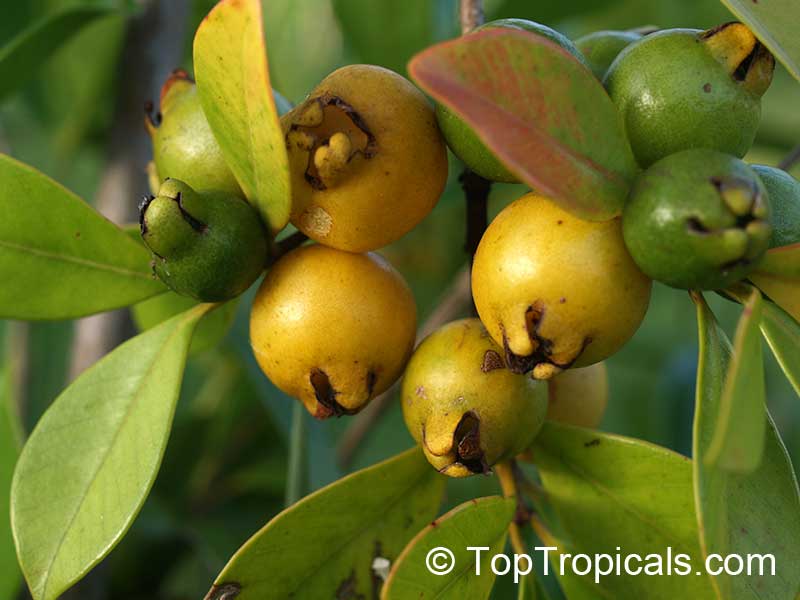

Cattley  Guava  tree,  Psidium  littorale

The Cattley Guava, scientifically known as Psidium littorale, is a delightful small tropical fruit tree that adds both beauty and flavor to any landscape. With its pretty round fruits - miniature guavas - this tree offers a unique culinary experience. The fruits boast a sweet and tangy flavor, making them perfect for jams, jellies, and desserts. You can make lots of guava juice just out of one tree! Cattley Guava is not only a tropical delight but also surprisingly cold-hardy plant. Great container fruit tree.
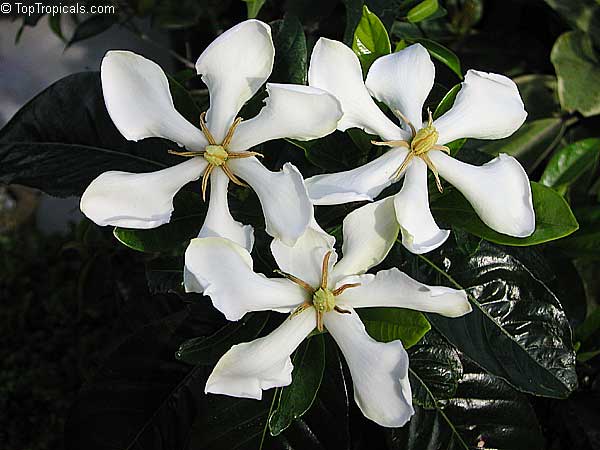

Gardenia  (Kailarsenia)  vietnamensis  -  Vietnamese  Gardenia

Kailarsenia vietnamensis - Vietnamese Gardenia, is a stunning botanical treasure. It stands out for its large, fragrant flowers and remarkable ease of cultivation. Unlike most gardenias that can be not easy to grow, this variety demonstrates resilience, tolerating overwatering, poor soils, and showcasing exceptional cold hardiness. The flowers are like beautiful artworks, and they give off a lovely smell that fills the air. Whether grown in containers or planted directly in the ground, this bushy beauty thrives, offering versatility and charm to any garden or indoor setting. Learn more about Vietnamese Gardenia.
Date: 26 May 2024

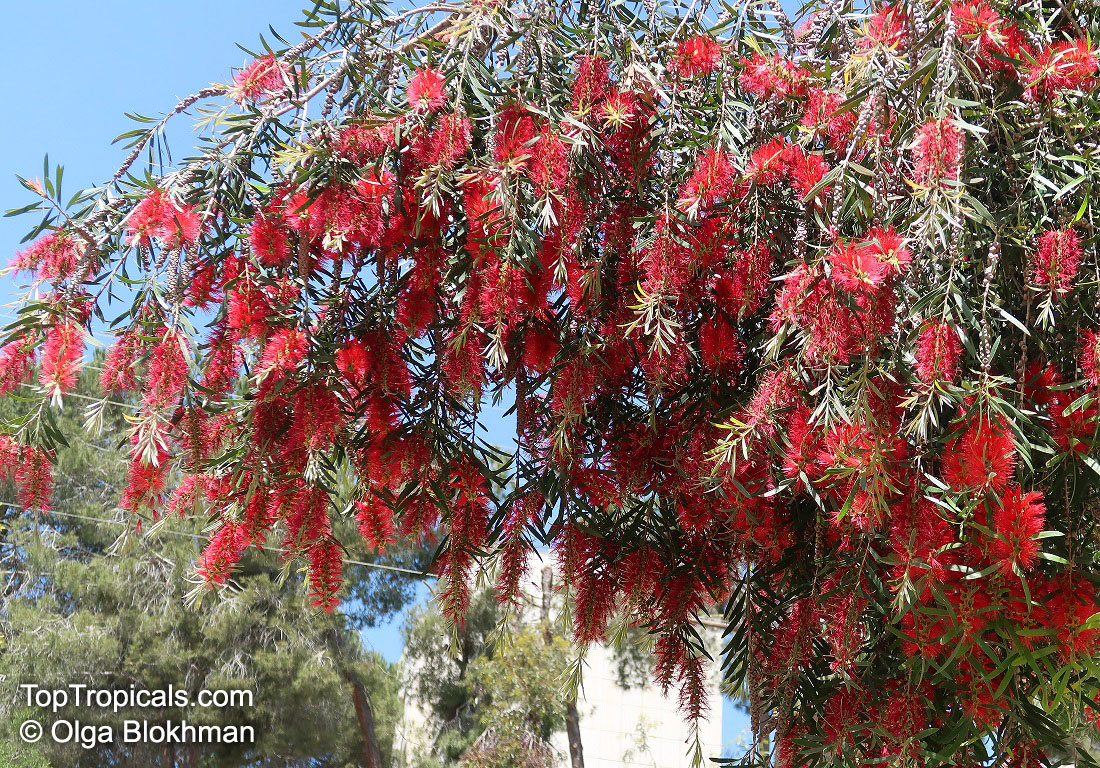
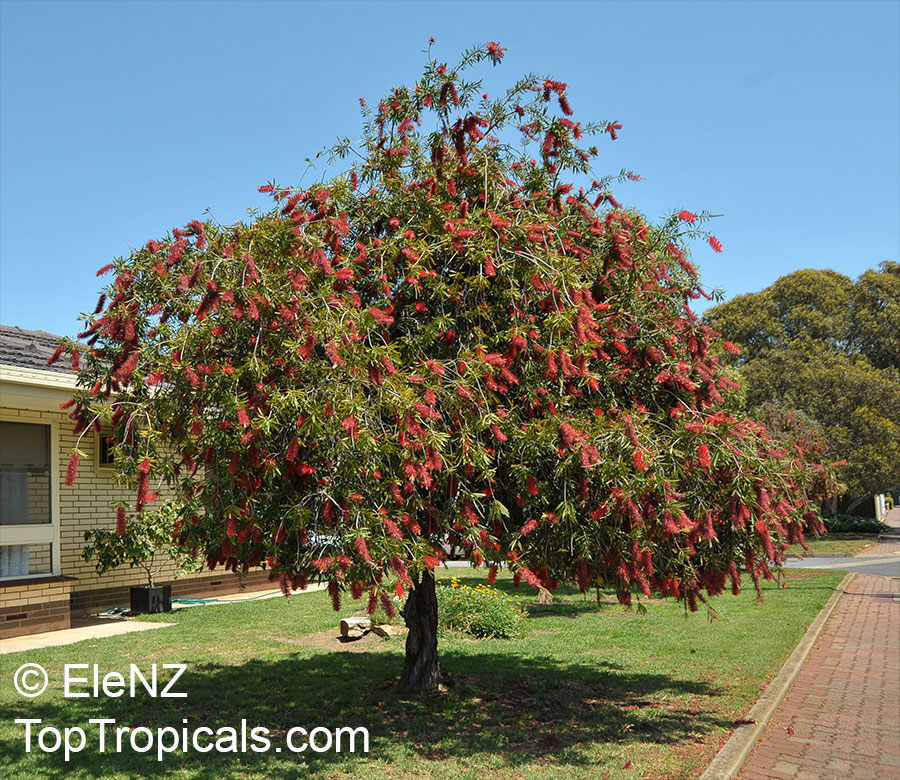
How to grow Bottle brush trees

Callistemon  -  Bottle  Brush  Tree

Q: Please recommend me a cold hardy flowering tree that doesn't need much care.

A: Growing bottle brush trees (Callistemon spp.) can be a rewarding experience, as they are known for their striking, brush-like flowers and ability to attract pollinators. Here are some detailed tips to help you successfully grow and maintain these trees.

Hardiness

Bottle brush trees are best suited for USDA hardiness zones 8-11. They thrive in warm climates and can tolerate some light frost, but severe cold can damage or kill the plant.

Planting Location

Sunlight: Bottle brush trees require full sun to thrive. Ensure they get at least 6-8 hours of direct sunlight per day.
Soil: They prefer well-draining soil. While they are relatively tolerant of poor soil conditions, a sandy or loamy
Space: Consider the mature size of the tree when planting. Some species can grow quite large, so provide enough space for them to spread without being crowded by other plants or structures.

Attracting Pollinators

Bottle brush trees are popular with pollinators. Their bright, nectar-rich flowers attract bees, butterflies, and birds, particularly hummingbirds. This makes them an excellent choice for a garden designed to support local wildlife.

Blooming and Fertilization

Bottle brush trees typically bloom in late spring to early summer. However, in mild climates, they may have sporadic blooms throughout the year.
Fertilization: While bottle brush trees do not require heavy fertilization, applying a balanced, slow-release fertilizer in spring can promote healthier growth and more abundant blooms. Be cautious not to over-fertilize, as this can lead to excessive foliage growth at the expense of flowers. During the year, use |find_name=Sunshine Boosters Megaflor(Sunshine Megaflor)| - it is safe to use with every watering, year around.

Watering

During the establishment period, keep the soil moist. Once established, they are quite drought-tolerant but will benefit from regular watering during dry spells.

Pruning

Prune after flowering to maintain shape and remove any dead or diseased branches. This also encourages bushier growth.

By following these guidelines, you can enjoy the beauty and benefits of bottle brush trees in your garden. Their vibrant flowers and attraction to pollinators make them a delightful addition to many landscapes.

Callistemon  -  Bottle  Brush  Tree

Date: 13 Jun 2024

The truth about Ladybugs in your garden life

The truth about Ladybugs in your garden life The truth about Ladybugs in your garden life The truth about Ladybugs in your garden life

🐞 The truth about Ladybugs in your garden life


Q: I have Ladybugs in my garden, I wonder if they are eating my plants? Do I need to get rid of them?

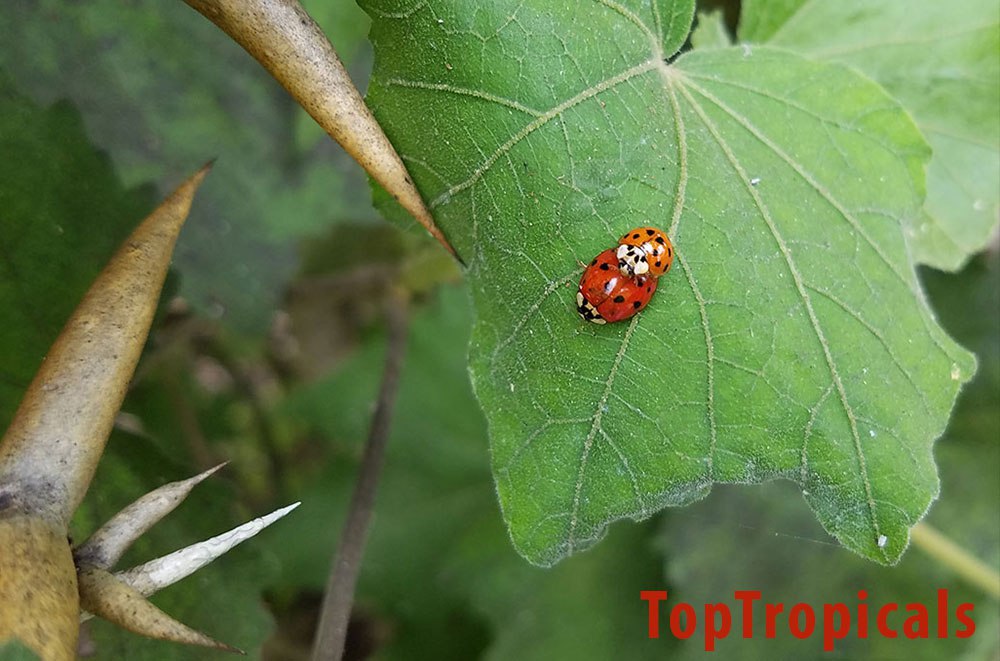
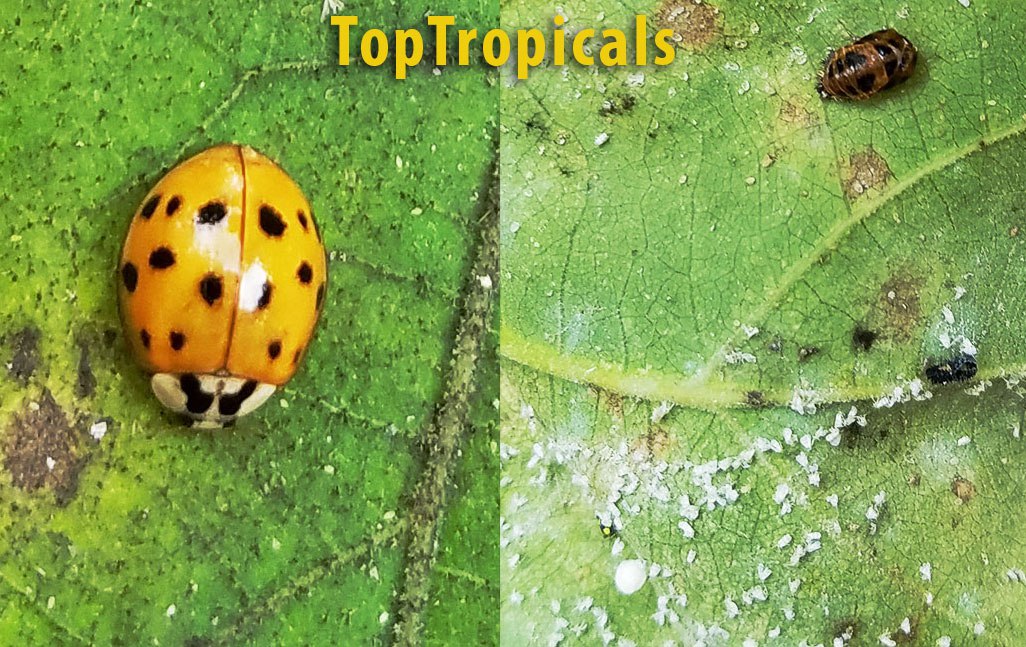
  • 🐞 Ladybug (Harmonia axyridis) is, in fact, one of the best insects you can find in your garden, it is a natural predator that takes care of many bad bugs, including aphids

  • 🐞 Keep Ladybugs happy and bring them to your garden!

  • 🐞 Ladybugs actually are cultivated as natural pest control, and you can even buy them for your yard, instead of chemicals!


📸
1. Love life of Ladybugs
2. Ladybug larvae eating aphids.
3. One of our #PeopleCats, "innocent" Ladybug (a.k.a. Bug) is wondering who else she can bug next...

#How_to

🏵 TopTropicals

Date: 15 Jun 2024

Happy Fathers Day - June 16!

Happy Fathers Day - June 16!

Happy Father's Day - June 16!


❤️ Have a perfect day with dear friends, loving family, and healthy meals.

Consider growing a #Food_Forest to add some good stuff to your diet 🍌🍍🌶🍒🥭

💥 Use this discount coupon for any plants you want:

FATHERS2024

Your savings with this code:
5% off orders $100+
10% off orders $150+
15% off orders $200+
Excluding S/H. Exp. 6-17-24

🎁 Last minute gift shopping: get a Top Tropicals Gift Card with 15% bonus value.

🛒
Shop Fruit Trees and Edibles

🏵 TopTropicals

Date: 16 Jul 2024

Wonder why Horny Wonder?

Ceropegia ampliata - Horny Wonder

Ceropegia ampliata - Horny Wonder

⚡️ Wonder why Horny Wonder?


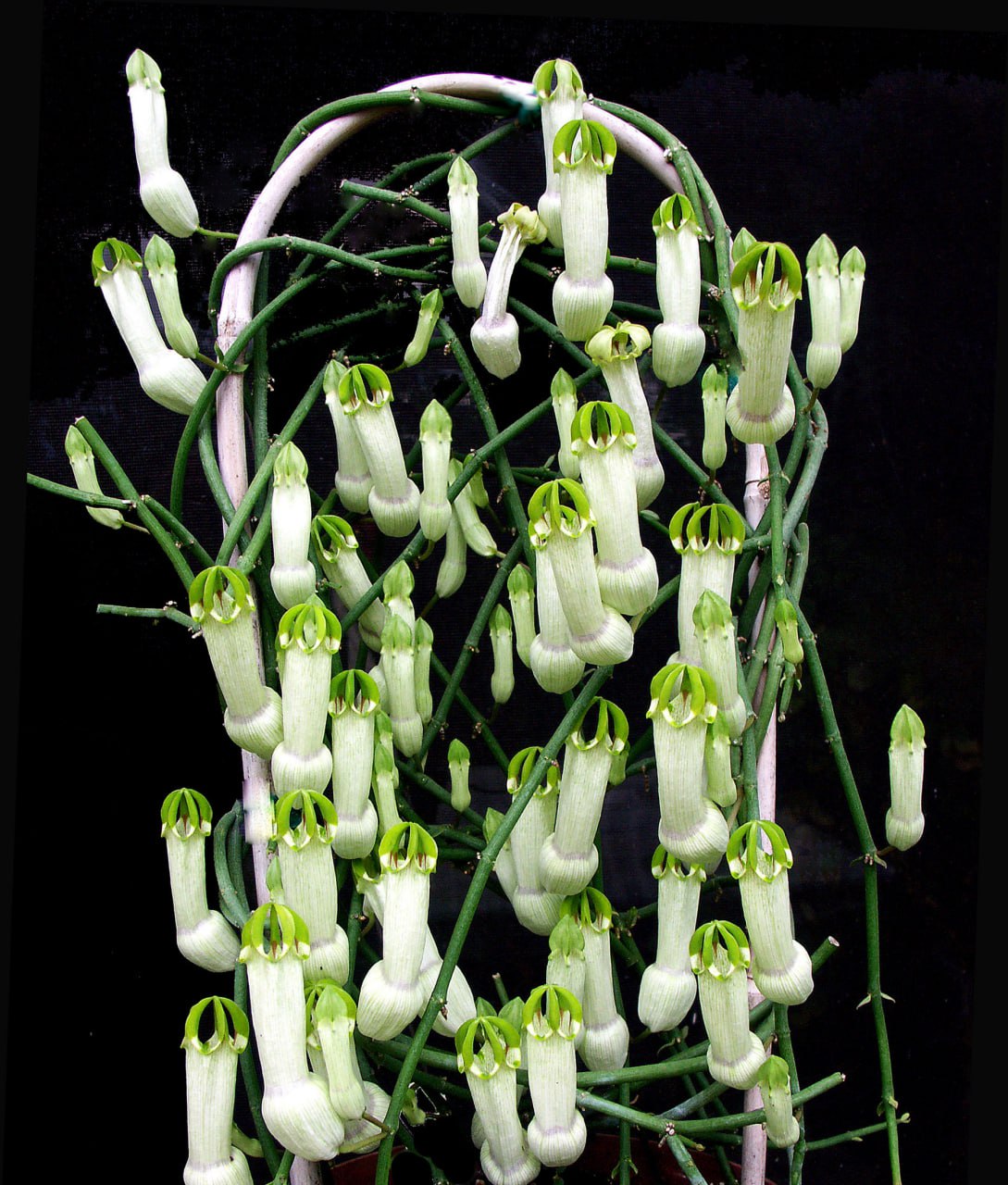
🌭 Ceropegia ampliata, commonly known as the Horny Wonder, has unique flowers resemble small lanterns, parachutes, or... Some insist that they look like "happy wieners," which is how they earned their cheeky nickname, "Horny Wonder."

These intricate flowers are specifically adapted to attract and temporarily trap flies for pollination. The flies enter the flower seeking nectar, and while inside, they inadvertently pick up pollen, which they then carry to other flowers, facilitating cross-pollination.

🛒 Shop rare plants

#Nature_Wonders #Fun_Facts

🏵 TopTropicals