Garden Blog - Top Tropicals

Date: 11 Oct 2022

Fertilizing in Fall:
Plants need food too!
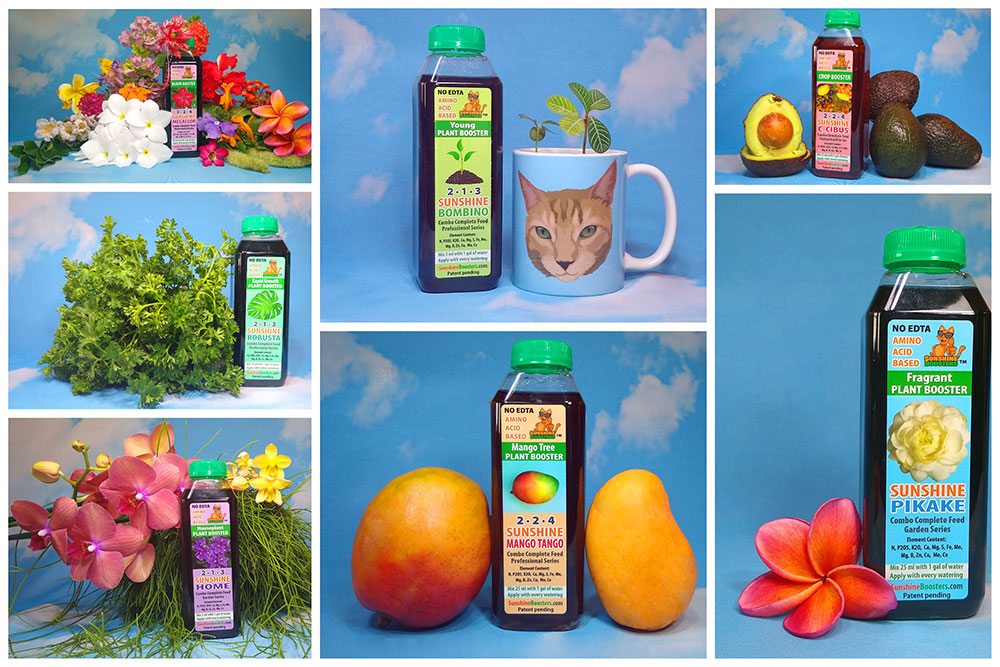
Sunshine  boosters  products  collage

Q: I know that I am not supposed to fertilize plants in winter. But I just bought several ground orchids from you, they are blooming now and I wonder if I can give them some food to support their bloom energy? When should I do the last application of fertilizer? I will keep them in a sun room during Winter until Spring.

A: Traditionally, end of October to November is the time when we give the last dose of fertilizer to our tropical plants. Liquid fertilizers, and especially amino-acid based Sunshine Boosters, are safe to apply year around. This means, you can continue feeding your plants with Sunshine Boosters through the Winter without risk of over-feeding or burning roots. Why?
The answer is very simple: even with their metabolism slowed down in Winter, plants will use all that food.
Sunshine Boosters have special mild formulas that are scientifically designed and based on Amino Acids. Plants will use all essential elements from the solution as needed.
Liquid fertilizer is diluted in water, and will be applied only when you water the plant. During Winter, water needs are lowered = watering times are less frequent, with less amount of water = the plants will get less water and less fertilizer accordingly.

Importance of micro elements
in combination with plant food during winter
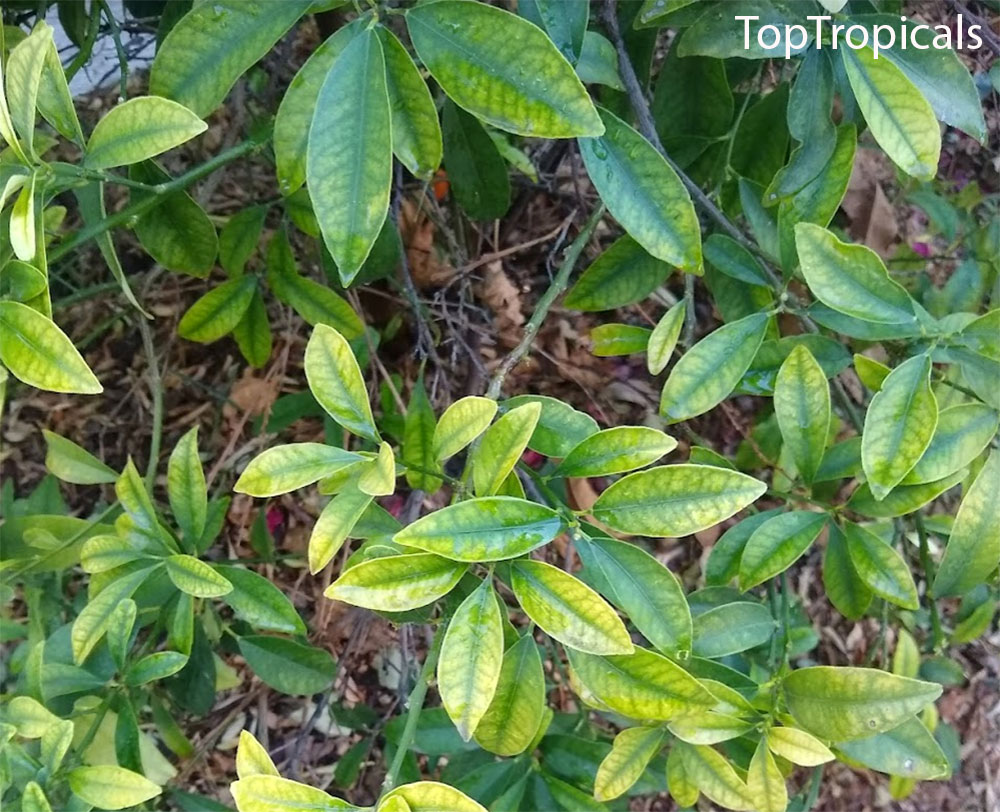
winter  chlorosis  on  Kumquat  leaves

In the photo: winter chlorosis on Kumquat leaves that is very hard to treat and should be prevented instead

Keep in mind that feeding your plants regularly during Winter will help to avoid "winter chlorosis" and other deficiency problems. So called "cool-temperature-induced chlorosis" (CTIC) is especially common in Spring on young, actively growing leaves. Unless chlorosis is prevented by micro-element applications, affected leaves may remain in this condition for the rest of the growing season.

Make sure to select proper type of fertilizer for your over-wintering plants. We have special formulas for foliage, flowering plants, fruit trees, young seedlings, even for for orchids and bromeliads. Check out our selection!
Cats  looking  for  food  in  grocery  bags

Date: 2 Oct 2022

For the Love of Plants:
We are still standing!

(ok, maybe leaning over a bit for support)

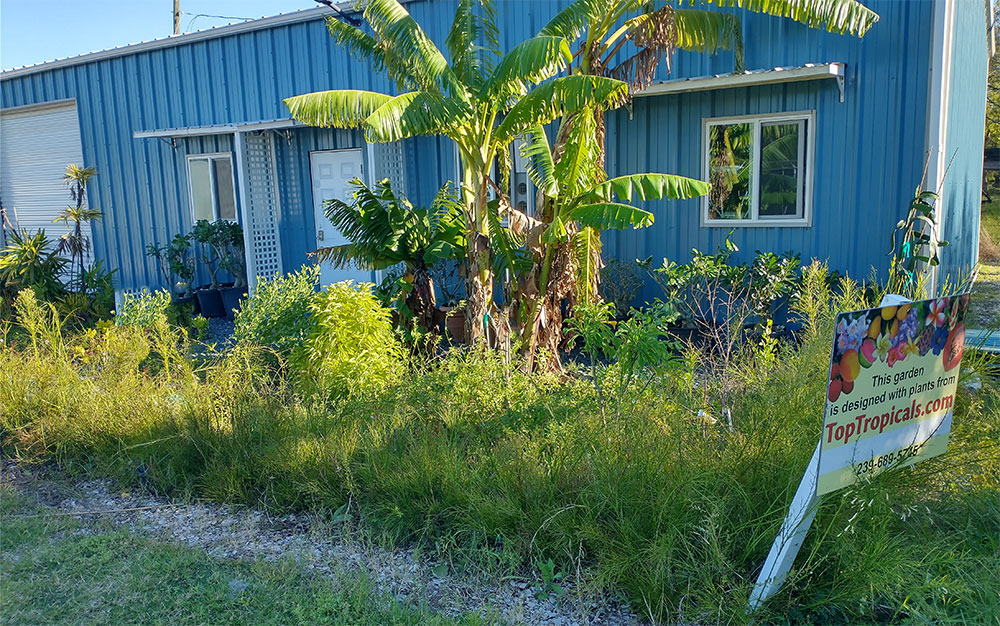
Top  Tropicals  still  standing

We've been here before, storms are not new to us, and each time, as we survey the damage, start the clean-up process, and prepare to move forward, we are asked the same question by our friends and neighbors, "You must really love what you do to deal with the drought, floods, freezes and storms and pick yourself up and do it all over again?!"

Well, the answer is yes; yes we do love this way of life. Bringing the beauty and vitality of tropical plants to thousands of customers, many of which have been with us since the beginning 20 years ago, is our purpose. It is a labor of love and our reward is seeing so many people discover their joy in and with our plants!

So we will put it all back together, we will continue to do what we love and we hope to continue to have your support along the way.

Next Saturday, October 8 is our October Fall Festival. We have spent weeks planning this special event and the show will go on! For you, that means continued specials all week, a chance to attend in person or participate virtually in our event on Saturday, and the ability to help us as we get set to do it all over again!

Please watch for our newsletters as we approach our October Fall Festival!

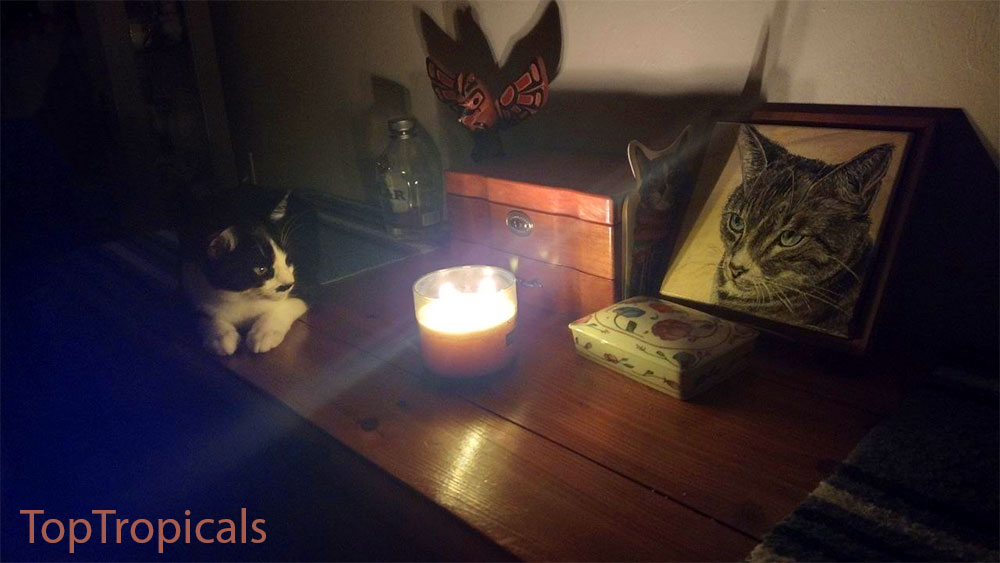
Cat  with  a  candle

Date: 22 Sep 2022

Ceiba pentandra, Kapok Tree:
Maya's Sacred Tree at the Center of the Earth

by Alex Butova, the Witch of Herbs and Cats

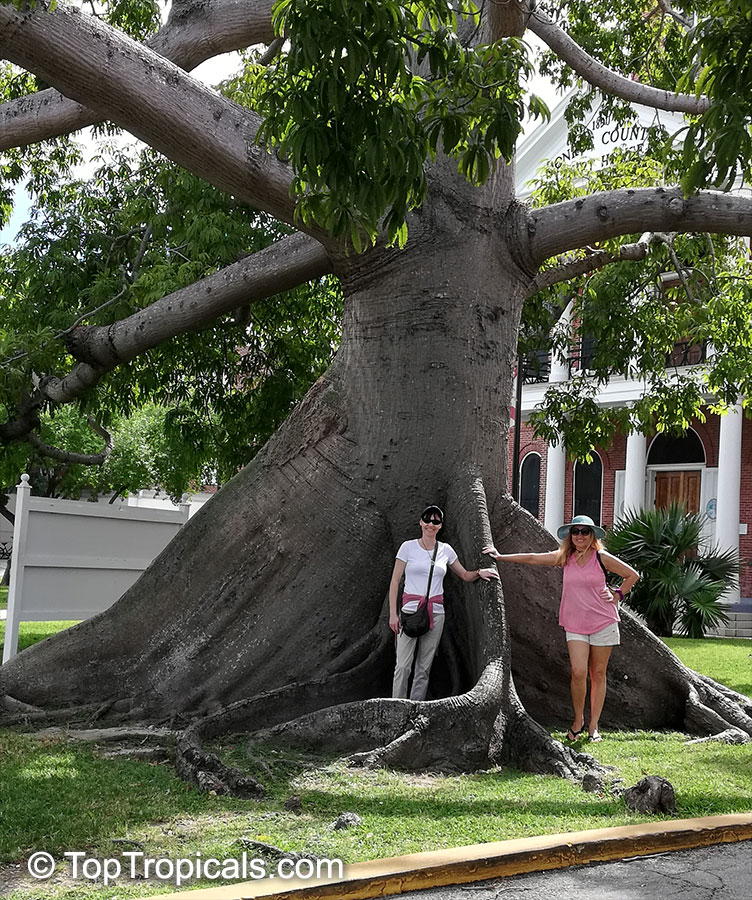
Ceiba  pentandra,  Kapok  Tree

...Everybody who sees this tree for the first time, always says "What's THAT???" And everybody wants to have one! Kapok Tree is a large, magestic, gorgeous shade tree that just requires a little bit of space in your garden! It is definitely a conversation piece and is a must for every botanical garden or a large private tropical tree collection. Kapok is a fast growing tree, however, it may take many years to reach its mature size. It is worth the wait though!..

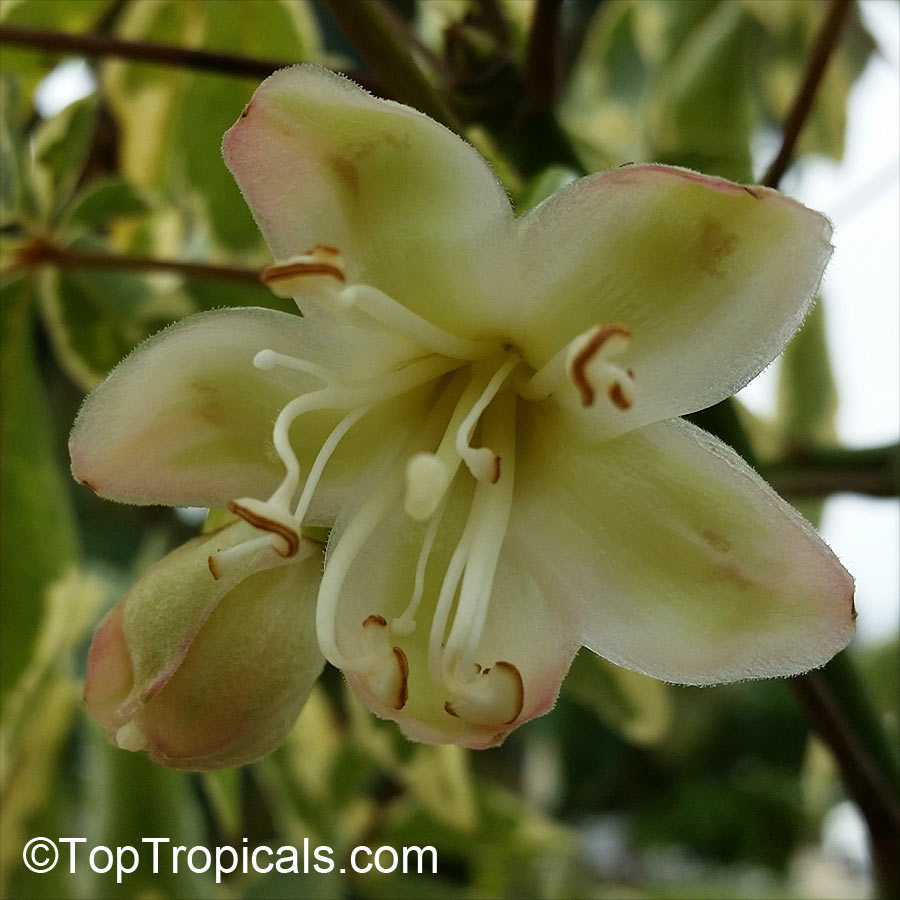
Ceiba  pentandra,  Kapok  Tree  FLOWER

Date: 18 Sep 2022

The fruit of Heaven:
Phyllanthus acidus - Amlak, Otaheite Gooseberry

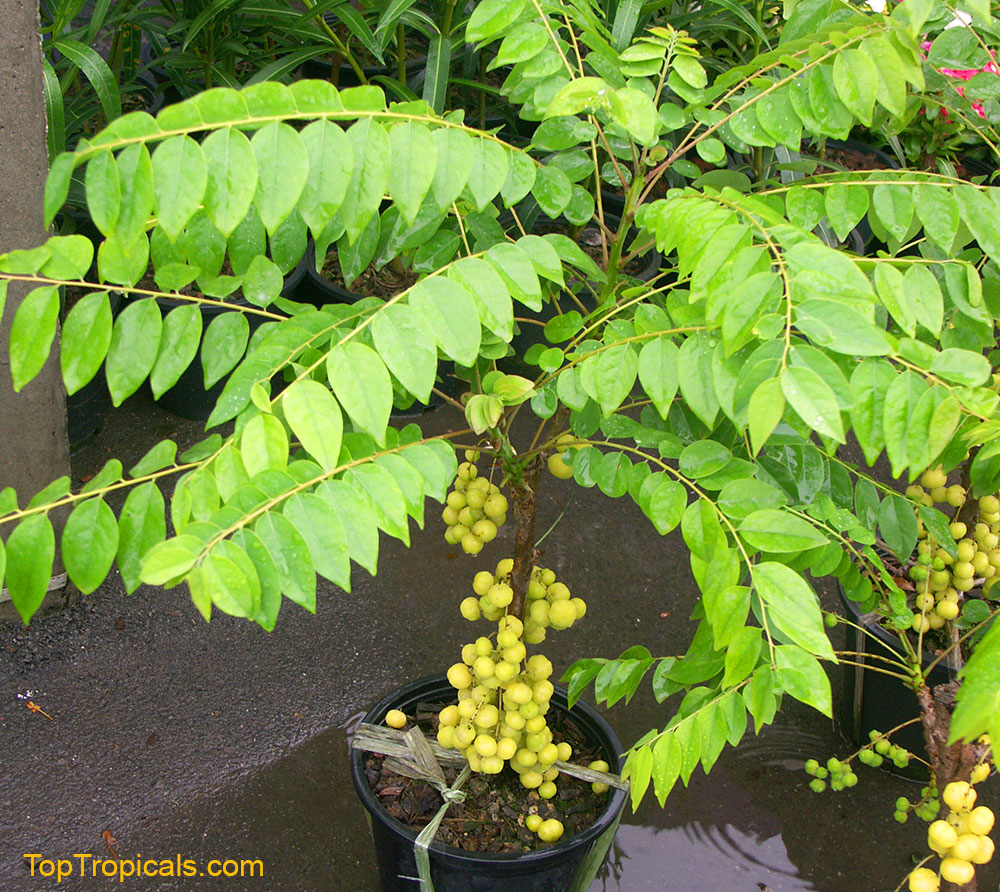
Phyllanthus  acidus  -  Amlak,  Otaheite  Gooseberry  in  a  pot

Grow Your Own Food

This is a fun rare fruit tree to have if you like lemonade and believe in Vitamin C benefits! The tree is super easy to grow, relatively cold hardy and doesn't require any special care. It is a fast growing plant, however the mature tree is only about 20 ft so it will be well suited for any size garden, even container garden. As you can see, it happily fruits in a pot. Bright yellow fruit are beautiful and curious, they always make a conversation piece!

About Otaheite Gooseberry

Otaheite Gooseberry, or Amlak, is a rare tropical fruit tree from SE Asia and India, very close related to Phyllanthus emblica (Amla, Amlaki), however it is much cold hardy than Amla. Known as Amritphala in Sanskrit, which literally means "the fruit of heaven" or "nectar fruit". It is so called because it has many helth benefits. Amlak is one of the favorite fruit of Indian people who definitely know what is good for you! Fruit paste is a major ingredient of Chavyanprash, a popular Ayurvedic tonic. It is the richest source of vitamin C.
Fruits are borne in loose clusters, which hang from the tree trunk and main branches. Fruits are esteemed for jellies, preserves and pastries, and are great for making a delicious lemonade rich in vitamin C. There are no commercial plantings; trees grow only in home gardens.

You need to have one! Or two. We have only limited quantities.

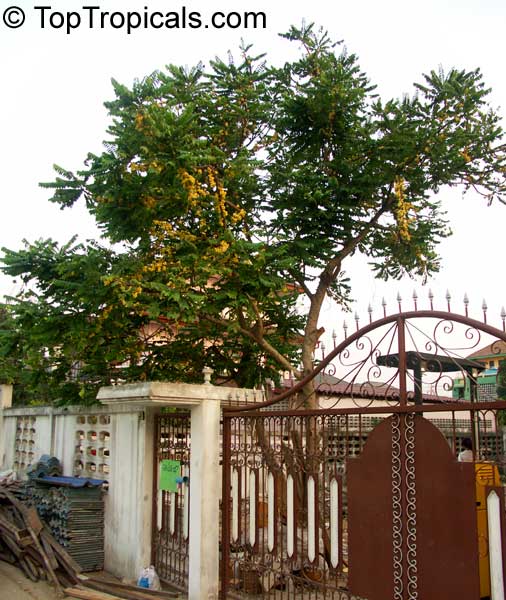
Phyllanthus  acidus  -  Amlak,  Otaheite  Gooseberry,  mature  tree

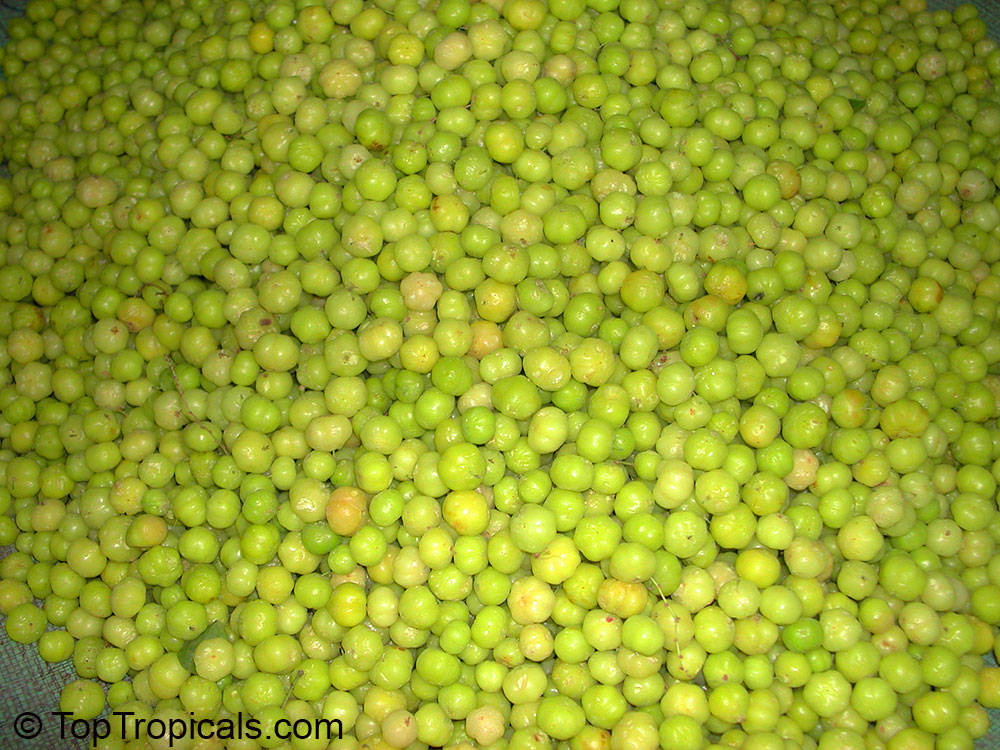
Phyllanthus  acidus  -  Amlak,  Otaheite  Gooseberry,  lot  of  loose  fruit

Date: 9 Sep 2022

Napoleana - Napoleon's Hat

Endangered species from the outgone era of the Napoleon's War

by Alex Butova, the Witch of Herbs and Cats

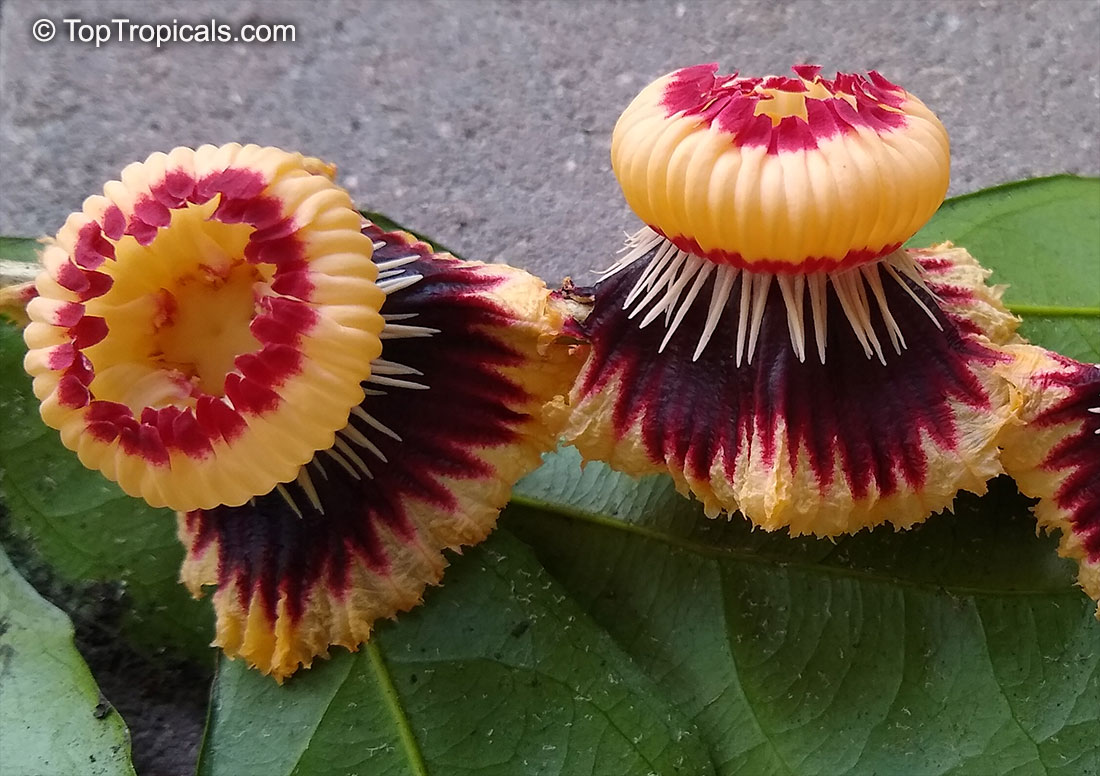
Napoleonaea  imperialis  -  Napoleons  Hat,  flowers

...Napoleana was described in 1804, the same year its namesake (Napoleone di Buonaparte) crowned himself Emperor of the French. Today the tree is almost extinct. Esteemed for the exquisite, vividly colored, exotic hat-shaped flowers, Napoleana is a must of a rare tropical tree collection. Napoleana seeds constitute a false kola, which has a taste closely resembling that of true kola. The flowers are fragrant and smell like Butterscotch...
CONTINUE READING >>

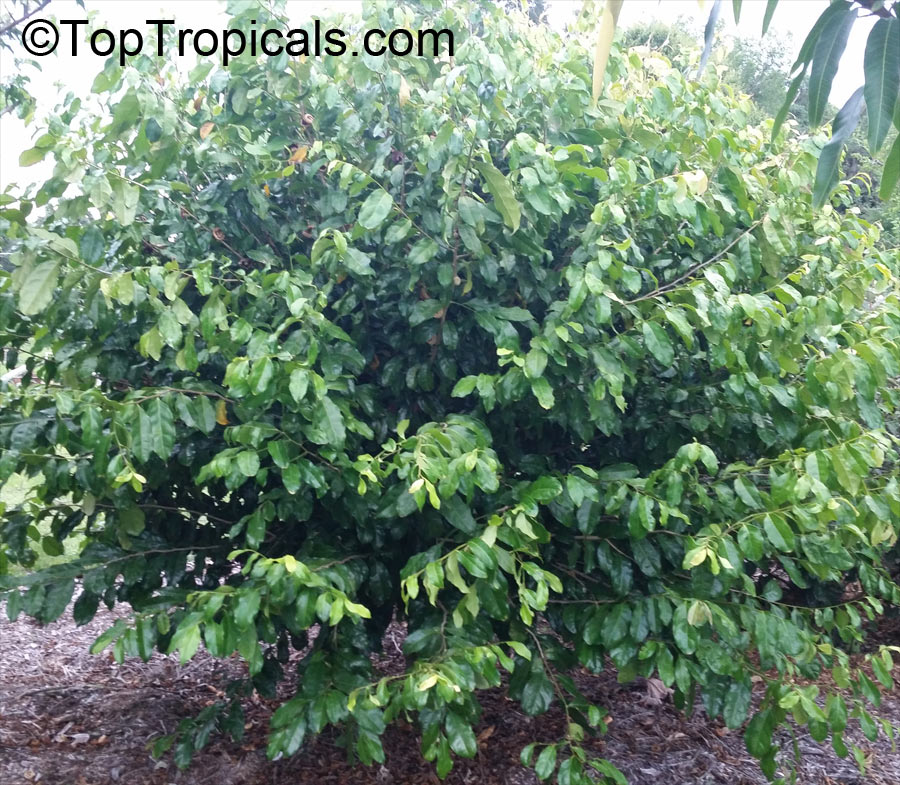
Napoleonaea  imperialis  -  Napoleons  Hat,  bushy  tree