Garden Blog - Top Tropicals

Date: 4 Feb 2017

Groundhog Day Feb 2
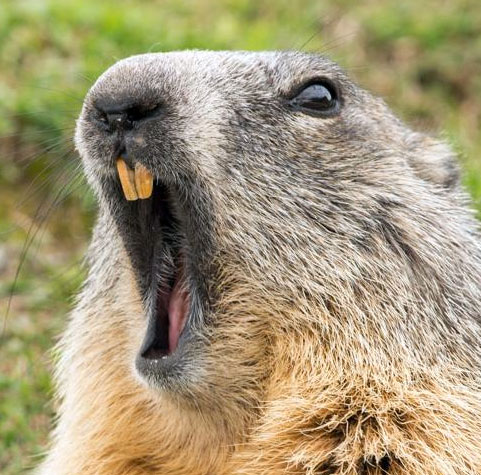
On Groundhog Day Feb 2: Groundhog Punxsutawney Phil saw his shadow on Thursday morning, predicting six more weeks of winter during Groundhog Day festivities at Gobbler's Knob, a small hill just outside Phil's hometown.
According to folklore, if it is cloudy when a groundhog emerges from its burrow on this day, then the spring season will come soon; if it is sunny, the groundhog will supposedly see its shadow and retreat back into its den, and winter weather will persist for six more weeks.
Phil promised long winter, however, we should not cry in despair but starting to get ready for Spring!

Spring Check List:
- Make sure min temperatures are above 45F before you start bringing potted plants outside.
- When active new growth appears from buds, after-winter pruning can be done.
- You may start weekly fertilizing as soon as night temperatures raise above 55F.
- Start planting in the ground as soon as there are no more chances of frost, until then keep newly arrived plants in pots so they get better established.
- Low chill cold hardy fruit trees including Peaches, Nectarines, Plums, Apples, Mulberry, Loquats go in the ground first, so you can enjoy their blooms and early fruit set. Plant Pomegranates, blueberries and cranberries, raspberries and blackberries, grapes.
- Water as needed, still keeping on dry side until afternoons get hot and plants start using more water.
- Start seeds indoors. The sooner the better, to give seedlings more time to establish before planting out in the ground.

Overwintering Magnolia (Michelia)

Michelia alba Question: I have a question about Michelia alba. My Michelia alba leaves turning yellow and losing leaves. When I brought it inside for the winter, after the leaves falling off new one grow back not all of them grow back and now the new the branches start to die. I water once a week.

A: Whenever moving a plant in or out of the home it is always best to do it gradually. Moving a plant all in one day will cause stress to the plant due to environmental changes such as, new humidity levels, new light levels and new watering requirements. Michelias usually loose their leaves once in the spring and once before winter but grow them back right away. Now that your plant is inside with less humidity, light and leaves, you only need to water once the soil as almost dried out. You will need to stick your finger in the soil to see if it is still wet as the top layer dries before the under layer. If the branches are starting to die at the tips this usually means too much water. Move the plant to a bright light window, decrease water and you may want to also use a humidifier.

Date: 26 Jan 2017

Aquarius Zodiac lucky plants

Aquarius - 1/22 - 2/18. Aquarius is an AIR sign ruled by odd-ball Uranus.
The water-bearer's plants will often grow in unusual places and may vary in appearance. They often have purple or blue flowers, or may have unusual colors.
The most healing and beneficial plants for Aquarius are the ones that help circulation, relax the nervous system, or promote inspiration. When Uranus was discovered, it replaced Mercury as ruler of Aquarius. Physiologically, Uranus rules the bioelectrical impulses that power the body's nervous system (nervous tension and nervous exhaustion brought on by powerful changes in the environment are related to both Mercury and Uranus). Physically, Aquarius rules the lower legs, the calves, and the ankles, and the electrical impulses that travel through the body's nervous system. The nervous system itself is ruled by Mercury, and Uranus is said to be a "higher octave" of Mercury. Since Uranus was discovered after the correspondences with plants had been established, the herbs used in Aquarius are Mercury herbs. Always difficult to pinpoint, quirky Aquarius appreciates the unusual and complex flavor of star anise. Use this star-shaped spice when you wish to bring happy surprises into your life.

Aquarius Zodiac lucky plants: Anise, Orchid, Golden rain - Koelreuteria paniculata, Bird of Paradise, Heliconia, Petrea, Mandevilla, Jasminum, Kiwi, Persimmon, Loquat, Olive, Alocasia, Colocasia, Citrus, Apple, Peppers, Gingers, Carambola, herbs spicy with an unusual flavor, White Pothos, Ivy, Shami - Prosopis cineraria, Neem, Medinilla, Sheesham Tree, Catnip, Passion fruit, Valerian, Aloe, Myrrh, Kava-kava, Cinnamon, Clove, Eucalyptus, Coffee, Cola nut, Nepenthes, Vanilla Orchid, Strongylodon - Jade vine, Tacca - Bat Lily, Eranthemums, Agapanthus, Orchid trees, Bolusanthus, Chamaedorea metallica, Clerodendrum ugandense, Clitoria, Duranta, Guaiacum, Jacaranda, Lavanda.

For other signs information, see full Plant Horoscope.

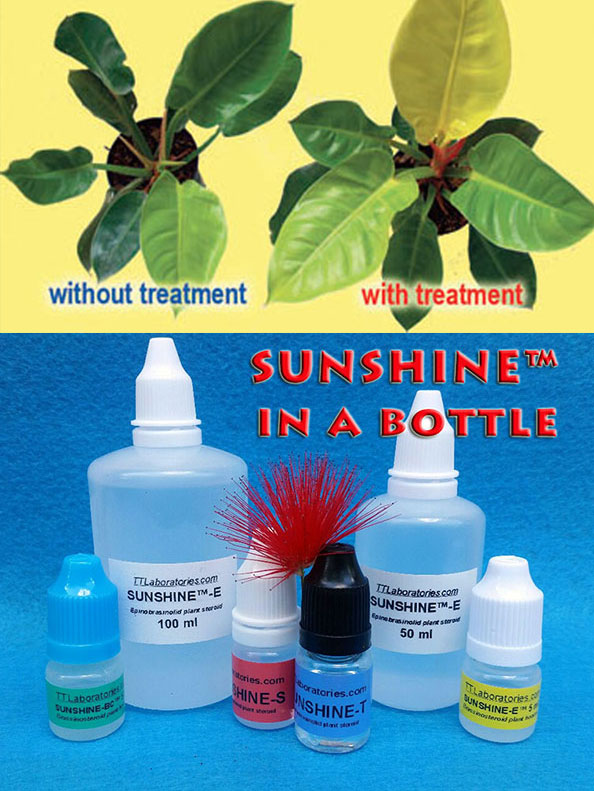
New Video: TopTropicals at TPIE show in Ft Lauderdale. Last week, your friends at Top Tropicals attended the 2017 Tropical Plant International Expo in sunny Ft. Lauderdale Florida. The Expo was an opportunity for Top Tropicals to introduce our SUNSHINE in a Bottle plant boosters as well as to bring a very rare plant Enchanted Incense to the tropical plant market!

Check out this video: TopTropicals at TPIE.

Stay updated with TopTropicals Videos by subscribing to our channel at YouTube.com/TopTropicals and get our latest video news of what's fruiting and blooming!

Date: 15 Dec 2016

SUNSHINE in a Bottle

SUNSHINE-H - plant booster for house plants specially formulated for plants grown indoors:
- protect from insects and improve disease resistance,
- improve tolerance of indoor plants to low light, and low humidity conditions;
- maintain healthy dormancy of seasonal species and help to rapidly break dormancy in Spring.


Directions:Mix with distilled water as follows: 2.5 ml to 1 gal. Spray traditional house plants - once in 2 weeks, tropical plants overwintering indoors, including woody ornamentals and potted fruit trees - once a week, leafy herbaceous perennials - once a month.

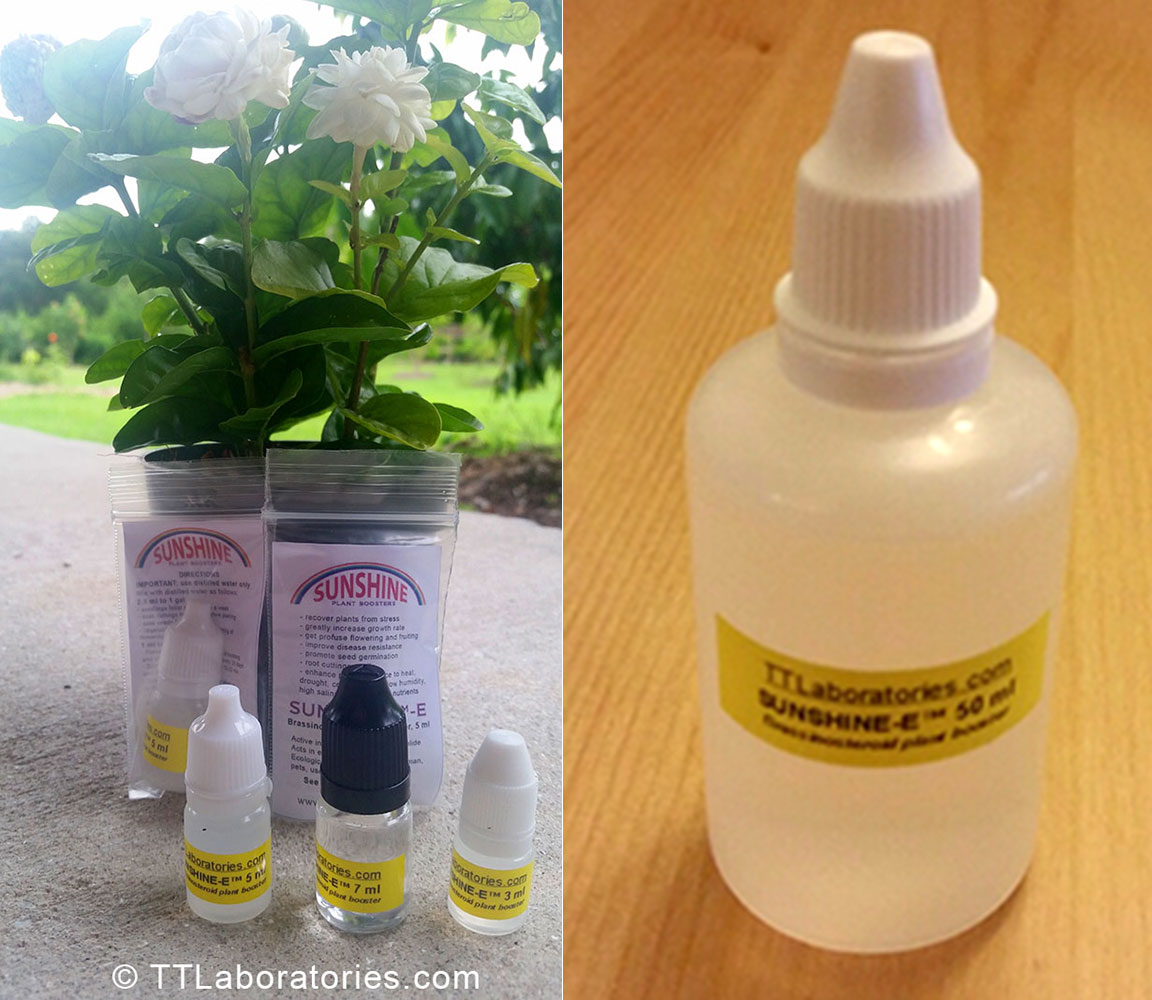
SUNSHINE in a Bottle - effective plant stimulant from new line of plant boosters, the representative of a new generation of agricultural chemicals. Developed by TT Laboratories LLC and designed specifically for applications on tropical plants. Can be used as well on seeds, seedlings, and small vegetable plants (completely organic and safe). It is proved to be a magic growth promoter, improves cold hardiness and heat tolerance of tropical plants.
,br> See page about SUNSHINE.

Order SUNSHINE boosters.

Date: 29 Nov 2016

December Fest on Dec 10, mark your calendars!

Topic: Edible landscape. 10:00am - 2:00pm. Agenda:

Class @ 11:00am by Robert Riefer. How to keep pests off of maturing fruit.
Class @12:00pm Super foods by Zoe Merring. Benefits of Soursop, barbados cherry, goji, moringa. Benefits and recipes.

Discounts on all edibles
Prize giveaways at 12:00pm and 2:00pm (must be present to win)

20% off After-Cyber-Monday sale! Now that everybody is done with shopping for monitors and speakers, it is time to get some happy stuff! 20% off on all fruit trees, 1 day only! Enjoy your shopping and get the plants you always wanted at a low price!

Date: 3 Nov 2016

SUNSHINE boosters for small and large gardens

Q: I tried your magic SUNSHINE booster on my Champaca tree and results were amazing. The tree was having a hard time establishing after shipping and didn't want to grow, losing leaves. I almost lost it. Then I sprayed SUNSHINE booster and right after the first application the plant perked up and new leaves grew within a week. Now I want to use this stuff on all my plants. I am a plant collector, with a few hundred pots and almost a hundred plants in the ground, living in California. I wonder if you have bigger size bottles of SUNSHINE so I can use on my flowering plants, and fruit trees, to promote blooming and fruiting. And another question, how often should I spray my plants? Your instructions say once in 20 days, should I spray more often for better results? Should I water through roots too? Do I still need to fertilize plants or SUNSHINE will be enough for their health?

A: Great news! We just added new SUNSHINE items to our store, 50 ml and 100 ml - bigger bottles, they will be great for small and big gardens, as well as small plant nurseries and plant businesses. It is a good idea to start bi-weekly applications to improve your plants tolerance during winter time to cold and low light, especially when it comes to house plants. SUNSHINE improves plant resistance to insects which is a big deal during winter, when we bring tropical species indoors.
SUNSHINE is indeed a wonderful plant stimulant and stress reliever, although it is not a "magic-cure-all" medicine where one can't find its active ingredient. The hormone (epibrassinolide) is well-known and used in different countries along with other hormones for promote growth, fruiting, blooming, rooting, etc. One of the most amazing properties of SUNSHINE is that it works in extremely low dozes. Only a few drops will be enough to make a solution in distilled water, to treat a large size plant. If you want to try it out, one 5 ml bottle will last for several applications.
The formula works through plant metabolism within 2-4 days, repeat application not sooner than in one week. The formula is created for absorption through foliage, not roots, so do not try to water with solution. Plants should be evenly sprayed in clear windless day. Do not spray if rain is expected. Re-spray if it rains within 12 hours.
Remember that SUNSHINE is not a fertilizer and won't replace it. You have to apply fertilizer (except during winter months) and micro-element solution to keep your plants healthy.
See more information about SUNSHINE boosters, and buy them from our store.