Garden Blog - Top Tropicals

Date: 9 Dec 2020

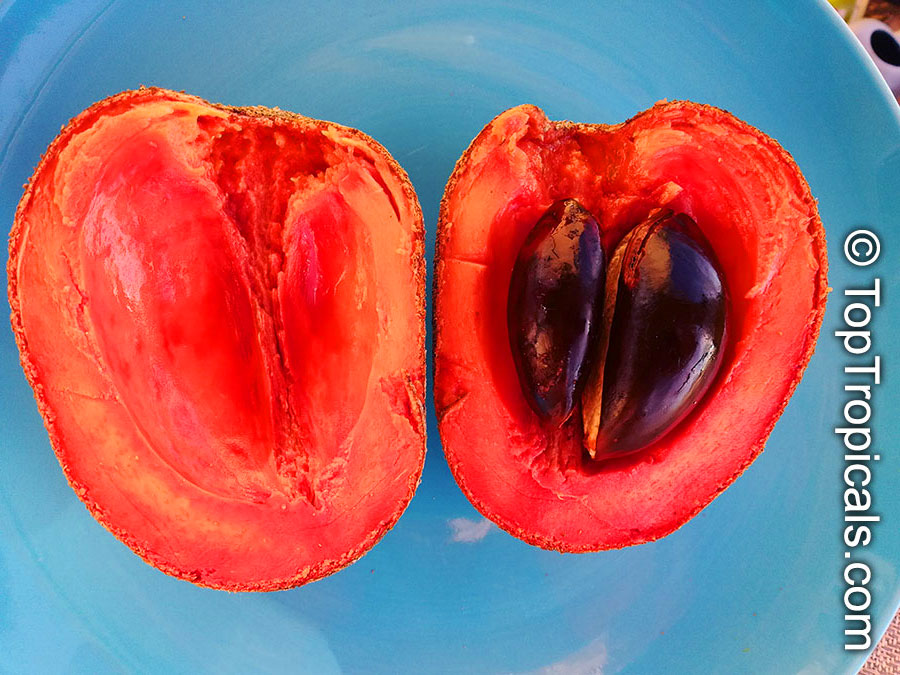
Establishing Mamey Sapote
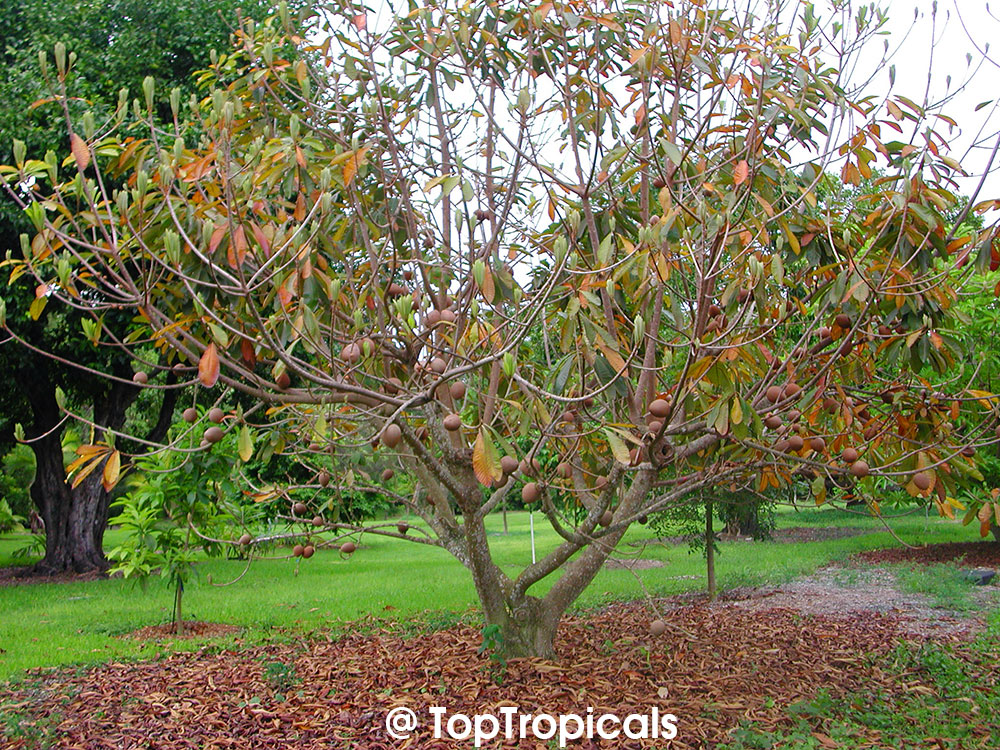
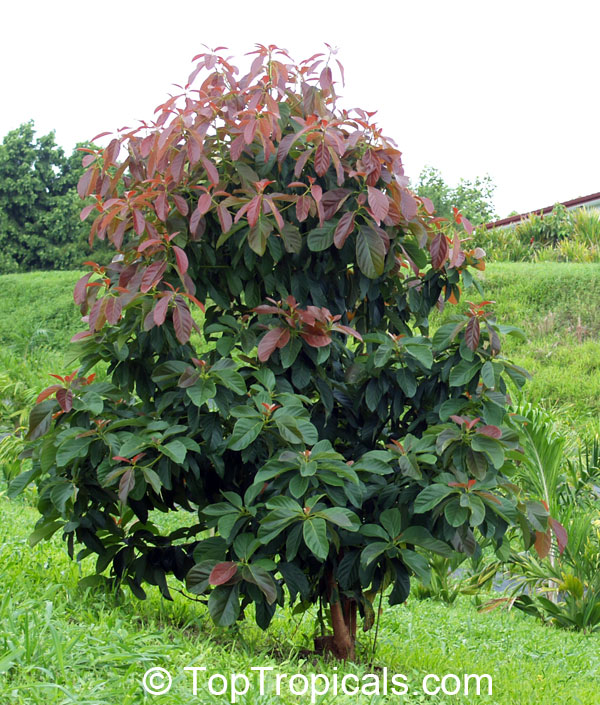
In the photo: Mamey Sapote lre-leafing.

Q: I purchased Mamey sapote last fall and am very excited about having it in my yard. It lost leaves during the winter, but then budded and put on a lot of beautiful leaves. I was hand watering since this covid stay at home event, and thought I'd put it in a larger container, 10 gallon. About 2 months after transplant and hand watering the leaves turned yellow. I cut back on watering, allowing some dryness between. Some leaves now have fallen off, but looks like new ones forming. What have I done and most importantly now, what do I need to do so she survives? I haven't yet decided exactly where to plant her... so hoping she can stay in container for a bit longer while recovering.

A: It is possibly a combination of over-watering and seasonal changes (re-leaf). During this time of the year, Pouteria sapote loses old leaves and grows new ones. This plant is semi-deciduous, which means, it drops leaves during unfavorable conditions (too dry, too wet, too cold, to hot, etc. = any stress). The new buds are healthy. Give it a couple of weeks. Reduce watering. Don't water again if the soil is still moist. If planted in the ground, it will be easier to control the moisture, as long as you plant it high enough (at least 3-4"above the surrounding area, like on a little hill, for a better drainage. See how to plant a tree.
Once you notice a new growth and healthy leaves, give the plant some food:
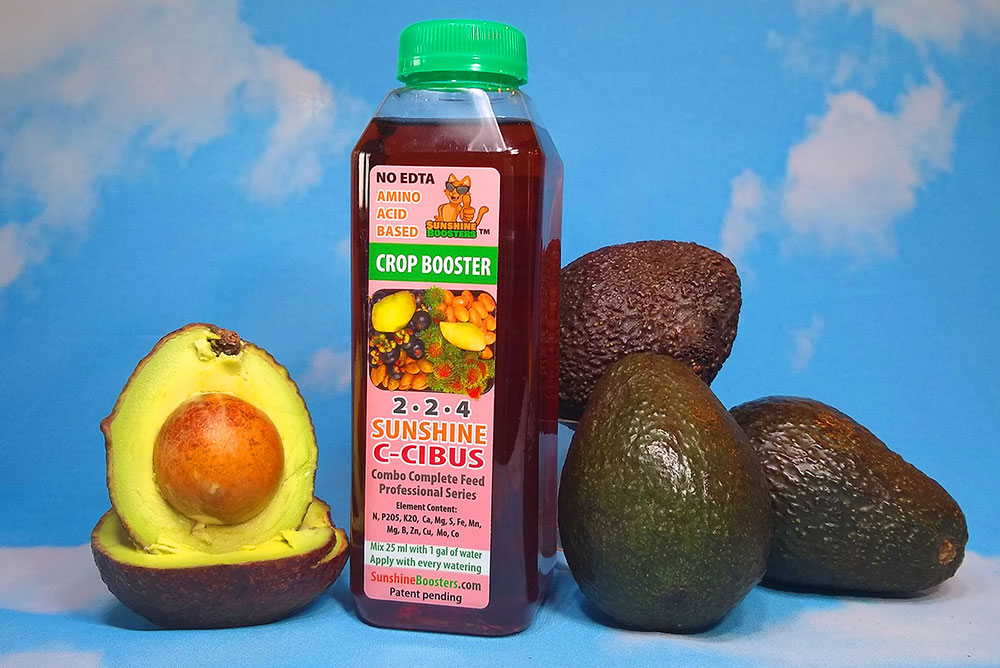
SUNSHINE C-Cibus - Crop Nutrition Booster
Mango-Food - Smart Release Fruit Tree Booster


Date: 24 May 2019

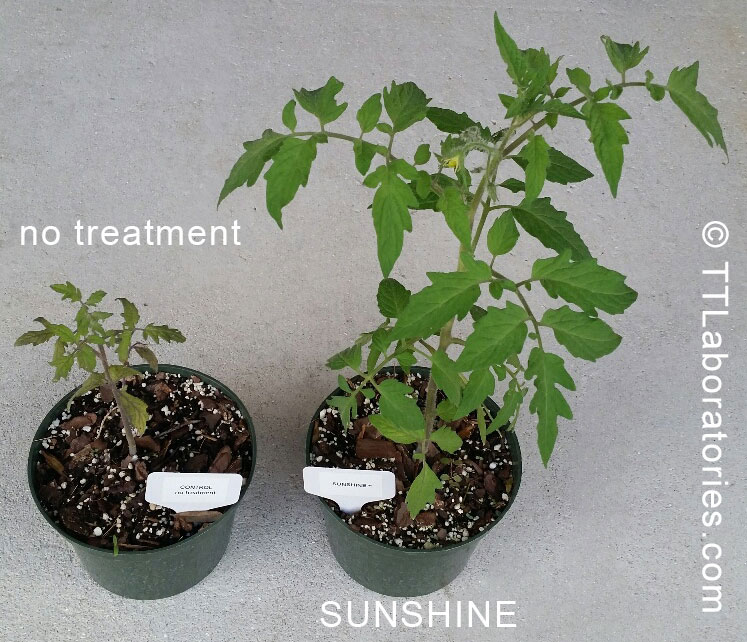
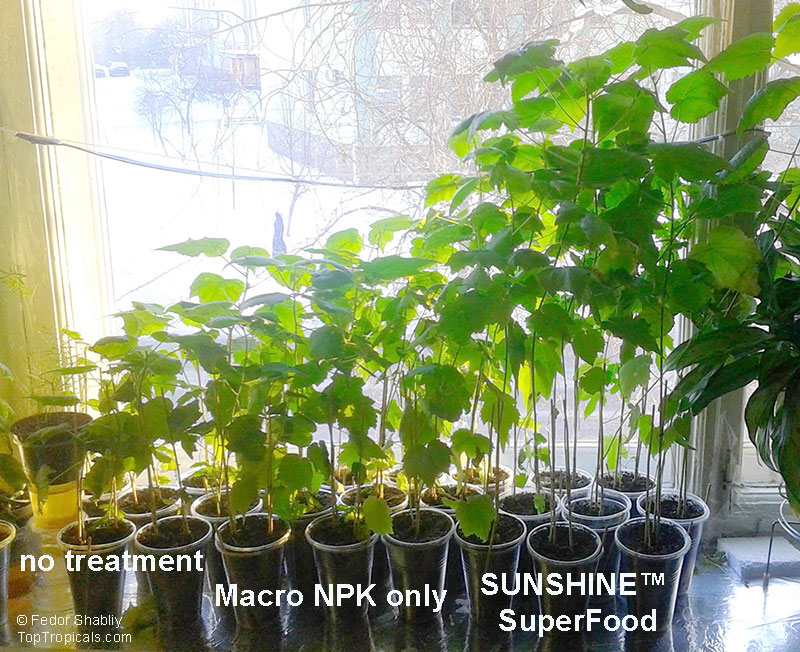
Synergy of SUNSHINE, biostimulants, and macro-micro

TopTropicals.com

Q: I've heard that plants grow better and bigger with SUNSHINE boosters and when using Myco-Mix instead of regular soil mix. Do they work like fertilizers? If I use a Myco-mix, do I still need a fertilizer?

A: SUNSHINE boosters are not fertilizers, they are natural plant hormones, or biostimulants, as well as Myco-Mix which is a naturally occurring compound or microbes. Biostimulants are becoming increasingly attractive to folks interested in sustainable agriculture, and very popular for plant growth or pest resistance. A plant biostimulant is not a fertilizer because it provides no nutritional value to the plants. But, it can promote greater nutrient and water use efficiency, increase resistance to pests and diseases, reduce abiotic stresses, and in turn, lead to plant growth and health.

To answer your question, you can not replace regular fertilizers (NPK) and micro-elements with plant boosters and stimulants. However, fertilizers and microelements will work more efficiently when used in combination with biostimulants. Together they create a synergy, so plants use the most of fertilizer's potential, and will grow a lot better, faster, and healthier.

4 components for the best growing results

1. SUNSHINE boosters. They are a must during the juvenile stage of plant development - seedlings and cuttings. They are especially important for recovery of weak or stressed plants (boosting their immune system).
2. SuperFood microelements
3. NPK fertilizers. Select from water-soluble and smart-release types and make sure do not exceed the recommended concentration. Lower dose and more frequent use is always better for a plant.
4. Specialized soilless mixes: Myco-Mix (with biostimulant Mycorrhiza) for exclusive growing projects and special/unique plants, Professional potting mix for potted plants, and Propagation mix for seeds and cuttings.

TopTropicals.com

Date: 14 Jul 2018

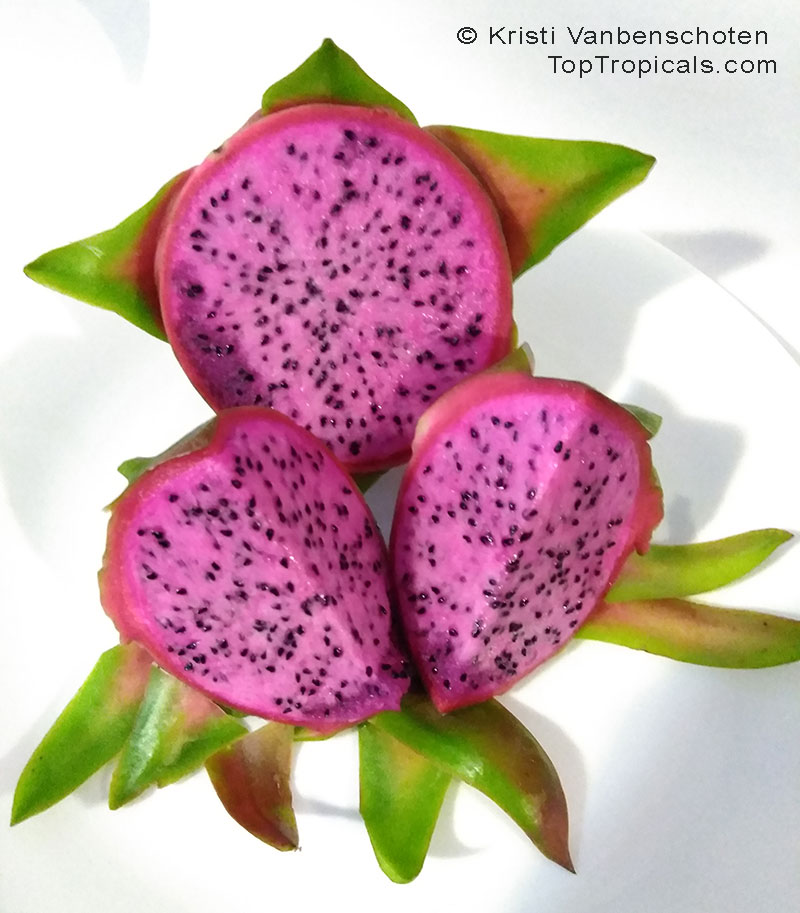
How to grow a Dragon Fruit

TopTropicals

Q: I want to grow a Dragon Fruit. Should I use cuttings or seed? What varieties do you recommend? How difficult it is to grow? How soon does it start flowering and fruiting?

A: Dragon Fruit, or Pitaya is a highly prized, vining, fruit bearing cactus, extremely unusual terrestrial/epiphytic plant. It has magnificent flowers, stunningly beautiful fruit with an intense color, curious shape, and a delicious taste. The night blooming white flowers can be up to 14 inches in length. The fruit is most often eaten chilled and cut in half so the flesh may be spooned out. The juice is used in frozen drinks and it is in a new Tropicana Twister flavor. It is a must have for any collector or gardener with the flair for the unusual.
It takes 2-3 years for seedlings to fruit, besides the variety pay not come true to seed. We grow our plants from cuttings that are easy to root. We offer many selected varieties, most of them self-pollinating. The plants are ready to flower and fruit this year, or the next year.
Dragon Fruit Cactus is easy to grow, doesn't need much other than strong support, full sun, well-drained soil - adenium soil mix works great - and fertilizer during hot months, and SUNSHINE-Honey applications for growing sweeter fruit. For larger fruit bud thinning is recommended.

Check out Dragon Fruit varieties

Date: 13 Apr 2021

Healthy Plants: Q&A from Mr Booster

Why my Avocado is not flowering?

Q: I have 5 avocados. Three of your cold hardy varieties and two others that have all flowered and set fruit in the past. The last two years including this year, not a single one of them has put out any flowers. I am getting lots of new growth like one would expect on a tree too young to flower. The last two years have been very mild with out any damaging frost where in previous years they lost all their leaves due to frost yet started putting out flowers once winter was over. I am confused because they have all flowered and set fruit previous years. Any ideas would be appreciated.

A: From information you provided, and considering the trees get lots of full sun and cold was not an issue, the only explanation is - lack of nutrients. Here is an example.
Very common situation: you get a small 2-3 ft Avocado or Mango tree in 3 gal pot (or even smaller) from a nursery, full of flowers, and sometimes even a small fruit. You bring it home, plant it in the ground or a bigger pot, it looks happy and grows like crazy. Then next year - oops, no fruit, sometimes not even flowers. What happened?
When the tree lived in a nursery, it was provided with all necessary nutrients through the injector systems (continuous feed); or some nurseries may use top dress smart release on regular schedule. Regardless of fertilizer type, professional grower's set up delivers plant food non-stop, on regular basis, with balanced formulas. Plants are not only growing fast but also ready to produce, since nutrients are always available for a full growth cycle.
When you plant a tree in the ground (or larger pot), conditions change. They may be beneficial for the plant: lots of room for roots to establish, hence lots of vegetative growth. Even if you planted it using good quality fertile soil, this soil may contain mostly nutrients responsible for vegetative growth (branches and leaves). Chances are, your soil may be rich in Nitrogen (good for green growth), but poor in other elements responsible for flowering and fruiting (Phosphorous, Potassium, and many important micro-elements such as Molybdenum, Boron, Iron, etc.). Besides, existing soil gets exhausted quickly, and within a year a two, if you don't add fertilizer, flowering and fruiting may be reduced or even stopped. This is why fertilizing program is very important for fruit trees that are expected to bring a crop soon.

We recommend:

- SUNSHINE C-Cibus - Crop Nutrition Booster - balanced food for fruit trees
- SUNSHINE-Honey - sugar booster - promotes more efficient blossoming and pollination, makes flowers bigger and reduces bud drop
- SUNSHINE SuperFood - for improving fruit trees production

Also keep in mind that some fruit trees have a habit of "skipping" a year and may either produce less or not produce at all every other year. In any case, balanced nutrition program can help to fix this "bad habit".

Date: 16 May 2024

When Bigger means Better

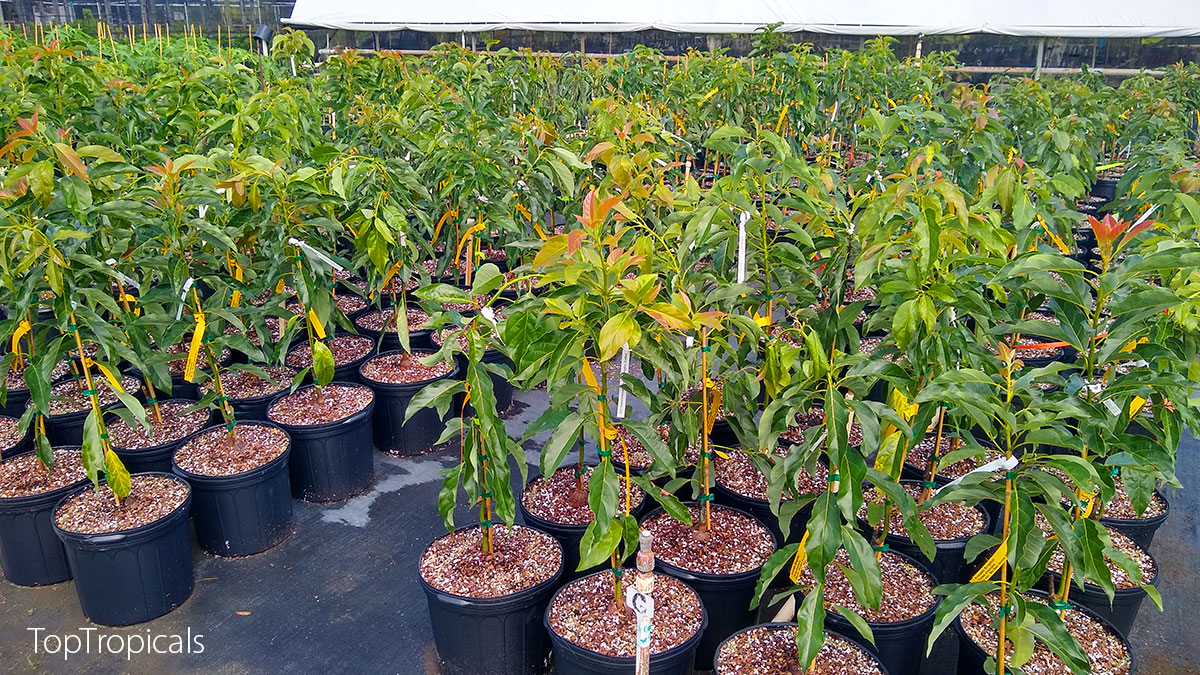
Large  Avocado  trees  in  containers

Everybody loves shopping online nowadays, and plants are no exception. Buying plants by mail order is not uncommon anymore; it only takes one click, and luckily, there are many sources - from big shopping malls like Amazon to small backyard nurseries that sell their seedlings on eBay or Facebook - all delivered to your door. But plants are alive... So when doing your online plant shopping, you must ensure that you fully enjoy your experience and are happy with a healthy plant that a) doesn't die; b) recovers quickly; and c) starts growing fast, so you can see flowers and fruit as soon as possible.

The rule of thumb for shipping plants: bigger plants undergo shipping better, experience less stress, less leaf drop, and recover quicker than plants with smaller root systems. So when it comes to buying plants online, the bigger, the better. Unfortunately, many mail-order plant sources may sell you a tiny twig that has very few chances of surviving. Shipping is very expensive today, so shipping a bigger size plant may cost more than the plant itself.

Below is a piece of advice on how to make the best plant selection for your garden...

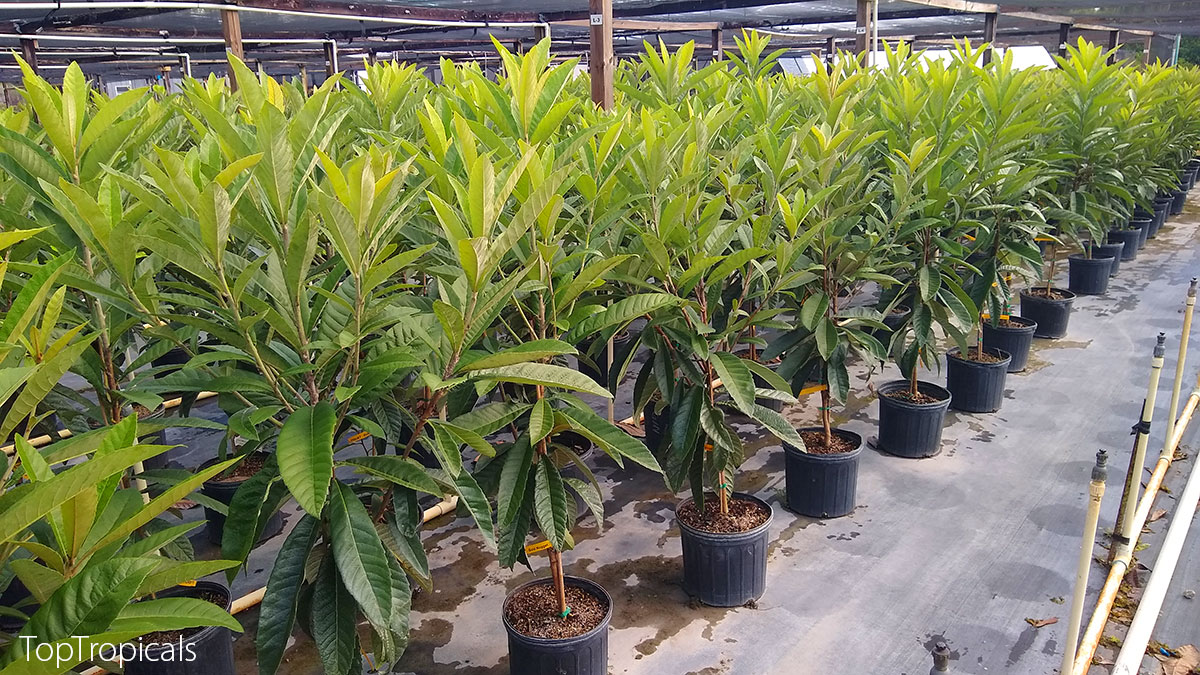
Loquat  trees  in  containers

Photo above: Loquat trees in 3 gal containers.

5 important rules on how to buy trees online

1. Find a source with bigger plants. Check reviews, ask friends for recommendations, inquire from the company about the size of their plants and how they pack their plants for shipping.
TopTropicals offers well-established, strong plants with developed root system, in container sizes 1, 3, 7, 15 gallon, directly from a tropical Florida growing farm. Our unique plant-packing techniques are state of the art!

2. Price not always reflects the size and quality of the plant
TopTropicals offers many deals, discounts and sales, while still providing the biggest and strongest plants grown in real tropical conditions.

3. Most fruit trees must be grafted to produce good fruit. Make sure you are not purchasing a seedling when it comes to Mango, Avocado, Peaches and some other trees with named varieties that don't come true to seed.
TopTropicals offers only grafted - Mango, Avocado and a large number of other tropical cultivars.

4. Pick up when possible from the nursery your ordered from, or get a delivery, instead of shipping the plants. A drive to the nursery will save you more time and money in the future, plus you can hand-pick the biggest and healthiest specimens.
TopTropicals is open 7 days a week for your convenience. Visit our Ft Myers Garden Center or Sebring Farm to select the biggest plants.

5. Take advantage of X-Large size plant material if you live outside the tropical zone and are trying to zone-push your tropical garden. Bigger plants will establish faster and have more chances to survive cold winters. Again, it will save you money in a long run (although bigger plants may be more expensive, but their survival rate is much higher when it comes to cold nights).
TopTropicals offers X-Large flowering and fruiting trees (7-15-25 gallons), and most of the varieties you see in our online store can be custom-ordered in big sizes. Delivery and installation available.

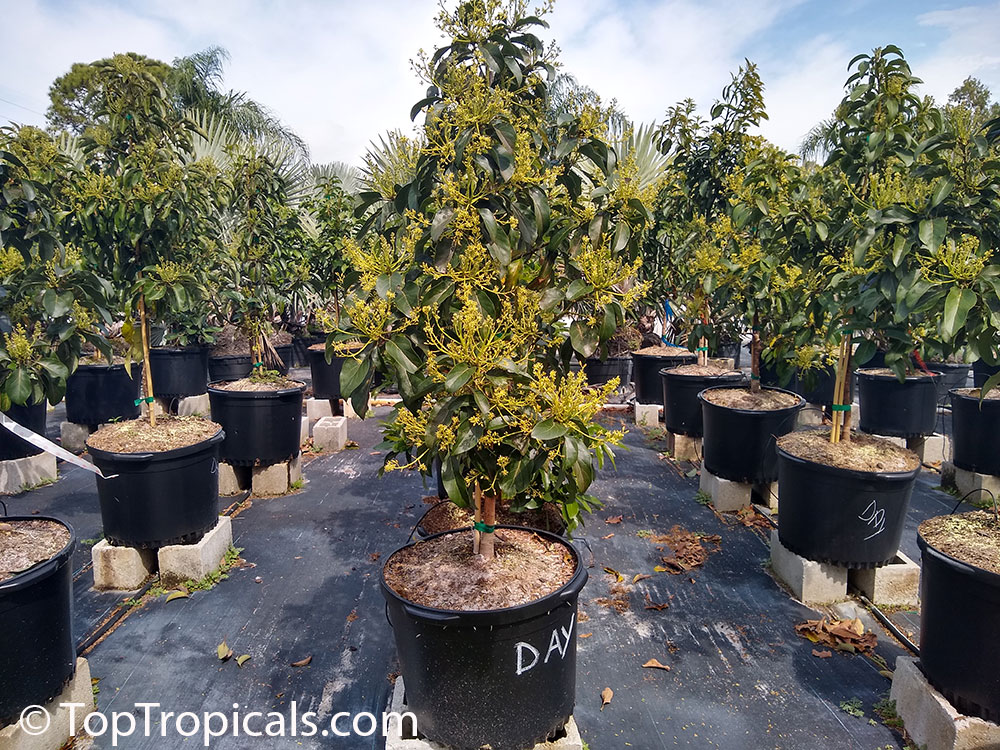
Avocado  trees  in  containers

Photo above: Avocado trees in 7 gal containers.

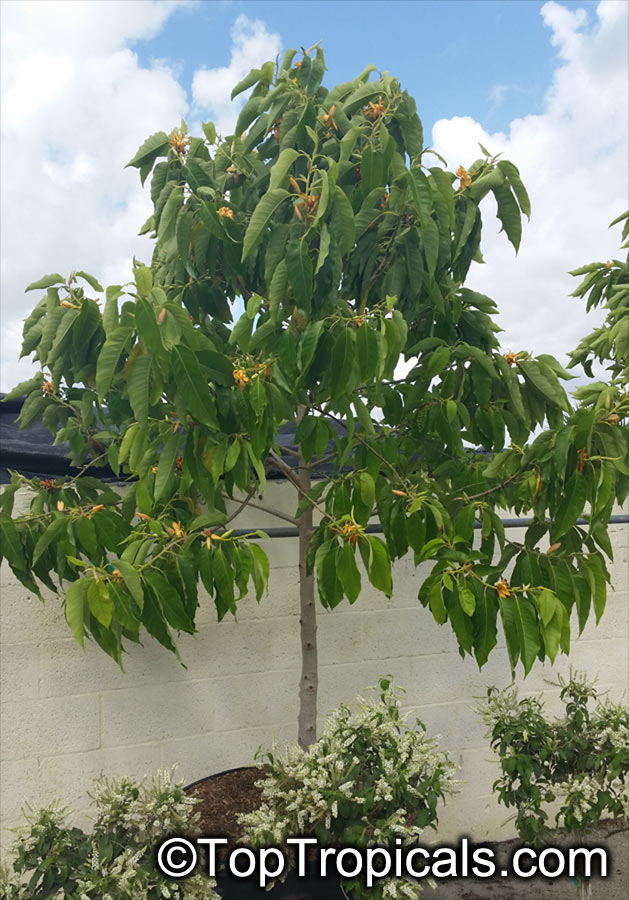
Large  Champaka  tree  in  container

Photo above: Magnolia champaca - Joy Perfume Tree in 25 gal container.