Garden Blog - Top Tropicals

Date: 24 Jun 2018

TopTropicals

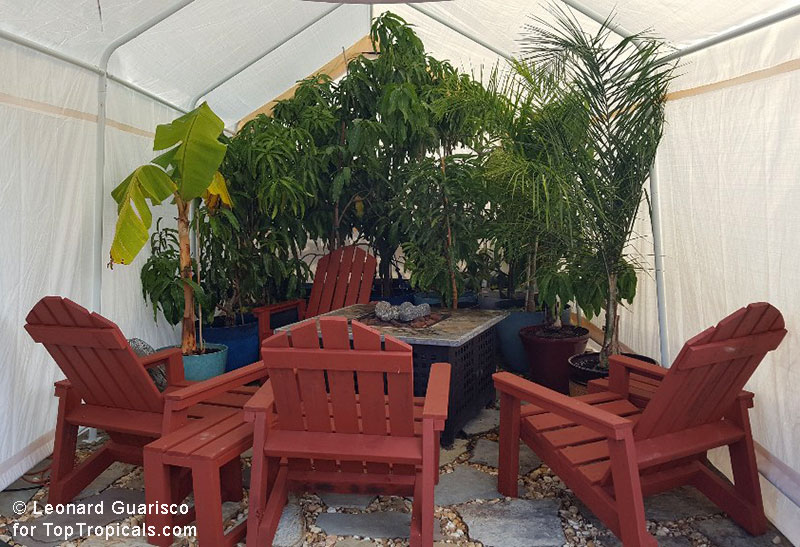
Mangos in portable garage

A word from our customer: I wanted to let you know how happy I was with my latest order, Mesk Mango. It arrived this past Saturday in EXCELLENT condition only losing 3 leaves while in transit to Morgan City, LA. I like the idea of the root ball dry, loosely packed and no Styrofoam peanuts compared to the old wet tightly packed root ball.
The attached pictures show where my container Mango collection (list below) will spend this winter so I don't lose any of my prized possessions! Again, thanks for supplying a great product and happy you survived the storm! 2 Nam Doc Mai, 2 Jakarta, 2 Valencia Pride, 2 Keitt, Pina Colada, Orange Sherbet, Cat Hoaloc, Spirit of 76, Carrie, Glenn, Coconut Cream, Mesk - in 7 gallon container during winter. 6-Nov-17.

Date: 19 May 2016

Care of mail-order plants during hot summer
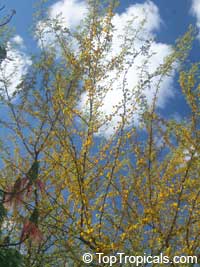
Q: I live in California and about a month ago ordered several plants from you, including fruit trees (Carambola, Mango, Avocado) and flowering trees (Xanthostemon, Adeniums, Champaca, Ylang Ylang). They were all doing well until I tried to move them into full sun, when they got leaf burn immediately. Ylang Ylang was doing great in a shade, but I repotted it from 1 gal into 3 gal and it is drooping leaves now. It has been very hot (over 100F) and dry (humidity is less than 25%). Any suggestions?

A: Hot summer can be pretty challenging time for establishing new plants. These are some guidelines to make your summer gardening more successful and rewarding.

1. You can order plants at any time, but keep your eye on your local weather forecast and try to chose cooler periods to schedule your plant shipments. Here at TopTropcals we monitor weather at destinations, and we can also delay shipment per your request until more favorable conditions.

2. During hot Summer months, many plants are still OK to ship, and to be planted, many species are heat tolerant. It's usually safe to ship most succulents, including Desert roses and Euphorbias. Some fruit trees are pretty easy too, like Loquats, Mango, Eugenias. Many flowering trees can take heat: Acacias, Clusias, Jatropha, Sausage Tree, Plumerias and many others. Check our full list of plants suitable for hot and dry conditions. Most jasmines, including Jasmine Sambac and Trachelospermum make also a safe choice for hot weather planting.

3. Use shade cloth or simply white sheets to protect young plants and new plantings from hot sun.

4. When establishing mail ordered plants during hot weather, keep them in shade for longer period of time than average recommended 1-2 weeks. Give them a chance to establish really well. In areas with low air humidity, try to create a simple mist system. It can be purchased in your local Home Depot for only $20 and set up takes only 10 minutes! It makes a big difference and can help you save many plants from hot weather stress.

5. Although it may seem that during hot weather plants need more water due to high evaporation, be careful with watering, and check soil with your finger before watering - don't water if it is still wet. Combination of "hot and wet" can be as harmful for the root system as "cold and wet" during winter. Protect root systems from overheating: covering black pots with white cloth will work. Remember when temperature is above 90F, most of plants slow down their metabolism, which means roots slow down or even stop pumping water and become more vulnerable to overwatering. For the same reason, do not hurry to step up into bigger container if roots haven't filled yet the existing pot.
Date: 24 Jun 2018

TopTropicals

Fruitful Fruit and SuperFood...

Q: I have a large fruit garden here in Florida with many mango trees, avocadoes, guavas, and other tropical fruit. Last year hurricane Irma and flooding killed a few avocado trees, but mangos and guavas survived OK, but the sad part is, very few flowers this year and almost no fruit setting. I noticed on your website your Superfood and Sunshine-Honey boosters that supposedly help fruiting? But I am afraid it is too late now as your instructions say first application must be in early Spring? I wish I discovered earlier that my trees wouldn't want to fruit this year...

A: First of all, it is never late to give the food! You may start applications of SUNSHINE products at any time of the year. The best results will be achieved once you treat your plants on regular basis throughout the whole year cycle of metabolism.
Couple weeks ago we started harvesting our 2 guava trees. These two are the same variety (Variegated Honeymoon), planted within 20 ft from each other and growing in the same conditions. The only difference was, one was treated with SUNSHINE-Honey and SUNSHINE-SuperFood, and another one didn't get any treats in order to have a control plant.
Results are very interesting, see the picture. Both trees were heavily covered with fruit. However the one with treatments developed fruit that is much larger, much sweeter and juicier, and the most interestingly - with less seeds, almost no seeds!
To answer your question: yes, you can start feeding your fruit trees right now. It is still a Springtime. Many mango varieties have late season; even early varieties may delay their fruiting if flowering triggered by miscro-elements. Guavas have very long season and most varieties can have multiple crops throughout Summer-Fall.
Here is a simple and affordable feeding schedule to help your fruit garden recover from last year hurricane stress, and establish reliable production:
1) SUNSHINE-E - for boosting metabolism - once a month
2) SUNSHINE-Honey - for bringing sugars to the heart of the tree and boosting fruit sweetness and quality - now and in 2 weeks
3) SUNSHINE-SuperFood - for overall health, recovering from hurricane and fixing root damage from flood - now and every 2 weeks throughout warm season.
4) You may apply regular balanced fertilizer NPK as usual (we apply once a month, a handful per in-ground tree)
It's that simple. Just try and watch your trees produce again!

Check out all SUNSHINE boosters... We offer FREE shipping on them, so you can make your plants happy!

Date: 8 Jul 2020

Grafted fruit trees for Hawaiian gardens

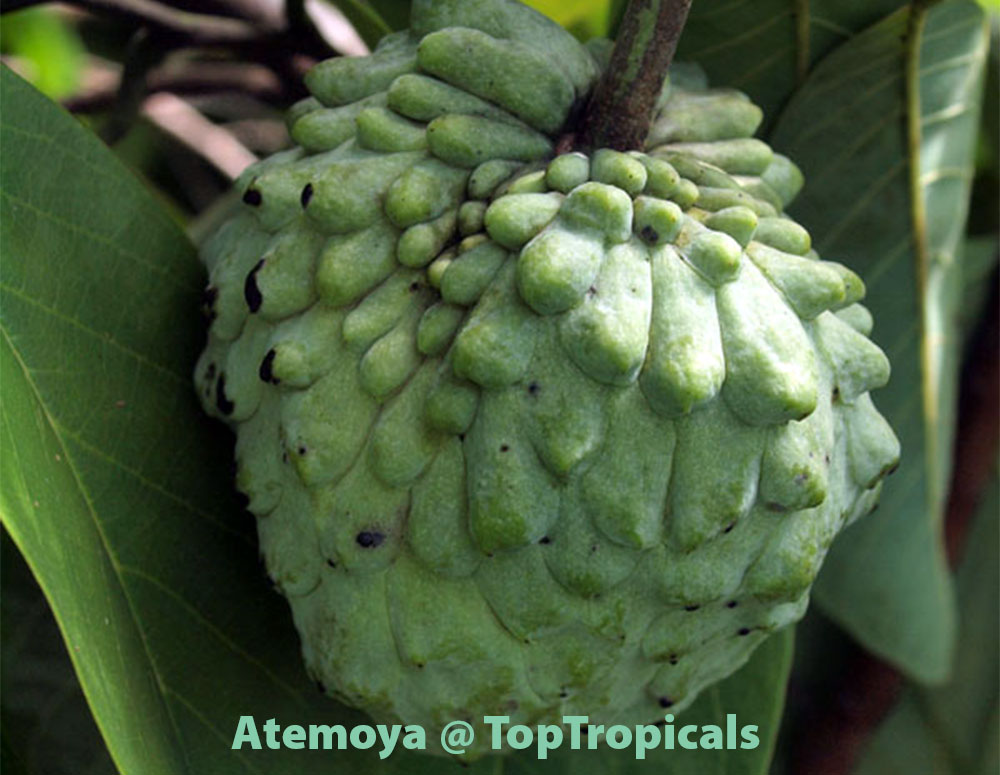
In the photo: Atemoya, one of the Annonas - fruit lover favorites.

Q: Aloha guys, I purchased a Diospyros digyna - Black Sapote grafted var. Black Beauty from you and am checking to make sure it will fruit by itself and not need both sexes. Also checking to see if the grafted atemoya I bought from you will fruit at sea level (where I'm at) or if I should give it to a friend who is above 1,000 so it will fruit? My grafted Maimi soursop is thriving! Looking at getting a grafted jackfruit from you all next.

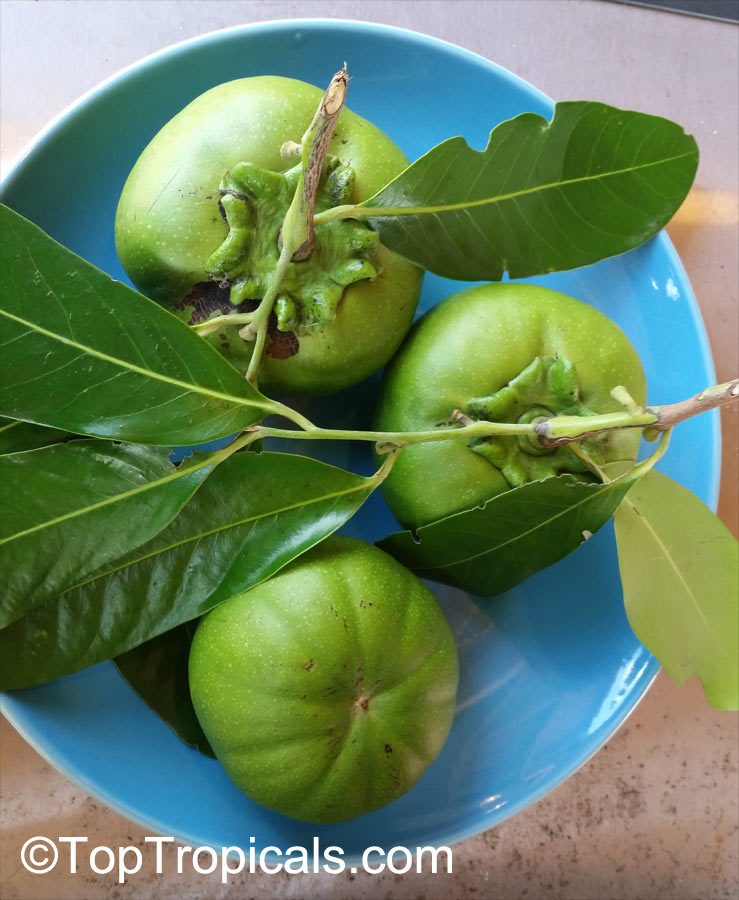
A: Black sapote Black Beauty does not need a second plant to produce fruit. Grafted trees should be flowering and setting fruit right away, or sometimes on the second year.
Atemoya does not require high elevation for fruiting. It is a hybrid Annona squamosa x Annona cherimola (A. cherimola species prefers higher elevation) so Atemoya is usually is happy at sea level.
Congratulations with your Soursop! It should be really happy in your location.

As for grafted Jackfruits, this is the list of varieties we usually carry. Since many of them are very rare, they sell out quickly once we get new arrivals. If you are looking for a specific variety, I strongly recommend to add it to your wishlist (click on "Notify me when available") and you will receive email from us as soon as we have it in stock, so you will be the first one to know about it!

Our favorite Jackfruit varieties (and also hot sellers)

Black Gold
Borneo Red
Crispy
Dang Rasimi

We also suggest to get a Kwai Muk (while we still have it!) - the most delicious fruit, and it should do well in Hawaii.

In the photo: Black Sapote

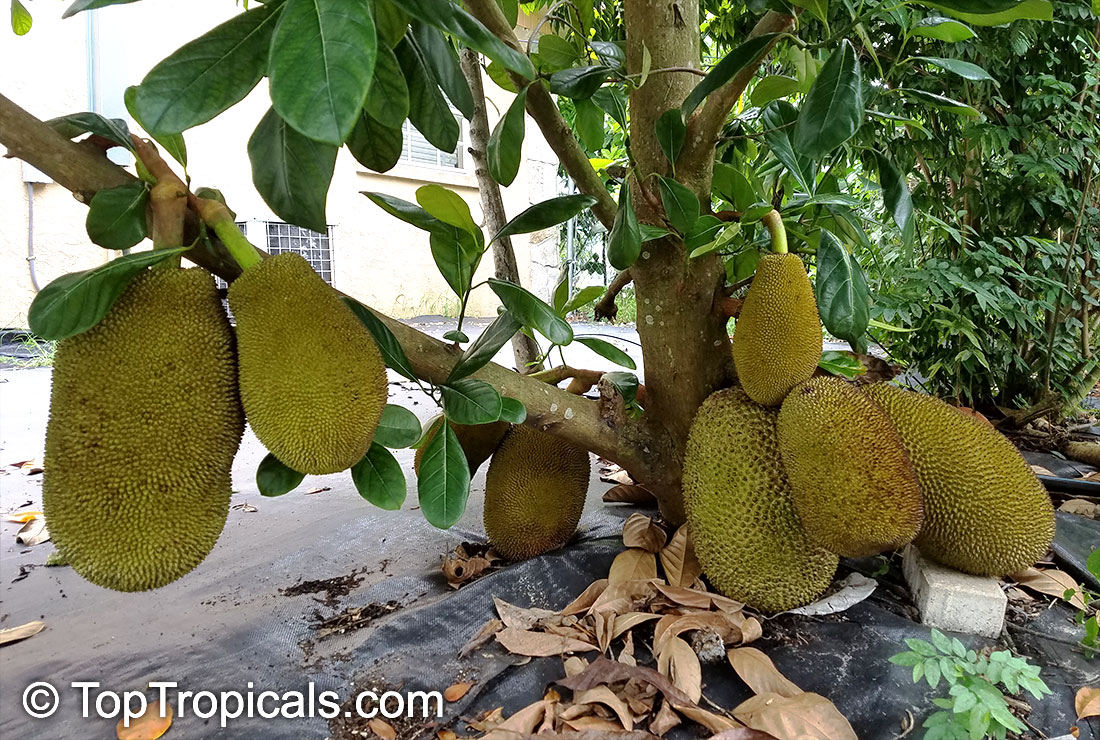
In the photo: Jackfruit at TopTropicals Garden in Ft Myers, FL

Date: 2 Feb 2022

5 most rewarding tropical fruit trees

Top Tropicals @ Garden America Radio Show

...The most popular garden radio show Garden America is featuring Top Tropicals topic "5 most practical and rewarding fruit trees for subtropical areas".

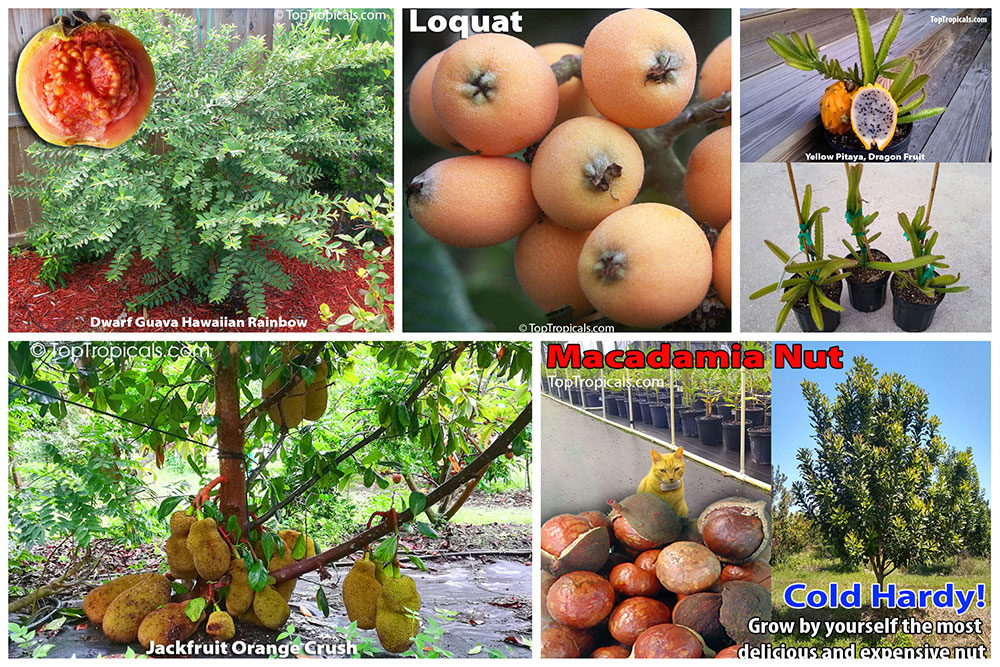
1) Jackfruit Orange Crush (Artocarpus heterophyllus)
...We recently obtained this variety and it is hands down the best Jackfruit we ever tasted. It is crunchy, sweet, aromatic, with bright orange pulp...

2) Dwarf Guava Hawaiian Rainbow (Psidium nana)
- A very small version of the favorite aromatic Guava.
- Grows only up to 5-6 ft tall with a short trunk and branching, bushy habit.

3) Yellow Pitaya, Dragon Fruit (Selenicereus megalanthus)
- This particular species of Dragon fruit is the sweetest and has great flavor unlike most pitayas
- doesn't mind regular water and rains but is also drought-tolerant

4) Loquat (Eriobotrya japonica)
- Can be kept as a very compact tree, and fruits in a pot.
- Flowers and fruits right away. The plants are covered with flowers now and setting fruit.
- Very cold hardy to upper 20's, drought tolerant, fast growing

5) Macadamia Nut (Macadamia integrifolia x tetraphylla)
- The most delicious and popular sweet nuts that are usually so expensive, can be produced in your garden!
- Cold hardy, fast growing, and very productive.

Listen to Facebook-Live Show (recording):