Garden Blog - Top Tropicals

Date: 28 Apr 2021

Cold hardy tropical fruit trees for Zone 9

Q: Can you suggest tropical fruit that can be grown (cold hardy) in Zone 9?

A: There are quite a few tropical/subtropical trees that will grow well in zone 9. Our favorites are: Figs - very cold hardy and drought tolerant.
Loquats - grafted trees that start fruiting right away, reliable producers.
Tropical Mulberry - very fast growing trees that can take freeze, heavy producers.
Macadamia - these trees are of a compact nature, very easy to grow and start producing nuts right away.
Many different varieties of Eugenias - tropical cherries - all-time favorites. Another tropical cherry - Malpighia, or Barbados cherry - starts fruiting in small size under one food tall! Great for containers.
Tropical (Low Chill) Peaches, Nectarines, and Plums. See full list of low-chill, relatively cold hardy fruit trees.
And of course - Bananas!

Don't forget to fertilize your fruit trees to improve their cold hardiness!

Date: 24 Jun 2018

TopTropicals

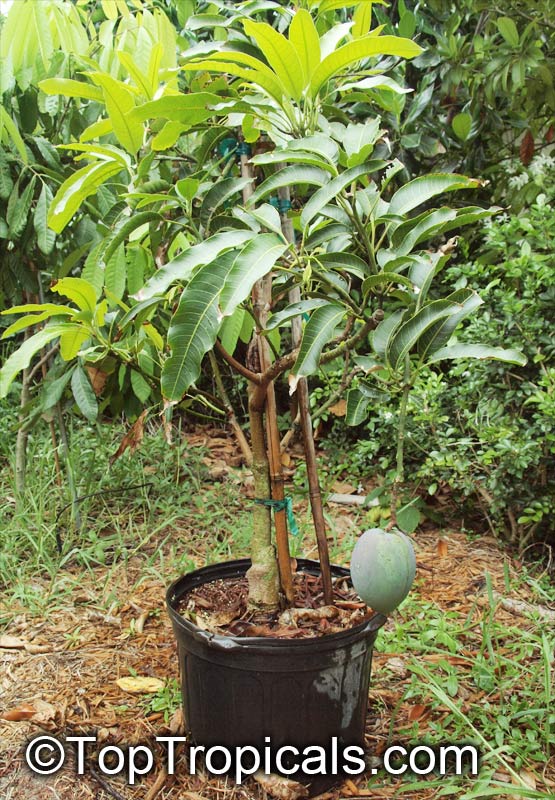
Mangos in portable garage

A word from our customer: I wanted to let you know how happy I was with my latest order, Mesk Mango. It arrived this past Saturday in EXCELLENT condition only losing 3 leaves while in transit to Morgan City, LA. I like the idea of the root ball dry, loosely packed and no Styrofoam peanuts compared to the old wet tightly packed root ball.
The attached pictures show where my container Mango collection (list below) will spend this winter so I don't lose any of my prized possessions! Again, thanks for supplying a great product and happy you survived the storm! 2 Nam Doc Mai, 2 Jakarta, 2 Valencia Pride, 2 Keitt, Pina Colada, Orange Sherbet, Cat Hoaloc, Spirit of 76, Carrie, Glenn, Coconut Cream, Mesk - in 7 gallon container during winter. 6-Nov-17.

Date: 31 Jan 2017

Plants of Love. TopTropicals Webinars

Plants of Love - Valentines Day Sale. For Valentines day, look beyond roses for a plant that will last a lifetime! It is not a surprise that the most popular plants that has been ordered from TopTropicals for Valentines day for the past 3 years, are: Vanilla, Chocolate, Grape, Strawberry tree, Rose apple - all things you get for your Valentines!

This year we are celebrating Valentines day with our special local event - "Aphrodisiacs, or Plants of Love".

When: Saturday, February 11, 2017, from 10 am to 2 pm
Where: Toptropicals Garden Center, 13890 Orange River Blvd, Ft Myers, FL 33905
Agenda:
10:00 am - Explore the grounds: Customers can come in to look through the nursery and guided tours through gardens.
12:00 pm - Aphrodisiac plants. Class on plants used for aphrodisiacs throughout history.
1:00 pm - Plant giveaway. Must be present to win one of the aphrodisiac plants in lecture.
2:00 pm - sale ends.
Special Love Discounts for local visitors! Snacks and drinks.

Just a few examples of the most famous plants of love that we will be talking about -
Coffea arabica - in East Africa and Arabia it was a sacred beverage to African sufis. For aphrodisiac results mix in cardamom and honey.
Banisteriopsis caapi, Ayahuasca - giant liana from tropical Amazon forests psychedelic, ritual inebriant that promotes potency. Drink is made from the bark and is taken in love rituals to revive the mythical past of the tribe.
Areca catechu, Betel Nut - seeds have stimulating effect on the entire body and eros. It's a traditional aphrodosiac in Ayurvedic medicine and is counted among the eight types of pleasure in the Brahmanic tradition. It has magical and religious properties and used as an offering to the Gods.
Theobroma cacao, Chocolate - mild stimulant, beans contain aphrodisiac. Antient Indian "recipe of chocolati" will be shared at the event! Cocoa was considered the "food of gods".
Cinnamon - in Southern Asia used as stimulant, in food or massage oil for erotic stimulation.
Cola nitida, Cola nut - used in love magic, was used as currency in W Africa.
Cananga odorata, Ylang-Ylang - increases eroticism with oil inhaled. Prescribed to treat impotency and frigidity.
Butea monosperma, Flame of The Forest - is traditionally used to manage male sexual disorders.
Mimosa pudica, Sensitive Plant - significantly increases the libido and hormonal levels of testosterone.
Satureja Viminea, Kama Sutra Mint Tree - used for love gel...
- and much more!

TopTropicals Webinars. Welcome to Top Tropicals Webinar! Discover the world of Rare Plants and surround yourself with a Tropical Paradise! Our plant experts will be answering your garden questions. Our next LIVE air time is just before Valentines Day - Saturday February 11, at 2 pm ET, with a topic of... of course, Aphrodisiac Plants! Get your questions ready!

Date: 2 Feb 2022

5 most rewarding tropical fruit trees

Top Tropicals @ Garden America Radio Show

...The most popular garden radio show Garden America is featuring Top Tropicals topic "5 most practical and rewarding fruit trees for subtropical areas".

1) Jackfruit Orange Crush (Artocarpus heterophyllus)
...We recently obtained this variety and it is hands down the best Jackfruit we ever tasted. It is crunchy, sweet, aromatic, with bright orange pulp...

2) Dwarf Guava Hawaiian Rainbow (Psidium nana)
- A very small version of the favorite aromatic Guava.
- Grows only up to 5-6 ft tall with a short trunk and branching, bushy habit.

3) Yellow Pitaya, Dragon Fruit (Selenicereus megalanthus)
- This particular species of Dragon fruit is the sweetest and has great flavor unlike most pitayas
- doesn't mind regular water and rains but is also drought-tolerant

4) Loquat (Eriobotrya japonica)
- Can be kept as a very compact tree, and fruits in a pot.
- Flowers and fruits right away. The plants are covered with flowers now and setting fruit.
- Very cold hardy to upper 20's, drought tolerant, fast growing

5) Macadamia Nut (Macadamia integrifolia x tetraphylla)
- The most delicious and popular sweet nuts that are usually so expensive, can be produced in your garden!
- Cold hardy, fast growing, and very productive.

Listen to Facebook-Live Show (recording):

Date: 18 Apr 2026

The Secret to a Sharper Mind Might Be Growing in Your Backyard

Harvesting tropical fruits

Harvesting tropical fruits

The Secret to a Sharper Mind Might Be Growing in Your Backyard


Your garden shed might hold a more powerful tool for brain health than your medicine cabinet. What if the best defense against cognitive decline isn’t found in a pill bottle - but right outside your door? While we often think of gardening as just a hobby, new research suggests that the combination of physical "zone-pushing" and harvesting your own nutrient-dense tropical fruit could be a literal life-saver for your brain.
  • 🍒 What the Research Actually Says


    A massive study recently published in the journal Neurology followed more than 92,000 people to see how diet impacts the mind. The findings were clear: the quality of the plant-based foods you eat plays a massive role in your risk of dementia. It isn't just about "eating your veggies" - it's about which ones you choose.
    (The full study: Plant-Based Dietary Patterns and Risk of Alzheimer Disease and Related Dementias in the Multiethnic Cohort Study)
  • 🍒 Why Growing Your Own Fruit Changes the Game


    If you grow your own fruit, you quietly solve two problems at once. It turns a "diet plan" into a natural part of your day.

    1. Effortless Nutrition
    When a ripe mango, a handful of mulberries, or a fresh guava is hanging within arm's reach, you eat it. It replaces processed, sugary snacks without any "willpower" required. You are naturally moving toward the high-quality, whole-food diet the research supports.

    2. Functional Fitness
    Gardening doesn't feel like a workout, but it is. Bending, pruning, carrying pots, and digging are all forms of functional movement. It’s steady, useful physical activity that supports your heart and brain while you’re focused on your plants.

    3. The "Outdoor" Effect
    Sunlight and fresh air are natural mood boosters. The mental focus required to manage tropical plants - especially when you’re protecting them from a surprise freeze - provides a level of mental engagement and stress relief that you just can't get from a treadmill.
  • 🍒 What to plant if you are just starting


    You don’t need a massive orchard to start investing in your brain health. One or two plants can shift your habits immediately.

    For Fast Results: Papaya and Mulberries produce fruit quickly and are incredibly easy to manage. Turmeric (curcuma), leafy greens (Longevity spinach, Katuk) and Cinnamon proved instant harvest.
    For Small Spaces: Dwarf Mango varieties and Cherries (Eugenias or Acerola), Pineapples thrive in containers and provide massive doses of antioxidants.
    For the "Zone Pusher": Figs and cold-hardy Avocados offer healthy fats and fiber that are essential for long-term health.
  • 🍒 Start Small, Start Now


    The research makes one thing clear: improving your food quality matters, and you can see results no matter your age. Planting a fruit tree changes what you eat, how you move, and how often you step outside.
    That’s more than just gardening - that’s a lifestyle shift your brain will thank you for.
  • 🍒 FAQ


    Does fruit really support brain health?
    Yes. Diets rich in whole, high-quality plant foods are linked to a lower risk of dementia, especially when they replace processed snacks and added sugars.

    Is gardening enough to count as exercise?
    Absolutely. Regular gardening provides steady, functional movement that improves circulation and supports overall physical health.

    Is it too late for me to start?
    No. The study showed that even participants who improved their diet quality in their 60s and 70s saw a measurable reduction in dementia risk.


🛒 Start your tropical fruit journey

Guava · Mango · Mulberry · Papaya · Pineapple · Avocado · Cherries · Figs

📚 Learn more:


#Food_Forest #Remedies #Discover

🟢 Join 👉 TopTropicals