Garden Blog - Top Tropicals

Date: 14 Jul 2019

Dwarf and Condo mangoes - easy mangoes
Q: We leave in zone 6a, could you tell us what is the list of different types of mango plants that could be planted indoor and that they can bear fruits?

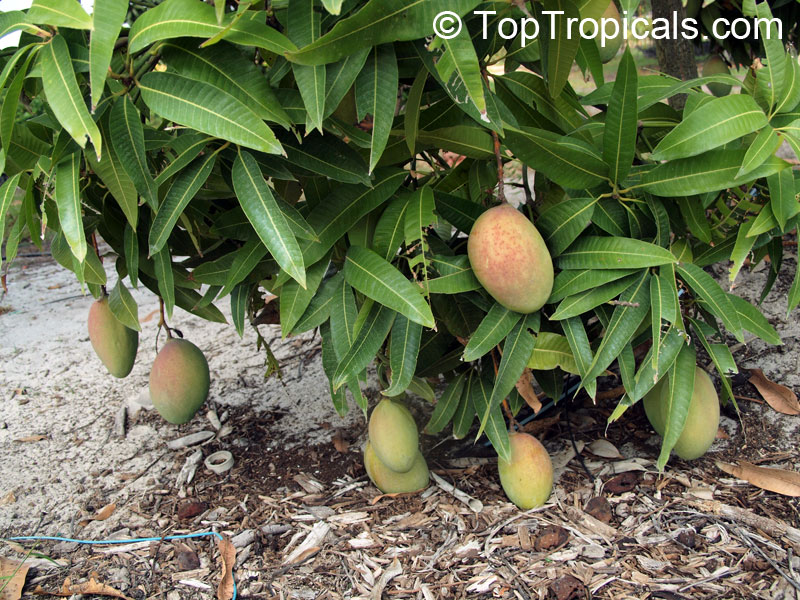
A:There is a large group of mangoes called "Condo Mango" - they literally can be grown in your apartment! Those are dwarf varieties that can remain compact in containers with minimal pruning and successfully bear fruit providing bright light and proper care, including plant food.

The best dwarf and semi-dwarf varieties are: Carrie, Cogshall, Cushman, Fairchild, Graham, Ice Cream, Julie, Mallika, Nam Doc Mai, Pickering, Irwin, Jahangir, Juliette, Lancetilla, Little Gem, Manilita, Sia Tong, Torbert, Pim Seng Mun, Super Julie.

They produce juicy, fiberless sweet fruit. Julie is also a very popular dwarf variety, however, it is very cold sensitive and not the easiest to grow. If you get a 3 gal size mango, step it up to 7 gal when the plant reaches 4 ft; you may use a bigger container as the root system grows, up to 15 gal or even 25 gal, space permitting. Trim the tree under 6-8 ft after production season is over (summer-fall).

See more information on growing condo mangoes

RECOMMENDED FERTILIZERS:

Mango-Food - Smart Release Fruit Tree Booster
Fruit Festival Plant Food - Super Crop Booster
For sweeter fruit, use SUNSHINE-Honey - sugar booster

Date: 25 Feb 2021

Healthy Plants: Q&A from Mr Booster

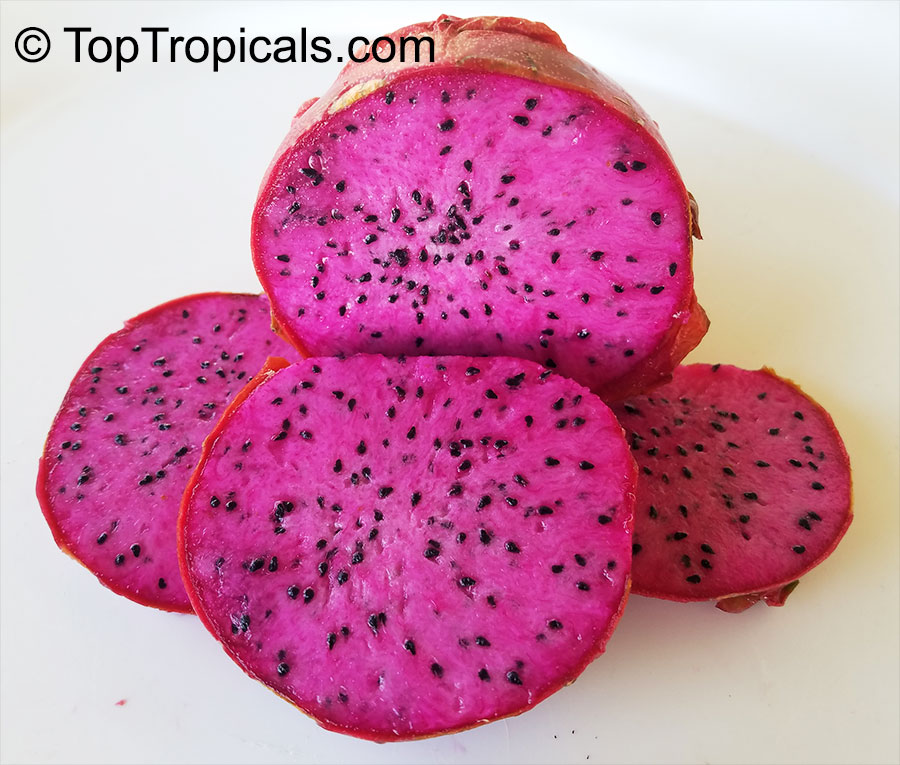
Dragon Fruit Magic Tricks

Q: I purchased two sweet red pitayas, that arrived and were planted on May 28, 2020, they were damaged but not serious. my question is this one pitaya is a beautiful green, and has grown 6or 8 " already, the other is bigger and is a grayish green and has not shown any sign of growth at all in six weeks, how long do I wait before I throw it out and buy another?

A: Being a cactus, sometimes Pitaya slows down its growth waiting for more favorable conditions. If one of your plants doesn't show any new growth, just give a it some more time and make sure the plant stays happy. To make pitaya happy, provide the following:
- Water. Unlike most cacti, Pitaya prefers regular watering (but not a wet soil). Make sure it is planted in well-drained media. Do not water again if soil remains moist, wait until it dries out on the surface. During hot weather, Pitaya enjoys light daily watering.
- Light. Unlike most cacti, Pitaya benefits from a filtered light especially while establishing. Try to create a temporary shade over the plant until it starts active growth (if grown in the ground), or move the pot in filtered light. Dull color or dry spots are signs of sun burn. Once the plant shows new growth, you may remove sun protection, or move the pot gradually into the full sun.
- Food. Pitayas are heavy feeders. Use the following fertilizer:
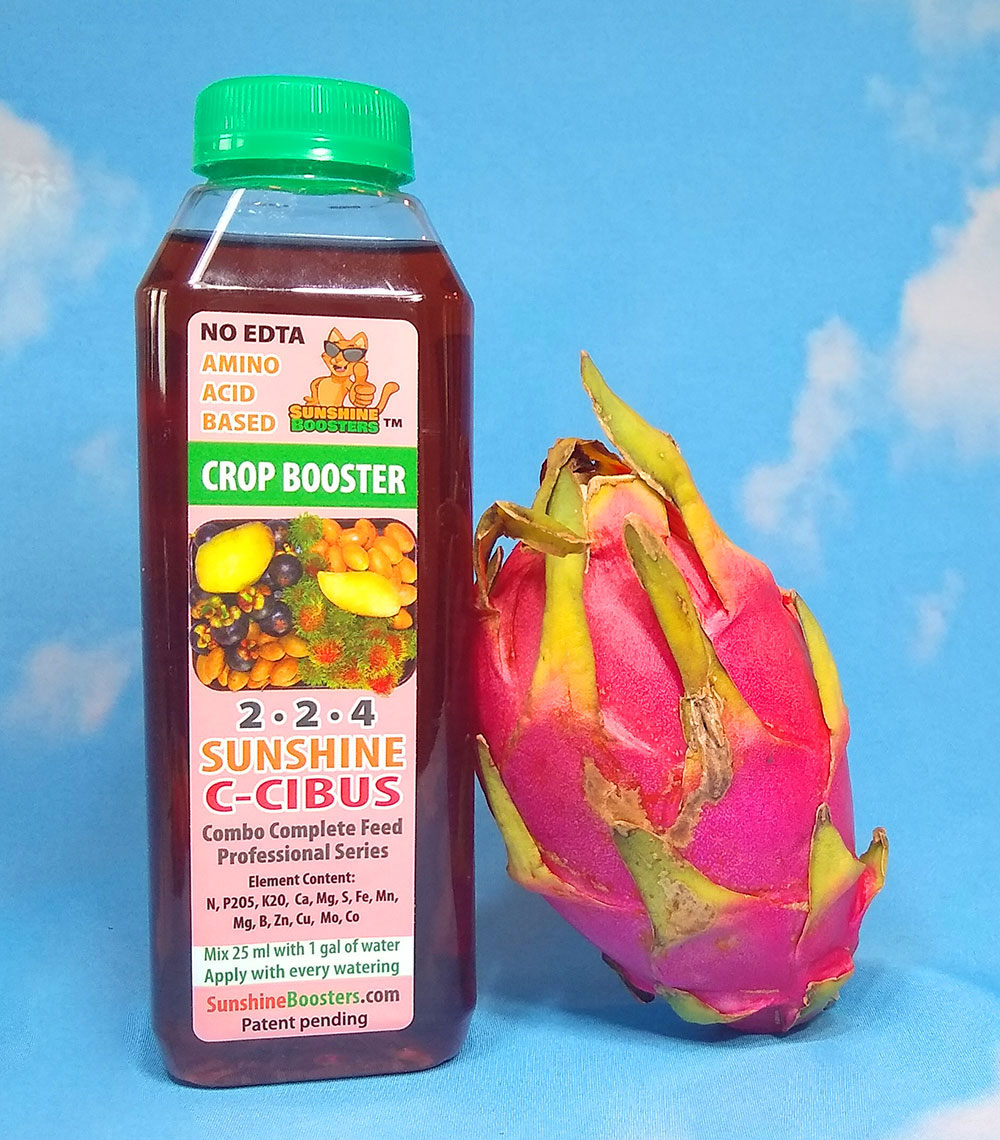
SUNSHINE C-Cibus - Crop Nutrition Booster

Q: I've been growing dragon fruit cuttings from Okinawa, Thailand and Vietnam for several years in pots and cannot get them to fruit. Any fertilizer suggestions? I live in Northern Virginia so I bring the massive pots in the garage under lights and a heater for the winter but back outside once the temperature warms up.

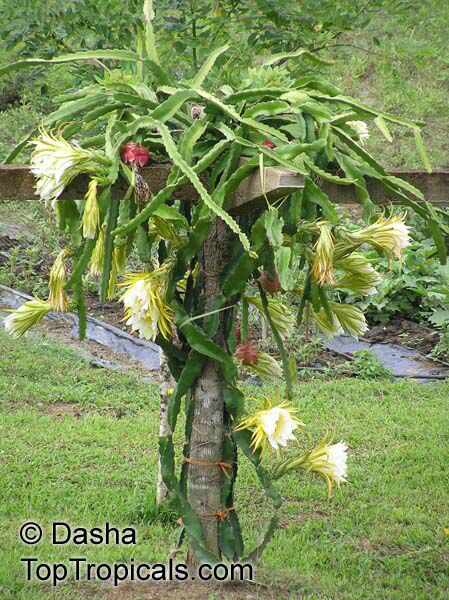
A: There is a little trick to get Dragon fruit to flowering and fruiting. This plant likes flowering when it is attached to a strong support. In commercial plantations, they use special trellises/frames made out of logs, but you can make one yourself using simple materials.
See article: Do-It-Yourself Support Structure for Dragon Fruit.
And of course, don't forget a special plant food for tropical fruit - Sunshine C-Cibus.
You can successfully get your Dragon fruits to fruit in pots, providing bright light in Summer. In Winter, keep the plants on a dry side to give them some rest and a chance to hibernate before the next fruiting season.

Date: 23 May 2024

What is the easiest container plant with beautiful flowers?

Adenium collage

Adenium collage

🎍 What is the easiest container plant with beautiful flowers?

  • 🌸 Desert roses - Adeniums! With so many colors of hybrids available in cultivation, you want to collect them all!
  • 🌸 Double flowers, red, purple, yellow, striped, dotted, rainbow, and even black flowers!
  • 🌸 Unlike most tropical and house plants, Adeniums like a neutral to hard water. They have very low water needs, can grow in full sun or shade.
  • 🌸 A secret how to create a large swollen caudex: raise the plant a bit every time you re-pot it, so that the upper part of roots will be a little exposed. The plant will form more roots that will go down.


📚 Learn how to grow Adeniums:


What you need for successful growing Adeniums

🛒 Shop Adenium colors and hybrids

#Container_Garden #How_to

🏵 TopTropicals

Date: 4 Jun 2025

Flowers of whimsical Bunnies

Adenium White Rabbit

🐰 Flowers of whimsical Bunnies


📸 Adenium White Rabbit for the previous post 👆

🛒 Shop adeniums

#Nature_Wonders #Container_Garden #Adenium

🟢 Join 👉 TopTropicals

Date: 25 Jan 2021

Healthy Plants: Q&A from Mr Booster

How to get Canistel tree to produce
without dropping flowers and fruit

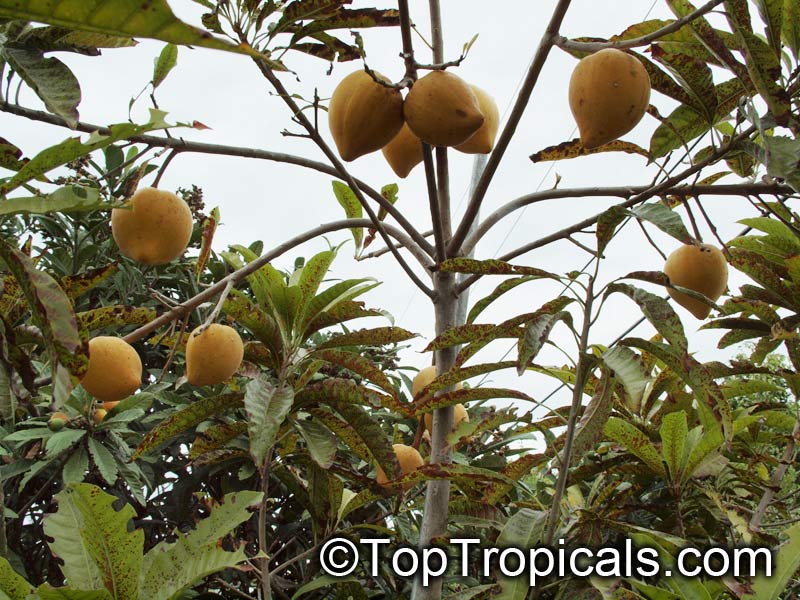
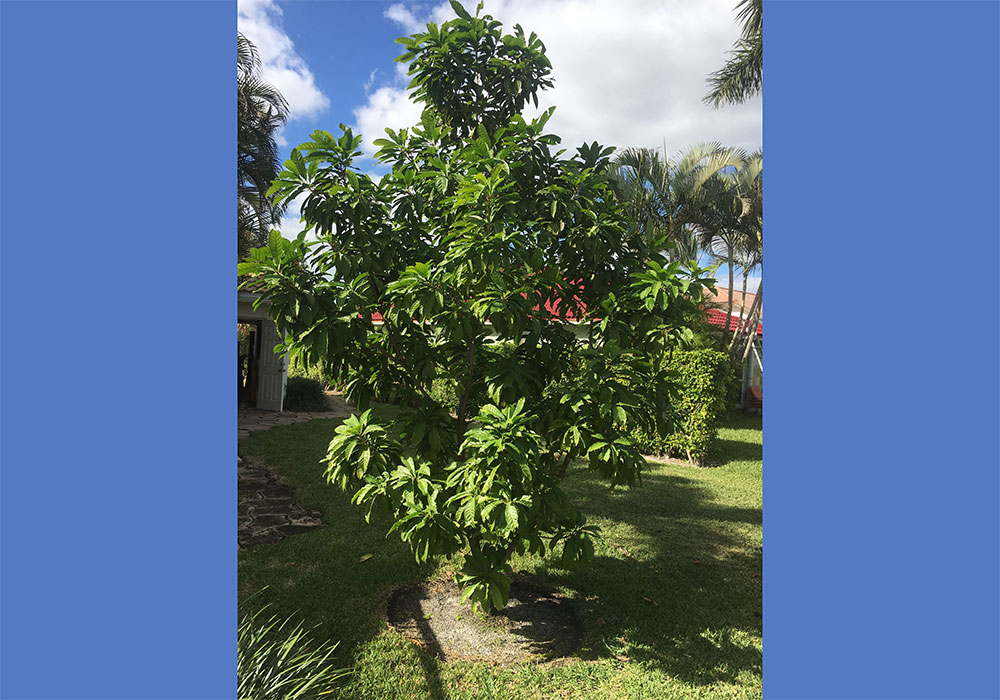
Q: My Canistel tree is 3 1/2 years old and is growing very well, see the picture below. It gets hundreds of pea sized "berries" but then they fall off. No canistel fruit. What's wrong?

A: You have such a nice looking tree, it is a shame you can't get any fruit to ripen.
In our experience, Pouteria trees dropping fruit prematurely is a very common problem. There may be one of the following reasons, or a combination of them:
- Cold winters may affect production, and while Canistel is generally pretty hardy tropical plant that can easily withstand short periods of chill, the fruit may never form properly if it had a cold winter.
- Lack of water. Canistel tree is pretty drought tolerant, but for the proper production cycle it needs regular irrigation. Especially during hot summer.
- The tree may be not strong enough; young trees drop fruit very often when they don't have enough "fruiting energy" built up in their system.
Your tree looks well established and vigorous, however, flower/fruit drop is often a sign of insufficient nutrients of particular kind, usually Boron (B) and/or Molybdenum (Mo): either when a tree is too young and not strong enough, or because of poor soils and lack of necessary elements.

Here is what can be done, considering you live in a warm, frost-free climate.

1. Provide regular fertilizing program. We recommend liquid fertilizers Sunshine Boosters that are safe to use with every watering and year around. It is beneficial to switch plants from traditional "slow-release" fertilizer to the liquid one because it makes a huge difference in plant growth and flower/fruit quality and quantity. See also:
- Why liquid fertilizers are better than dry
- Article about benefits of liquid fertilizers.

Use this plant food for your Canistel tree:
SUNSHINE C-Cibus - Crop Nutrition Booster

2. Apply micro-element remedies that are very effective for improving fruit production, especially when flower or fruit drop occurs:

SUNSHINE Honey - promotes more efficient blossoming and pollination, makes flowers bigger and reduces bud drop.
SUNSHINE SuperFood - improves plant vigor and quality and size of flowers These are all natural, eco-friendly supplements that work great for fruit trees and other edibles.