Garden Blog - Top Tropicals

Date: 9 Feb 2025

How to grow Mandevilla: Practical Guide to Growing Mandevilla Vine

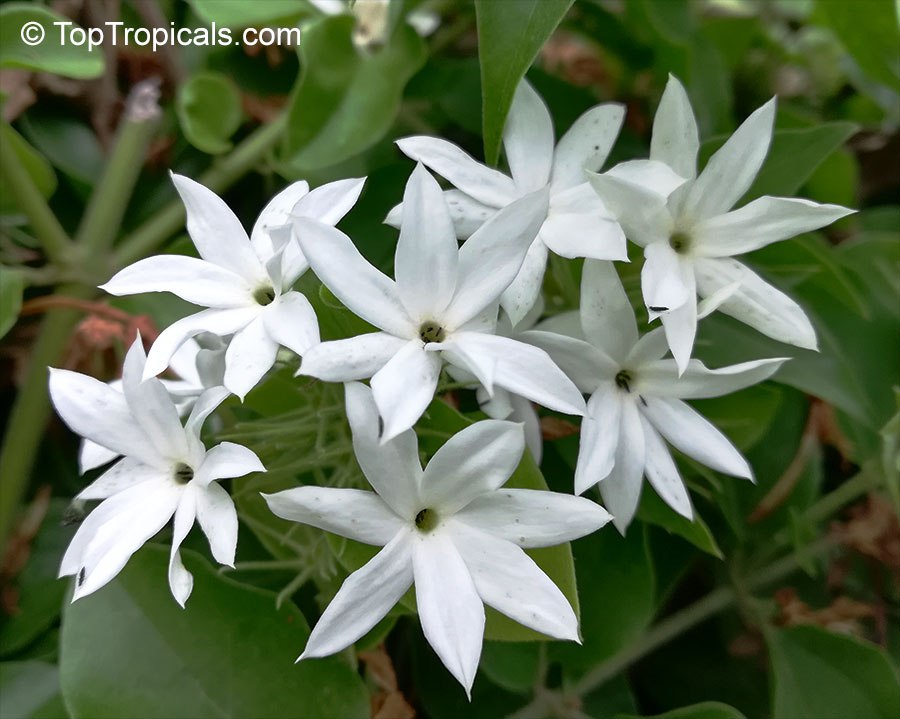
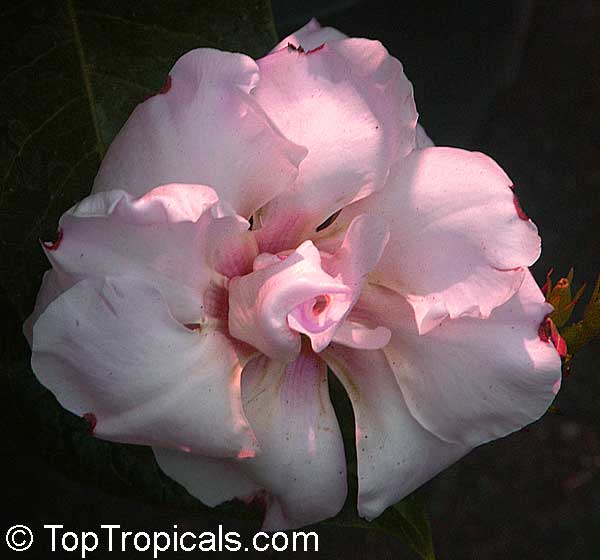
Mandevilla amabilis
Thai Rose
Mandevilla amabilis Thai Rose

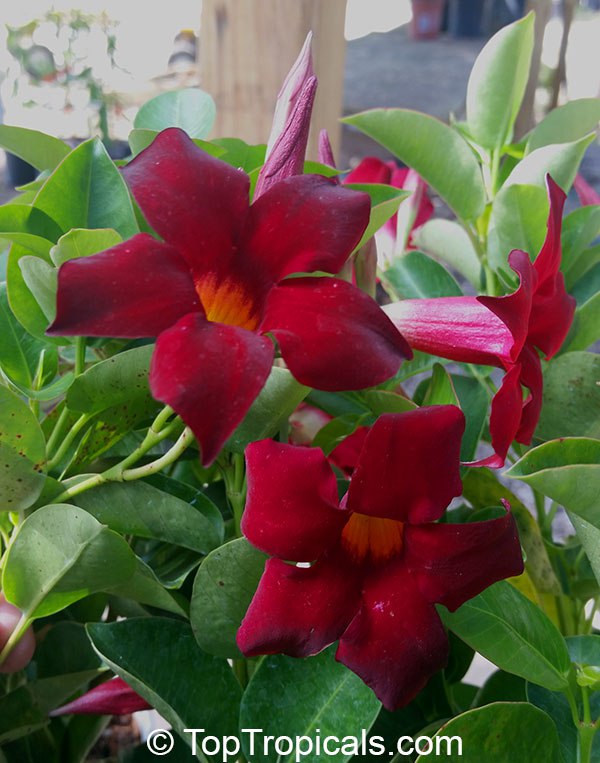
Mandevilla Sun Parasol Crimson
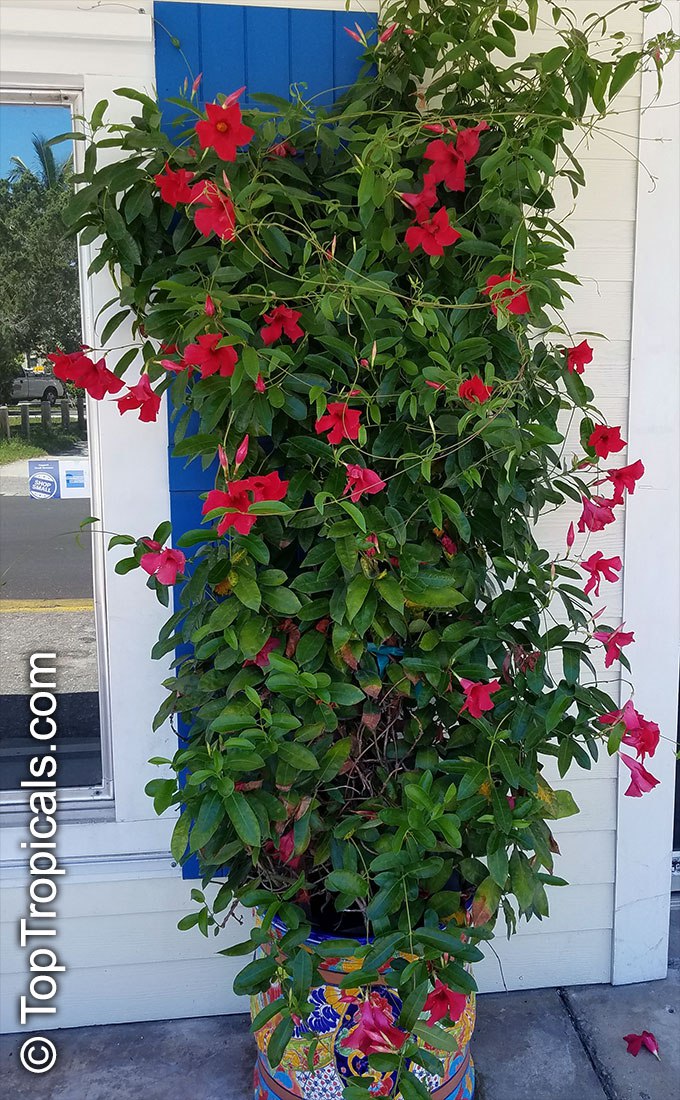
Mandevilla Sun Parasol Crimson

Mandevilla Sun Parasol Crimson on a trellis
Mandevilla Sun Parasol Crimson on a trellis

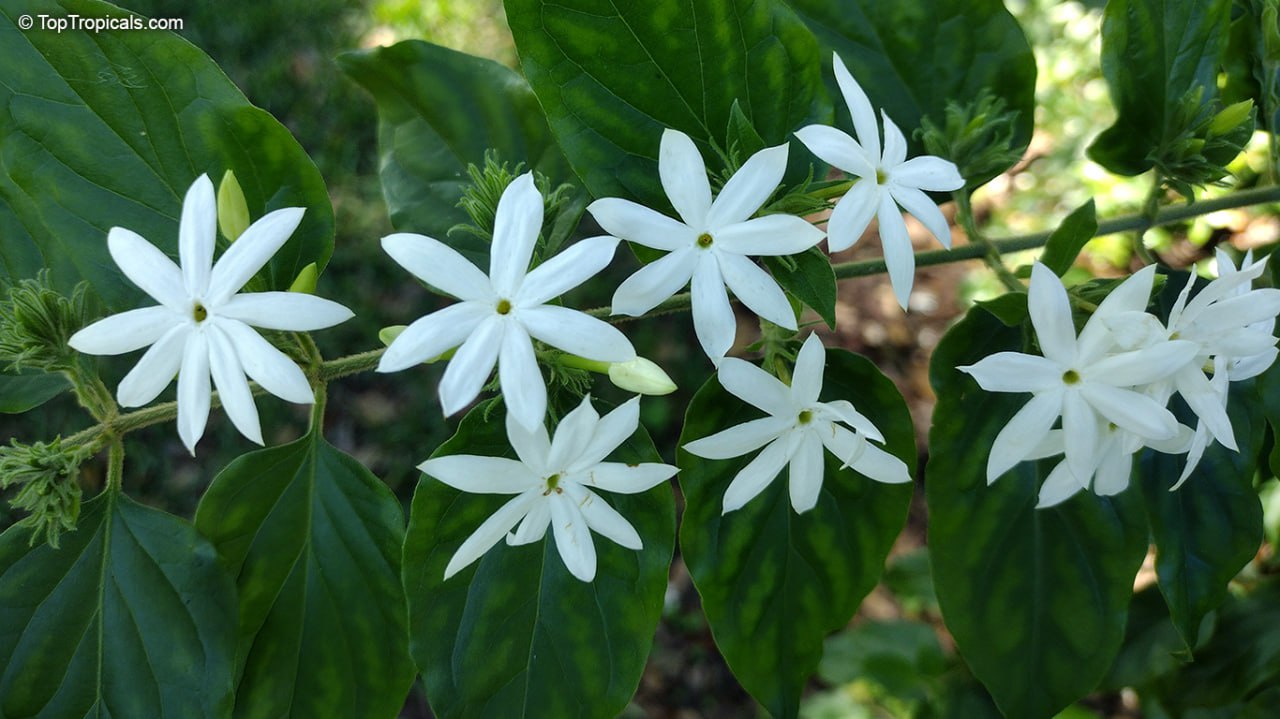
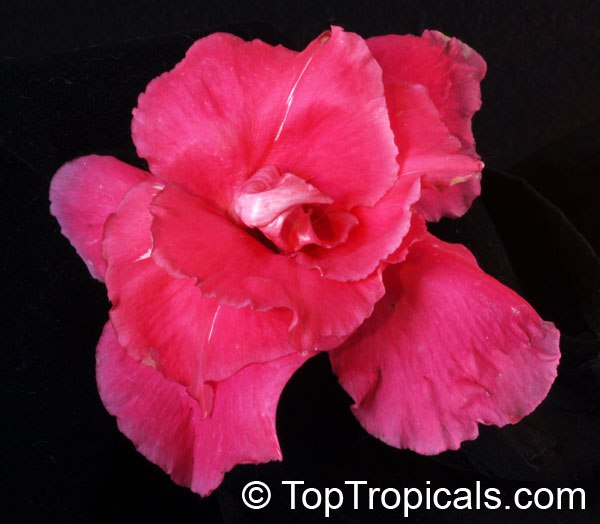
Mandevilla amabilis
Thai Rose
Mandevilla amabilis Thai Rose

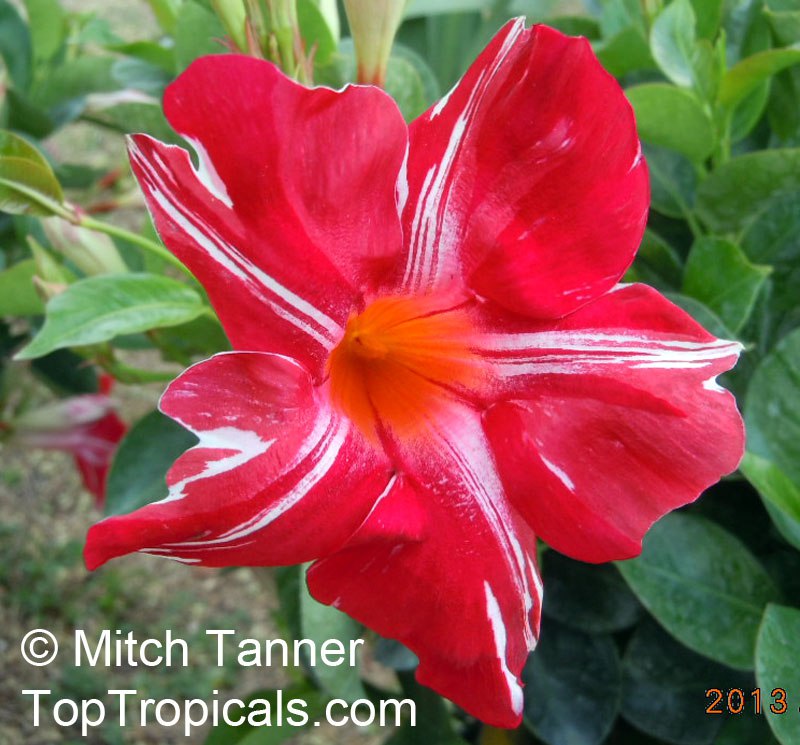
Mandevilla Stars and Stripes

Mandevilla Stars and Stripes

🌺 How to grow Mandevilla: Practical Guide to Growing Mandevilla Vine

  • 🌺 Mandevilla is a tropical vine known for its vibrant, trumpet-shaped flowers that bloom throughout the warm months. This fast-growing climber thrives in warm climates and adds a stunning display of color to gardens and patios.
  • 🌺 Difference Between Mandevilla and Dipladenia


    The names Mandevilla and Dipladenia are often used interchangeably, creating confusion. While they are closely related, there are key differences. Mandevilla is a vigorous woody vine with large, stiff leaves, ideal for trellises and fences. Dipladenia, on the other hand, has a more compact growth habit with smaller, smooth leaves. Dipladenia can be also trained on a trellis but also thrives in hanging baskets or as a compact specimen plant. As a bushier type of Mandevilla, its smaller, more compact varieties are excellent for mixed containers.
  • 🌺 Growing in the Ground


💋Soil. Mandevilla prefers well-draining soil enriched with organic matter. A mix of garden soil, compost, and sand ensures good drainage and fertility. Both Mandevilla and Dipladenia require acidic soil. If your native soil contains limestone, consider growing them in containers with a peat-based potting mix to maintain a lower pH.
  • 💋Light. Plant in a location with full sun to partial shade; at least 6 hours of direct sunlight promotes the best blooms.
  • Water Mandevilla regularly, keeping the soil moist but not soggy. During hot months, water deeply a few times a week. Reduce watering in cooler seasons.
  • 💋Feeding and Encouraging More Blooms: Feed Mandevilla with Sunshine Boosters Megaflor with every watering to encourage more blooms. Prune lightly after flowering to promote new growth and continuous flowering.

  • 🌺 Most Interesting Varieties
  • Mandevilla flowers come in a wide range of colors, including shades of red, mauve, pink, white, and even yellow. For vibrant color and impact, consider these varieties:

💋Mandevilla ‘Alice du Pont’– A classic pink variety with large flowers and vigorous growth.
  • 💋Mandevilla ‘Sun Parasol’ Series – Offers compact plants in deep red, pink, or white, great for containers or small spaces.
  • 💋Mandevilla ‘Crimson Red’– Deep red blooms stand out against glossy green foliage.
  • 💋Dipladenia ‘Stars and Stripes’ - features striking red-and-white striped blooms.
  • In Florida, Sun Parasol and Alice du Pont perform exceptionally well, thriving in the heat and humidity while providing season-long blooms.

  • 🌺 Pests and Problems
Mandevilla is relatively pest-resistant but can attract aphids, spider mites, and whiteflies. To manage pests:
  • 💋Spray with a neem oil solution weekly if pests are present.
  • 💋Encourage beneficial insects like ladybugs to control aphids naturally.
  • 💋Remove affected leaves and rinse plants with a strong stream of water.
  • 💋Watch for fungal diseases in humid climates; ensure good air circulation and avoid overhead watering.


🌺 Growing Mandevilla in Pots and Winter Care


Mandevilla grows beautifully in containers, making it a great option for cooler climates where it can be brought indoors for winter.
  • 💋Pot Growing Tips:

· Use a well-draining potting mix with added perlite for aeration.
  • · Choose a pot at least 12-16 inches in diameter, with several drainage holes, for vigorous growth.
  • · Water when the top inch of soil feels dry, avoiding waterlogged conditions.


💋Winter Care:
  • · In regions with frost, move potted Mandevilla indoors to a bright, cool location (50-60°F).
  • · Reduce watering and stop fertilizing during cooler season.
  • · Prune lightly before bringing indoors to maintain shape and size.
  • · Repotting: Repot every 2-3 years in early spring before active growth begins, refreshing the soil and upgrading to a slightly larger container if needed.

With the right care, Mandevilla provides stunning, long-lasting blooms and thrives in gardens or pots, making it a versatile and rewarding addition to any space.

📚 Learn more from previous post:


How to overwinter Mandevilla indoors

🛒 Shop flowering vines

#How_to #Container_Garden #Hedges_with_benefits

🔴 Join 👉 TopTropicals
Date: 16 Mar 2025

St. Gertrude of Nivelles:
Patron Saint of Cats, Gardeners,
and Those Who Fear Mice!

St.  Gertrude  with  cats

Q: What is celebrated on March 17 besides St Patrick's Day? Is it true this is also a Gardener's Day?

A: March 17 isn't just about St. Patrick! It's also the feast day of St. Gertrude of Nivelles, the Patron Saint of Cats, Cat Lovers, Gardeners, and Travelers! While her feline connection only emerged in the 1980s - over 1,300 years after she lived - the idea has spread far and wide. Some trace it back to a 1981 Metropolitan Museum of Art catalog, which first linked St. Gertrude to cats.

Gertrude, a 7th-century Benedictine abbess, was known for her kindness, hospitality, and yes - her love of cats! She cared for the monastery's feline friends, offering them food and affection. In her honor, Nivelles, Belgium, holds an annual Le Tour Sainte-Gertrude, a grand procession celebrating her legacy.

Gardeners also look to St. Gertrude's feast day as the perfect time to start spring planting - because a beautiful, sunny March 17 is seen as a sign of a good growing season ahead! So, when you're decked out in green for St. Patrick's Day, give your furry friend an extra cuddle in honor of the original Cat Lady Saint!

And of course, Plant People usually are Cat People - this is why we have our PeopleCats.Garden!


A Prayer for Our Feline Friends

O holy St. Gertrude of Nivelles, Patron Saint of Cats,
I ask you to pray that my sweet kitty(ies) will always be content, energetic, curious, playful, and good-natured.
I pray my cat(s) will be a joy to me and those I love.
Carry my cat(s) to the throne of the Father and ask Him to bless them with long life and great happiness.
Pray, dear saint, that my cat(s) stay free from illness and always feel safe, protected, and loved.
Thank you for asking blessings upon my cat(s).
Ask the Lord to pour out special graces upon all cats and cat owners.
May they bring great love to one another and live companionably in peace.
Amen.

Date: 5 Apr 2025

Secret Banana Daiquiri Recipe:
Healthy Never Tasted So Good!

Banana  Daiquiri  Recipe

Q: What can I do with a lot of Bananas? All three trees I got from you last year produced lots of bananas and I can eat only so much. Any exotic recipes?

A: When we get lots of bananas (which happens every year!), we make banana bread or banana pudding for the whole team. But those are pretty common recipes. Try Banana Daiquiri!

Banana Daiquiri Recipe Ingredients:

1 ripe banana
2 ounces light rum

  1. tablespoon sugar
    1 ounce lime juice

1/2 ounce triple sec (optional for added depth)
Ice cubes
Slice of lime or banana for garnish>

Instructions:

Prepare the Banana: Peel the banana and cut it into chunks.
Blend the Ingredients: In a blender, combine the banana chunks, light rum, sugar, lime juice, and triple sec. Add a handful of ice cubes. Blend on high until the mixture is smooth. If the mixture is too thick, you can add a small amount of water or more lime juice to adjust the consistency.

Garnish and Serve:

Pour the mixture into a chilled glass. Garnish with a slice of lime on the rim of the glass or a small wheel of banana. Serve immediately and enjoy the refreshing tropical flavors!

This Banana Daiquiri is not only refreshing but also offers a creamy texture and a perfect balance of sweetness and citrus. It's a fantastic choice for hot days or when you're in the mood for something a bit exotic. Cheers!

Date: 9 May 2025

Why we love Jocote

😊 Why we love Jocote: the Hog Plum health benefits.


Sound on! 🎤

🍊 The Hog Plum tree (Spondias purpurea), that you saw blooming in March in this post, set the fruit by May in ABUNDANCE and we can't wait to see them ripe and harvest them! Hog Plum is one of our favorite fruits at Top Tropicals. It is also known as Purple Mombin, Jocote, or Spanish Plum. It’s popular in Central America and the Caribbean, and it's not just tasty and super productive - it's packed with health benefits!

❤️ HEALTH BENEFITS OF THE HOG PLUM FRUIT:
  • Rich in Vitamin C. Helps boost your immune system, supports skin health, and acts as a powerful antioxidant.
  • Good Source of Fiber. Aids digestion, helps prevent constipation, and supports gut health.
  • Anti-inflammatory Properties. Traditionally used to relieve swelling, inflammation, and minor skin infections.
  • Supports Heart Health. Contains antioxidants and nutrients that may help reduce blood pressure and cholesterol levels.
  • Hydrating and Refreshing. The fruit has high water content and is often eaten fresh during hot weather for hydration.
  • May Help Regulate Blood Sugar. Some studies suggest that Spondias species may have a mild effect on blood sugar levels.


🛒 Sweet, tangy, and good for you - grow Hog Plum!

📚 Learn more:


This is how the flowers of a Hog Plum look like
The Hog Plum tree fruit
What fruit tree is full of fruit year around

#Food_Forest #Discover

🔴 Join 👉 TopTropicals

Date: 17 May 2025

How to double your banana crop without extra space

Banana Double Mahoi

🍌 How to double your banana crop without extra space

  • 🍌 Double Mahoi - is a Cavendish banana variety that typically produces a double stalk of bananas in its second year, boosting the harvest. It is one of the most popular banana varieties for home growers - and for good reason! Here's what makes it so great:
  • 🍌 Double the Fruit: After the first fruiting, this variety often produces a second flower stalk - two harvests from one plant, which is rare among bananas.
  • 🍌 Heavy Producer: Known for large, dense bunches of sweet, dessert-type bananas. One plant can produce up to 100 bananas per cycle!
  • 🍌 Dwarf Size: Grows only about 6 to 8 feet tall, making it perfect for smaller yards, containers, or even patios.
  • 🍌 Tasty Fruit: The bananas are sweet, soft, and flavorful, similar to the classic Cavendish but often fresher and more satisfying.
  • 🍌 Self-Pollinating & Reliable: Easy to grow, doesn't need another plant to fruit, and performs well with basic care.
  • 🍌 Great for Containers: Compact growth and fast fruiting make it ideal for container growing - even indoors with enough light.
  • 🍌 Fast Fruiting: Can begin producing in 12-18 months under good conditions.
  • 🍌 Why everyone wants Double Mahoi Banana? Because it's the most productive dwarf banana for home gardens. You get lots of fruit, it doesn't take up much space, and you can grow it in almost any warm climate - or in a pot anywhere else. Double Mahoi is the go-to banana for gardeners who want reliable harvests in a small footprint.


🛒 Grow twice the Bananas - plant Double Mahoi

📚 Learn more about #Bananas

#Food_Forest #Discover

🔴 Join 👉 TopTropicals