Garden Blog - Top Tropicals

Date: 22 Sep 2024

Which fertilizer to use: Organic or Inorganic?

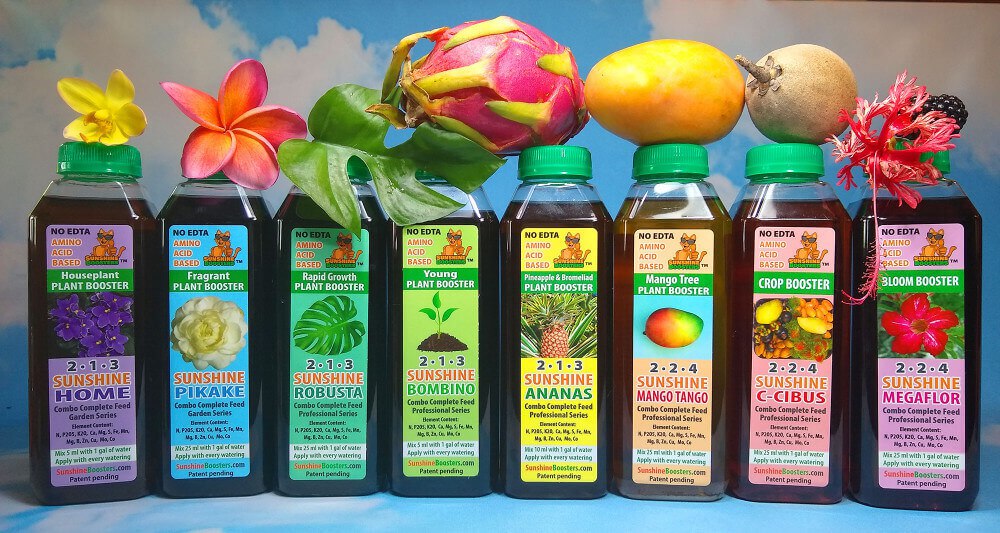
Sunshine Boosters

Sunshine Boosters

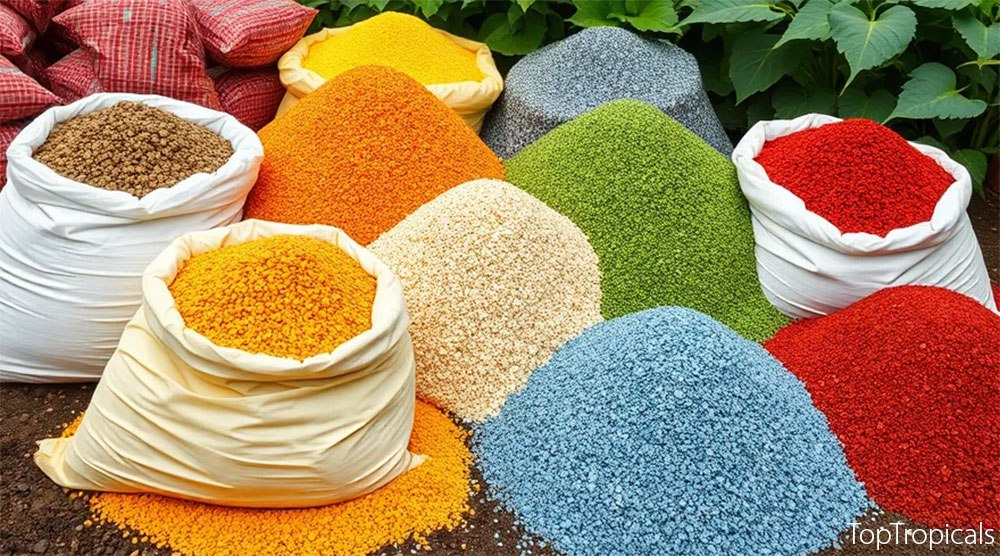
Inorganic fertilizers

Inorganic fertilizers

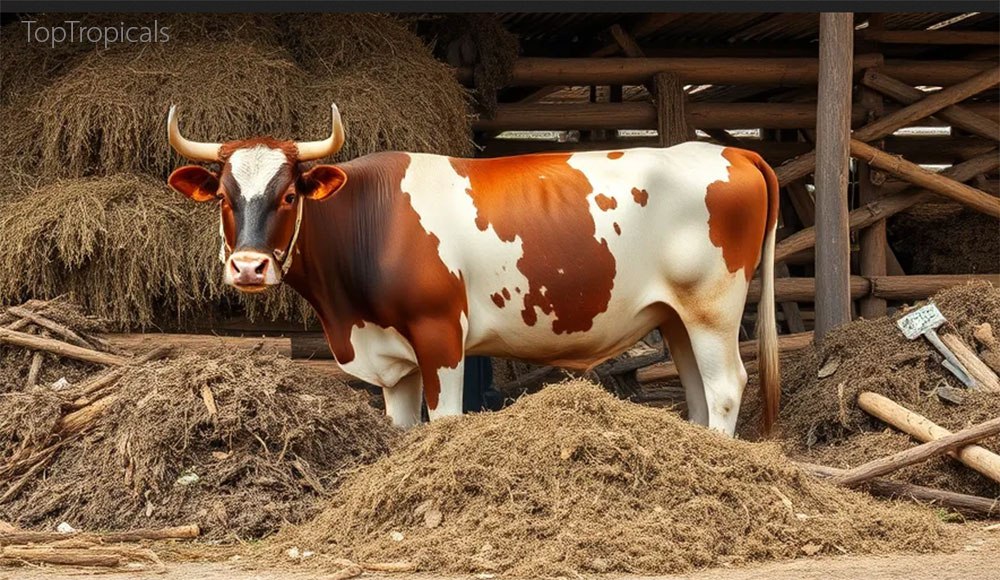
Cow

Cow

💩 Which fertilizer to use: Organic or Inorganic?


ℹ️ Fertilizers help plants grow. They give plants nutrients they need. There are two types of fertilizers:

🐮 Organic Fertilizers:

  • · Made from natural materials: compost, manure, plant waste.
  • · Good for the soil and environment.
  • · Release nutrients slowly, which helps plants over time.


Inorganic Fertilizers:

  • · Made from chemicals in factories.
  • · Can give plants quick nutrients.
  • · Might harm the soil and environment over time.


⏺Pros of Organic Fertilizers:
  • · Better for the health of the soil.
  • · Helps good microorganisms live in the soil.
  • · Safer for pets and kids.


🔴 Cons of Inorganic Fertilizers:

  • · Can cause pollution.
  • · Might make soil unhealthy if used too much.


🟢 Sunshine Boosters is your ultimate solution:

  • based on organic fertilizers (organic amino-acids).
  • help plants grow strong and healthy without harming the environment.
  • make the soil better, support friendly bugs, and are safe for everyone.
  • Using Sunshine Boosters means you’re taking care of your plants and the planet!


📚 Learn more, with charts:


Organic or inorganic fertilizers, which is best?

🛒 Shop Sunshine Boosters

#Fertilizers

🔴 Join 👉 TopTropicals

Date: 17 Dec 2024

Event mementos:
Green for the Holidays - a Blooming Good Time!

Holiday  Plant  Market  mementos

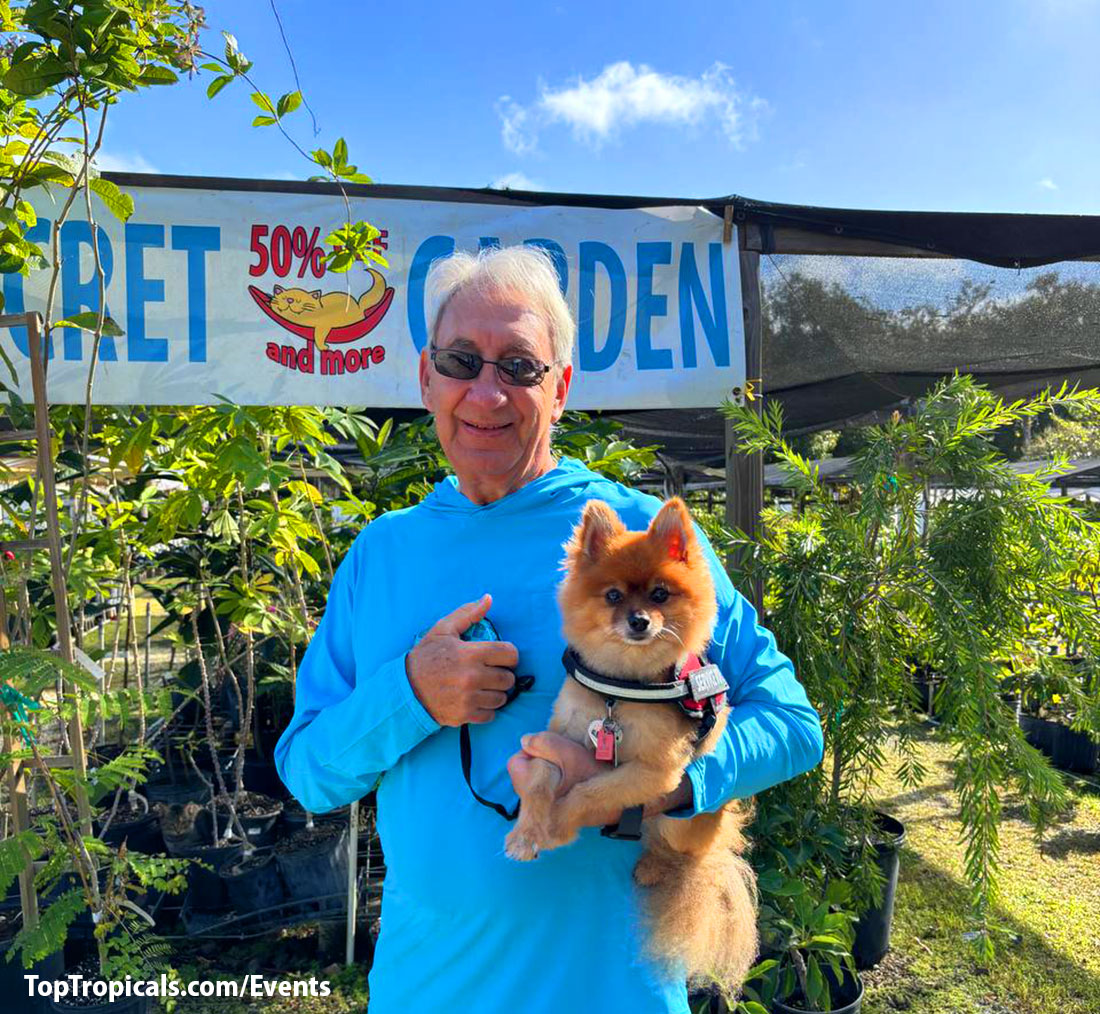
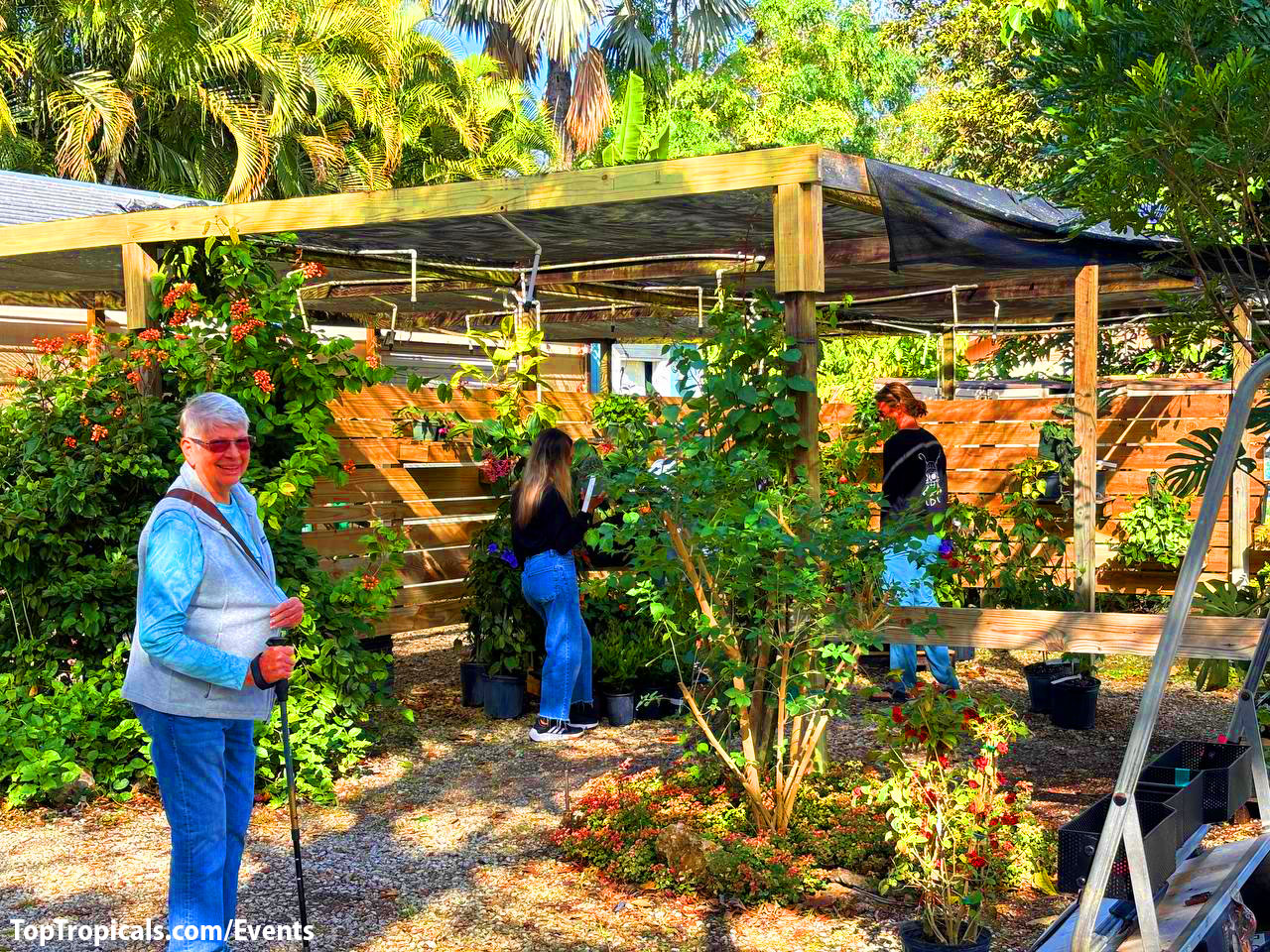
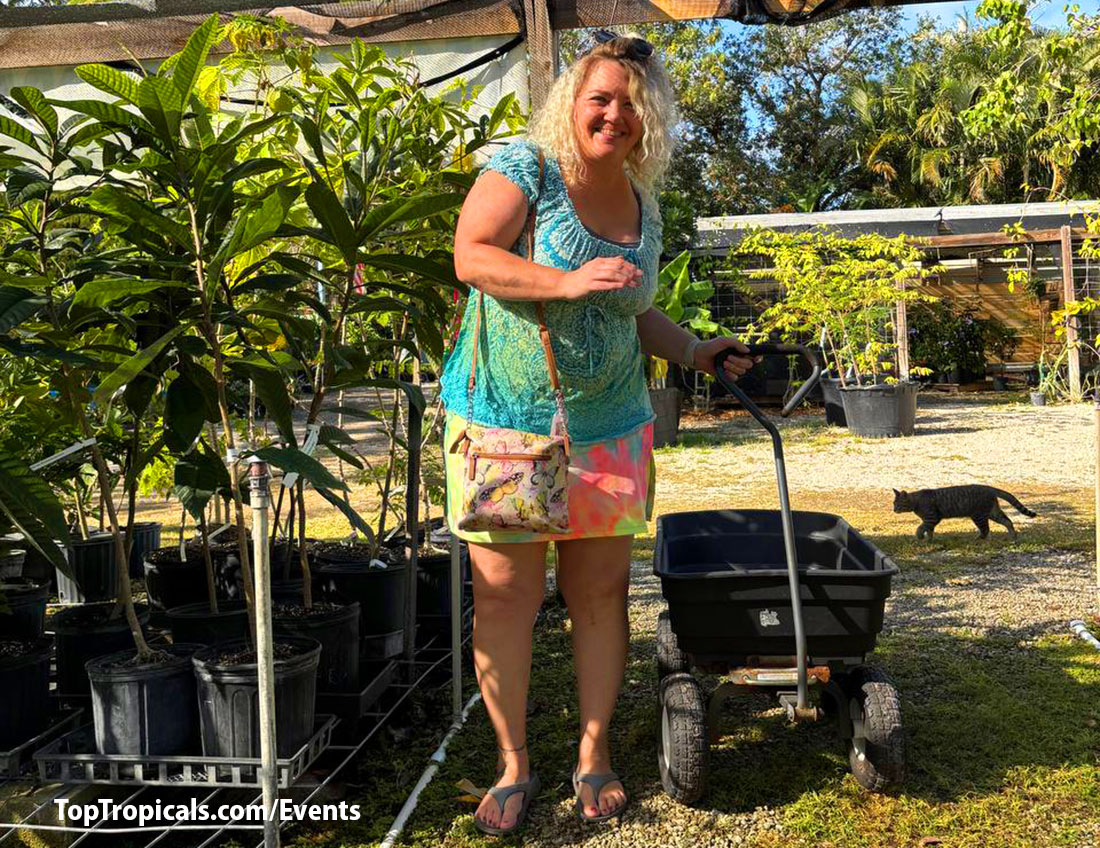
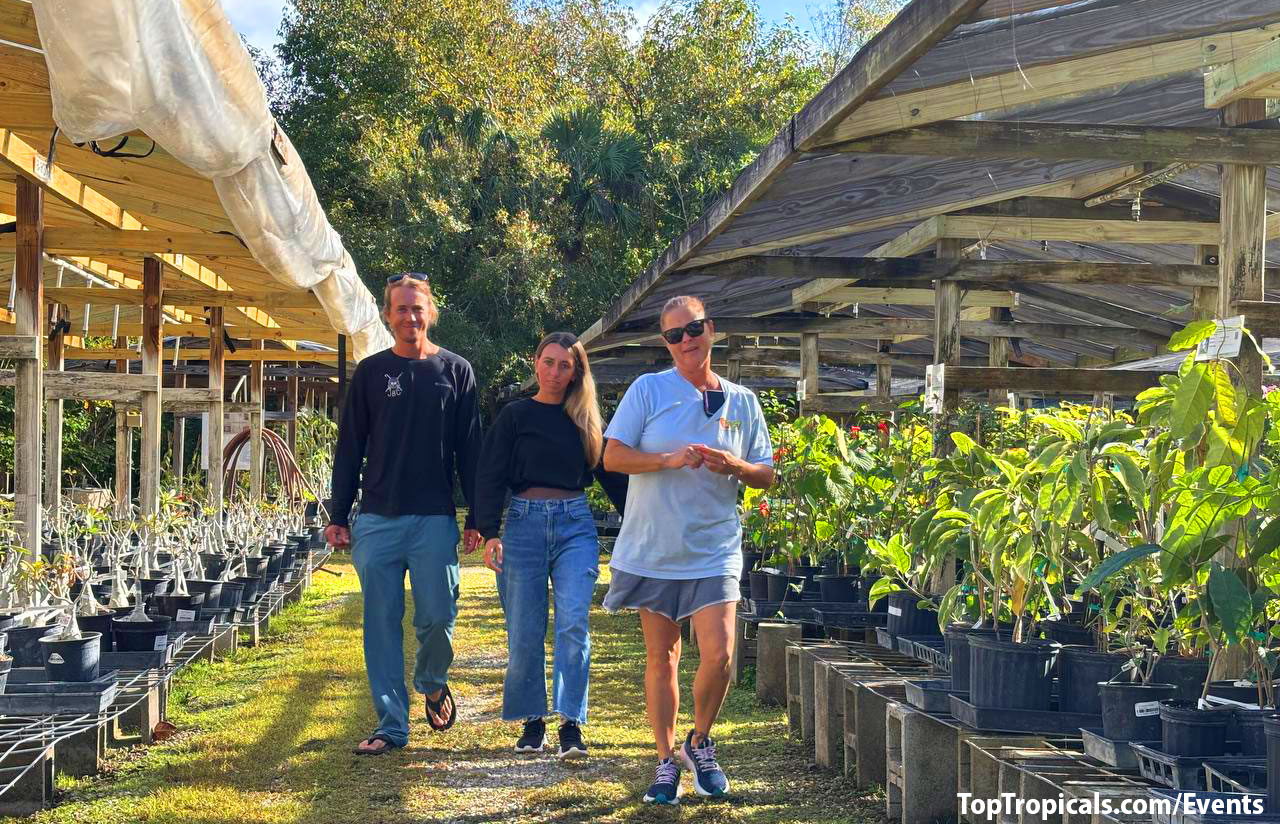
Last Saturday Dec 14 - our Holiday Plant Market was in full bloom! The day overflowed with smiles, shared plant knowledge, and a vibrant mix of greenery. We're incredibly grateful to everyone who joined us, supported local growers, and found their new favorite leafy companions. Enjoy these special moments captured in our event photos - if you spot yourself, feel free to share with friends! Stay tuned - our next plant sale is just around the corner in March. We look forward to seeing you again!

Holiday  Plant  Market  mementos

Holiday  Plant  Market  mementos

Holiday  Plant  Market  mementos

Holiday  Plant  Market  mementos

Holiday  Plant  Market  mementos

Holiday  Plant  Market  mementos

We are always ready to help you grow your plant collection!
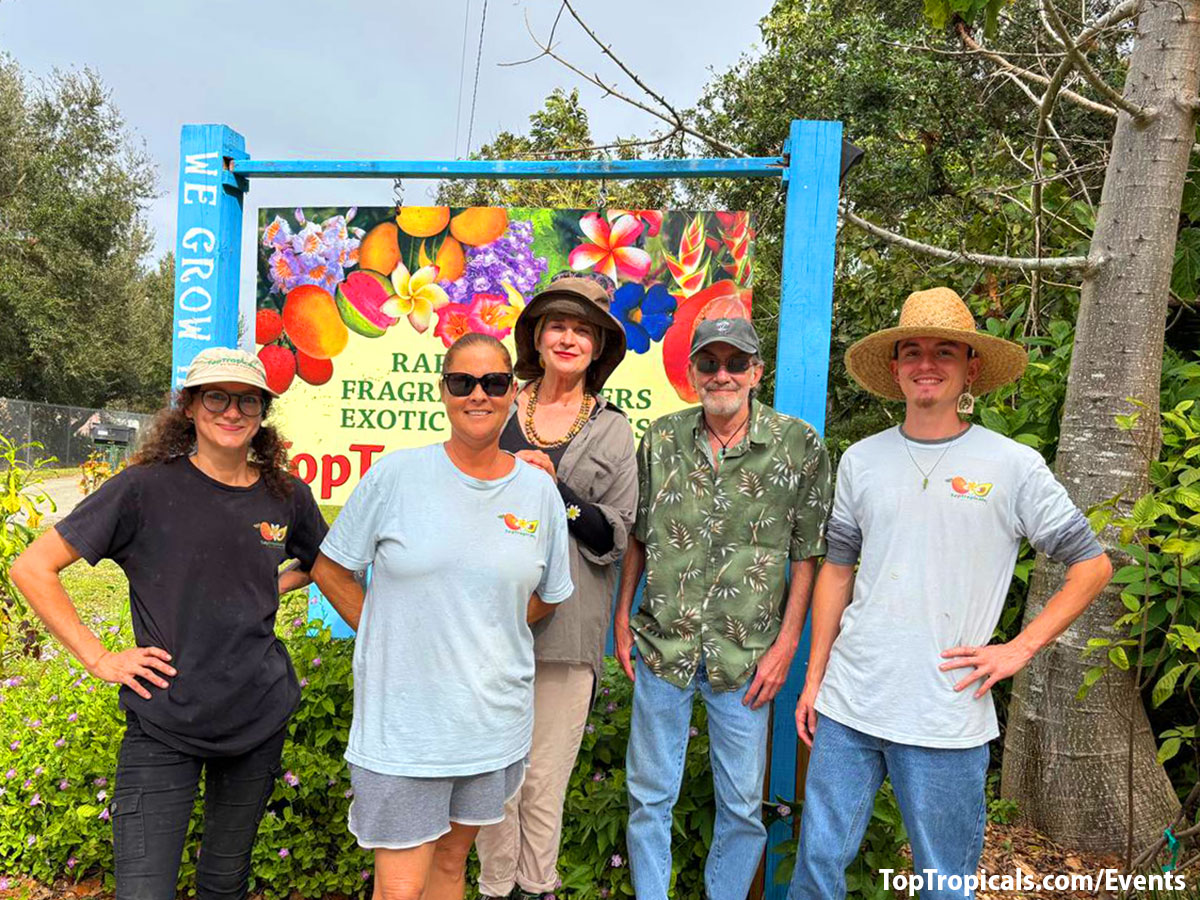
Chiane, Kristi, Onika, Mark, Damien and Jamie (behind the camera).

Date: 23 Dec 2024

Learn more from earlier post:

Pachira aquatica (Bombax glabra) - Malabar Peanut or Guiana Chestnut

💰 What do the blooms of Money Tree look like?
  • 💰 Pachira aquatica (Bombax glabra) - Malabar Peanut or Guiana Chestnut is in bloom right now! The flowers are exotic and eye-catching. They resemble fireworks bursting into bloom!
  • 💰 Each flower features long, thread-like stamens in shades of creamy white, pale yellow, or pinkish hues, forming a feathery, pom-pom-like structure at the center. The flowers are surrounded by greenish or reddish-brown sepals, adding to their unique look.
  • 💰 It is a beautiful, fast growing flowering tree with edible nuts.
  • 💰 It is believed to bring good luck and prosperity to those who own it, and is sometimes referred to as a "money tree"
  • 💰 While the flowers are stunning, they are usually seen in mature outdoor trees and not as commonly in indoor potted plants.

📚 Learn more from earlier post:


Good luck tree that brings money and prosperity

🛒Shop Flowering Trees

#Trees #Food_Forest

🔴 Join 👉 TopTropicals

Date: 14 May 2024

What is a good plant for a fragrant elegant hedge? Discover the Angel Hair Jasmine

Jasminum pubescens (multiflorum) - Angel Hair Jasmine

Jasminum pubescens (multiflorum) - Angel Hair Jasmine

Jasminum pubescens (multiflorum) - Angel Hair Jasmine

Jasminum pubescens (multiflorum) - Angel Hair Jasmine

Jasminum pubescens (multiflorum) - Angel Hair Jasmine

Jasminum pubescens (multiflorum) - Angel Hair Jasmine

Jasminum pubescens (multiflorum) - Angel Hair Jasmine

Jasminum pubescens (multiflorum) - Angel Hair Jasmine

💫 What is a good plant for a fragrant elegant hedge? Discover the Angel Hair Jasmine.
  • 💮 Jasminum pubescens (multiflorum), also known as Angel Hair Jasmine, is a beloved choice for landscapes, prized for its multitude of exceptional qualities.
  • 💮 Bushy, dense vining shrub with star-like white flowers emitting a delightful fragrance.
  • 💮 Soft, velvet-like leaves add to its charm.
  • 💮 Rapid growth makes it ideal for creating lush hedges or adding vertical interest to garden spaces.
  • 💮 Perfect for hedges, fences, or trellises, adding a touch of beauty and fragrance to any outdoor setting.


🛒 Make a fragrant hedge with Angel Hair Jasmine

#Hedges_with_benefits #Perfume_Plants

🏵 TopTropicals

Date: 5 Jan 2025

Condo (Dwarf) Mango Practical Guide:
What varieties are good for container culture
or small yards

Condo  dwarf  mango  with  fruit

Q: "Our winters are too cold for a mango tree, but I'd like to grow one in a pot so I can bring it inside during cold nights. Which varieties do you recommend for container gardening? I've heard of Condo Mango - do you carry them?"

A: Yes, we always carry Condo Mango varieties: they are a fantastic choice for gardeners with limited space or in cooler climates. They grow well in containers and can be easily maintained through pruning. Whether you're growing them on a balcony, in a greenhouse, or in a backyard, Condo Mangos provide the perfect mix of beauty and practicality.

What Are Condo Mangos?

Condo Mangos, also known as dwarf mango trees, are perfect for small spaces. These trees can be grown in containers, making them ideal for balconies, greenhouses, or small suburban backyards. With proper care, they can be maintained at a manageable height of 6-10 feet through regular pruning. Some plant enthusiasts even manage growing Mango tree as an indoor plant!

The term Condo Mango

Condo Mango refers to mango varieties that thrive in containers and are small by nature, allowing them to be easily kept even smaller with selective pruning.

Size and Growth

Unlike traditional mango trees, Condo Mangos are compact. They naturally grow to around 6-10 feet, but with proper pruning, they can be kept small, making them an excellent choice for limited space.

Growing in Containers

- Condo Mango trees thrive in pots and containers.
- A 15-20 gallon pot is ideal to give the roots enough room to grow.
- Ensure your container has drainage holes to prevent root rot.

Planting Tips

- Plant Condo Mangos in full sun, where they'll get plenty of heat and light.
- Use well-draining soil for optimal growth.
- Fertilizer regularly with quality plant food. Out best choice is Sunshine Mango Tango for edibles. - Late Winter to early Spring is the best time to plant in containers, before the rainy season starts.
- Mangoes grow well in USDA zones 9-10, but if you live in cooler climates, you can grow them indoors or in a greenhouse, as long as you meet their heat and light needs.

Pruning and Maintenance

- Prune Condo Mango trees once a year to keep them at the desired height (6-10 feet), right after harvesting (late Summer to Fall)
- Trim the tips of the branches to maintain a compact shape and encourage healthy growth.
- Regular pruning will help keep the tree manageable and ensure better fruit production.

Learn more: Find out what are Top 10 Dwarf Condo Mango - great for container culture.

Condo  dwarf  mango  with  fruit

Condo  dwarf  mango  with  fruit