Light: Both Cassia and Bauhinia need at least 6 hours of direct
sunlight daily. Cassias handle intense heat; Bauhinias can take light
afternoon shade.
Soil: Use loose, fast-draining soil. Mix equal parts garden
soil, coarse sand, and compost.
Watering: Keep evenly moist but never soggy. Cassias tolerate
dry spells once established; Bauhinias prefer steady moisture. Water when
the
top inch feels dry.
Feeding:
For profuse flowering, feed with liquid Sunshine
Boosters Megaflor that is safe to use with every watering,
year around. You may also apply Green
Magic controlled release fertilizer every 6 months. Bauhinias and
Cassias respond quickly to feeding.
Pruning:
After flowering, prune lightly to shape and remove dead tips. Cassias can
be trimmed to shrub form; Bauhinias stay bushy with pinching.
Mulch:
Add a 2-inch mulch layer around the base to conserve moisture and prevent
weeds, but keep mulch off the trunk.
Cold protection:
Most Cassias handle brief frost; some Bauhinias like B. acuminata
and B. monandra must be sheltered below freezing. For cold nights,
cover
with frost cloth or move containers into shelter.
Dormancy: Outside of tropics, most Bauhinias drop leaves in
winter for a short period of time, right before flowering and are called
"semi-deciduous". Cassias stay evergreen.
Indoor or Porch Care (cool-climate growers)
Container: Choose a sturdy pot with several drainage holes, one
size larger than the root ball. Unglazed clay or thick plastic pots work
best
for heat regulation. Use a light, well-drained mix such as professional
soilless mix
Abundance. Both Cassias and Bauhinias dislike soggy roots. Add a thin
layer
of coarse gravel at the bottom to improve drainage. Repot every 1–2
years in spring
Light:
Brightest spot possible - south-facing window or heated sunroom. Supplement
with a grow light if sunlight is weak.
Temperature:
Keep potted trees in warm environment for best results. The optimum
temperature for Cassias and Bauhinias is between 60–85 F, although
many
species can tolerate cooler temperatures. Avoid cold drafts and sudden
drops.
Humidity:
Average indoor humidity is fine; occasional misting keeps foliage
glossy.
Watering:
Water sparingly in winter when growth slows; allow the top inch to dry
between waterings. Do not let roots sit in water.
Fertilizing:
Feed with Sunshine
Boosters Megaflor that is safe to use with every watering,
year around, to maintain flowering indoors. You may also apply Green
Magic controlled release fertilizer every 6 months.
Pest watch:
Check undersides of leaves for aphids or whitefly. A light spray of neem
oil or insecticidal soap clears them fast.
"Whether you crave golden summer fireworks or soft orchid blooms that last
nearly all year, both Cassia and Bauhinia bring pure joy to the garden.
💖 Bring color that never quits."
Did you know: Fall is the best planting season —
roots grow faster and you’ll have flowers by spring!
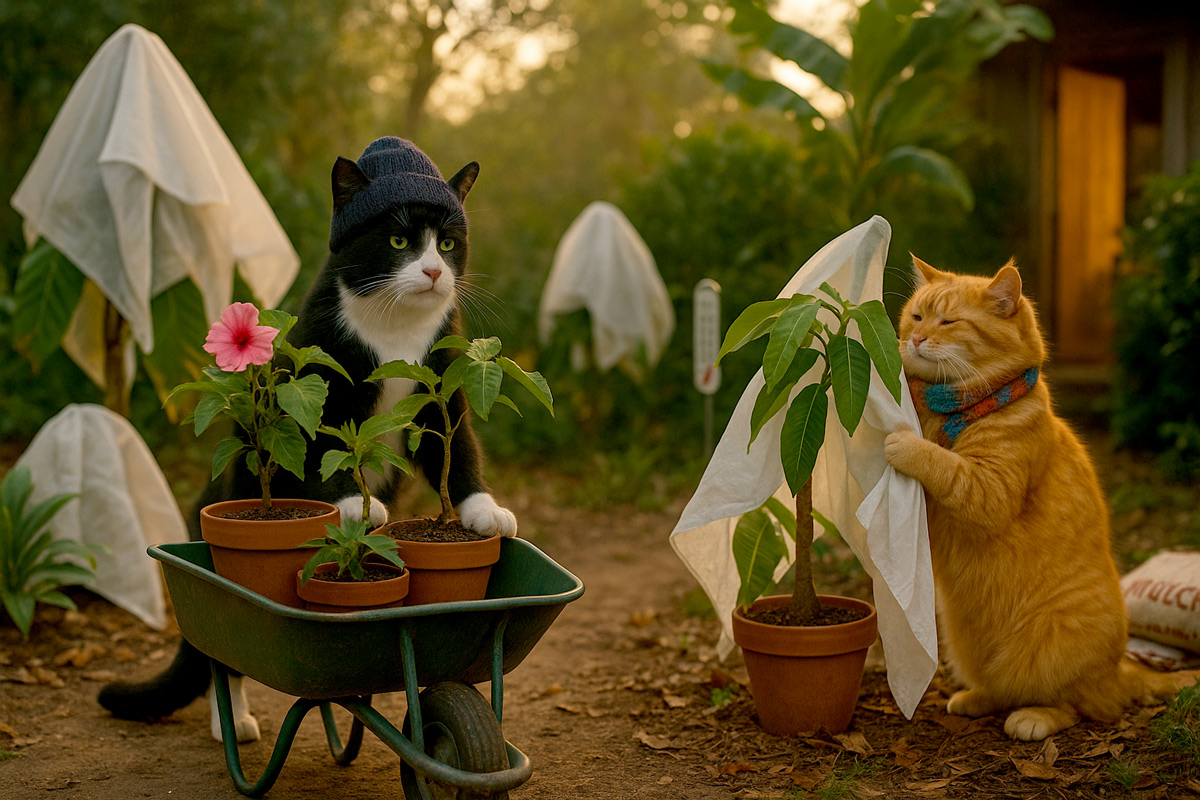
Smokey and Sunshine Prepare Plants for the Cold Night.
Smokey: Come on, Sunshine, help me move these plants inside before it gets
dark!
Sunshine: I am helping... see? I’m supervising the mango
tree.
Smokey: You call that supervising? The frost cloth’s upside down!
When the forecast drops into the 30s, panic is not a plan. This is your
simple, clear checklist to protect every tropical in your garden. Think of
it as the quick emergency manual that goes hand in hand with the previous
cold-weather newsletter.
"We
all love our tropical flowers, mangoes, bananas, and rare fruit trees. A
single cold night does
not have to be a disaster. The key is knowing what to do, when to do it, and
what mistakes to avoid." - Tatiana Anderson, Top Tropicals Plant
Expert
🌡️ FROST AND FREEZE
A frost and a freeze are not the same. A frost is when you see ice crystals
on leaves or grass, while a freeze is when the air temperature drops below
32 F. The tricky part is that you can get
frost even when the air is above freezing, and you can have a freeze with no
frost at all. It all depends on humidity and the dew point. If the dew
point
is below freezing, the ground can cool faster than the air, letting frost
form even when your thermometer reads 35 or 36 F. And once the air itself
drops below 32 F, even for an hour, tender tropicals can be damaged. For
plants, a freeze is far more dangerous, because freezing air pulls heat out
of stems, branches, and roots. Frost usually burns leaves, but a true freeze
can injure wood, kill buds, and damage the entire plant.
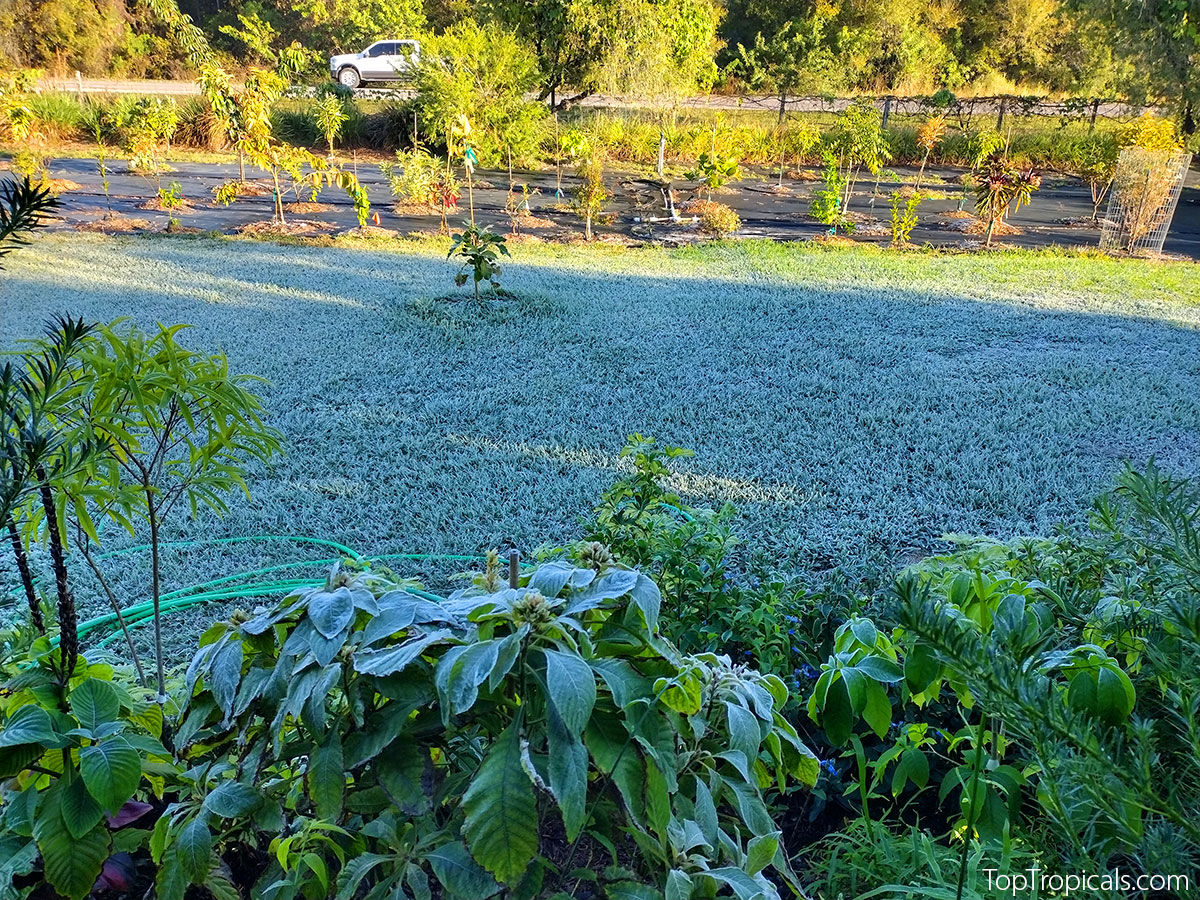
Frost on the grass and leaves on Winter morning in Central
Florida
WHAT TO DO
AND NOT TO DO BEFORE A COLD SNAP
✔️ 5 THINGS TO DO:
Water well. Hydrated plants tolerate cold better than dry, stressed
ones.
Add mulch. A thick layer around the base keeps roots warm.
Block the wind. Move pots to a sheltered corner or patio.
Cover at night, uncover in the morning. Let plants breathe and get
light.
Add gentle heat if needed. Non-LED Christmas lights or a small old style
15-20W light can raise temps a few degrees.
❌ 5 THINGS NOT TO DO:
Do not prune or trim. Fresh cuts freeze first.
Do not overwater. Wet, cold soil invites root rot.
Do not let plants dry out either. Wilted plants freeze more easily.
Do not use dry fertilizer. Gentle liquid feeds like Sunshine
Boosters are safe to use with every watering: its intake naturally slows
down as watering decreases.
Do not look only at the thermometer. A long, windy night can be worse
than a short freeze.
TEMPERATURE
ACTION GUIDE (40 to 25 F)
40 to 38 F: Move potted plants to shelter, water soil, and cover
tender tropicals.
37 to 33 F: Use frost cloth and anchor it down so the wind does
not lift it.
32 to 30 F: Add a heat source like non-LED lights.
29 to 25 F: Double-cover sensitive plants, wrap trunks, and
protect roots heavily.
COLD
TOLERANCE BY PLANT TYPE
Before a cold night, it really helps to know your plant’s exact
cold limits. Every species is different, and young plants are always more
sensitive than mature ones. Take a few minutes to look up your varieties in
our Tropical
Plants Encyclopedia
— it will tell you the safe temperature range, how much protection
each plant needs, and which ones must be covered or moved before the next
cold snap hits.
Bananas: leaf burn below 37 F
Mango, Annona: hurt around 32 F
Cold hardy avocados: Mature tree can take about 25 F. Young trees must
be protected
Olives, Citrus, Guava, Jaboticaba: usually OK outside with mulch
QUICK-ACTION
TABLE
Before the cold arrives, make yourself a quick list of every plant and
what action each one needs. It saves time when temperatures start dropping
and keeps you from scrambling in the dark. Check that you have enough frost
cloth, blankets, and supplies on hand so you can cover everything without
rushing. Planning ahead makes cold nights much less stressful.
Bring Indoors: Cacao, Bilimbi, Coffee. They need warm, bright
light.
Cover Outdoors: Mango, Jackfruit, Banana, Annona. Use frost cloth, not
plastic on leaves.
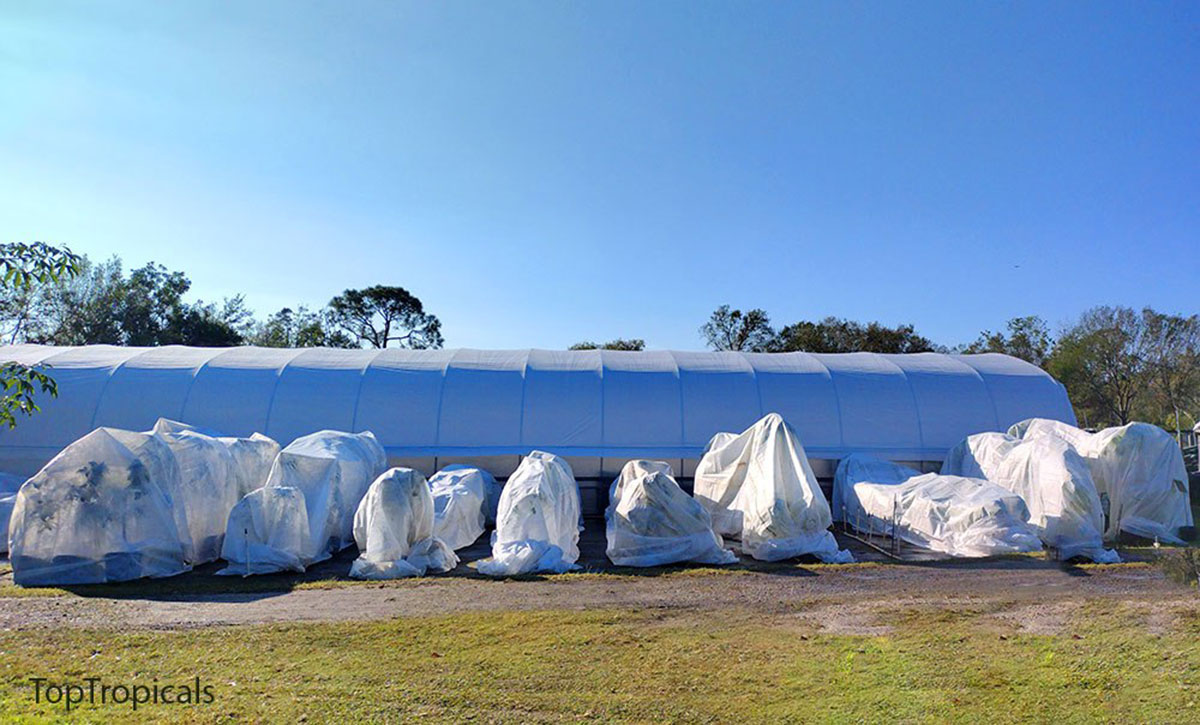
Covering large mango and avocado trees in pots at TopTropicals during
cold nights
GADGETS AND
TOOLS THAT HELP
Indoor helpers: LED lights, small heaters, bottom-heat mats,
timers.
Outdoor helpers: frost cloth rolls, mini greenhouses, non-LED Christmas
lights or small incandescent lights, smart thermometers.
Always keep electrical safety in mind, especially if you are using extension
cords outdoors. Use only weather-rated cords, keep all connections off the
ground, and protect plugs from moisture. Make sure heaters and lights are
stable, secured, and never touching fabric covers. A few minutes of safety
check
can prevent a dangerous situation on a cold, wet night.
And if you want to keep plants strong through winter, add Sunshine
Boosters to your watering routine. It is gentle, safe in cold weather,
and gives plants an extra edge.
AFTER THE
COLD PASSES
In the morning, uncover plants. Leaving covers on during the day can trap
heat and cook the tender new growth, especially under the sun. The only
exception is true frost cloth designed for all-day use, which allows air,
light, and moisture to pass through. Regular blankets, sheets, and plastic
must come off as soon as the sun rises.
Do not cut anything yet. A plant can look completely dead after a freeze,
but many branches are still alive under the bark. Cutting too soon removes
wood that would recover on its own. Wait until new growth begins in spring.
That is when you can see exactly which branches are truly dead.
Use the scratch test. Gently scratch the bark with your nail or a small
knife. If the layer underneath is green, the branch is alive. If it is brown
and dry, it is likely dead. But even then, wait until warm weather to be
sure, because sometimes only the tips die back while the lower part of the
branch survives.
Once the weather stabilizes, resume light feeding. Plants coming out of cold
stress need gentle support, not heavy fertilizer. A mild liquid feed like
Sunshine
Boosters helps them rebuild roots and push new growth without burning
tender tissue.
Your tropical garden can survive any cold night if you prepare right. Cold
snaps always feel stressful in the moment, but once you know your plants,
have the right supplies, and follow a simple plan, it becomes routine. A few
minutes of preparation before dark can save months of growth and keep your
collection healthy all winter.
Frost cloth is the true workhorse of cold protection: it keeps heat in,
keeps frost off, and will not suffocate plants the way plastic or blankets
can. Having a few rolls ready means you never have to scramble at the last
minute. Sunshine
Boosters give your plants gentle support during the colder months so
they stay strong enough to bounce back quickly when warm weather
returns.
A little planning now will pay off in spring, when your mango, banana,
citrus, and all your favorite tropicals come back happy and ready to
grow.
At Top Tropicals, we have the biggest selection of tropical plants from
around the World, with a special selection of Florida Natives. If you are looking for a particular Florida Native
plant, just let us know - we can get them for you, because... we are here in
Florida and we know them all!
If your Florida yard is regulated by a Homeowners Association, you may
be required to plant native plants or those species on approved list. Why?
These policies aim to promote sustainable landscaping practices and protect
Florida's unique ecosystems. Although this may seem to limit your choices, there
are plenty of Florida-friendly plants to choose from!
In general, native plants are adapted to the local climate and soil
conditions, making them more resilient and requiring less water, fertilizer, and
pesticides. This makes them easy to grow and great for beginners.
Native plants provide essential habitat and food sources for local
wildlife, including birds, butterflies, and other pollinators. And Florida flora
has a lot to offer for the wildlife!
If you live outside of Florida, our native plants may appear to you as
much exotic and rare as those from Asia, S. America or Africa! Let's take a
peak at some
Natives...
In the photo above: Erythrina herbacea - Coral Bean. Coral trees - Erythrinas are very showy, red-flowering small trees that are
perfect for locations with poor soil and limited irrigation, very easy to grow, great butterfly and hummingbird
attractors..
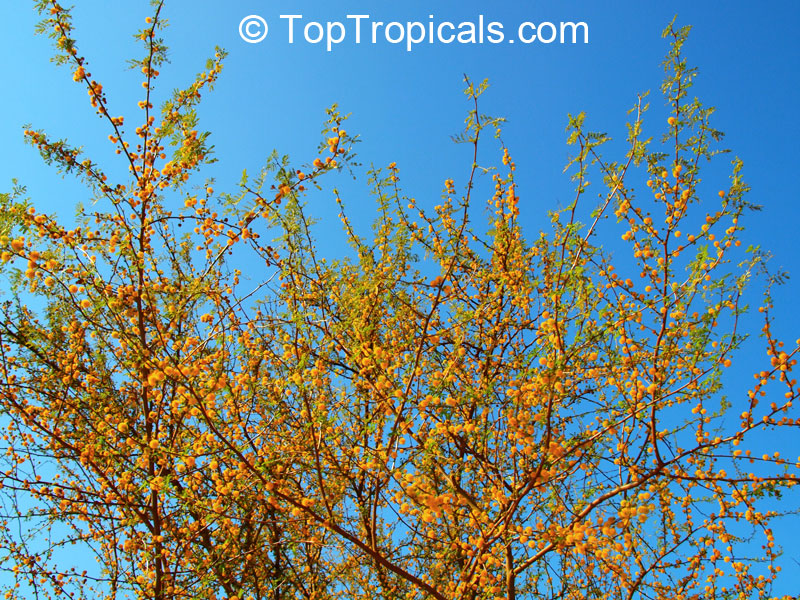
In the photo above: Acacia farnesiana - Sweet Mimosa. One of the most useful tropical plants that is very
cold tolerant, blooms all winter through spring with honey-fragrant flowers - canary yellow powder puffs, attracting
bees and butterflies. Fast growing bushy tree, tolerates poor soils and
drought.
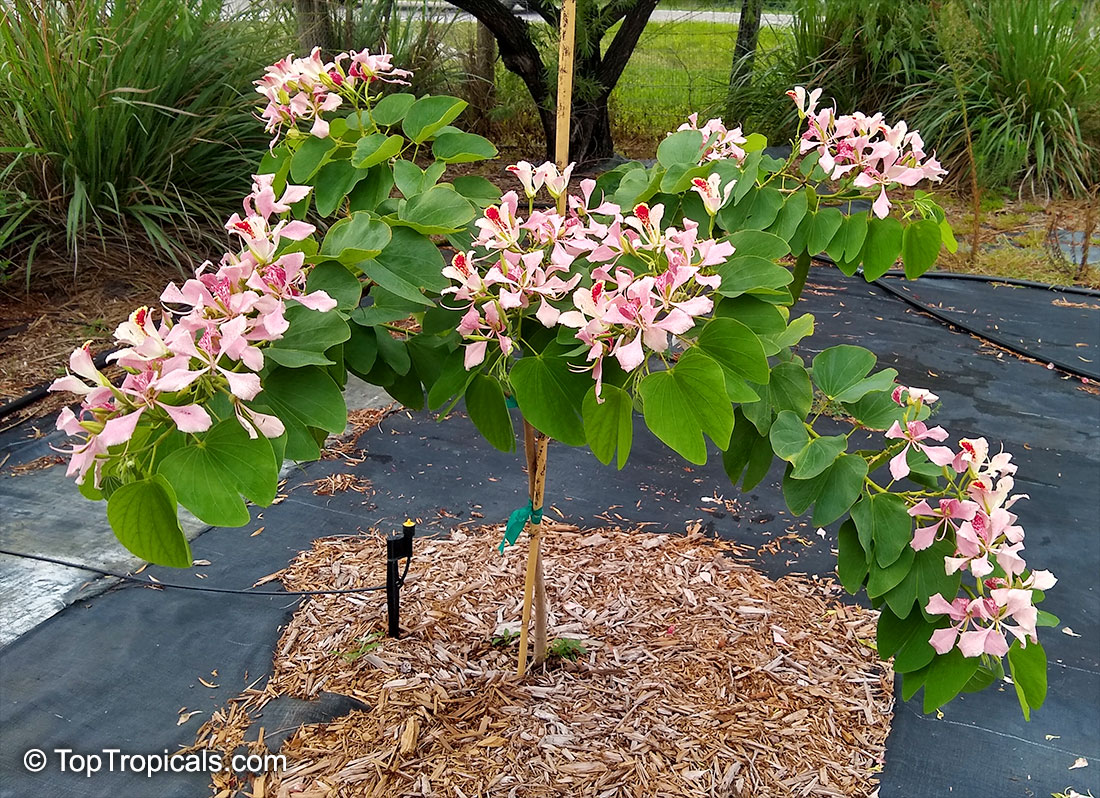
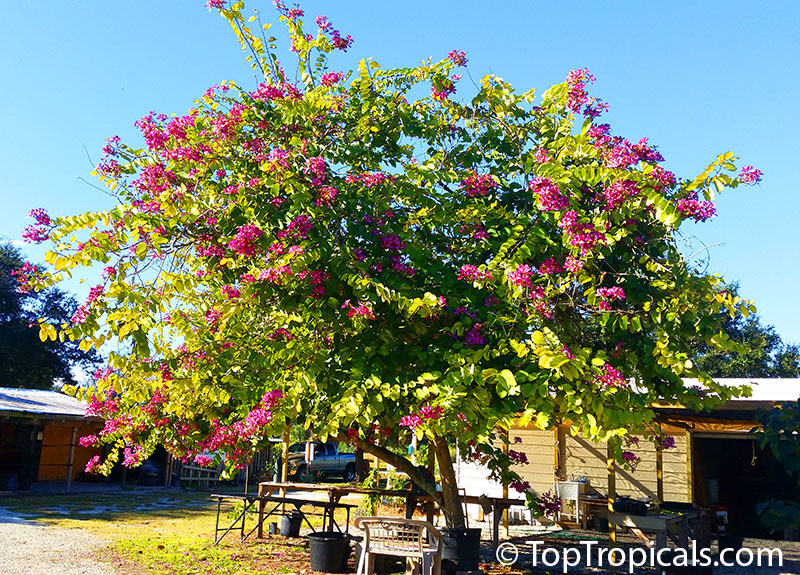
Photo above: Bauhinia
blakeana - Hong Kong Orchid Tree. The most beautiful of all orchid trees. This
winter bloomer starts flowering in very small size, when only 2-3 ft tall,
and grows fast. (Bonus plant: makes it 7 easy plants!)
Six easiest to grow, effortless plants
Q: I'm seeking low-maintenance, tropical
plants for my yard since I have limited time for gardening. Could you recommend
some easy-to-care-for options that will still give my outdoor space a tropical
feel?
A: Tropical plants don't necessarily require
extensive care. Many options are low maintenance, effortless, and easy to grow,
including a variety of plants, trees, shrubs, and vines that demand minimal
upkeep. They are fast growing, not fussy about soil, cold- and heat-
resistant, and can rely on regular sprinkler irrigation. Below are six our favorites
- the easiest and most effortless tropical plants for your Southern
landscape. You can find the full list here.
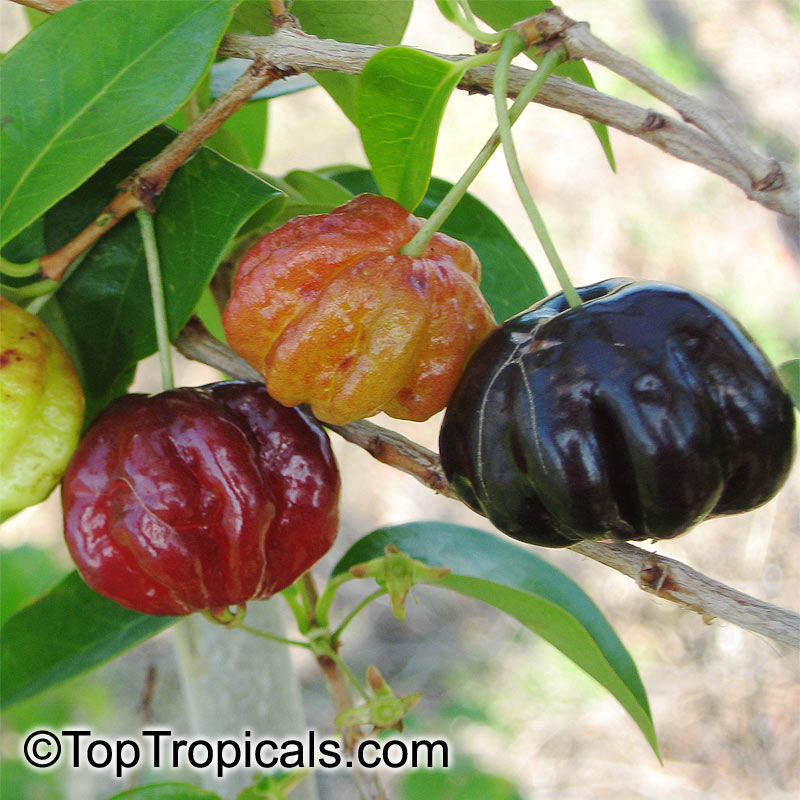
1. Fruit tree: Lolita Cherry
Eugenia
uniflora - Black Surinam Cherry Lolita. The plant is vigorous and ready to
fruit the same year. The fruit has exceptional flavor, very sweet, without
aftertaste, large 1-1.2 inch, very juicy. Reliable producer. These cherries are
cold hardy and can take short periods of frost.
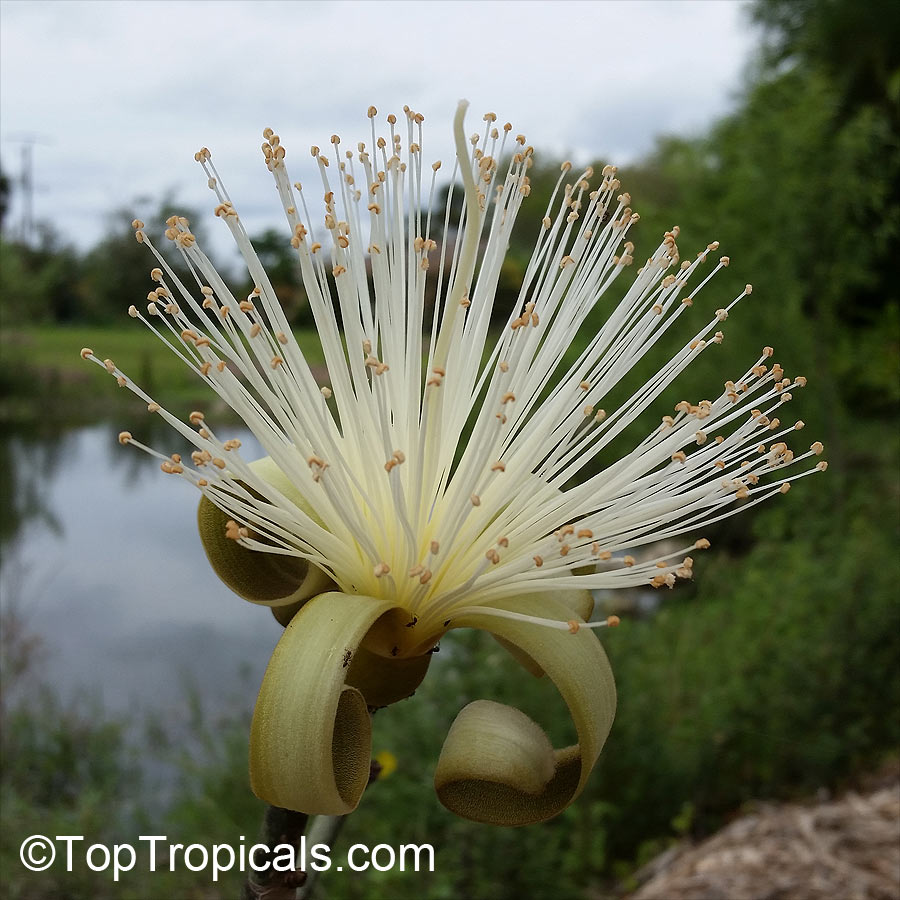
2. Flowering tree: Shaving Brush Tree
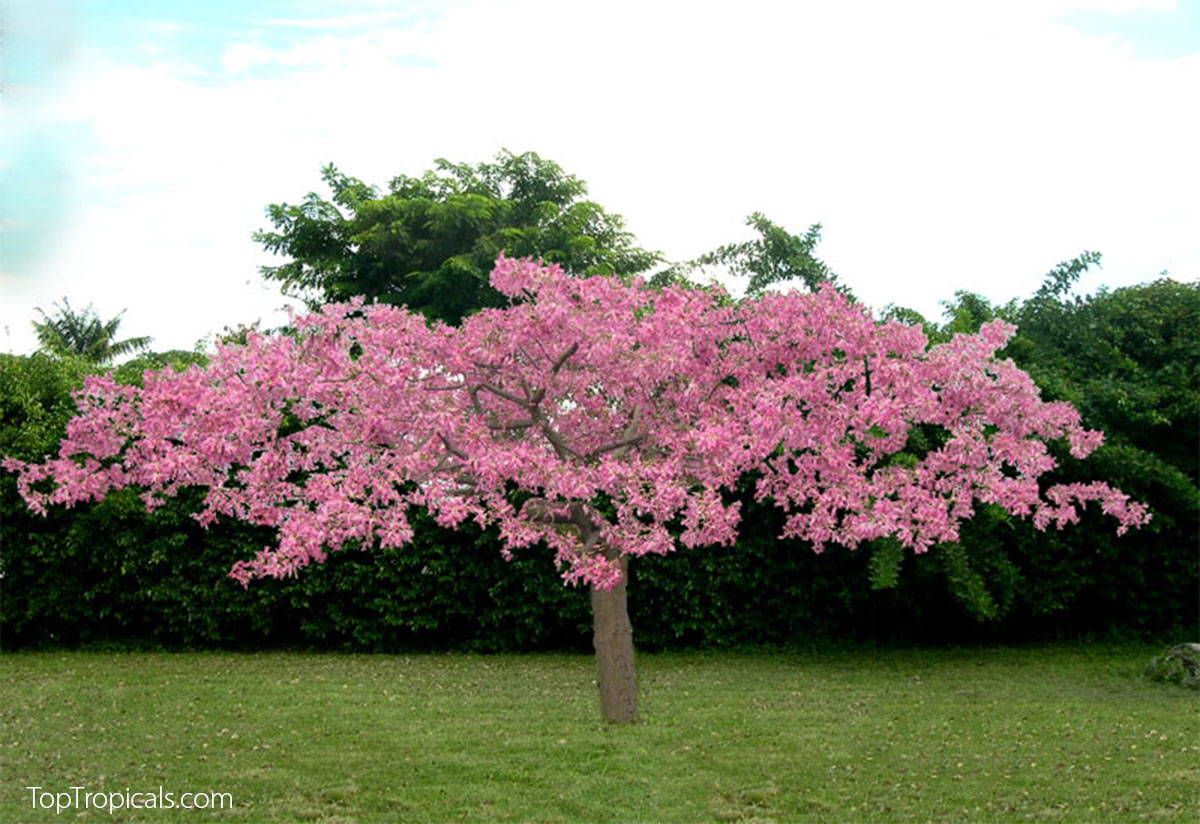
Pseudobombax ellipticum - Shaving Brush Tree is one of the coolest looking
flowering trees, this fast-growing tree bears spectacular showy staminate
flowers in the spring. It usually has no leaves at that time, which serves to show
off the large and striking blooms. Very low water needs, grows fast!
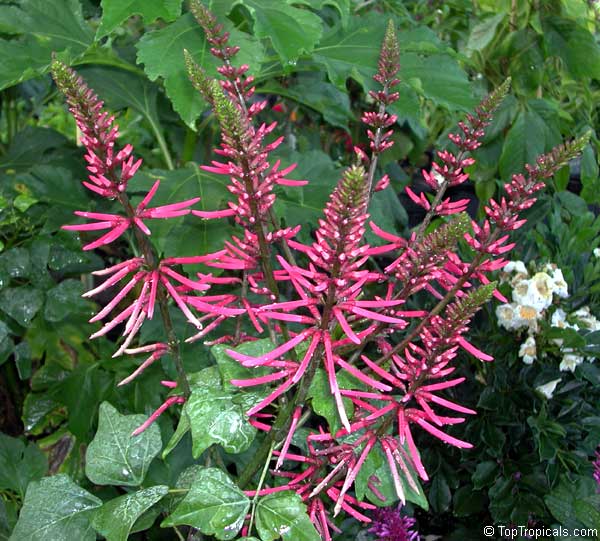
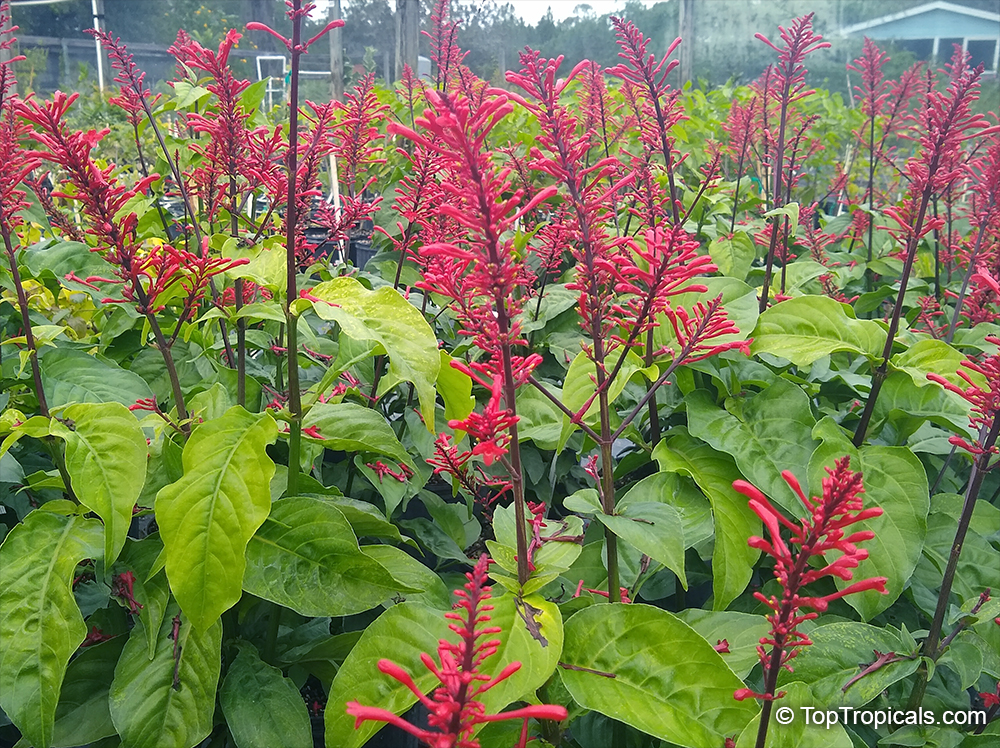
3. Flowering shrub: Firespike
Odontonema
cuspidatum - Firespike - ultimate butterfly magnet with showy bright red
flowers. Will take sun or shade. Very easy and happy plant!
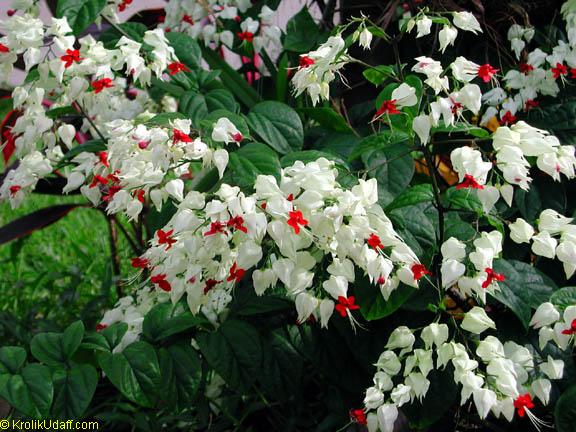
4. Flowering vine: Bleeding Heart
Clerodendrum
thomsoniae - Bleeding Heart. One of the most spectacular blooming vines.
Spectacular, dramatic flowers are slightly flat, they have white sepals on either
side of bright crimson petals. The appearance may be liken to a line of
dangling hearts, each emerging from the other. Very easy to grow and undemanding
plant. Blooms in both sun or shade!
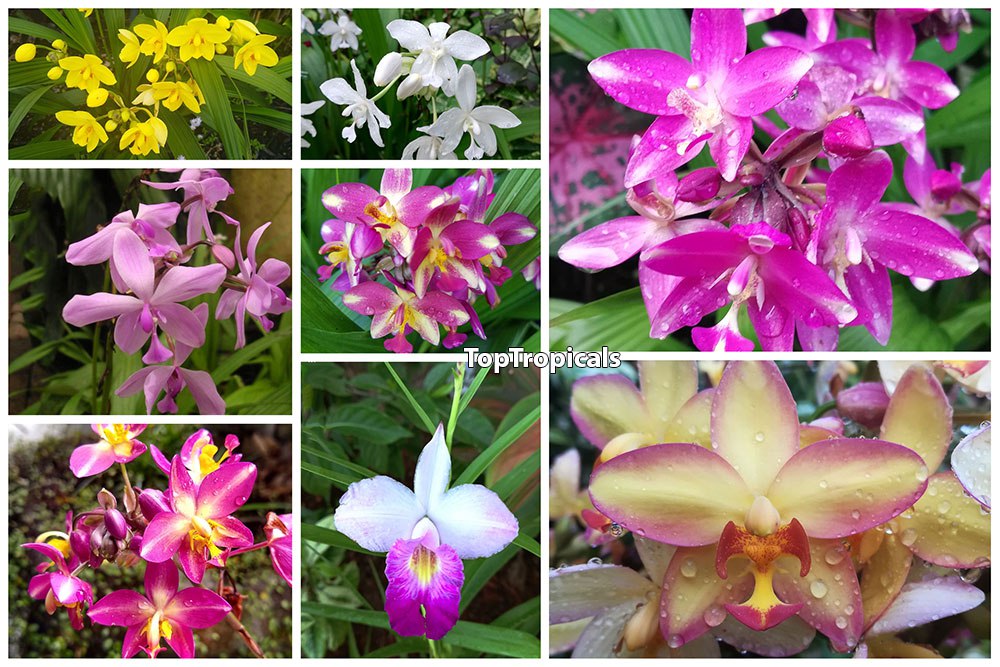
5. Small perennial: Ground Orchids - many colors!
Ground orchids are the easiest and most rewarding flowers for a tropical
garden. They thrive in regular garden soil or potting mix, tolerate both sun and
shade, and bloom nearly year-round. They take both sun or shade, are
cold-resistant and carefree. And look at these colors! From vibrant purples to soft
pinks and yellows, ground orchids bring a splash of tropical beauty with
minimal effort. Their consistent blooming makes them a must-have for gardeners seeking color all year.
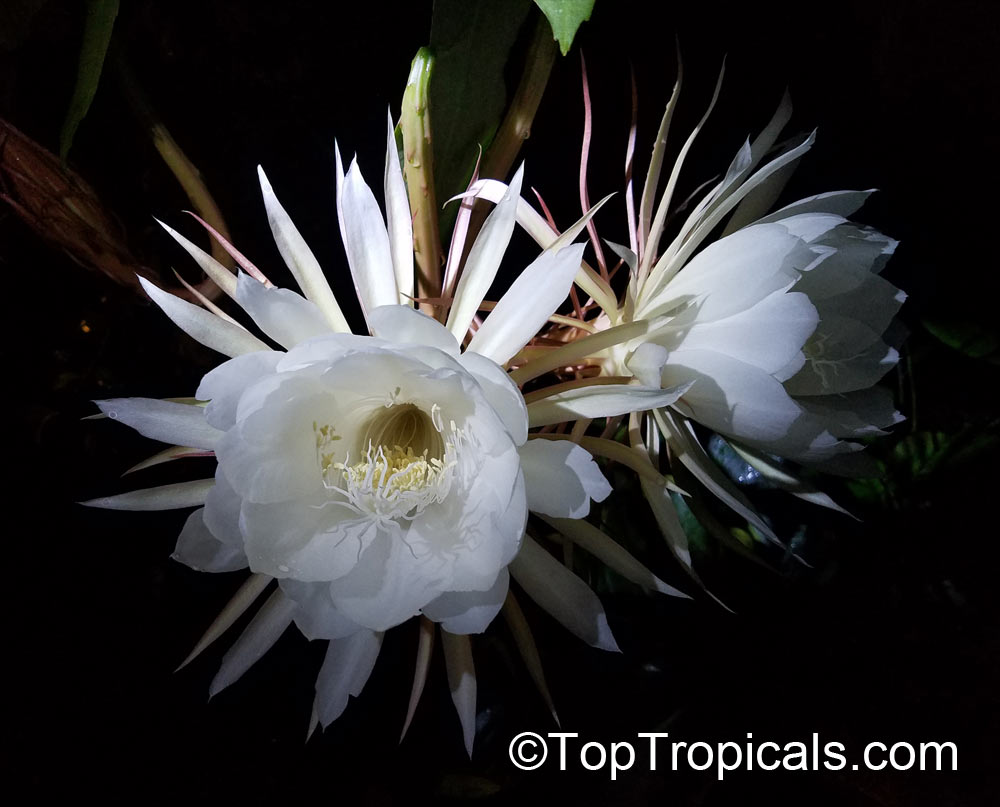
6. Fragrant exotic: Queen of the Night
Epiphyllum oxypetalum - Queen of the Night - powerfully fragrant at
night! This special cactus grows in tropical rainforests and has large wide
meaty leaves. The flower is huge, white, and nocturnal. Blooms at night hours,
hence the name. One of the most exotic indoor plants, great shade garden
specimen. Easy to care, very low maintenance. Very low water needs.
 Detailed Cassia and Bauhinia Care Guide