Garden Blog - Top Tropicals

Date: 12 Jan 2026

Watch how to squeeze natural shampoo from the Ginger!

Shampoo Ginger, Zingiber zerumbet, Pine Cone Ginger

💄 Watch how to squeeze natural shampoo from the Ginger!


🎆 Shampoo ginger uses and fragrance


Shampoo Ginger, also known as Zingiber zerumbet or Pine Cone Ginger, is one of those plants that sounds too good to be true - but isn’t. This tropical ginger has been used for centuries not just as an ornamental plant, but as a practical, fragrant, everyday resource.

🎆 Natural shampoo from a flower cone


The most famous use of shampoo ginger comes from its bright red, pine cone-shaped flower bracts. When the cones mature, they fill with a milky, slippery liquid. Simply squeezing the cone releases this natural cleanser, traditionally used as shampoo in Asia and Hawaii. It gently cleans hair, leaves it soft, and adds a light, fresh scent. Even today, extracts of shampoo ginger are still used in commercial shampoos and hair products.

🎆 Fragrance throughout the entire plant


Shampoo ginger isn’t just useful - it smells amazing. The leaves, stems, and cones all carry a warm, spicy fragrance typical of true gingers. The scent is fresh and clean, with earthy and slightly citrusy notes. Because of this, the plant has also been used in traditional body rinses, hair treatments, and natural perfumes.

🎆 More than hair care


Beyond shampoo, the cones are popular as long-lasting cut flowers, often used in tropical floral arrangements. The plant itself grows into a lush, leafy clump that adds strong tropical character to gardens, especially in warm, humid climates.

🎆 A plant with a traveling history


Shampoo ginger is also known as a “canoe plant.” Ancient Polynesian voyagers intentionally carried it across the Pacific as they settled new islands. Its usefulness, fragrance, and beauty made it valuable enough to earn a place on long ocean journeys.

Shampoo ginger is a rare mix of beauty, history, fragrance, and function - a plant that proves some of the most interesting garden plants are also the most practical.

🛒 Get your own natural shampoo from Pine Cone Ginger

📚 Learn more:

Pine Cone Ginger Plant Facts

Botanical name: Zingiber zerumbet
Also known as: Pine Cone Ginger, Shampoo Ginger
USDA Zone: 8 - 10
Highligths Small plant 2-5 ftSemi-shadeShadeWatering: Regular. Let topsoil dry slightlyRed, crimson, vinous flowersOrnamental foliage
Get personalized tips for your region

🔴Zingiber zerumbet in Plant Encyclopedia
🔴Do you have Shampoo Ginger in your garden?
🔴Free natural shampoo: squeeze it and see what comes out!
🔴What Ginger makes a natural shampoo
🔴5 most spectacular Ginger species

#Shade_Garden #Container_Garden #Remedies #Discover #Food_Forest

🟢 Join 👉 TopTropicals

Date: 10 Jan 2026

How to grow Patchouli indoors

Patchouli - Pogostemon cablin

How to grow Patchouli indoors

Patchouli - Pogostemon cablin is easy to grow indoors if you give it what it likes. It is one of those plants that does double duty - it looks great and makes your home smell amazing. Those big, soft leaves release that deep, earthy scent just by being there.

☘️ Light and temperature


Patchouli loves bright shade. Think filtered light near a window, not harsh direct sun. Too much sun can burn the leaves, especially indoors. In lower light, it still grows well and keeps its fragrance. It is a tropical herb, so keep in warm - at room temperature.

☘️ Water and soil


This plant loves water. Use a well-draining soil mix and a pot with drainage holes, but do not let it dry out. Daily watering is usually fine in warm conditions. Good air circulation is important.
Growing patchouli is similar to growing herbs in containers - just be more generous with water than you would be with basil or oregano.

☘️ Containers and growth


Patchouli grows fast. Start in a 1-gallon pot, but plan to move it up to a 3-gallon container fairly quickly. More room means bigger leaves and a stronger scent.

☘️ Feeding


Feed regularly. You can use Sunshine Boosters Robusta with every watering, or apply Green Magic controlled-release fertilizer every 6 months and at each transplant. Patchouli responds quickly to feeding with lush growth.

☘️ Pruning and uses


Prune as the plant gets bigger to keep it full and bushy. Do not throw the leaves away - dry them for sachets or use fresh/dry leaves for tea.

☘️ Propagation


Patchouli roots very easily from cuttings. Snip a healthy stem, place it in water or moist soil, and it will root fast. It is one of the easiest plants to share with friends.

If you want a plant that grows fast, smells incredible, and actually does something useful indoors, patchouli is hard to beat.

🛒 Grow calming Patchouli Scent at home

📚 Learn more:

Patchouli Plant Facts

Botanical name: Pogostemon cablin, Pogostemon patchouli, Pogostemon heyneanous
Also known as: Patchouli, Pucha-pat
USDA Zone: 9 - 11
Highligths Groundcover and low-growing 2ft plantSmall plant 2-5 ftSemi-shadeFull sunWatering: Moderate. Water when top soil feels dryWatering: Regular. Let topsoil dry slightlyOrnamental foliageSpice or herb plantEthnomedical plant.
Plants marked as ethnomedical and/or described as medicinal, are not offered as medicine but rather as ornamentals or plant collectibles.
Ethnomedical statements / products have not been evaluated by the FDA and are not intended to diagnose, treat, cure, or prevent any disease. We urge all customers to consult a physician before using any supplements, herbals or medicines advertised here or elsewhere.Fragrant plant
Get personalized tips for your region

Patchouli - Pogostemon cablin in Plant Encyclopedia
Health Benefits of Pogostemon cablin (Patchouli, Pucha-Pat)
Patchouli: more than just a pretty scent
Archeologists found Patchouli perfume from Ancient Rome
Patchouli tea recipe

#Perfume_Plants #Remedies #Food_Forest #How_to

🟢 Join 👉 TopTropicals
Date: 13 Jan 2026

A dancing water nymph revealed!

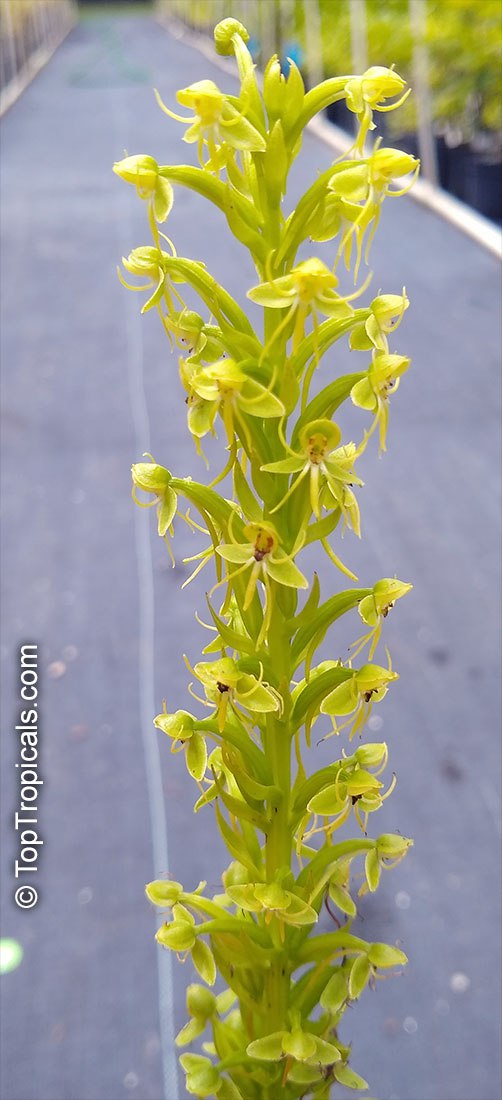
Habenaria repens - Dancing Water-Spider orchid, Floating Orchid, flower spike

Habenaria repens - Dancing Water-Spider orchid, Floating Orchid, flower spike

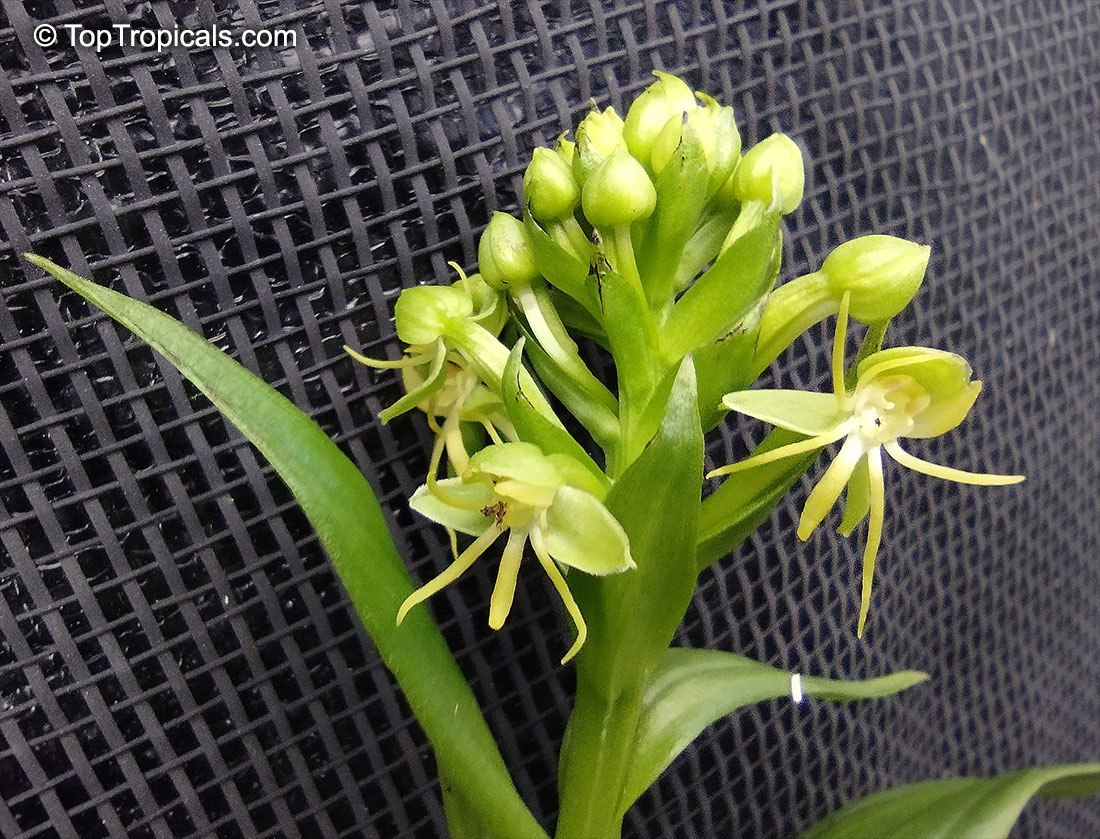
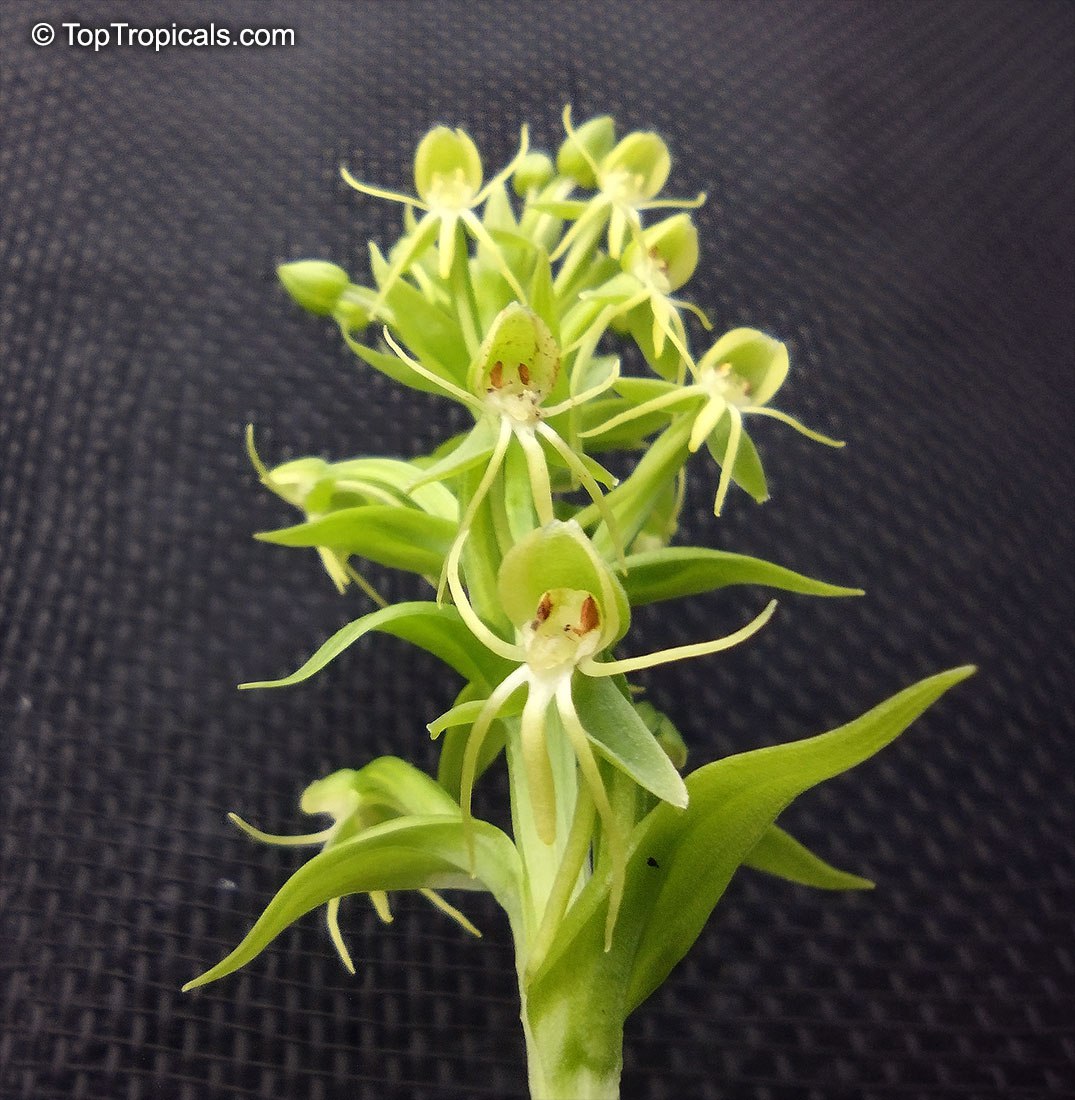
Habenaria repens - Dancing Water-Spider orchid, Floating Orchid, flower close up

Habenaria repens - Dancing Water-Spider orchid, Floating Orchid, flower close up

Habenaria repens - Dancing Water-Spider orchid, Floating Orchid, flower close up

Habenaria repens - Dancing Water-Spider orchid, Floating Orchid, flower close up

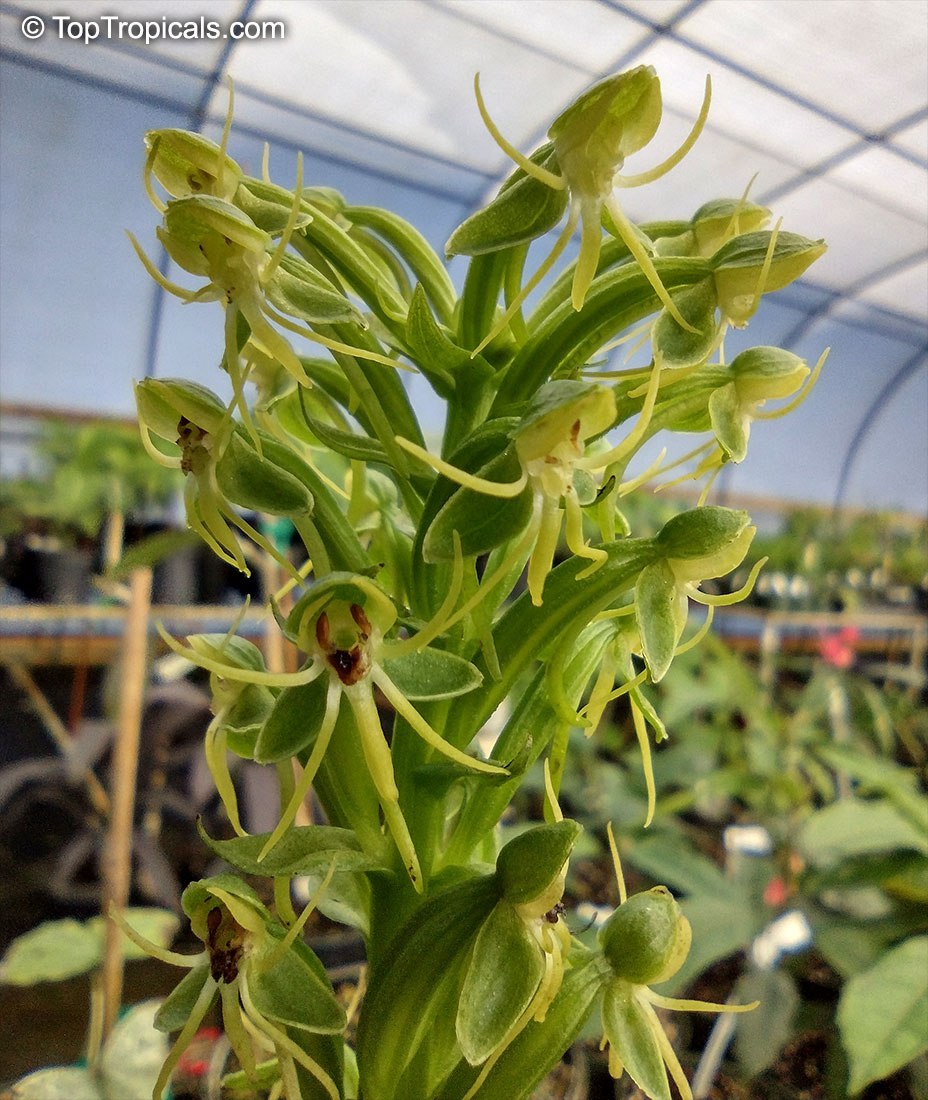
Habenaria repens - Dancing Water-Spider orchid, Floating Orchid, flowers

Habenaria repens - Dancing Water-Spider orchid, Floating Orchid, flowers

💃 A dancing water nymph revealed!


Habenaria repens - the tiny Dancing Water-Spider orchid, Floating Orchid, a dancing fairy, sprite, sylph, pixie - or a water nymph?

💞 If you look closely, this native orchid really does look like it is dancing. The tiny, spidery flowers of Habenaria repens seem to hover in motion, giving rise to its charming common name - Water-spider Bog Orchid, also called Floating Orchid.

💞 Habenaria repens is one of the few orchids that can live both on land and in water. It naturally grows in wet ditches, marshes, meadows, and along pond and lake edges, and it can even form floating mats in still water. In warm climates, it may bloom almost year-round, sending up tall flower spikes packed with 10-50 delicate greenish-white blooms. The narrow, spider-like petals and lip are designed to attract pollinators, while the light green sepals blend perfectly into wetland surroundings.

💞 This orchid produces several yellow-green leaves along its stem, with smaller leaves near the flower spike. It prefers consistently moist to wet conditions and slightly acidic soil. In cultivation, it does best in bog gardens, shallow pond margins, alongside carnivorous plants like pitcher plants, or even in containers kept very wet.

💞 Small, subtle, and easy to overlook at first glance, Habenaria repens rewards anyone who stops and looks closely. Once you see that little flower dancing, you will never forget it.

❓ What does this tiny flower look like to you?


A dancing fairy, sprite, sylph, pixie - or a water nymph?

🛒 Add Dancing Spider Orchid to your rare plant collection

📚 Learn more:

Water-spider Bog Orchid Plant Facts

Botanical name: Habenaria repens, Orchis repens, Platanthera repens
Also known as: Water-spider Bog Orchid, Floating Orchid
USDA Zone: 8 - 11
Highligths Small plant 2-5 ftSemi-shadeFull sunKeep soil moistKeep soil wet: Bog or aquatic plantYellow, orange flowersUnusual colorSubtropical plant. Mature plant cold hardy at least to 30s F for a short timeFlood tolerant plant
Get personalized tips for your region

Habenaria repens - Water-spider Bog Orchid, Floating Orchid in Plant Encyclopedia

#Nature_Wonders #Container_Garden

🟢 Join 👉 TopTropicals

Date: 14 Jan 2026

Did you know that Tacca is a cat?

Tacca plants and Cats

Tacca plants and Cats

🐈 Did you know that Tacca is a cat?


That’s probably the real evolutionary secret no botanist will admit! Those whiskers? Pure marketing genius from nature.
Cats had it figured out first — look mysterious, add long elegant whiskers, and everyone falls in love.
Tacca just took notes and said, “Alright, I can work with that!
Continue reading: Tacca wants to be a cat! - and everyone loves cats!

Tacca colors: Black, White, Green:


Tacca nivea - White Tacca
Tacca chantrieri - Black Tacca
Tacca leontopetaloides - Green Tacca

🛒 Add Get your own Bat Head Lily Tacca

📚 Learn more:

Bat Head Lily Plant Facts

Botanical name: Tacca chantrieri
Also known as: Bat Head Lily, Bat Flower, Devil Flower, Black Tacca
USDA Zone: 9 - 11
Highligths Small plant 2-5 ftShadeWatering: Regular. Let topsoil dry slightlyOrnamental foliageUnusual color
Get personalized tips for your region

Tacca Lily in Plant Encyclopedia
Perfect Halloween plant: Black Bat Lily (Tacca)
When plants cross into the Gothic: the Darker Bat Lily
What is the rarest Tacca?
The mystery of the White Bat Lily - the plant with wings and whiskers
A flying bat with whiskers
The rarest Green Tacca - Tacca leontopetaloides
When Bat Head Devil Flower is in bloom
Bat Head - Devil Flower

#Container_Garden #Shade_Garden #Nature_Wonders

🟢 Join 👉 TopTropicals

Date: 22 Feb 2026

How to grow Papaya from seed, step-by step - FAQ

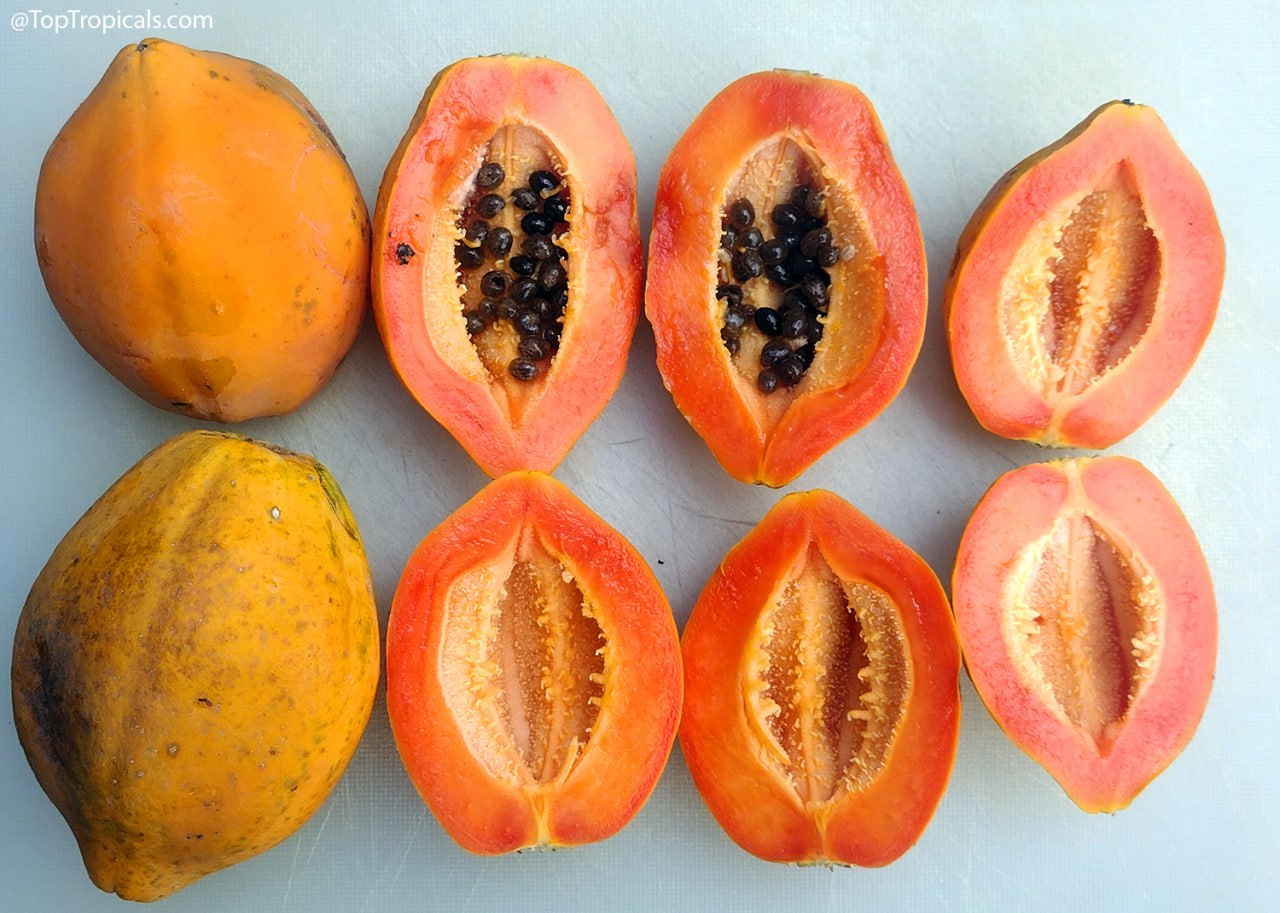
Carica papaya - Papaya fruit

Carica papaya - Papaya fruit

🍊 How to grow Papaya from seed, step-by step - FAQ


💚 Is papaya a tree?


No. Papaya is a herbaceous plant with a hollow trunk. Treating it like a tree is one of the most common mistakes growers make.

💚 How fast does papaya grow from seed?


Very fast. Papaya can start producing fruit in 10–15 months when grown in warm conditions.

💚 Can papaya be grown in containers?


Yes. Dwarf papaya varieties stay under 4–5 ft tall in containers and still produce full-size fruit.

💚 Will seeds from grocery store papaya work?


They will germinate, but the variety is unknown and usually not dwarf. If you want a compact plant, use seeds from a known dwarf variety.

💚 Do papaya plants come true from seed?


Yes. When the seed source is known, papaya grows true to type.

💚 How long do papaya seeds take to germinate?


Fresh seeds usually germinate in 2–3 weeks with warmth. Stored dry seeds can take 8–10 weeks.

💚 What temperature do papaya seeds need?


Above 70F, ideally 85–90F. Bottom heat greatly improves success.

💚 Do papaya seeds need to be cleaned before planting?


Yes. The slimy coating must be removed or seeds may rot instead of sprouting.

💚 What soil is best for papaya seedlings?


A well-draining mix or coconut fiber. Soil should be moist, never soggy.

💚 Why do papaya seedlings rot so easily?


Overwatering and poor drainage are the main causes. Young papaya roots are very sensitive to excess moisture.

💚 Do papayas like transplanting?


No. Papayas hate root disturbance. Reduce transplanting and move into larger containers sooner rather than stepping up gradually.

💚 How big should the container be?


After a 4-inch pot, move directly into a 1-gallon or even 3-gallon container to minimize root disturbance.

💚 Does papaya need staking?


Yes. Papaya grows fast, and the stem can outpace root development. Even light wind can knock it over.

💚 How much sun does papaya need?


Full sun. Shade causes leggy growth, poor flowering, and little to no fruit.

💚 Should papaya be watered heavily?


No. Once established, papaya prefers drier conditions. Large plants tolerate rain better than young ones.

💚 Can papaya be planted in the ground?


Yes, but only in well-drained soil and elevated spots. Low areas with standing water will kill it.

💚 Is fertilizer important for papaya?


Yes. Papaya is a heavy feeder. Poor soil means poor growth and little or no fruit. Use Green Magic once every 6 months or Sunshine Boosters C-Cibus with every watering.

💚 Should papaya be pruned to control height?


No. Pruning ruins its natural form. If height is an issue, grow a dwarf variety instead.

🛒 Explore Papaya varieties

📚 Learn more:

Papaya Plant Facts

Botanical name: Carica papaya
Also known as: Papaya
USDA Zone: 9 - 11
Highligths Small tree 10-20 ftFull sunWater Requirement: Low. Allow soil to dry out between wateringsWatering: Moderate. Water when top soil feels dryYellow, orange flowersWhite, off-white flowersEdible plantEthnomedical plant.
Plants marked as ethnomedical and/or described as medicinal, are not offered as medicine but rather as ornamentals or plant collectibles.
Ethnomedical statements / products have not been evaluated by the FDA and are not intended to diagnose, treat, cure, or prevent any disease. We urge all customers to consult a physician before using any supplements, herbals or medicines advertised here or elsewhere.Subtropical plant. Mature plant cold hardy at least to 30s F for a short time
Get personalized tips for your region

· Carica papaya in Plant Encyclopedia
· How to grow papaya from seed without killing it:
Part 1: Papaya basics
Part 2: Seeds germination
Part 3: Containers, sunlight, and common mistakes
· Carefree Garden: How Easy Is It to Grow a Papaya Tree?
· Male papaya produces fruit!
· Top 10 fast-fruiting trees: #6. Papaya
· How to have fresh Papaya fruit year around
· The truth about Papaya
· Papayas contain a secret enzyme

🎥 Nobel Prize goes to this pregnant male papaya

#Food_Forest #How_to #Papaya #Discover

🟢 Join 👉 TopTropicals