Date: 21 Nov 2019
Why cats???

- Ernest Hemingway -
Q: I learn a lot from your emails and it is one of the few subscriptions that I actually (usually) open and read. I don't mean to be negative but I'm not really a fan of the cat content that you now feature above the plant content. I'm surprised that you dedicate so much space to material that really is off-topic... I'm glad you guys are in business and you educate as much (or more) than you sell. I actually drove to your location to buy stuff a few years ago and most of what I bought is still alive. My neighbor also bought a cocoa plant from you and it is thriving!
A: Thank you for your comments and orders with us. We really appreciate your interest in our newsletter.
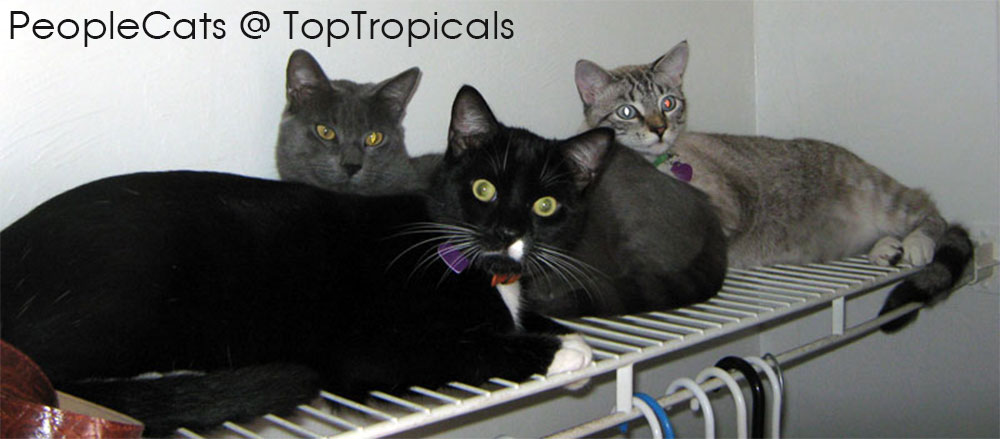
As far as cats, we added regular Cat of The Day section because it became so popular and many customers asked for it ;) While we all know that the World is made of 2 halves - CatPeople and DogPeople, most PlantPeople are PetPeople and they find this combination fun and garden-productive!
Besides, TopTropicals Garden Center is a cat-friendly Plant facility, so the cats are part of our business, as a matter
of fact... Not only do they help us with our daily hard work, they also give us so much love, and helps us to become better people. Our employees take care of them; the cat care is on their daily task list!
Do not worry, our plant content always comes first, and more interesting
stuff coming every week! Thank you for staying with us.
Check out and more Cat of the Day stories.
Date: 9 Sep 2019
Time to clean your yard!
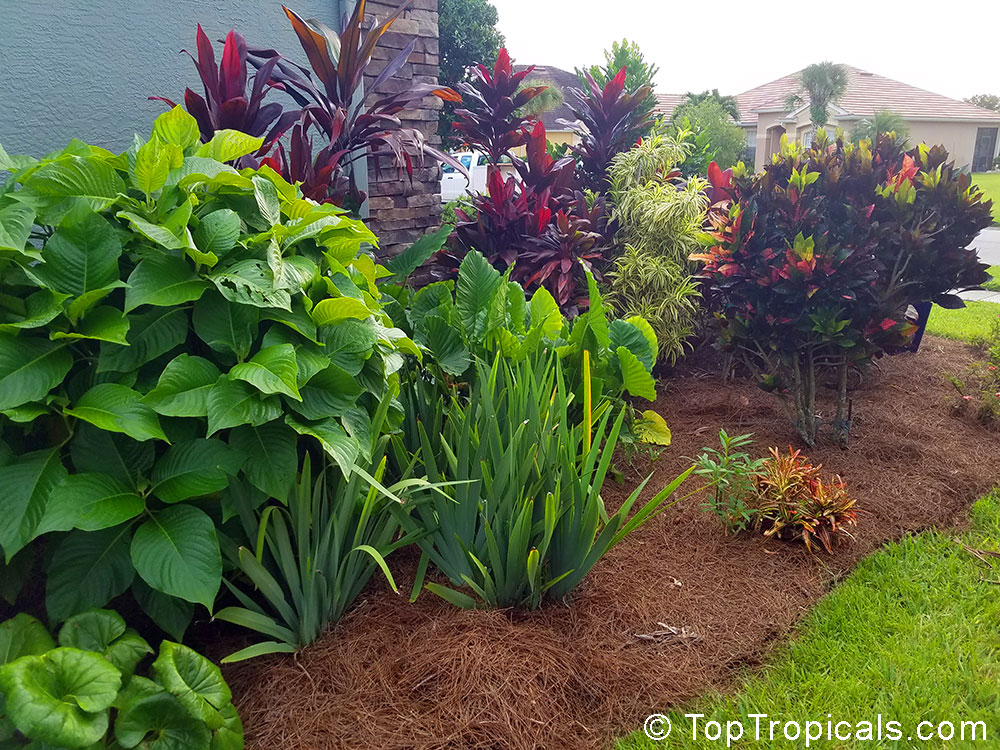
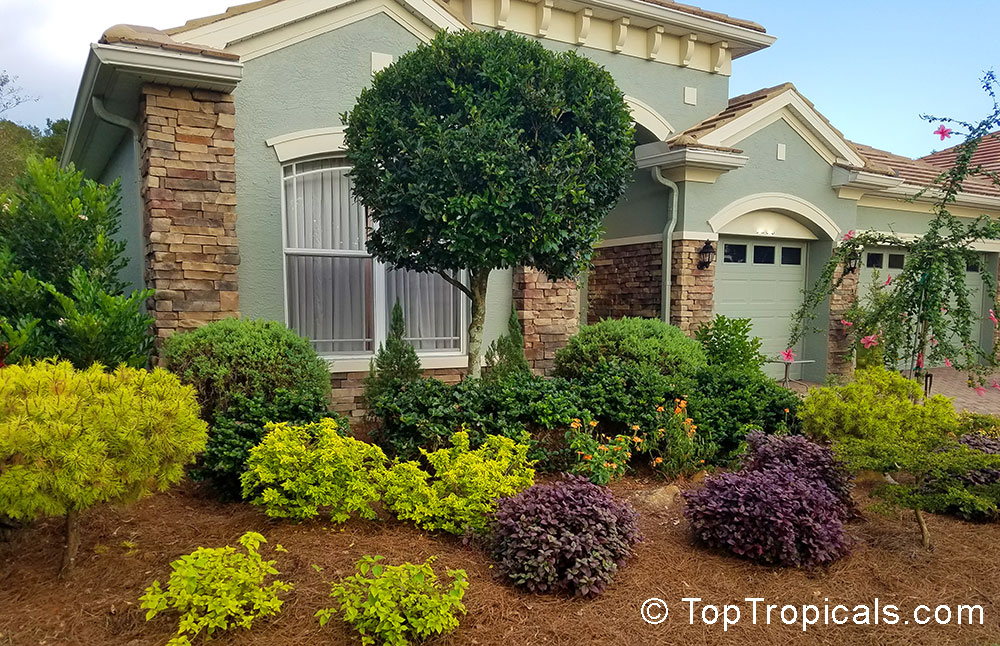
In the South. It's getting cooler in subtropical areas, and garden work becomes even more enjoyable. Your garden now is in the most perfect shape after summer vigorous growth. It is the best time now to run the last trim before winter, as well as last fertilizer application. Clean up your yard without sweating off, add mulch to help plants to survive through possible winter chills. Don't forget to start reducing watering! Remember once temperatures drop below 65F, tropical plants slow down or stop growing and go into winter dormancy sleep.
Up North. When temperatures drop below 45F, start bringing sensitive plants indoors or into protected areas. Prepare/cover greenhouse, check availability of covers (sheets, plastic) and condition of heaters. Plants indoors will experience environment change, may drop leaves, and need different care than out in the sun. Reduce watering, check for insects once a week, and stop fertilizing until spring. Remember to pick the brightest spots for overwintering your tropical plants!
Enjoy cooler weather, fresh air, and thank yourself for a wonderful work you have done in your yard!
Date: 30 Aug 2019
How to grow Angel Trumpet in Florida
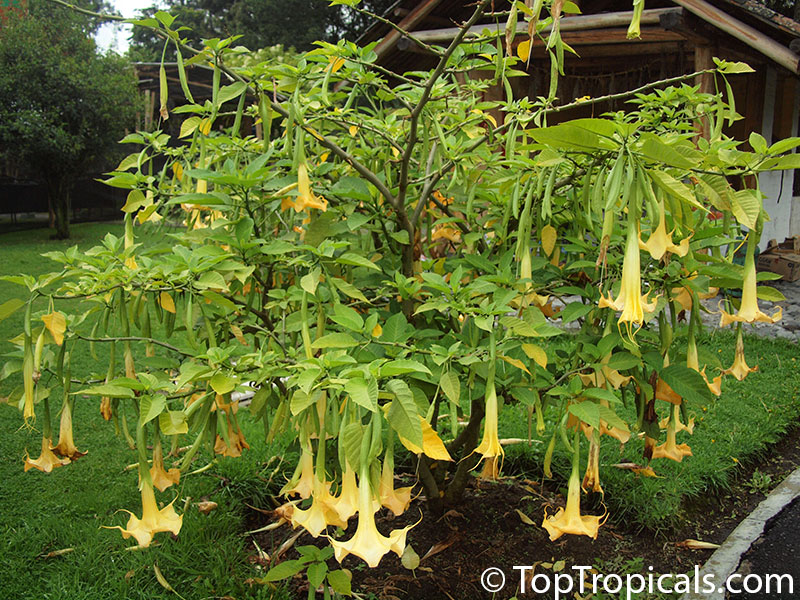
Q: I purchased an Angel trumpet in March, 2018. It wasn't looking very good so I asked what to do about it. Your reply was to fertilize and keep it watered. I did & it started to improve. I went on vacation & it reverted, dropping leaves... How do I keep it happy?
A: With growing Angel Trumpets in Florida, there are a few things that may go wrong, although in general Brugmansia is a vigorous rapid grower. Once the plant is established, it is very easy to grow. Looks like your plant had some troubles at the start and is still struggling. Dropping leaves could be a sign of a root problem.
These are the main important points for Brugmansia growing:
1. Must be planted in a high spot, using very well-drained soil.
Brugmansias do not like soggy conditions (happens with Florida summer). They like
water, but only as long as drainage is good.
2. Full sun is a must for a healthy plant.
3. Brugmansias are heavy feeders. Fertilize at least once a month once
the plant is established:
Pink N Good Daily Plant Food - Flower Booster
Angel Trumpet Delight - Smart-Release Booster
4. They are susceptible to bugs... check underneath the leaves and if
any pests, spray with solution of any vegetable oil, water, and some dish
soap.
The bottom line is, do not overwater but don't let it dry out. It's
rainy season now, maybe too much rain affecting the plant.
Try these Sunshine Boosters, they have amazing results and often help
us to bring stressed and weak plants back to life:
SUNSHINE-Power - plant booster
SUNSHINE-E - plant booster

Date: 16 Jun 2019
Horned Holly - a cool bonsai plant
By Onika Amell, tropical plant specialist
Q: I live in Chickasaw, Alabama. I am a beginner bonsai grower. I received a lovely little Horned Holly as a birthday present and I want to know if it is a suitable plant to bonsai?
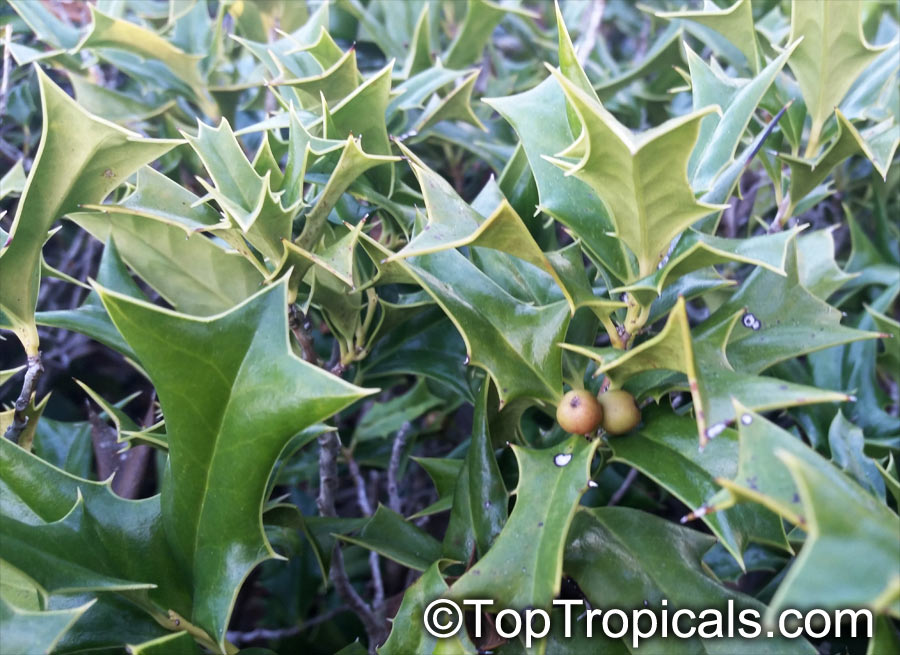
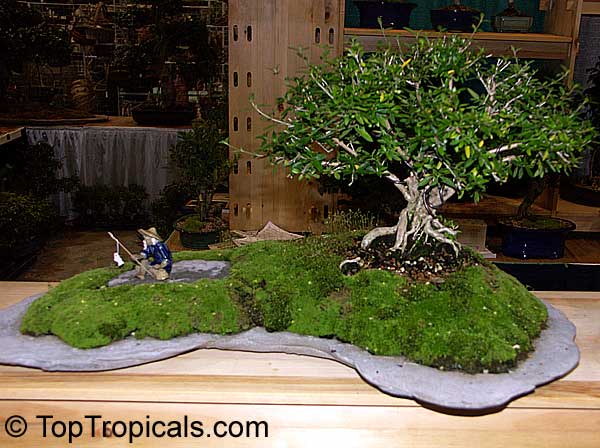
A: The Ilex cornuta - Horned Holly, or Chinese Holly, is very popular as
a bonsai species. It is loved for its very beautiful and distinctive
rectangular foliage and for its small, white flowers which give way to large, red
berries. The berries are larger than those of the European Holly. The leaves are
rectangular and unusually shaped with three large spines at the apex. This
bonsai will take both sun and shade, but semi-shade is preferred in midsummer.
If indoors, give it plenty of bright light. When kept outdoors, your Horned
Holly bonsai will need some frost protection and should be sheltered from
strong or cold winds.
It will need a fair amount of water and should not be allowed to completely
dry out. Watering during the heat of summer is especially important, as well
as in spring right before the fruit production, and should be reduced during
winter. This species will also appreciate regular misting of the foliage.
Repot this bonsai every 1 to 2 years in early spring, using bonsai soil - TopTropicals
Adenium Soilless Mix. Fertilize the holly every two weeks throughout the
growing season using either a balanced fertilizer diluted to half strength.
We recommend for this purpose Tropical Greenhouse Plus - Plant Booster. Pruning should be done in
early spring.
Horned Holly is also very popular as a hedge plant as it grows dense
and compact. It will grow to between 3 and 5 feet tall and will spread to an
equal distance, giving it a round, shrubby form. It is cold hardy! Zones 6
through 9. It will tolerate a wide variety of soils as long as it is
well-drained. It likes sun or part shade. It is heat and drought tolerant once
established, and are often used in xeriscaping. Its branches produce dark olive-green
foliage that is often cut for indoor decorations during the holidays.
Limited time special offer:
buy 1 get 1 free for only $10!
Date: 13 Jun 2019
Millingtonia hortensis - Tree Jasmine
By Onika Amell, tropical plant specialist
Q: Q: How fragrant is the Tree Jasmine (Millingtonia) and how tall does it grow?
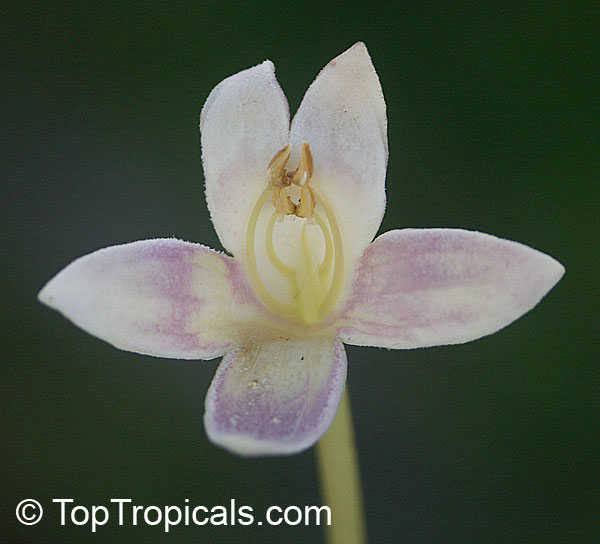
A: Millingtonia hortensis, or Tree Jasmine, is such a beautiful flowering tree with long, white, slender and trumpet-shaped flowers with a perfume that wafts through the air. These trees are very sought after because they are so highly fragrant. They are fast-growing trees that in Nature (Burma) can easily reach a height of 40-50 feet, however here in SW Florida we have them growing about 20-25 ft. The tree flowers at night and then shed the flowers in the morning. The flowers are waxy and stay fresh for a long time. In India the flowers are picked up and braided for rituals. It flowers from October until the end of December. The tree is also known as the Cork Tree, as an inferior cork is processed from the corky bark. It is a fast growing, tall, straight tree with few branches and its popularity lies in its ornamental value and not in its shade-giving properties. Yet, once you've witnessed the profusion of white flowers, you will understand why. It is a sight to behold! Cork tree is very easy and can grow in a variety of soils. It requires full sunlight.