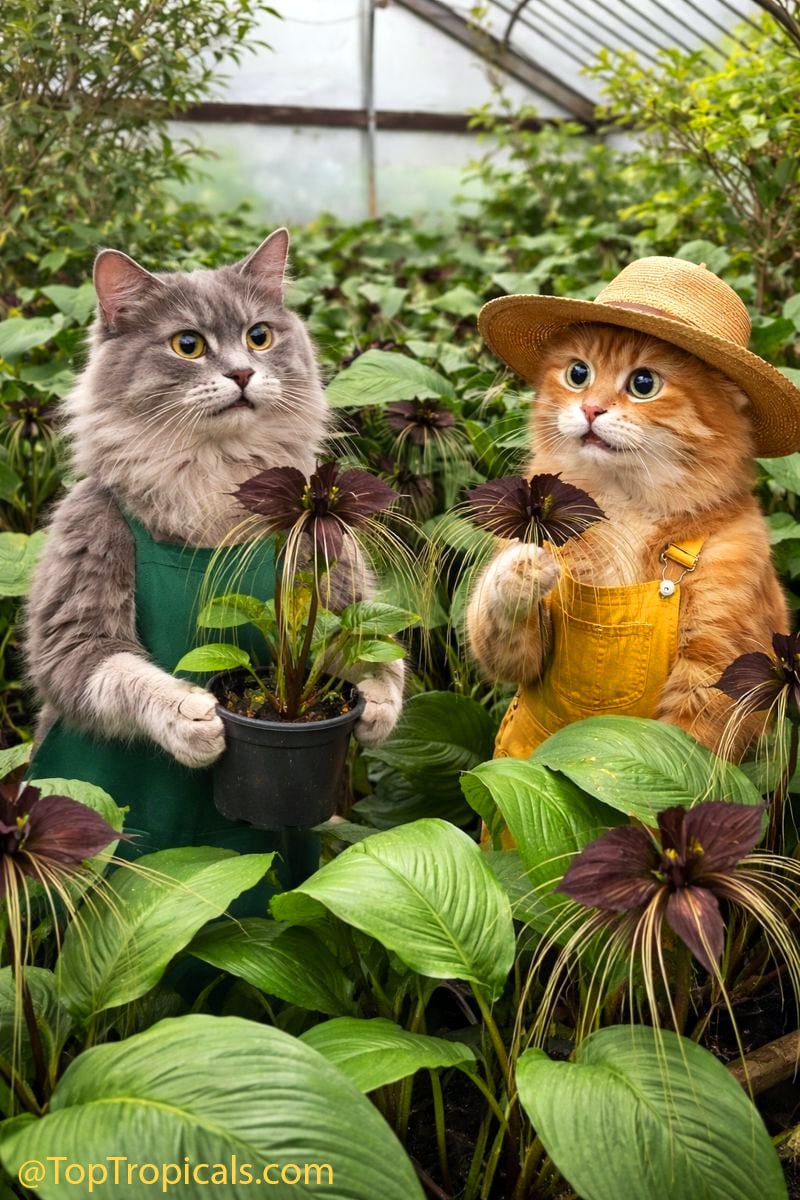
Smokey: Look, Sunshine. Customer comments. They like us. Sunshine: Of course. Because of my coffee and donuts advice. Smokey and Sunshine: Thank you for your kind words and support. Gardening together with you makes this all worth it.
🎉 Happy New Year!
Here’s to a fresh calendar, happy plants, curious cats, and lots of good garden moments ahead.
Let’s make it a fun, green, slightly muddy one 🌿😺
💌 Top Tropicals Newsletter cats Smokey and Sunshine reminding you:
✦ Make sure to subscribe to our Newsletter to stay informed of our New Arrivals, Happy Gardening Tips, Events, and discount coupons ✦ Check out our Blog for daily news, plants and cats
🍊 How to grow papaya from seed without killing it, Part 1: Papaya basics
Papaya (Carica papaya) is one of the fastest and most rewarding fruit plants you can grow from seed - but it is also one of the easiest to lose early if you treat it like a regular tree. In this guide, we start at the very beginning: what papaya really is, how to choose and prepare seeds, and what it actually takes to get strong, healthy seedlings off to a good start.
🍊 Papaya basics - what kind of plant it really is
Papaya is not a tree - and that changes how you should grow it
🟡 Papaya is technically not a tree. It is a herbaceous plant with a hollow trunk - often jokingly called a giant grass. 🟡Papaya grows extremely fast from seed and usually starts producing fruit within 10–15 months. It has a palm-like look, with a large canopy of leaves at the top. Flowers and fruit form directly under that canopy, right on the trunk. 🟡In the ground, papaya can grow 10–15 ft tall, but there are dwarf varieties that stay under 4–5 ft in containers while still producing full-size fruit. 🟡Papayas are very productive and are one of the best exotic fruit plants to grow even outside the tropics, especially because they perform so well in containers.
🍊 Growing papaya from seed - what to know first
What grocery store papaya seeds don’t tell you
Papaya is easy to grow from seed, but one detail matters more than most people realize: 🟡Seeds from store-bought fruit come from unknown varieties 🟡Most will not be dwarf 🟡If you want a compact plant, start with a known dwarf variety or seeds from one 🟡The good news: papaya comes true from seed, so when the source is known, the result is reliable.
Now that you understand what papaya is - and what grocery store seeds don’t tell you - it is time to move on to the most misunderstood stage of all: germination. In Part 2, we break down exactly how papaya seeds sprout, what they need, how long they really take, and why so many people give up too early.
Watch how to squeeze natural shampoo from the Ginger!
Shampoo Ginger, Zingiber zerumbet, Pine Cone Ginger
💄 Watch how to squeeze natural shampoo from the Ginger!
🎆 Shampoo ginger uses and fragrance
Shampoo Ginger, also known as Zingiber zerumbet or Pine Cone Ginger, is one of those plants that sounds too good to be true - but isn’t. This tropical ginger has been used for centuries not just as an ornamental plant, but as a practical, fragrant, everyday resource.
🎆 Natural shampoo from a flower cone
The most famous use of shampoo ginger comes from its bright red, pine cone-shaped flower bracts. When the cones mature, they fill with a milky, slippery liquid. Simply squeezing the cone releases this natural cleanser, traditionally used as shampoo in Asia and Hawaii. It gently cleans hair, leaves it soft, and adds a light, fresh scent. Even today, extracts of shampoo ginger are still used in commercial shampoos and hair products.
🎆 Fragrance throughout the entire plant
Shampoo ginger isn’t just useful - it smells amazing. The leaves, stems, and cones all carry a warm, spicy fragrance typical of true gingers. The scent is fresh and clean, with earthy and slightly citrusy notes. Because of this, the plant has also been used in traditional body rinses, hair treatments, and natural perfumes.
🎆 More than hair care
Beyond shampoo, the cones are popular as long-lasting cut flowers, often used in tropical floral arrangements. The plant itself grows into a lush, leafy clump that adds strong tropical character to gardens, especially in warm, humid climates.
🎆 A plant with a traveling history
Shampoo ginger is also known as a “canoe plant.” Ancient Polynesian voyagers intentionally carried it across the Pacific as they settled new islands. Its usefulness, fragrance, and beauty made it valuable enough to earn a place on long ocean journeys.
Shampoo ginger is a rare mix of beauty, history, fragrance, and function - a plant that proves some of the most interesting garden plants are also the most practical.
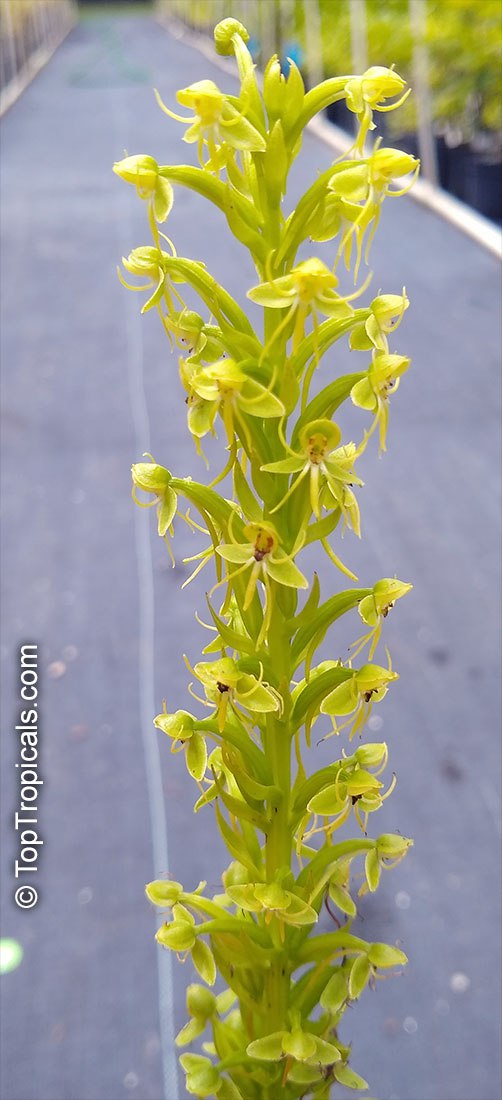
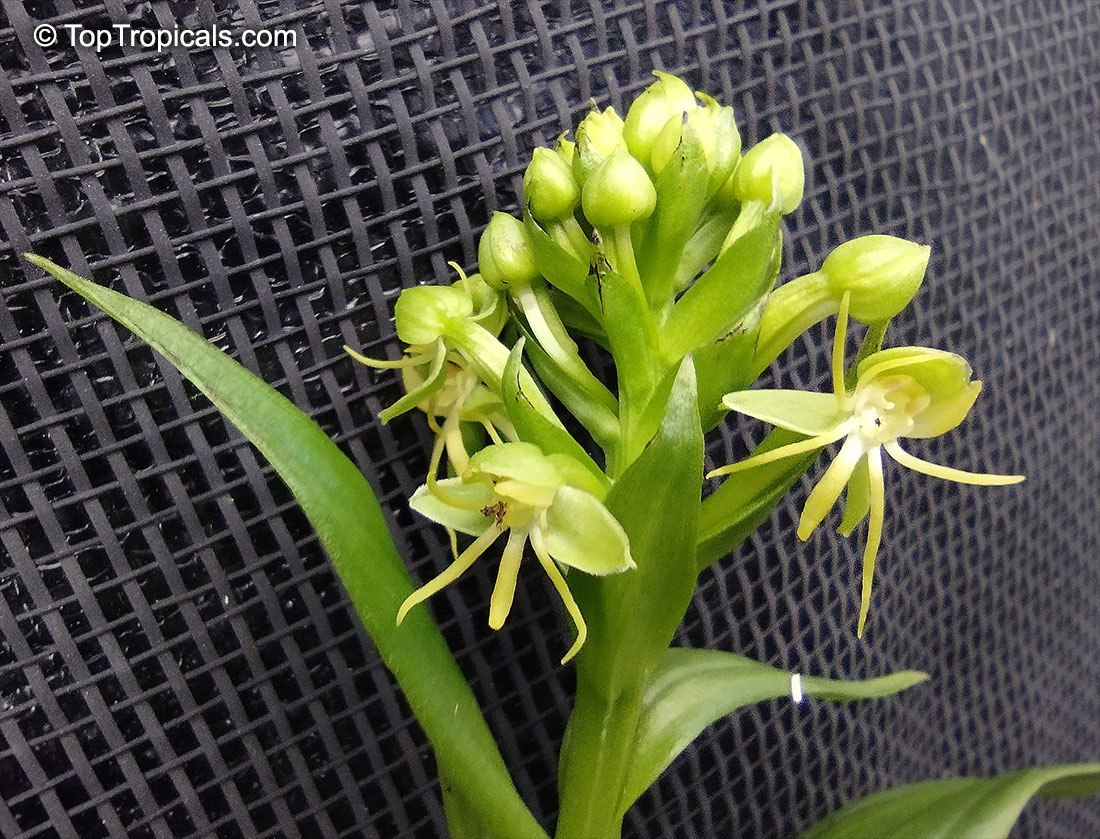
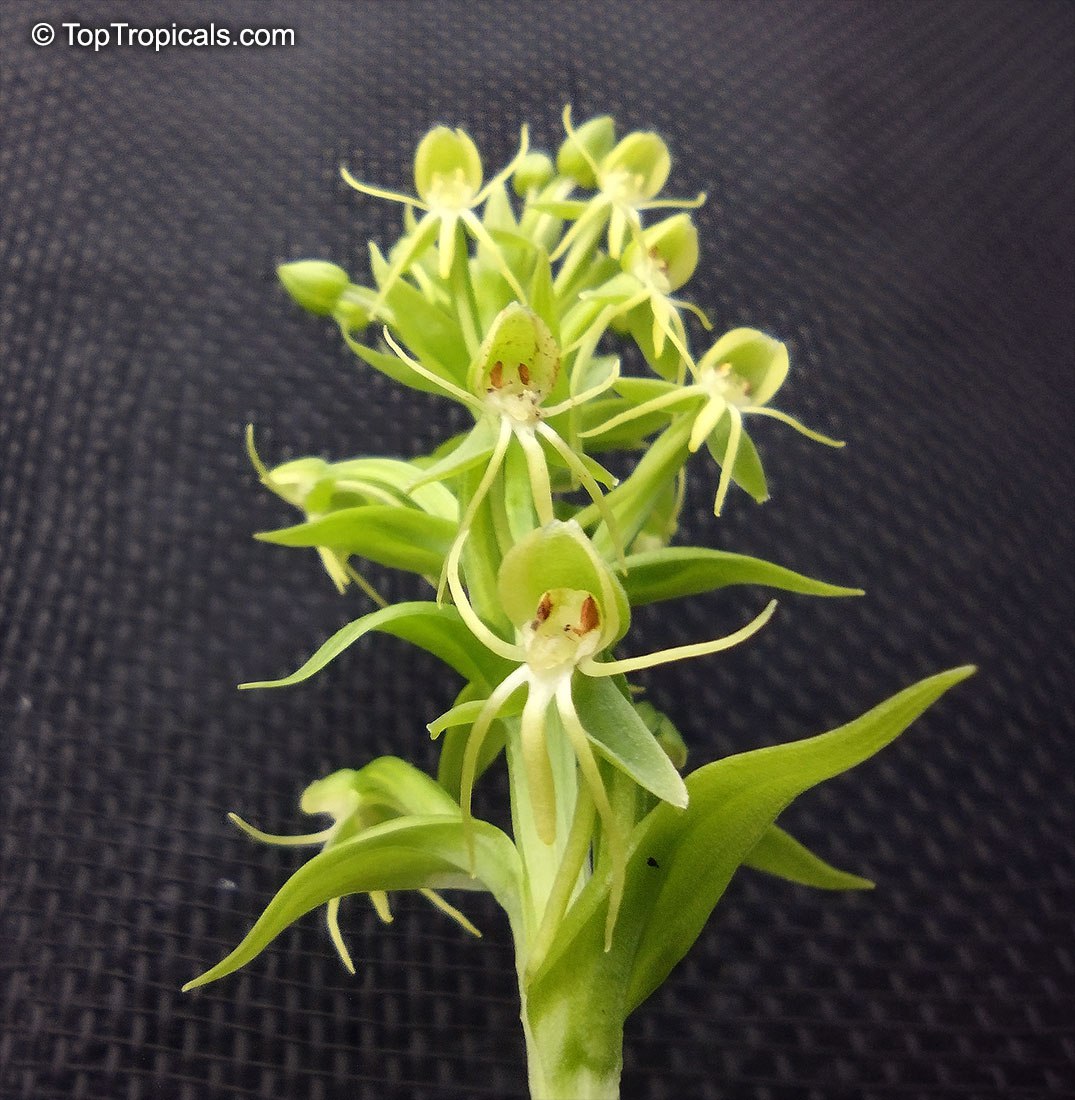
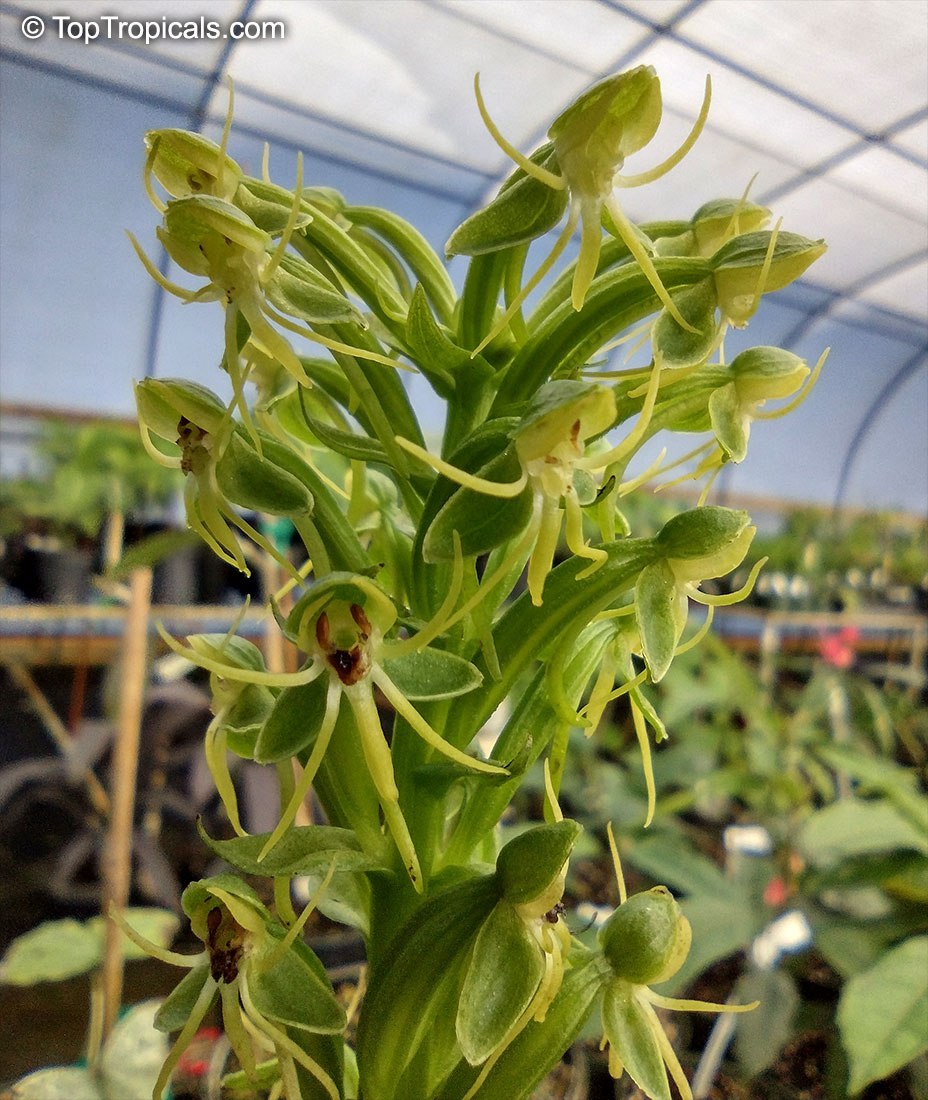
Habenaria repens - the tiny Dancing Water-Spider orchid, Floating Orchid, a dancing fairy, sprite, sylph, pixie - or a water nymph?
💞 If you look closely, this native orchid really does look like it is dancing. The tiny, spidery flowers of Habenaria repens seem to hover in motion, giving rise to its charming common name - Water-spider Bog Orchid, also called Floating Orchid.
💞 Habenaria repens is one of the few orchids that can live both on land and in water. It naturally grows in wet ditches, marshes, meadows, and along pond and lake edges, and it can even form floating mats in still water. In warm climates, it may bloom almost year-round, sending up tall flower spikes packed with 10-50 delicate greenish-white blooms. The narrow, spider-like petals and lip are designed to attract pollinators, while the light green sepals blend perfectly into wetland surroundings.
💞 This orchid produces several yellow-green leaves along its stem, with smaller leaves near the flower spike. It prefers consistently moist to wet conditions and slightly acidic soil. In cultivation, it does best in bog gardens, shallow pond margins, alongside carnivorous plants like pitcher plants, or even in containers kept very wet.
💞 Small, subtle, and easy to overlook at first glance, Habenaria repens rewards anyone who stops and looks closely. Once you see that little flower dancing, you will never forget it.
❓ What does this tiny flower look like to you?
A dancing fairy, sprite, sylph, pixie - or a water nymph?
That’s probably the real evolutionary secret no botanist will admit! Those whiskers? Pure marketing genius from nature.
Cats had it figured out first — look mysterious, add long elegant whiskers, and everyone falls in love.
Tacca just took notes and said, “Alright, I can work with that!”
Continue reading: Tacca wants to be a cat! - and everyone loves cats!