Garden Blog - Top Tropicals

Date: 15 Aug 2021

How to grow Cerbera and make it flower
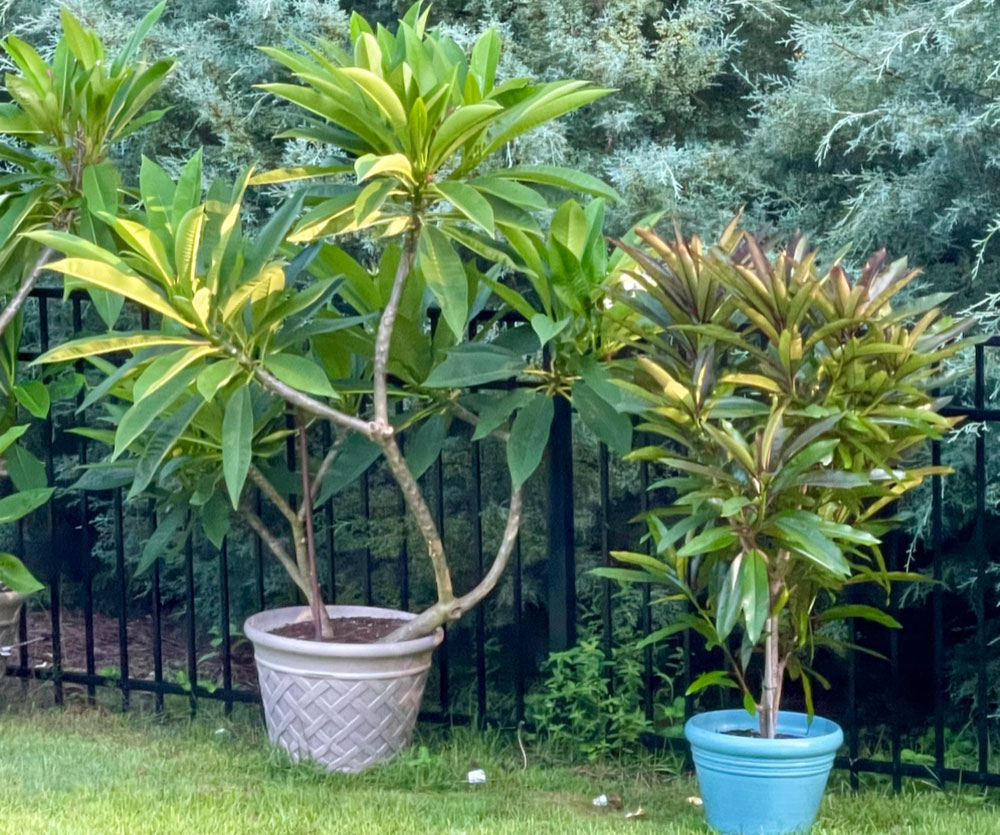
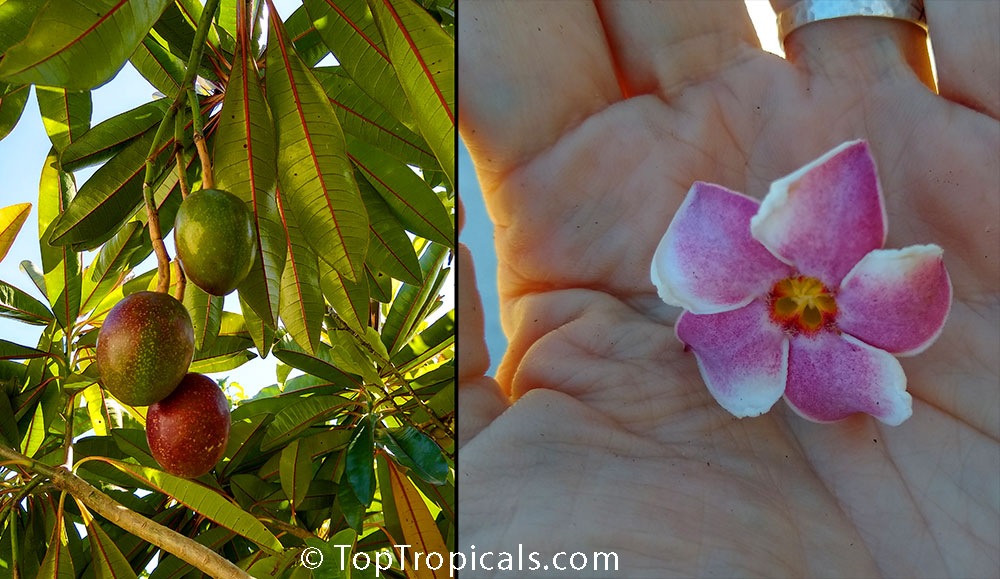
Q: I purchased Cerbera manghas - Enchanted Incense a year ago. As you see from the photo, it's doing great however, no blooms. I fertilize properly and very often and use worm castings for micronutrients. Yes it's not "your" fertilizer, but my plumerias, that are also in pots they are over 5 feet tall and blooming like crazy. I don't see any inflows coming on the Cerbera at all and it is hot and humid here in North Carolina, so it's happy but no sign of blooming. What is your advice?

A: Top Tropicals first brought Cerbera manghas into the US plant market a few years ago, it was recommended to us by our friend, plant taxonomist John Mood who visited Thailand, and among other exotic plants noted this fragrant beauty. Since then we've been successfully growing this plant, it has become one of everybody's favorites.

Generally speaking, Cerbera culture is very similar to Plumerias. These plants are closely related. So if you know how to grow Plumeria, you sure will succeed with Cerbera. Hot and sunny location, well-drained mix, moderate water and bloom boom fertilizer will do the trick. However, we have noticed a few distinctive features that make this plant somewhat challenging at times.

1) Flowers

For past years, we've been studying what triggers its flowering. Sometimes these plants start flowering in 1 gal pot, 1 ft tall. Other times a large developed tree 5-6 ft tall, in 5-7 gal pot, grows beautiful foliage with no signs of flowers. Eventually all of them bloom, no matter how stubborn they are, it's just some individual plants start flowering sooner than others, all grown in the same conditions.
One of our plants in the ground, a well-branched tree, was covered with flowers for a few months, but only on the 3d year after planting. Before that, it only produced a few random blooms. Others bloomed in pots at very young age.
The following factors benefit to Cerbera flowering:
- full sun at least 10 hours a day
- hot temperatures above 85F
- regular water but not heavy rains
- regular fertilizer - Bloom Booster type
- very good drainage and drying out before waterings. If root ball stays moist, the plant may look healthy but won't set flower buds. Keeping on a dry side will encourage flowering. Very similar to Jasmines: they bloom like crazy in April while it's hot and dry in Florida, but once our summer rainy season starts, they reduce blooming.

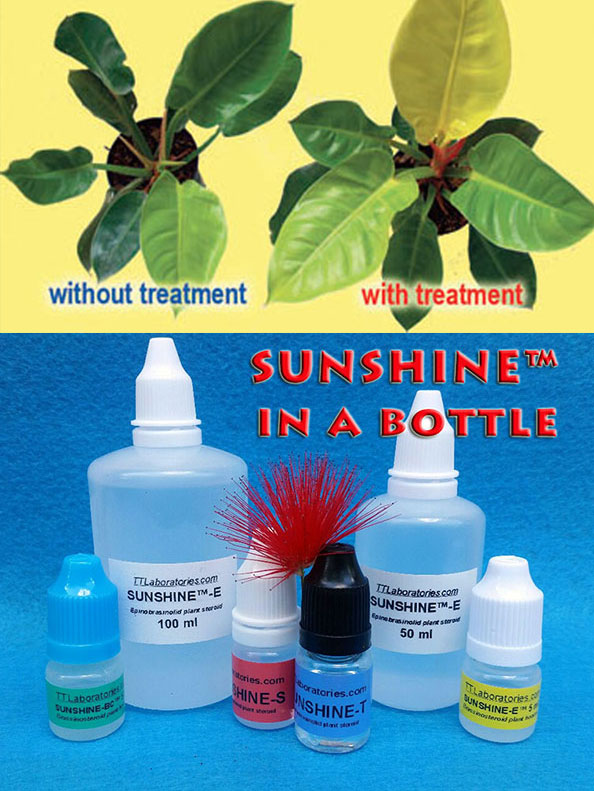
We highly recommend using Sunshine Megaflor bloom booster or SUNSHINE Pikake in combination with micro-element supplements Sunshine Honey (B-Mo) and Sunshine Superfood (complex micro) that induce flowering. Dry and granulated fertilizers may not supply exactly what a plant needs: certain elements that trigger flowering may be missing. Sunshine Boosters formulas are scientifically balanced, they contain precise amounts of nutrients needed for setting flowers. Besides, excessive salts from regular dry fertilizers create nutrient lock up that may retard plant metabolism; with liquid amino-acid based Sunshine boosters, plants consume the whole menu of elements without building them up in the soil.
2) Fruit

Fruit of Cerbera are very pretty and cover the tree after profuse flowering. To inexperienced eye they may look very much like small mango or avocado fruit - so make sure kids or visitors don't try to eat them! Cerbera seeds are extremely poisonous.

3) Leaves

If you ever grew Passiflora or Milkweed, you know how leaves can be eaten by caterpillars overnight. This may happen to Cerbera too, as we discovered. In Florida environment this exotic plant doesn't have natural predators for protection from certain insect species that may feed on it. So watch out and if noticed first signs of leaves damage - its time for insect control.
Other than that, Cerbera foliage is usually beautiful and colorful, here in Florida it looks much healthier than that of Plumerias often affected with rusty residue during high humidity months.

Hope this helps. The Cerbera fragrance is enchanting, it is worth the efforts and waiting!

Date: 15 Dec 2016

SUNSHINE in a Bottle

SUNSHINE-H - plant booster for house plants specially formulated for plants grown indoors:
- protect from insects and improve disease resistance,
- improve tolerance of indoor plants to low light, and low humidity conditions;
- maintain healthy dormancy of seasonal species and help to rapidly break dormancy in Spring.


Directions:Mix with distilled water as follows: 2.5 ml to 1 gal. Spray traditional house plants - once in 2 weeks, tropical plants overwintering indoors, including woody ornamentals and potted fruit trees - once a week, leafy herbaceous perennials - once a month.

SUNSHINE in a Bottle - effective plant stimulant from new line of plant boosters, the representative of a new generation of agricultural chemicals. Developed by TT Laboratories LLC and designed specifically for applications on tropical plants. Can be used as well on seeds, seedlings, and small vegetable plants (completely organic and safe). It is proved to be a magic growth promoter, improves cold hardiness and heat tolerance of tropical plants.
,br> See page about SUNSHINE.

Order SUNSHINE boosters.

Date: 26 Mar 2026

🌸 How to Grow Adeniums Without Overthinking It

By Tatiana Anderson, Horticulture Expert at Top Tropicals with Smokey & Sunshine help

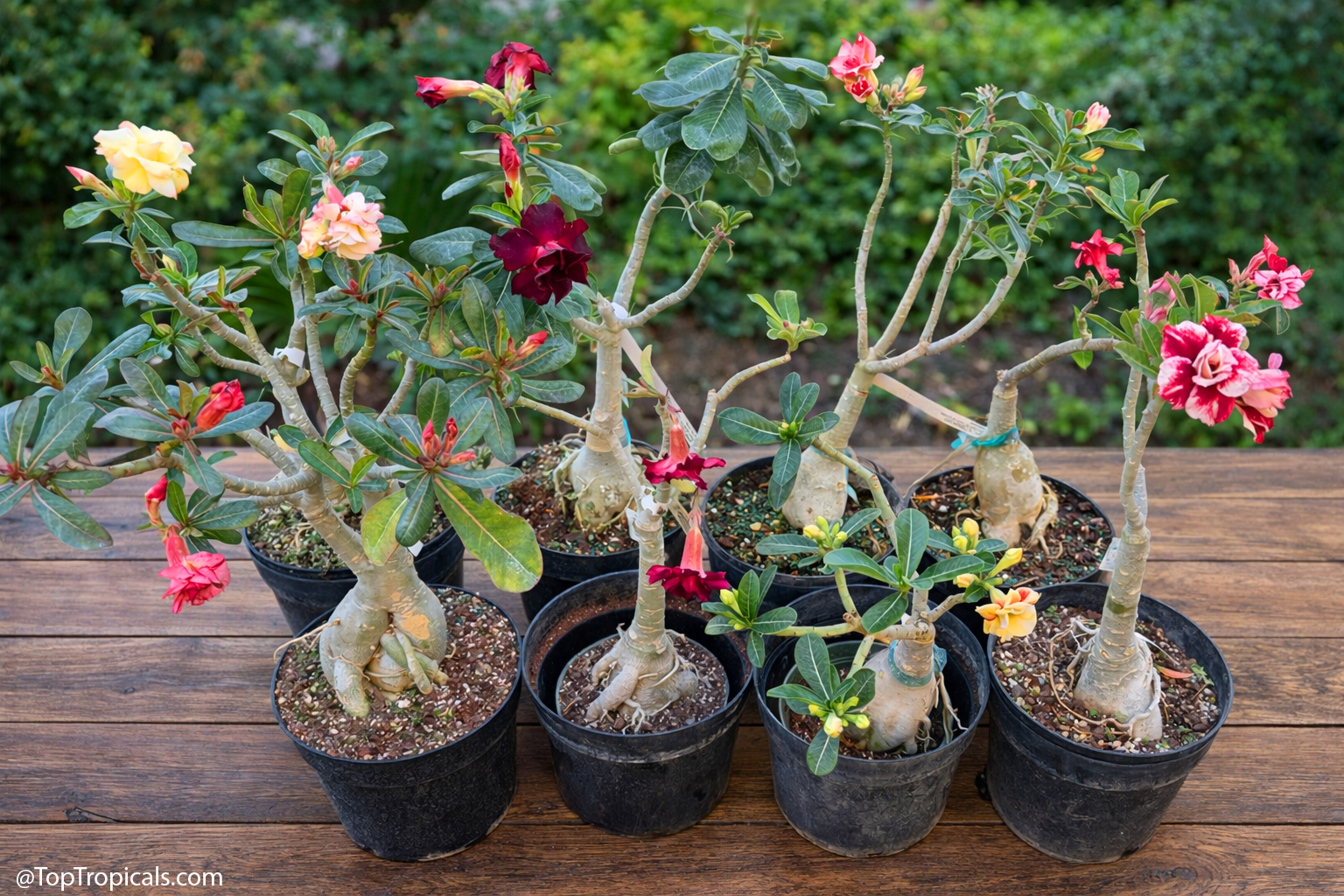
Adenium  desert  roses  blooming  in  greenhouse  during  winter  freeze,  rows 
 of  potted  plants  with  colorful 
 flowers

Adenium Plant Facts

Botanical name: Adenium sp.
Also known as: Adenium, Desert Rose, Impala Lily
USDA Zone: 9 - 10
Highligths Plant with caudexLarge shrub 5-10 ft tallSmall tree 10-20 ftFull sunWater Requirement: Low. Allow soil to dry out between wateringsWatering: Moderate. Water when top soil feels dryYellow, orange flowersRed, crimson, vinous flowersUnusual colorBlue, lavender, purple flowersWhite, off-white flowersPink flowersToxic or Poisonous
Get personalized tips for your region
Adeniums blooming inside the Top Tropicals greenhouse during the record freeze of February 2026 - protected from the cold, kept above 40F, and fed with liquid Sunshine Megaflor. They responded with a spectacular, synchronized winter bloom. Quite a surprize!

✅ Simple rules that actually make them bloom and grow well

  • Light - The more light, the better the growth and flowering. Full sun is ideal, but in very hot climates, filtered bright light keeps plants looking healthier.
  • Water - Water well, then let soil dry on the surface. Sitting in wet soil damages roots, but letting plants dry out too often can push them into early dormancy.
  • Pot and shaping - Use a shallow pot with excellent drainage. To develop a sculptural caudex, lift the plant slightly each time you repot and remove some of the top soil so upper roots become exposed. Over time, this creates a thicker, more prominent base.
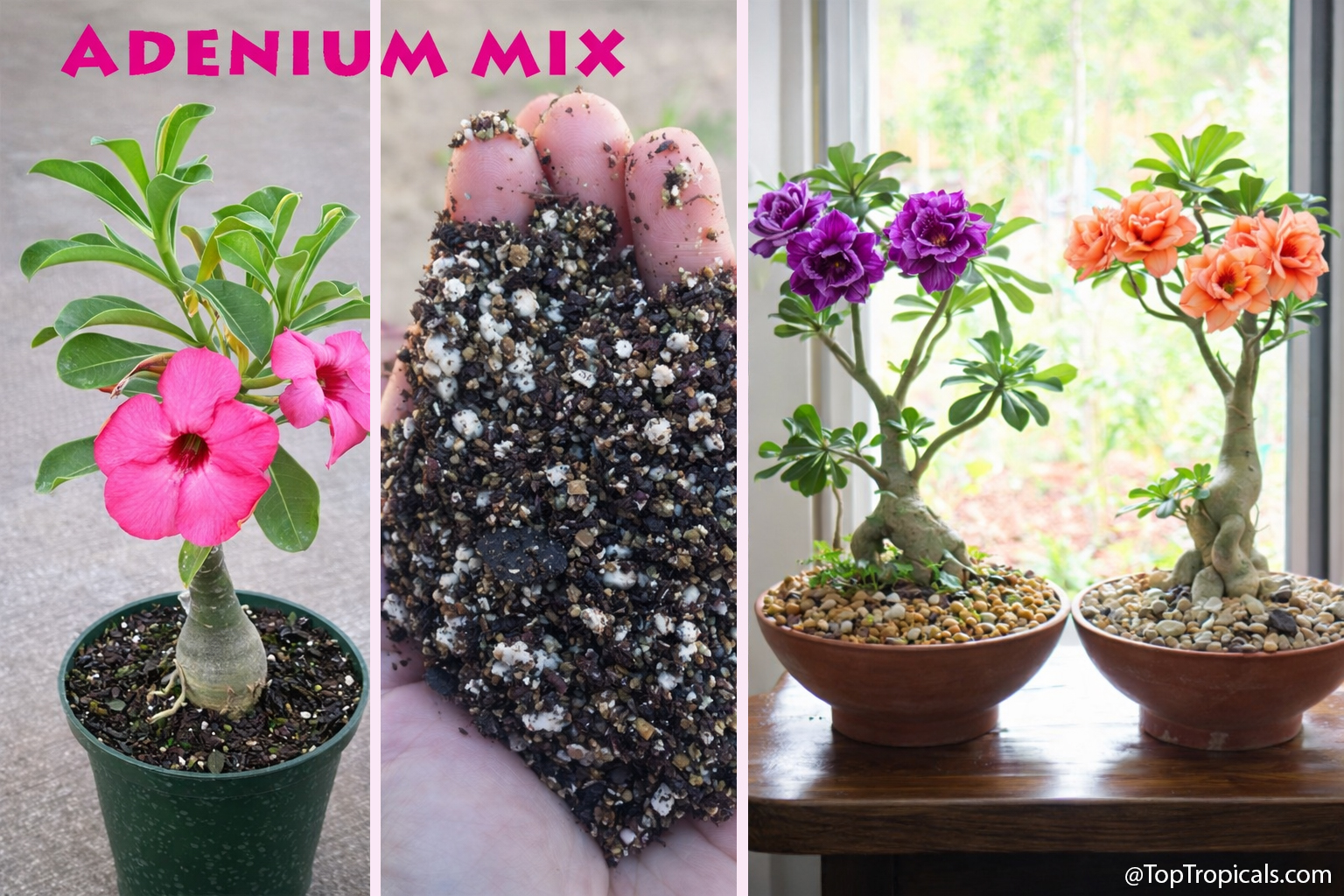
  • Soil - Use a fast-draining Adenium potting Mix.
  • Adenium desert rose plant, fast draining soil mix in hand, and bonsai 
style adeniums blooming indoors

    Healthy adeniums start with the right foundation - a fast-draining soil mix and careful watering only when dry to avoid caudex rot.

  • Cold hardiness - Adeniums are tropical and do not tolerate frost. Keep above 40 F. Brief drops to mid 30s may be tolerated if dry, but cold and wet conditions can damage or kill the plant. In cooler climates, bring indoors or protect during cold nights.
  • Indoor winter care - Move plants indoors before cold nights. Place in the brightest spot possible, ideally a south-facing window. Or use additional lighting. Water very lightly and less often, as growth slows. Do not fertilize during dormancy. Some leaf drop is normal in winter.
  • Freshly grafted Adenium desert rose plants in dormancy arranged in 
greenhouse rows with bare branches

    Freshly grafted adeniums in dormancy - a crucial resting phase. Keep watering low (once a month) and avoid overcare; this is the time to let them rest and etablish.

  • Feeding - Adeniums respond best to liquid fertilizer. We apply Sunshine Megaflor Booster with each watering throughout the year. During dormancy, watering is reduced, so fertilizer use decreases accordingly. Consistent, light feeding promotes strong roots, a thicker caudex, and improved flowering.
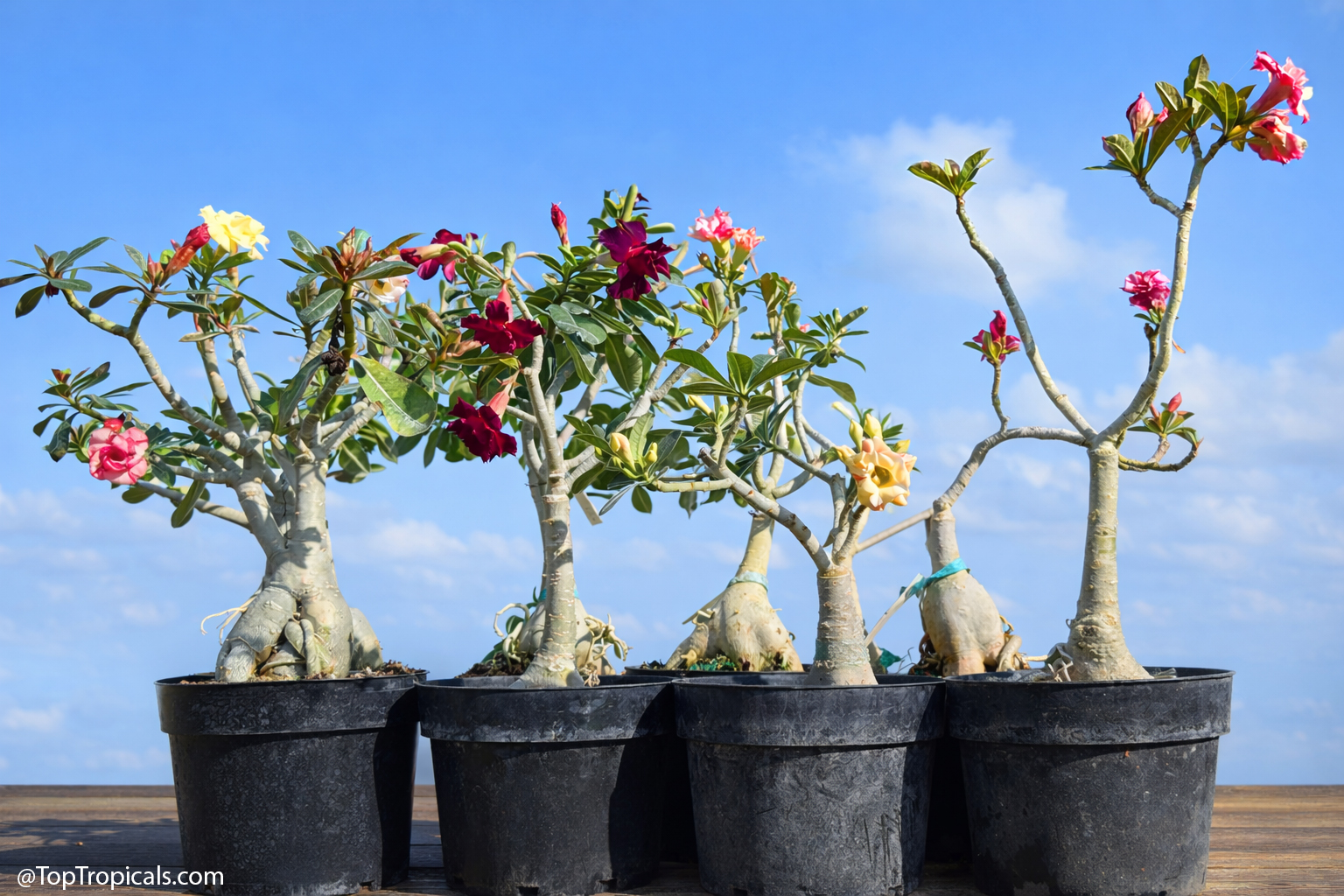
  • Pruning - For multiple blooms, regular pruning is essential. After flowering, cut back long or leggy growth to stimulate branching. Each new branch can produce more buds, leading to a much fuller bloom in the next cycle.

Pruned  and  unpruned  Adenium  desert  rose  plants  showing  difference  in 
 branching  and  flowering

Pruned vs. unpruned - the difference is clear. The four plants on the left were trimmed 6 months ago, while the two on the right were not. Same species, very different results.

✍️ Learn more about Adeniums from our Blog

🎥 Watch videos of Adenium Rainbow

Free Shipping on Adeniums
Add bold color and unique forms to your collection with no extra shipping cost.

🛒 Explore Exotic Adenium varieties

Leggy  Adenium  desert  rose  plants  with  sparse  branching  and  flowers, 
 ready  for 
 pruning

These Adeniums are screaming for pruning so they can bush out and produce more blooms

Date: 29 Jun 2024

How to get big shade tree in one season with an ice cream on it? Its real!

Ice Cream Bean Inga

Ice Cream Bean Inga

Ice Cream Bean Inga

Ice Cream Bean Inga

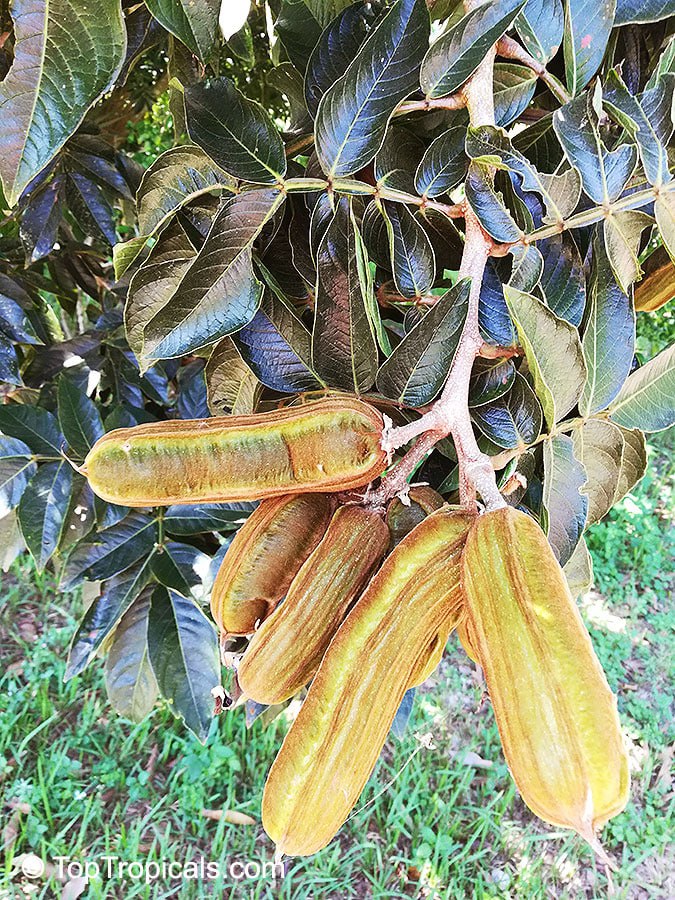
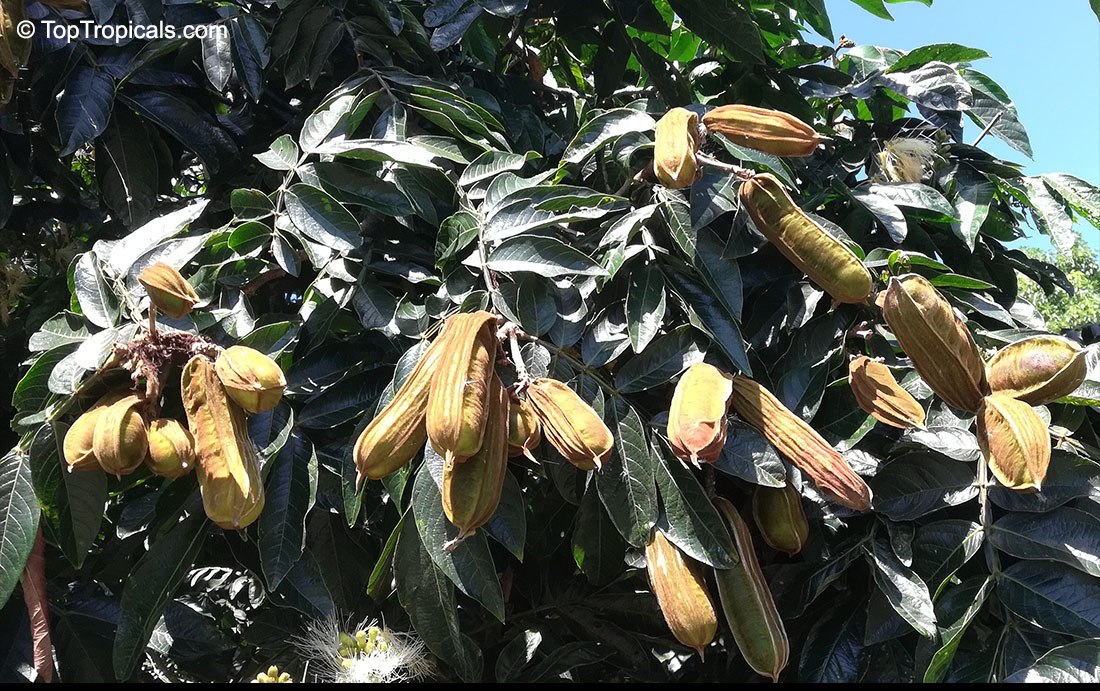
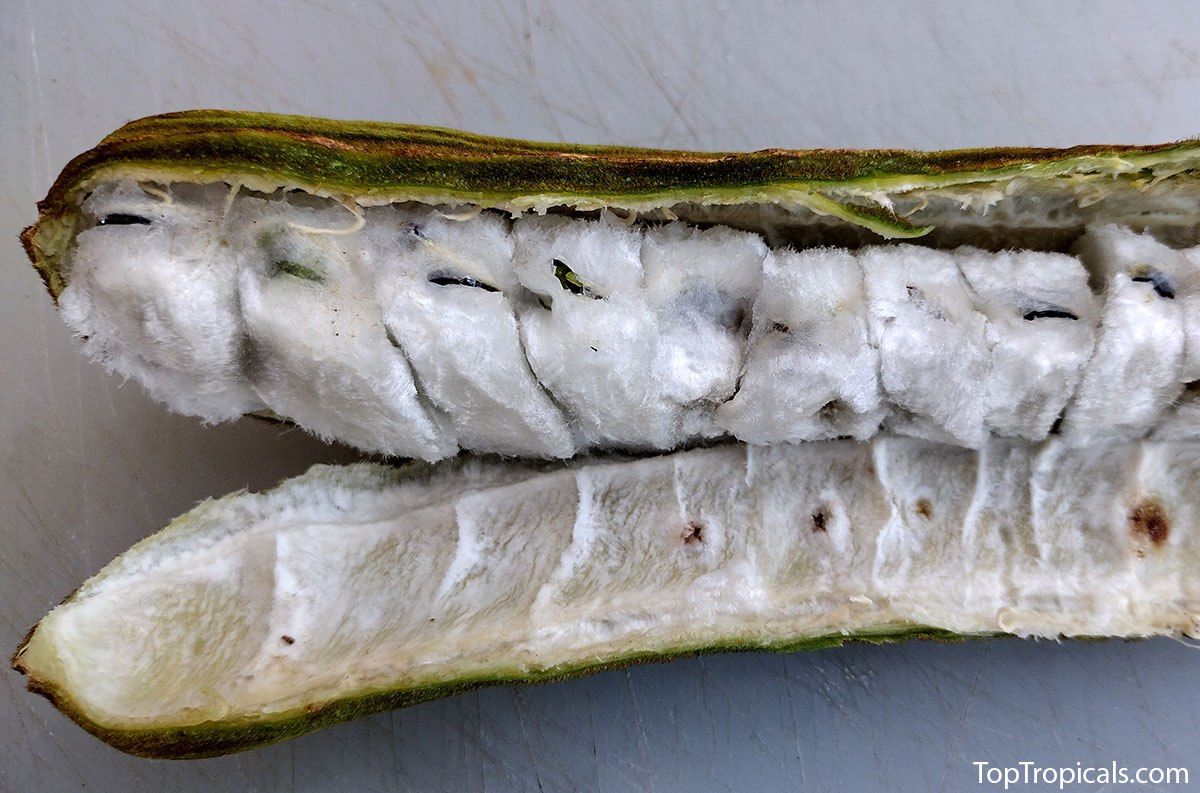
Ice Cream Bean Inga fruit

Ice Cream Bean Inga fruit

Ice Cream Bean Inga tree

Ice Cream Bean Inga tree

🍧 How to get big shade tree in one season with an ice cream on it? It's real!


🍦 Ice Cream Bean Inga is the ultimate fast-growing, shade-providing fruit tree with an irresistible twist! It not only transforms your yard into a cool, inviting oasis in record time but also produces fruit that kids (and adults!) can't get enough of!

🍦 Picture this: pods up to a foot long, bursting with sweet, creamy pulp that tastes exactly like ice cream!

🍦 Craving instant shade? Perfect for those sunny spots where you need shade, the Ice Cream Bean Inga rapidly unfurls its lush, umbrella-like canopy, creating a natural, leafy retreat in just one season!

🍦 With its delectable treats and speedy growth, this extraordinary tree is sure to be the highlight of your garden - where shade and sweetness meet!

🛒 Get shade with ice cream benefit

#Food_Forest #Fun_Facts #Nature_Wonders #How_to

🏵 TopTropicals

Date: 4 Jan 2023

Ten steps to Happy Gardening in 2023

Beginning of the year checklist

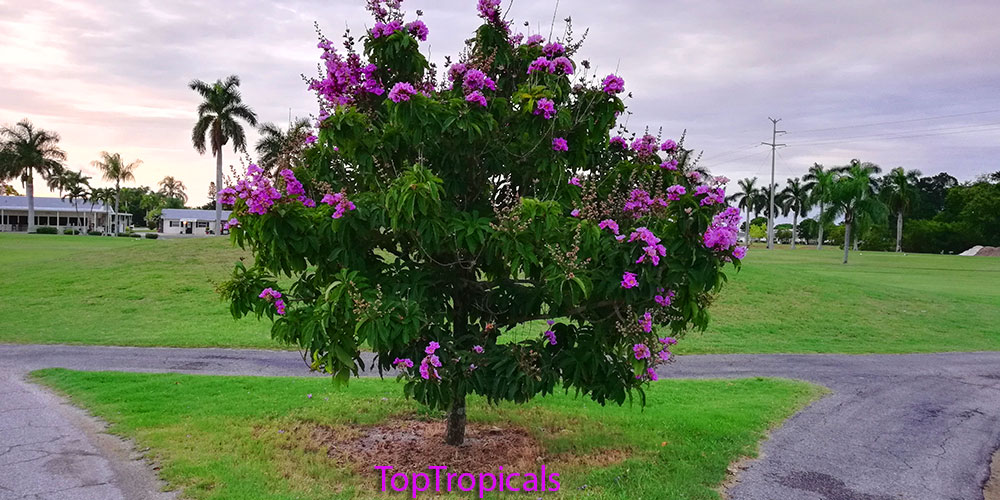
Lagerstroemia  flowering  tree  on  crossroads

To assist our customers in creating a happy and enjoyable gardening experience this year, we consulted with our horticulturist to compile a list of ten recommended items. Here are the results...

1. A favorite. Get yourself a favorite small flowering plant that is compact, manageable, and easy. Such as Ground Orchid. Keep it in a pot or plant in the ground by the entryway where it can be seen often and enjoyed.
2. A fruit of your labor. You need at least one (or one more) fruit tree for your garden, or for container culture if you live in colder climate. Growing and especially harvesting tropical fruit will make you happy. The Winner of the last year was Cherry Lolita - an easy, compact fruit tree that can produce almost year around. Some fruit trees will fruit right away!
3. Be exclusive. A rare plant is a must for every gardener. It can be a useful gem such as Noni Tree or an unusual-looking like a Bat Lily - Tacca. Show your friends and neighbors something different they have never seen!
4. Make it cool. Finally plant that shade tree by your driveway. Yes it takes time to grow, but the sooner you plant it, the sooner you get that shade! There are some fast growing species, some only take a couple of years to the mature size.
5. Beauty. If you have an ugly fence or unwanted view in your yard, cover it with a flowering vine. Look at the beauty every day and make your life better. Replace a boring standard hedge with colorful flowering shrubs that will make you smile.
6. Scent. Add some fragrant plants to your landscape and inhale their healing magic.
7. Tropical. For a shady corner, select a showy tropical with lush foliage such as Philodendron or Monstera, or all time favorite Banana. Get a feel of tropics.
8. Happiness of giving. Buy a gift plant for someone you care about but don't know how to thank them. Live plant is the best expression of love and gratitude. If you are unsure what plant to pick, ask our Team or simply buy a Gift Certificate that will never expire - let them chose the plant they like.
9. Food for all. A set of quality liquid fertilizers is a must - try Sunshine Boosters that can be used year around. They will make your plants healthy, strong, fast growing, cold hardy and disease-resistant. You can choose formulas for different plant types from our selection, or simply buy online a Nutrition Kit of 8 bottles that will cover all your needs and save you 50% on fertilizer cost!
10. Share. Subscribe your friend to TopTropicals Newsletter so they can get a weekly Piece of Tropics in their mailbox. Cool Cat Photos come as a bonus!

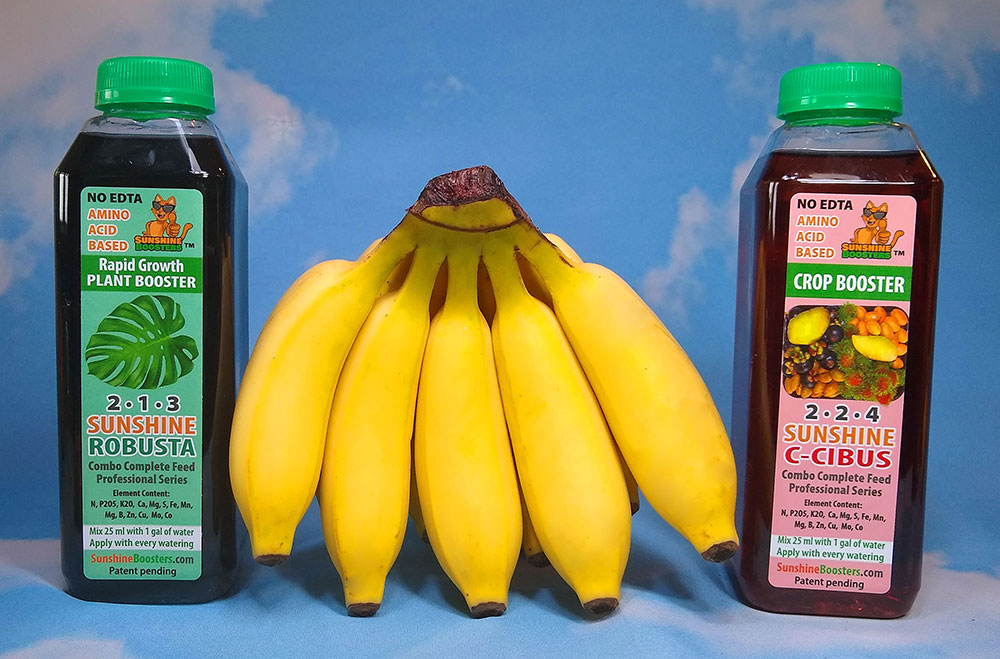
Sunshine  boosters  Robusta  and  C-Cibus  with  a  bunch  of  bananas

Make sure to always have on hand at least 2 main formulas of Sunshine Boosters - Robusta for vegetative growth, and C-Cibus that will satisfy plant needs for both fruit production and profuse flowering